The article is still in its draft stages & will be edited further…
I will begin by introducing Punt, then examine the evidence suggesting that Eritrea was likely an integral part of Punt, and finally provide an overview of its history.
Introduction
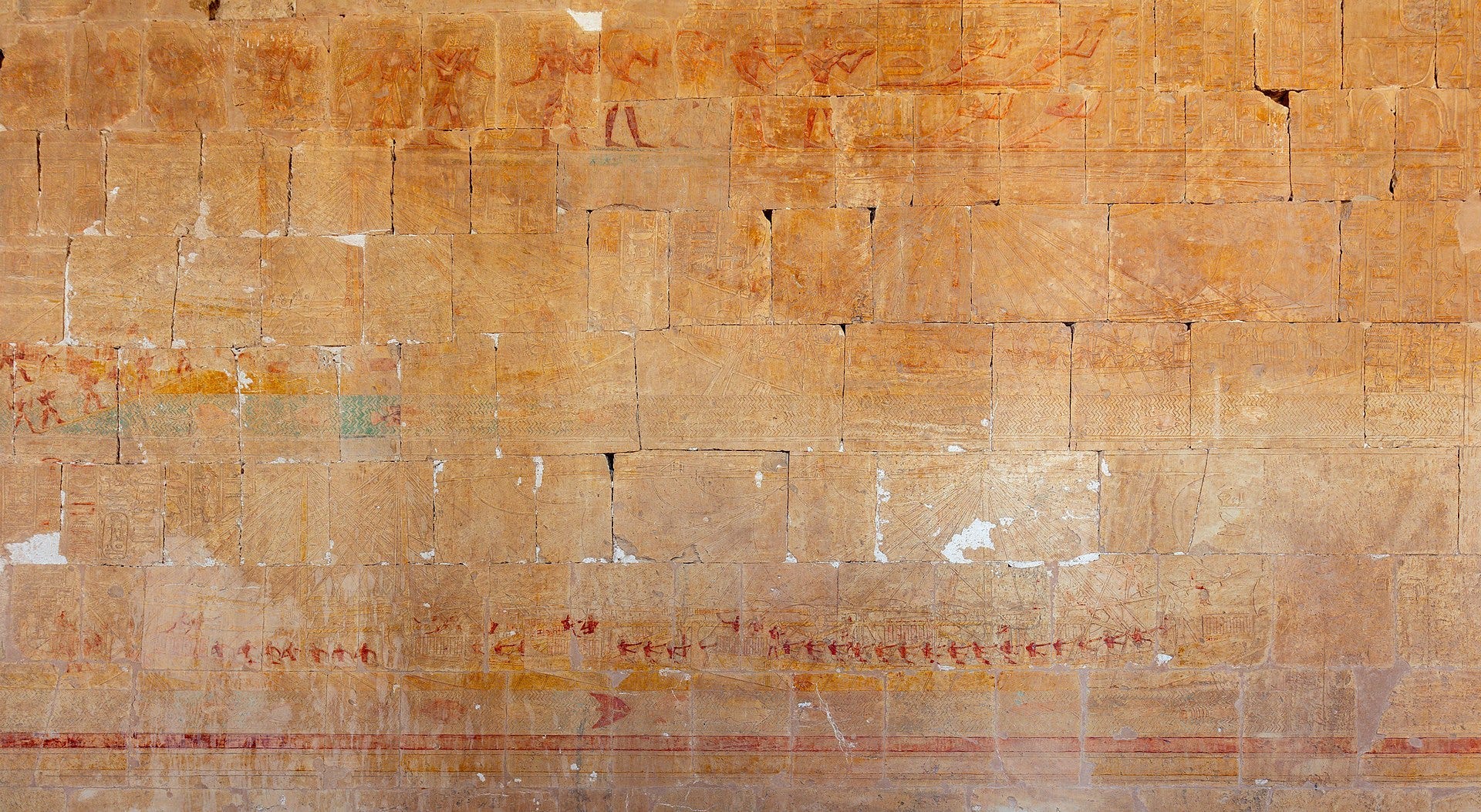
The ancient civilisation known as Punt has long perplexed historians and archaeologists due to the limited information available about it. Punt is mentioned in Egyptian sources from approximately 2500 BC to 1000 BC, a timeframe that spans the Old, Middle, and New Kingdom periods of ancient Egypt. This shows a long-standing and sustained relationship between Punt and Egypt for over a thousand years.
However, despite the numerous expeditions recorded by the Egyptians to this mysterious land, the precise location of Punt remains a subject of ongoing scholarly debate.
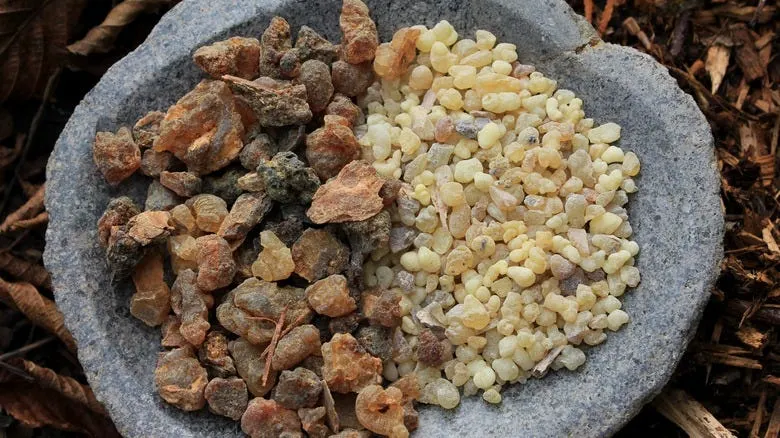
Punt was renowned in ancient Egypt for its production of Frankincense (Ancient Egyptian: snTr2) and Myrrh (Ancient Egyptian: antyw3), earning it the titles “The Land of Plenty”4 and “God’s Land” (Ta-Netjer5) due to its vast resources.
Interestingly, Punt was never invaded by Ancient Egyptian military forces, nor did the Egyptians establish any permanent settlements there10. This is despite the fact that ancient Egyptians may have spent several months in Punt, as they had to wait for favourable sailing conditions before making a safe return journey to Egypt11.
The Egyptians probably found it more convenient to depend on the Puntites for the production and supply of rare trade items, instead of trying to conquer and transform Punt into a subject territory. The challenges of navigating the distant location of Punt, whether overland or through the red-sea probably rendered the idea of a military expedition impractical.
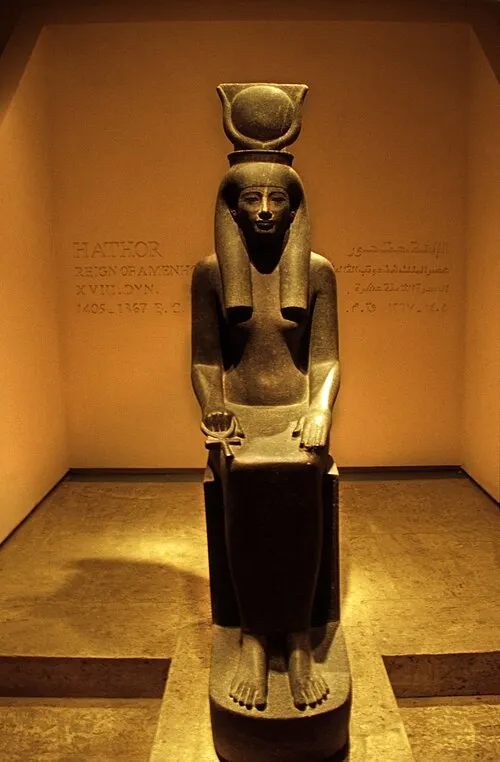
Secondly, the Egyptians may have held the Puntites in very high esteem. Even some of their gods, such as Hathor (the goddess of love, fertility, and more13), were closely associated with Punt. Hathor was one of the earliest Egyptian deities, dating back to the predynastic period, and, most importantly in this context, she was frequently described as originating from Punt14.
“It is the sacred region of God’s Land; it is my place of distraction; I have made it for myself in order to cleanse my spirit, along with my mother, Hathor… the lady of Punt.” - An Inscription in Pharaoh Hatshepsut’s Temple at Deir el-Bahari.
Source: The Penguin historical atlas of ancient Egypt. pg 74.
Where was Punt located?
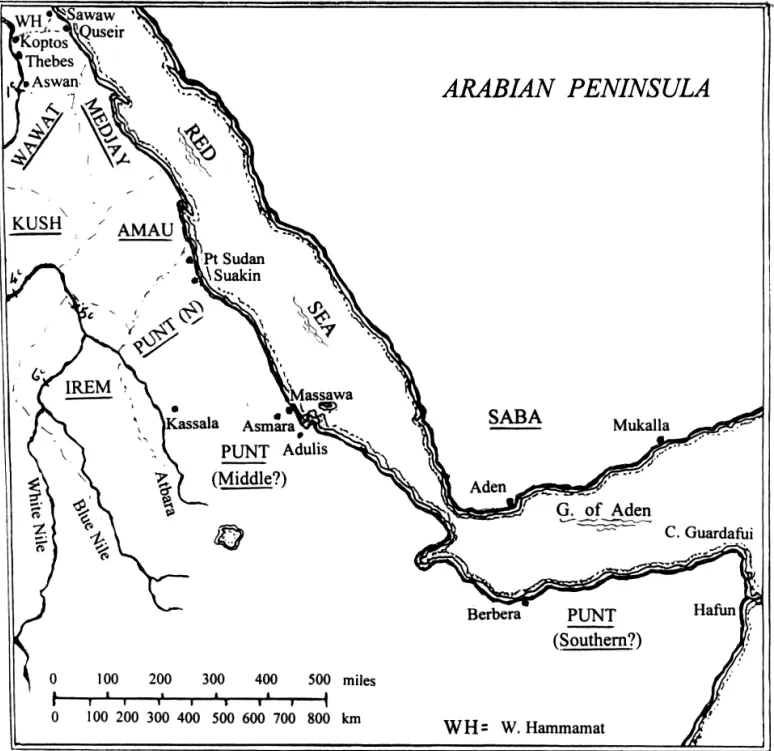
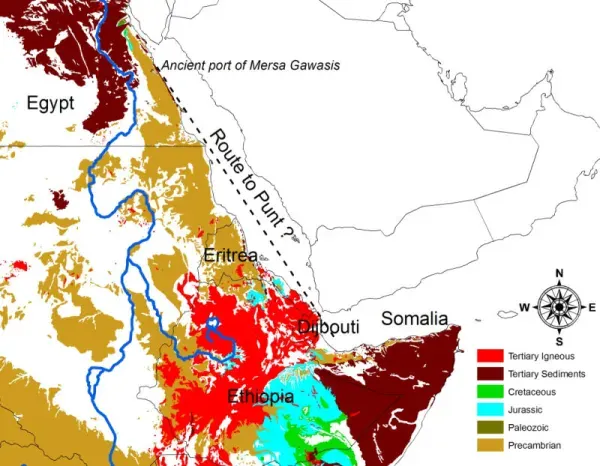
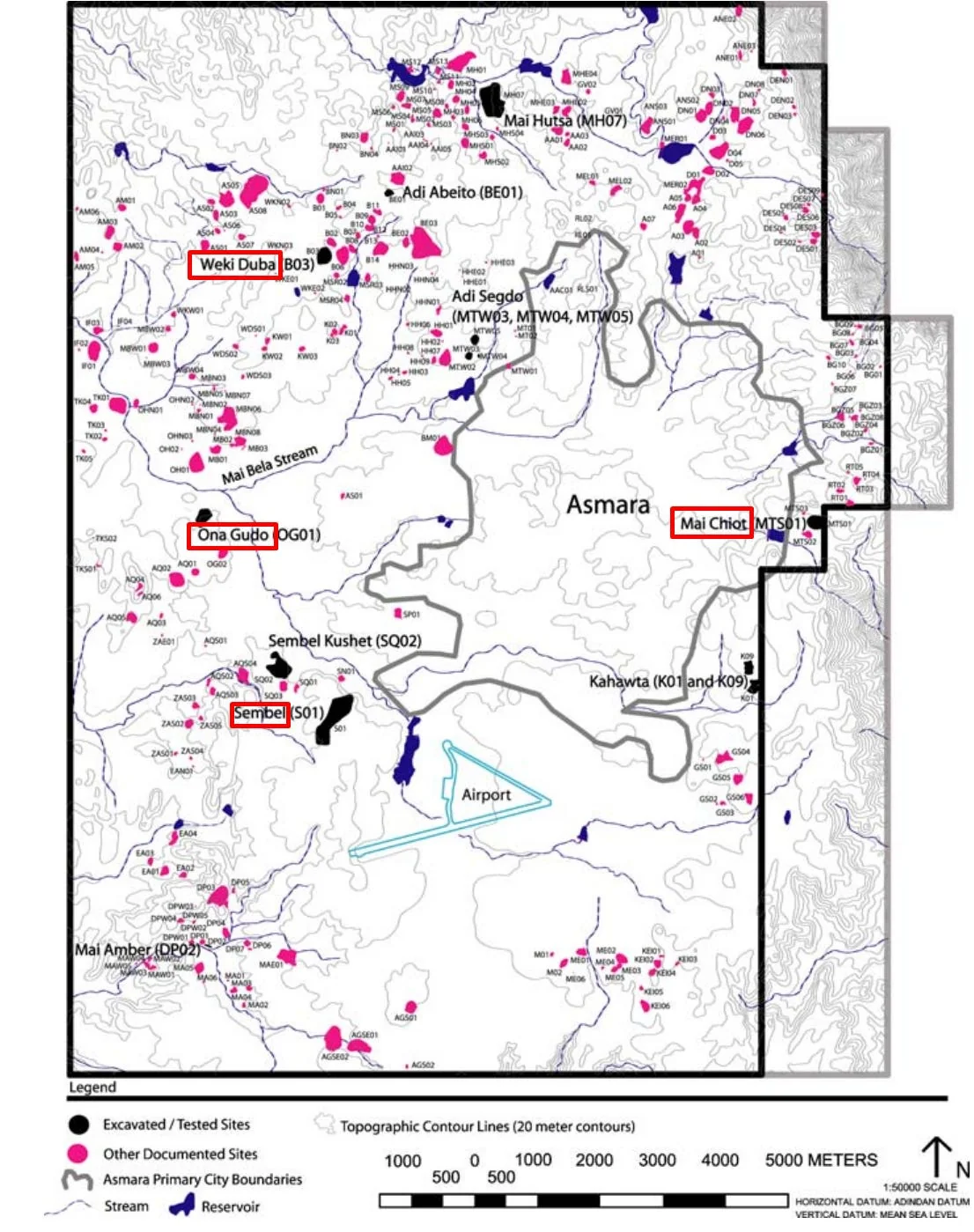
The precise location of Punt remains a topic of considerable debate, with theories suggesting various regions, including the southern Arabian coast, Eritrea, Sudan & Somalia. Currently, a majority of scholars lean towards the view that Punt likely included the territories of present-day Somalia, Djibouti, and Eritrea15. The lack of locational details in ancient writings regarding Punt, along with the sparse archaeological findings make it difficult to pinpoint the location of Punt.
In the next section of this article, I’ll provide evidence showing why Eritrea was a core component of Punt.
Connection to the Eritrean region
Bia-Punt
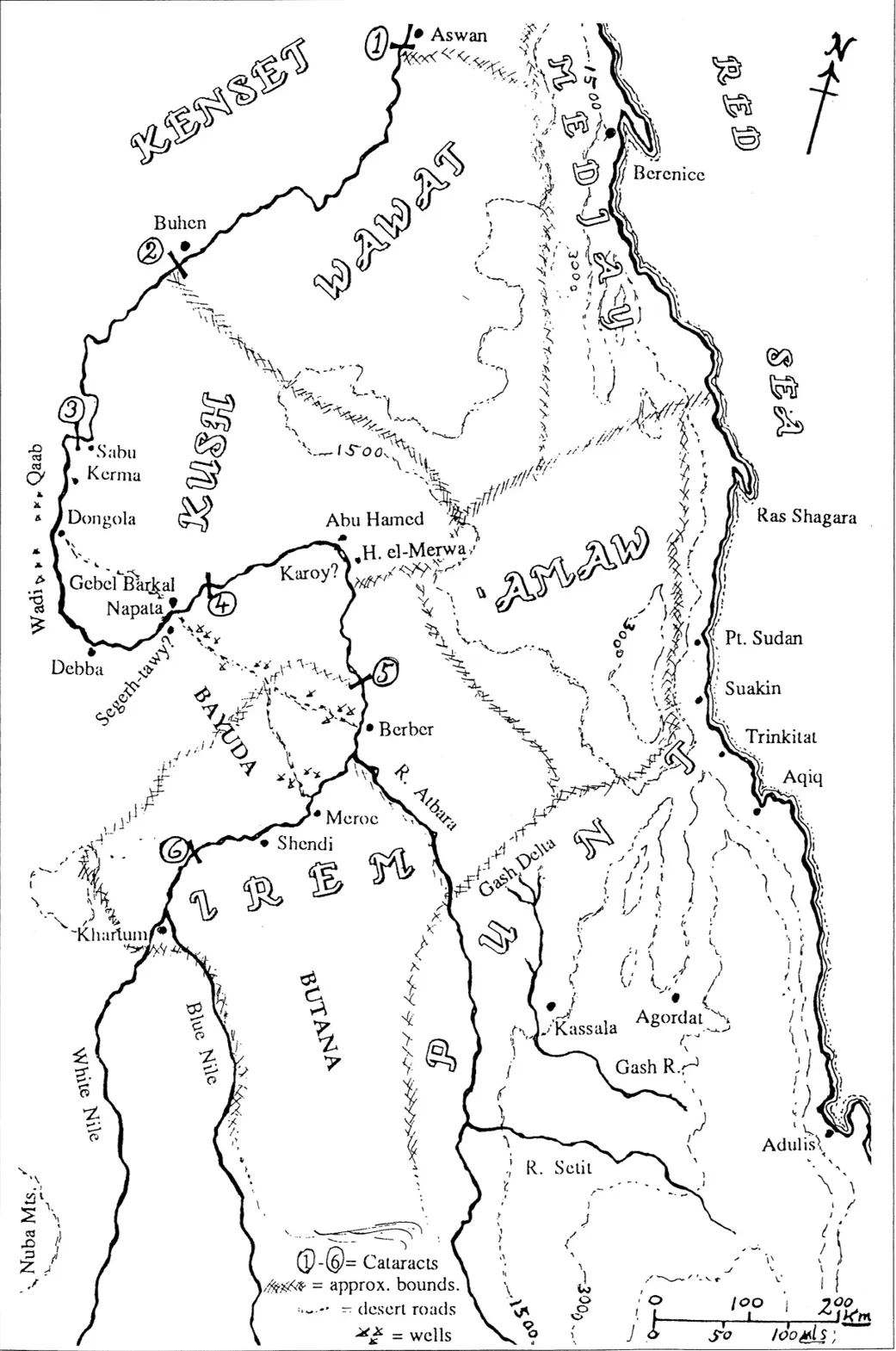
What is Bia-Punt?
Punt often acted as an intermediary for other African nations in their trade with Egypt. While little is known about most of these "other" nations, records and research have shed some light on three: Amu, Irem, and Bia-Punt. Among these, Bia-Punt is the most documented and is thought to be a region within Punt19, most likely located in Northern Eritrea. This area was particularly noted for its mining activities, suggesting that Bia-Punt was a significant source of minerals and possibly other valuable resources in the trade networks between Egypt and the African interior.
Sesostris I
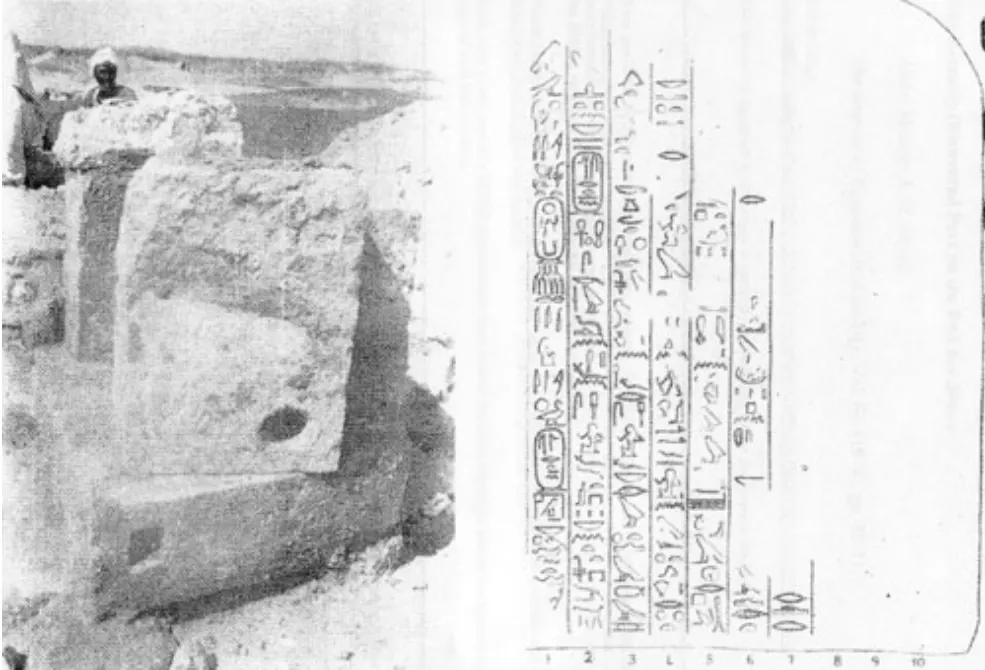
There are several mentions of Bia Punt, for example, during the reign of Ancient Egyptian Pharaoh Sesostris I (1956-1911 BC), a shrine belonging to an official named Ankhu was discovered. The shrine consisted of three discarded stone anchors, and it contained the following inscription, mentioning the “mining region of Punt”:
“1st Month of Winter, Day…Superintendent of ship’s captains…to reach…with troops of recruits… The Superintendent of ships’ captains, Superintendent of recruits,…sent to the mining region [of] Punt… I returned… for the Majesty of King Sesostris I…ship[s]…their land, the products of God’s Land with them…all that [the god] Tatonen had created, from everything of this land…these products, which they had assembled for revenue” - Profiling Punt: using trade relations to locate 'God's Land' , pg 34
35 more words
The Tale Of The Shipwrecked Sailor
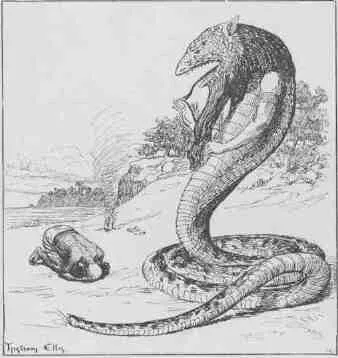
The Tale of the Shipwrecked Sailor is among the very few surviving fictional narratives from Egypt’s Middle Kingdom21. It recounts the journey of a sailor who, after being shipwrecked during a voyage to a mining region, encounters the prince of Punt (who is a giant serpent). The prince boasts of immense wealth, particularly myrrh for incense production, alongside oils, spices, and, most interesting of all, a range of raw animal goods, including elephant tusks and monkeys.
These same commodities (elephant tusks & monkeys) are later identified by Greek and Roman writers, millennia afterwards, as primary exports of Adulis and its surrounding region22. This lends further weight to the argument that Adulis functioned as one of the principal ports and commercial hubs of Punt.
Here are excerpts from The Tale of the Shipwrecked Sailor that relate to Punt.:
“….I was going to the mine of the king. I went down to the sea in a ship of one hundred twenty cubits in length and forty cubits in width. One hundred twenty sailors were in it of the choicest of Egypt. Whether they looked at the sky or they looked at the land, their hearts were braver than lions. They could foretell a storm before it came, foul weather before it occurred….
Then he laughed at me for what I said was foolishness to him. He said to me, “You are not rich in myrrh being an owner of incense. It is I who am the lord of Punt and the myrrh, it belongs to me. And the incense that you spoke of bringing, it is abundant on this island. When it happens that you leave this place, it will not occur that you will see this island again, it having become water”…
Then I placed myself upon my belly my arms bent in respect before him. Then he gave to me a quantity of myrrh, heknu oil, laudanum, hesayt spice, tishpes spice, perfume, eye-paint, giraffes’ tails, great lumps of incense, elephants’ tusks, greyhounds, monkeys, baboons and all kinds of precious things. Then I loaded them upon this boat. It happened as I placed myself on my belly to give thanks to him that he said to me, “Behold, you will approach home in two months. You will be full, you will embrace your children, you will be young in the home where you will be buried”. - Excerpts from The Tale of the Shipwrecked Sailor, a translation by W.K. Flinders Petrie, 1892.
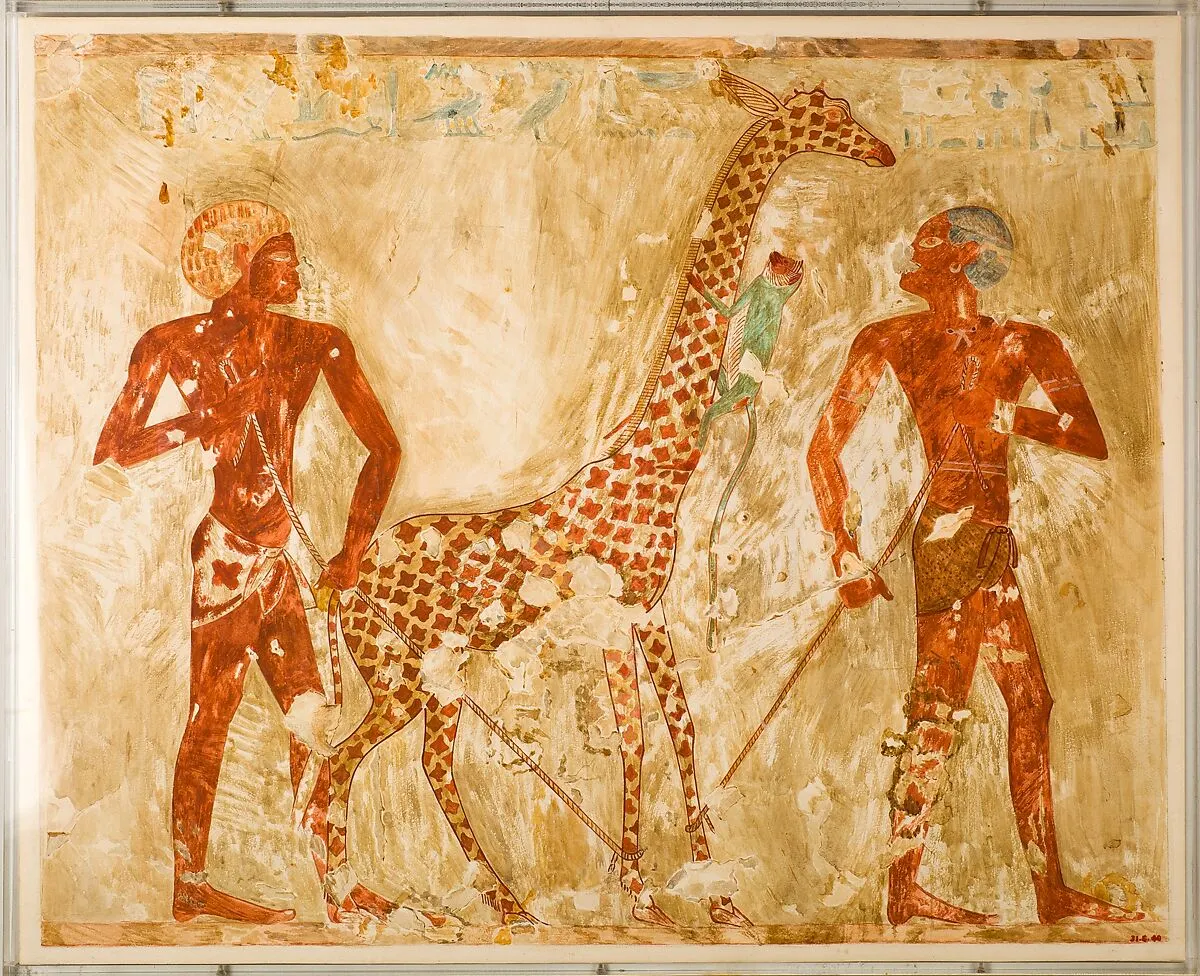
256 more words
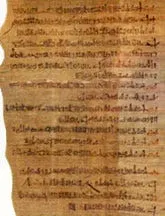
Precambrian rocks
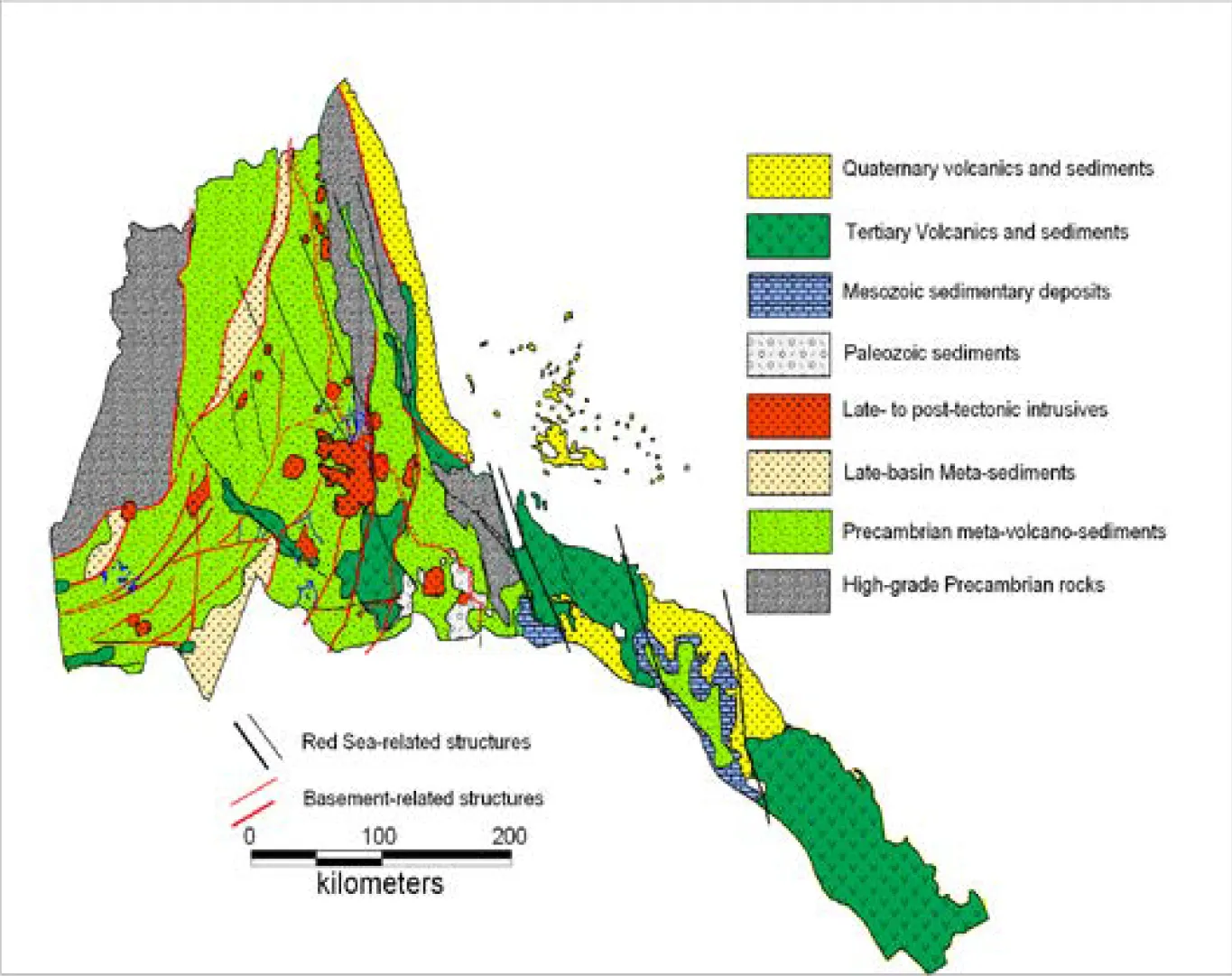
Another line of evidence linking Punt, specifically Bia-Punt (the mining region of Punt), to Eritrea is the region’s geology. Over 60% of Eritrea is composed of Precambrian rock formations24, which are particularly rich in valuable minerals, including gold. These mineral resources align closely with what the ancient Egyptians described as electrum.
Adulis and Ancient Egyptian Baboons
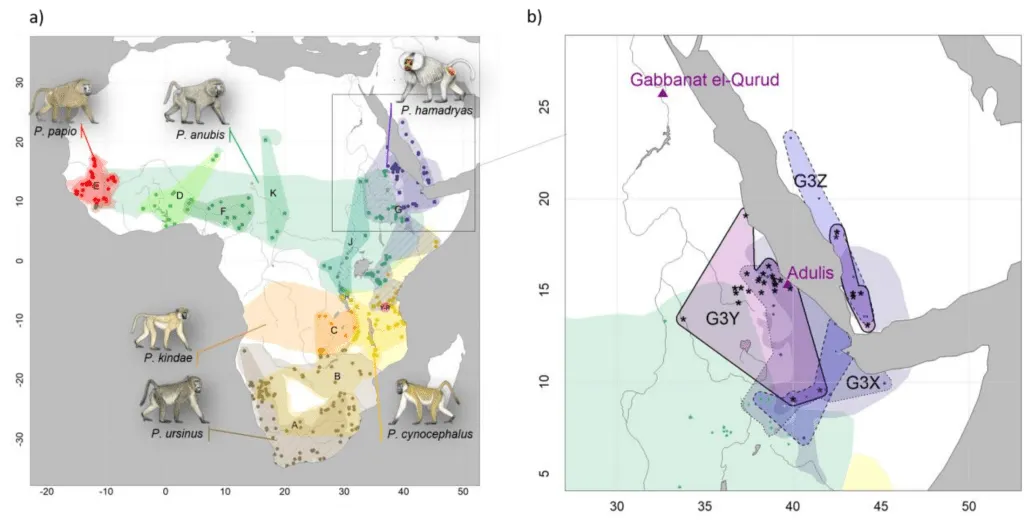
Adulis, located on the coast of present-day Eritrea, was an important maritime port in the Erythrean Sea throughout antiquity. Its history can be traced back to at least the first millennium BCE26, although it’s likely much older. This port city was pivotal in facilitating the movement of ships, goods, and ideas among major ancient centres such as Egypt, Arabia, and India.
One of the exports of Adulis was monkeys and baboons, as noted earlier in this article. Writing in the 1st century AD, Pliny the Elder records that sphingiæ (possibly sphingion, a type of ape27) were brought from Adulis. However, the origins of this monkey trade are far older, as will become clear in the following section.
Hermopolis Magna
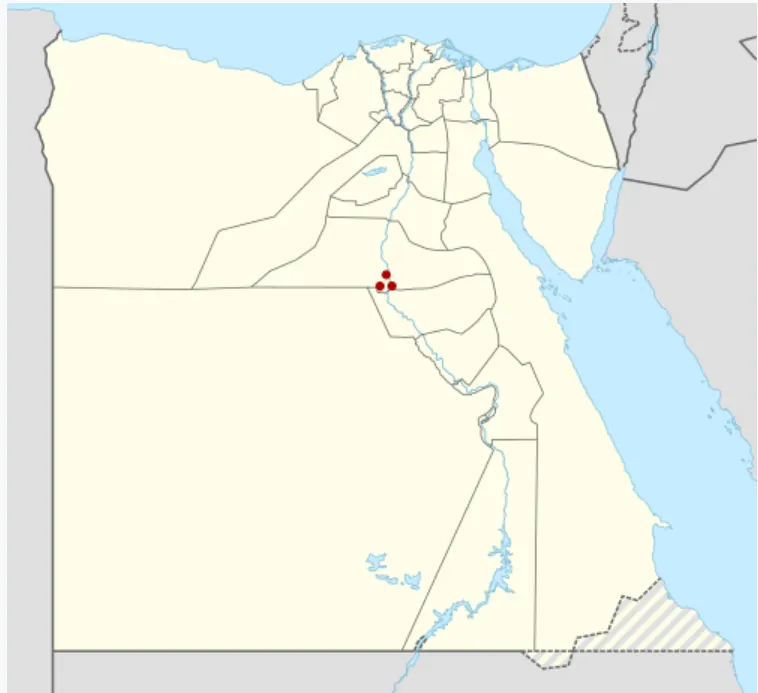
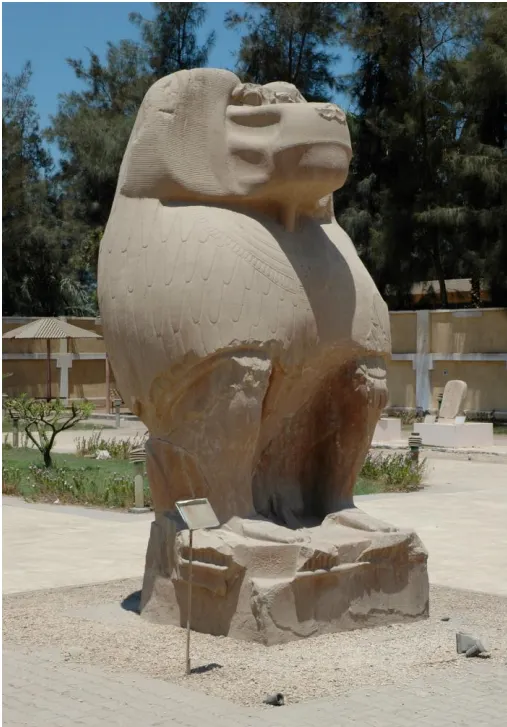
Hermopolis Magna, currently known as el-Ashmunein, is situated in Upper Egypt and was known as a significant religious centre dedicated to the worship of the god Thoth during the Pharaonic period 9. Thoth was venerated as the god of writing, wisdom, and the moon, and held the title of vizier to the gods. His significance in the Egyptian pantheon is reflected in the grandeur and devotion evident in the sanctuary and temple complex of Hermopolis Magna28.
This religious site is famed for its numerous colossal statues, each weighing approximately 35 tons. These statues represent Papio hamadryas (a species of baboon) as manifestations of Thoth33.
Connection to Adulis
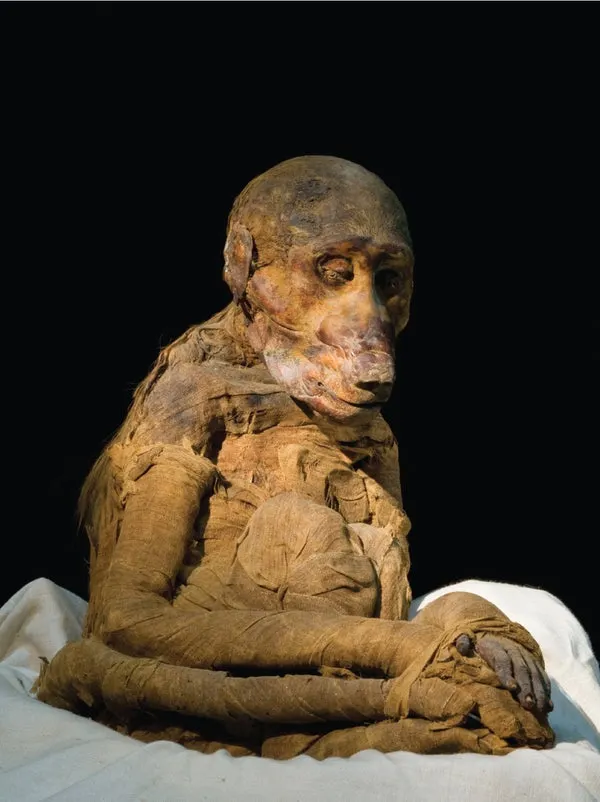
![r/ArtefactPorn - A mummified baboon from Ancient Egypt, where the animals were worshipped…and sometimes used as cops (OC, Info in comments) [6000x4000]](/media/article/57908bafa7584c8feba1079259e82d089d5c0edfd95f9f43abdf54910449788b.webp "r/ArtefactPorn - A mummified baboon from Ancient Egypt, where the animals were worshipped…and sometimes used as cops (OC, Info in comments) [6000x4000]")
Further evidence linking Adulis to ancient Egyptian baboons emerged in 2023, when a team of researchers conducted genetic analyses on baboon remains from ancient Egypt, particularly those from Gabbanat el-Qurud, also known as the “Valley of the Monkeys”. Mitochondrial genomes from a mummified baboon at Gabbanat el-Qurud, together with fourteen specimens held in other museums, were analysed and revealed a striking pattern. Genetic results link these baboons to modern populations of Papio hamadryas found in Eritrea, strengthening the case for Adulis being the major source for Egypt’s sacred baboons34.
Obsidian at Mersa/Wadi Gawasis, Linked to Eritrea
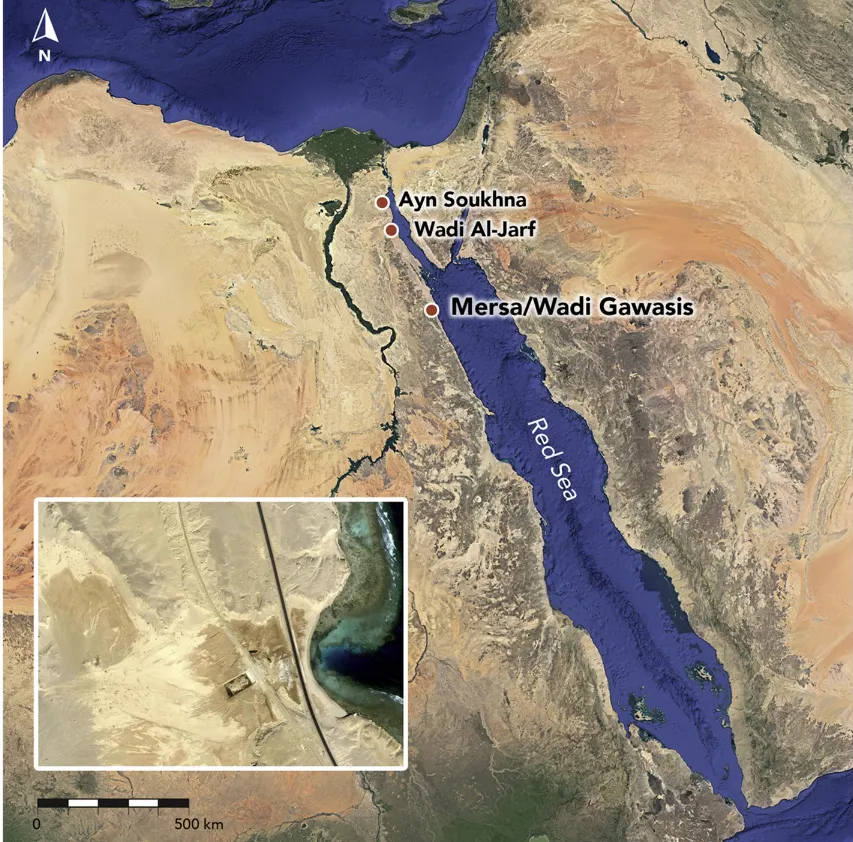
The ancient port of Mersa/Wadi Gawasis in Egypt played an important role in the ancient Red Sea trade, especially with Punt. The site has been identified as the ancient Egyptian port of Saww35.
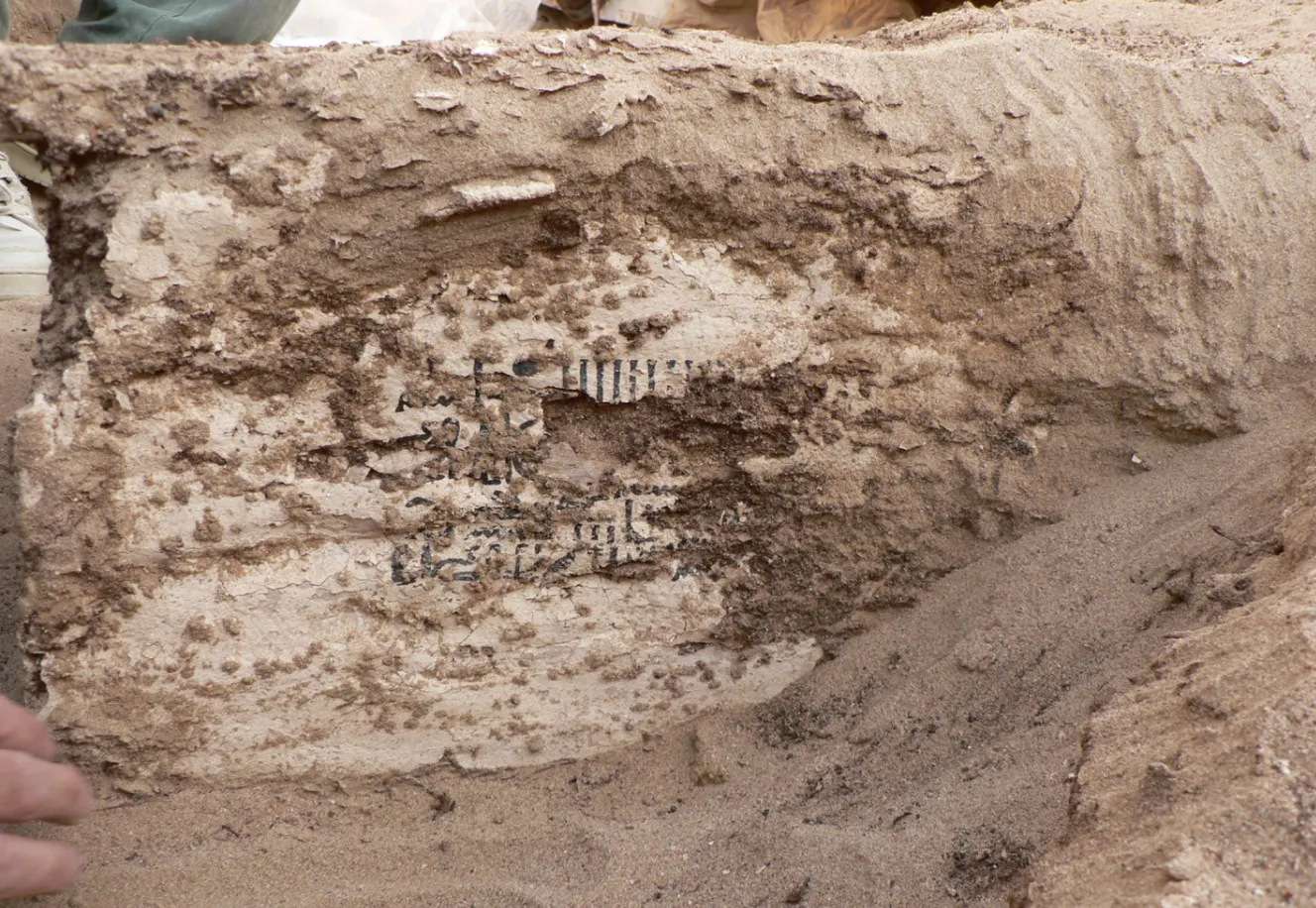
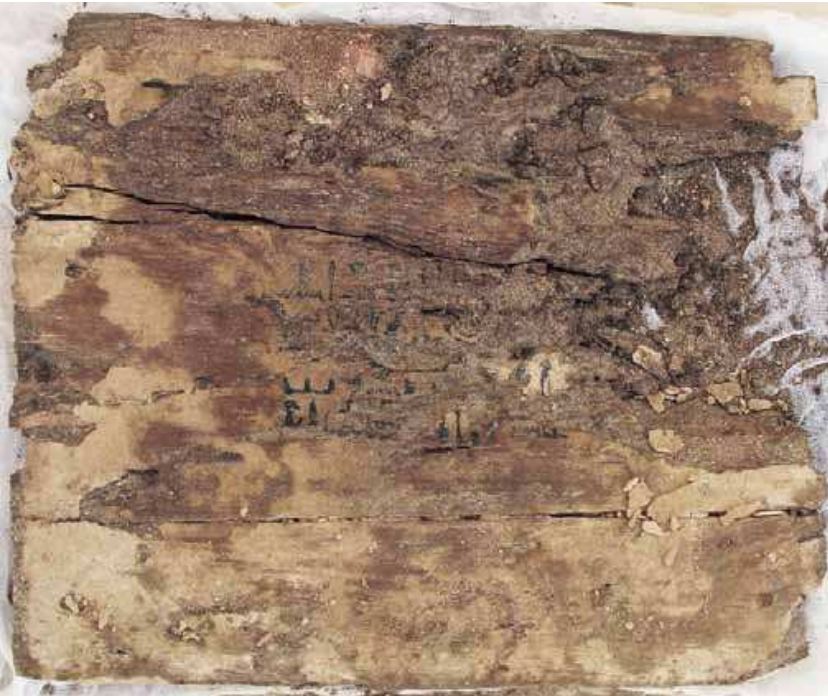
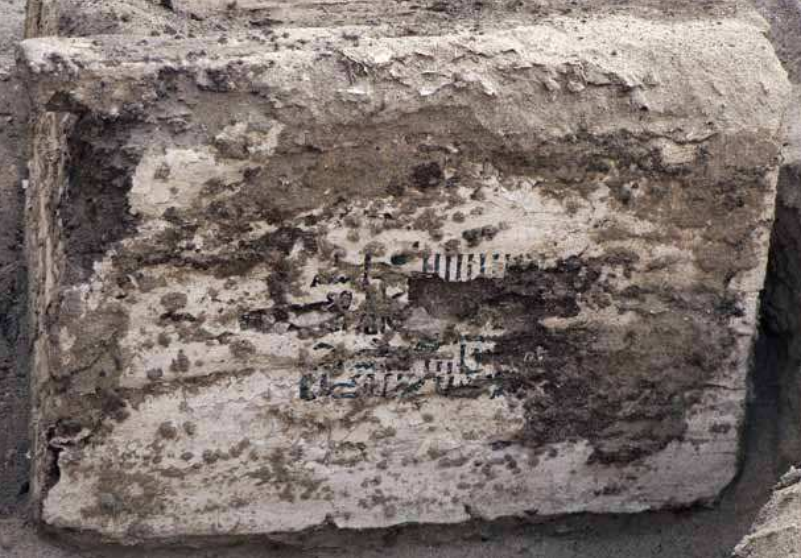
One of the many artefacts linking this port with Punt dates to the reign of Pharaoh Amenemhat IV (c. 1786–1777 BC)36. A wooden storage box, likely used during an expedition to Punt, was discovered bearing an inscription that mentions Bia-Punt.
One of the most intriguing finds at this port was obsidian, a type of volcanic glass. Given that obsidian does not occur naturally in Egypt, its presence at the site provided clear evidence of long-distance trade37.
Linking it to Adulis
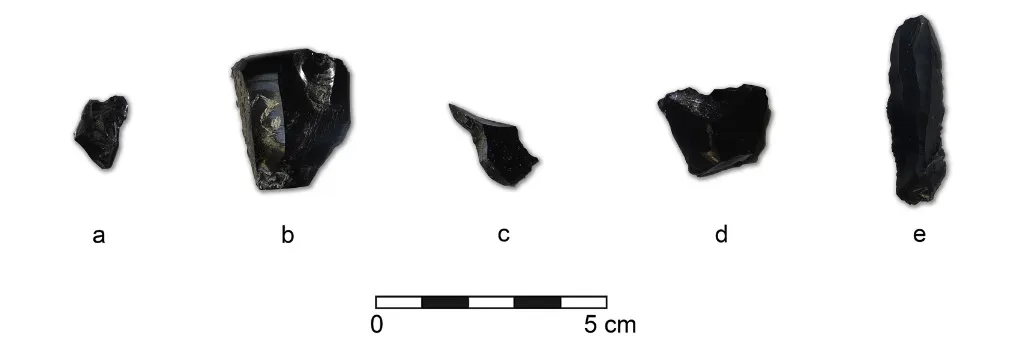
Another significant discovery at the port of Wadi Gawasis consisted of tools used by the ancient Egyptians for various activities at the port, including scraping and cleaning ship timbers as well as cutting tasks38. In particular, six such artefacts made of obsidian were found. Archaeologists conducted geochemical analysis to determine the origin of these obsidian tools.
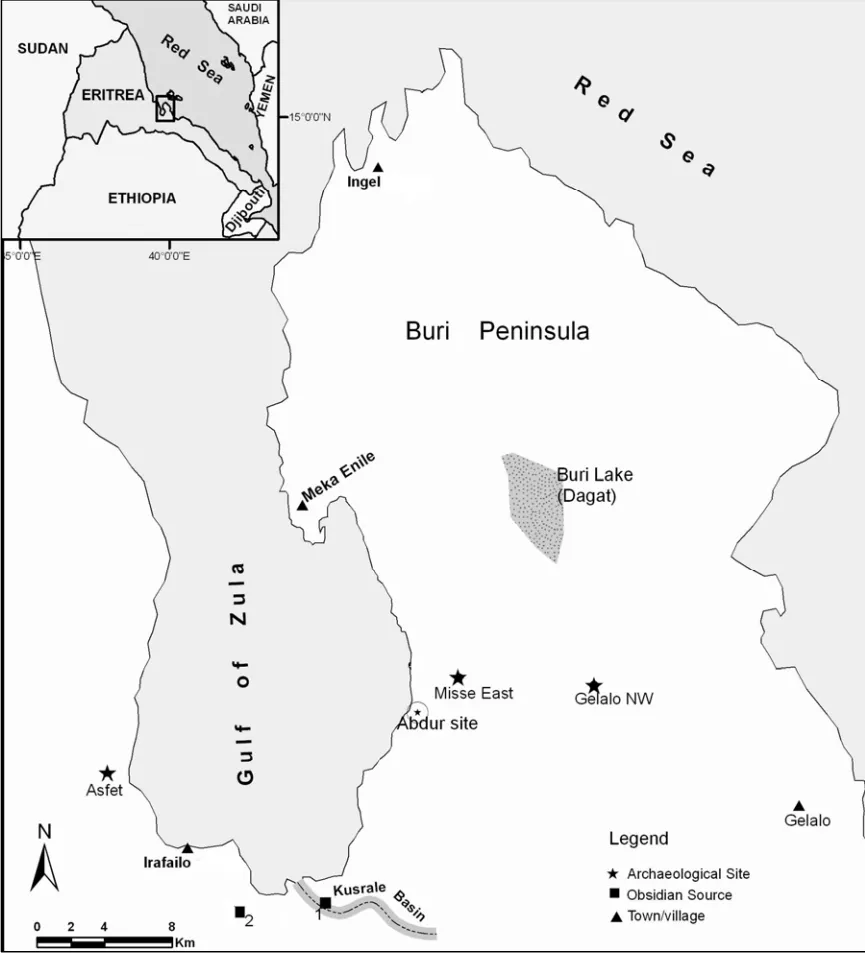
Specifically, these obsidian tools were compared with geological samples from across Eritrea, Ethiopia, and Yemen. The results revealed that four of the six artefacts closely matched obsidian sourced from Kusrale in Eritrea39.
Possible Origins of Habesha & Kebessa
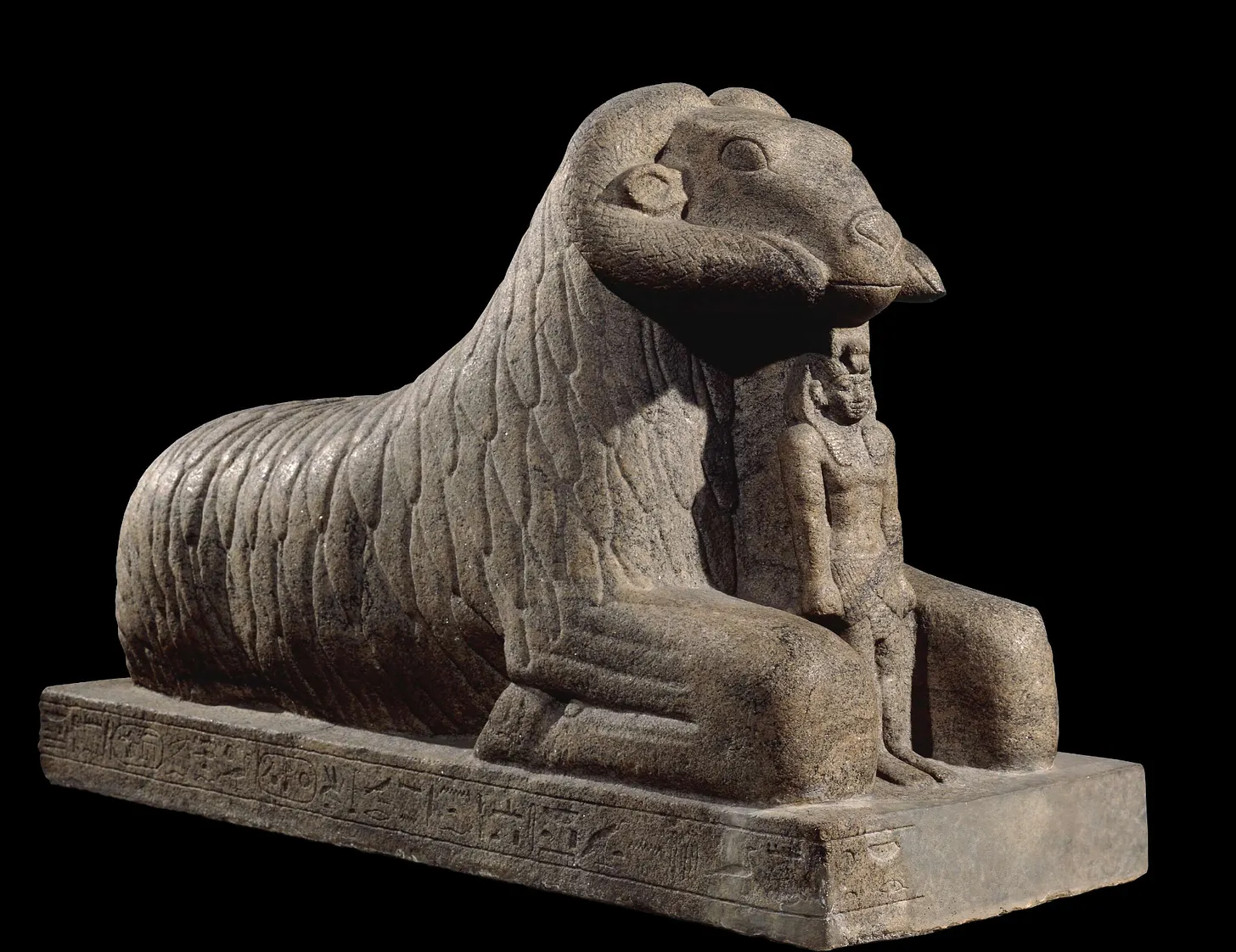
Before Queen Hatshepsut’s expedition to the land of Punt, she consulted an oracle of the god Amun. The oracle instructed her to undertake the journey to Punt. An inscription preserving the oracle’s message survives in both Hatshepsut’s temple at Karnak and at Deir el-Bahari41.
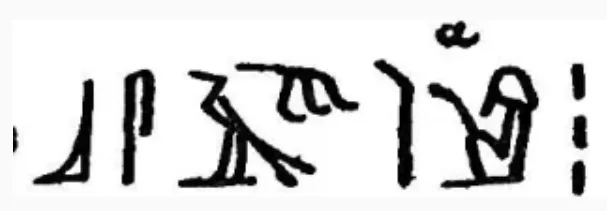
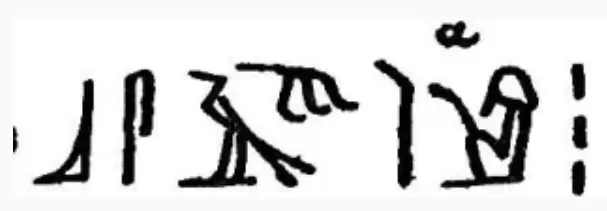
Interestingly, in this inscription, the term ḫbś.tıʾw is used in reference to Punt. This term means “Bearded Ones”42.

ḫbś.tıʾ w n(.ıʾ )w tȝ-nčr, which means the bearded ones of gods-land (=Punt). Source: The Ancient Egyptian Etymology of Ḥabašāt “Abessinia” pg 11 & Urkunden des ägyptischen Altertums, Volume IV, Inscription 345, section 14.The hieroglyphics above can be further broken down into:
The hieroglyph below represents ḫbś.tıʾw, meaning “Bearded Ones”43.
The hieroglyph below represents n(.ıʾ )w tȝ-nčr44, which means “Gods Land”, which in this case refers to Punt.
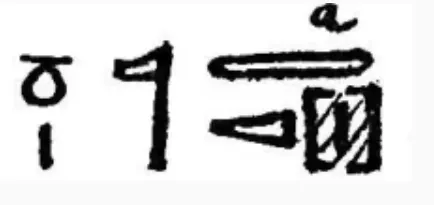
Some scholars, such as Francis Breyer, have proposed that the term ḫbś.tıʾw may represent the ethnogenesis of the name Habesha45, now used as a modern pan-ethnic identifier. He argues that, during the time of Punt, the term functioned in a geopolitical sense.
The vocalisation of ḫbś.tıʾw can be khebsi46; could this be an early etymology of the term Kebessa, used to refer to the highland people of Eritrea47?
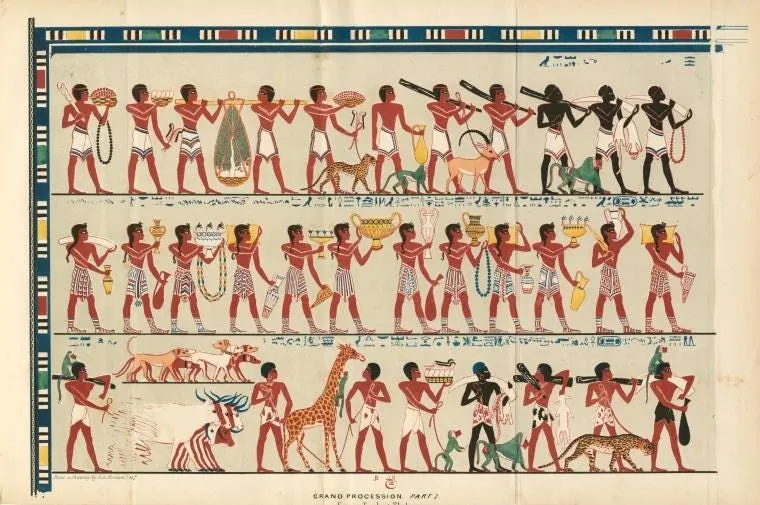
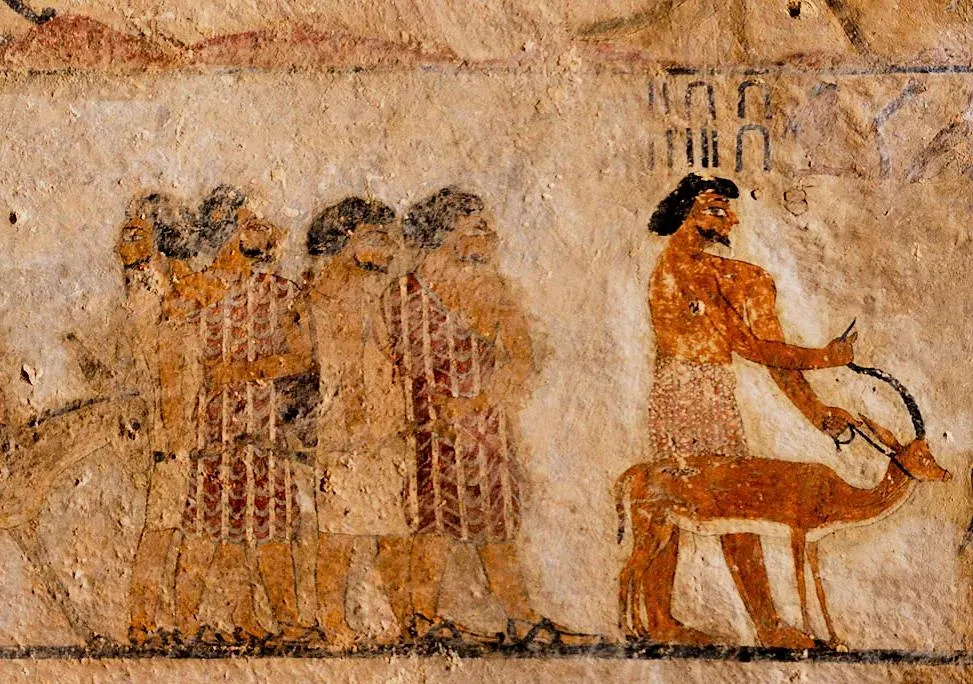
Another interesting clue lies in the way the ancient Egyptians depicted the Puntites. They were typically portrayed with red or copper-toned skin, similar to the usual representation of Egyptians of themselves, which contrasts with the way Nubians were depicted in Egyptian art.
For example, in the tomb of Rekhmire (vizier under Thutmose III and Amenhotep II49), a beautiful relief depicts various foreign delegations presenting goods to the Egyptians. Specifically, in the top left, Puntites can be seen50.
Conclusion
Based on the evidence outlined above, including references to mining activity in Bia-Punt, genetic analyses of Papio Hamadryas baboons in ancient Egypt linked to modern populations in Eritrea, and the sourcing of obsidian fragments traced to Eritrea, it is reasonable to conclude that Eritrea formed at least part of the land of Punt, if not one of its main regions.
Where do you think Punt was centrally located?
Early Punt (2500BC-2040BC)
Pharaoh Sahure (~2487BC – 2475BC)
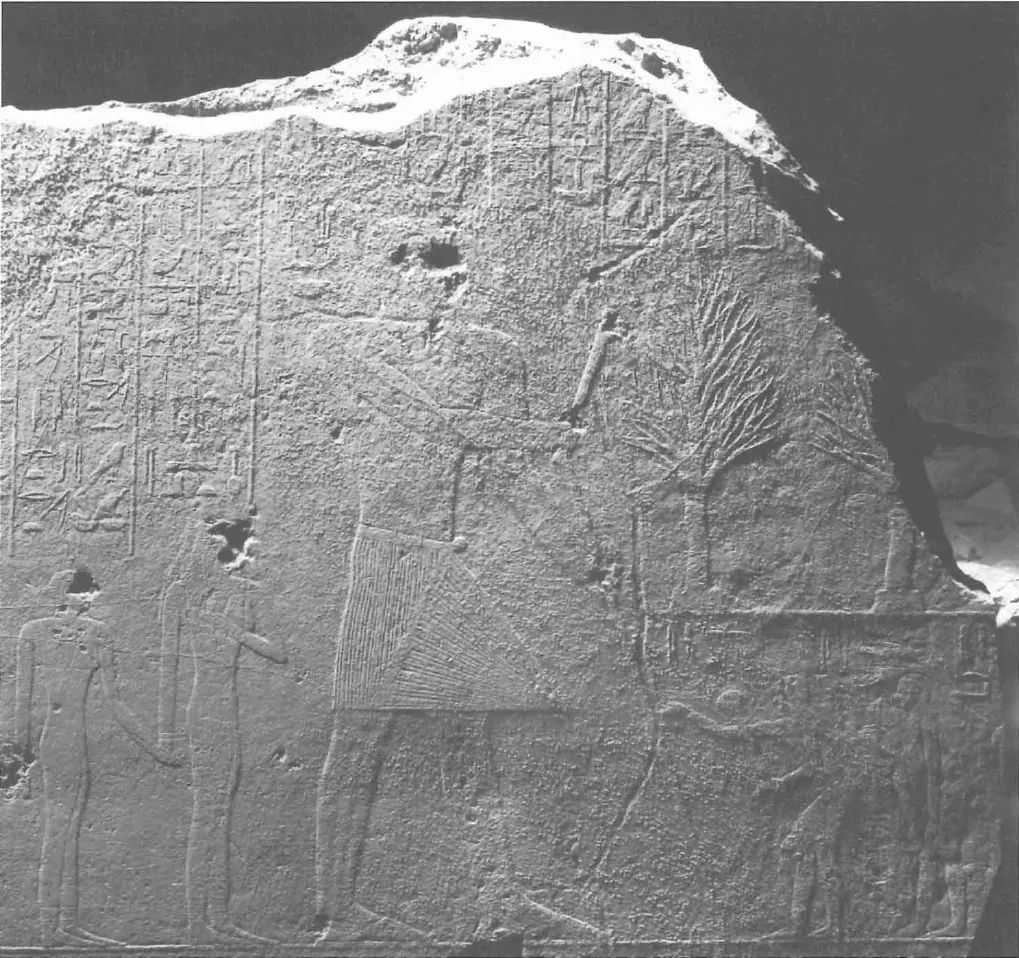
The earliest currently known reference to Punt is dated to the reign of Pharaoh Sahure (~2487BC - 2475BC), in the passageway of his Pyramid at Abusir. This scene depicts the Pharaoh celebrating the gathering of a Frankincense tree from Punt.
The inscription accompanying it is as follows:
“in front of all the gods since the primeval times of earth
… never happened
… to the companions
… to all king’s ornaments
… his majesty to the king’s mother Neferhetepes
… the Frankincense from the tree of Frankincense
… the palace of Sahure” -SAHURE – THE PYRAMID CAUSEWAY HISTORY AND DECORATION PROGRAM IN THE OLD KINGDOM, pg 169
The Palermo Stone (2490-2475BC)
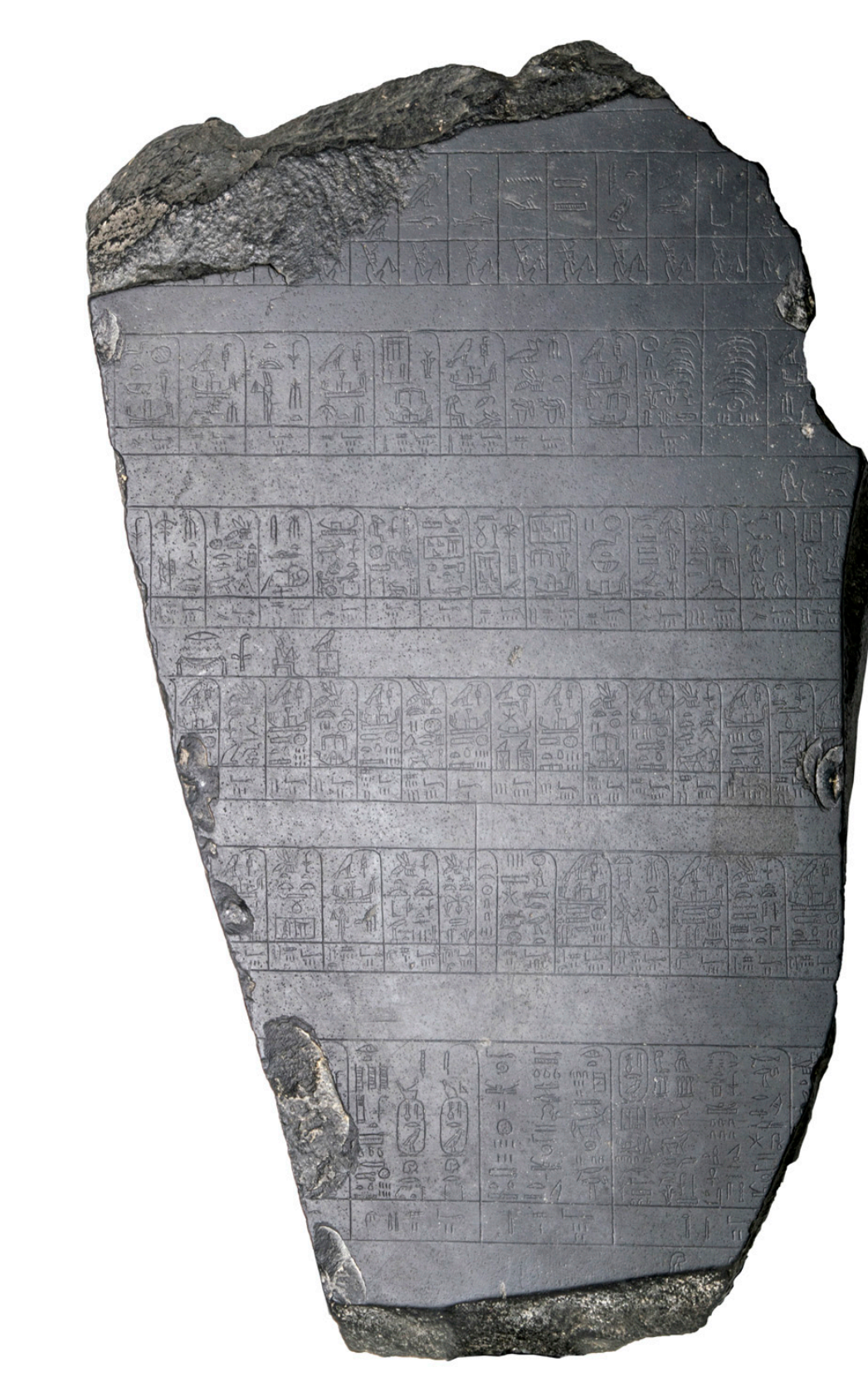
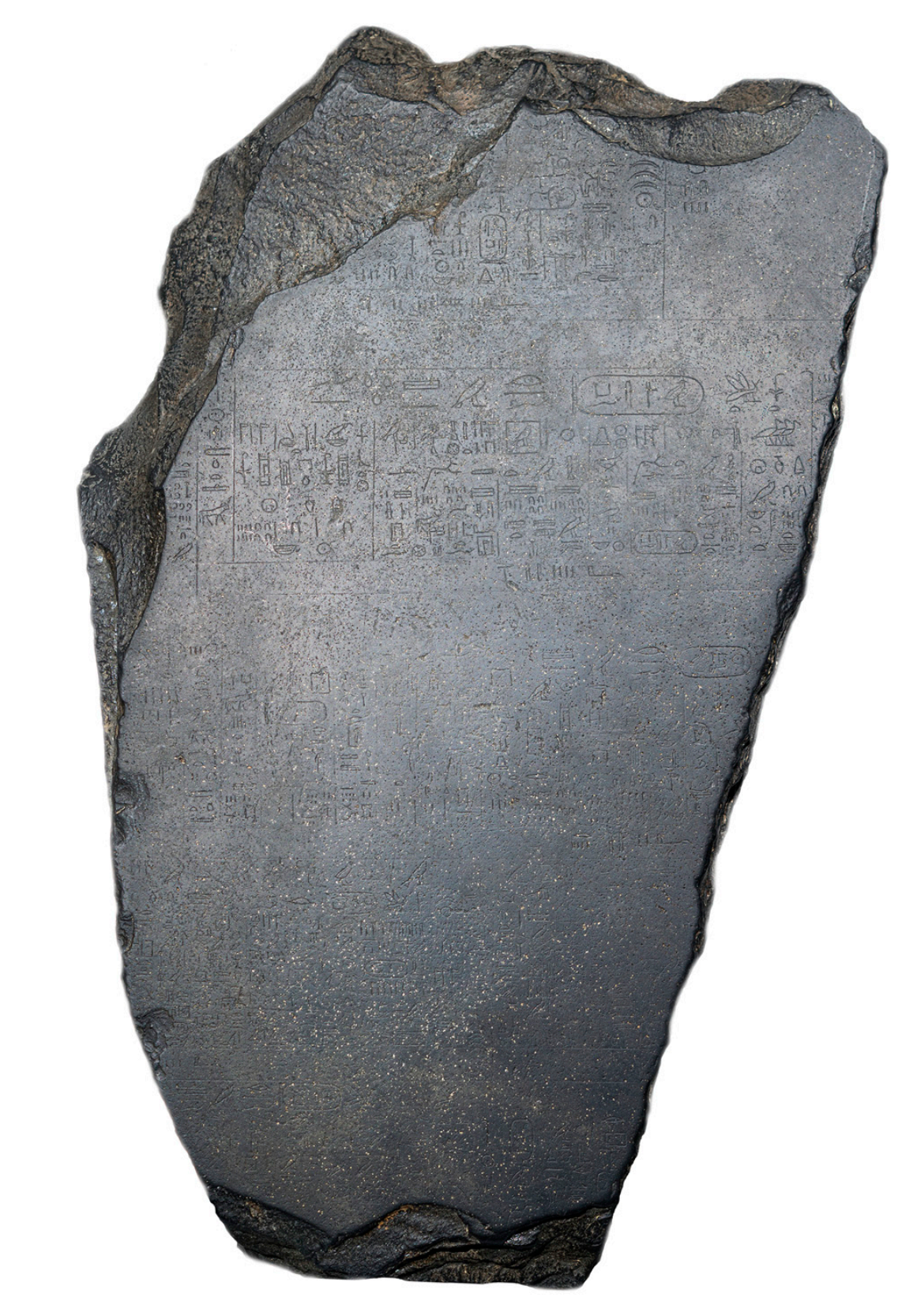
The Palermo Stone is one of seven surviving fragments of the Royal Annals of Ancient Egypt from the Old Kingdom. It records the succession of Egyptian kings from the Predynastic period through to the Fifth Dynasty. Notably, the stone preserves one of the earliest known references to the land of Punt. The hieroglyphic inscriptions describe several goods imported from Punt during the last year of the reign of the Fifth Dynasty Pharaoh Sahura52(~ 2490–2475 BC53).
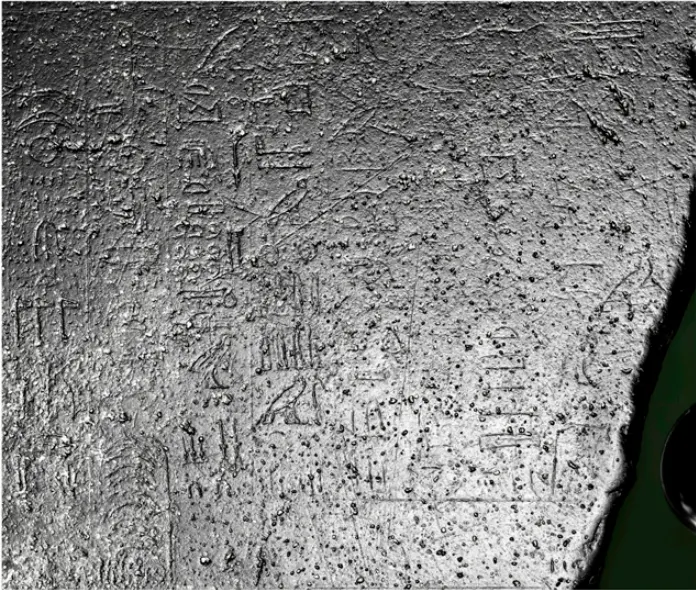
The inscription is as follows:
“The king of Upper and Lower Egypt, Sahure; he made it as his monument for:
…
Punt, 80,000 measures of myrrh, 6000 units of electrum, 2,900 green malachite.
& 23,020 ointment.” - Profiling Punt: using trade relations to locate ‘God’s Land’ pg 26 & The Palermo Stone and Its Associated Fragments: New Discoveries on the Oldest Royal Annals of Ancient Egypt, pg 70-72
Harkhuf (2287BC-2184BC)
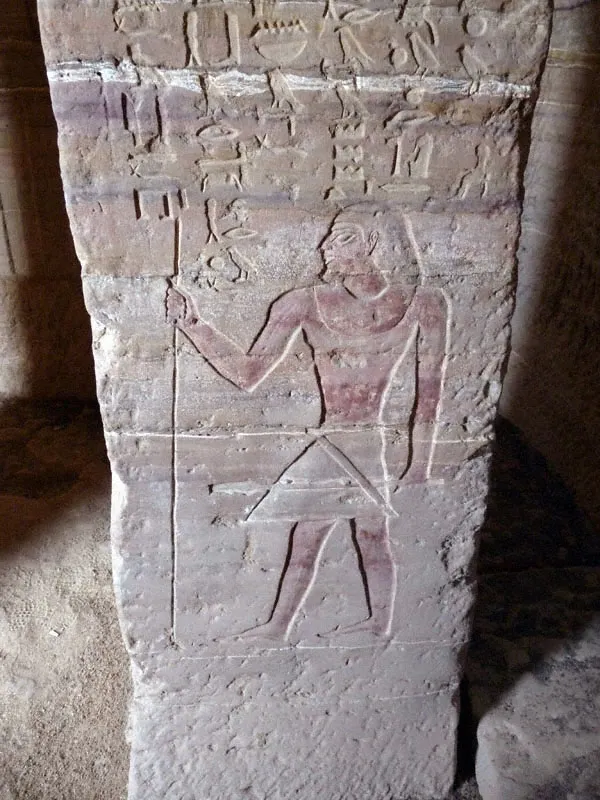
Harkhuf served as part of the nobility of southern Egypt56 during the reigns of Pharaoh Merenre (c. 2287–2278 BC) and Pharaoh Pepi II (c. 2278–2184 BC)57. He led at least four expeditions southwards into Nubia/Yam. Most importantly for our purposes, his inscriptions also contain a reference to Punt.
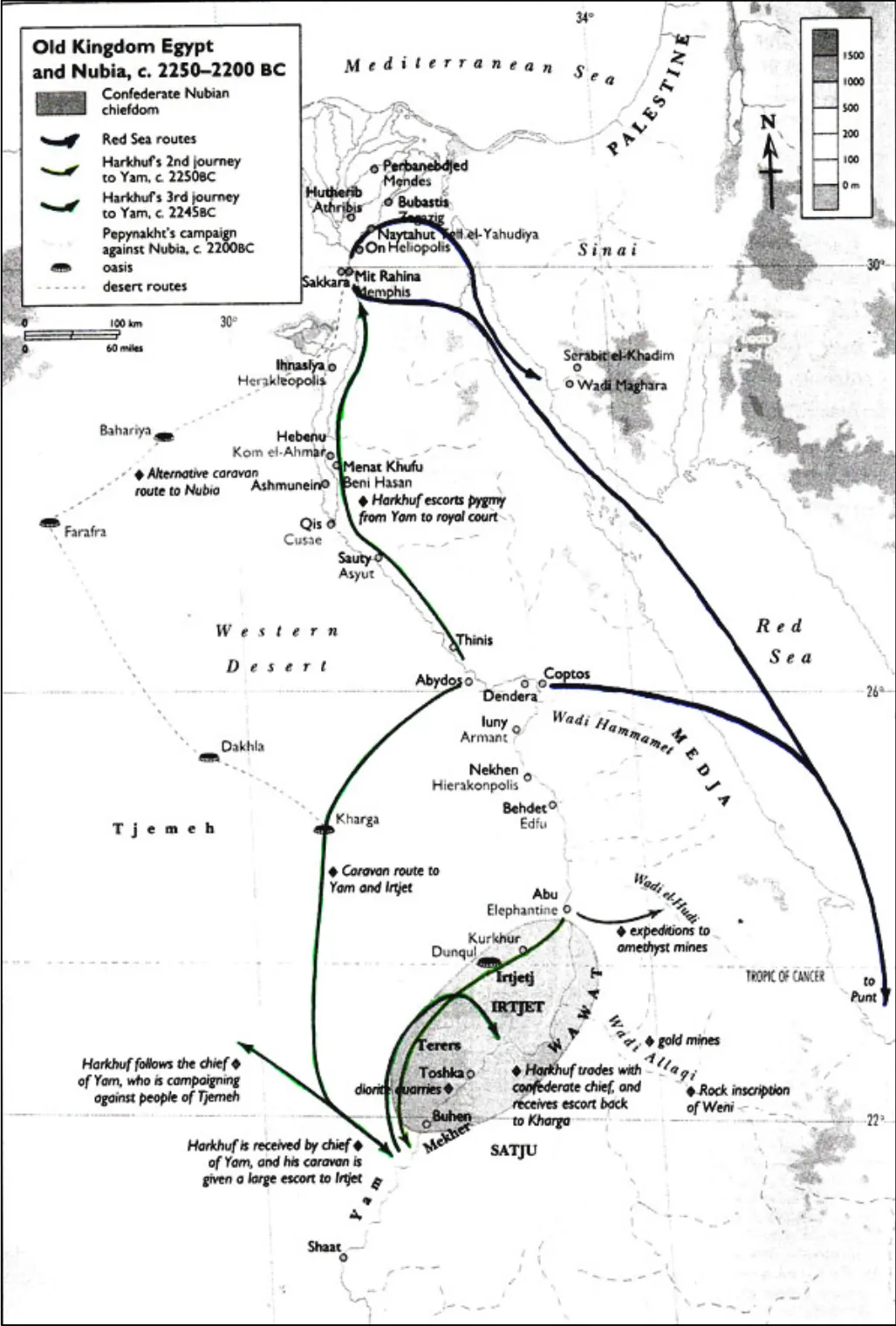
The inscription is as follows:
The King’s own seal: Year 2, third month of the first season, day 15. The King’s decree to the Sole companion, Lector-priest, Chief of scouts, Harkhuf. Notice has been taken of this dispatch of ours which you made for the King at the Palace, to let one know that you have come down in safety from Yam with the army that was with you.
You have said in this dispatch of yours that you have brought all kinds of great and beautiful gifts, which Hathor mistress of Imaau has given to the ka of King Neferkare, who lives forever. You have said in this dispatch of yours that you have brought a pygmy of the god’s dances from the land of the horizon-dwellers, like the pygmy whom the god’s seal-bearer Bawerded brought from Punt in the time of King Isesi.
You have said to my majesty that his life has never been brought by anyone who did Yam previously. … Come north to the residence at once! Hurry and bring with you this pygmy whom you brought from the land of the horizon-dwellers … When he goes down with you into the ship, get worthy men to be around him on deck, lest he fall into the water!
When he lies down at night, get worthy men to lie around him in his tent. Inspect ten times at night! My majesty desires to see this pygmy more than the gifts of the mine-land and of Punt” - Profiling Punt: using trade relations to locate ‘God’s Land’ pg 29
218 more words
Analysis
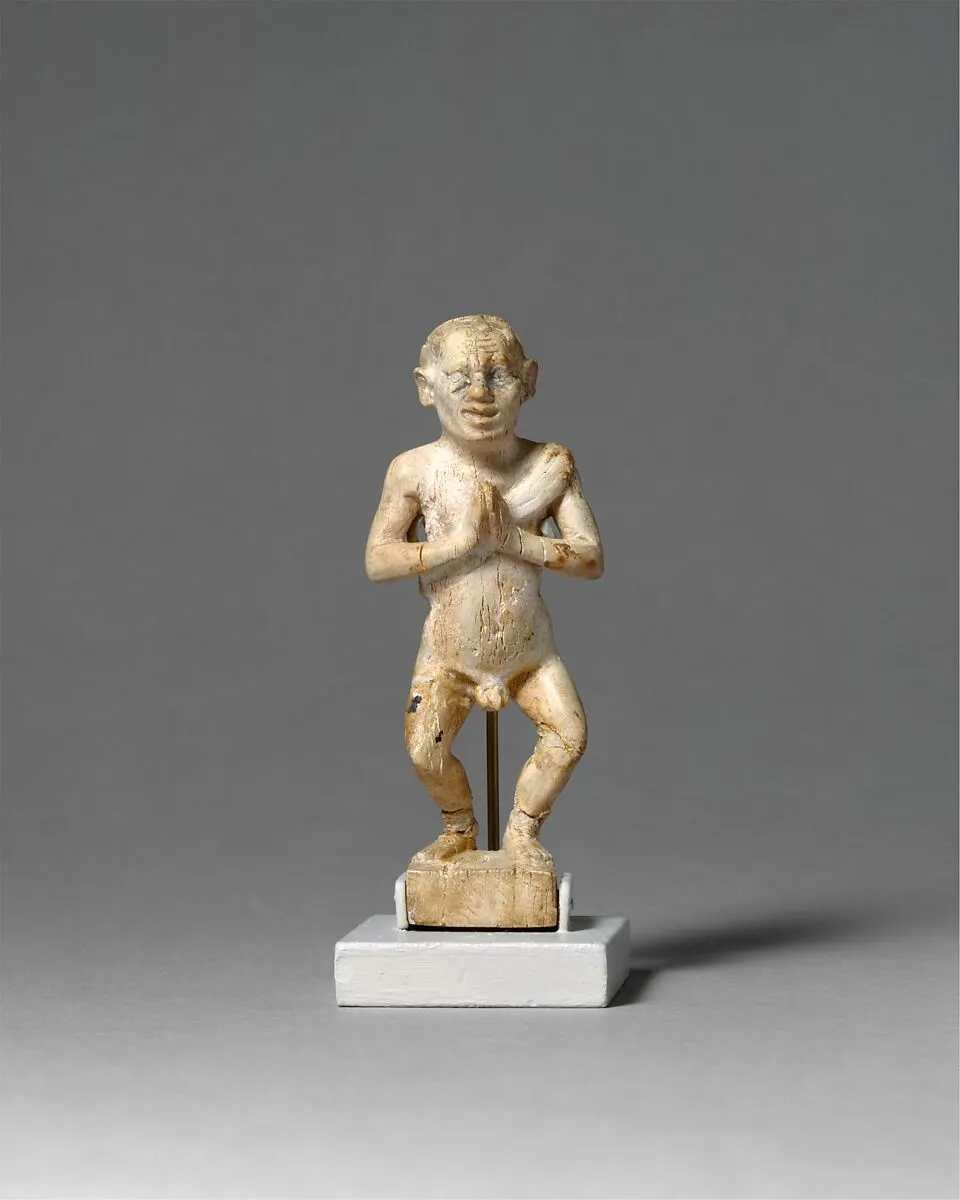
Firstly, the inscription records that a Pygmy was brought back from Punt. It is unlikely that this individual originated from Punt itself rather, Puntite traders may have obtained the person through trade with neighbouring interior regions and then exchanged them with the Ancient Egyptians. This interpretation is supported by Egyptian depictions of the Puntites, who, as we discussed earlier, are usually portrayed with physical features similar to those of the Egyptians.
This inscription raises a strong possibility that forms of human trade, including slavery, were conducted by the Puntites.
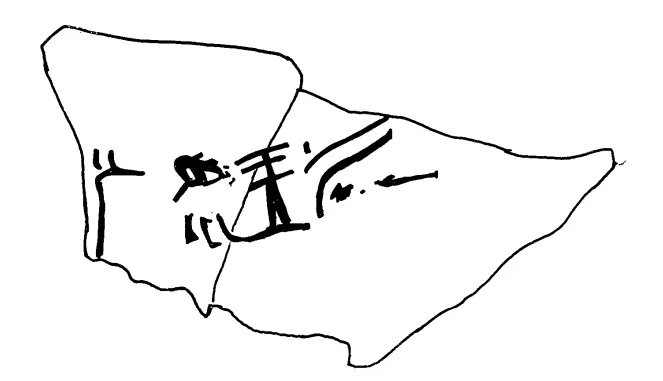
We gain insight into an even earlier voyage to Punt during the reign of Pharaoh Djedkare Isesi (~2414–2375 BC59), led by an official named Bawerded. At the ancient Red Sea port of Mersa Gawasis60, inscriptions bearing the name of the same Bawerded have been discovered, strongly suggesting that this harbour served as a main departure point for Egyptian trade missions and expeditions to Punt at least from the mid-half of the 2nd millineum BC.
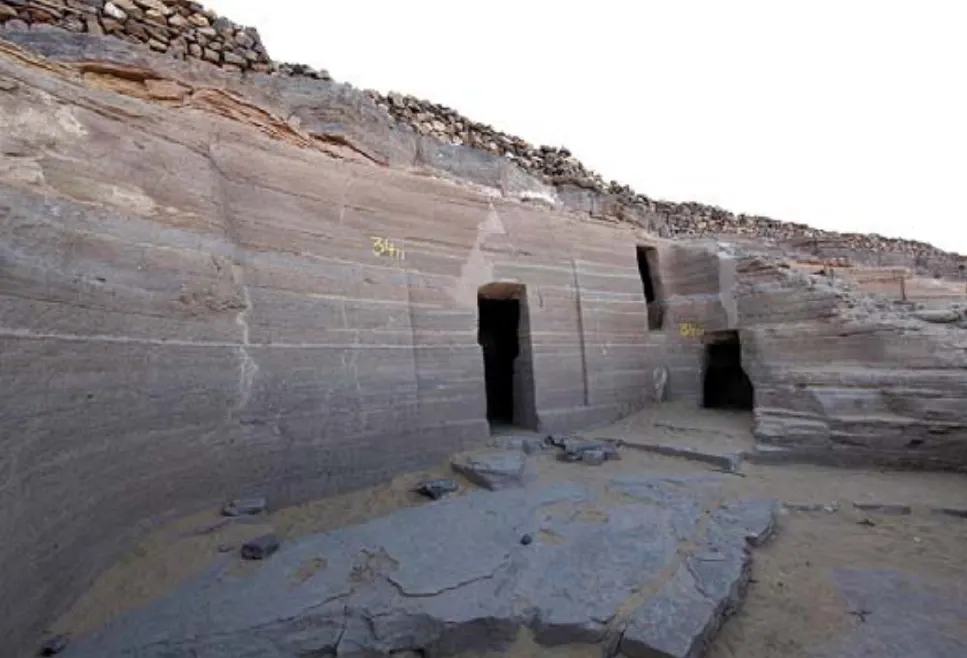
It is also evident that the Ancient Egyptians greatly valued this dancing Pygmy from Punt, who was no doubt regarded as an exceptionally rare curiosity. The traditional dances performed by the individual must have provided considerable entertainment for the Pharaoh and his royal court. Although Harkhuf’s quotation of the king, expressing a desire to see the Pygmy more than any other gift from Punt, is probably a exaggurated.
Pharaoh Pepi II(2278–2184 BC)
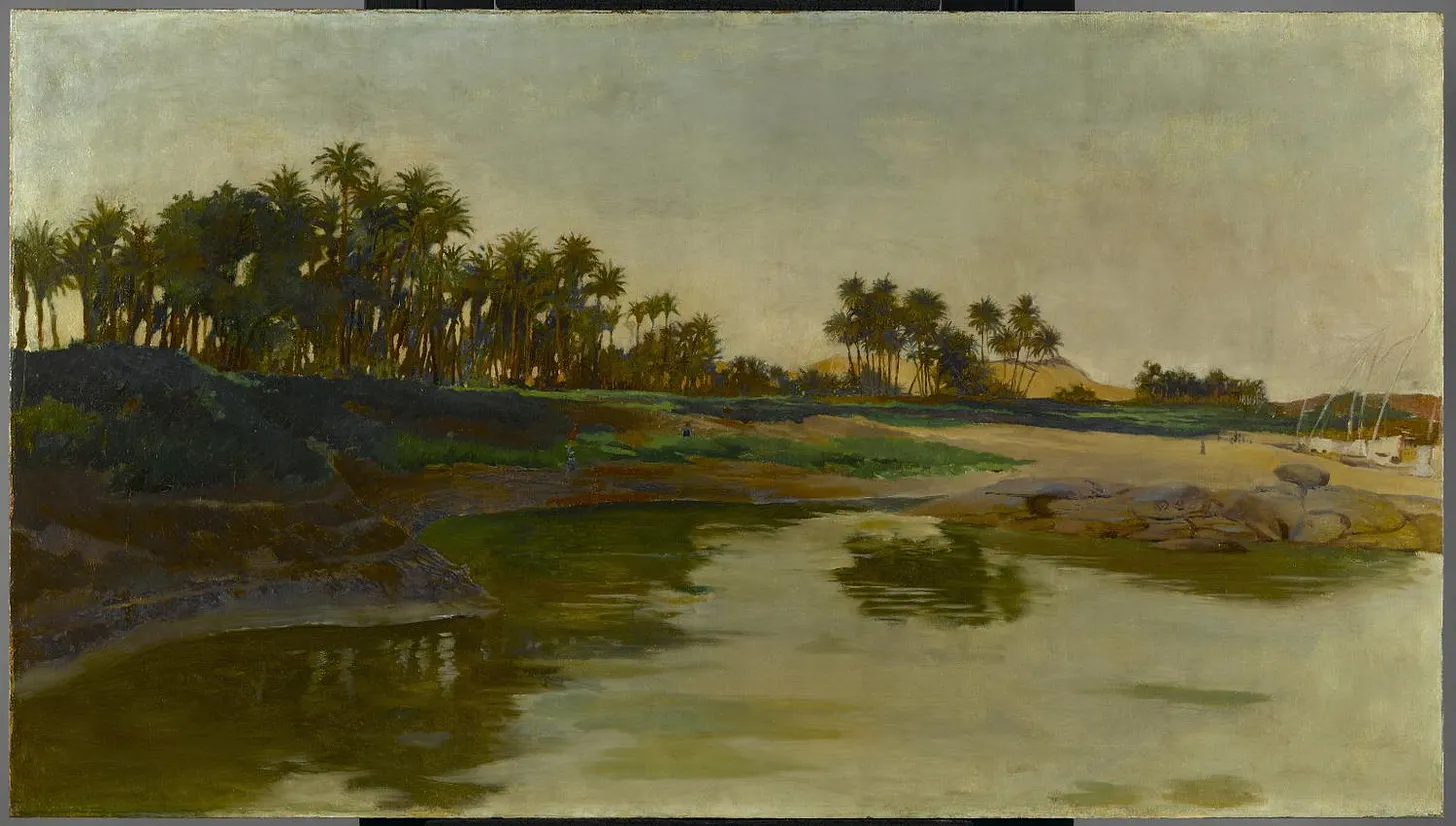
During the reign of Pharaoh Pepi II(2278–2184 BC62), an official from Elephantine named Pepi-nakht records that a shipbuilder and a group of Egyptian soldiers were killed by Bedouins while constructing ships intended for an expedition to Punt63.
The inscription is as follows:
“Now the majesty of my lord sent me to the country of the Asiatics to bring for him the sole companion, commander of sailors, the caravan-conductor, Enenkhet, who was building a ship there for Punt, when the Asiatics belonging to the Sand-dwellers slew him, together with a troop of the army which was with him.” - Source: Profiling Punt: using trade relations to locate ‘God’s Land, pg 31.
Analysis
This inscription demonstrates that the route to Punt could be highly perilous, even before the ships had set sail. It proves that the importance of trade with Punt outweighed the risks involved, including, in this instance, the loss of soldiers and shipbuilders.
The Middle Kingdom (2040–1795 BC)
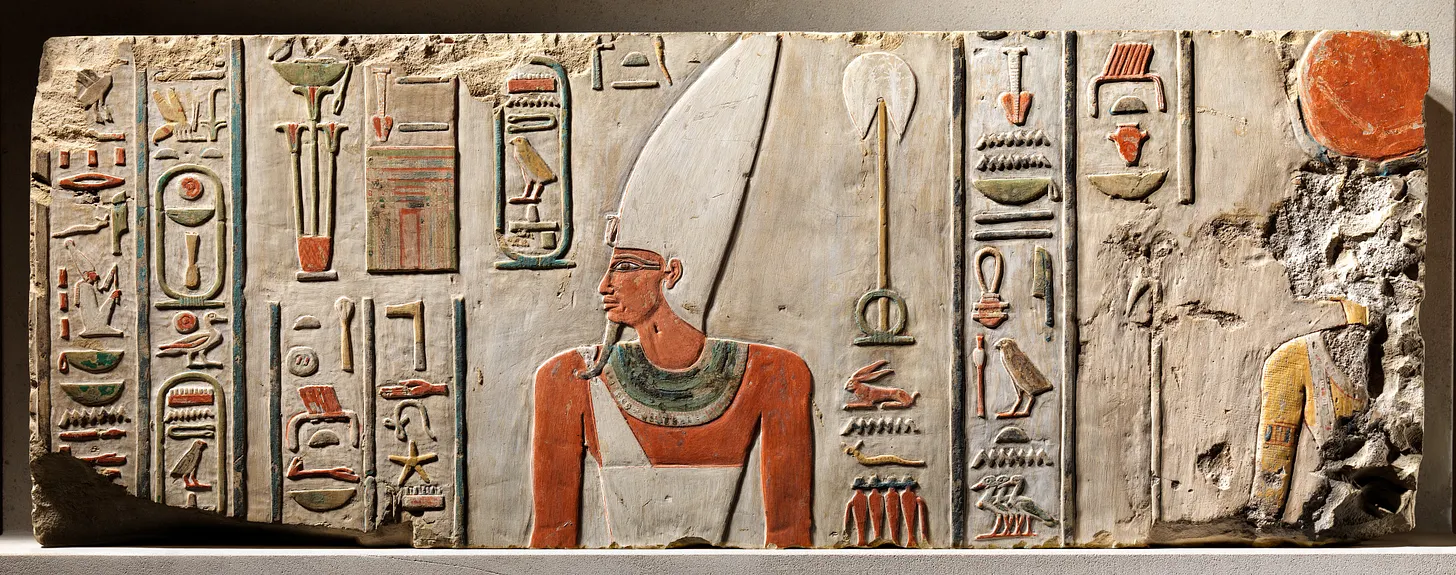
Between the Old Kingdom (2686–2181 BC64) and the Middle Kingdom (2040–1795 BC65) of ancient Egypt lies the First Intermediate Period (2181–2040 BC66). During this time, power became decentralised and was exercised by powerful local governors known as nomarchs. This fragmentation reduced the state’s ability to undertake large-scale projects that required the combined resources of Egypt and the coordination of a strong central authority. In addition, documentation from this period is scarce, leaving us with limited information about external regions such as Punt67.
Starting with the ruler Intef(~2125BC68) and culminating in the reign of Pharaoh Mentuhotep II( ≈~2055BC - ~ 2004BC69), who unified Upper and Lower Egypt, the Middle Kingdom was established, and an era of centralised authority was restored. Soon after, trade with Punt was re-established.
Henu (2004–1992 BC)
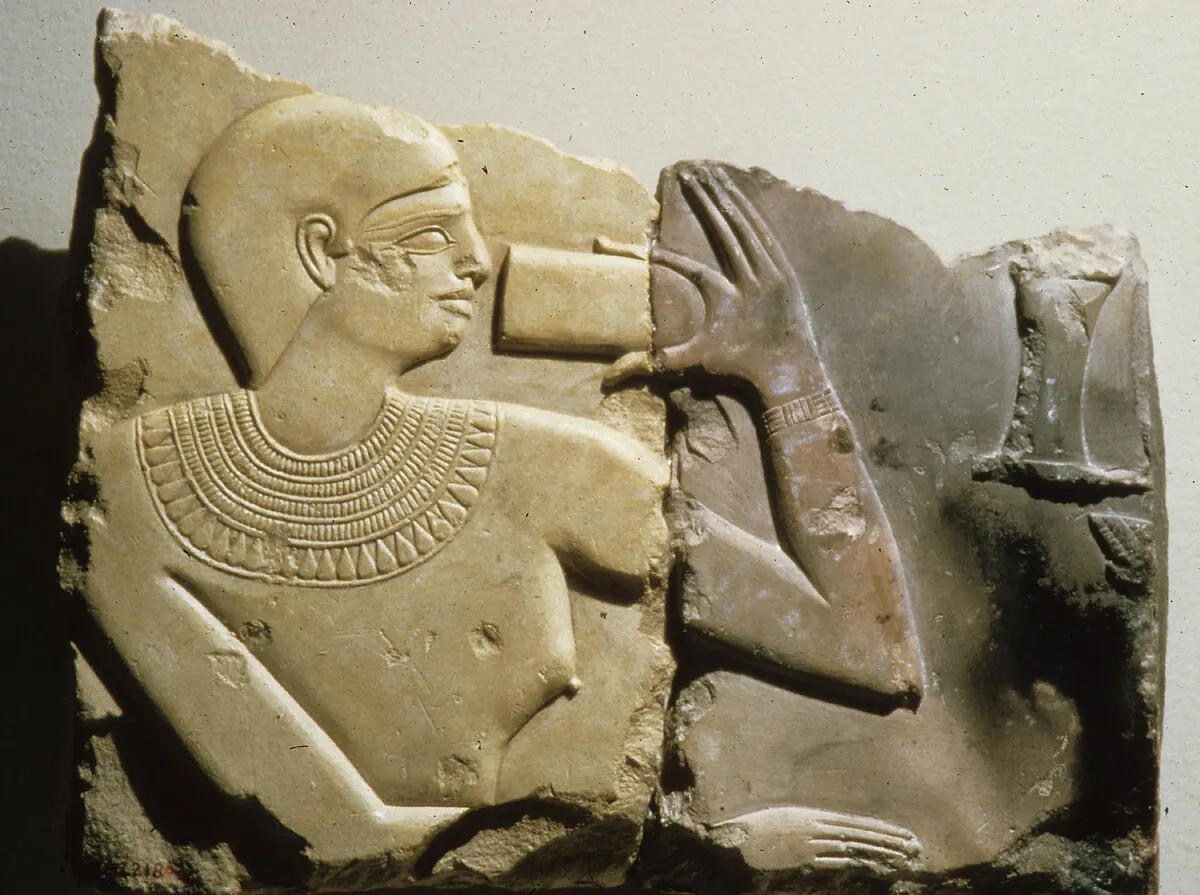
During the reign of Pharaoh Mentuhotep III(2004–1992 BC70), an official named Henu, along with three thousand militia men, was tasked with constructing ships and sailing across the Red Sea to Punt. The expedition later returned with several luxurious resources from Punt to present to the Pharaoh.
The inscription reads as follows:
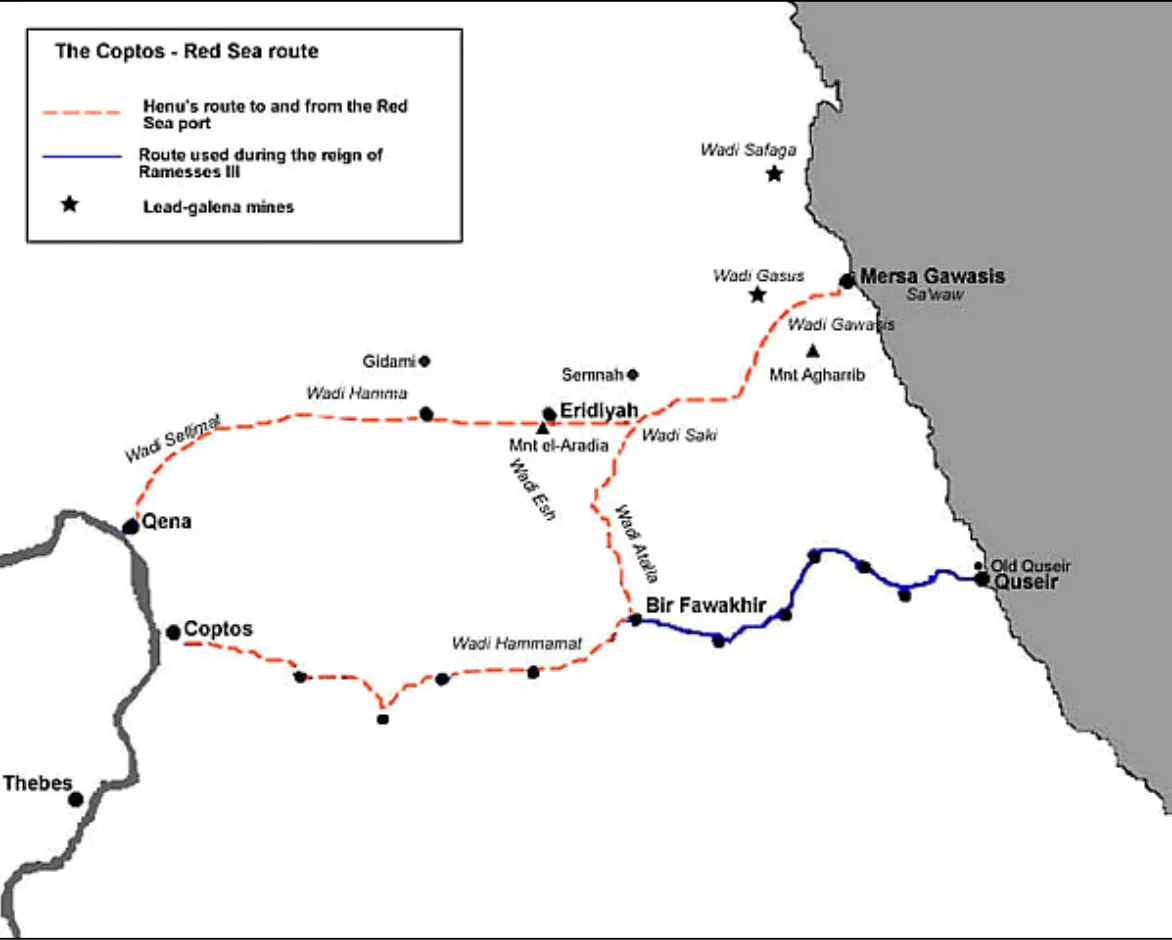
“My lord, life, prosperity, health! sent me to dispatch a ship to Punt to bring for him fresh myrrh from the sheiks over the Red Land… Then I went forth from Koptos on the road, which his majesty commanded me. There was with me an army of the South …
The army cleared the way before, overthrowing those hostile toward the king, the hunters and the children of the highlands were posted as the protection of my limbs … I went forth with an army of 3,000 men.
I made the road a river, and the Red Land (desert) a stretch of field, for I gave a leathern bottle, a carrying pole, 2 jars of water and 20 loaves to each one among them every day … Now, I made 12 wells in the bush and two wells in Idehet [and] I made another in Iheteb. Then I reached the (Red) Sea; then I made this ship, and I dispatched it with everything, when I had made for it a great oblation of cattle, bulls and ibexes.
Now, after my return from the Red Sea, I executed the command of his majesty, and I brought for him all the gifts, which I had found in the regions of God's-Land. I returned through the valley of Hammamat, I brought for him august blocks for statues belonging to the temple” - Profiling Punt: using trade relations to locate ‘God’s Land’ pg 33
199 more words
Analysis
Firstly, it appears that the difficulties earlier faced by the ancient Egyptians during the reign of Pharaoh Pepi II (particularly in reaching the Red Sea coast and constructing ships due to the presence of local Bedouin tribes) remained an issue even several centuries later, hence the need for Henu to be accompanied by 3,000 soldiers.
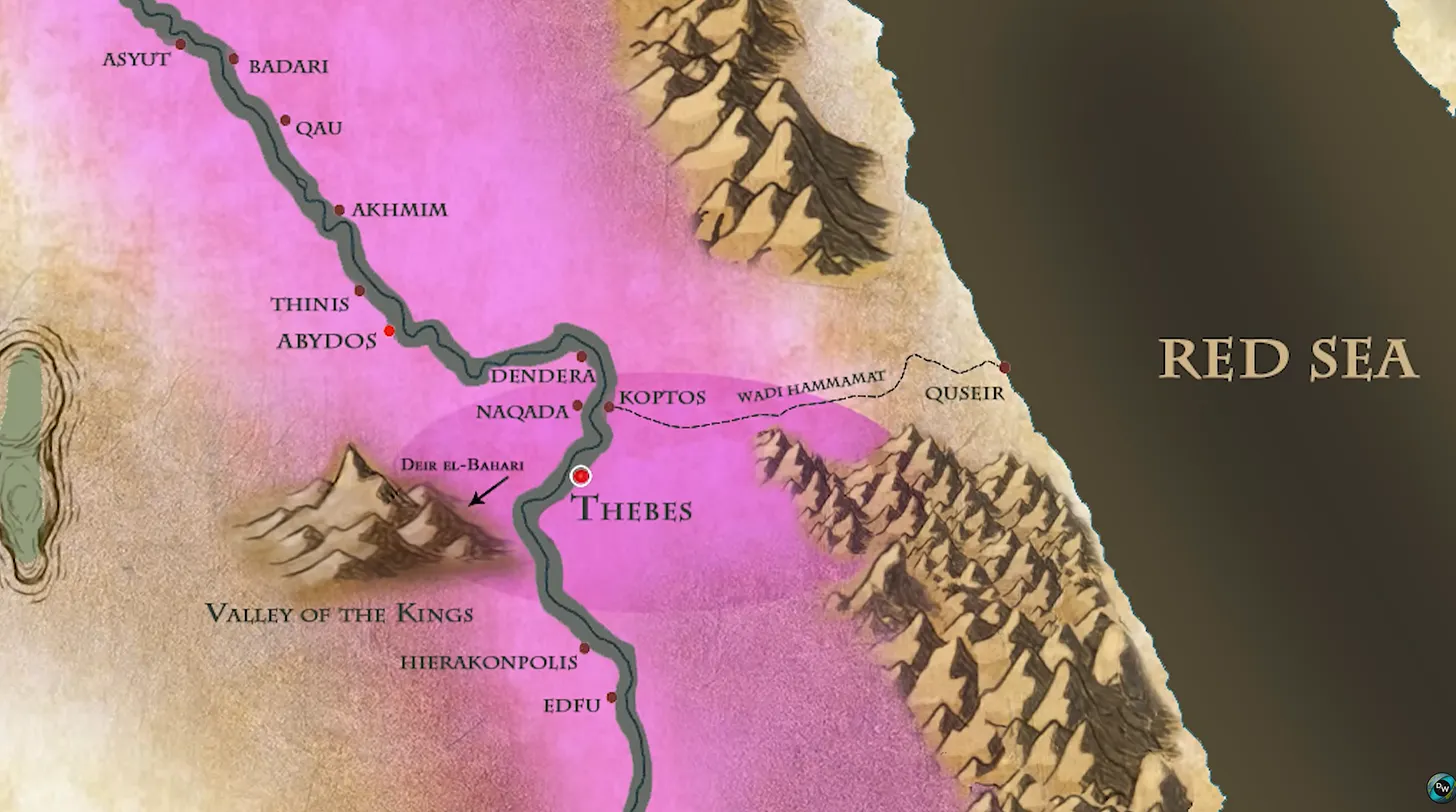
Secondly, the first stage of the journey, prior to the construction of the ships, required crossing the Eastern Desert. Throughout this part of the expedition, Henu states that he provided his men with adequate and much-needed supplies. Once they reached the coast, they built the ships and sailed to Punt with their trade goods. The expedition appears to have been successful, as they later returned with various gifts for the Pharaoh as well as stone blocks intended for the construction of royal temples.
However, an important question remains: which ports did Henu and his men use to build these ships? Fortunately, stone anchors dating to the reign of Senusret I (~1965 BC – ~1920 BC72) reveal the likely location from which many Middle Kingdom, and likely even earlier, expeditions to Punt began.
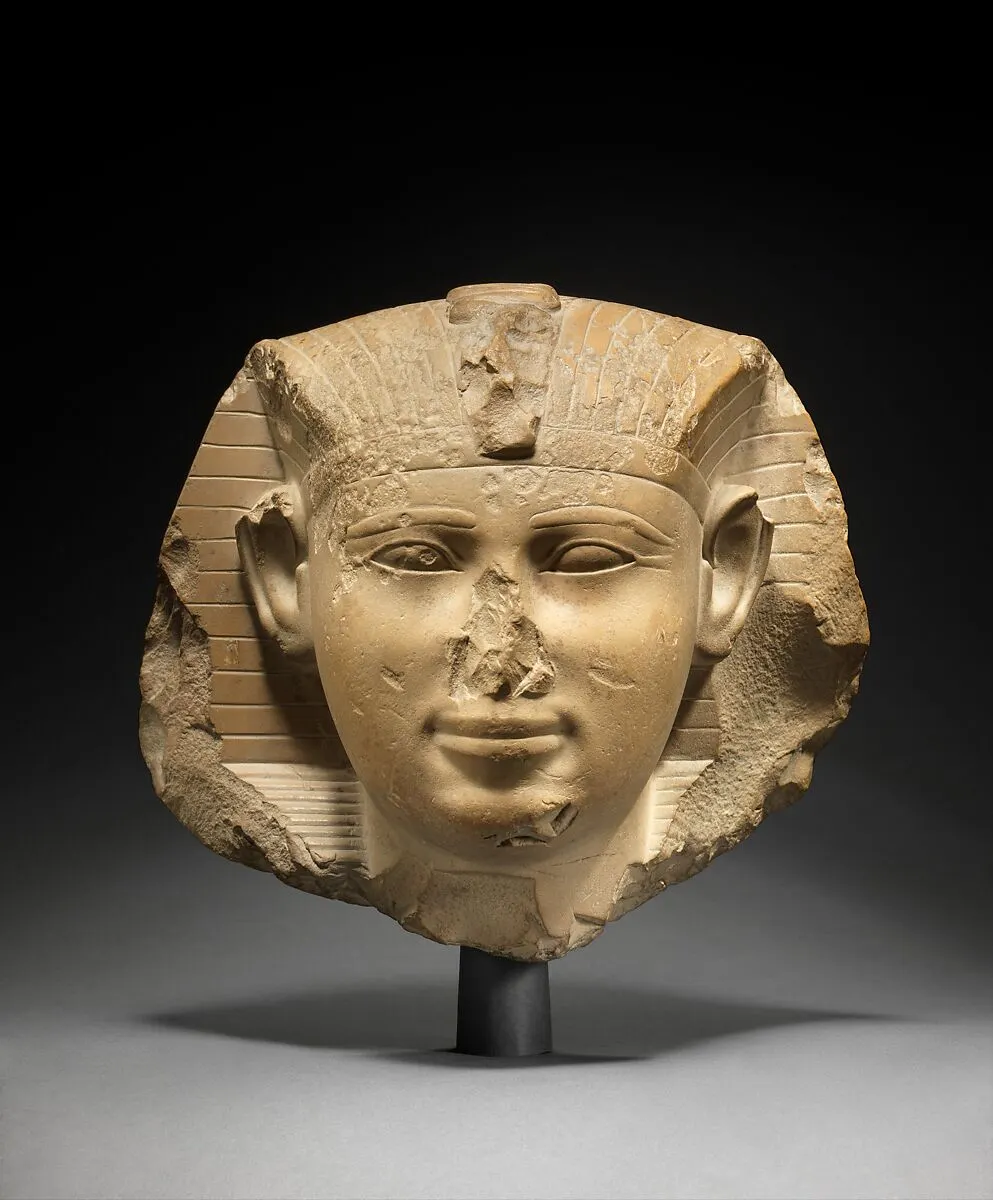
Senusret I (~1965 BC – ~1920 BC)
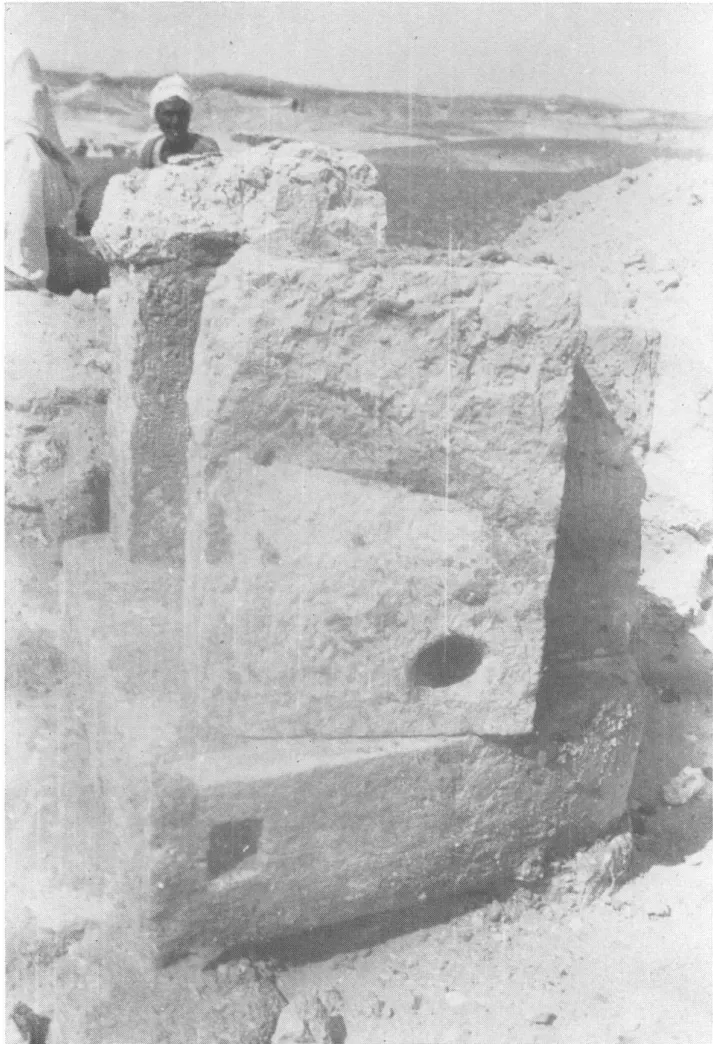
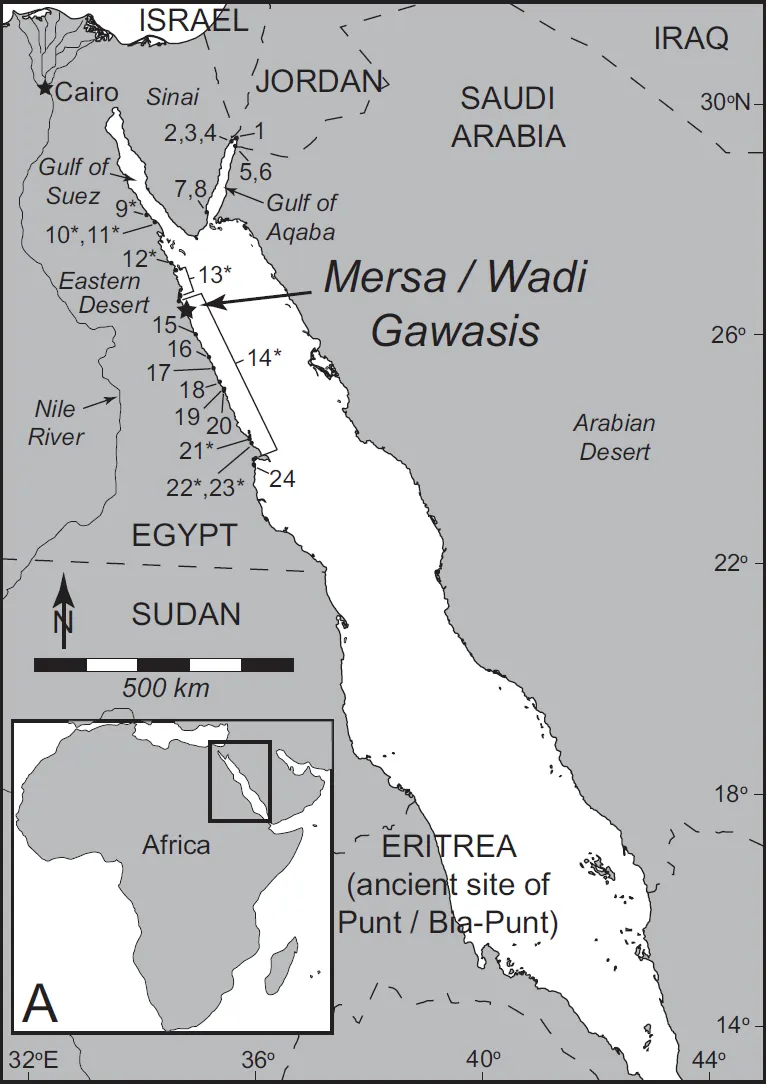
On the northern Red Sea coastline lies the site of Mersa/Wadi Gawasis, a port known to the ancient Egyptians as “Saww”73. The site contains numerous artefacts dating to the 12th and 13th Dynasties of ancient Egypt (~1985–1650 BC). Many of these finds, including stone anchors and wooden crates, are linked to its function as a harbour where ships were built, docked, and launched for voyages across the Red Sea, particularly to the land of Punt.
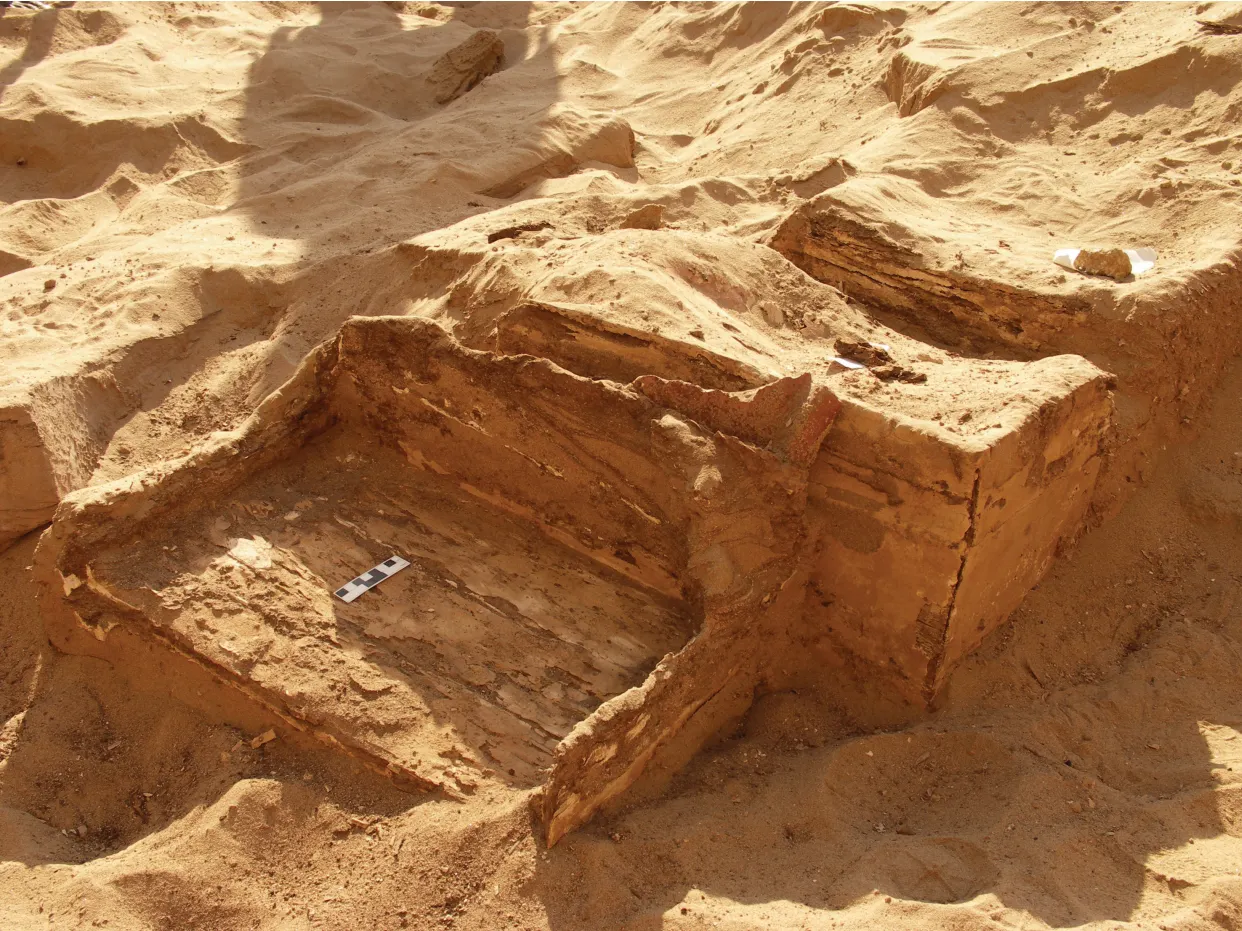
The port was primarily used during the Middle Kingdom (~2055–1650BC), however, evidence of settlements during the Old Kingdom also exists, as discussed earlier in the article75.
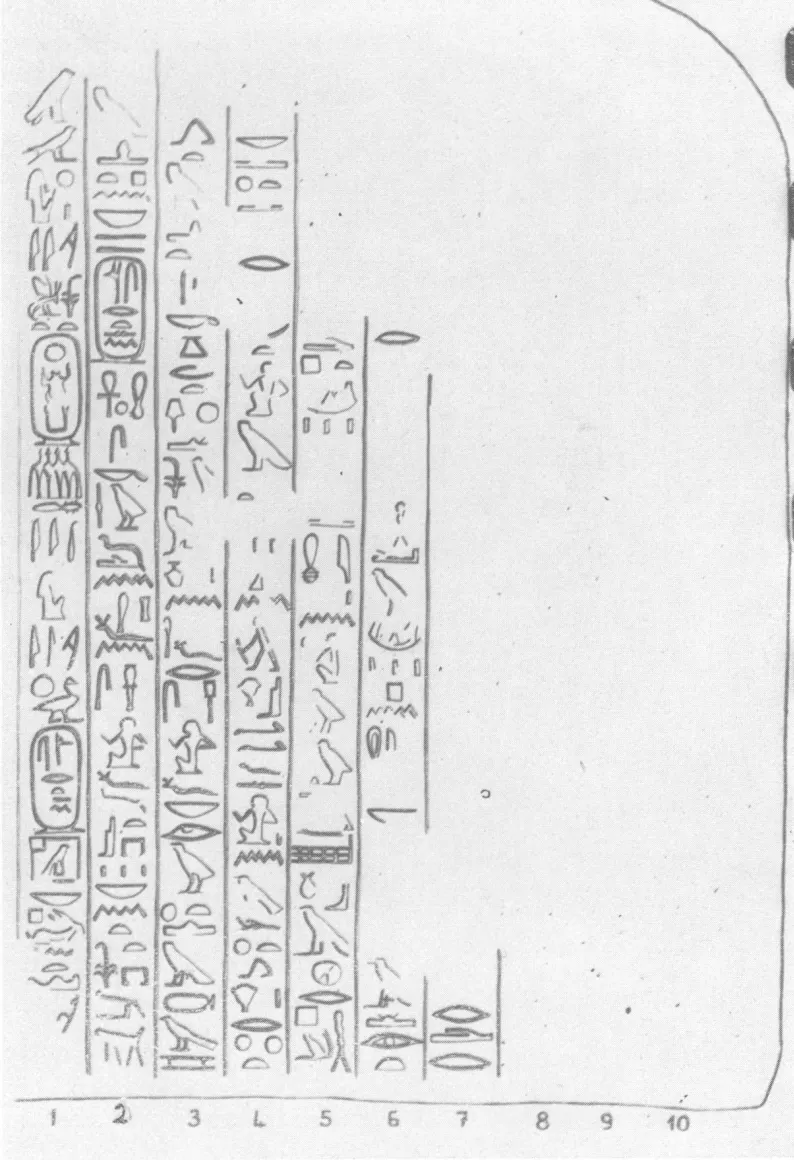
Specifically, at Wadi Gawasis, a stela was found attributed to the reign of Pharaoh Sesostris I(~1965 BC – ~1920 BC76), which describes a journey to the land of Punt.
The inscription is as follows:
“24, 1st Month of Winter, Day…Superintendent of ship’s captains…to reach…with troops of recruits… The Superintendent of ships’ captains, Superintendent of recruits,…sent to the mining region [of] Punt… I returned… for the Majesty of King Sesostris I…ship[s]…their land, the products of God’s Land with them…all that [the god] Tatonen had created, from everything of this land…these products, which they had assembled for revenue…” - Profiling Punt: using trade relations to locate ‘God’s Land’ pg 34
35 more words
Analysis
This inscription is straightforward, it states that in the 24th year of the reign of Pharaoh Sesostris I, ships were assembled at Mersa/Wadi Gawasis and successfully sailed to the “mining region of Punt”/Bia-Punt (which we already concluded earlier in the article was likely northern Eritrea & southern Sudan) and back, returning as usual with a great quantity of trade goods.
About 200 metres west of the previously discussed Stela stands another inscription describing a journey to Bia-Punt during the reign of Pharaoh Sesostris, I led by the vizier Intefoqer78.
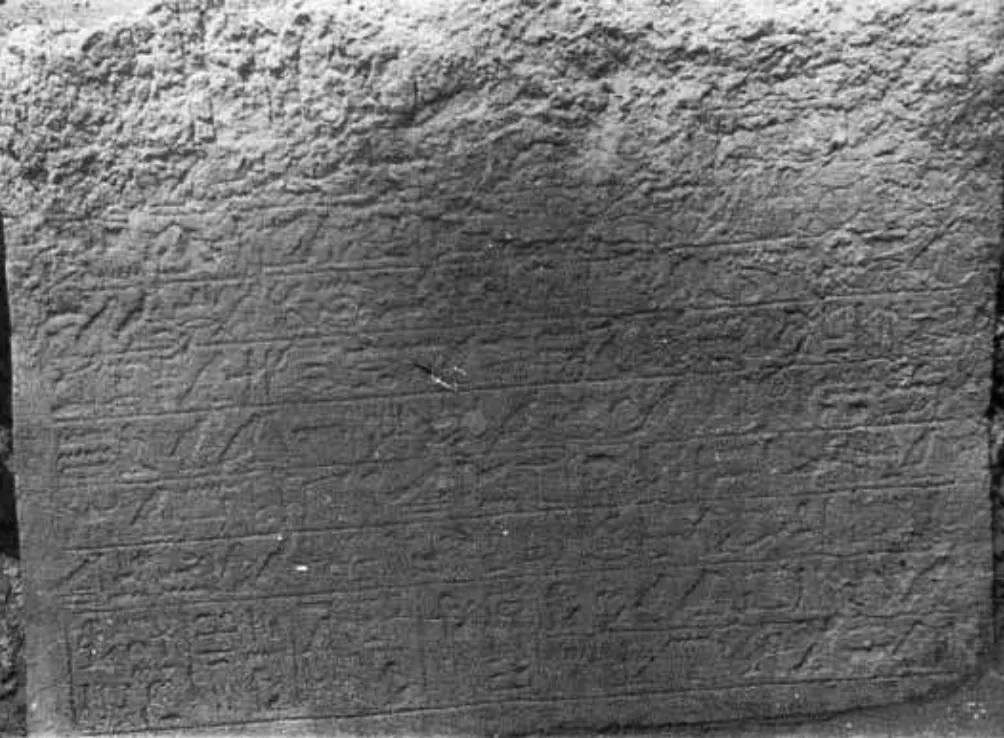
The inscription is as follows:
“His majesty commanded the Vizier Intefoqer to construct this fleet at the Koptos dockyards, [for] travelling and reaching the mining-region of Punt, both to go safely and return safely, all their construction being [so well] provided to be good and sound beyond anything done in this land formerly. He did [this] most excellently, according as he head been commanded by the Majesty of the Palace. Now, the Herald, Montuhotep’s son Ameni, was on shore of the sea, constructing these vessels, along with the assembly from Thinis of southern Upper Egypt who were with him; and able-bodied men who were at the sea-shore as expeditionaries, along with the herald – Retainers of the Lord [= King] 50 men Stewards of the Assembly 1 man Personnel of the crew of the Lord 500 men Scribes of the great Assembly 5 men Citizen-militia 3200 men” - Source: Profiling Punt: using trade relations to locate ‘God’s Land’ , pg 34.
92 more words
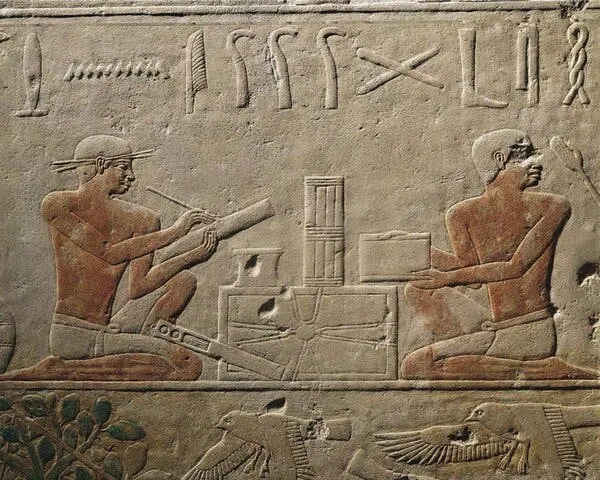
From this inscription, we learn that part of the ship construction began further inland at the town of Koptos. It also provides a rough estimate of the number of people involved. It appears that not only trade personnel and ship crews travelled to Punt, but also scribes.
This offers a new perspective on the activities of Ancient Egypt in relation to Punt, providing evidence that these expeditions were not solely focused on trade but likely also involved geographical observation and documentation of the region and its inhabitants, which would explain the presence of scribes.
Pharaoh Amenemhat II (~1920 BC – ~1878 BC)
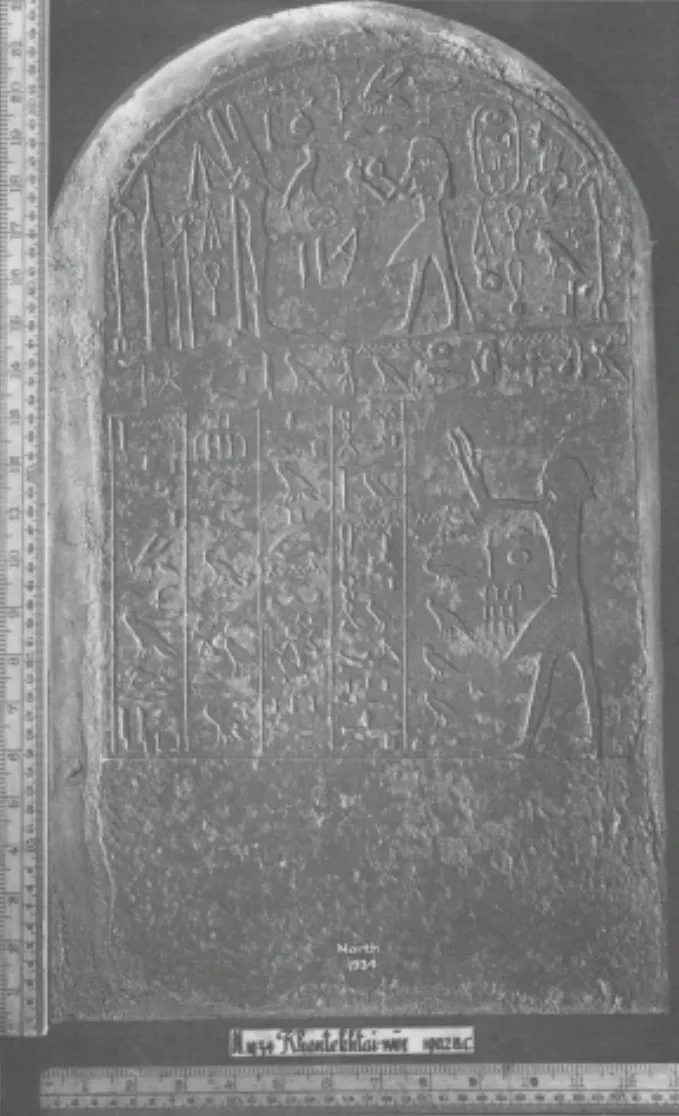
During the 28th year of the reign of Pharaoh Amenemhat II (~1920 BC – ~1878 BC79), a stela was erected at Wadi Gawasis, which directly mentions Saww (Wadi Gawasis) as the place from which ships departed for Punt.
The Inscription is as follows:
“Giving divine praise and laudation to Horus, to Min of Koptos, by the hereditary prince, count, wearer of the royal seal, the master of the judgment-hall Khentkhetwer after his arrival in safety from Punt; his army being with him, prosperous and healthy; and his ships having landed at Sa’waw.” - Profiling Punt: using trade relations to locate ‘God’s Land’, pg 37
Pharaoh Amenemhat III (~1855BC - 1808BC)
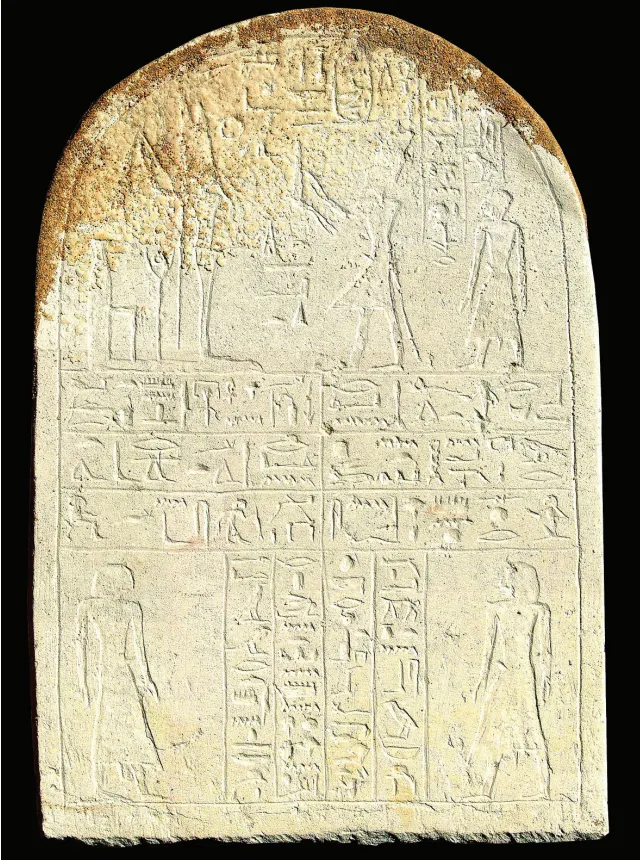
A stelae discovered at Mersa Gawasis, dating to the reign of Amenemhat III, describes expeditions to Punt and Bia-Punt. It records the journeys of two high officials, Nebsu and Senbef, who travelled to the mining regions of Punt (likely in northern Eritrea and parts of eastern Sudan).
“Beloved of Min, the Coptite
The good God Nymaâtrâ
Given life
To give the shât-cake
The Overseer of the Cabinet of the “Head of the South”
Nebsu
His Majesty caused me to go to Bia Punt together with the High Steward Senbef because of the excellence of my plans:
I am one who knows his rank, loyal of heart,
The Overseer of the Cabinet, Nebsu, the Revered” - Source: TWO NEW STELAE FROM MERSA GAWASIS [Planches XVII-XVIII], pg 89 - 90.
Pharaoh Senusret III (~1874 BC - ~1855 BC)
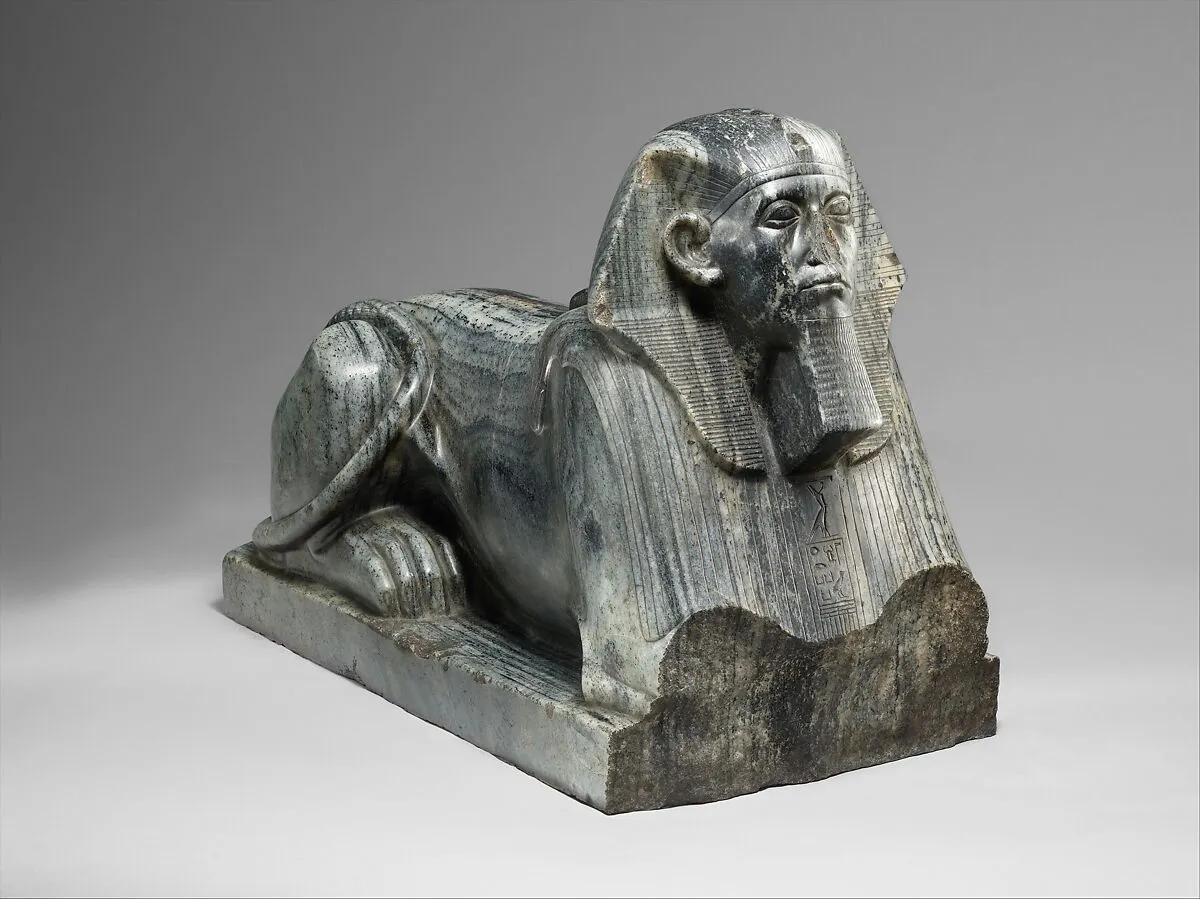
The final known expedition of the Middle Kingdom is attributed to the 5th year of the reign of Pharaoh Senusret III (~1874 - 1855 BC80). Archaeologists discovered fragments of pottery bearing Sesostris III’s royal cartouche and inscriptions indicating that the goods were destined for Punt.
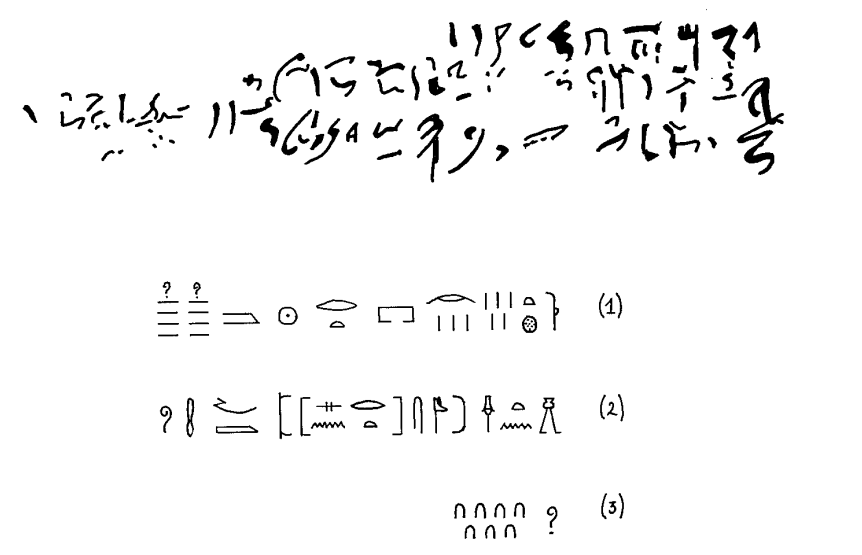
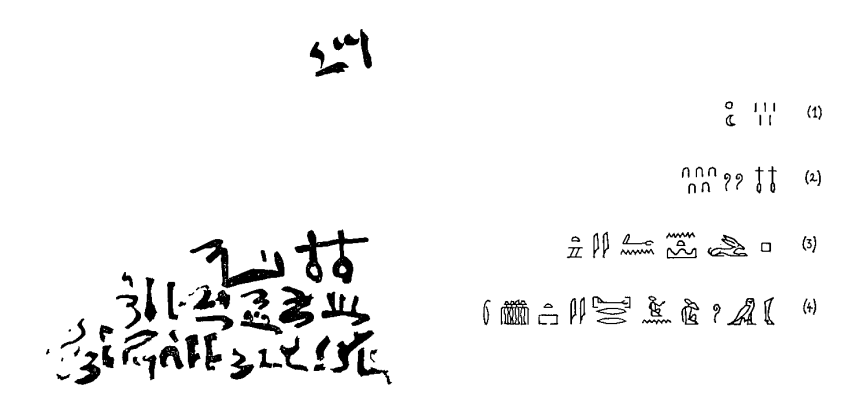
Pharaoh Amenemhat IV (1808BC-1799BC)
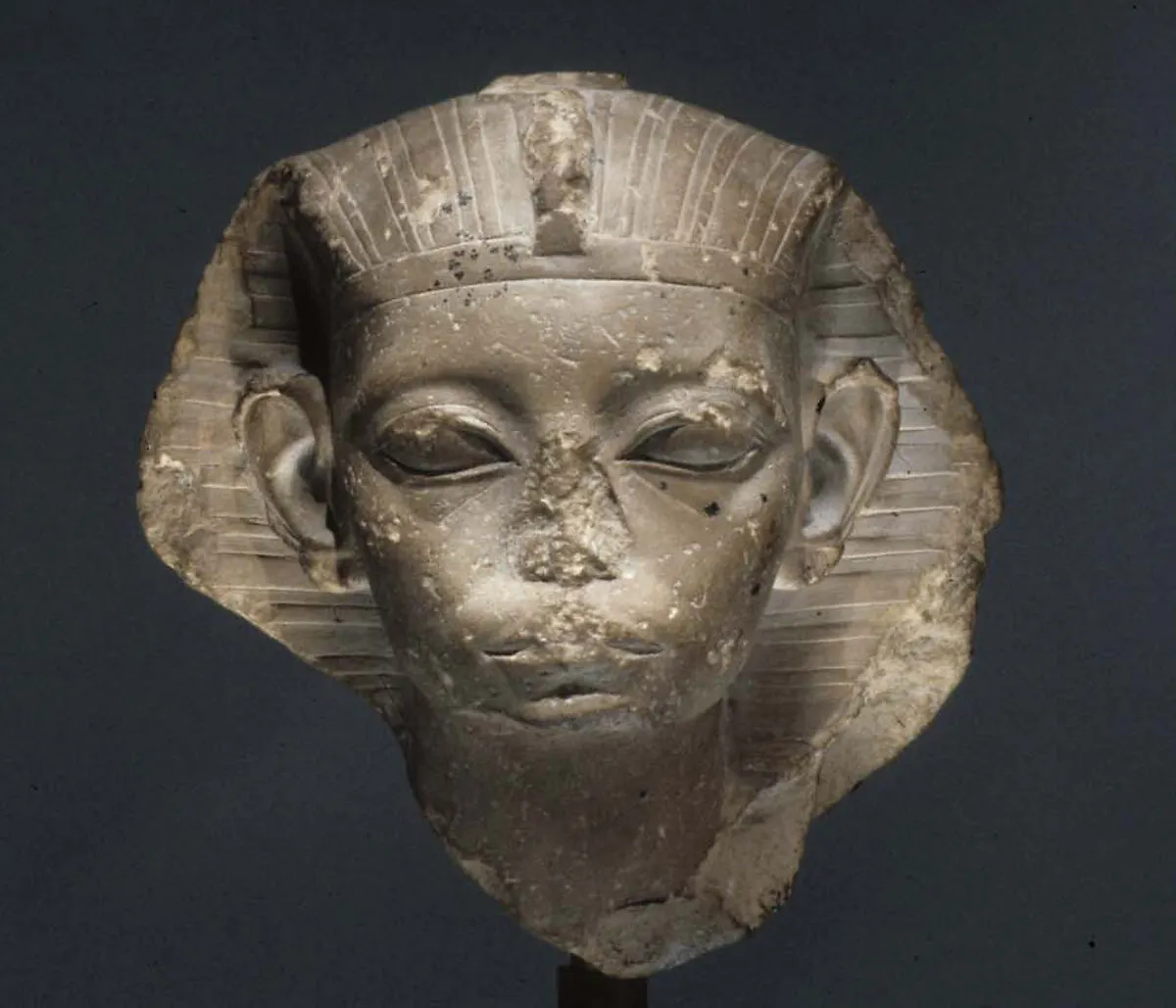
As noted earlier in the article, boxes of wooden crates dating to the reign of Pharaoh Amenemhat IV (1808–1799 BC82) bear inscriptions referring to the “marvels of Punt” (bjȝwt Pwnt), providing clear evidence that trade with Punt continued right up to the end of the Middle Kingdom83.
Second Intermediate Period (~ 1795 BC –1650 BC)
Just like the First Intermediate Period discussed earlier, the Second Intermediate Period(~1795BC – ~1650BC84) brought about a significant decline in the Egyptian state’s ability to organise expeditions to distant lands such as Punt. However, while the First Intermediate Period was largely caused by internal strife and the growing power of provincial governors, the Second Intermediate Period was different.
During this time, a foreign group known to Greek writers as the Hyksos, and referred to by the ancient Egyptians as “Asiatics”, entered Egypt from the Levant and occupied parts of northern Egypt for more than a century, disrupting the natural order.
It wasn’t until the Kamose & his Pharaoh Ahmose I (~1550BC - ~1525BC86) that the Hyksos were driven away and Ancient Egypt was once again unified, and a new period called the New Kingdom (1550–1069 BC87) began.
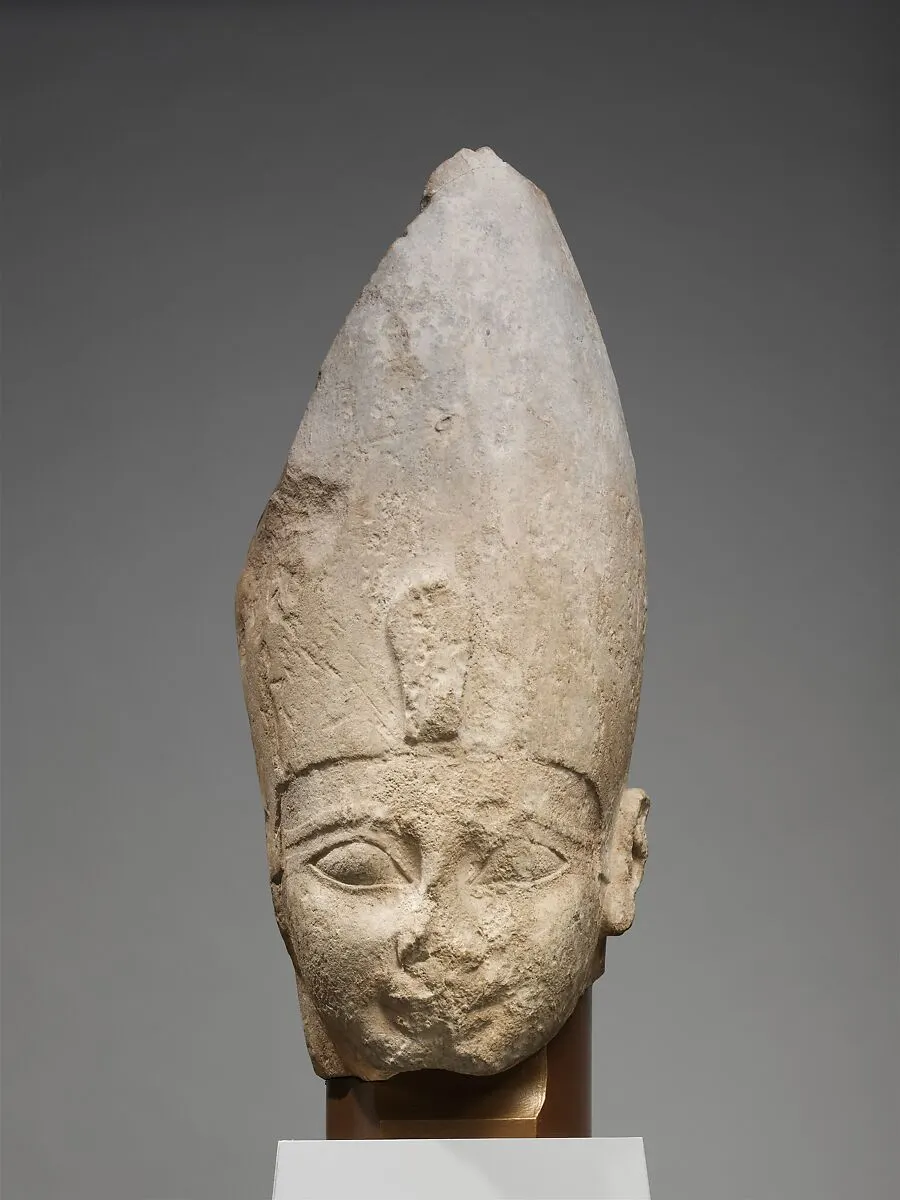
Punt's Golden Age (1550BC-1350BC)
Pharaoh Hatshepsut (1472BC to 1458BC)
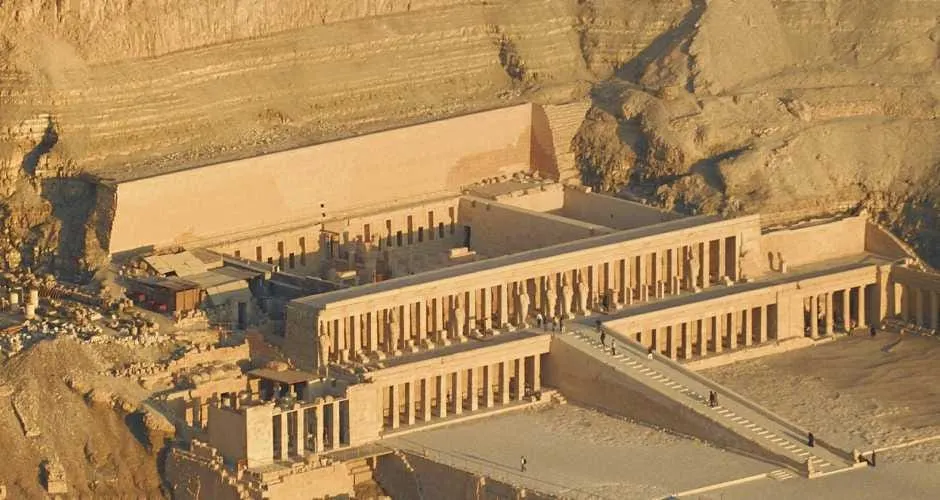
Pharaoh Hatshepsut (~1472 BC to ~1458 BC88) ushered in a new era of expeditions to Punt. Unlike any journey before or after, her expedition was recorded in incredible detail, providing us with one of the clearest glimpses into the Land of Punt.
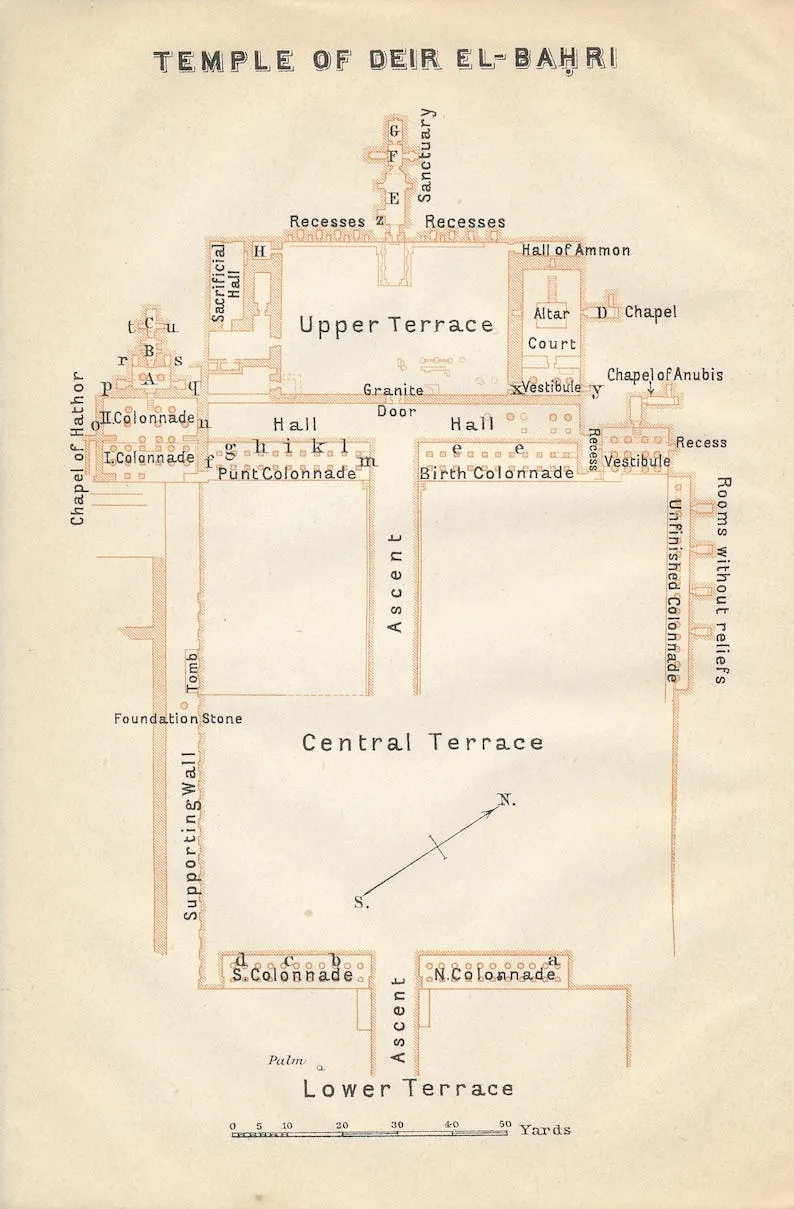
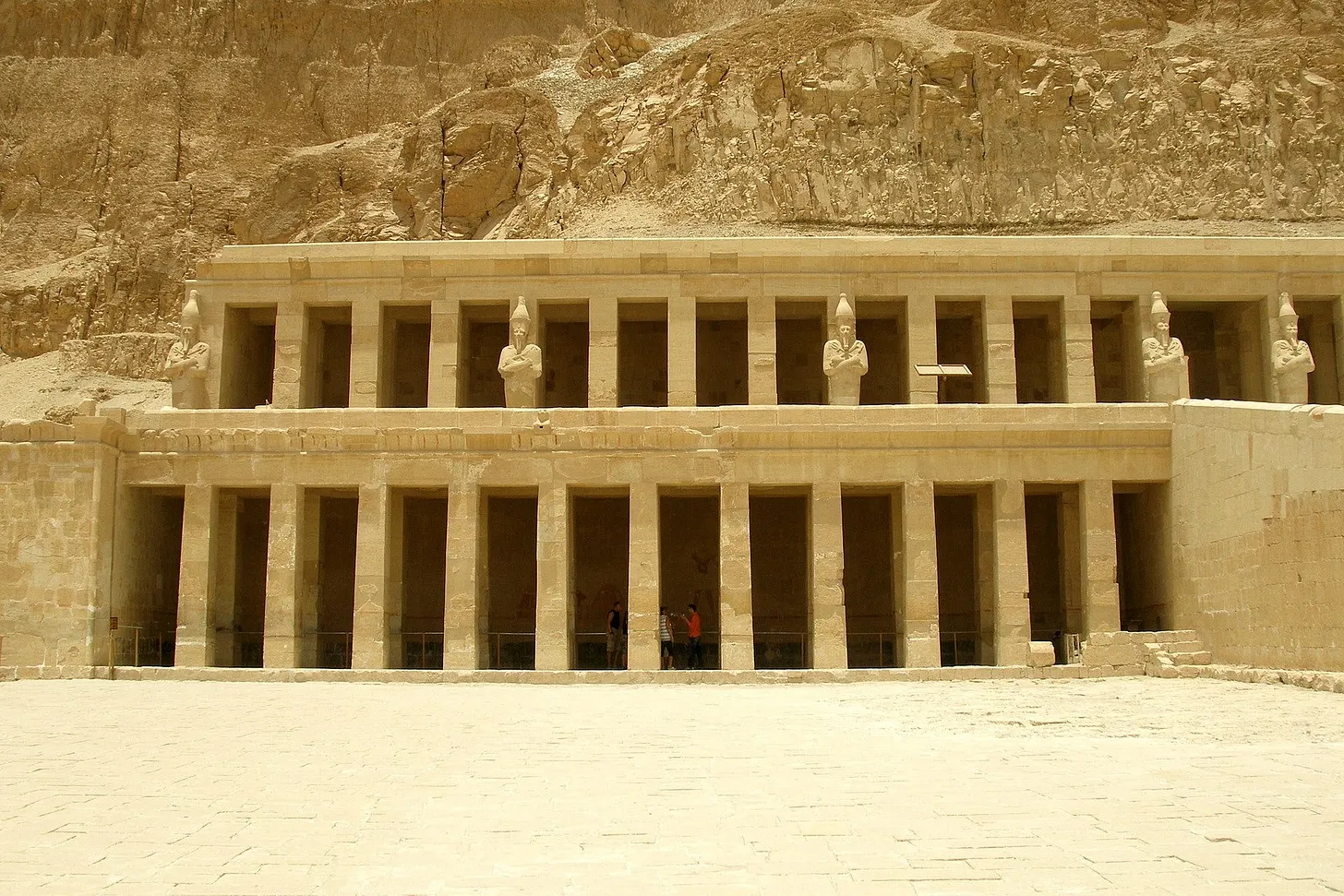
She chose to construct her mortuary temple in a valley previously utilised by her ancestor, Mentuhotep II, for his own temple. However, Hatshepsut’s vision was to create something far grander. Her temple is known as Djeser-djeseru or ‘the Holiest of Holies’.
Within her temple is a section dedicated to her expedition to Punt, featuring beautifully detailed reliefs that depict the voyage, the arrival in Punt, the exchange of goods, the return journey and finally the presentation of Puntite goods to Queen Hatshepsut.
Motive
So why did Pharaoh Hatshepsut seek to travel to Punt? The motives were multifaceted. Prestige was certainly an important factor, but establishing a direct trade relationship with Punt (thereby eliminating intermediaries such as Nubia) was another key objective. She also likely aimed to introduce and cultivate some of Punt’s valuable goods, particularly incense, within Egypt itself90.
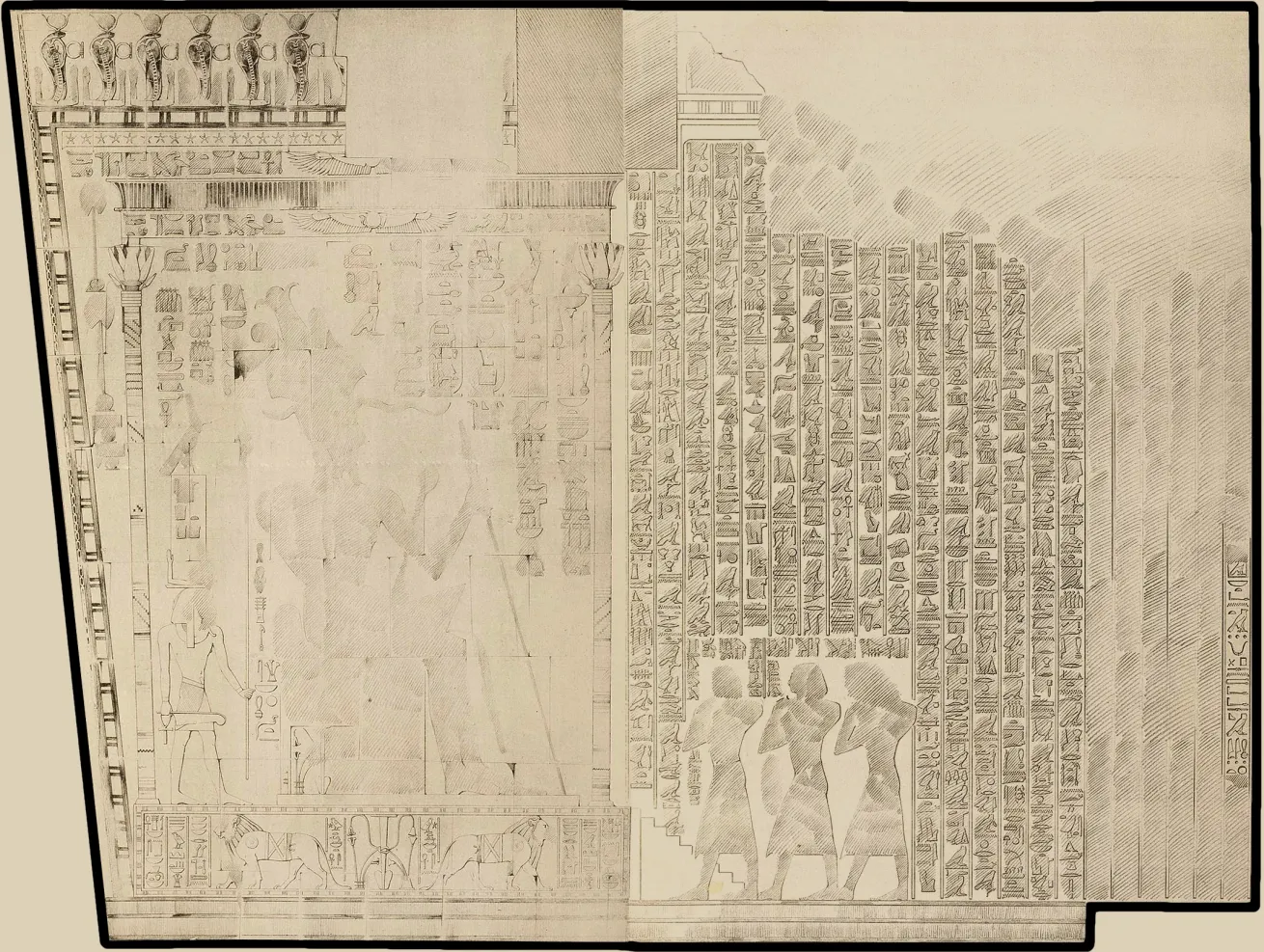
At Hatshepsut’s temple at Deir el-Bahari, a beautiful scene shows the queen seated upon her throne, addressing her royal court and declaring her decision to launch an expedition to the Land of Punt. The accompanying inscriptions present her mission to Punt as a divine command from her father, Amun-Ra.
The inscription is as follows:
“I have given to you Punt in its entirety as far as the lands of the gods: the God’s Land that has never been treaded and the Terraces of Myrrh which are not known to the people, although it was heard from mouth to mouth as the stories of the ancestors. Although the marvels brought hence were brought already under your fathers, the kings of Lower Egypt, one by one, since the time of the ancestors, for the kings of Upper Egypt, who had come into existence before, in exchange for great payment, no one reached it, except for your emissaries. Now, I will make your troops tread it. I have led them by water and by land, opening for them the secret paths, as I have travelled to the Terraces of Myrrh, the sacred district of the God’s Land. It is indeed my seat of my heart’s enjoyment. I have made it in order to make my heart happy together with your mother Hathor, the lady of the White Crown, the lady of Punt, the lady of the [sky], Great of Magic, mistress of all the gods.” - Source: Hatshepsut’s expedition to the land of Punt – novelty or tradition, pg 115.
179 more words
Statue Of Punt?
Interestingly, an inscription records that Queen Hatshepsut ordered a granite statue depicting both Amun-Ra and herself to accompany the expedition, to be set up in Punt.
"[Now, a seated statue of this god (i.e. Amun-Re) was executed] with its fellow statue of the king of Upper and Lower Egypt ([Ma‘at-ka-]Re). [Its base was made of one piece of stone in] hard granite, so that the Gre[at] Ennea[d] [which is in P]unt, may be [in the palace around them], [so that] they may endure and la[st] forever and ever up[on their seat] in front of the Terraces of Myrrh [of P]unt, the sacred seat [of the heart’s enjoyment, which] the Majesty of this noble god [had made for him]. Her Majesty has made this, whe[n she sent the expedition to this foreign land], as [her father] had foreseen for [her long ago], in order to make this foreign land behold [Her Majesty together with her father, the ruler of Punt, in] the light of every day, because of the [great]ness of his power, because of the excellence of [his] power, because of the [superiority of] his [power], more than all the [go]ds, because of the greatness of his love for [his] daughter [(Ma‘at]-ka-[Re]] more than the kings who came into existence since the time of the [ancestors]. - Source: Hatshepsut’s expedition to the land of Punt – novelty or tradition, pg 116
106 more words
The Journey To Punt
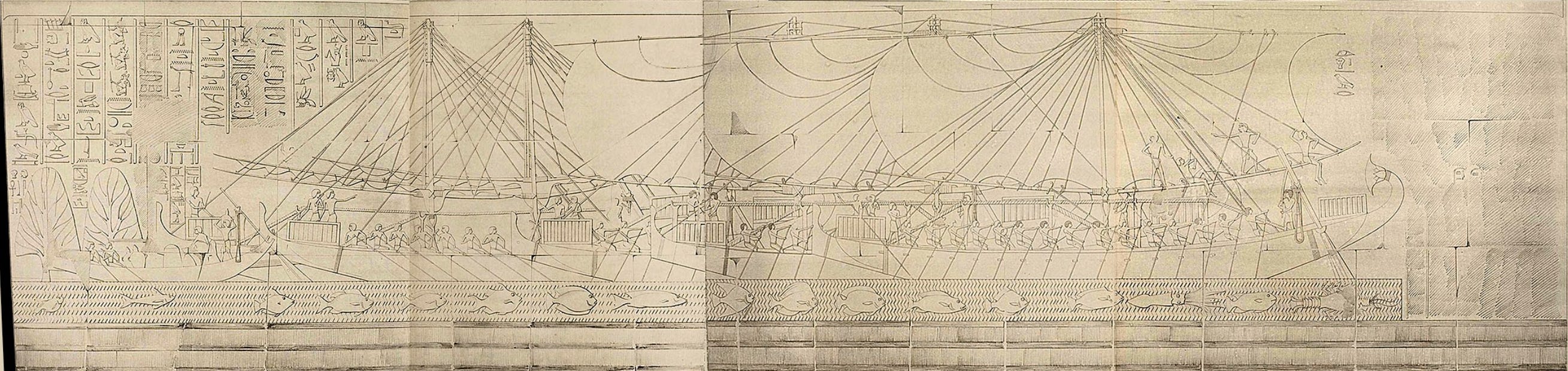
The journey to Punt began in the ninth year of Pharaoh Hatshepsut’s reign and was led by the high official Nehisi. The expedition likely followed earlier routes, travelling from Koptos across the Eastern Desert to the Red Sea ports of Sa’waw (Mersa Gawasis) or Quseir92.
The first scene at her temple at Deir el-Bahari depicts the Puntites setting off from Egypt (on the far left) with the inscription accompanying it reading:
“An offering for the life, prosperity, and health of her majesty, to Hathor, mistress of Punt that she may bring wind.” - Profiling Punt: using trade relations to locate ‘God’s Land’, pg 44.
To the right, the ships depict Ancient Egyptians sailing the Red Sea towards Punt, filled with crates of goods and gifts, alongside oarsmen and guides, while various sea creatures are shown beneath them. The inscription alongside it reads:
“The navigation on the sea, the starting on the good journey to the Divine Land, the landing happily in the Land of Punt by the soldiers of the king, according to the prescription of the lord of gods, Amun, lord of the thrones of the two lands, in order to bring the precious products of the whole land because of his great love towards Hatshepsut, never did such a thing happen to the kings who were in this land eternally.” - Profiling Punt: using trade relations to locate ‘God’s Land’, pg 45.
Arrival At Punt
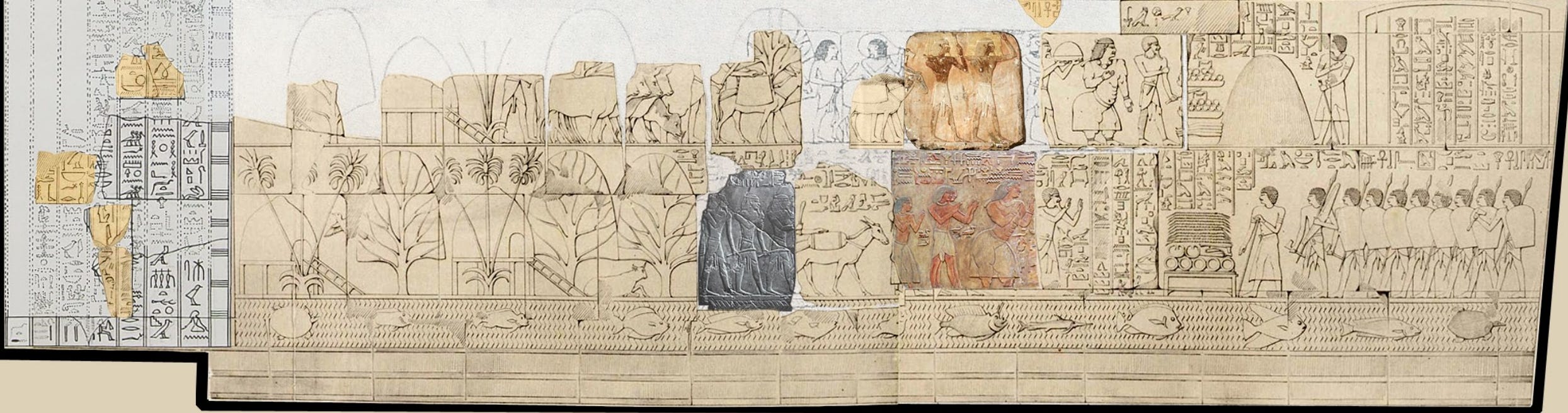
The next scene depicts the official Nehisi, followed by an officer and eight Ancient Egyptian soldiers carrying shields and spears. In front of Nehisi are gifts for the Puntites, including five large metal bracelets, two leg bangles, an axe, a dagger, and eleven beaded necklaces93.
To their left stands Parehu, the chief of Punt, accompanied by his wife Ati, their two sons, and a daughter. Behind the royal family are several Puntites with a donkey laden with goods, further back are the trees of Punt, a cow lounging, and Puntite houses accessed by ladders.
The accompanying inscription reads:
“You have arrived here in what way, to this land which the Egyptians did not know? Have you come through the ways of the sky, or have you travelled on water to the green land, the divine land to which Ra had transported you?” - Profiling Punt: using trade relations to locate ‘God’s Land’, pg 45.
The Meeting
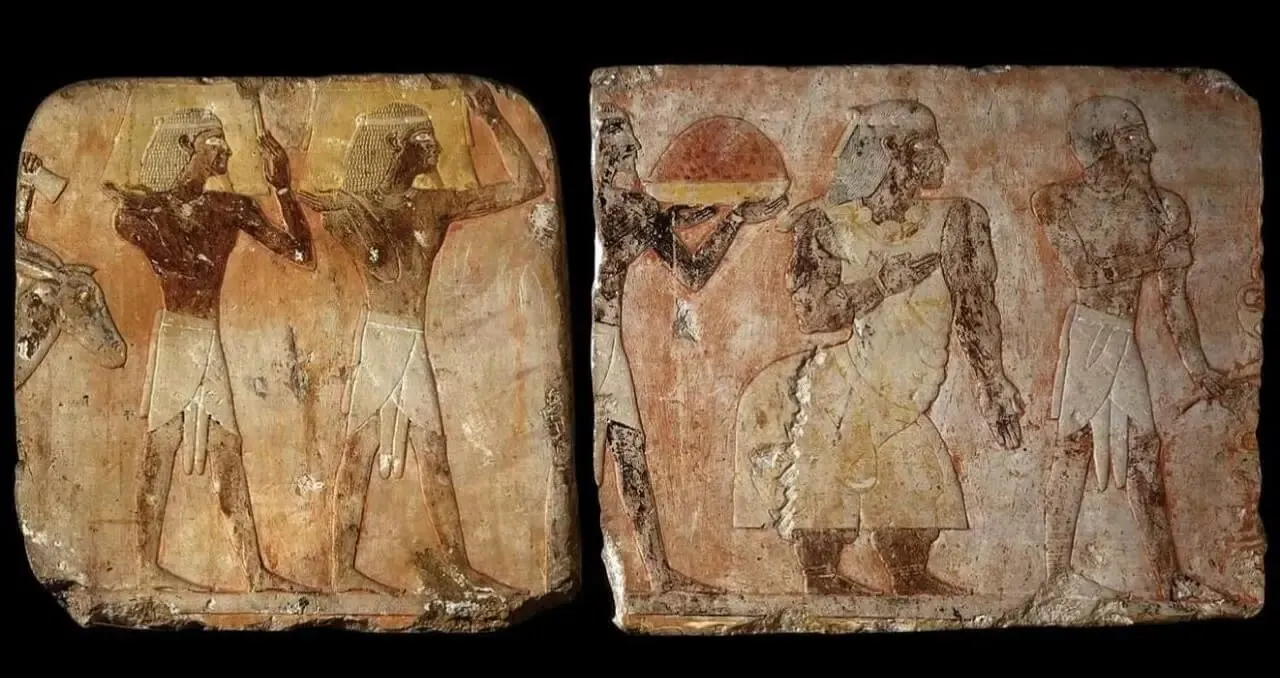
In the scene above, the chief of Punt, Parehu, along with his wife and several Puntites, presents offerings of gold, boomerang-shaped objects, and myrrh and frankincense to the ancient Egyptian delegation led by Nehisi.
Nehisi then invites them to a feast where they enjoy the gifts brought from Egypt. The accompanying inscription reads as follows:
“The preparing of the tent for the royal messenger and his soldiers, in the harbours of frankincense of Punt, on the shore of the sea, in order to receive the chiefs of this land, and to present them with bread, beer, wine, meat, fruits and all the good things of the land of Egypt, as has been ordered by the sovereign” - Profiling Punt: using trade relations to locate ‘God’s Land’, pg 49.
Homes
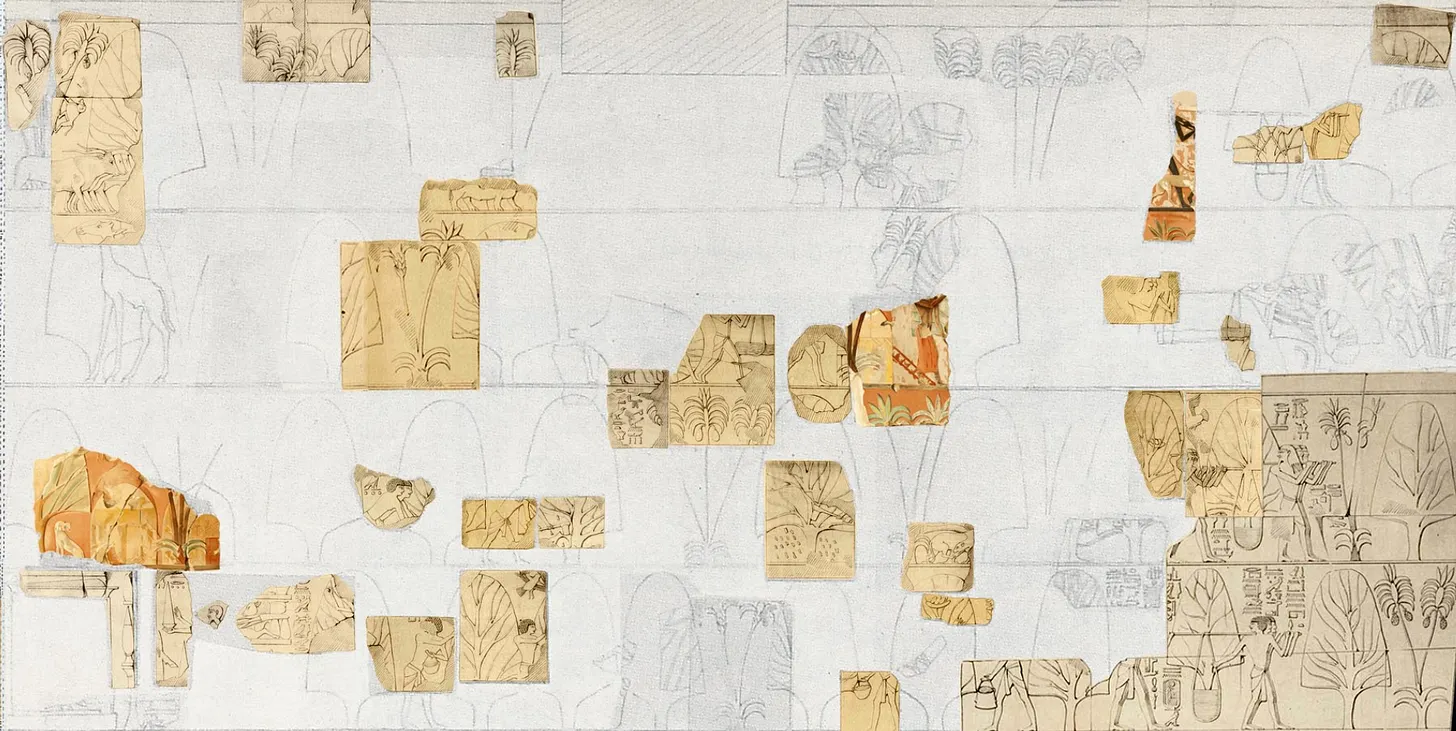
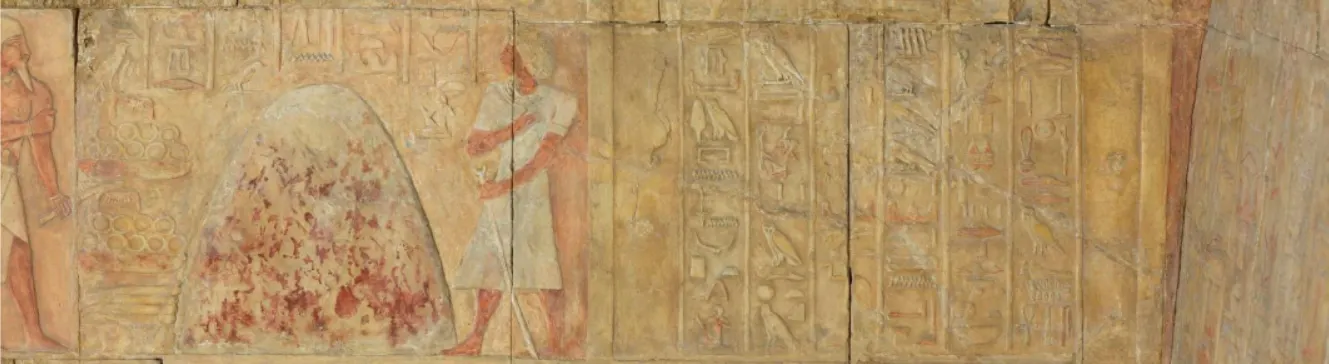
To the left of the aforementioned meeting is a now badly damaged scene depicting the homes of the Puntites. These huts, raised above the ground and accessed by ladders, are surrounded by incense trees, some of which have monkeys hanging upon them. Other wildlife, including cattle and a giraffe, is also shown. The scene also depicts Puntites gathering incense, with others carrying it in large bundles.
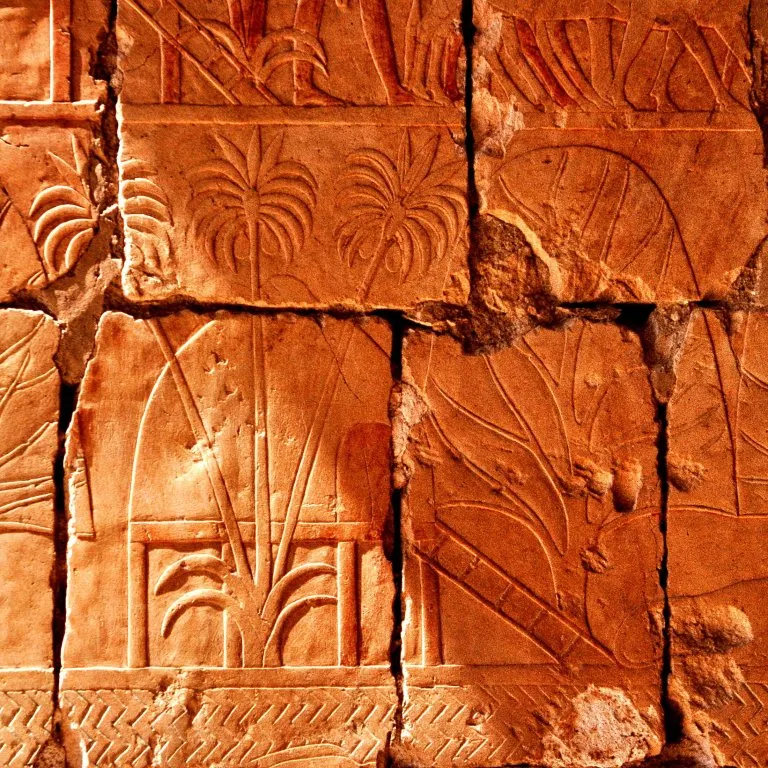
The accompanying inscription is as follows:
“… All the good woods of the divine land, heaps of gum of anti, and trees of green anti, with ebony, with pure ivory, with pure gold of the land of Amu, with cinnamon wood, khesit wood, with balsam, resin, antimony, with cynocephali, monkeys, greyhounds, with skins of panthers of the south, with inhabitants of the country and their children.” - Profiling Punt: using trade relations to locate ‘God’s Land’, pg 49.
The Return Journey

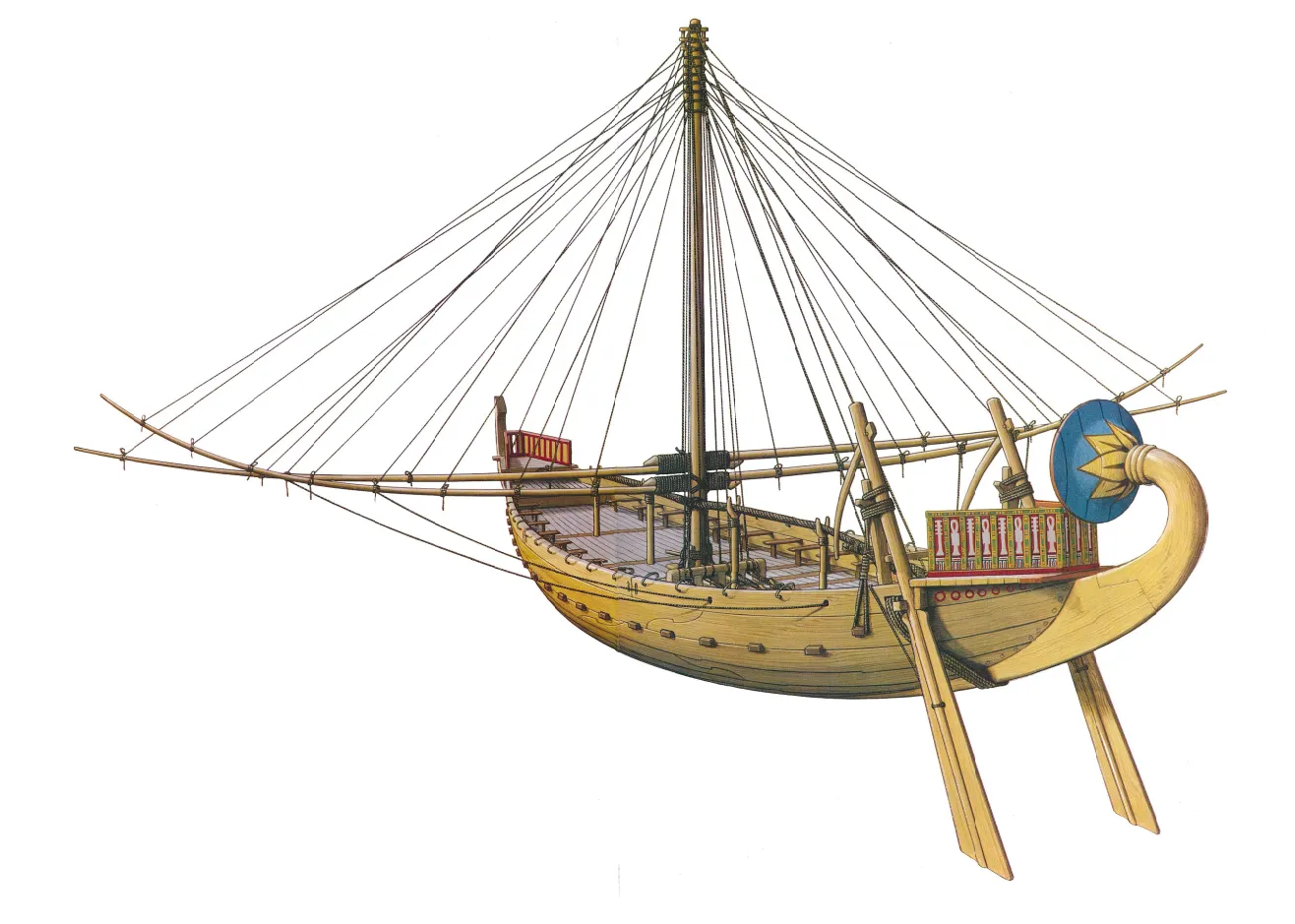
The following scene depicts Ancient Egyptian sailors loading their ships with the goods acquired from Punt, including ivory, leopard skins, baboons, and even entire frankincense trees, as well as some children of Punt. Further to the right, several ships can already be seen setting sail.
The accompanying inscription reads:
“Voyaging and arriving safely, making landfall at Karnak Temple joyfully, by the royal expedition, accompanied by chiefs of this land. They have brought (things) the like of which have not been brought to other kings, from the marvels of the land of Punt” - Discourse on the Historical and Contemporary Importance of Queen Hatshepsut’s Punt Expedition, pg 14.
Arrival In Egypt
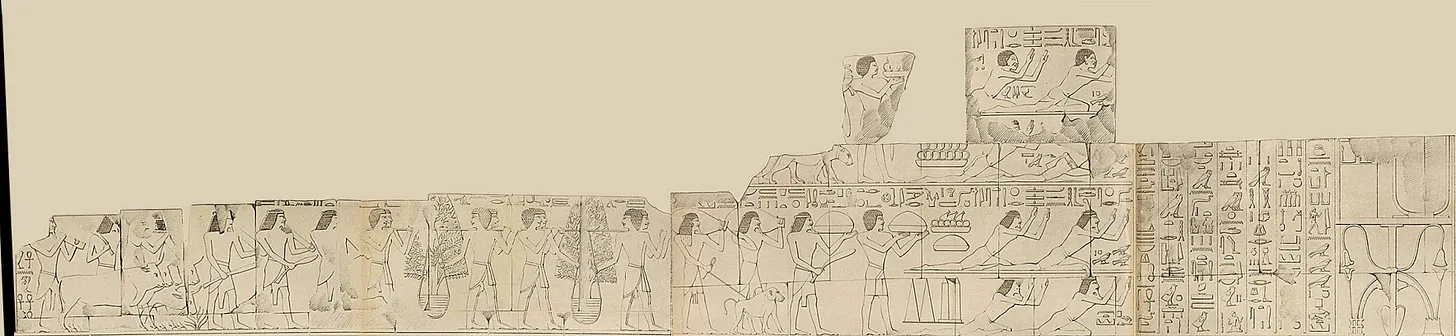
Next, a scene depicts both Ancient Egyptians and Puntites (including four Puntite princes) presenting the goods they brought from Punt to Pharaoh Hatshepsut.
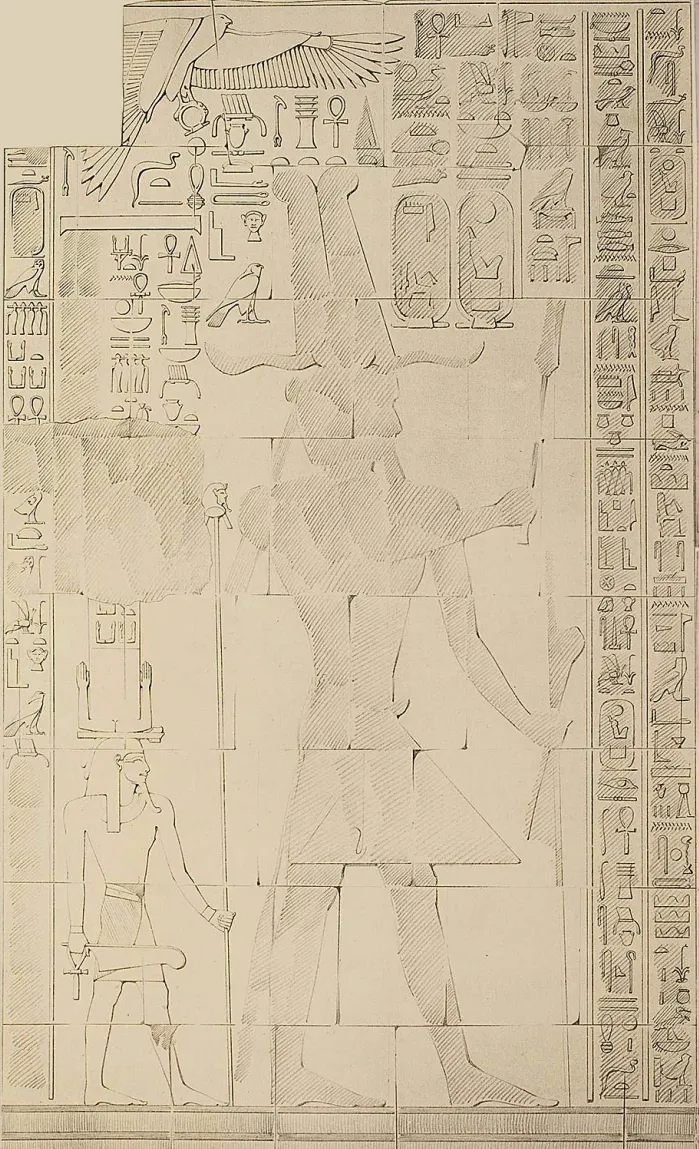
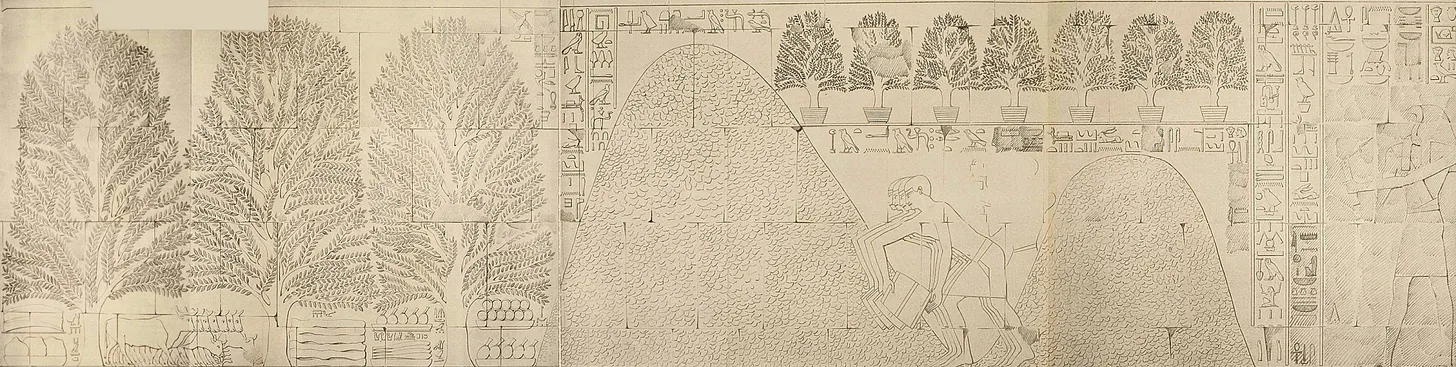
The next scene shows Pharaoh Hatshepsut offering a selection of Puntite goods to the god Amon-Ra; incense trees, rhinoceros horns, tortoise shells, and more can be seen. We can also observe many fully grown incense trees.
First Prophet Of Amun - Hepusonb
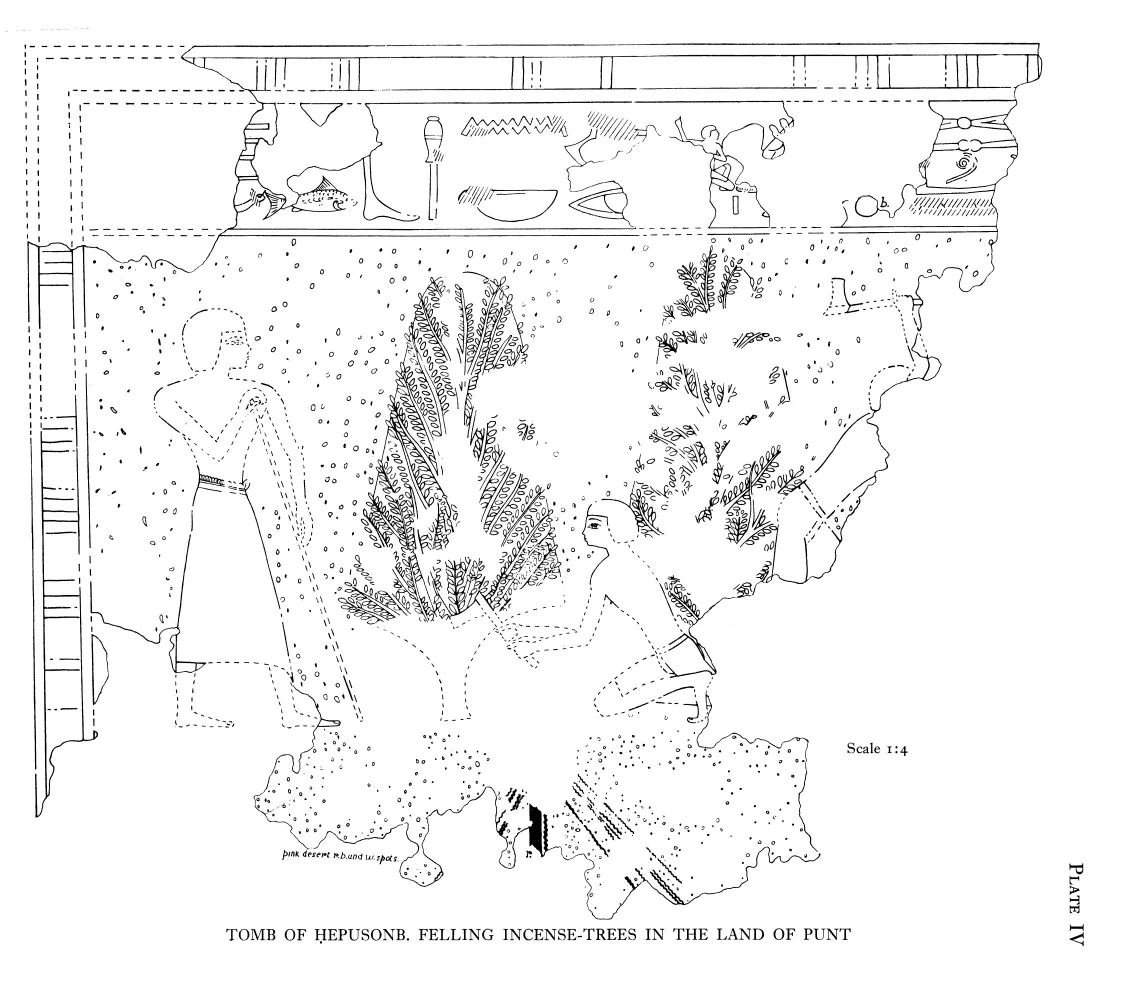
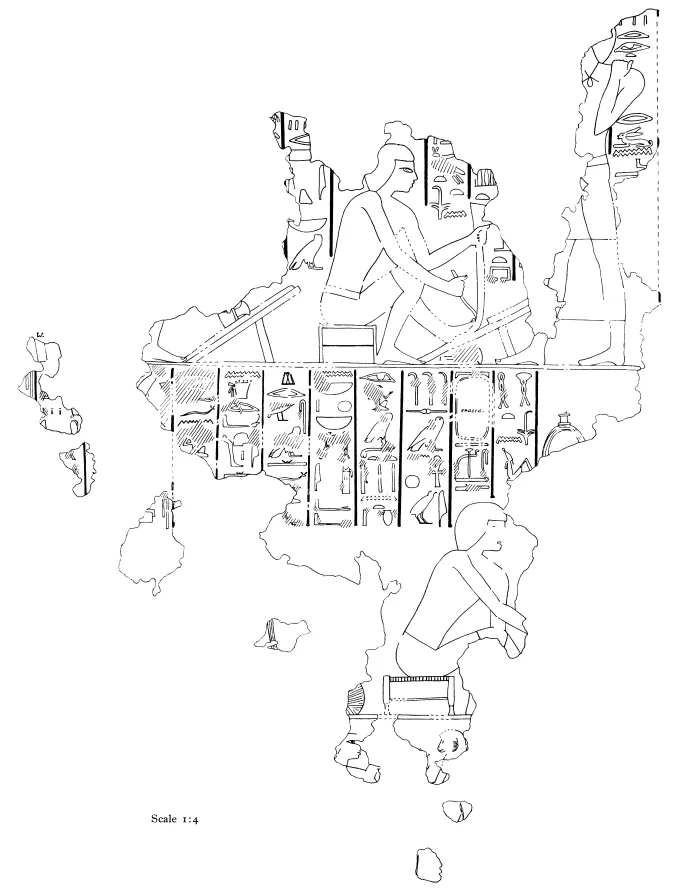
During the reign of Pharaoh Hatshepsut, the High Priest of Amun was a man named Hepusonb. In his temple, a relief depicts incense being collected from a tree in Punt, likely highlighting the importance of incense in the rituals he conducted94.
We also see a depiction of a chariot being constructed, likely used to meet the Puntites upon their arrival at the port of el-Quseir (Mersa Gawasis)95.
Thutmosis III
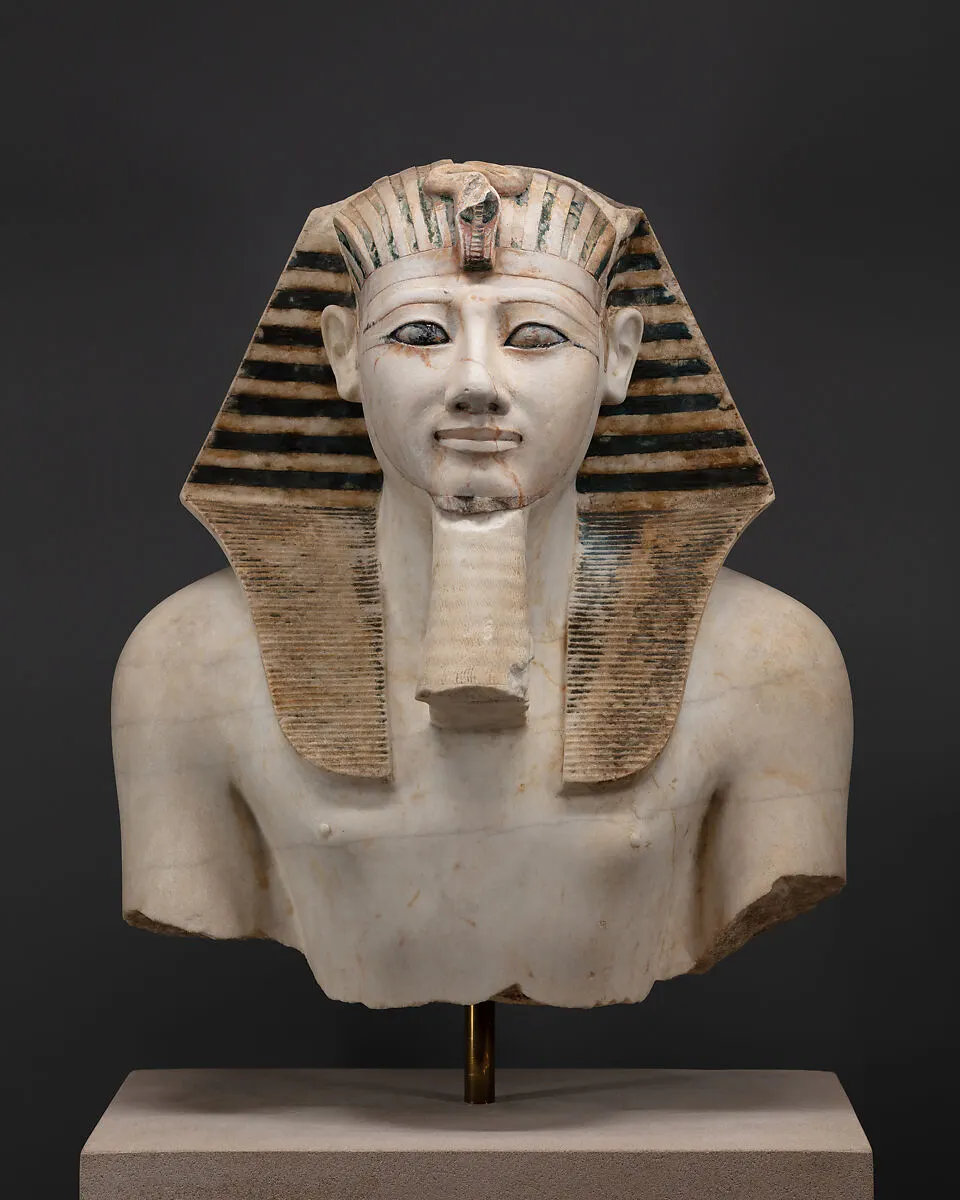
During the reign of Thutmosis III(~1458-1425BC96), we have several pieces of evidence of trade with Punt being conducted. For example, two inscriptions, the first dated to roughly 1447 BC & the second to 1442BC, refer to various goods such as myrrh, gold (or electrum), slaves, and different types of cattle being brought from Punt.
The first inscription is as follows:
“Marvels brought to his majesty in the land of Punt in this year: dried myrrh, 1,685 heket16; gold, 155 deben, 2 kidet ; 134 slaves, male and female; 114 oxen, and calves; 305 bulls; total, 419 cattle; beside vessels laden with ivory, ebony, skins of the panther; every good thing of this country.” - Profiling Punt: using trade relations to locate ‘God’s Land’, pg 52
25 more words
The second inscription is as follows:
“Marvels brought to the fame of his majesty from Punt: dried myrrh, 240 heket.” - Profiling Punt: using trade relations to locate ‘God’s Land’, pg 52
Tomb Paintings
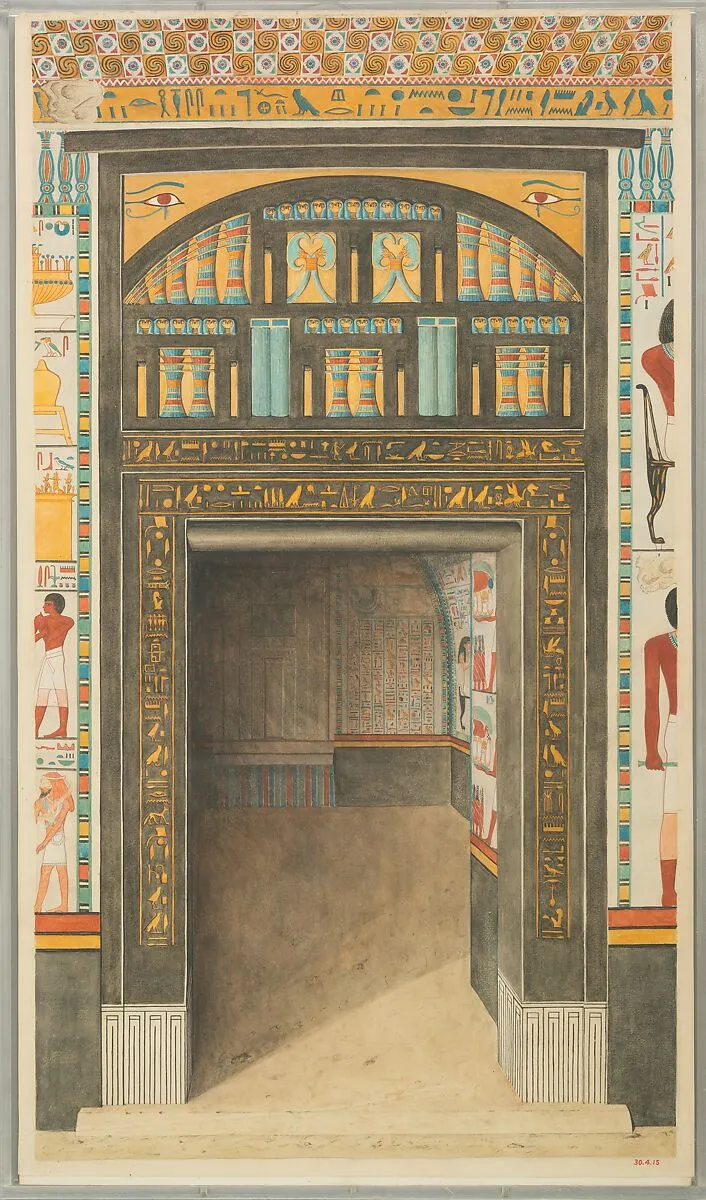
Dating to the reign of Thutmose III, tomb paintings found in the tomb of the Second Prophet of Amun, Puyemre, depict the pharaoh being presented with and overseeing the weighing of various goods from foreign lands, including Punt, which in this case included ivory and ebony (wood products).
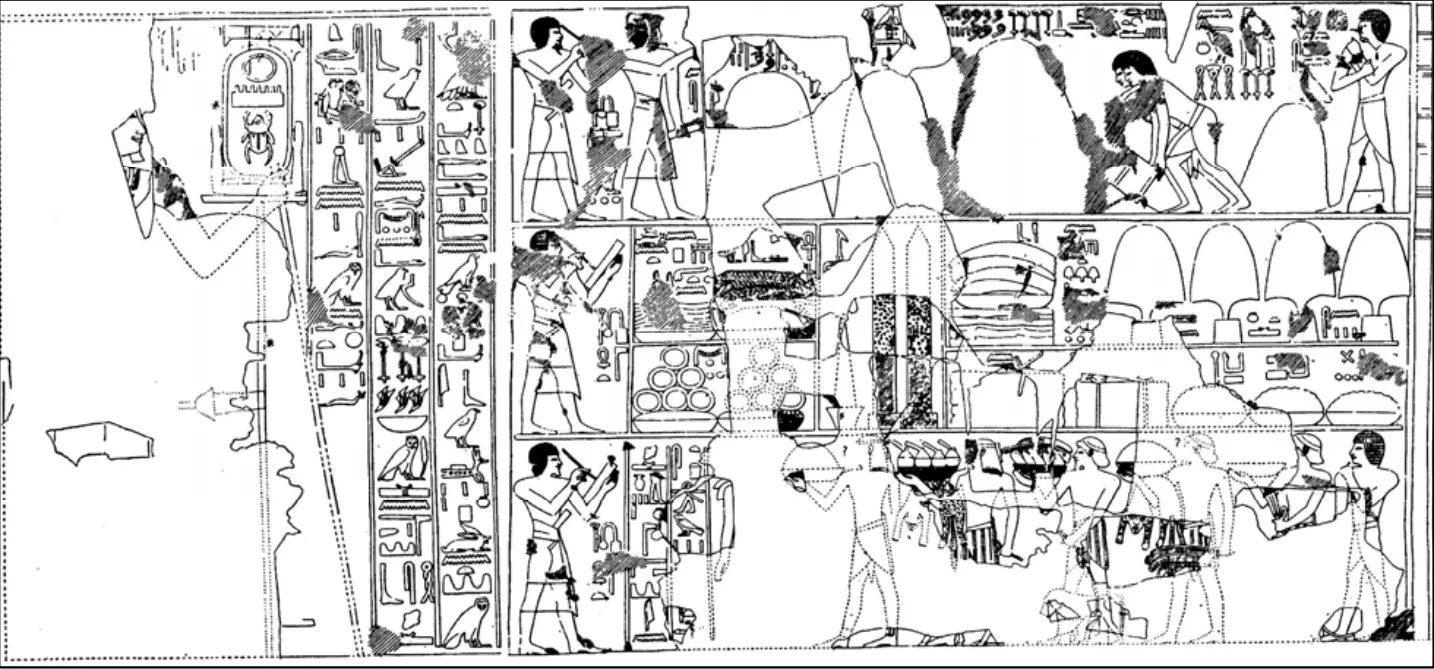
Another depiction of Puntites, dated to around the same period, appears in the tomb of Rekhmire, who served as vizier during the reigns of Thutmose III and his successor Amenhotep II. In the uppermost part of the scene, Puntites are shown carrying myrrh trees, elephant tusks, gold, animal skins, baboons, and other goods.
Amenhotep II
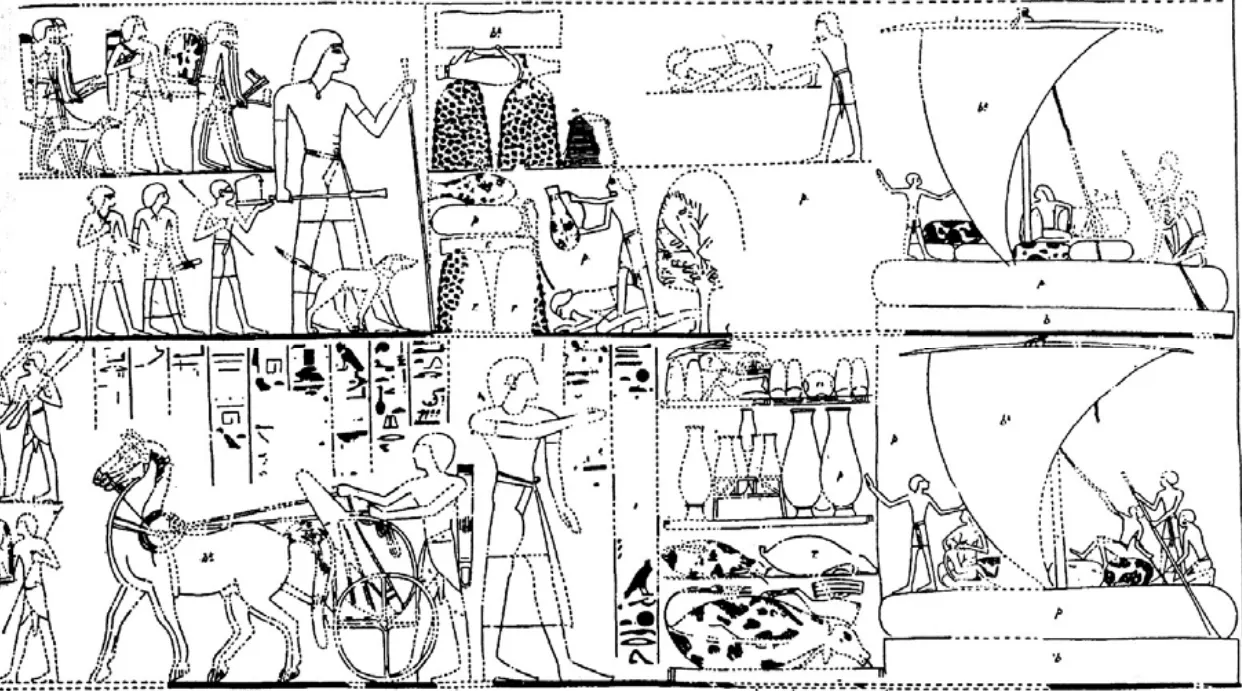
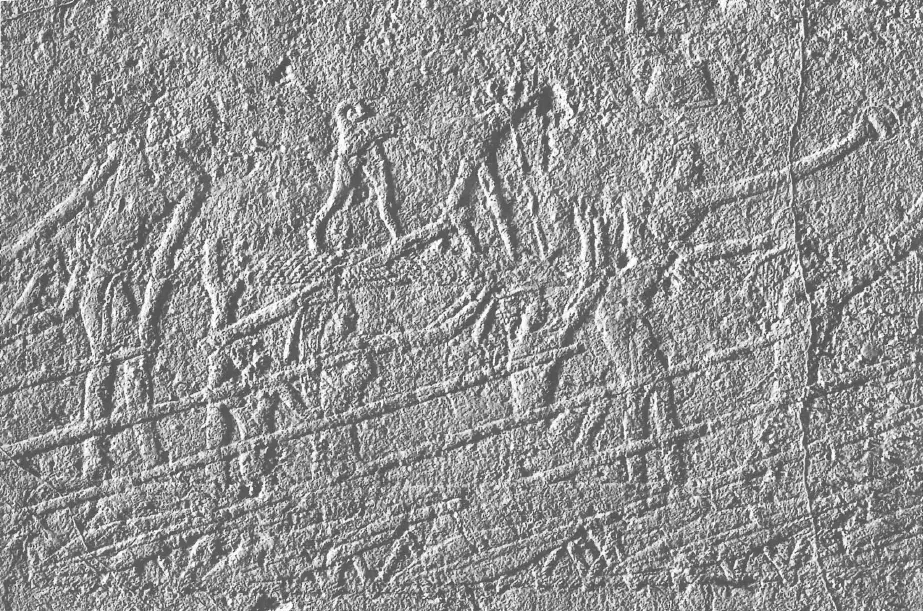
A tomb of unknown ownership, dated to around the reign of Pharaoh Amenhotep II(~1425-1400BC)97, contains a scene depicting the arrival of Puntites by raft, each vessel carrying four sailors. At the bottom of the scene, an Ancient Egyptian is shown riding a chariot after conducting the trade. This provides clear evidence that trade was not one-sided; Puntites also travelled to Egypt and actively participated in initiating exchange.
The inscription at the bottom reads:
“Travelling to …, starting on the high road, carrying thousands of various excellent products of Punt, myrrh, … incense trees…” - Profiling Punt: using trade relations to locate ‘God’s Land’, pg 56.
Thutmosis IV (1400–1390 BC)
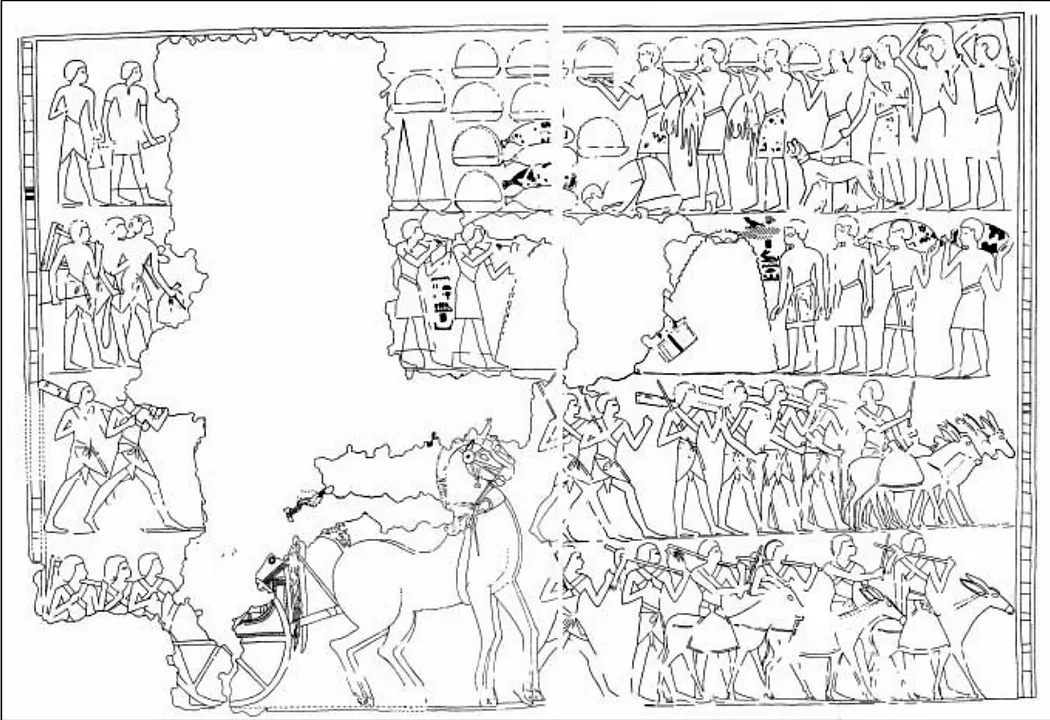
Further evidence of Puntites travelling to Egypt can be found in the tomb of Amenmose, a Treasurer of Pharaoh Thutmose IV(~1400-1390BC98), his tomb depicts an Egyptian official arriving on a chariot to greet a Puntite envoy99.
Amenhotep III
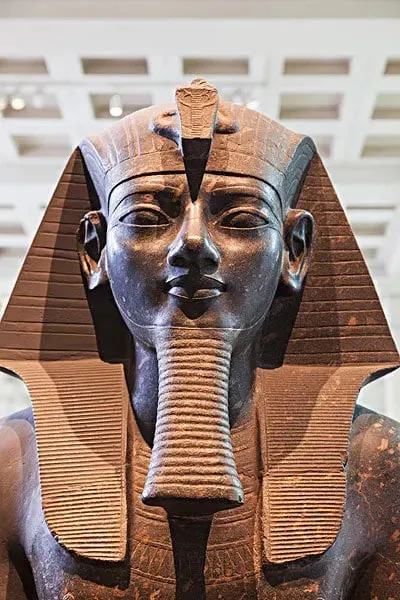
Further evidence of Puntites travelling to Ancient Egypt for trade can be found in the tomb of an official named Sobekhotep (also known as Panehsi), dated to the reign of Amenhotep III (~1390BC-1352BC101). An inscription records that he travelled to the Egyptian seacoast (likely the port of Quseir/Mersa Gawasis), where he met a Puntite envoy who presented him with incense.
The inscription is as follows:
“I reached the seacoast, to announce the marvels of Punt, to receive aromatic gums which the chiefs brought … as revenue from lands unknown.” - Source: Profiling Punt: using trade relations to locate ‘God’s Land’, pg 56.
Late Punt (1350BC-1000BC)
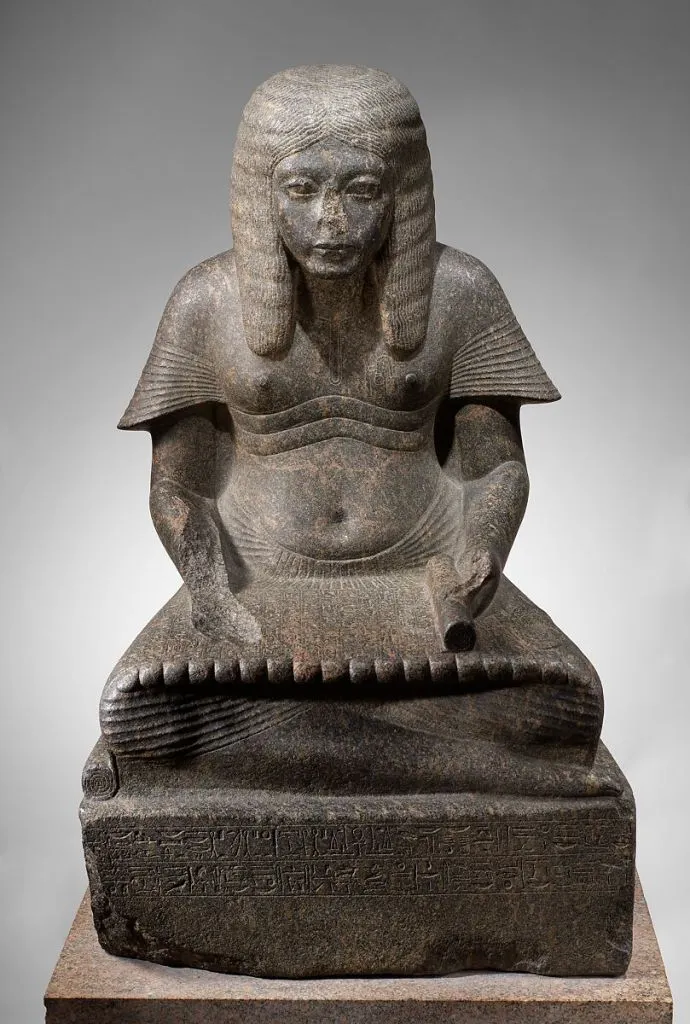
During the Eighteenth Dynasty, the Pharaoh Horemheb (~1323–1295BC102), recorded the reception of a Puntite envoy at the Temple of Karnak. The inscription reads as follows:
“Speech of the great chiefs of Punt: “Hail to thee, King of Egypt, Sun of the Nine Bows! By thy ka! We knew not Egypt; our fathers had not trodden it. Give us the breath which thou givest. All lands are under thy feet.” - Profiling Punt: using trade relations to locate ‘God’s Land’ pg 58
Seti I & Ramses II
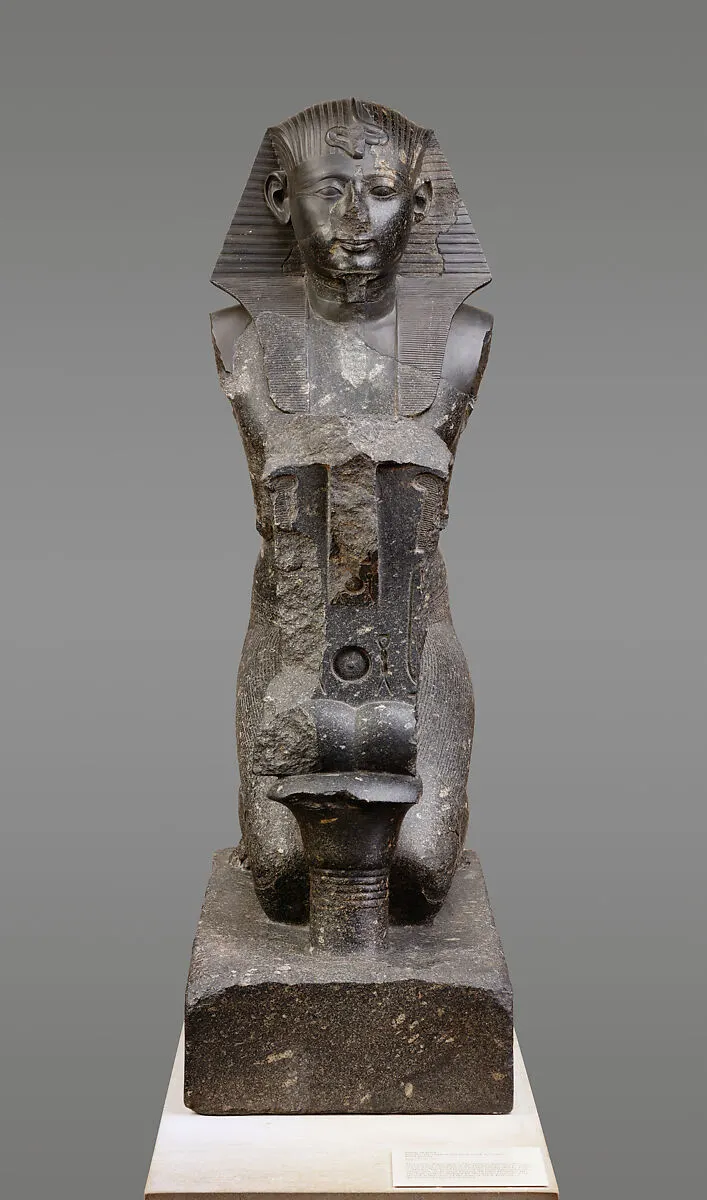
The temple at Abydos contains two inscriptions referring to incense being brought from Punt, one of which dates to the reign of Pharaoh Seti I (~1294–1279 BC103). The inscription states the following:
“The treasuries are full of valuables… myrrh is there from Punt, measured put by heaps… Created for him (Osiris) are fleets of ships to multiply herbs in his temple — their sheer number covered the sea — each vessel a hundred cubits long, laden with herbs from God’s Land.” - Profiling Punt: using trade relations to locate ‘God’s Land’ pg 59
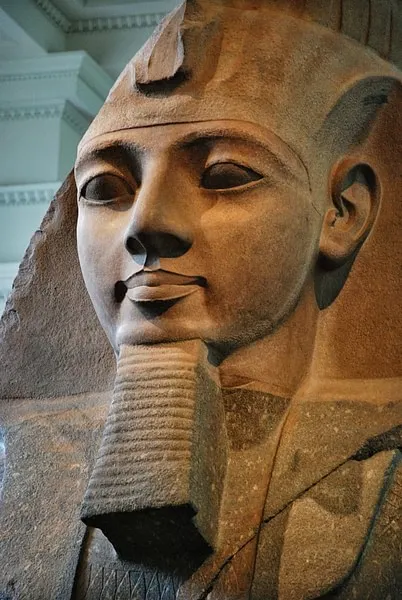
Another inscription from the time of Pharaoh Rameses II(1279–1213BC104), mentions Punt:
“…he planted many gardens, planted with all kinds of trees, all sweet and fragrant herbs, the plants of Punt.” - Profiling Punt: using trade relations to locate ‘God’s Land’ pg 59
Ramses III (1217BC-1155BC)
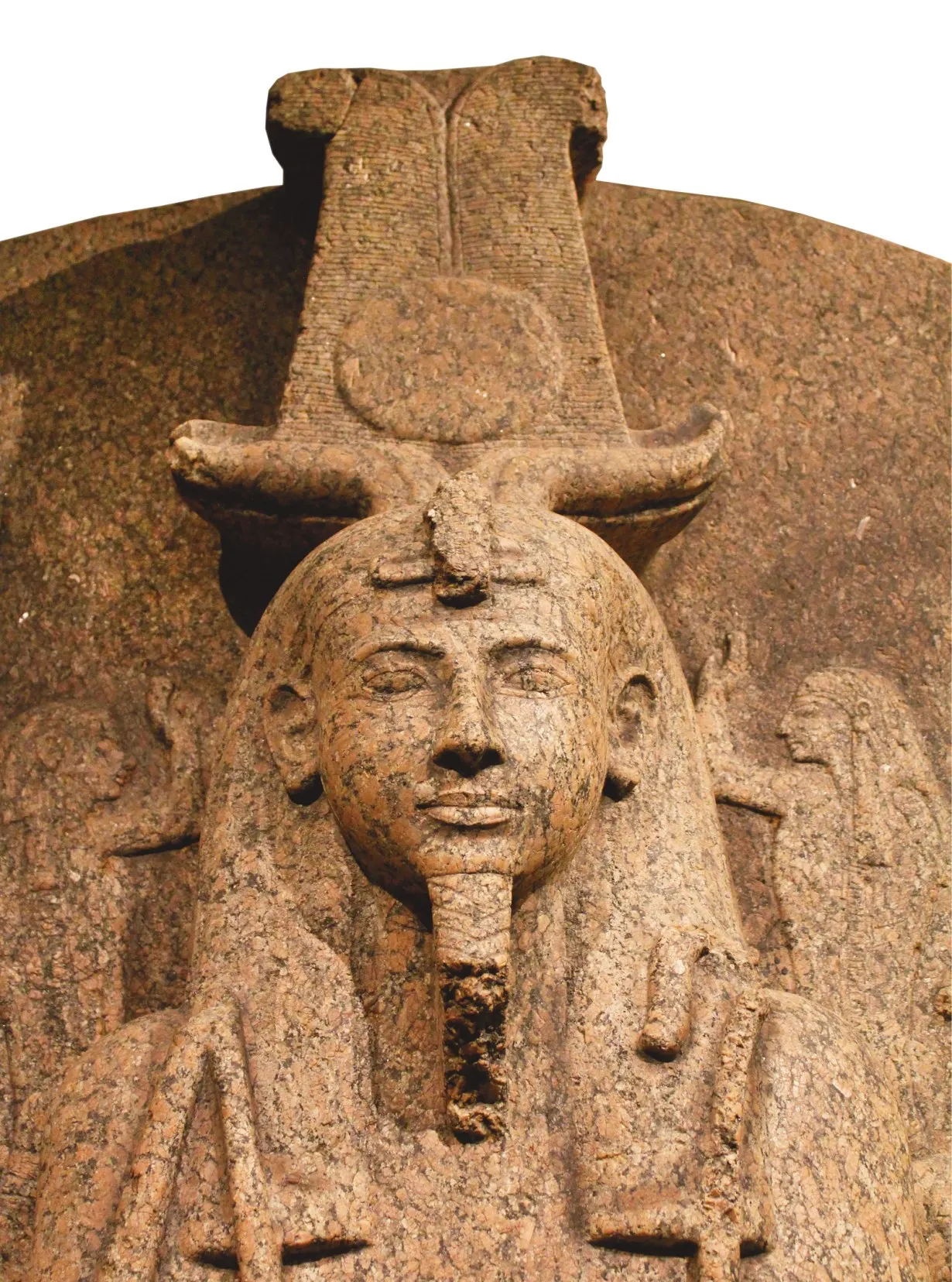
In the Papyrus Harris I, which records the reign and achievements of Ramesses III, there is a passage describing a voyage to Punt. This expedition was large in scale and resulted in a large collection of myrrh, and it even included children from the Puntite chieftain’s family accompanying the return journey to Egypt. This represents one of the final known references to Punt.
The inscription reads:
“I hewed great galleys with barges before them, manned with numerous crews, and attendants in great number; their captains of marines were with them, with inspectors and petty officers, to command them. They were laden with the products of Egypt without number, being in every number like ten-thousands. They were sent forth into the great sea of the inverted water, they arrived at the countries of Punt, no mishap overtook them, safe and bearing terror. The galleys and the barges were laden with the products of God’s Land, consisting of all the strange marvels of their country: plentiful myrrh of Punt, laden by ten-thousands, without number. Their chief’s children of God’s-Land went before their tribute advancing to Egypt. They arrived in safety at the highland of Koptos; they landed in safety, bearing the things which they brought. They were loaded, on the land-journey, upon asses and upon men; and loaded into vessels upon the Nile, (at) the haven of Koptos. They were sent forward down-stream and arrived amid festivity, and brought (some) of the tribute into the (royal) presence like marvels. Their chief’s children were in adoration before me, kissing the earth, prostrate before me. I gave them to all the gods of this land, to satisfy the two serpent goddesses every morning” - Profiling Punt: using trade relations to locate ‘God’s Land’ pg 59
181 more words
Conclusion
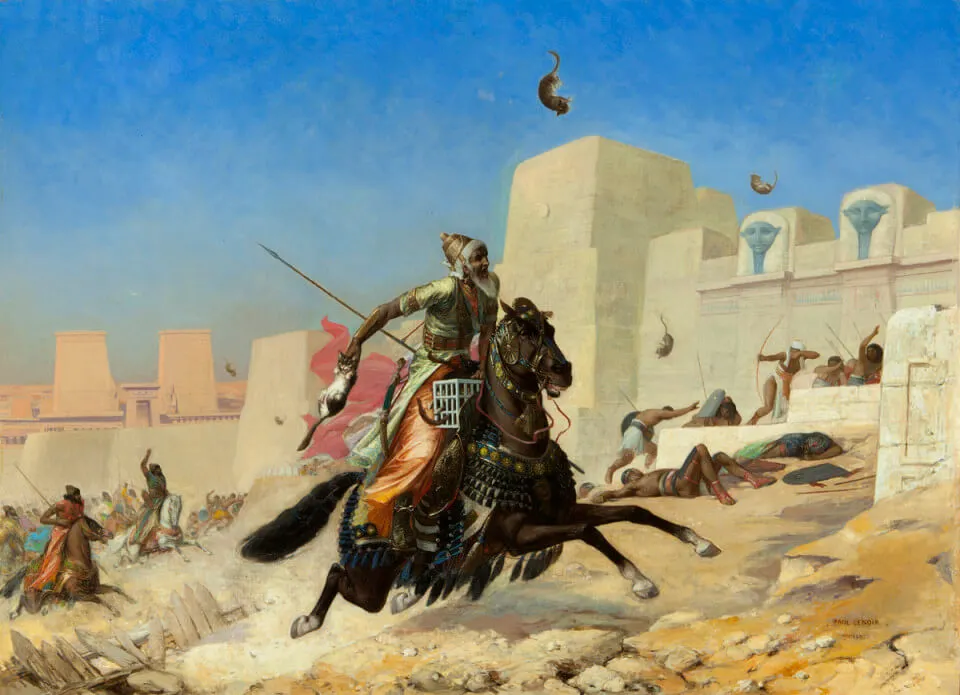
After the end of the New Kingdom period (~1050 BCE), references to Punt largely disappear from Egyptian records, and it gradually becomes a more mythical, distant land associated with luxury goods such as incense and myrrh.
This decline in references coincides with the Third Intermediate Period, when political power in Egypt became increasingly decentralised. Authority shifted away from the Pharaoh and into the hands of regional rulers, particularly the High Priests of Amun. Unlike earlier periods of fragmentation, this era did not culminate in a strong reunification, instead, it ultimately led to the Persian conquest around 525 BCE105.
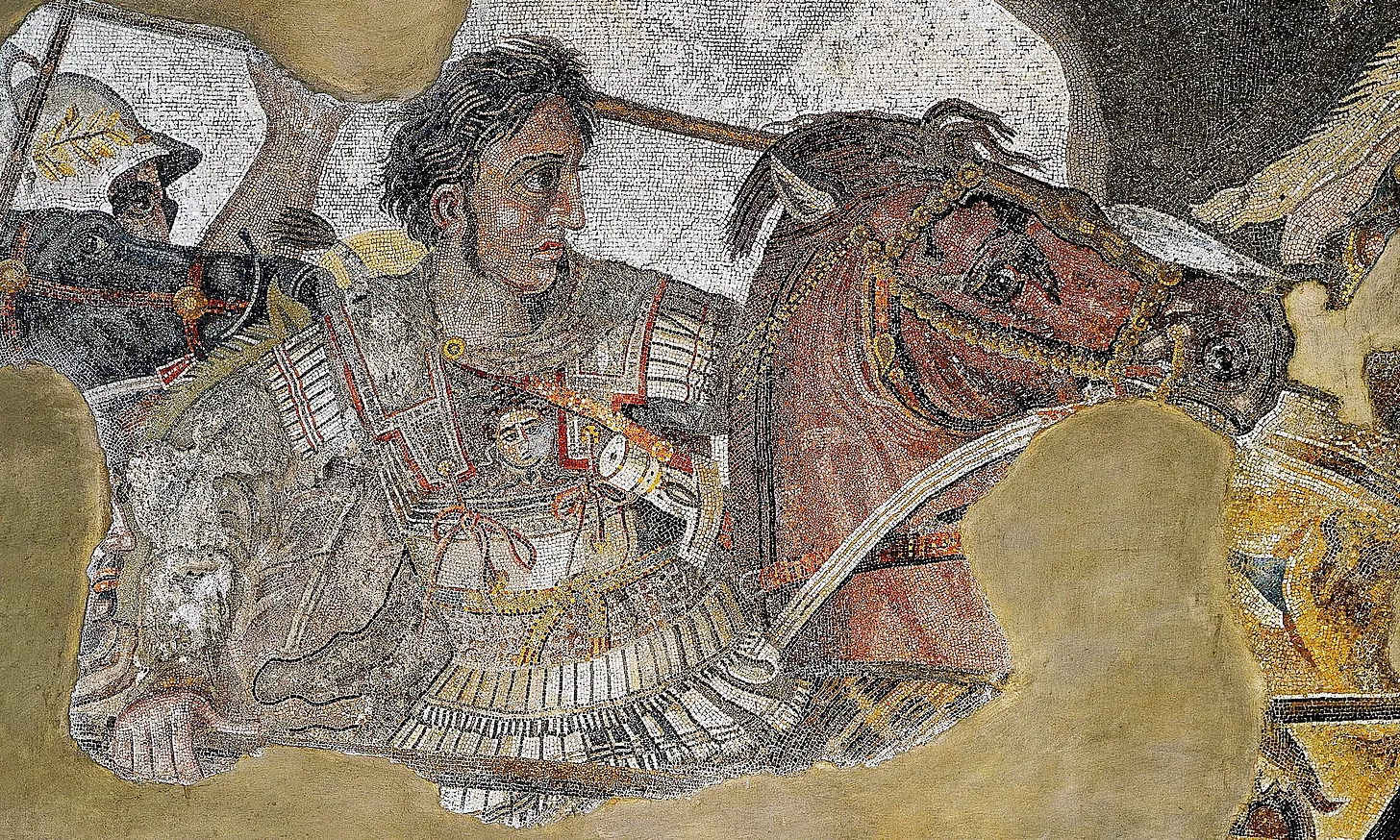
It was not until the arrival of Alexander the Great and the establishment of the Ptolemaic dynasty under Ptolemy I Soter that Egypt regained the political strength and maritime organisation necessary to resume proper Red Sea trade. This helps explain the scarcity of evidence for expeditions to Punt during the Third Intermediate Period. Under rulers such as Ptolemy II Philadelphus and Ptolemy III Euergetes, Red Sea commerce was actively revived, contributing to the rise of key trading centres such as Adulis, which I discussed in my article on Adulis.
However, civilisation didn’t totally collapse in the region. Instead, a new polity, the Kingdom of DʿMT (ደዐመተ), emerged in parts of present-day southern Eritrea and Tigray in the early first millennium BC. Rather than ties with Egypt, DʿMT had links with the Sabaean Kingdom to the east, which I explained in further detail in my article on DʿMT.
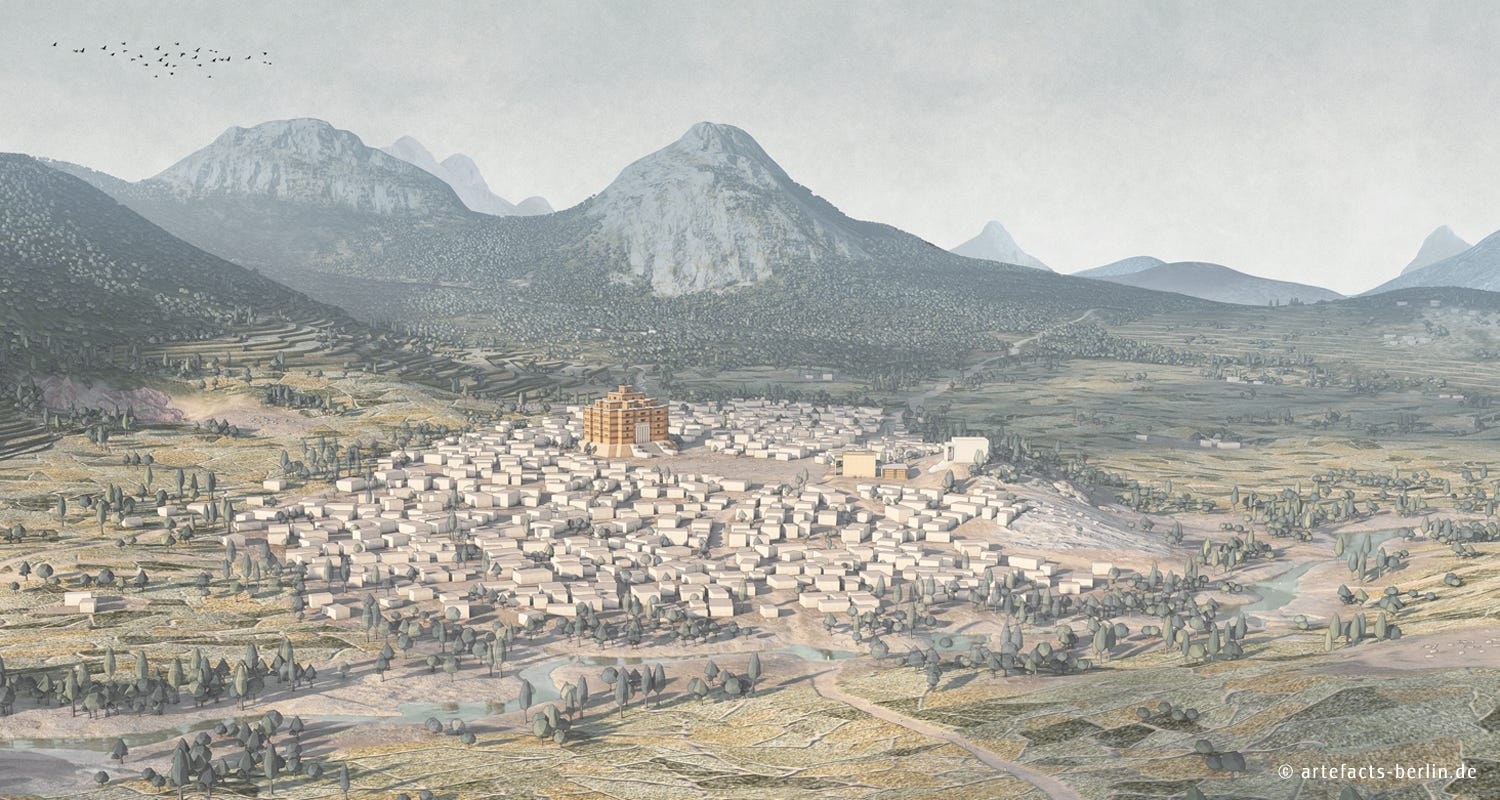
Hopefully, in the future, more archeological research in Ancient Egypt, but especially around Eritrea, Djoubiit, Somalia and the surrounding regions can shed more light on the Land of Punt and its history.
Why did Punt stop getting mentioned?
….
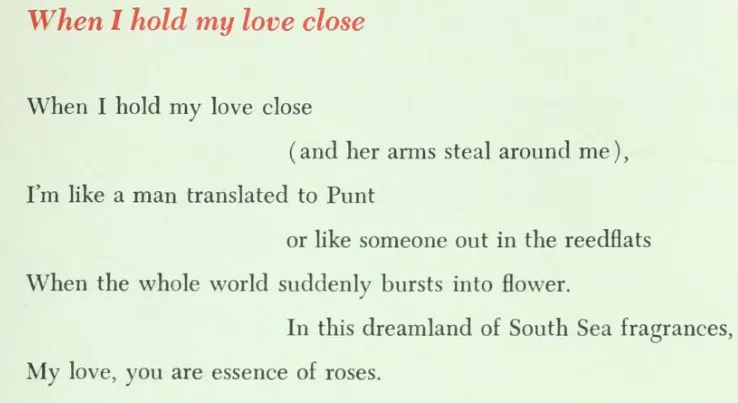
Further Reading
My favourite sources when researching Punt were:
Footnotes
The African Incense Trade and Its Impacts in Pharaonic Egypt, pg 4.
The African Incense Trade and Its Impacts in Pharaonic Egypt, pg 4.
Frankincense and Myrrh by G. W. V. Beek, pg 72.
Profiling Punt: using trade relations to locate 'God's Land', pg 96-98.
Frankincense and Myrrh by G. W. V. Beek, pg 72.
The African Incense Trade and Its Impacts in Pharaonic Egypt, pg 8.
Profiling Punt: using trade relations to locate 'God's Land', pg 2
Profiling Punt: using trade relations to locate ‘God’s Land’, pg 124
Profiling Punt: using trade relations to locate ‘God’s Land’, pg 130
The African Incense Trade and Its Impacts in Pharaonic Egypt, pg 9.
Profiling Punt: using trade relations to locate 'God's Land' pg 4
WERE THERE DIRECT RELATIONSHIPS BETWEEN PHARAONIC EGYPT AND ARABIA? , pg 161
Where is the land of Punt? pg 5
Profiling Punt: using trade relations to locate 'God's Land', pg 36.
Encyclopaedia Aethiopica A-C, pg 356.
https://landofpunt.wordpress.com/tag/ancient-inscriptions/
Adulis and the transshipment of baboons during classical antiquity, pg 2
Adulis and the transshipment of baboons during classical antiquity, pg 2
Adulis and the transshipment of baboons during classical antiquity, pg 3
Adulis and the transshipment of baboons during classical antiquity, pg 9
https://landofpunt.wordpress.com/tag/ancient-inscriptions/
Encyclopaedia Aethiopica He-N, pg 312.
The Ancient Egyptian Etymology of Ḥabašāt “Abessinia”, pg 11
-SAHURE – THE PYRAMID CAUSEWAY HISTORY AND DECORATION PROGRAM IN THE OLD KINGDOM, pg 70
The Ethiopian Borderlands, pg 5
Profiling Punt: using trade relations to locate ‘God’s Land’, pg 26
PYGMIES AND DWARFS IN ANCIENT EGYPT, pg 186.
Profiling Punt: using trade relations to locate ‘God’s Land’, pg 29
Profiling Punt: using trade relations to locate ‘God’s Land’, pg 31.
Historical Dictionary of Ancient Egypt (Historical Dictionaries of Ancient Civilizations and Historical Eras), pg xviii
Historical Dictionary of Ancient Egypt (Historical Dictionaries of Ancient Civilizations and Historical Eras), pg xix
Historical Dictionary of Ancient Egypt (Historical Dictionaries of Ancient Civilizations and Historical Eras), pg xix
Historical Dictionary of Ancient Egypt (Historical Dictionaries of Ancient Civilizations and Historical Eras), pg xix
Historical Dictionary of Ancient Egypt (Historical Dictionaries of Ancient Civilizations and Historical Eras), pg xix
Reflections on Traveling to “God’s Land’‘ and Punt in the Middle Kingdom, pg 128
Historical Dictionary of Ancient Egypt (Historical Dictionaries of Ancient Civilizations and Historical Eras), pg xx
The Middle Kingdom Red Sea Harbor at Mersa/Wadi Gawasis, pg 107.
Mersa\Wadi Gawasis as a Waterway on the Red Sea to the Land of PA.wn.wt, pg 26.
MERSA/WADI GAWASIS AND ANCIENT EGYPTIAN MARITIME TRADE IN THE RED SEA ,pg 5.
Historical Dictionary of Ancient Egypt (Historical Dictionaries of Ancient Civilizations and Historical Eras), pg xx.
Profiling Punt: using trade relations to locate ‘God’s Land’, pg 37
THE RECENTLY DISCOVERED PORT ON THE RED SEA SHORE, pg 70.
Historical Dictionary of Ancient Egypt (Historical Dictionaries of Ancient Civilizations and Historical Eras), pg xx
Historical Dictionary of Ancient Egypt (Historical Dictionaries of Ancient Civilizations and Historical Eras), pg xx
Historical Dictionary of Ancient Egypt (Historical Dictionaries of Ancient Civilizations and Historical Eras), pg xx
Historical Dictionary of Ancient Egypt (Historical Dictionaries of Ancient Civilizations and Historical Eras), pg xx
Profiling Punt: using trade relations to locate ‘God’s Land’, pg 132
Historical Dictionary of Ancient Egypt (Historical Dictionaries of Ancient Civilizations and Historical Eras), pg xx
Historical Dictionary of Ancient Egypt (Historical Dictionaries of Ancient Civilizations and Historical Eras), pg xx
Historical Dictionary of Ancient Egypt (Historical Dictionaries of Ancient Civilizations and Historical Eras), pg xxi
Hatshepsut’s expedition to the land of Punt – novelty or tradition, pg 117
Profiling Punt: using trade relations to locate ‘God’s Land’, pg 44
Discourse on the Historical and Contemporary Importance of Queen Hatshepsut’s Punt Expedition, pg 12.
A Fragment of a Punt Scene, pg 19.
A Fragment of a Punt Scene, pg 20.
Historical Dictionary of Ancient Egypt (Historical Dictionaries of Ancient Civilizations and Historical Eras), pg xxi
Historical Dictionary of Ancient Egypt (Historical Dictionaries of Ancient Civilizations and Historical Eras), pg xxi
Historical Dictionary of Ancient Egypt (Historical Dictionaries of Ancient Civilizations and Historical Eras), pg xxi
Profiling Punt: using trade relations to locate ‘God’s Land’ pg 56
Where is the land of Punt? , pg 25
Historical Dictionary of Ancient Egypt (Historical Dictionaries of Ancient Civilizations and Historical Eras), pg xxi
Historical Dictionary of Ancient Egypt (Historical Dictionaries of Ancient Civilizations and Historical Eras), pg xxi
Historical Dictionary of Ancient Egypt (Historical Dictionaries of Ancient Civilizations and Historical Eras), pg xxi
Historical Dictionary of Ancient Egypt (Historical Dictionaries of Ancient Civilizations and Historical Eras), pg xxi & xxii

_Luxor-Museum-_Statue_Hathor_(28271998320)_(2).jpg)


Published comments
Loading discussion…