In Imperial Order: The German Aksum Expedition 1906 under Enno Littmann, Volume 3: Ethnographic, church-historical and archaeological-historical investigations — illustrated page 172
Source record
- Source
- Habesha History book corpus — In Imperial Order: The German Aksum Expedition 1906 under Enno Littmann, Volume 3: Ethnographic, church-historical and archaeological-historical investigations
- Book
- In Imperial Order: The German Aksum Expedition 1906 under Enno Littmann, Volume 3: Ethnographic, church-historical and archaeological-historical investigations
- Source reference
- In Imperial Order: The German Aksum Expedition 1906 under Enno Littmann, Volume 3: Ethnographic, church-historical and archaeological-historical investigations; PDF page 172 (complete illustrated page)
- Page
- 172
- Publication year
- 2017
- Type
- Book illustration
Date of image not recorded.
Creator not recorded.
Source-book and PDF-page attribution only. No place, subject, creator or image date is inferred from nearby body text or the publication date.
Source-page captions
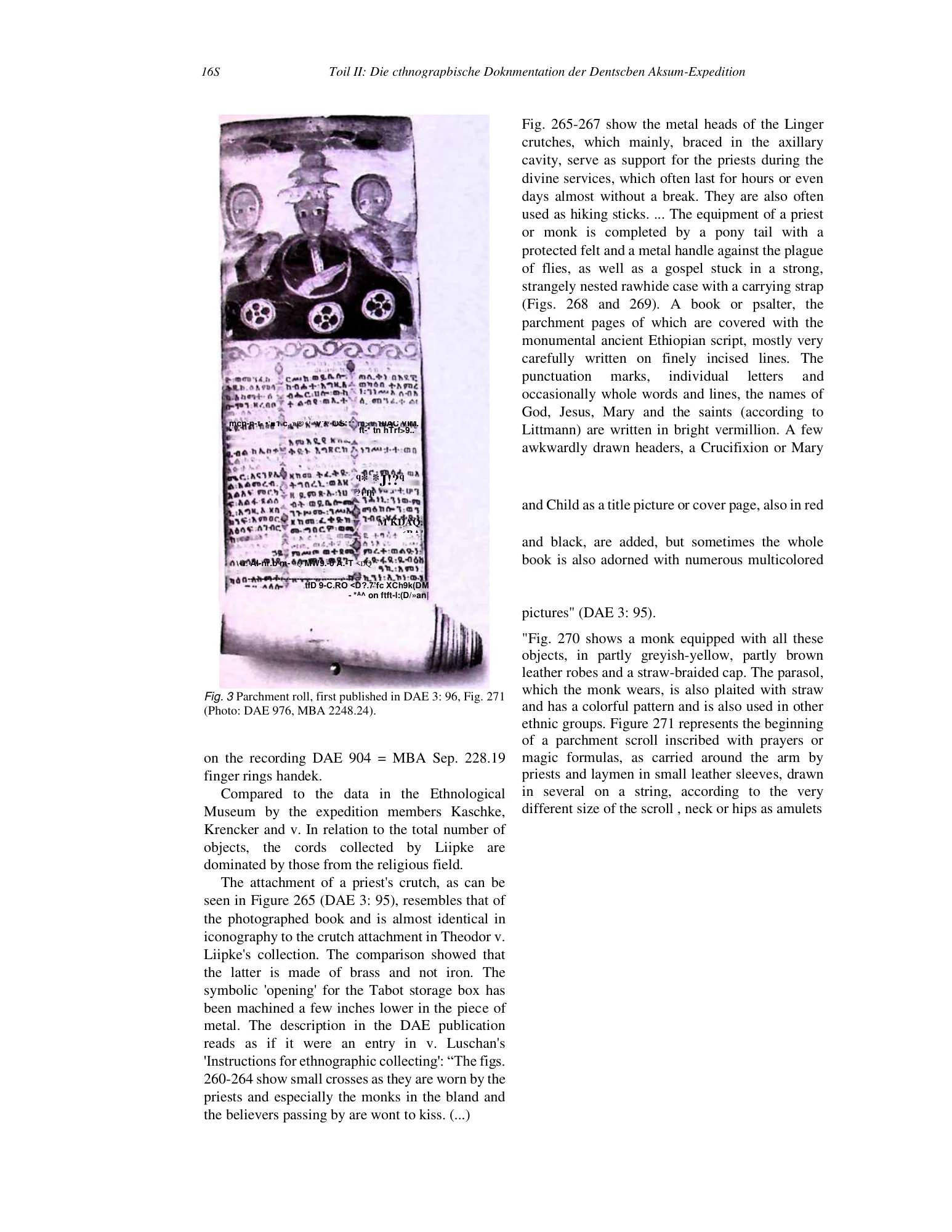
Fig. 3 Parchment roll, first published in DAE 3: 96, Fig. 271 (Photo: DAE 976, MBA 2248.24).
Fig. 265-267 show the metal heads of the Linger crutches, which mainly, braced in the axillary cavity, serve as support for the priests during the divine services, which often last for hours or even days almost without a break. They are also often used as hiking sticks. ... The equipment of a priest or monk is completed by a pony tail with a protected felt and a metal handle against the plague of flies, as well as a gospel stuck in a strong, strangely nested rawhide case with a carrying strap (Figs. 268 and 269). A book or psalter, the parchment pages of which are covered with the monumental ancient Ethiopian script, mostly very carefully written on finely incised lines. The punctuation marks, individual letters and occasionally whole words and lines, the names of God, Jesus, Mary and the saints (according to Littmann) are written in bright vermillion. A few awkwardly drawn headers, a Crucifixion or Mary
Illustration from the identified source publication. Captions on the source page are preserved separately and are not asserted to belong to this individual crop. Publication year is not the image date.
Image rights
© Kommission für Archäologie Außereuropäischer Kulturen, 2017. Source copyright page states all rights reserved and no reproduction without written permission. User-confirmed corpus permission is recorded separately.
User-confirmed permission to use images in the local Habesha History corpus, 2026-09-28; this does not grant visitors a general reuse licence.
Request image removal