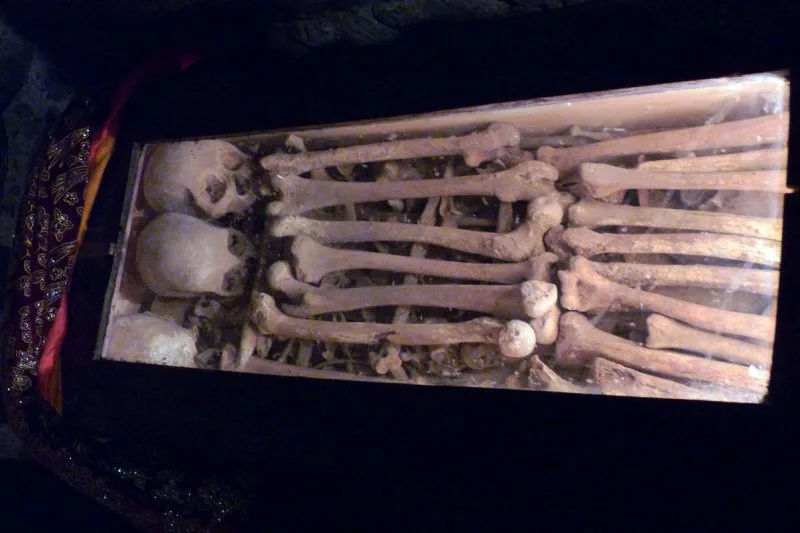
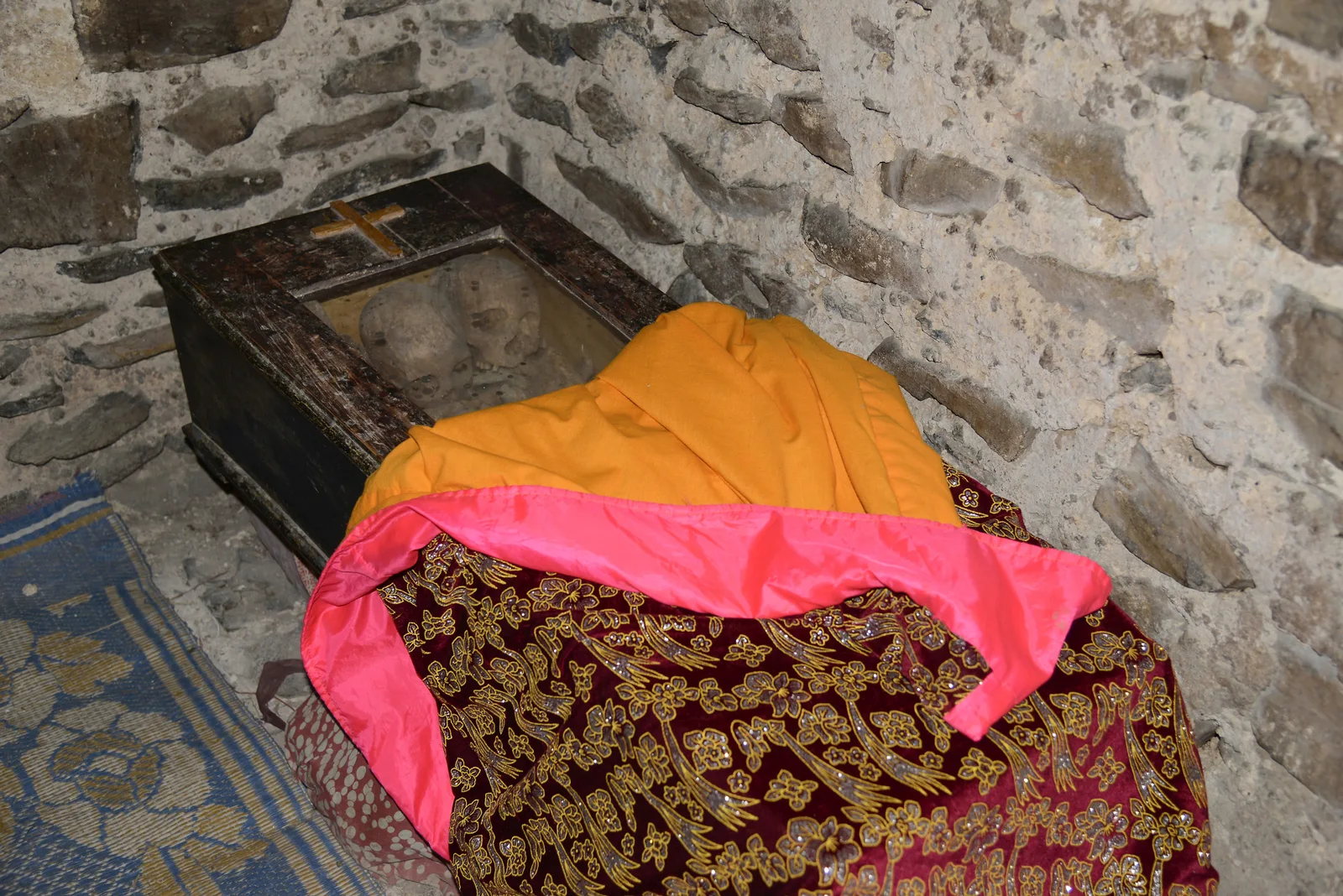
Emperor Iyasu II, Ioyas & Empress Mentewab's Burial
Daily Habesha History — facts, images, videos, and more.
Places & painted memory


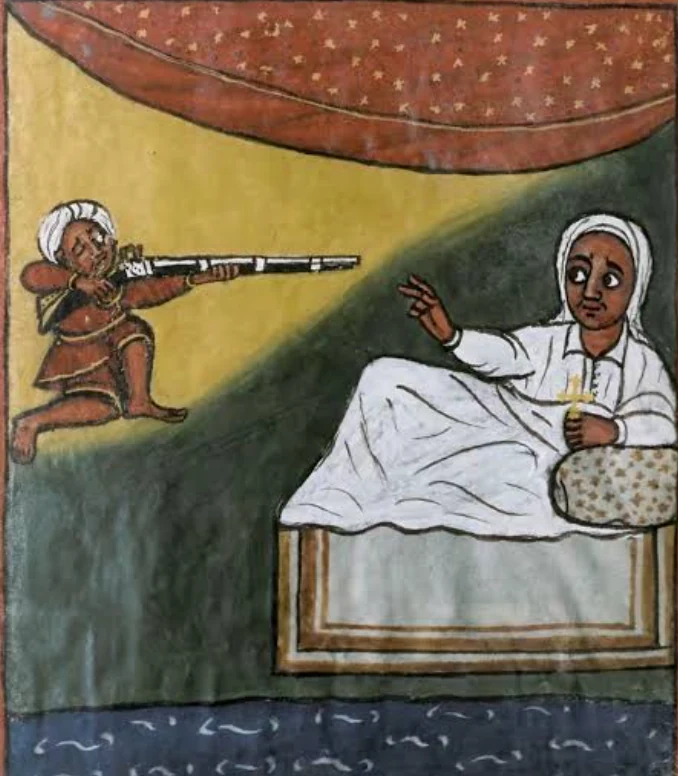
Selam everyone, I wanted to share a new feature I’ve added to HabeshaHistory.com
You can now browse nearly 2,000 Habesha manuscript paintings, illustrations, and drawings dating from the 6th to the 20th century. These works have been gathered from a range of collections and institutions, including the British Library, Princeton University, and others.
My purpose was simple, to create one accessible space where our community can explore our rich artistic past and appreciate the beautiful works created by our ancestors across the centuries, rather than having to search through and filter numerous european museum and university collections individually.
I hope this helps!
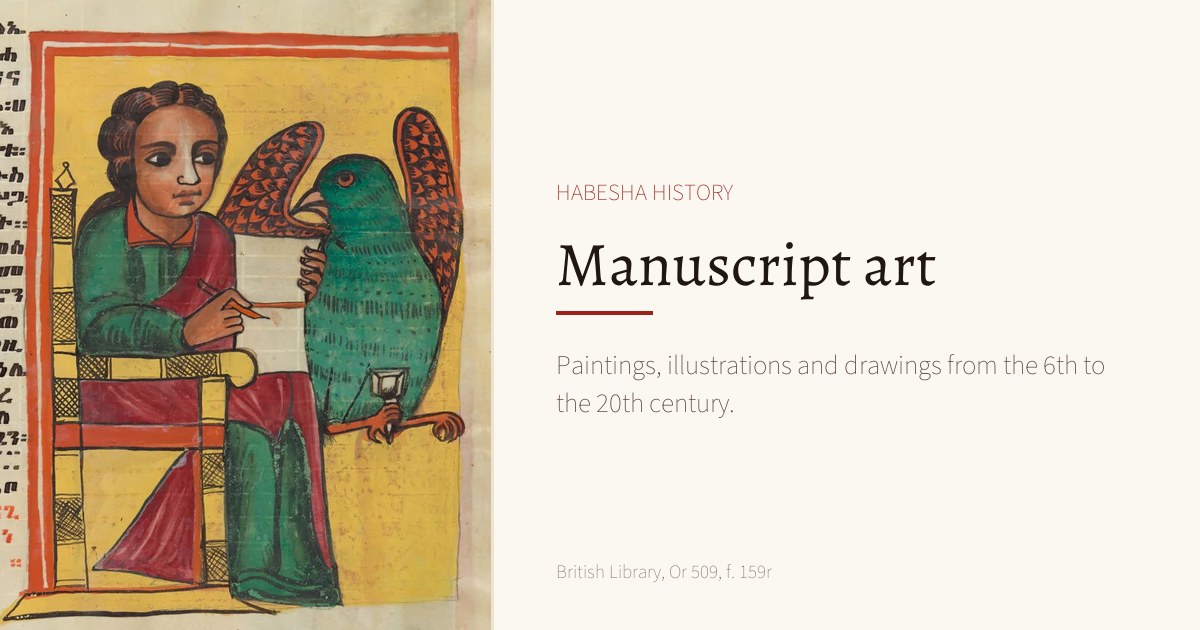 Manuscript artHabesha Manuscript ArtPaintings, illustrations and drawings from the 6th century to the 20th, gathered from the British Library, Princeton, the Met and other collections.Browse the manuscripts
The oldest surviving monumental building in the Abyssinian Highlands is the Great Temple of Yeha, constructed in the early 1st millennium BC. Remarkably, its stone walls still stand today, although what survives is only a shell of what was once a much larger structure.
Using a range of archaeological and academic sources, including the reconstructions and research published by the German Archaeological Institute, I have recreated both the interior and exterior of the Temple of Yeha in 3D.
For me, projects like this are important because they allow us to preserve, study, and visualise the architectural achievements of our ancestors.
Hopefully you find the reconstruction interesting and learn something new...
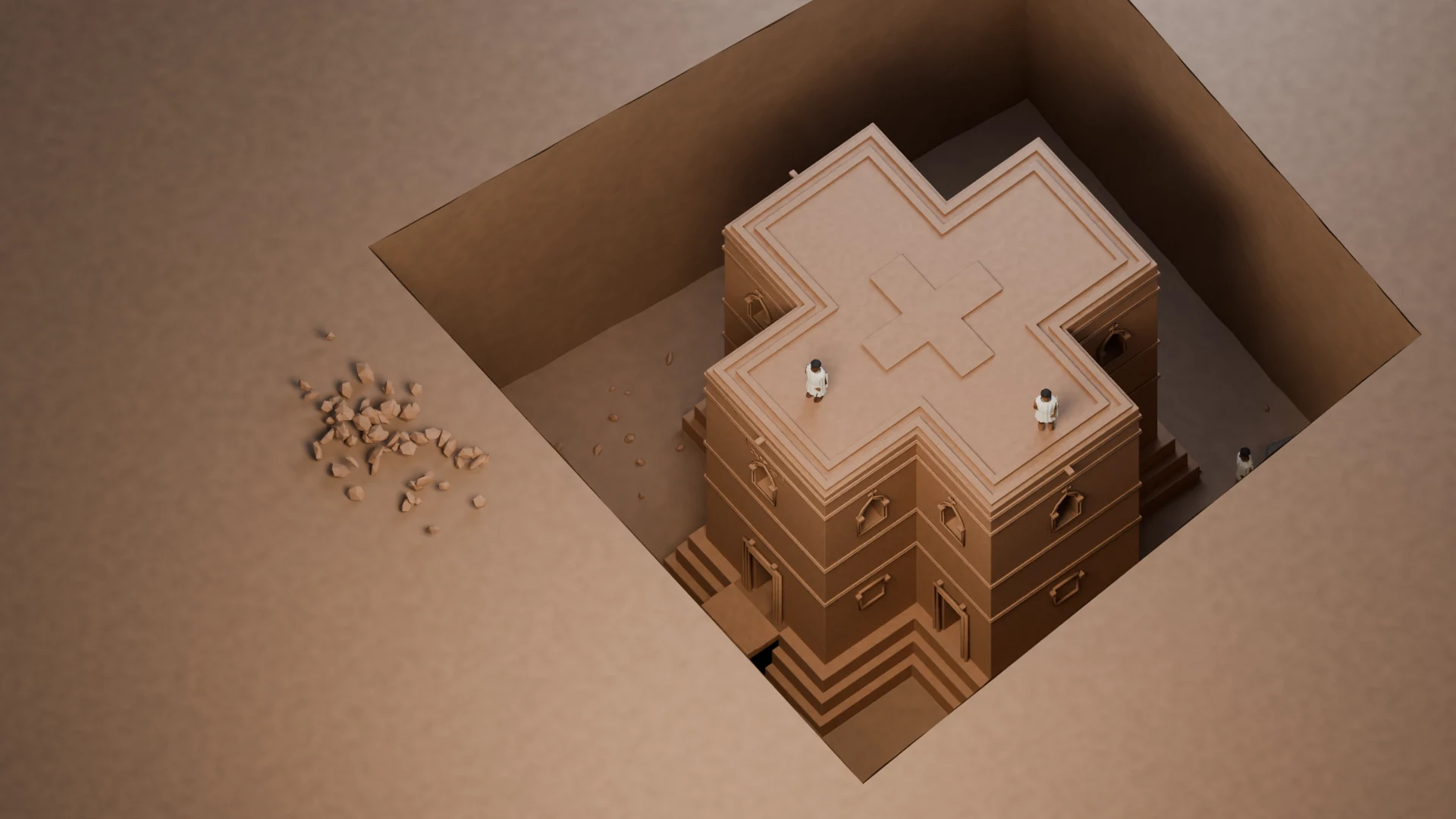 ArchitectureIn reconstructionThe 3D reconstructions are being rebuilt. The image collection remains open.View Architecture
Śahlä Śəllase (c. 1795–1847) ruled Shewa from 1813 until his death in 1847. He strengthened and expanded his Shewan kingdom, adopted the title Nəguś, and established a powerful court at Ankober. During his reign, he encouraged church building, manuscript production, craftsmanship and increased contact with foreign travellers.
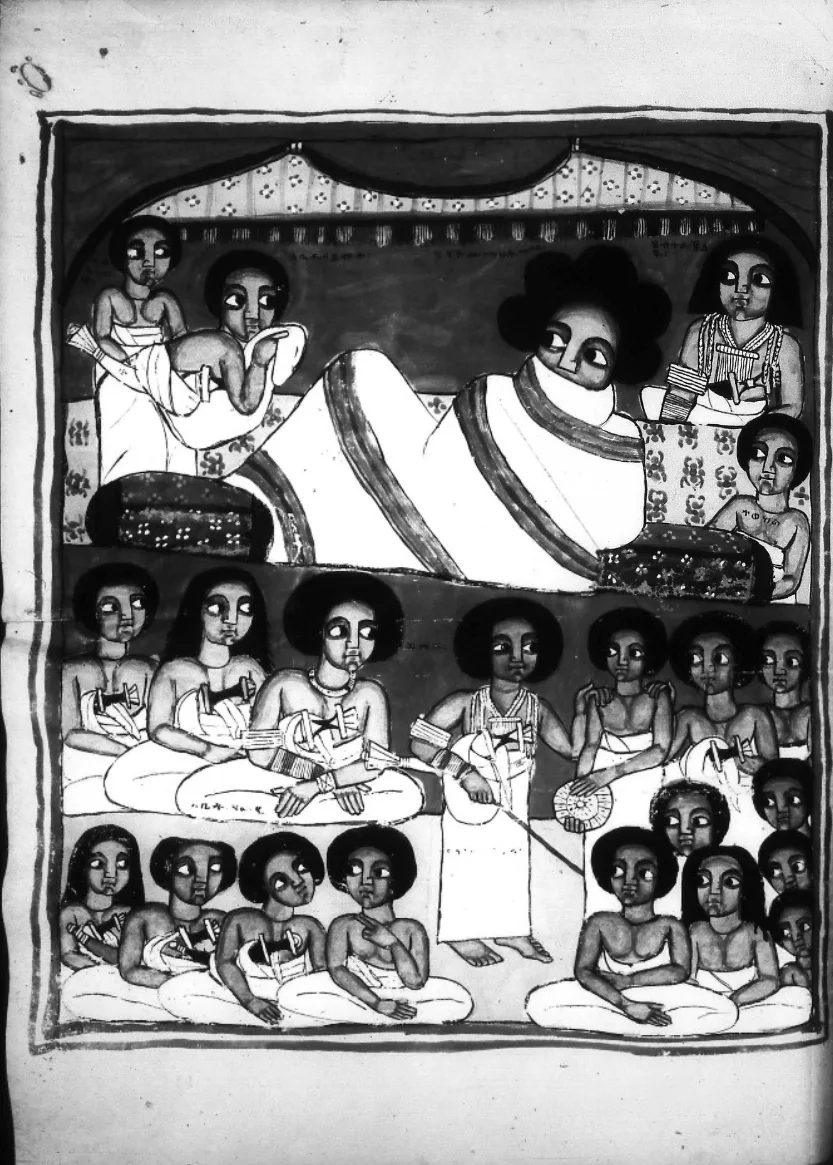
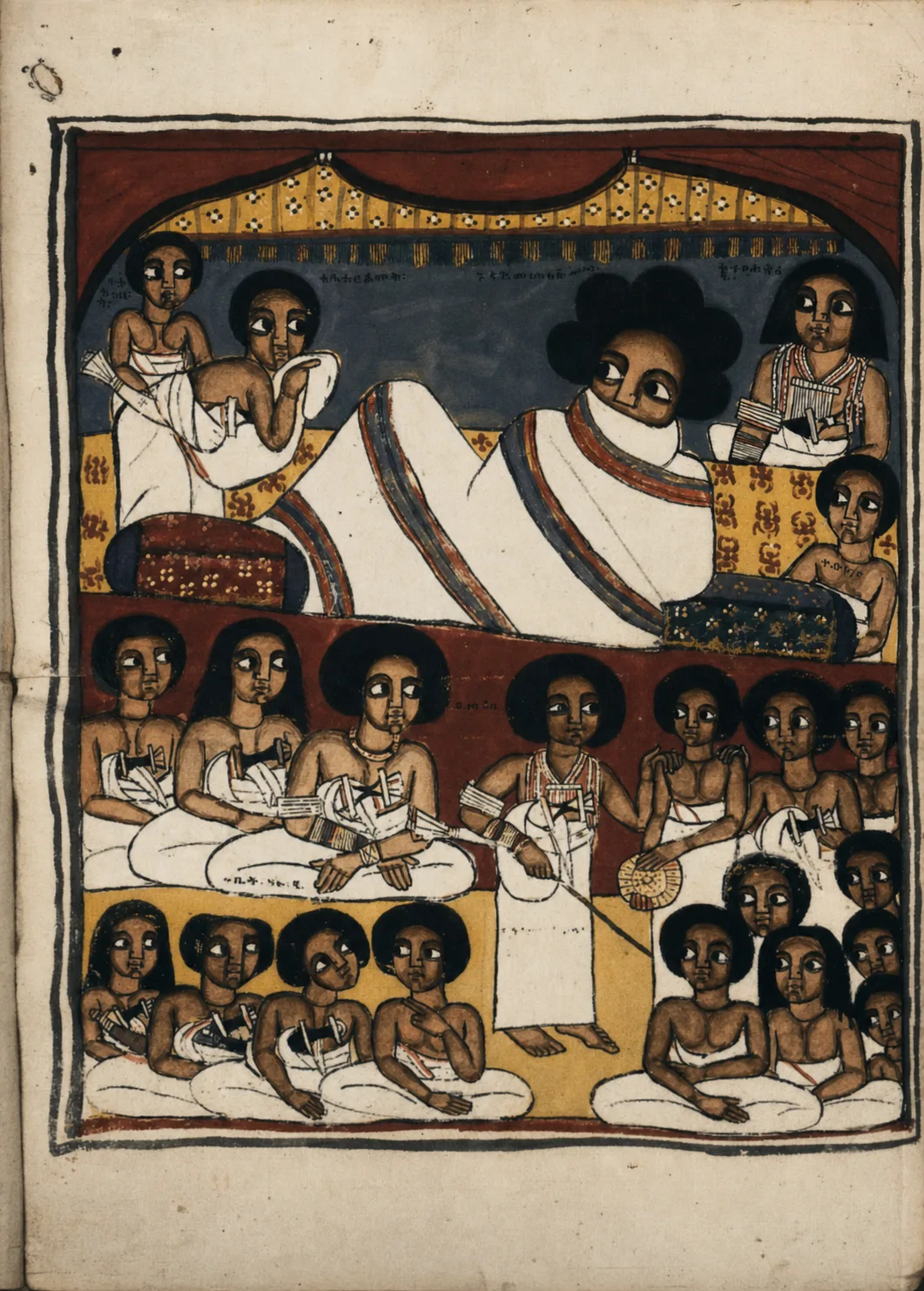
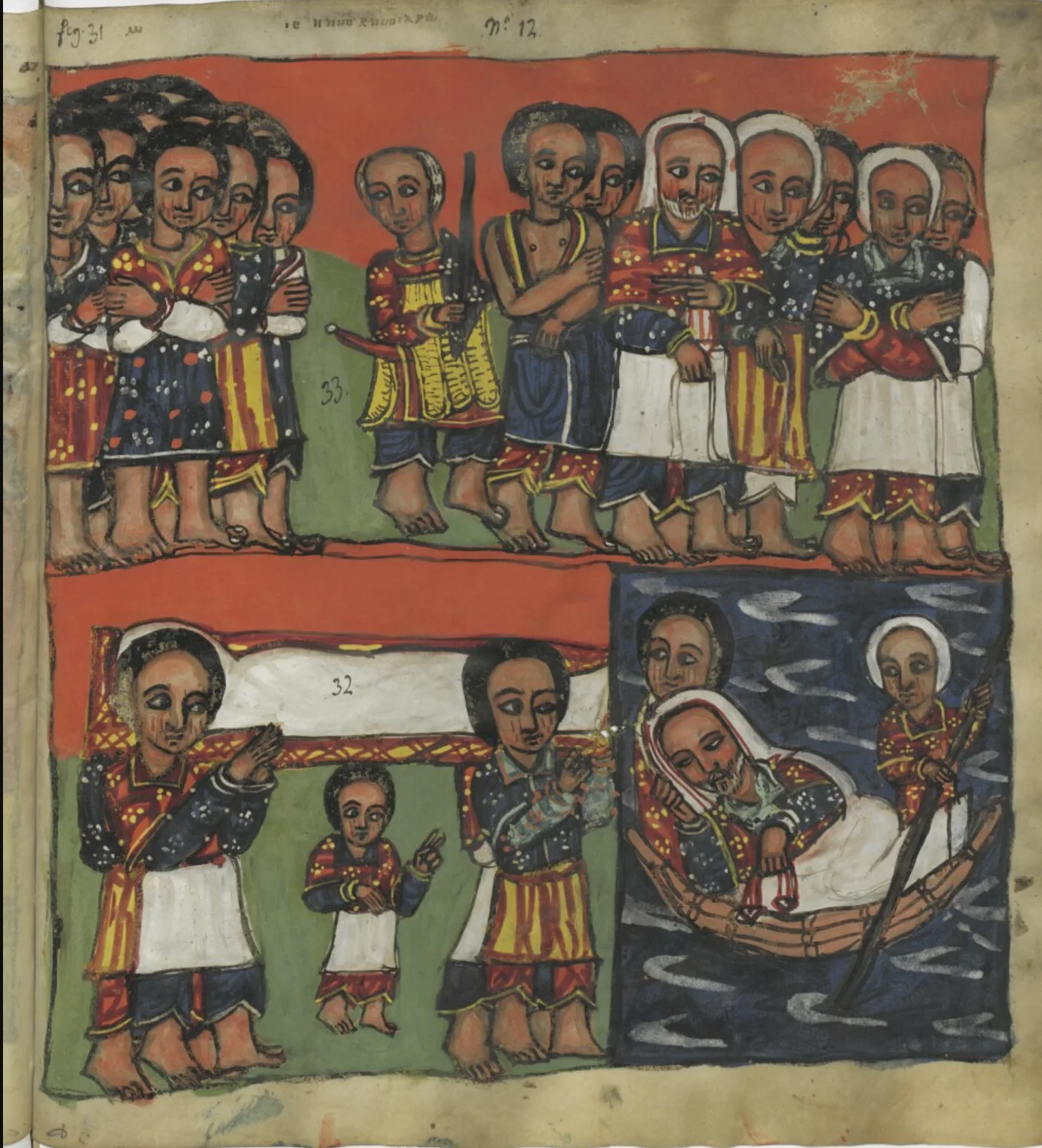
This 19th-century manuscript painting depicts the funeral of Emperor Iyasu I on the island of Čäqla Manzo in Lake Tana, Ethiopia. Remembered as Iyasu the Great, he ruled Solomonic Ethiopia from 1682 until his death in 1706. His reign was marked by relative peace and stability, as well as major achievements in the arts and architecture, including the magnificent church of Däbrä Bərhan Śəllase.
Source: “Mort de Iyasu I” — The Death of Iyasu I, folio 12, Éthiopien d’Abbadie 248, Bibliothèque nationale de France.