Prehistory
The Land Of Punt & Eritrea
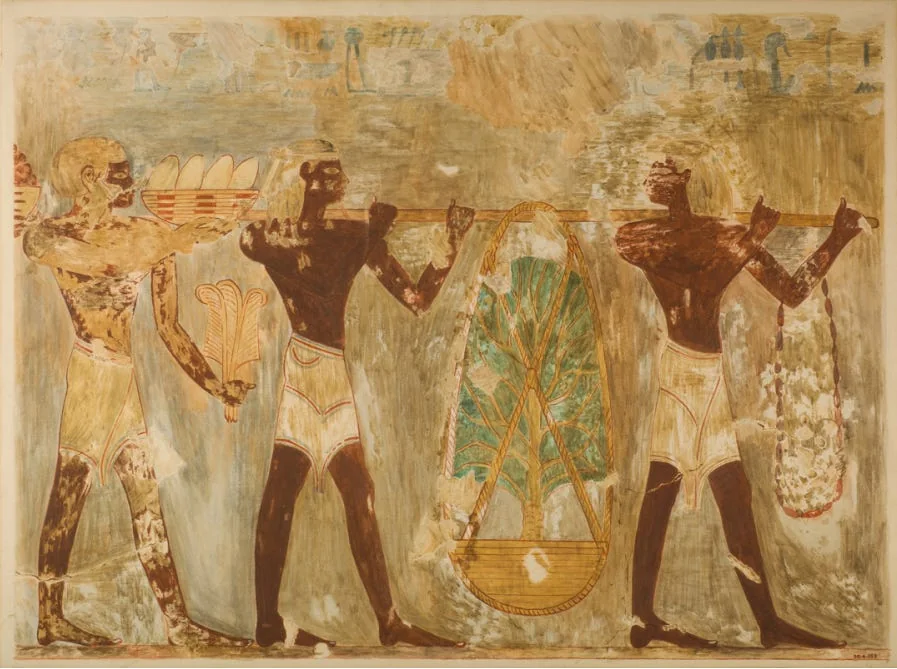
Between roughly 2500 BC and 1000 BC, a civilisation known as Punt is mentioned in Egyptian hieroglyphic records, referred to as “The Land of Plenty” and “The Land of the Gods". This is its history...
- Published
The latest Habesha History written articles can be found here.
22 articles
Between roughly 2500 BC and 1000 BC, a civilisation known as Punt is mentioned in Egyptian hieroglyphic records, referred to as “The Land of Plenty” and “The Land of the Gods". This is its history...
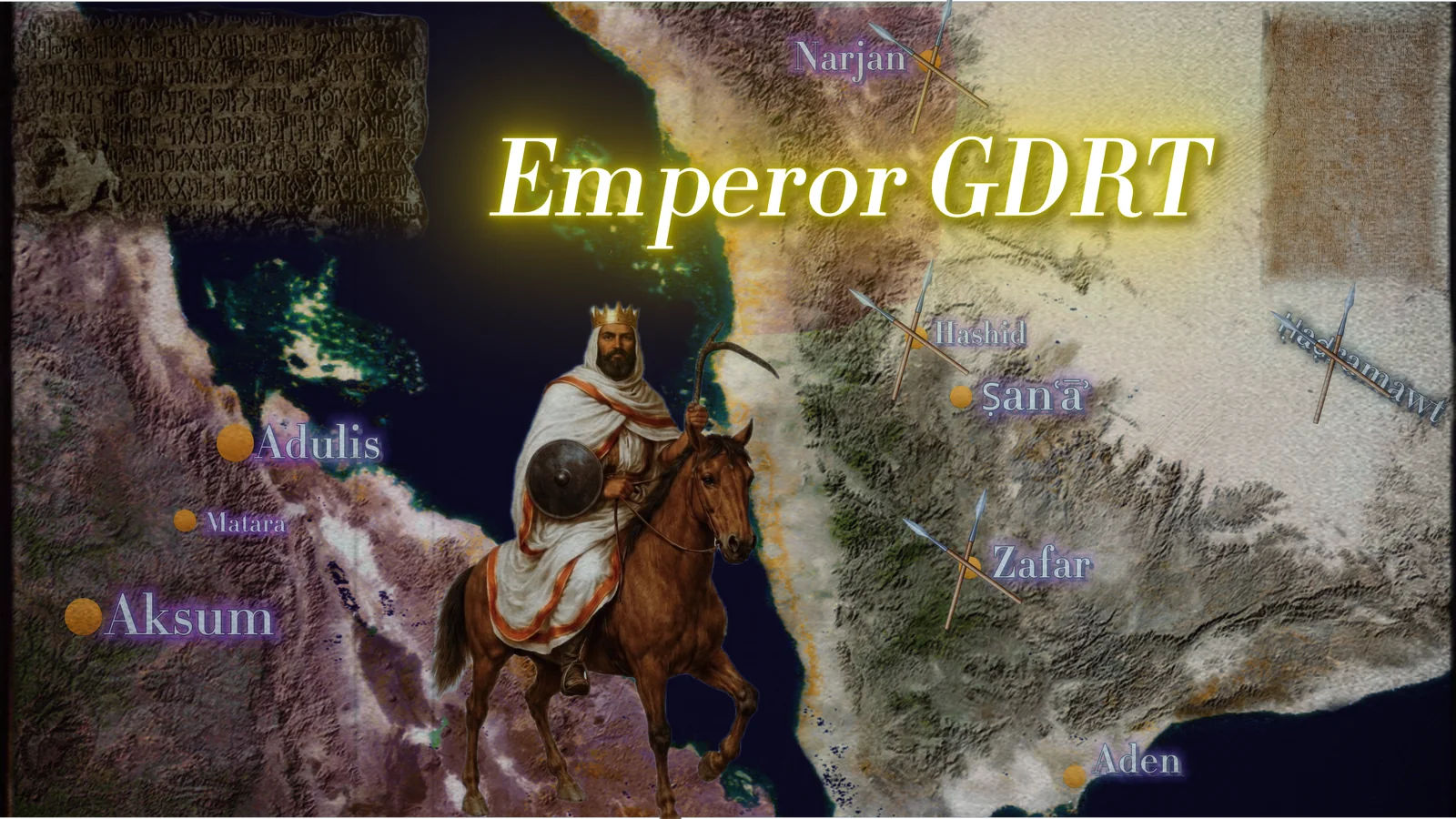
From the 3rd century AD, Aksumite involvement in South Arabia intensified under Emperor GDR, marked by diplomatic alliances and military campaigns from the Tihāma coast to Ḥaḍramawt to the east.
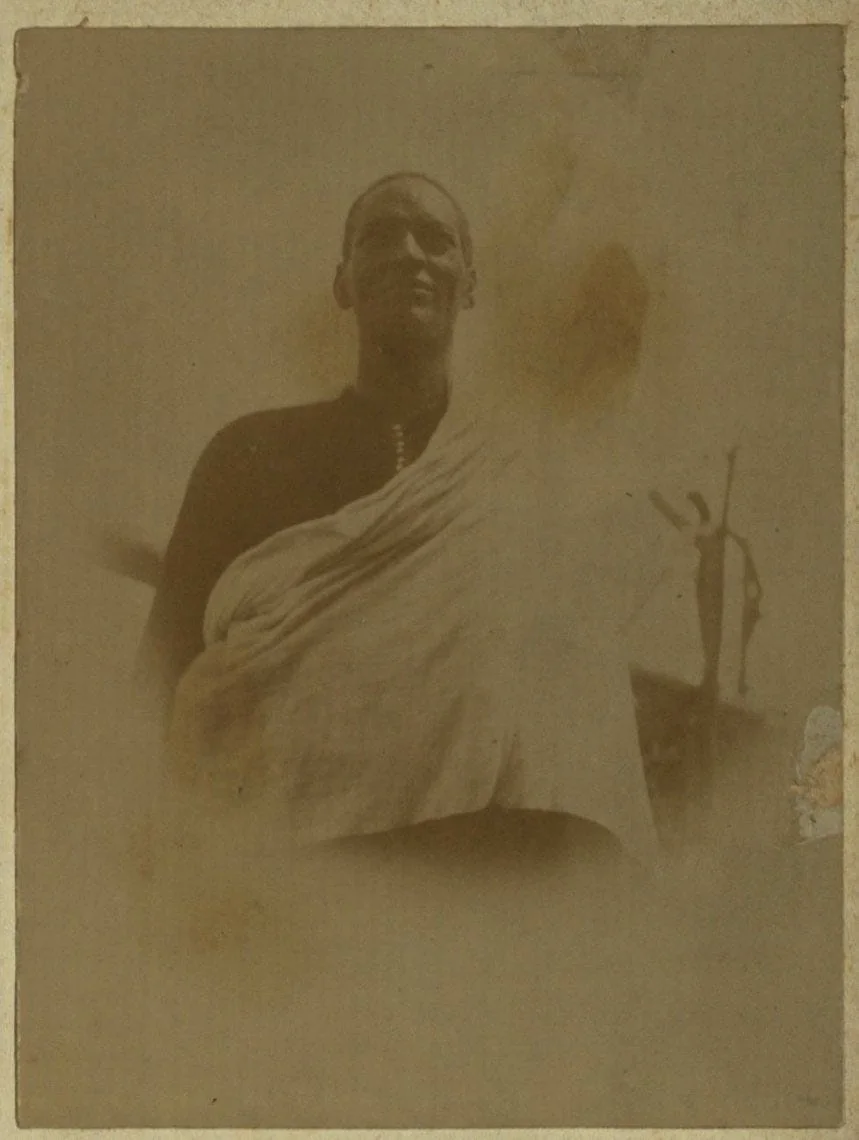
From humble Säğänäyti origins, Daggiyat Bahta Hagos killed Fitawrari Émbayye, lived as a šafta, aided Käntiba Hamid Hassenn, marched with the Italians, and fought at Halay for his people’s freedom.
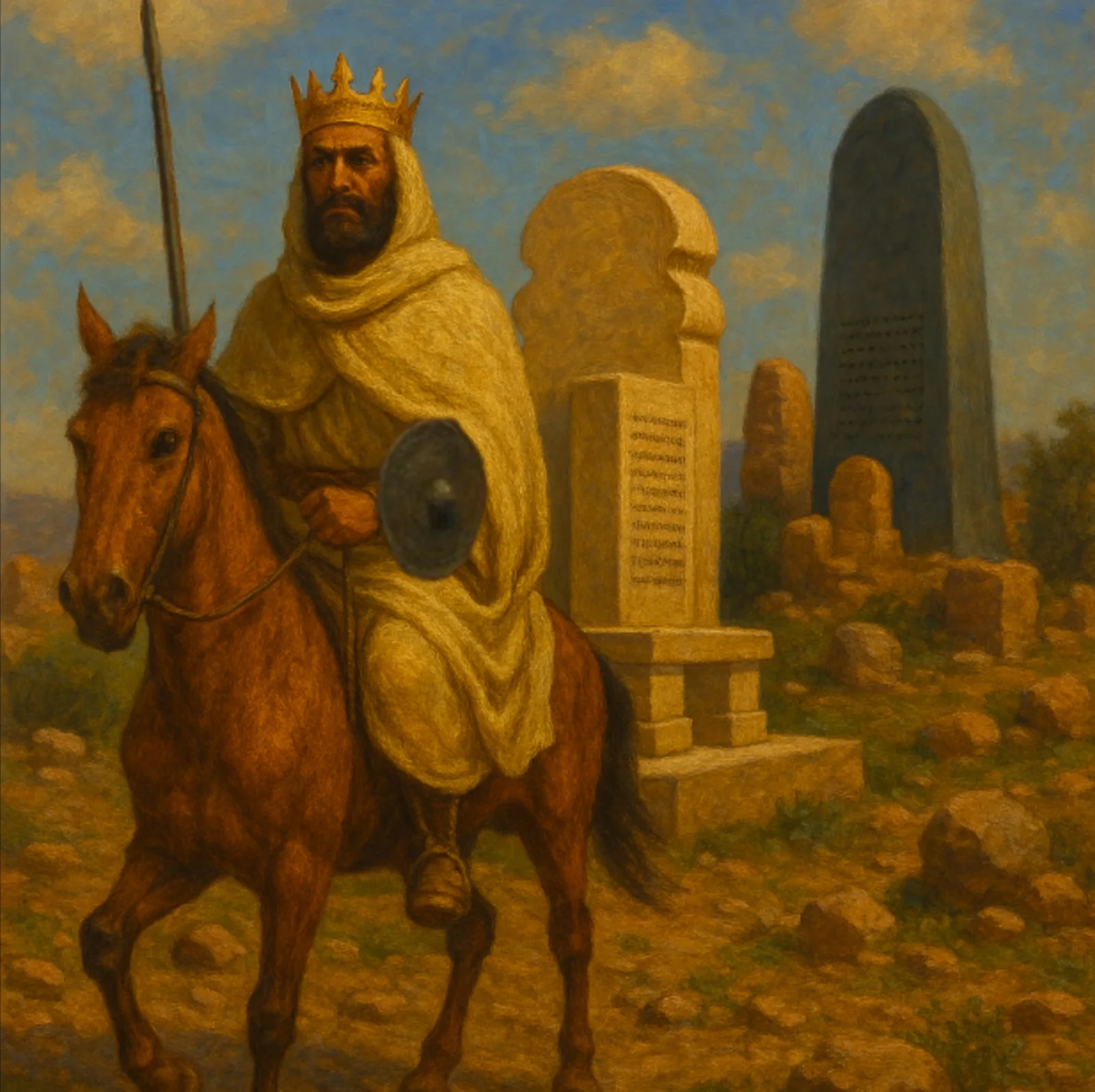
In the 2nd century AD, a powerful warrior from the northern highlands of Eritrea and Ethiopia forged an empire that stretched across both sides of the Red Sea. His name is lost, but his story isn't.
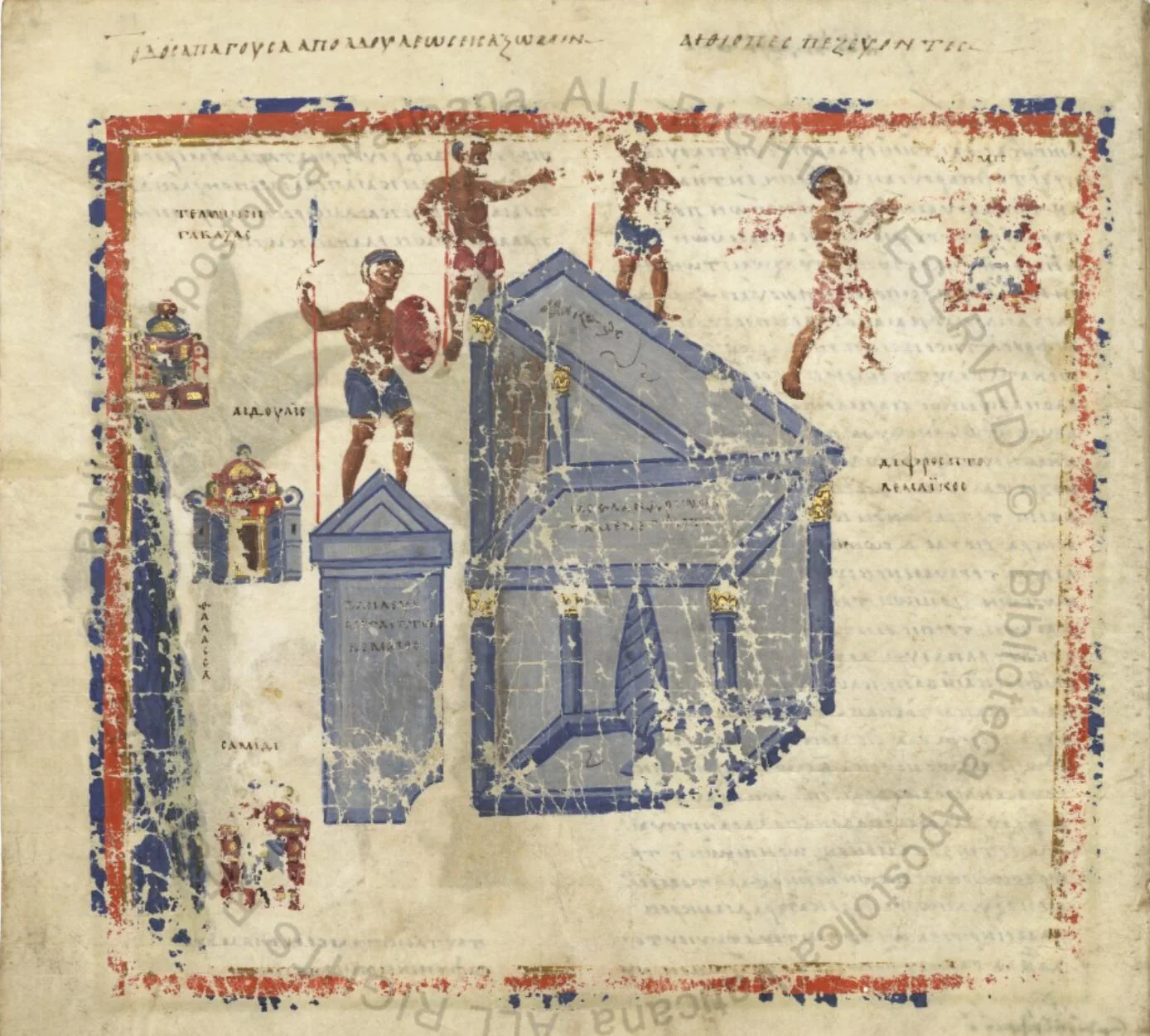
In this article, I will explore the early history of Adulis, covering the period from approximately 300 BC to 200 AD. During this era, Adulis thrived as a prominent city-state, in the Erythraean Sea.
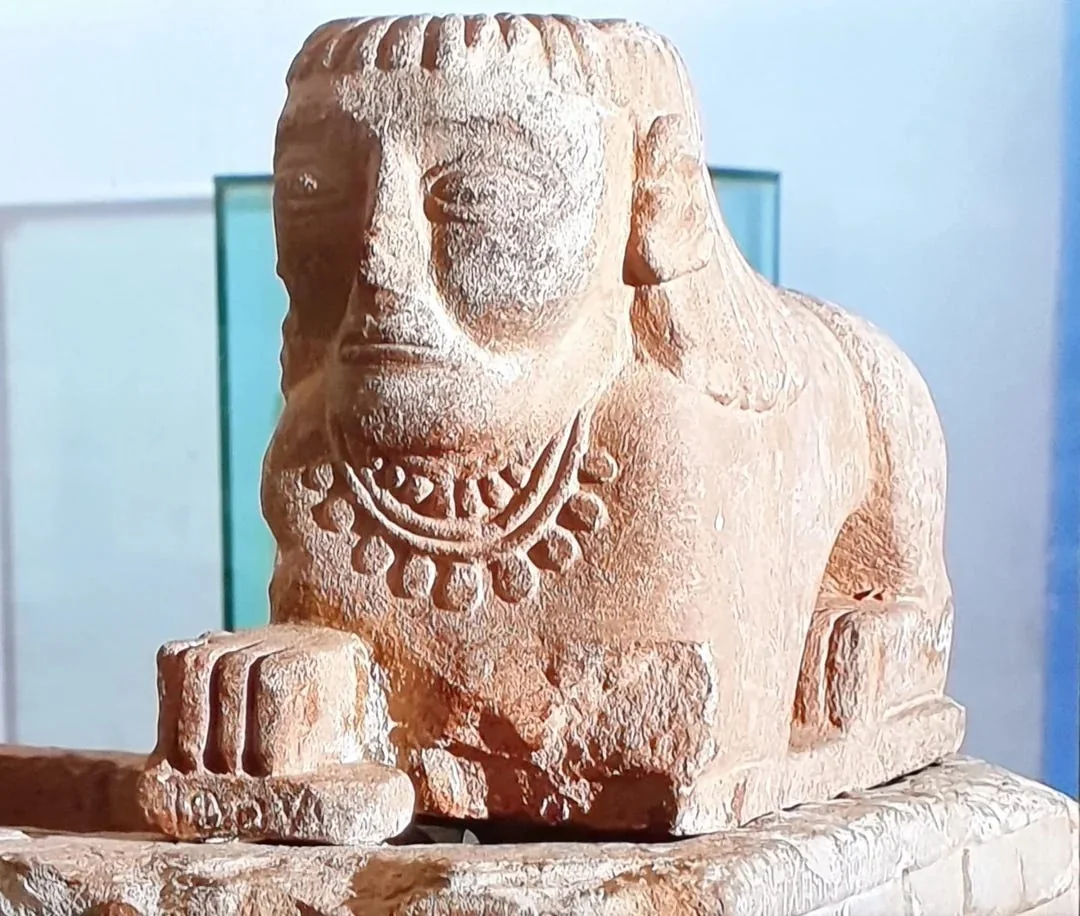
During the dawn of written history, several towns & cities emerged in the Akkälä Guzay region, such as: Qohayto, Käskäse, Täḳwända, and Addi Kramatən, facilitating trade between Adulis & Yeha.
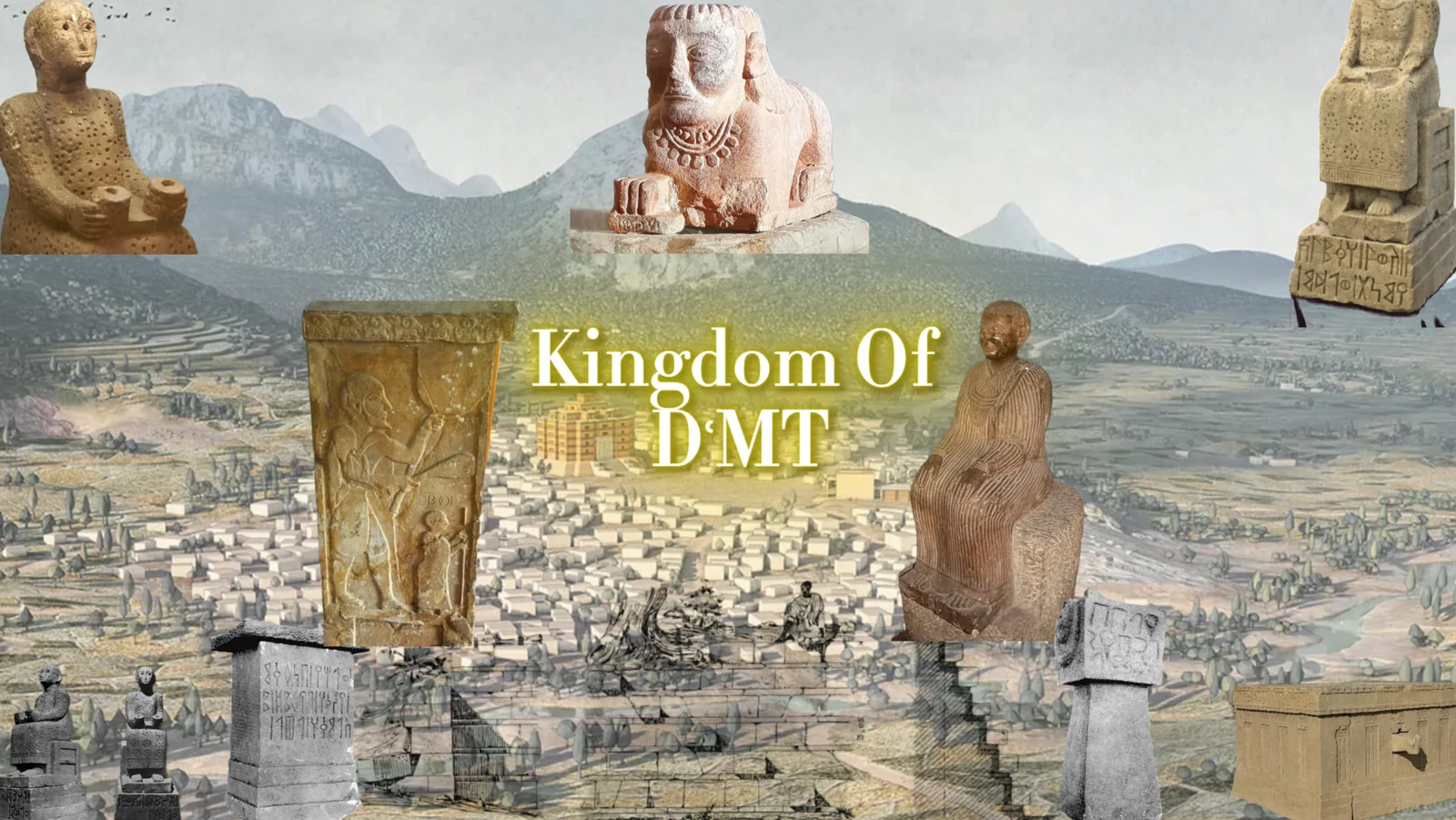
The Kingdom of DʿMT heralded the dawn of recorded history in the northern highlands of Ethiopia and Eritrea. Enduring for centuries, it laid the foundations for the great empires that followed it.
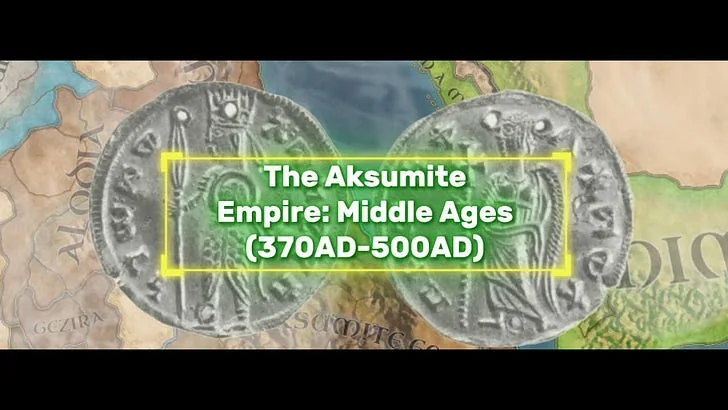
In this period, the Aksumite Empire faced rebellions, resulting in a territorial decline. However, it endured, welcomed numerous saints from the Roman Empire, and launched an invasion of Himyar.
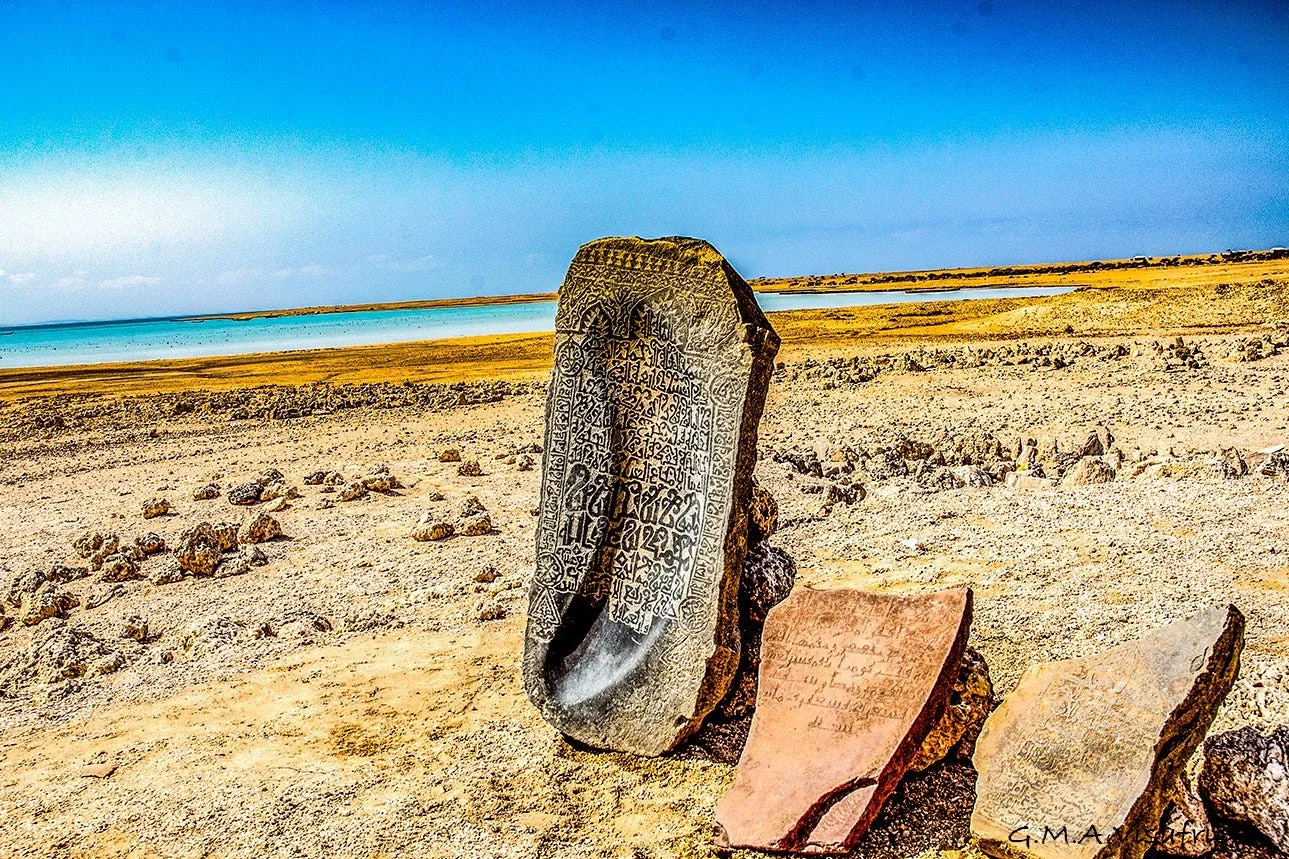
The Dahlak Sultanate was a small yet strategically important medieval power that thrived on its position along Red Sea trade routes. Becoming a trading hub for merchants across the Islamic World.
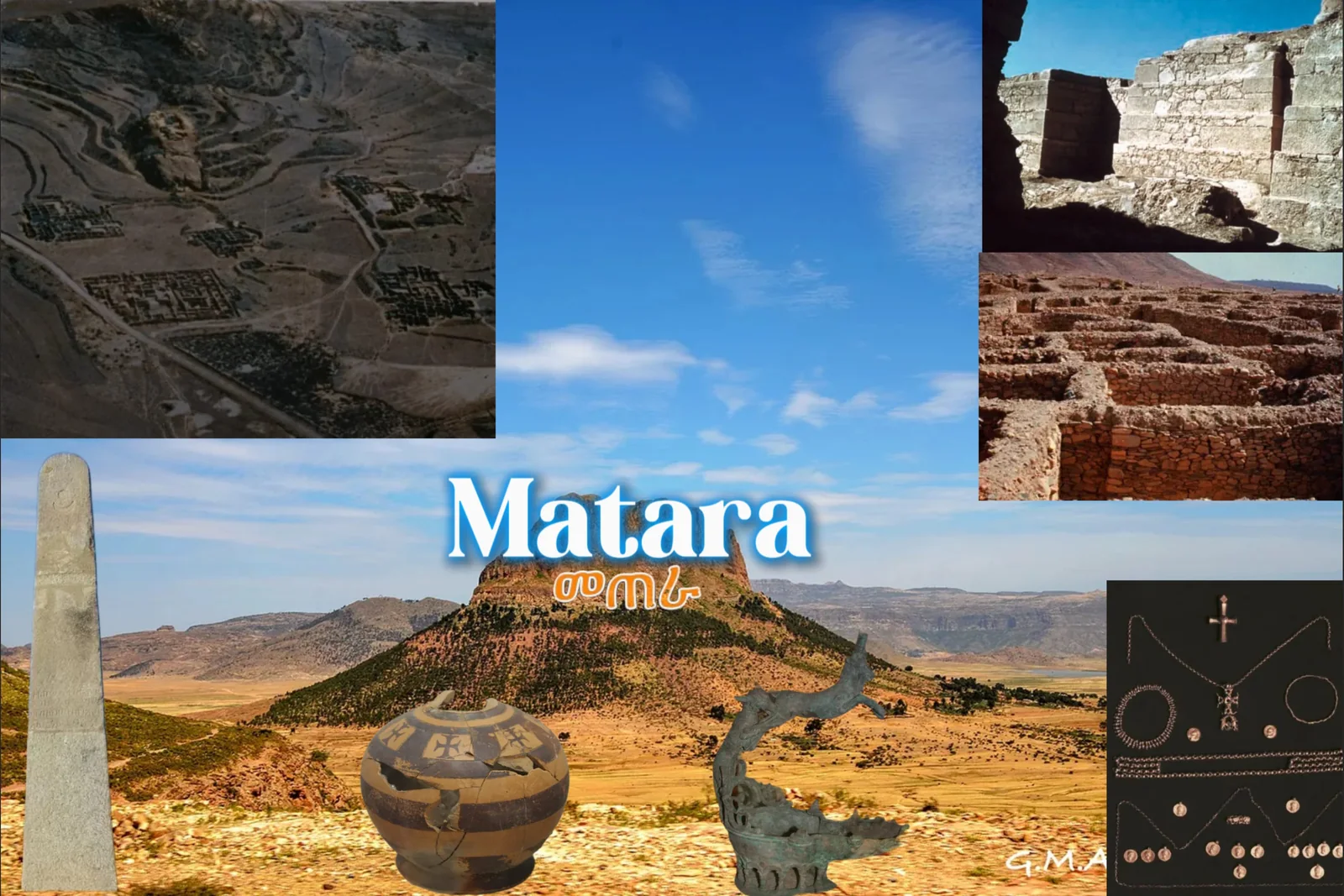
Situated southwest of present-day Senafe,Eritrea lies an ancient city adorned with palaces, churches, and a resilient community that once clashed with the Aksumite Empire.
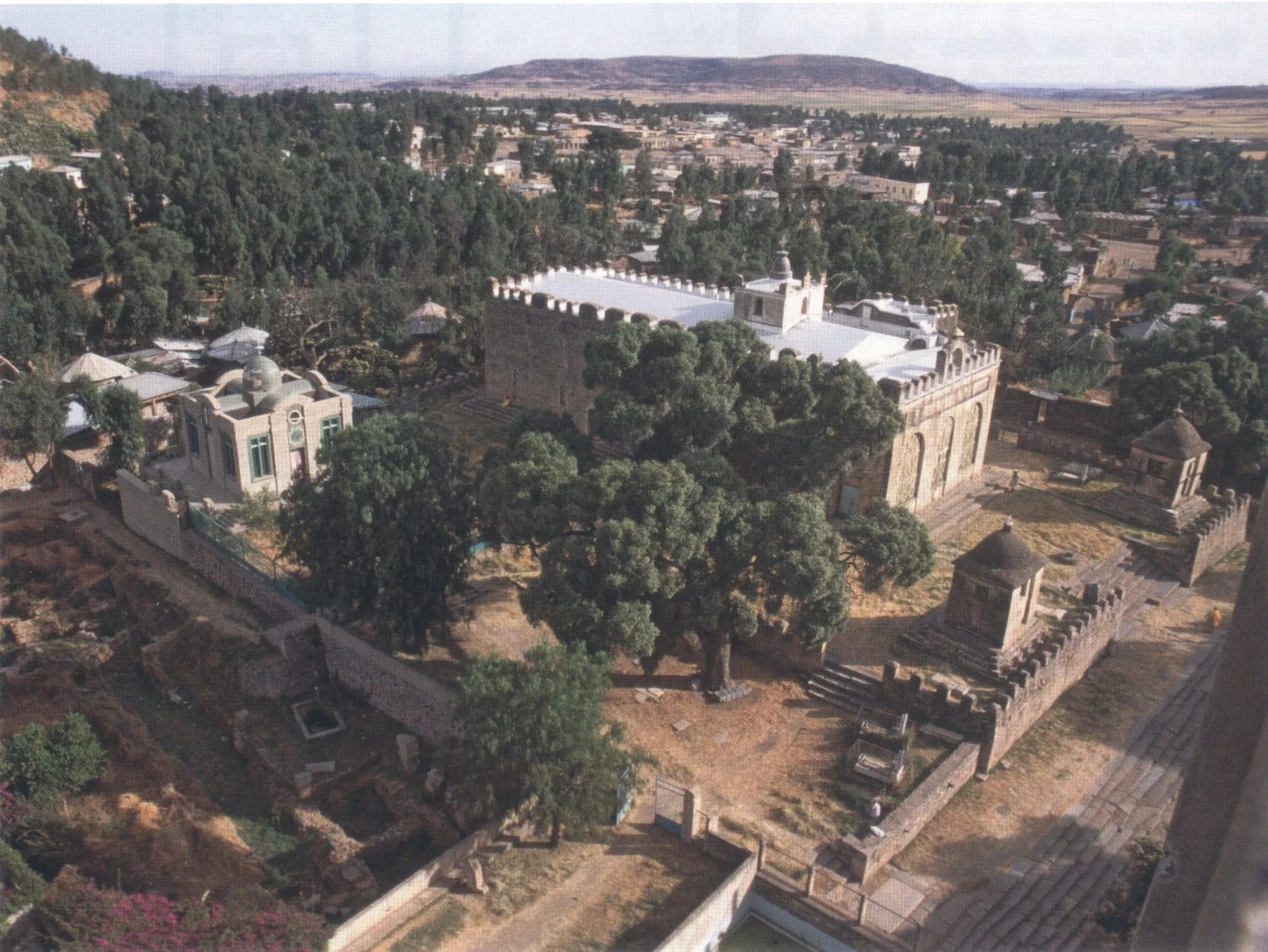
Maryam Tsion (Cathedral Of Our Lady Mary Of Zion)
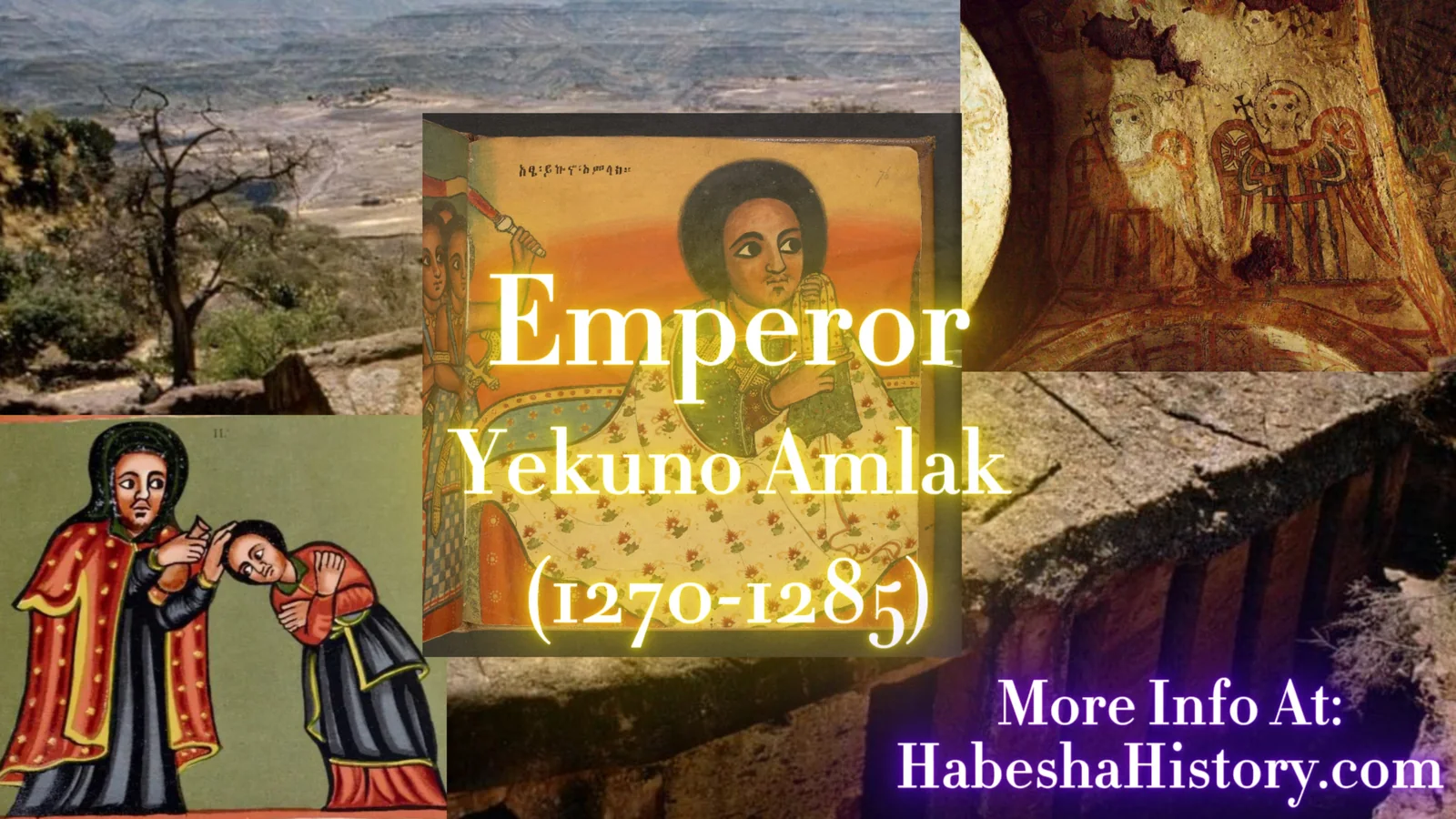
In the late 13th century AD, Emperor Yekuno Amlak overthrew the Zagwe Dynasty, establishing the Solomonic Dynasty, which would rule for around 700 years.
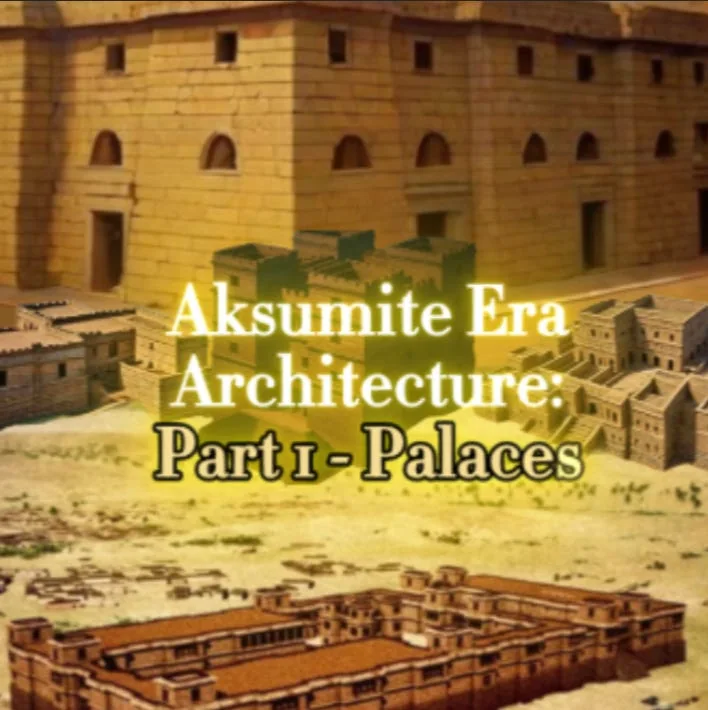
The Aksumite Empire endured for nearly a millennium, amassing considerable wealth over the centuries. Some of this wealth was invested in the construction of grand and elaborate structures.
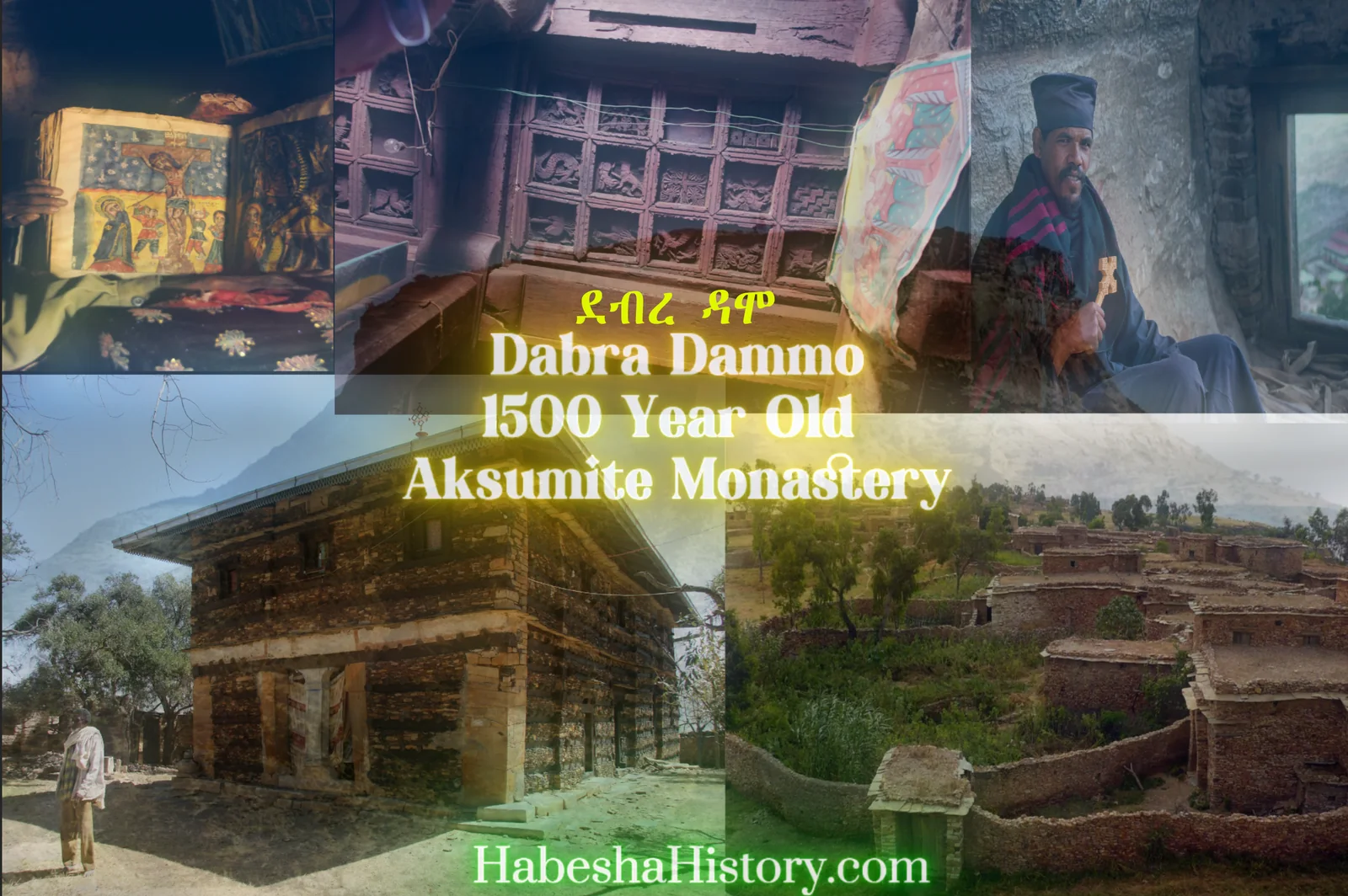
A 1,500-Year-Old Aksumite Monastery, On-Top Of A Natural Fortress That Withstood The Test of Time.
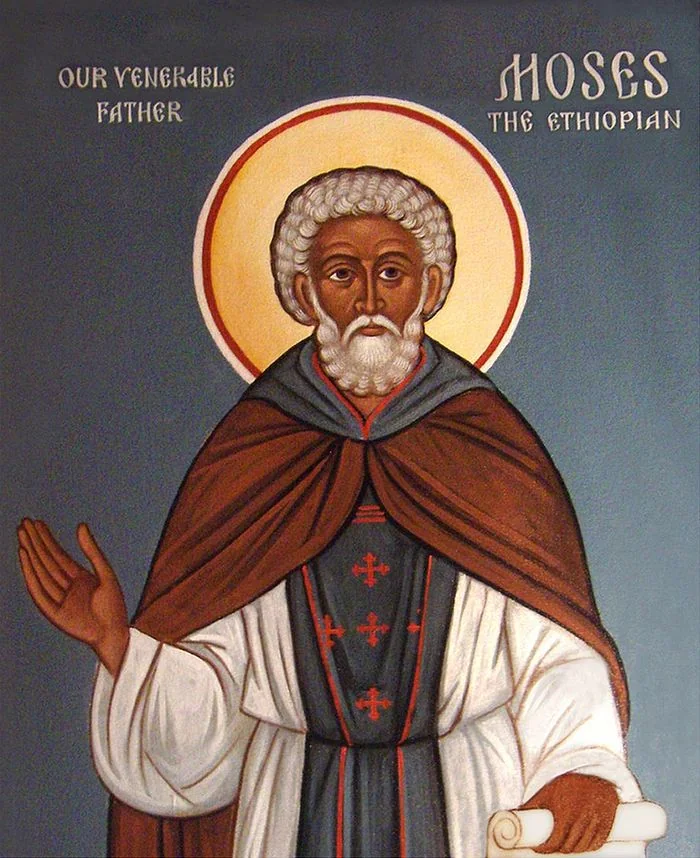
Saint Moses, once a feared bandit, became a symbol of redemption and spiritual transformation, leaving behind a life of violence to embrace one of faith and monasticism.

Discover the legacy of Saint Yared, the Aksumite composer and philosopher who revolutionized liturgical music, introduced new systems of chants and various instruments, creating a long lasting legacy.
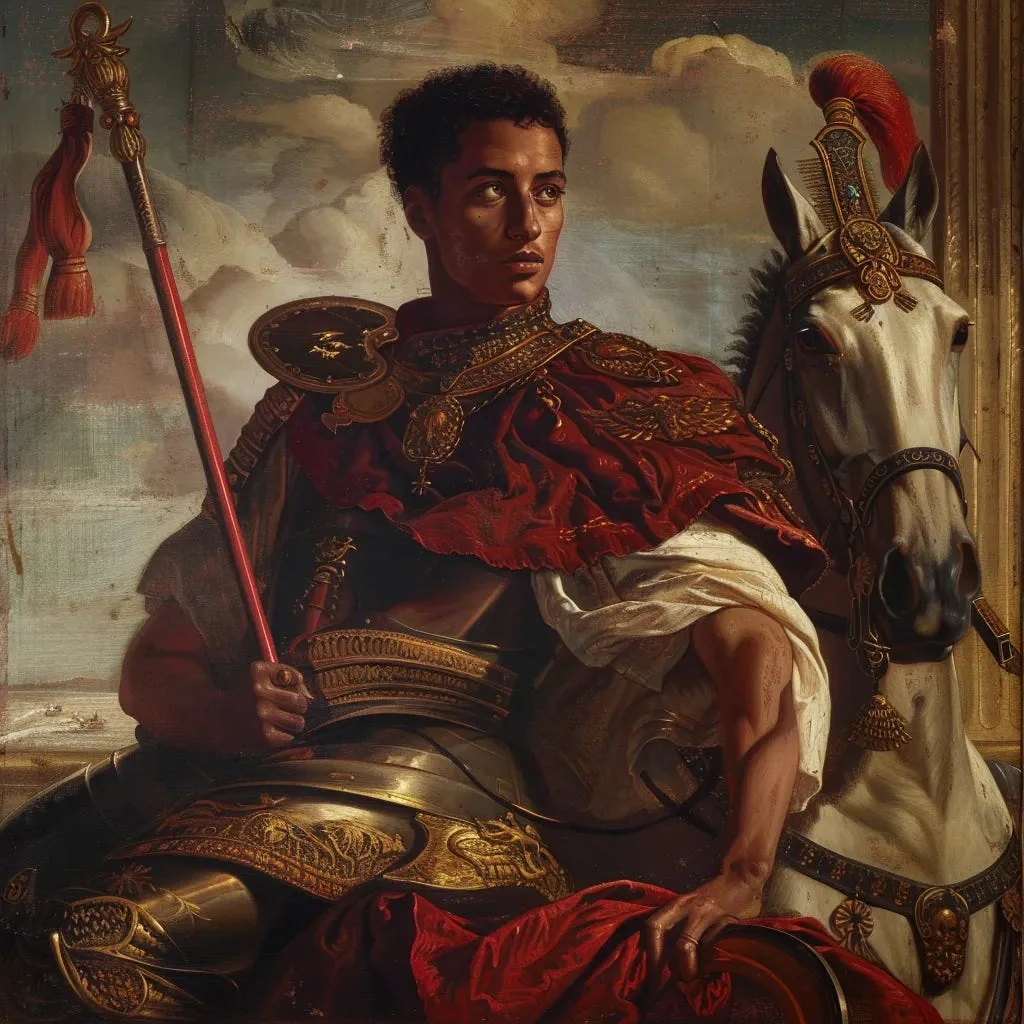
Full Article On The Website: HabeshaHistory.com
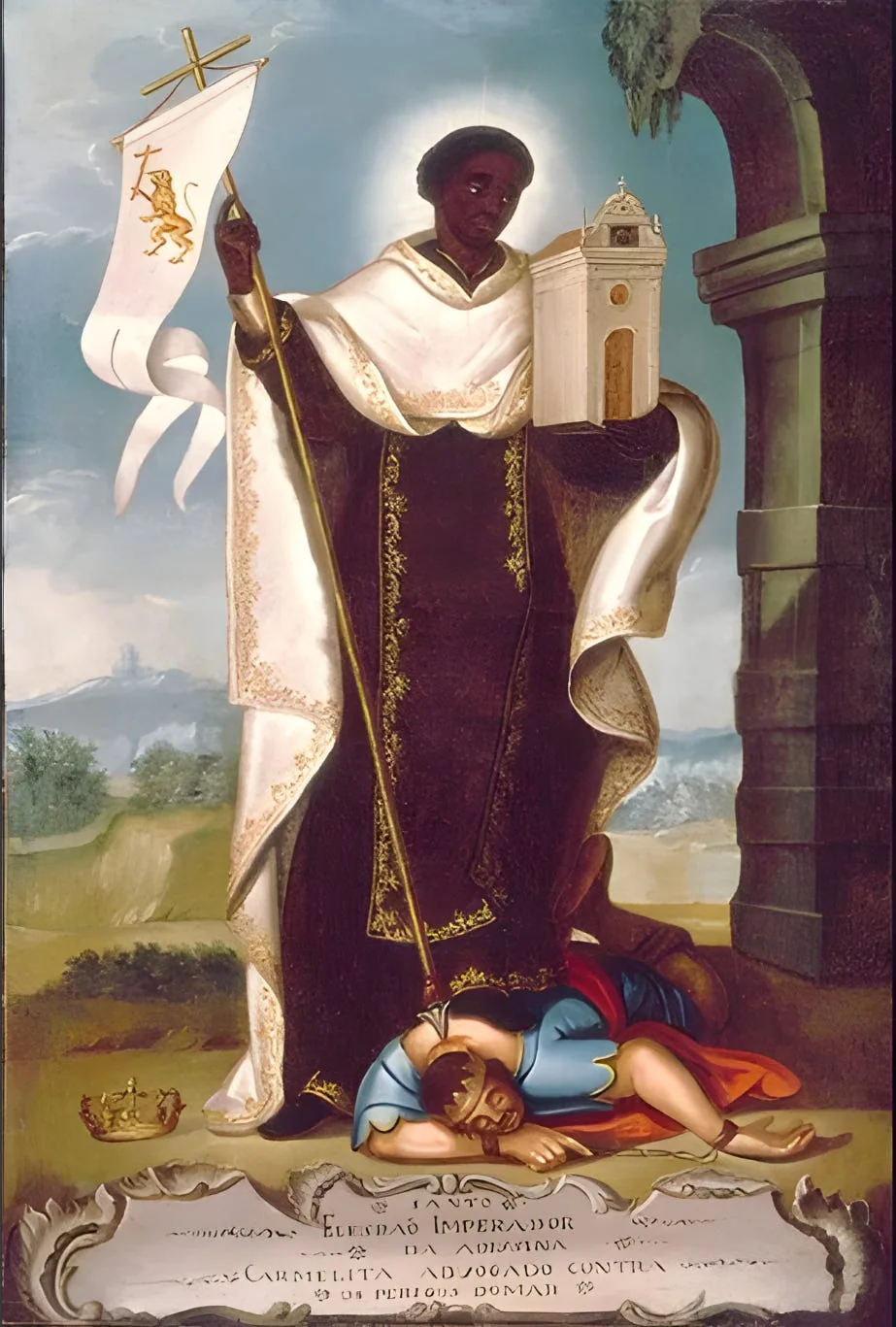
Emperor Kaleb led a crusade against the Jewish Himyarite King Dhu Nuwas to halt the massacre of over 10,000 Christians, subsequently becoming venerated as Saint Elesbaan.
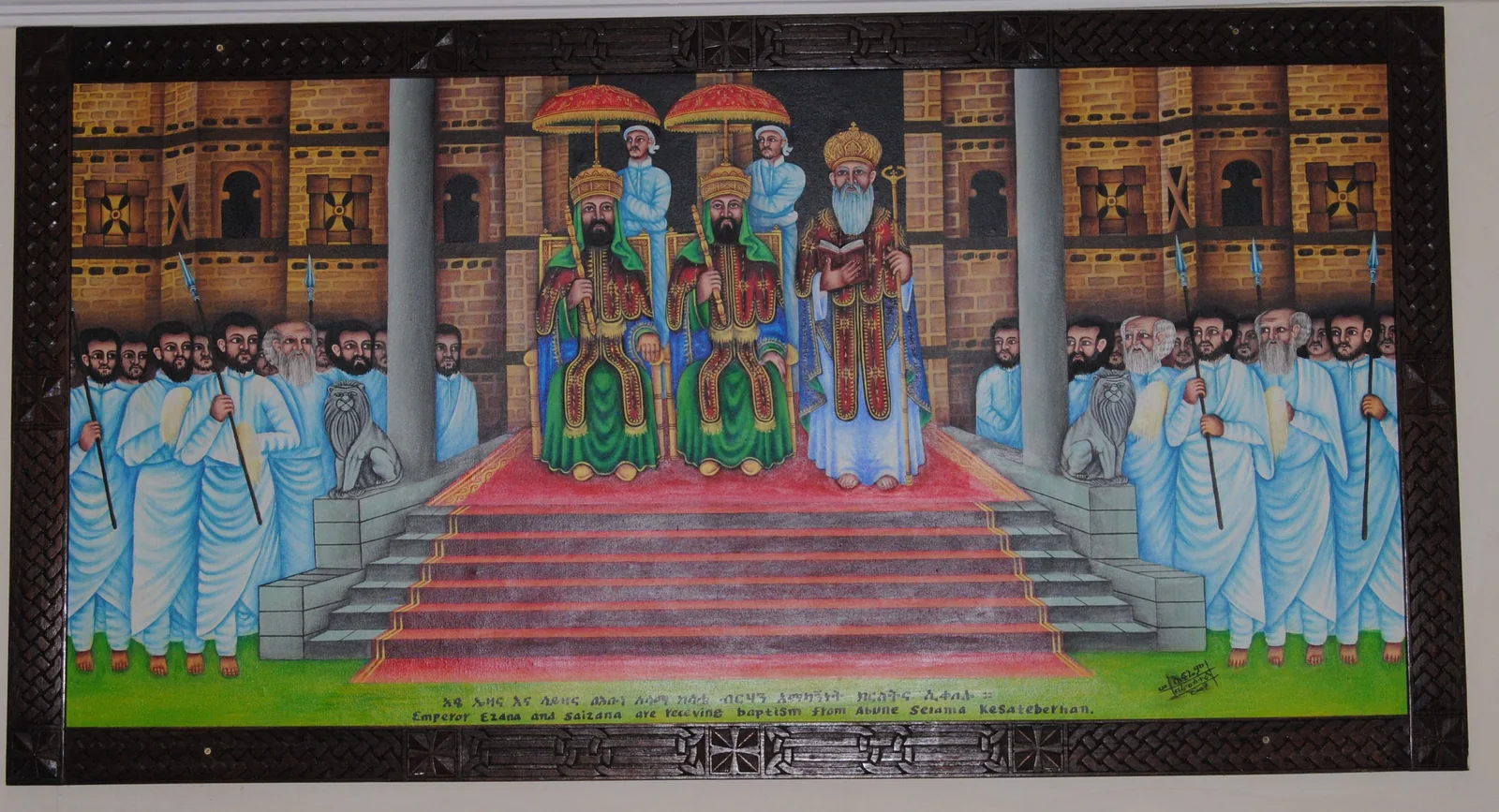
Ezana and Saizana: Two Brothers, Two Emperors, Two Saints. They Crushed Rebellions Throughout The Empire & Officially Converted the Aksumite Empire to Christianity In The 4th Century AD.
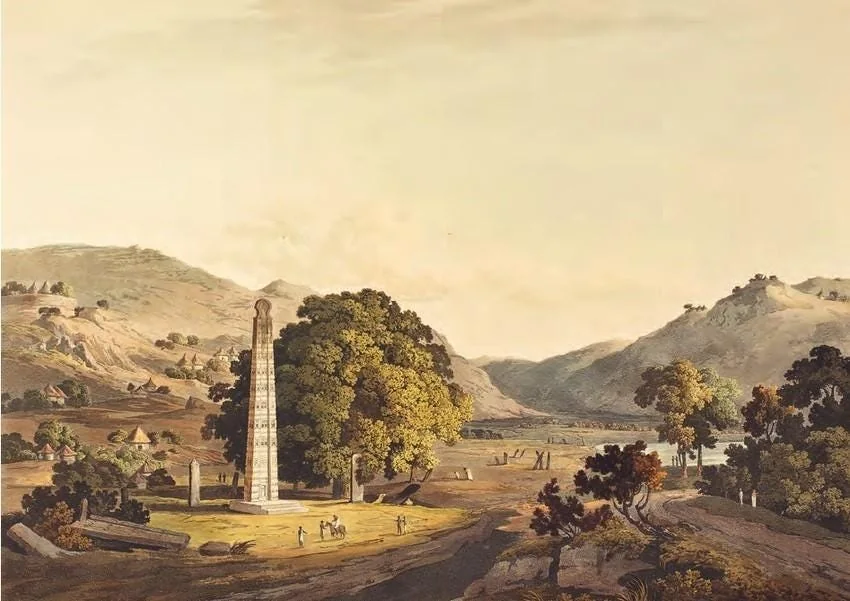
The century between 230 AD & 330 AD heralded the beginning of the Aksumite Empire's Golden Age. This period saw the minting of gold coins, expansion of economic, social & political power in the region
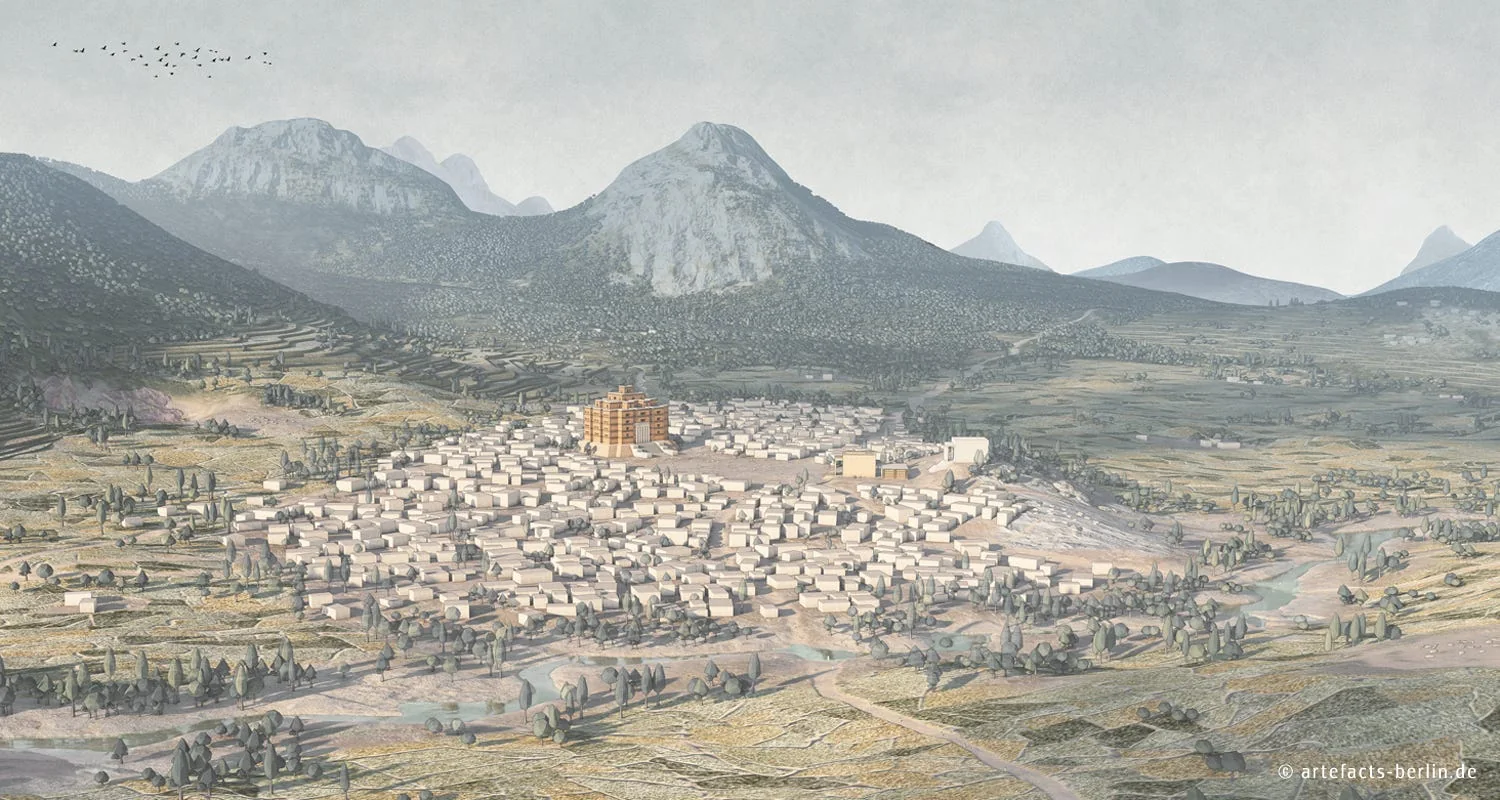
Yeha, likely the capital of the ancient kingdom of DʿMT, boasted a multi-storeyed palace, a grand temple, and elite burial tombs, making it one of the earliest known cities in the region.
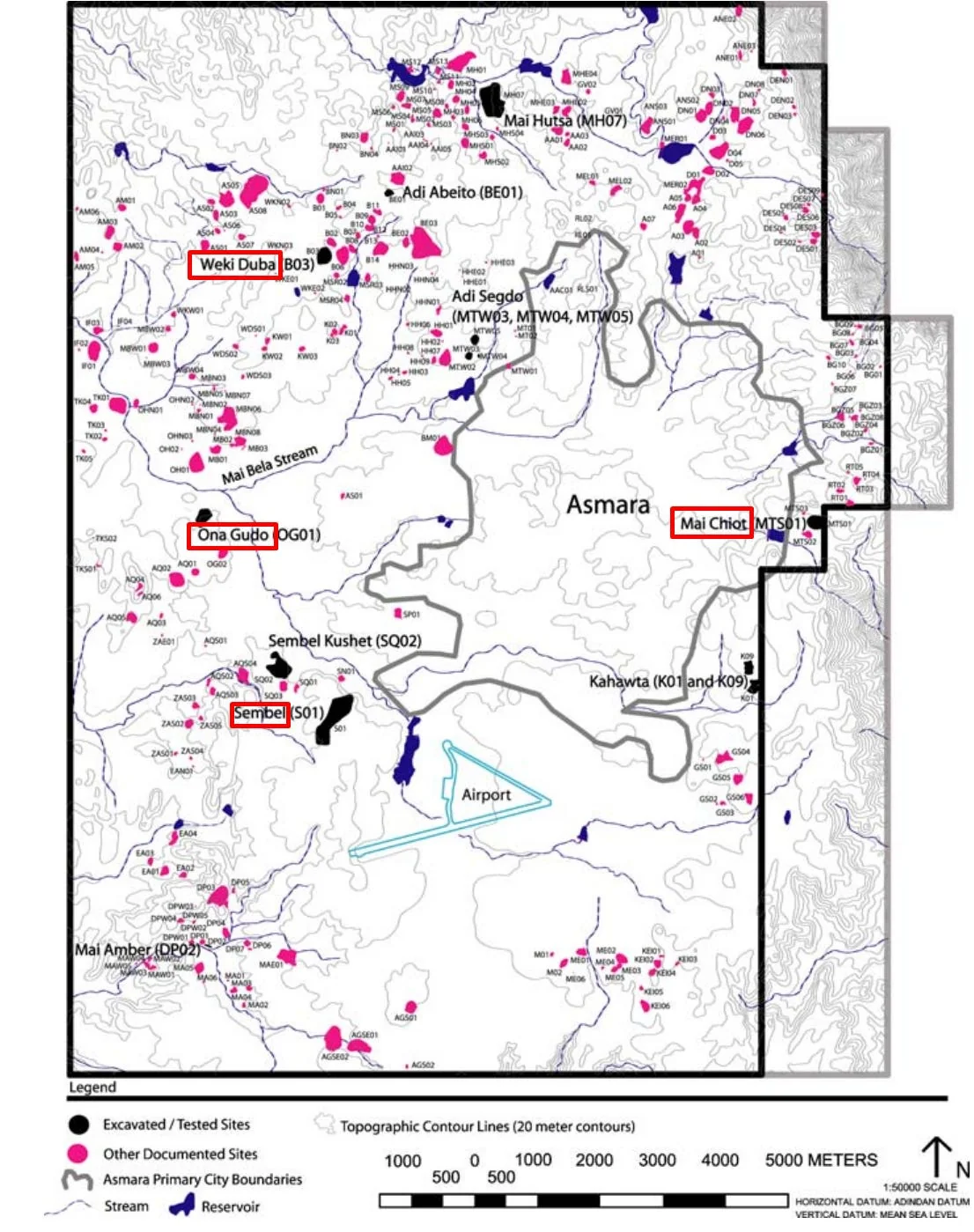
From around 1000 to 400 BC, an indigenous agropastoralist society emerged in the area of modern-day Sembel, Asmara, in Eritrea. It offers some of the earliest evidence of Hidmos and Teff cultivation.
New articles on Aksum, Adulis and the wider Horn, sent to your inbox the day they are published.
Subscribe