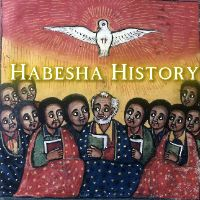
Habesha History is a record of the peoples of the Ethiopian and Eritrean highlands and the coast below them: the kingdoms they built, the churches and palaces they left standing, and the manuscripts and objects that survive in collections scattered across three continents. It began as a newsletter in 2024 and has grown into an archive.
Essays cite their sources and quote the chronicles and the travellers where those exist. Where the record runs out, they say so.
Who writes it
A Tigrinya Eritrean network engineer who loves this history, particularly Eritrean and Ethiopian. The publication is independent and has no institutional affiliation.
Sources and rights
Objects and manuscript pages come from the open-access catalogues of the institutions that hold them, and every record links to the holder’s own page. Rights are recorded as the holder states them; where the holder states nothing, the record says unknown. An object with no recorded date is published as undated.
Corrections
Corrections and sources are welcome through the Discord and the other channels.