 Ancientartifact
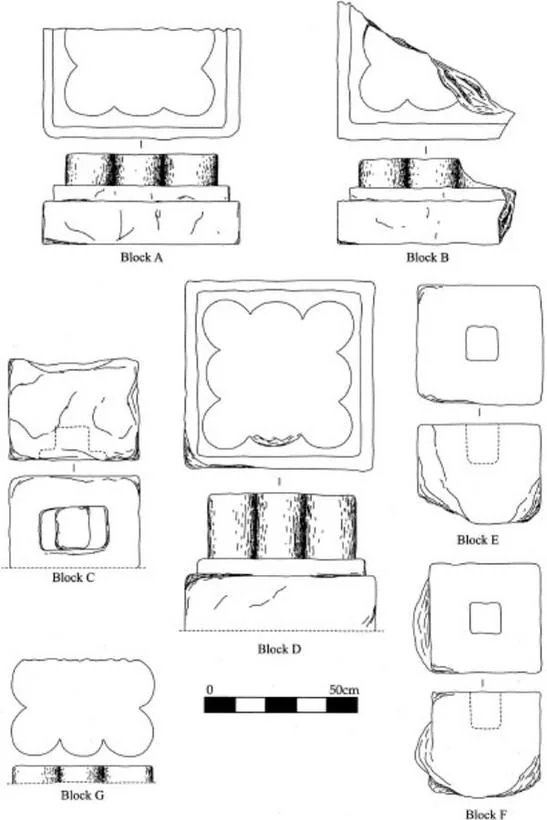
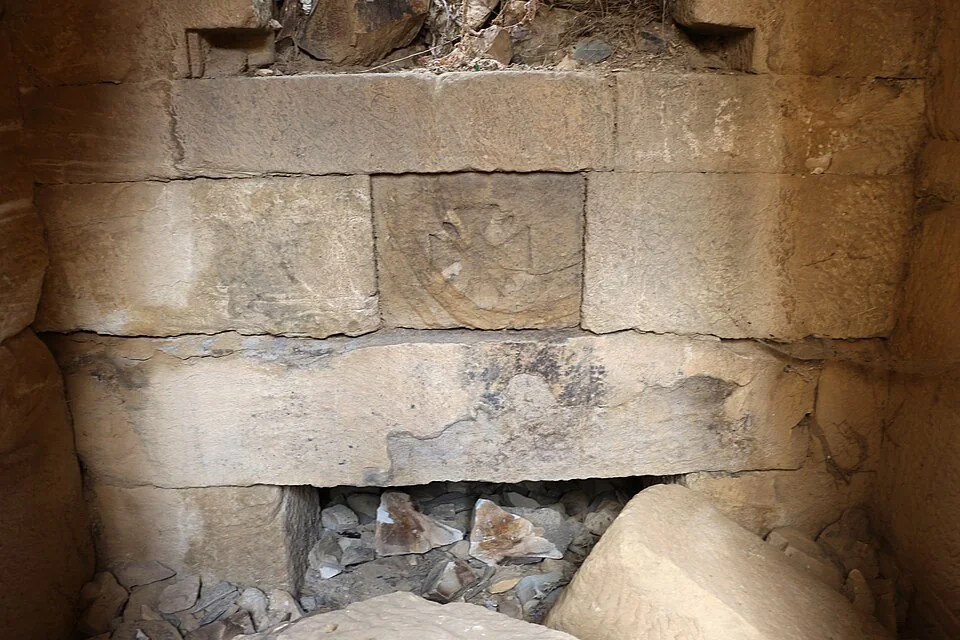
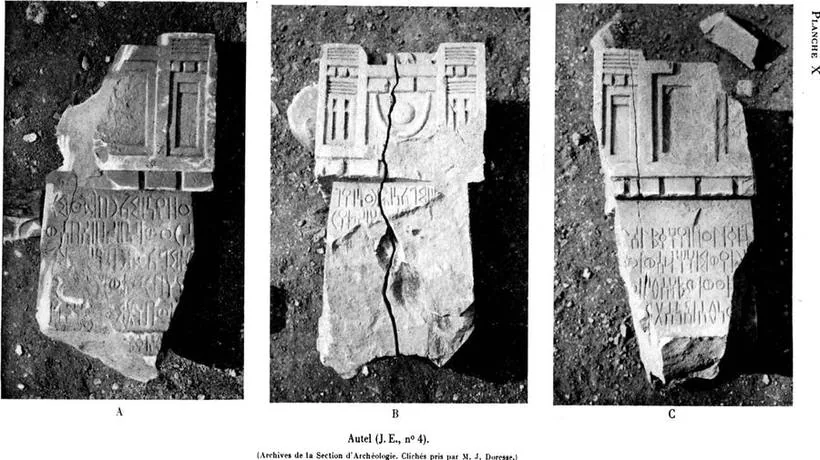
Architectural fragments from Samidi South
- Type
- Sculpture & fragments
- Holding
- HabeshaHistory printed corpus
Objects & material culture
Coins, crosses, icons and objects, with the date, source and image credit recorded for each work.
Collection index
By place
935 records
4 shown
Ancientartifact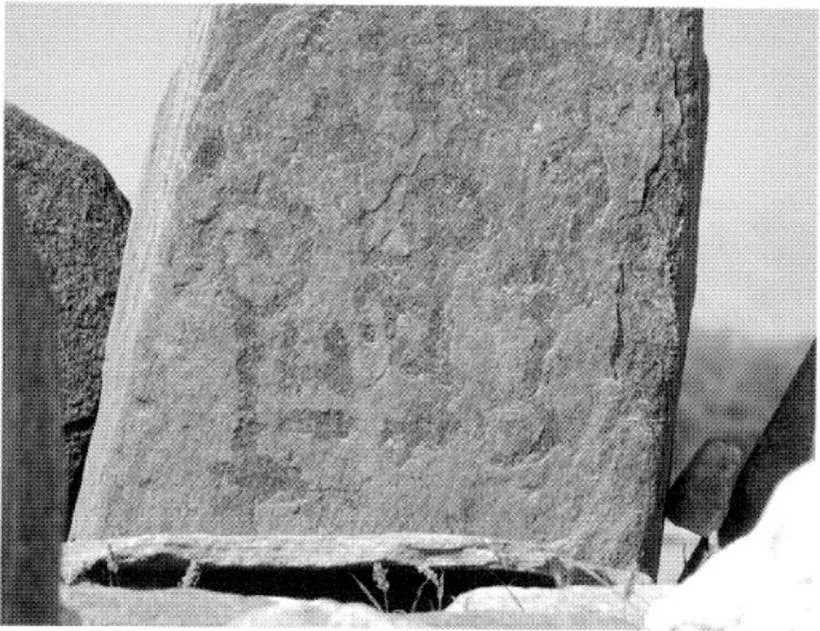 Ancientartifact
 Ancientartifact
 Ancientartifact
33 shown
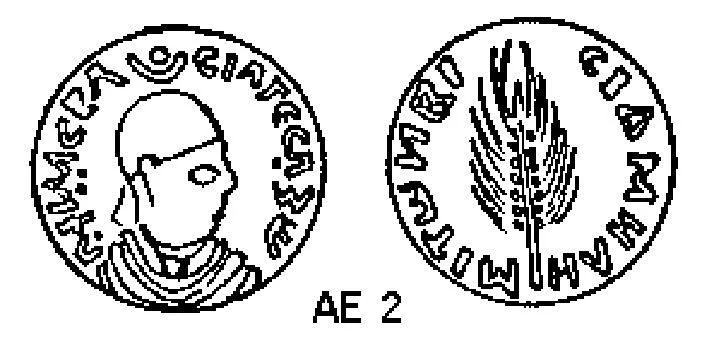 Ancientartifact
A drawing of an Aksumite bronze coin, about 15 mm across. A wheat stalk appears on the reverse.
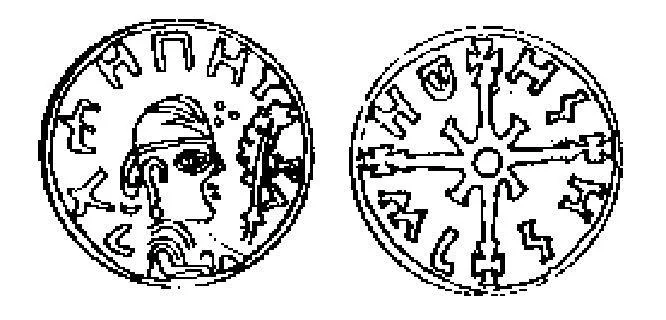 Ancientartifact
A drawing of a bronze coin, about 16 mm across. The king holds a grain stalk; a gold-inlaid cross appears on the reverse.
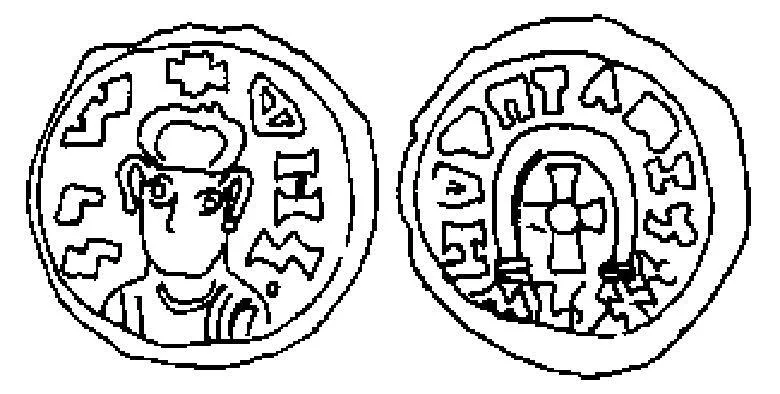 Ancientartifact
A drawing of a silver coin, 16 mm across, showing a Greek cross framed by an arch.
 Ancientartifact
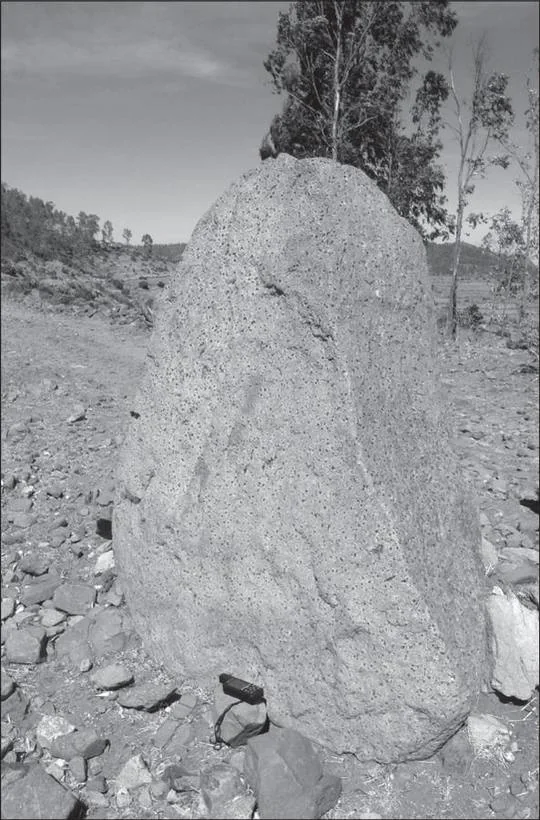
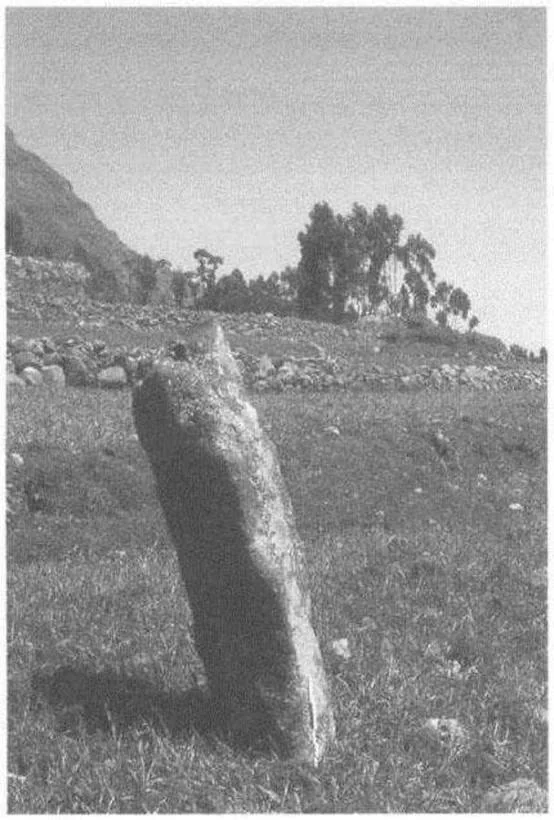
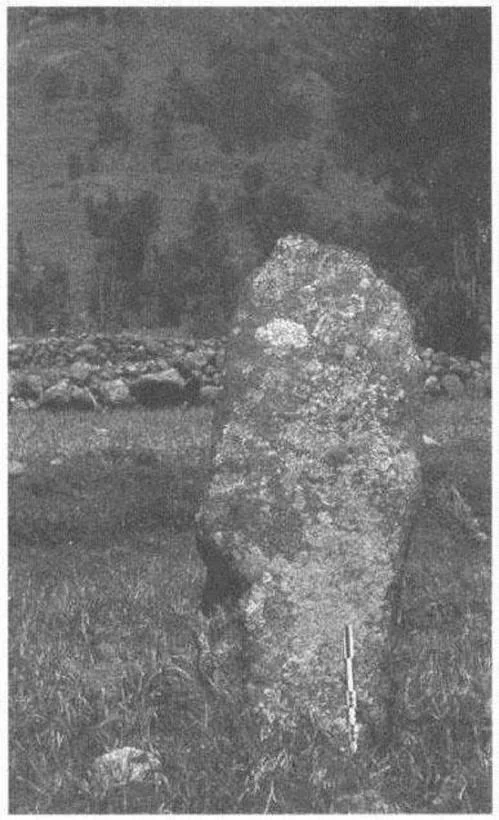
Possible ancient, isolated, standing monolith at Enda Kaleb and Gabra Masqal, north-east of Aksum, site 06-01 cultural and chronological sequence established by the
 Ancientartifact
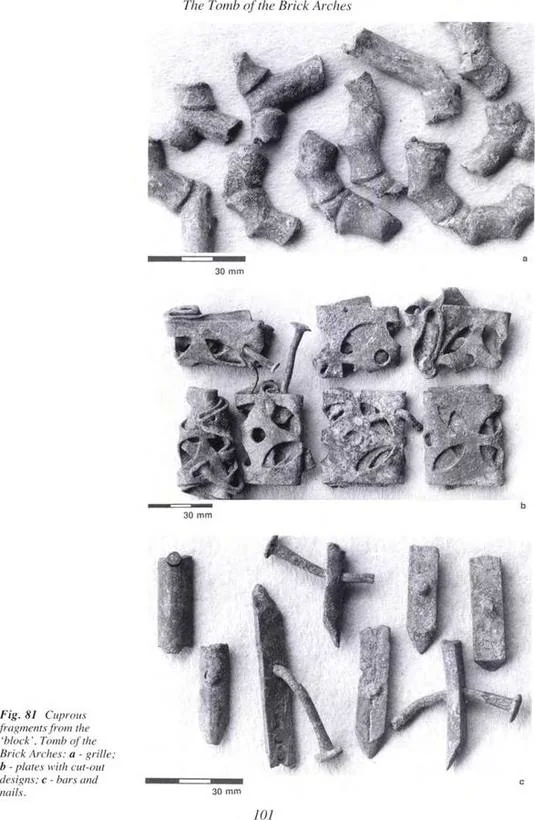
Cuprous fragments from the'block', Tomb of the Brick Arches: a - grille; b - plates with cut-out designs; c - bars and nails. The Tomb of the Brick Arches 30 mm 30 mm 30 mm 101 c
 Ancientartifact
 Ancientartifact
 Ancientartifact
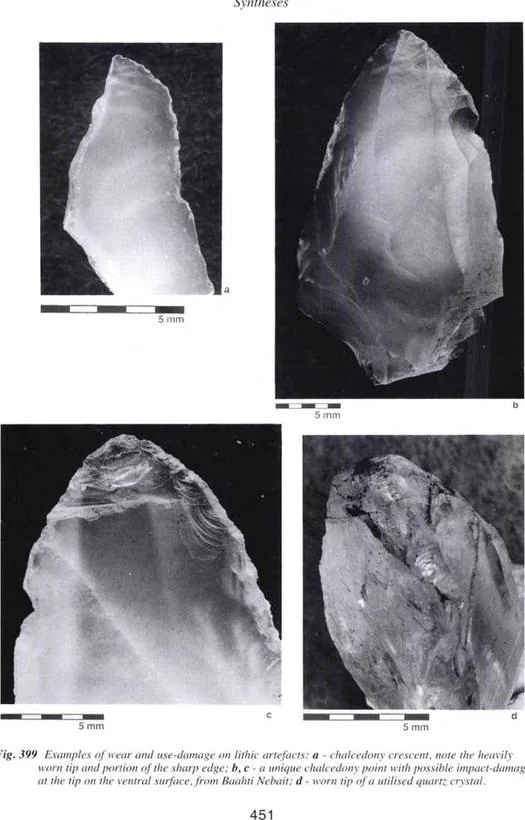
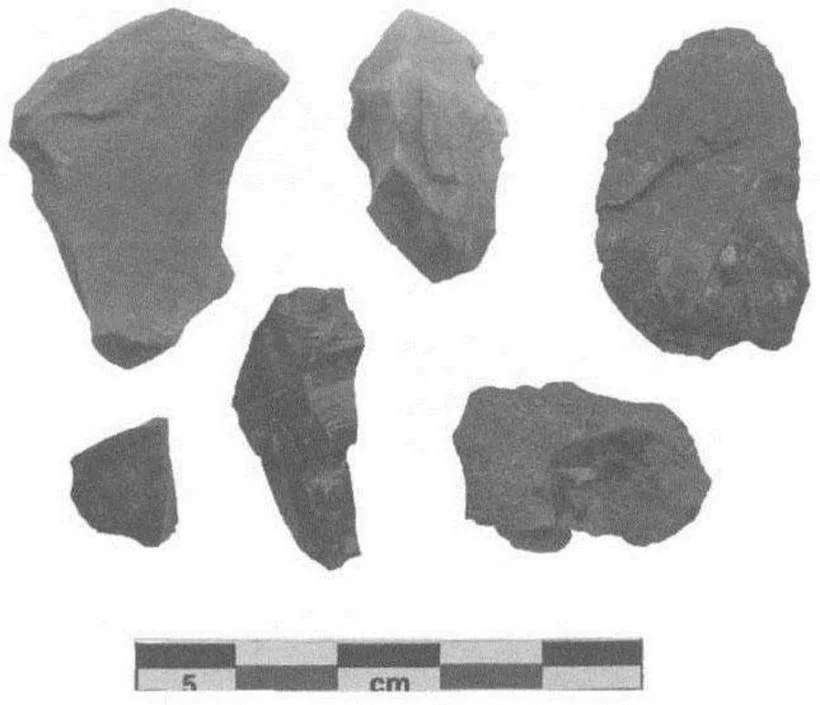
Examples of wear and use-damage on lithic artefacts: a - chalcedony crescent, note the heavily worn tip and portion of the sharp edge; b, c - a unique chalcedony point with possible impact-damage at the tip on the ventral surface,from Baahti Nebait; d - worn tip of a utilised quartz
 Ancientartifact
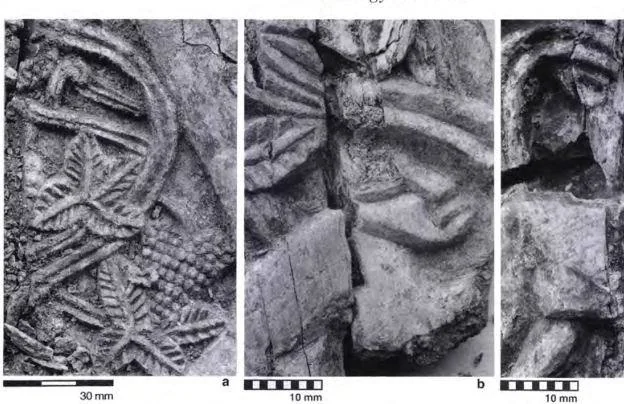
Details of the carved ivory panels from the Tomb of the Brick Arches: a - vine motif; b,c - Africanstyle faces carved in low relief. conjoined to a similar low-relief back (Fig. 404).
 Ancientartifact
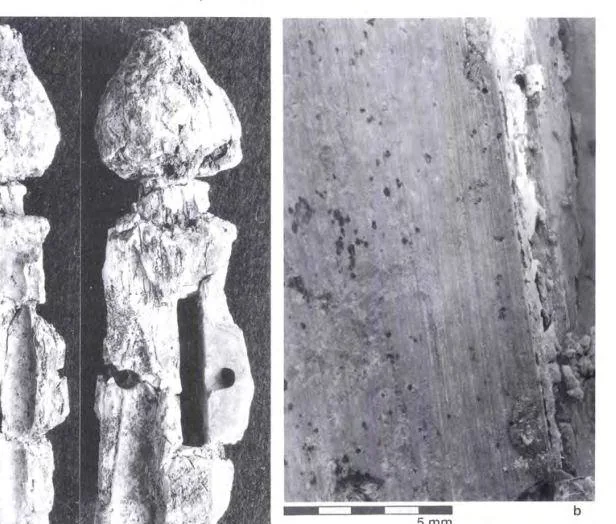
Turned furniture finial from the Tomb of the Brick Arches (see also Figs 99, JOOg): a - general view, showing carved fluted decoration, sawn mortice and drilled peg holes; b - striations of polishing inside the fluting. Fig
 Ancientartifact
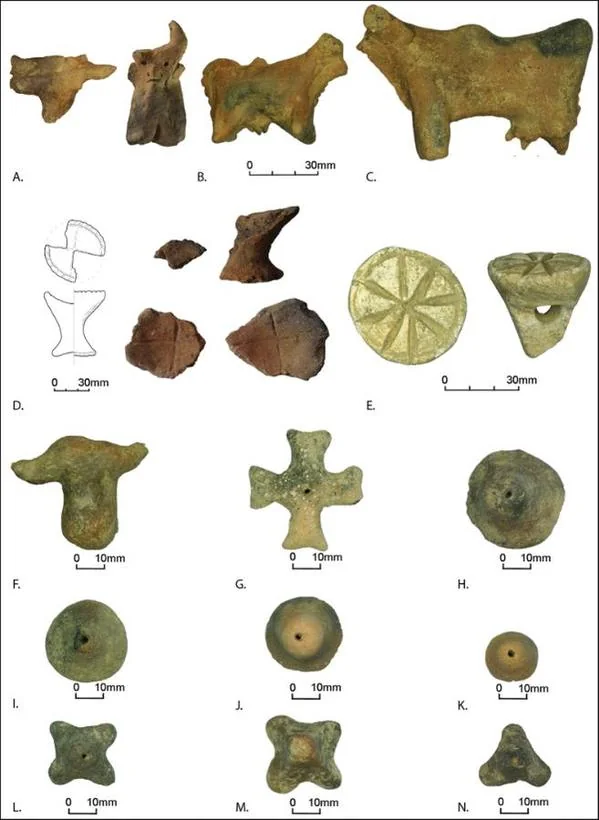
Artefacts illustrating ritual, administrative and/or trade activities at the basilica: a) bucranium with facial features; b-c) cow figurines; d) incense burners; e) stamp seal; f) bucranium; g-n) tokens (figure by I. Dumitru)
 Ancientartifact
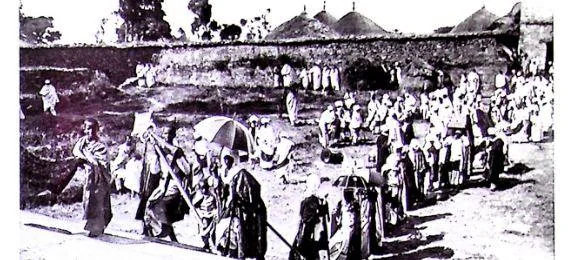
Abb. 6 Das große goldene Vortragekreuz (Foto: DAE 763 = MBA Sep. Abb. 7 Priester mit Mänbara Tabot und gro- Bem Prozessionsschirm in der Bundeslade *p
 Ancientartifact
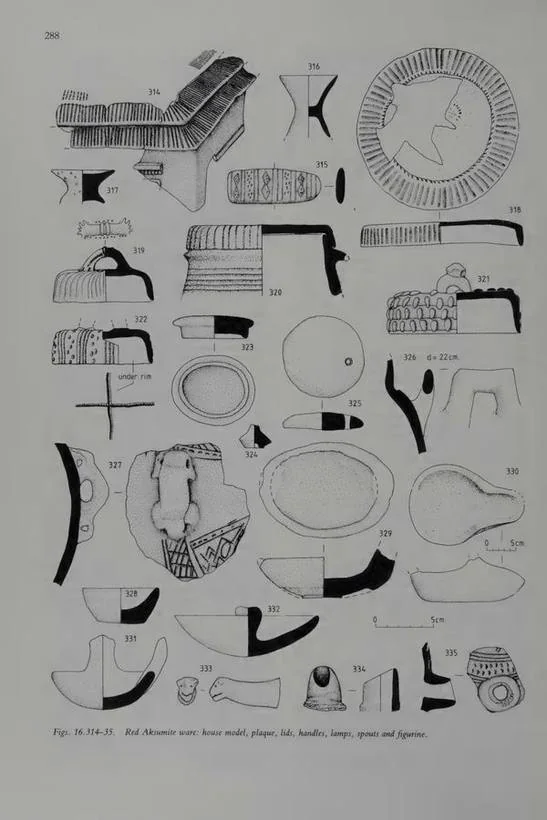
Figs. 16.314-35. Red Aksumite ware: house model, plaque, lids, handles, lamps, spouts and figurine
 Ancientartifact
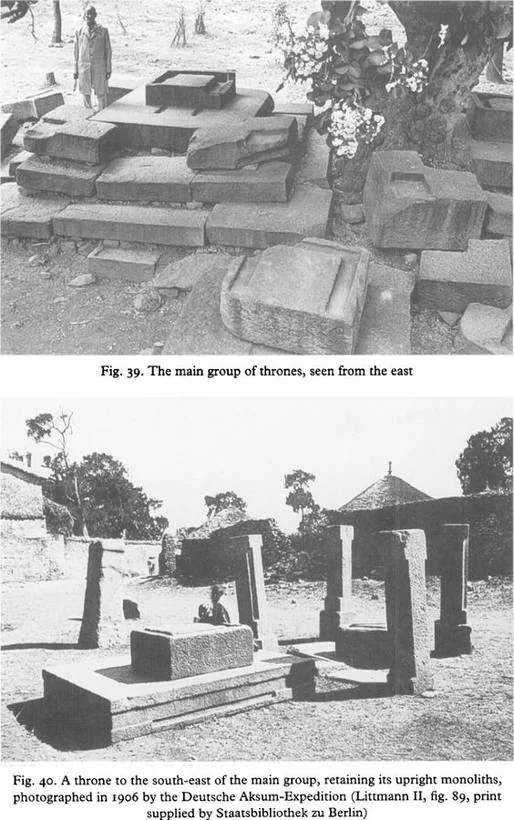
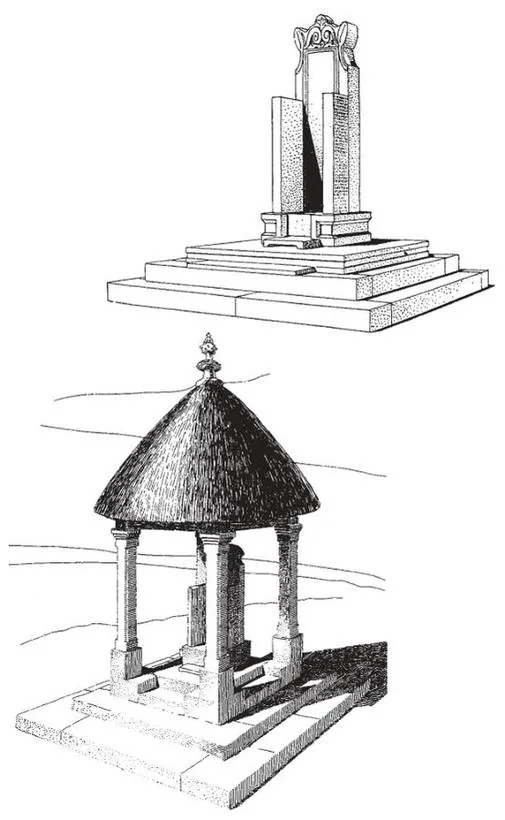
The main group of thrones, seen from the east Fig. 40. A throne to the south-east of the main group, retaining its upright monoliths, photographed in 1906 by the Deutsche Aksum-Expedition (Littmann II, fig. 89, print supplied by Staatsbibliothek zu Berlin)
 Ancientartifact
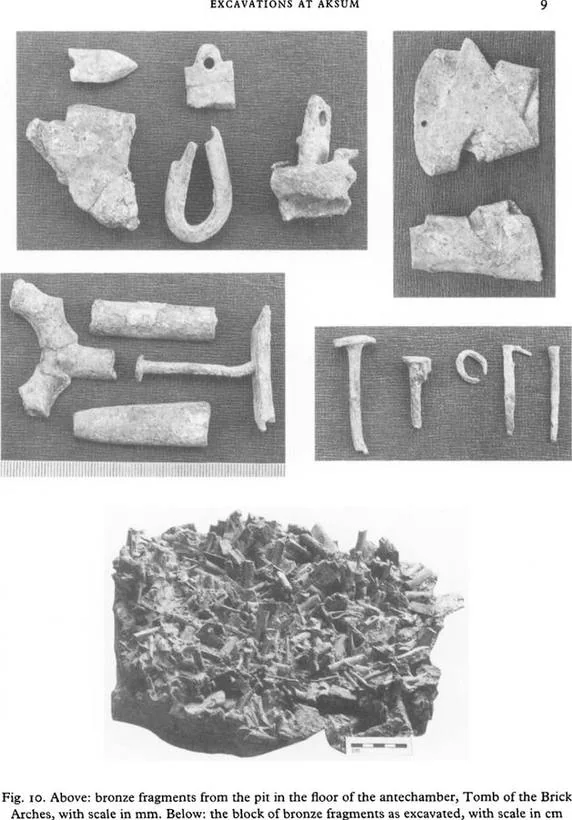
Above: bronze fragments from the pit in the floor of the antechamber, Tomb of the Brick Arches, with scale in mm. Below: the block of bronze fragments as excavated, with scale in cm
 Ancientartifact
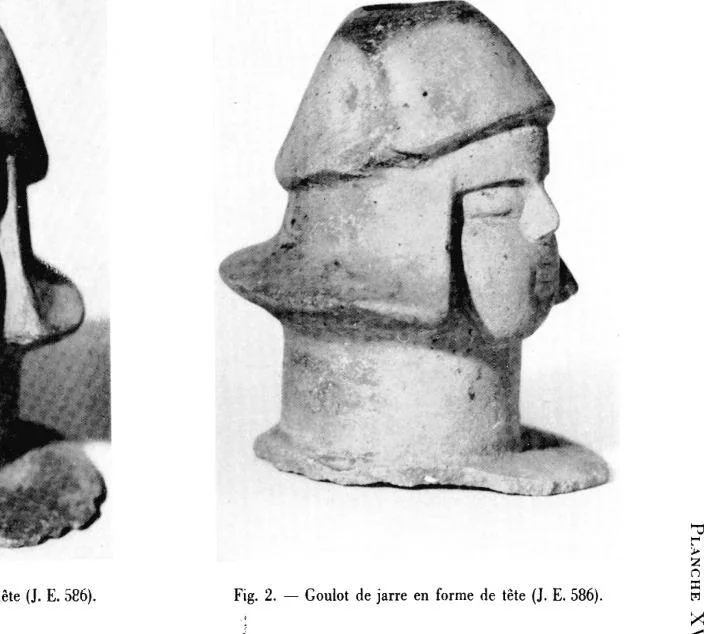
Goulot de jarre en forme de tête (J. E. 586). Fig. 2. - Gou
 Ancientartifact
Reconstructions of Aksumite thrones (after Krencker in Littmann et al. 1913)
 Ancientartifact
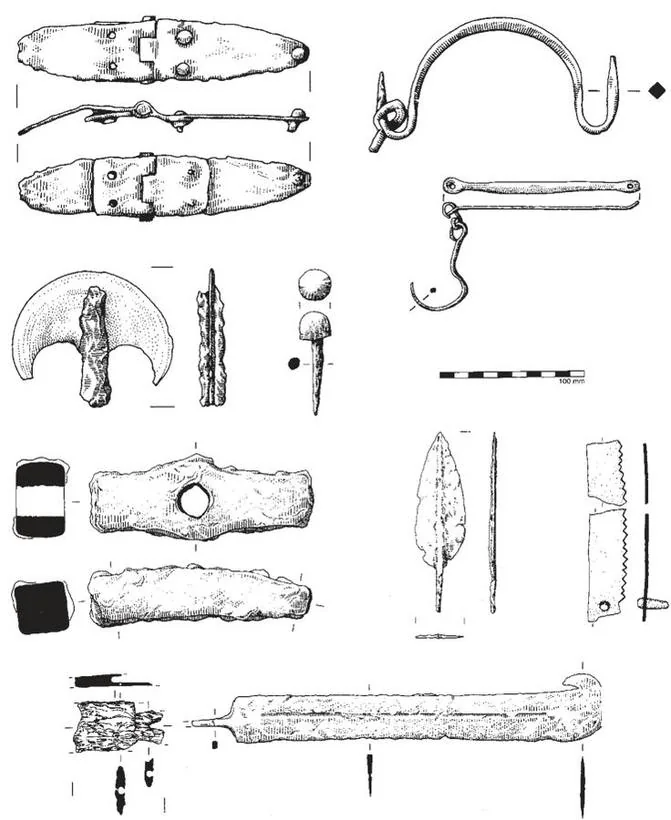
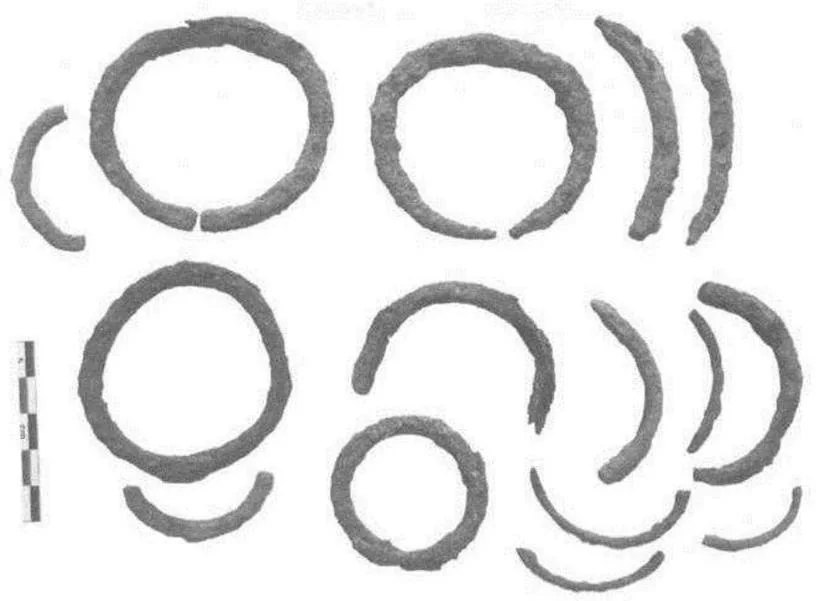
Aksumite metalwork (after D. Phillipson 2000b); the specimens above the scale are of copper alloy, those below being of iron
 Ancientartifact
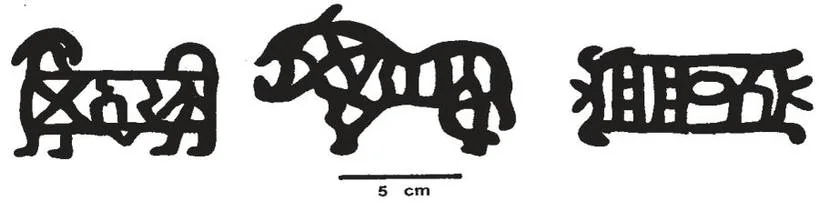
Copper-alloy'marks of identity' from the shaft-graves at Yeha (after Anfray 1963a)
 Ancientartifact
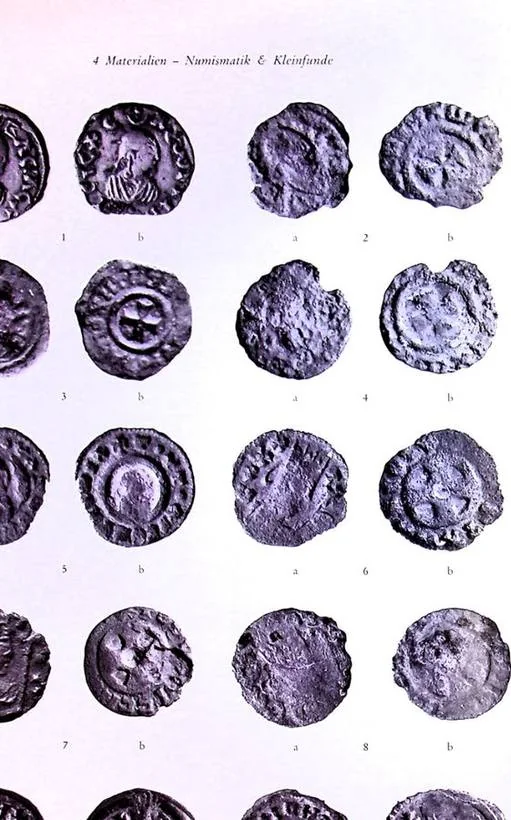
Abb. 1 Die aksumitische Münzen 1 bis 10 aus dem Nachlass von Enno Littmann.
 Ancientartifact
 Ancientartifact
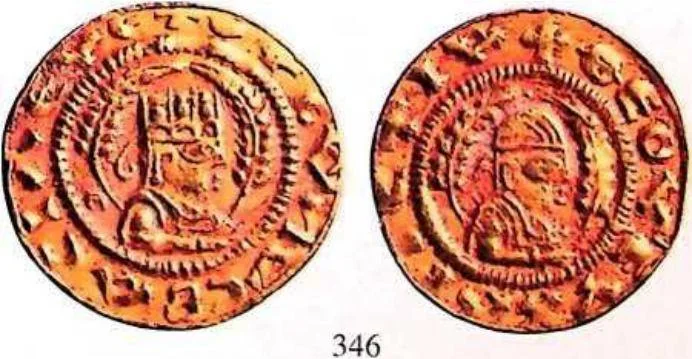
Obv. Crowned and draped bust r. holding rod. between two wheat-stalks, no circle. (12:00) +OVCANAB AC1ACVC (or blundered) ‘King Ousana'.
 Ancientartifact
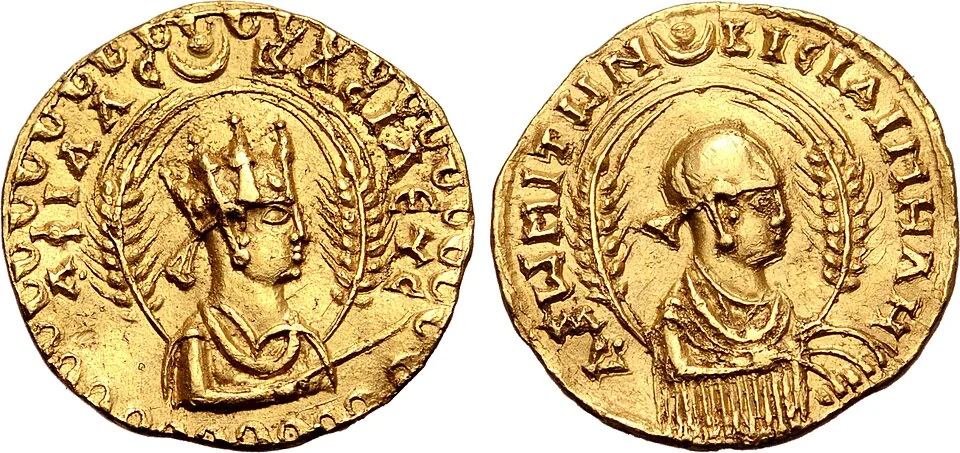
Aksumite coin decepting Aphilas The Commons file page gives the source as: www.britishmuseum.org.
 Ancientartifact
Symbol of Aksum on coins of the beginning of the fourth century A.D. The symbol consists of a disc, symbolizing the empire (of Aksum) and a crescent symbolizing the state. Together the symbol would mean: The State of Aksum.
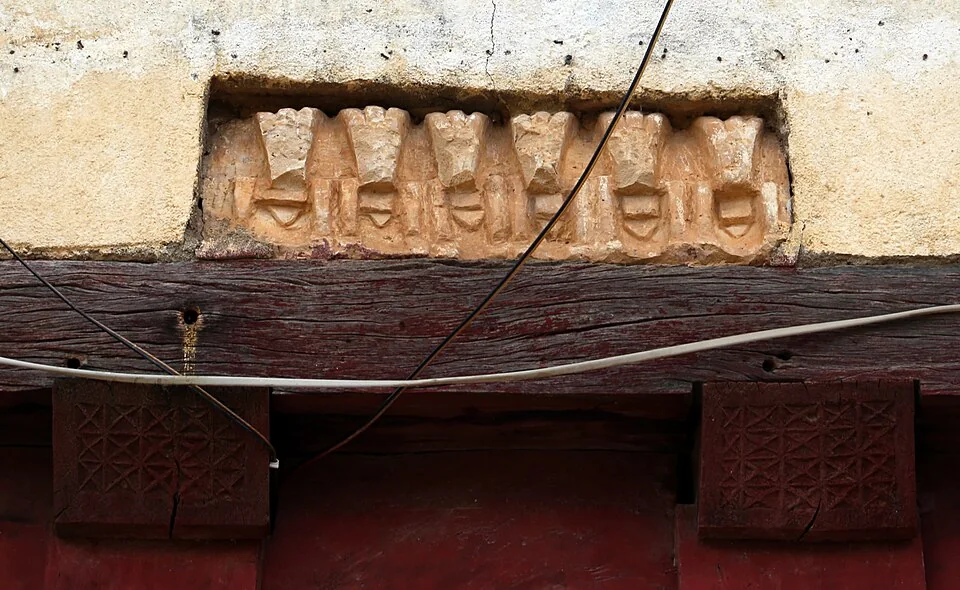 Ancientartifact
Yeha, Ethiopia The file page records 2018-11-17 08:37:01 as the date of the photograph, not of the object.
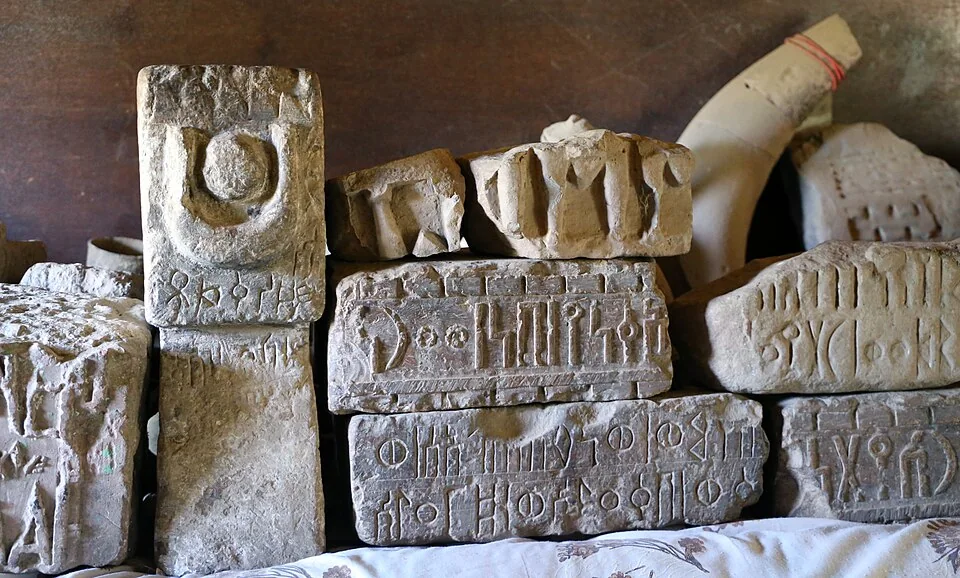 artifact
Yeha, Ethiopia The file page records 2018-11-17 08:45:30 as the date of the photograph, not of the object.
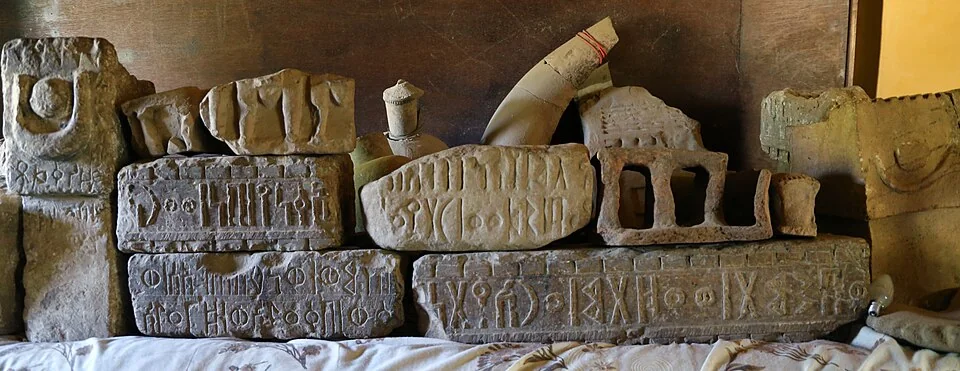 artifact
Yeha, Ethiopia The file page records 2018-11-17 08:46:12 as the date of the photograph, not of the object.
 artifact
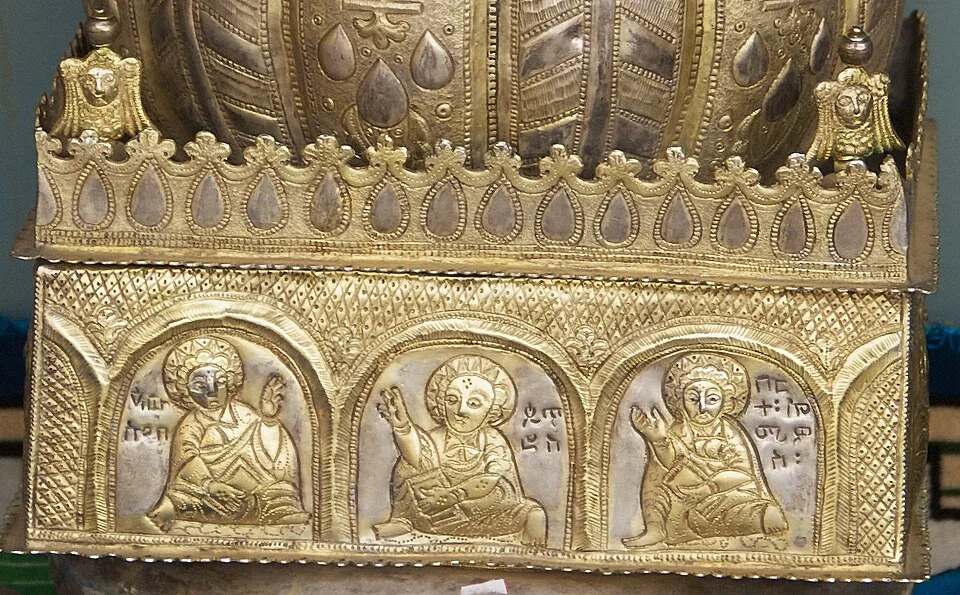
Axum, Ethiopia. The Commons file page gives the source as: Detail, Ethiopian Crown - Treasury Of The Chapel Of The Tablet Uploaded by Elitre. The file page records 2007-10-30 15:53 as the date of the photograph, not of the object.
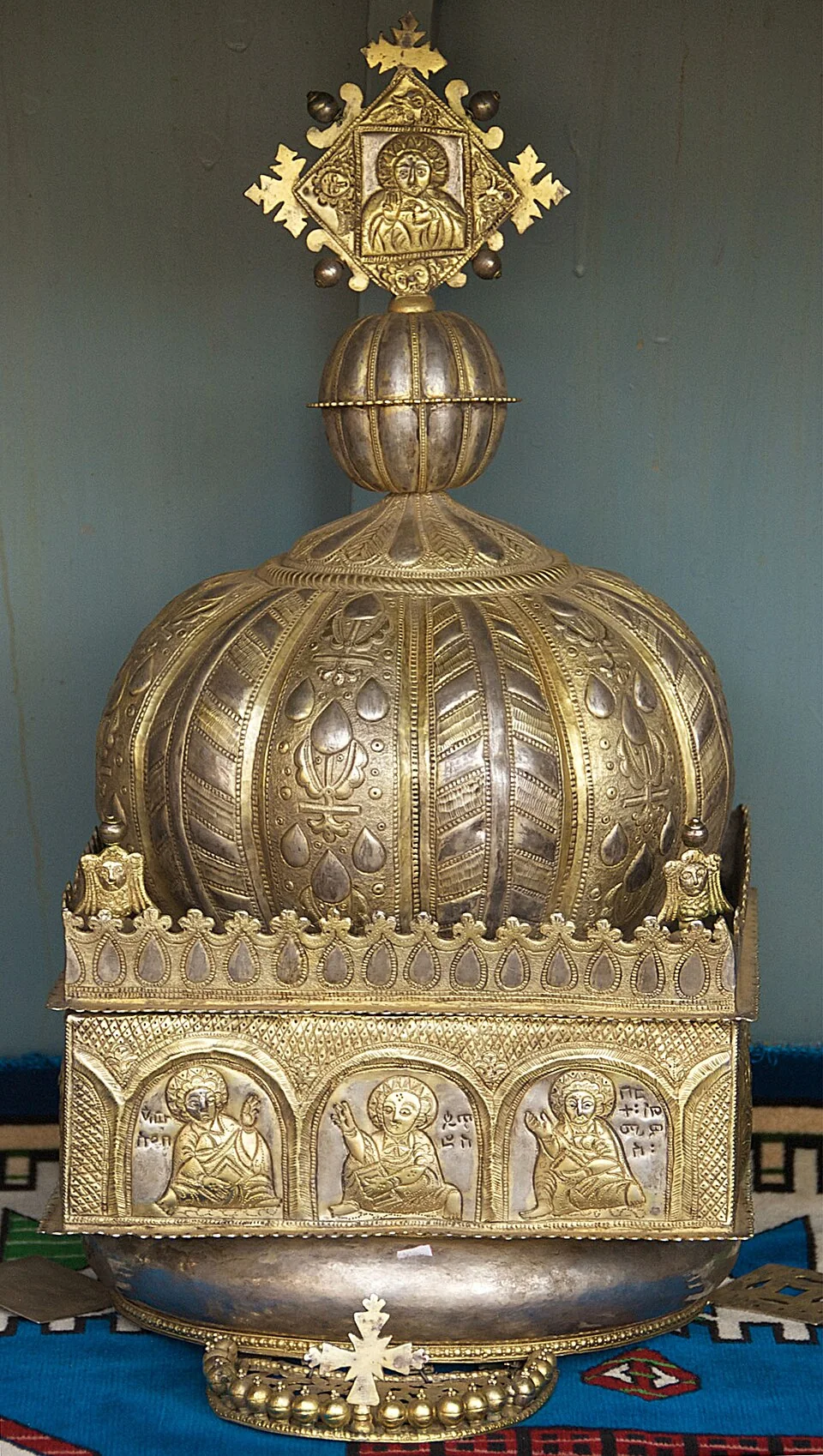 artifact
Axum, Ethiopia. The Commons file page gives the source as: Ethiopian Crown - Treasury Of The Chapel Of The Tablet Uploaded by Elitre. The file page records 2007-10-30 15:53 as the date of the photograph, not of the object.
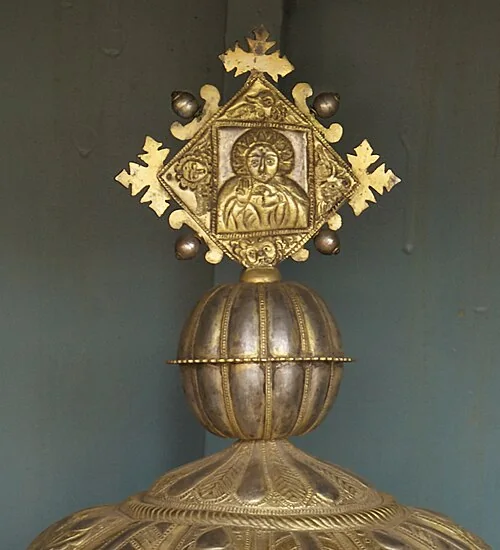 artifact
Axum, Ethiopia The Commons file page gives the source as: Detail, Ethiopian Crown - Treasury Of The Chapel Of The Tablet Uploaded by Elitre. The file page records 2007-10-30 15:53 as the date of the photograph, not of the object.
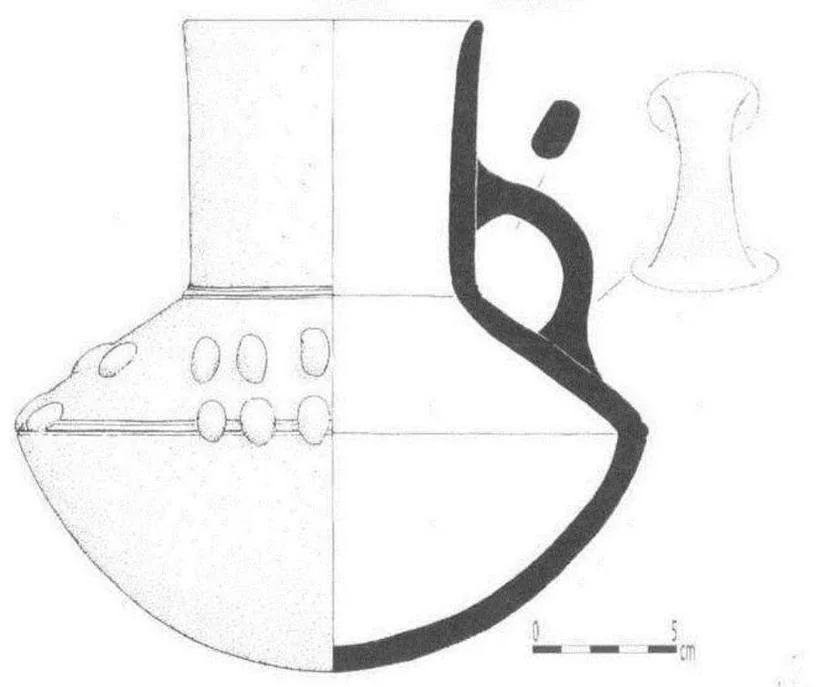 Ancientartifact
 Ancientartifact
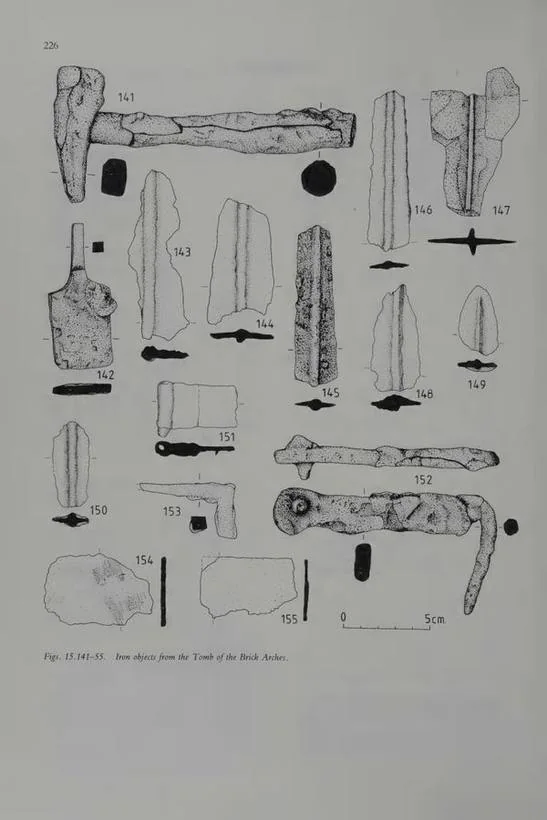
Figs. 15.141-55. Iron objects from the Tomb of the Brick Arches
 Ancientartifact
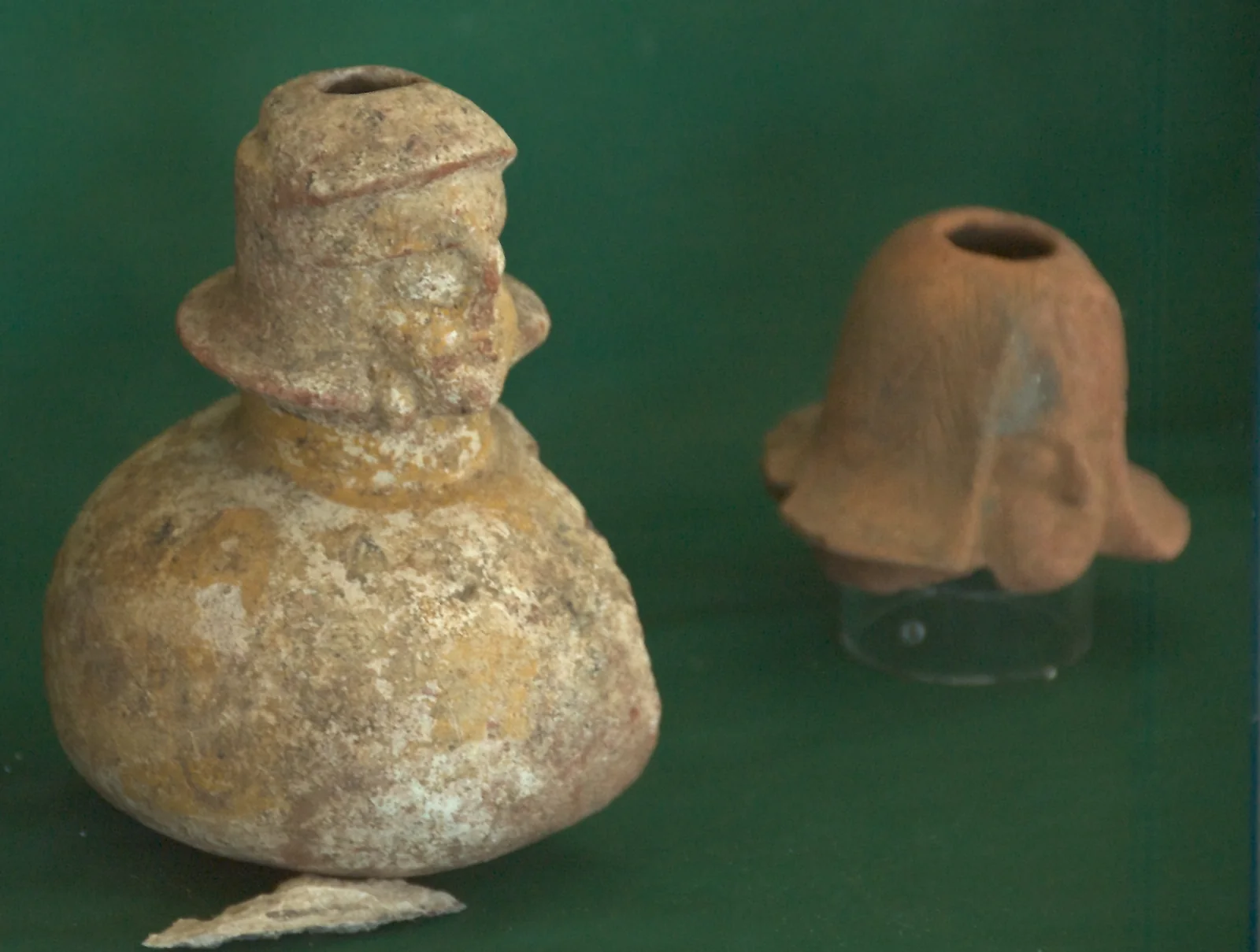
Aksumite jar with a figural spout. Held by the Archaeological Museum, Aksum.
3 shown
 Ancientartifact
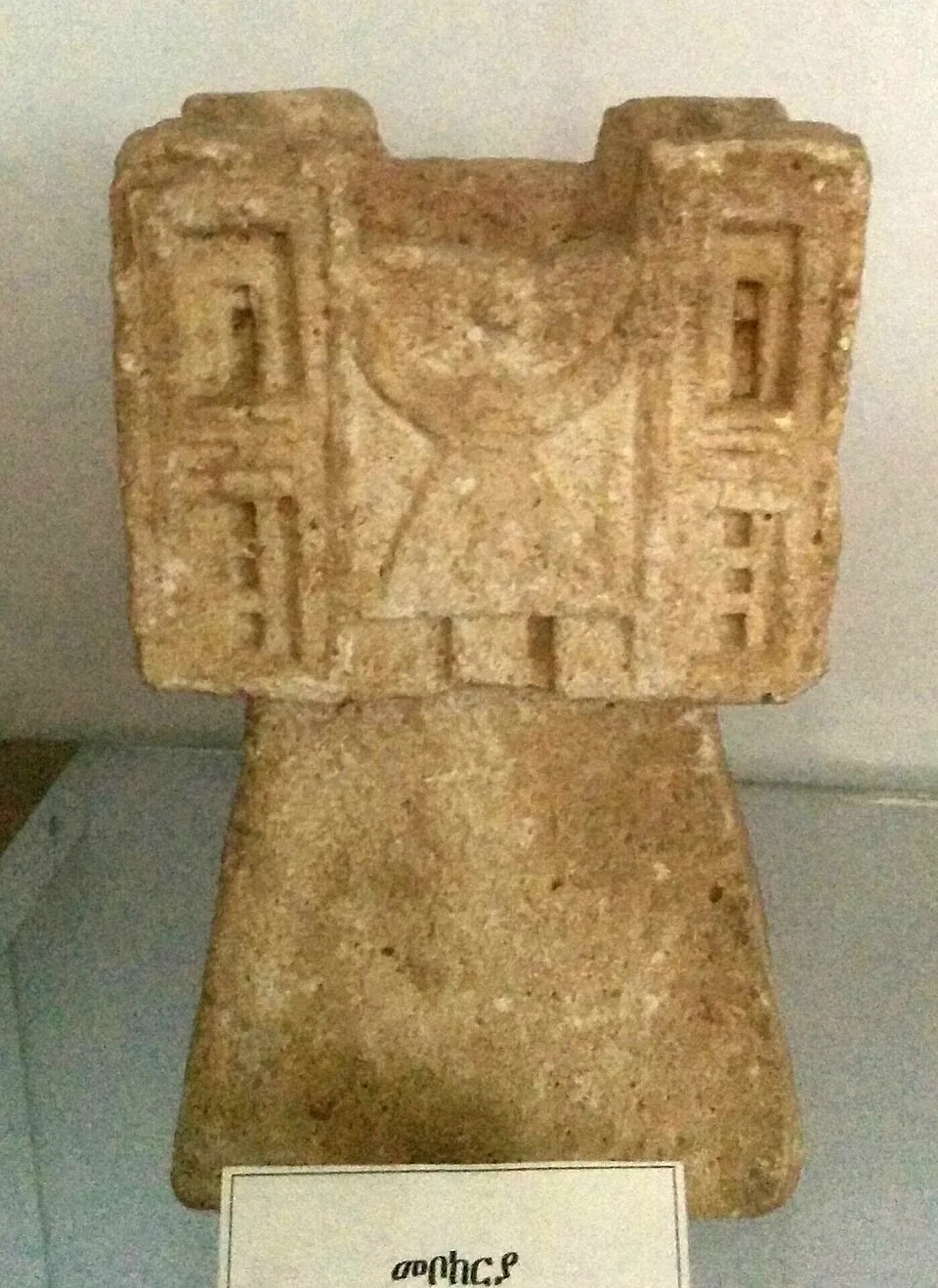
Asmara, museo nazionale, incensiere da keskesse, I millennio ac. 02.jpg The file page records 2015-11-24 15:08:22 as the date of the photograph, not of the object.
 Ancientartifact
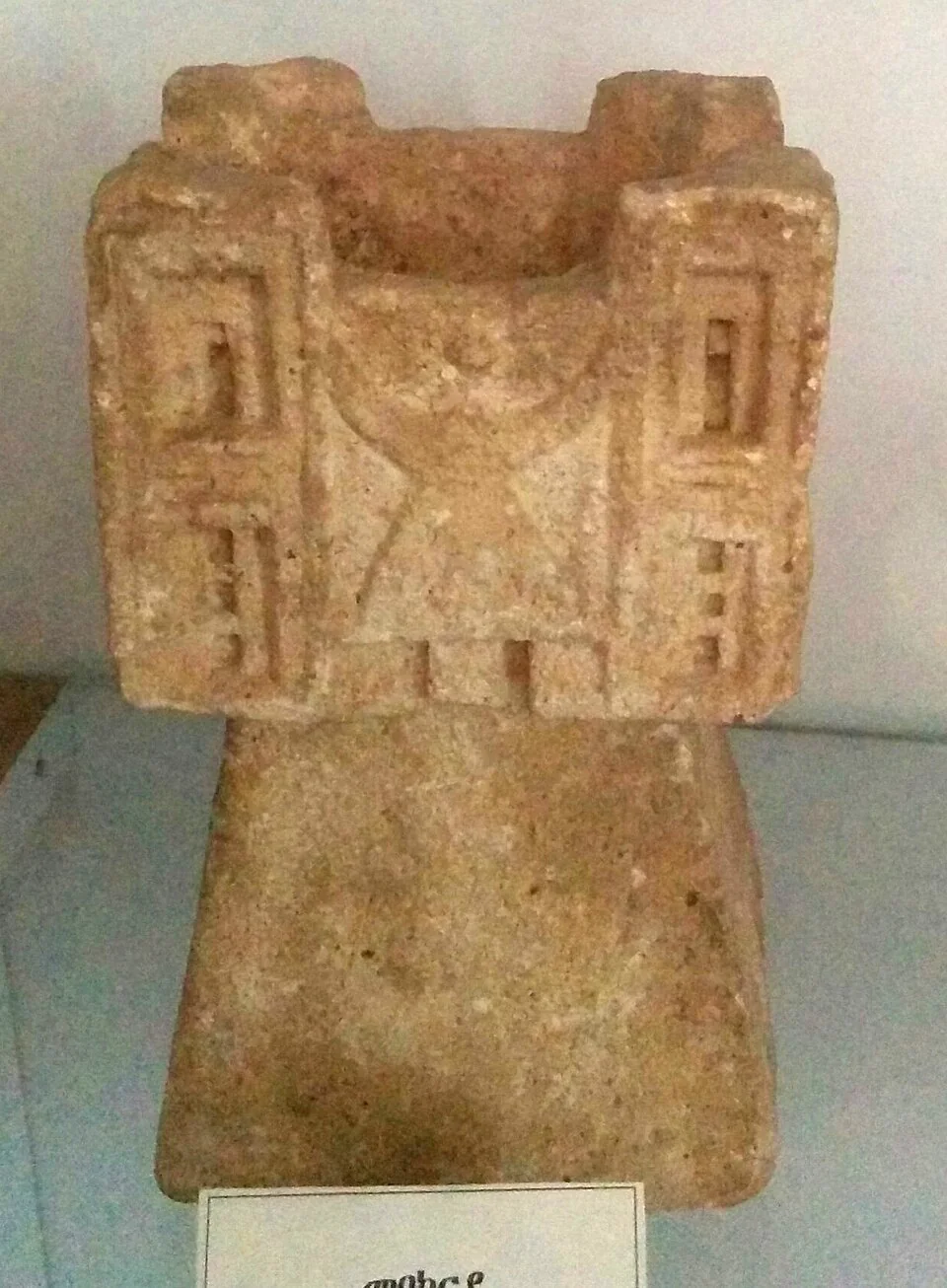
Asmara, museo nazionale, incensiere da keskesse, I millennio ac. 01.jpg The file page records 2015-11-24 15:08:16 as the date of the photograph, not of the object.
 artifact
6 shown
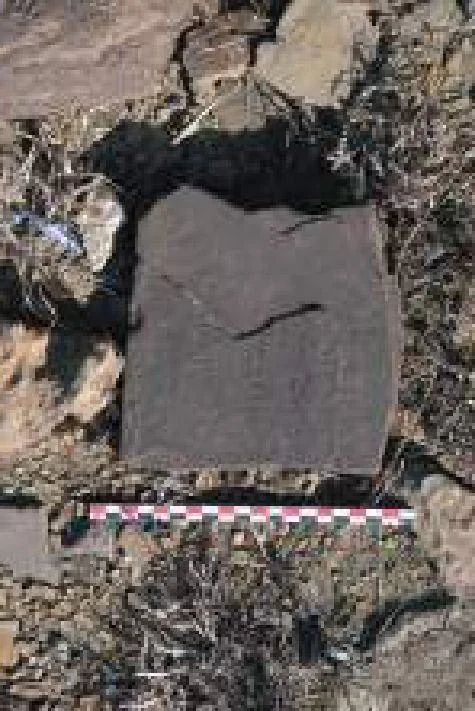 Medievalartifact
113). Fragment of stele on basalt stone. Dimensions: Height: 16 cm. Width: 16 cm. Thickness: 3 cm MZ 002 (fig. 114). Fragment of stele on limestone. Dimensions: Height: 10 cm. Width: 10 cm
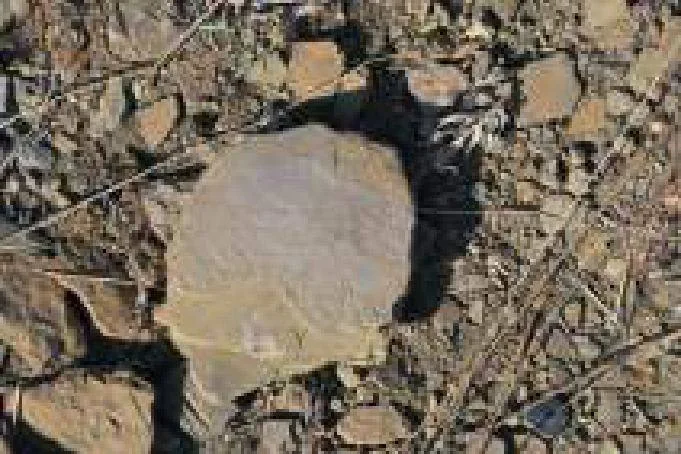 Medievalartifact
113). Fragment of stele on basalt stone. Dimensions: Height: 16 cm. Width: 16 cm. Thickness: 3 cm MZ 002 (fig. 114). Fragment of stele on limestone. Dimensions: Height: 10 cm. Width: 10 cm
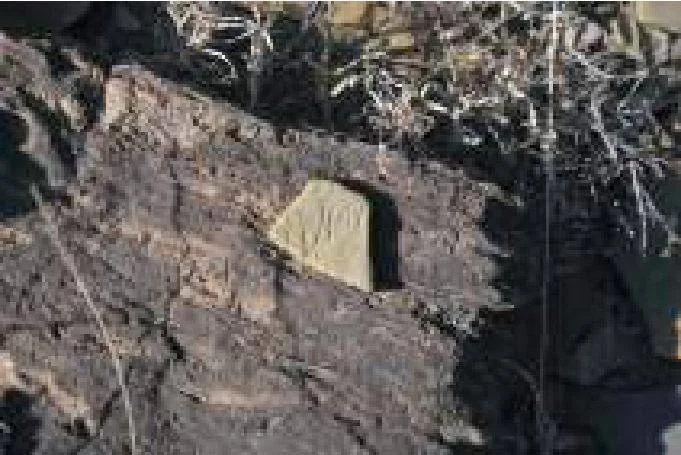 Medievalartifact
113). Fragment of stele on basalt stone. Dimensions: Height: 16 cm. Width: 16 cm. Thickness: 3 cm MZ 002 (fig. 114). Fragment of stele on limestone. Dimensions: Height: 10 cm. Width: 10 cm
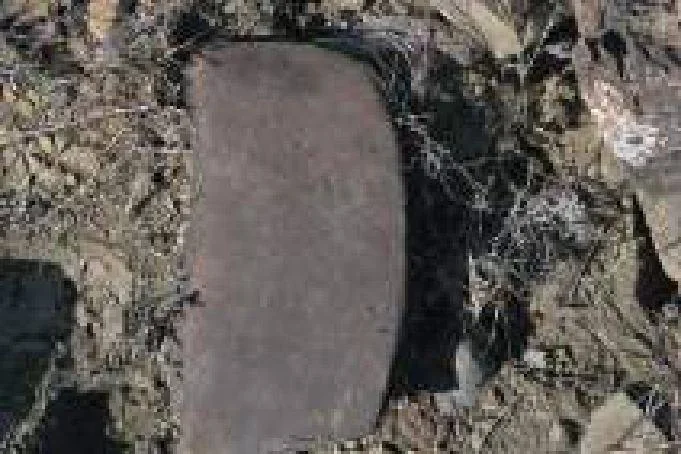 Medievalartifact
116). Complete stele on basalt stone. Dimensions: Height: 34 cm. Width: 18 cm. Thickness: 5,5 cm MZ 005 (fig. 117). Complete stele on basalt stone adorned with Solomon's seals. Dimensions: Height: 45 cm
 Medievalartifact
116). Complete stele on basalt stone. Dimensions: Height: 34 cm. Width: 18 cm. Thickness: 5,5 cm MZ 005 (fig. 117). Complete stele on basalt stone adorned with Solomon's seals. Dimensions: Height: 45 cm
 Medievalartifact
116). Complete stele on basalt stone. Dimensions: Height: 34 cm. Width: 18 cm. Thickness: 5,5 cm MZ 005 (fig. 117). Complete stele on basalt stone adorned with Solomon's seals. Dimensions: Height: 45 cm
102 shown
 Ancientartifact
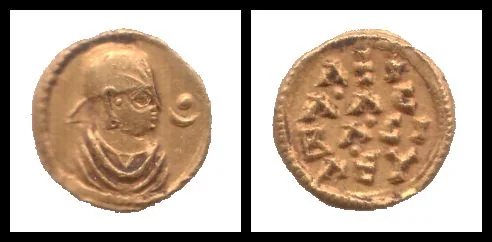
Coin of the Axumite king Eon The Commons file page gives the source as: Classical Numanistic group [1].
 Ancientartifact
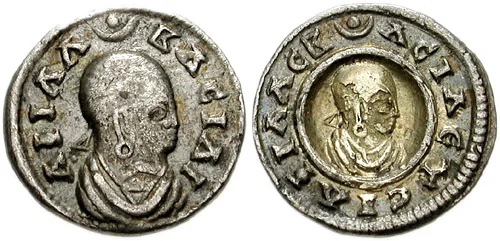
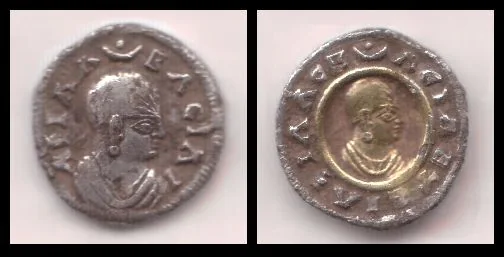
Coin of King Aphilas of Ethiopia, 4th century AD. The Commons file page gives the source as: I created this image and hold the copyright to it which I make available to the Wikipedia community..
 Ancientartifact
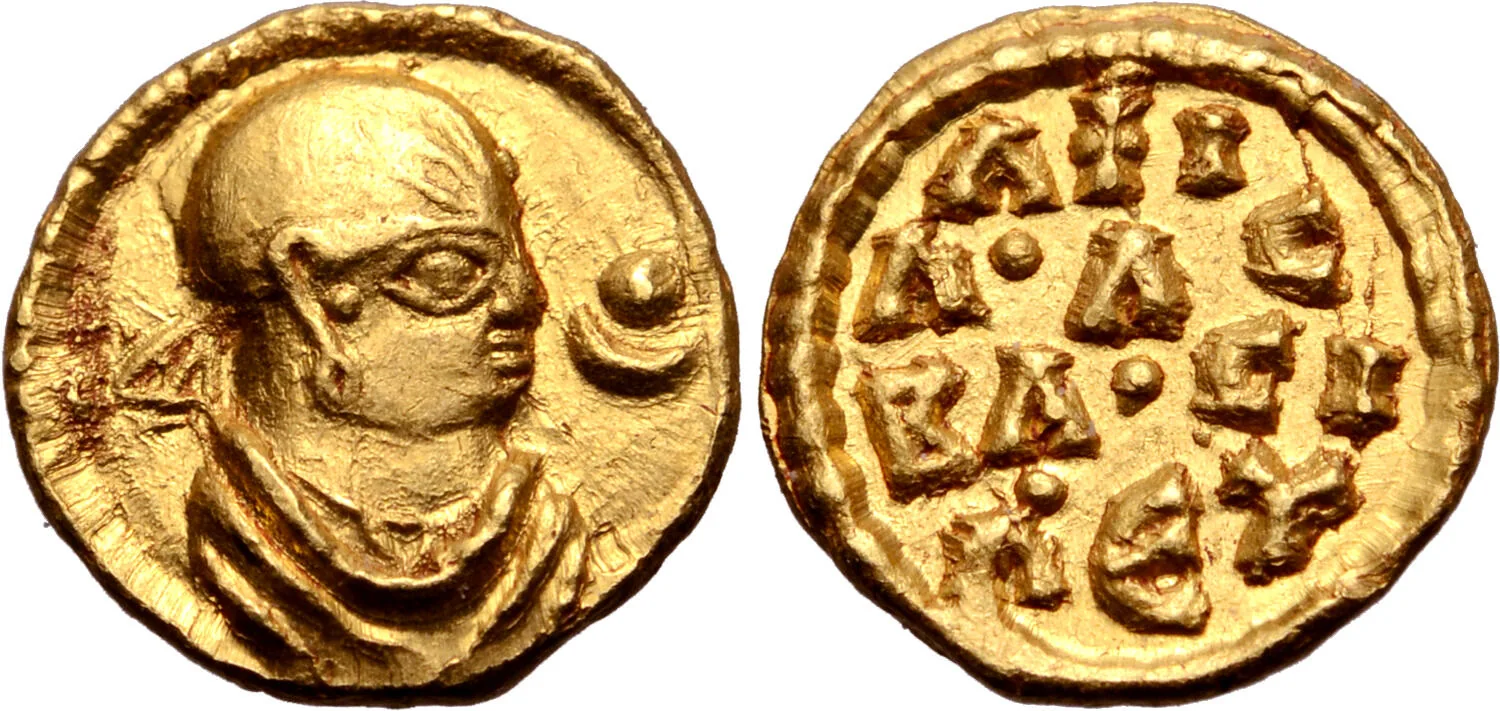
Coin of King Aphilas of Ethiopia, 4th century AD. The Commons file page gives the source as: I hold the copyright on this image of a silver coin of the Axumite King Aphilas. I donate the image, gratis, the Wikipedia community..
 artifact
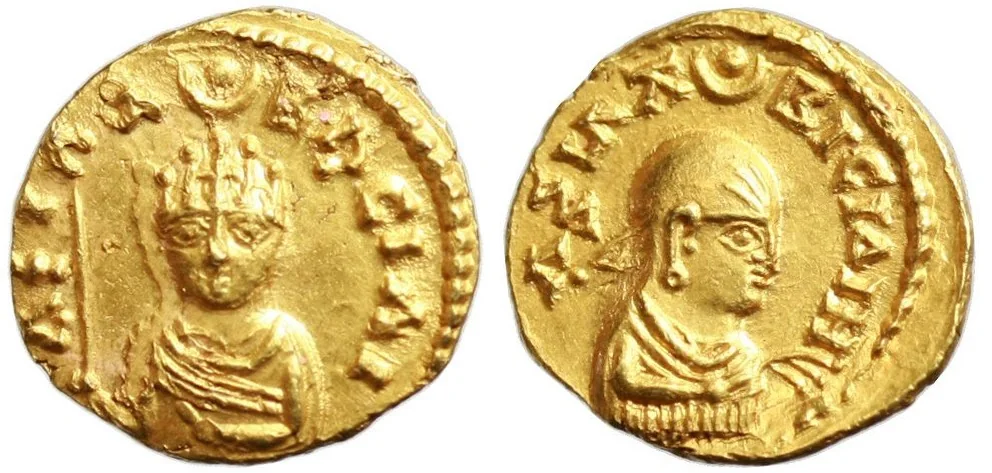
Aphilas coin Aksum The Commons file page gives the source as: https://www.romanumismatics.com/.
 artifact
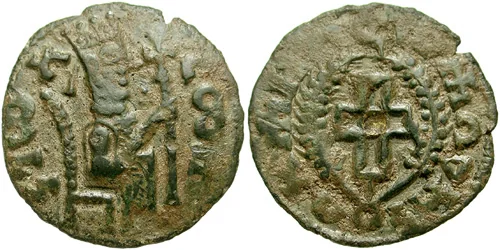
Aphilas coin Aksum The Commons file page gives the source as: https://www.romanumismatics.com/.
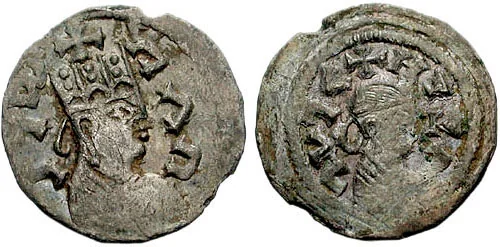
 Ancientartifact
Coin of the Axumite king Armah The Commons file page gives the source as: Classical Numanistic group [1].
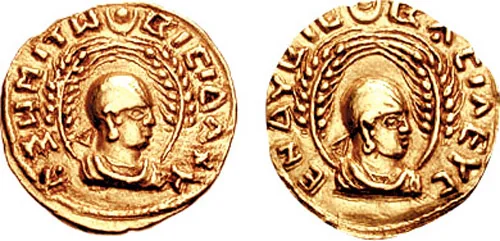
 Ancientartifact
Coin of the Axumite king Endubis The Commons file page gives the source as: Classical Numanistic group [1].
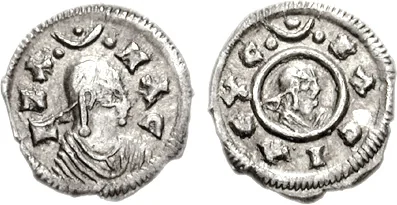
 Ancientartifact
Coin of the Axumite king Endubis, arouns AD 290 The Commons file page gives the source as: Classical Numanistic group [1].
 Ancientartifact
Coin of the Axumite king Ezana The Commons file page gives the source as: Classical Numanistic group [1].
 Ancientartifact
Coin of the Axumite king Ezana The Commons file page gives the source as: Original publication : http://www.cngcoins.com Immediate source : File:Ezana.jpg.
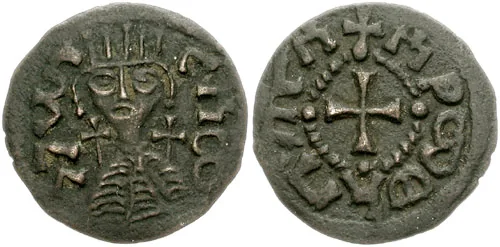 Ancientartifact
Coin of the Axumite king Gersem The Commons file page gives the source as: Classical Numanistic group [1].
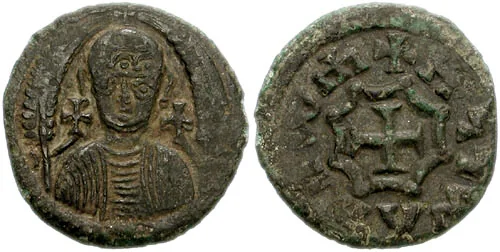 Ancientartifact
Coin of the Axumite king Hataz The Commons file page gives the source as: Classical Numanistic group [1].
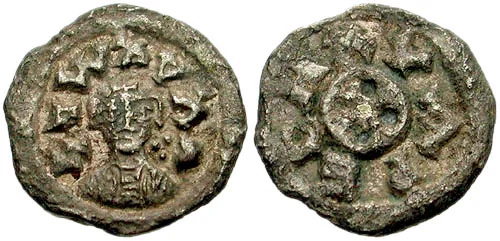 Ancientartifact
Coin of the Axumite king Ioel The Commons file page gives the source as: Classical Numanistic group [1].
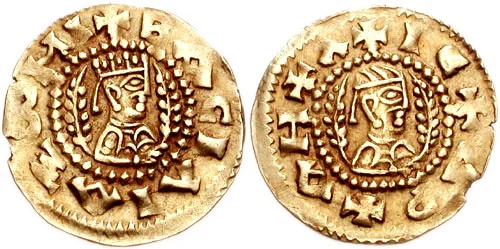 Ancientartifact
Coin of the Axumite king Israel The Commons file page gives the source as: Classical Numanistic group [1].
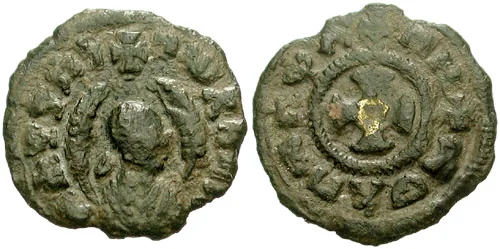 Ancientartifact
Coin of the Axumite king Mhdys The Commons file page gives the source as: Classical Numanistic group [1].
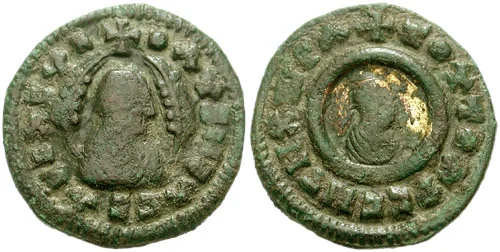 Ancientartifact
Coin of the Axumite king Ouzabas The Commons file page gives the source as: Classical Numanistic group [1].
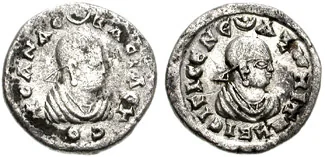 Ancientartifact
Coin of the Axumite king Ousanas The Commons file page gives the source as: Classical Numanistic group [1].
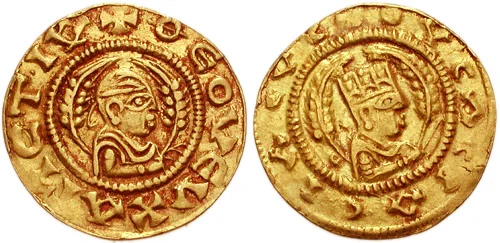 Ancientartifact
A gold coin of the Axumite king Ousas, specifically a one-third solidus , diameter 17 mm, weight 1.50 gm. Catalogue reference: Munro-Hay 85. The Commons file page gives the source as: Classical Numanistic group [1].
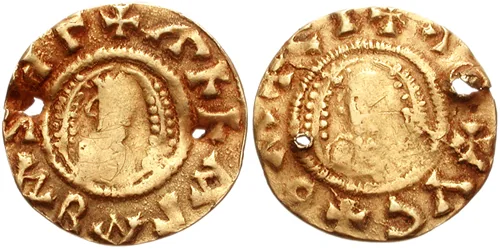 Ancientartifact
Coin of the Axumite king Wazeb (Wazen) The Commons file page gives the source as: Classical Numanistic group [1].
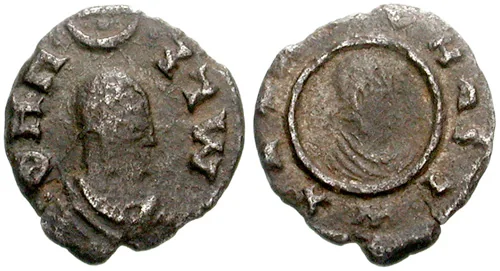 Ancientartifact
Coin of the Axumite king Wazeba The Commons file page gives the source as: Classical Numanistic group [1].
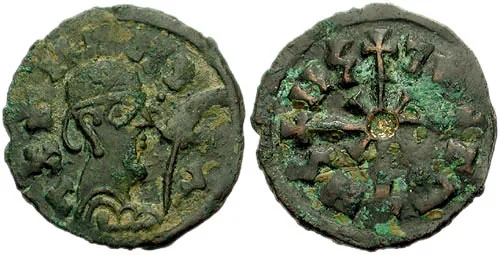 Ancientartifact
Coin of the Axumite king Wazana, around AD 525 - 550 The Commons file page gives the source as: Classical Numanistic group [1].
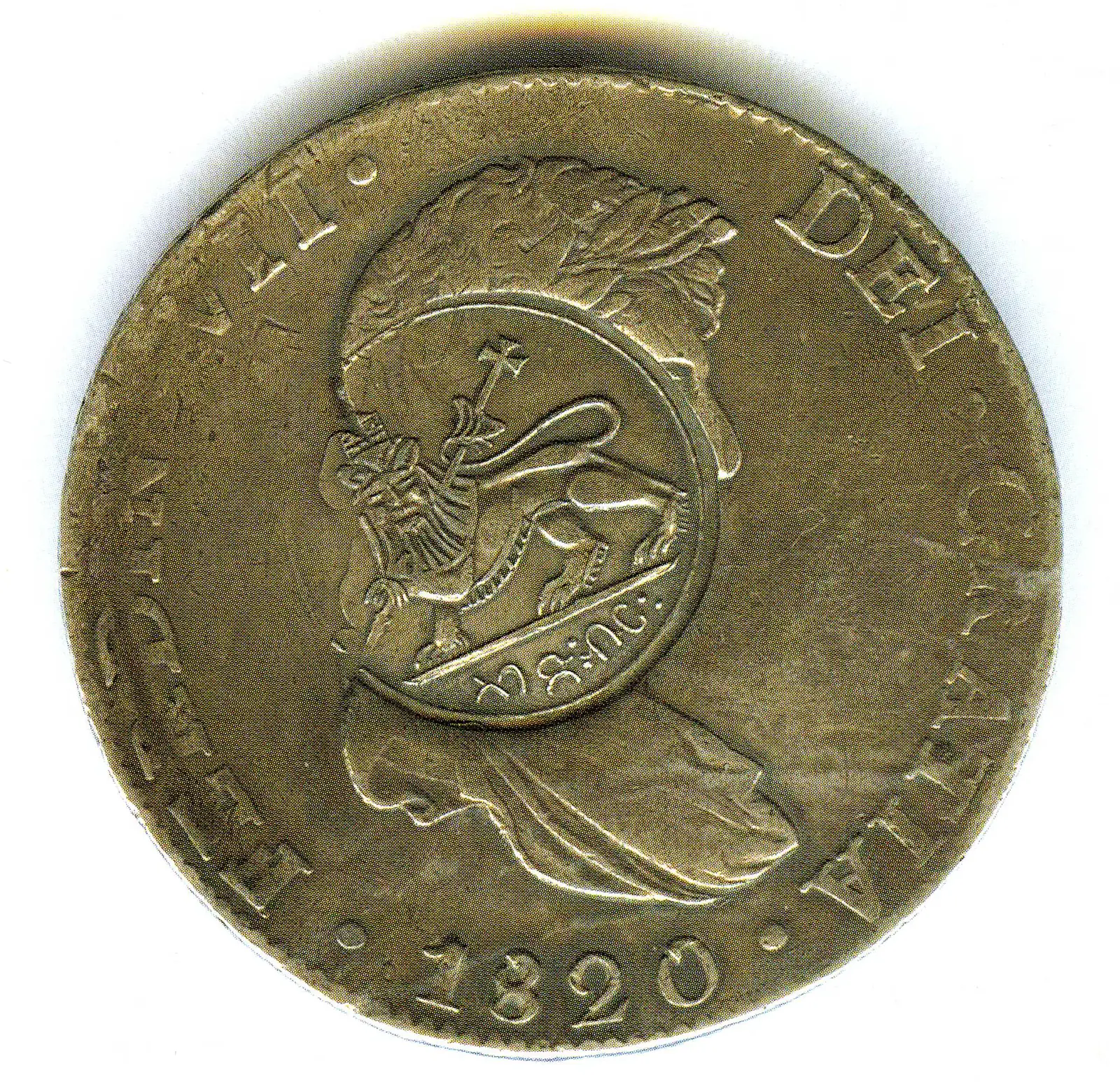 artifact
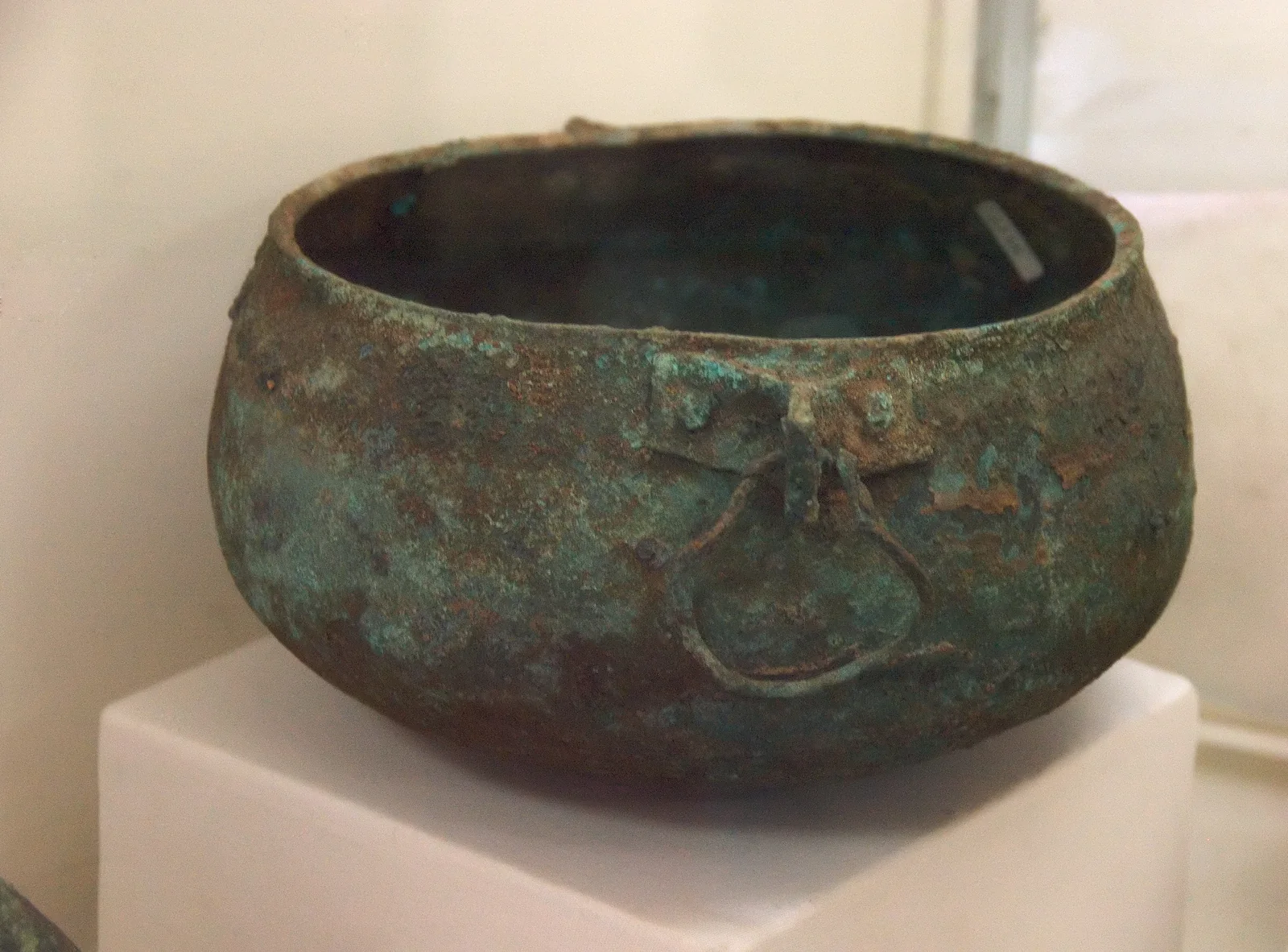 artifact
In the collection of the National Museum, Addis Ababa, Ethiopia. Taken without flash. I've complied with restrictions on the use of flash, and taken photos only when permitted by the museum.
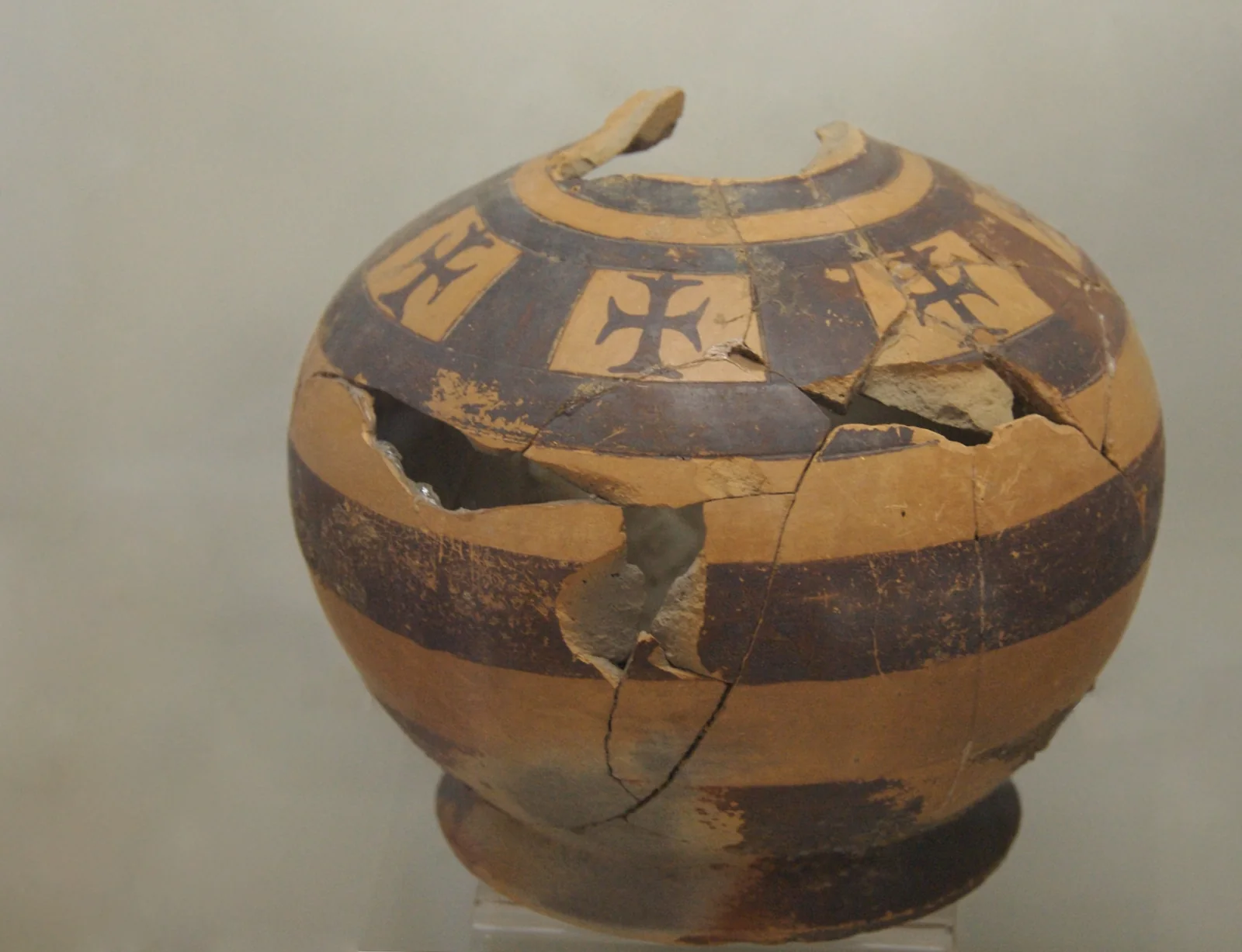 artifact
In the collection of the National Museum, Addis Ababa, Ethiopia. Taken without flash. I've complied with restrictions on the use of flash, and taken photos only when permitted by the museum.
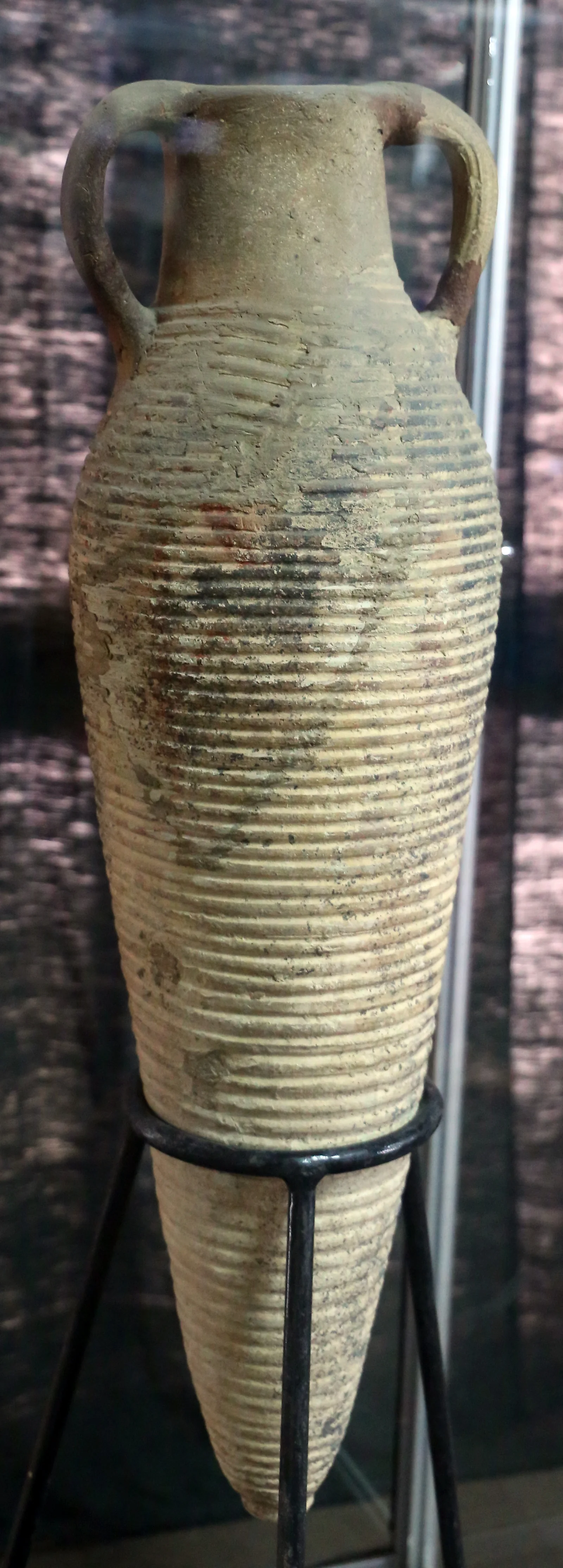 Ancientartifact
Archaeological collections of the National Museum of Ethiopia The file page records 2018-11-06 10:58:36 as the date of the photograph, not of the object.
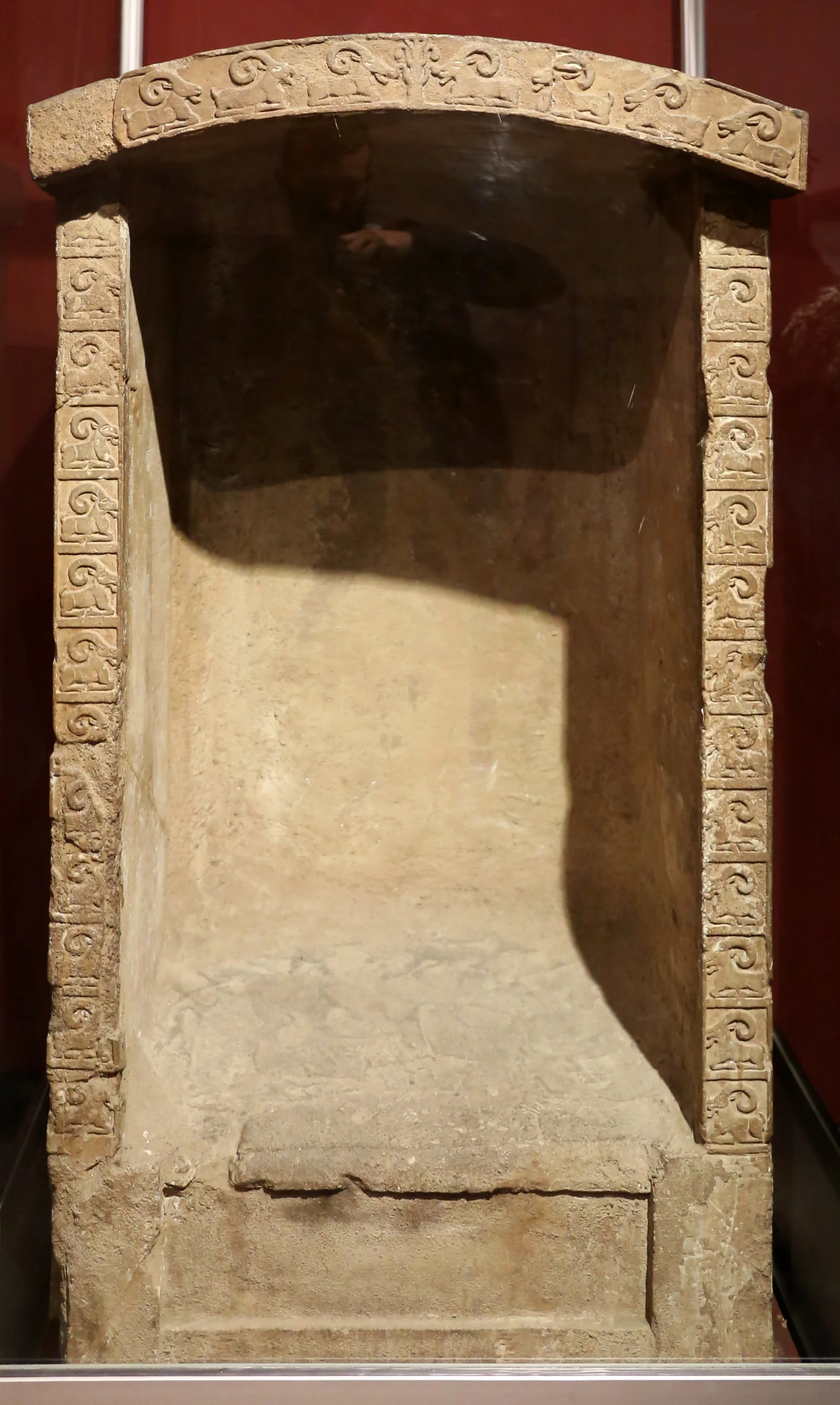 Ancientartifact
Archaeological collections of the National Museum of Ethiopia The file page records 2018-11-06 10:54:10 as the date of the photograph, not of the object.
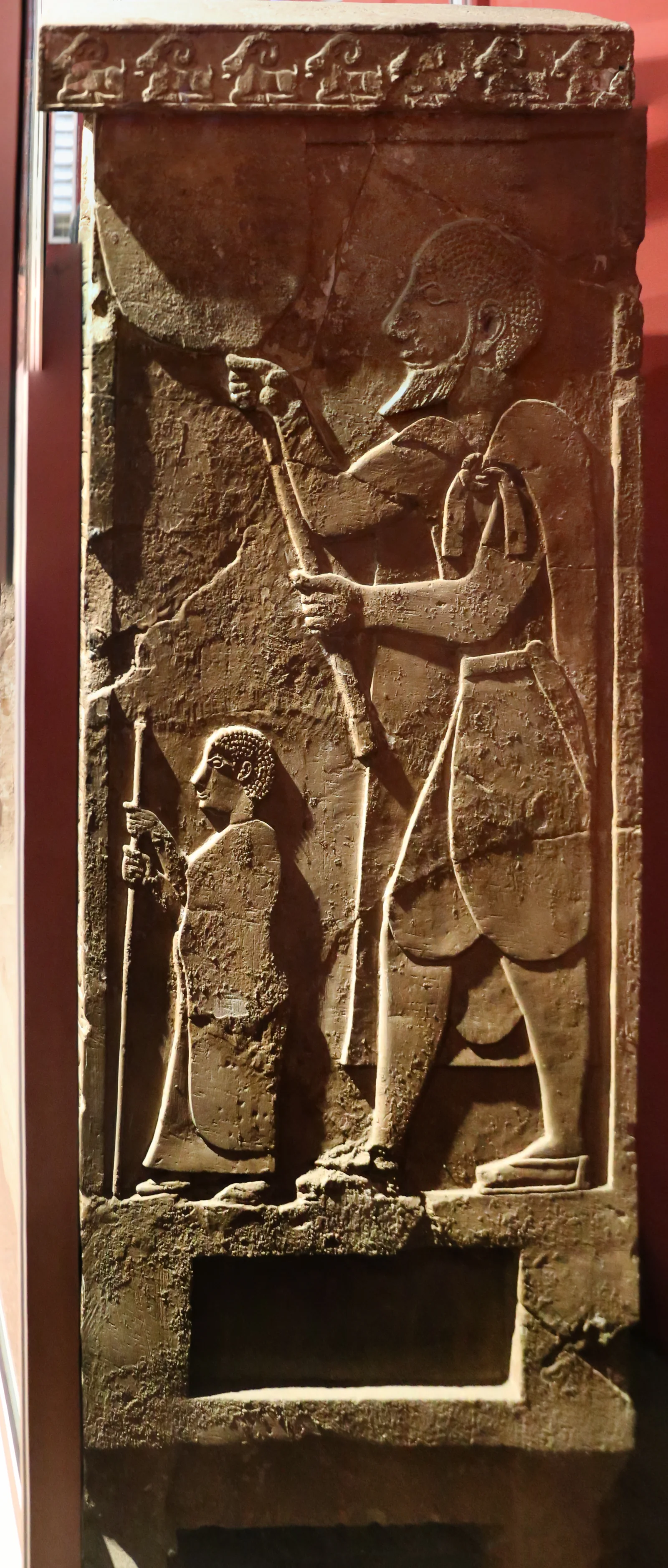 Ancientartifact
Archaeological collections of the National Museum of Ethiopia The file page records 2018-11-06 10:54:44 as the date of the photograph, not of the object.
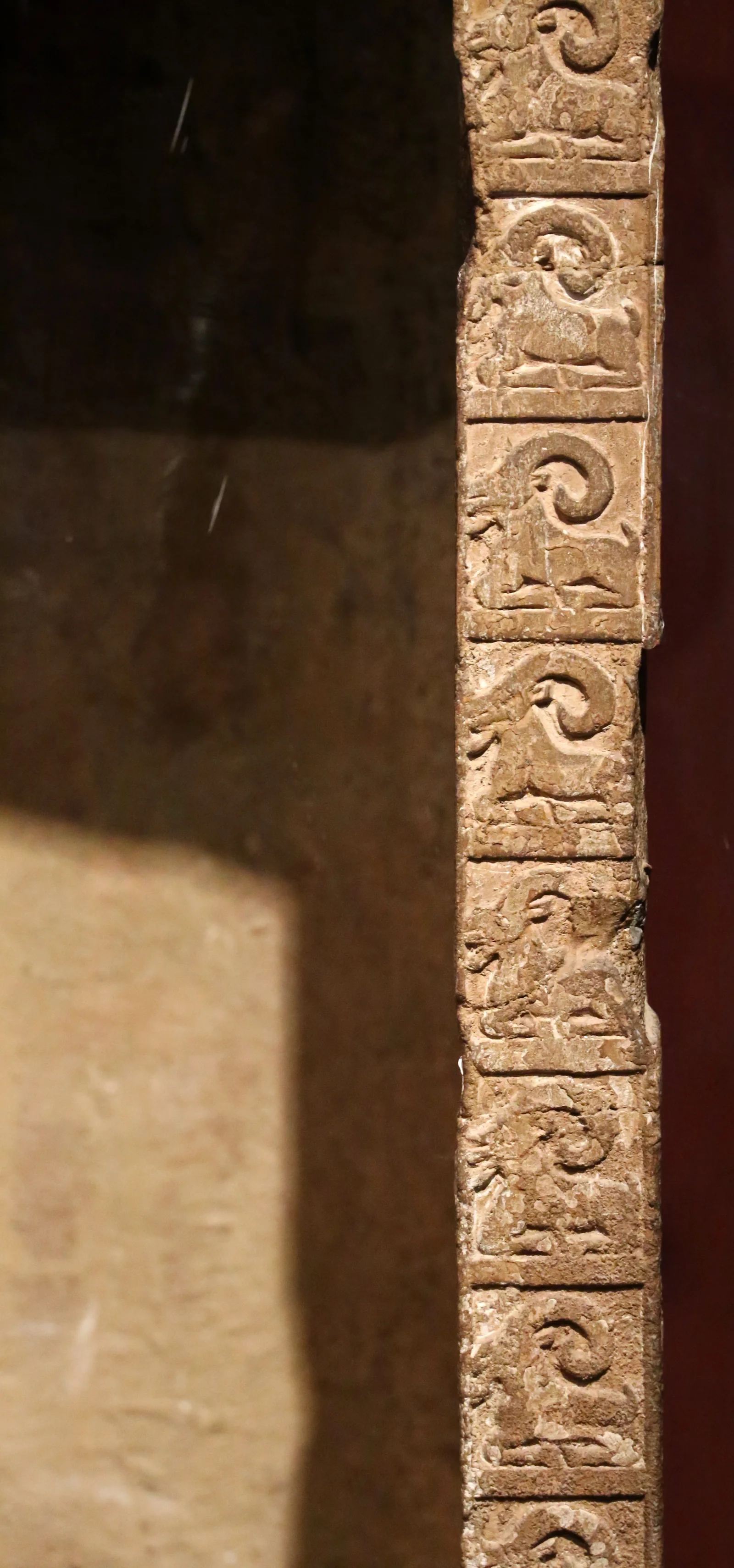 Ancientartifact
Archaeological collections of the National Museum of Ethiopia The file page records 2018-11-06 10:54:30 as the date of the photograph, not of the object.
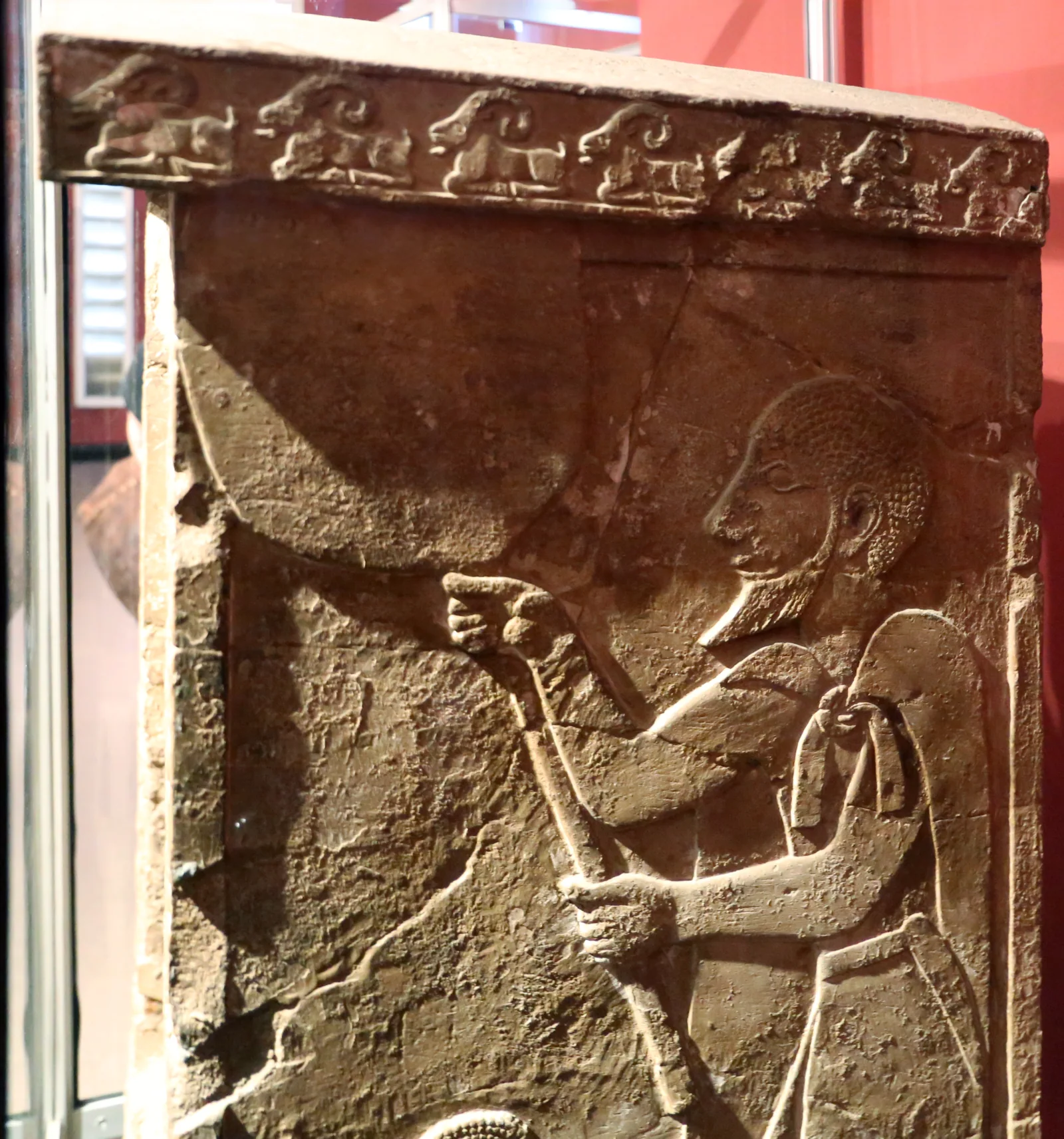 Ancientartifact
Archaeological collections of the National Museum of Ethiopia The file page records 2018-11-06 10:54:54 as the date of the photograph, not of the object.
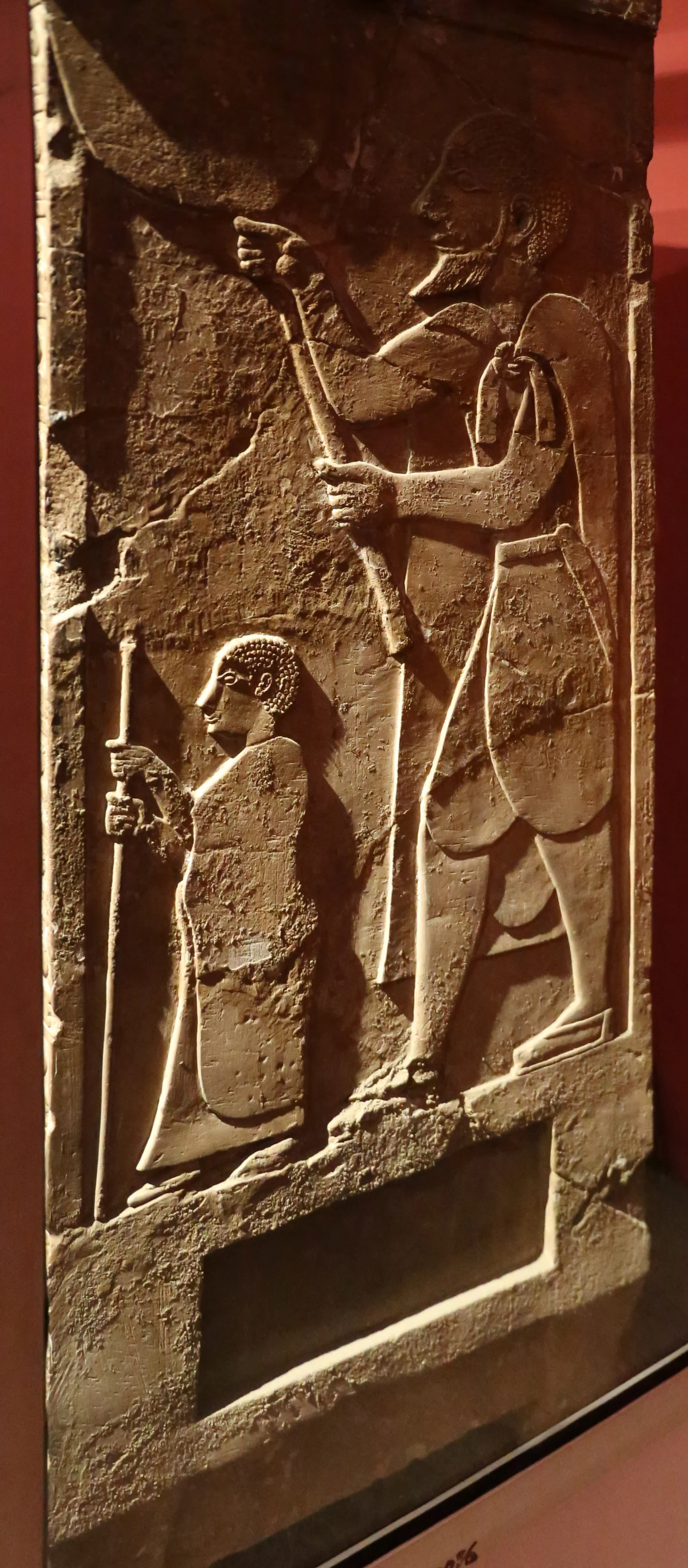 Ancientartifact
Archaeological collections of the National Museum of Ethiopia The file page records 2018-11-06 10:54:44 as the date of the photograph, not of the object.
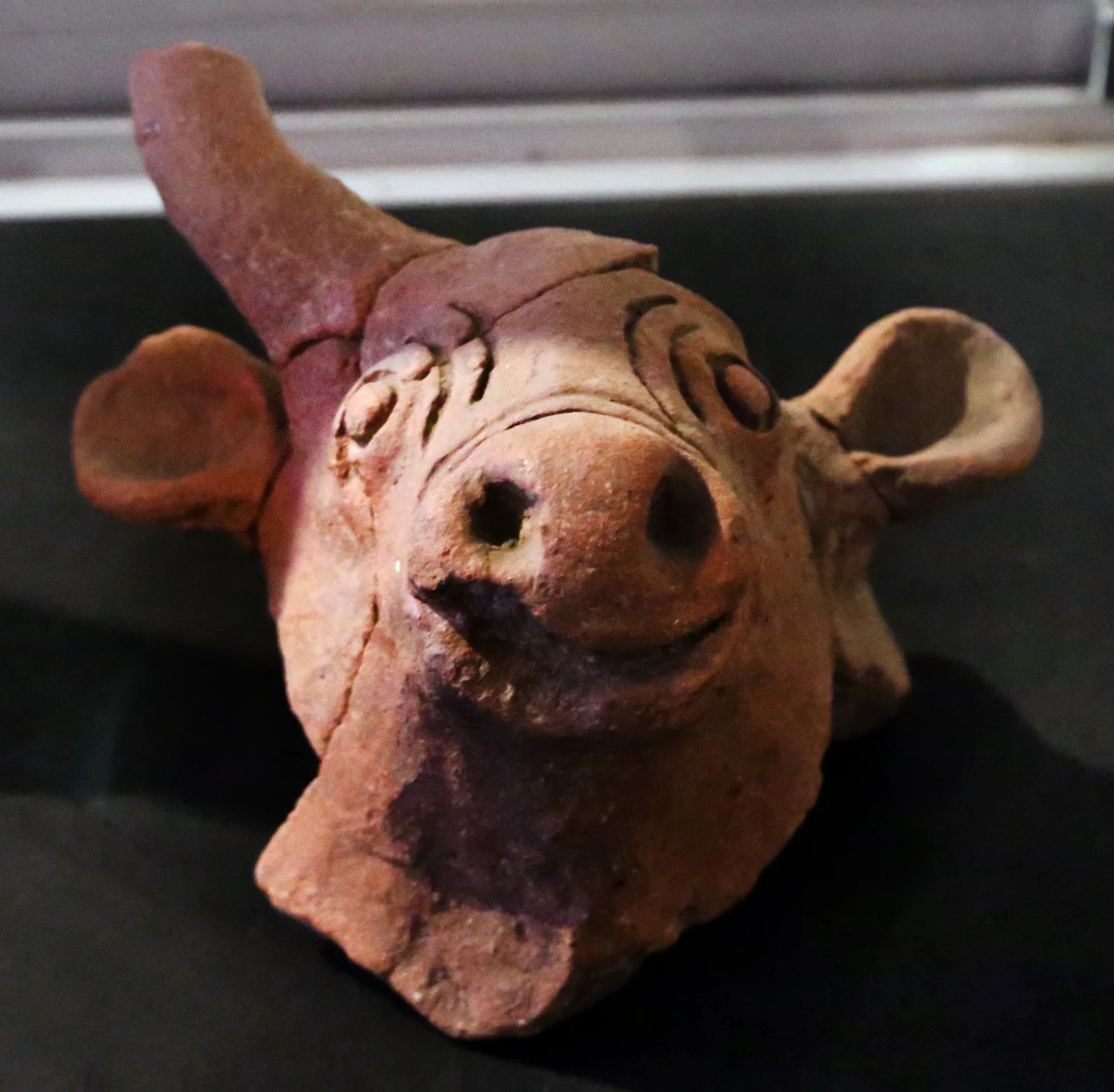 Ancientartifact
Archaeological collections of the National Museum of Ethiopia The file page records 2018-11-06 10:56:52 as the date of the photograph, not of the object.
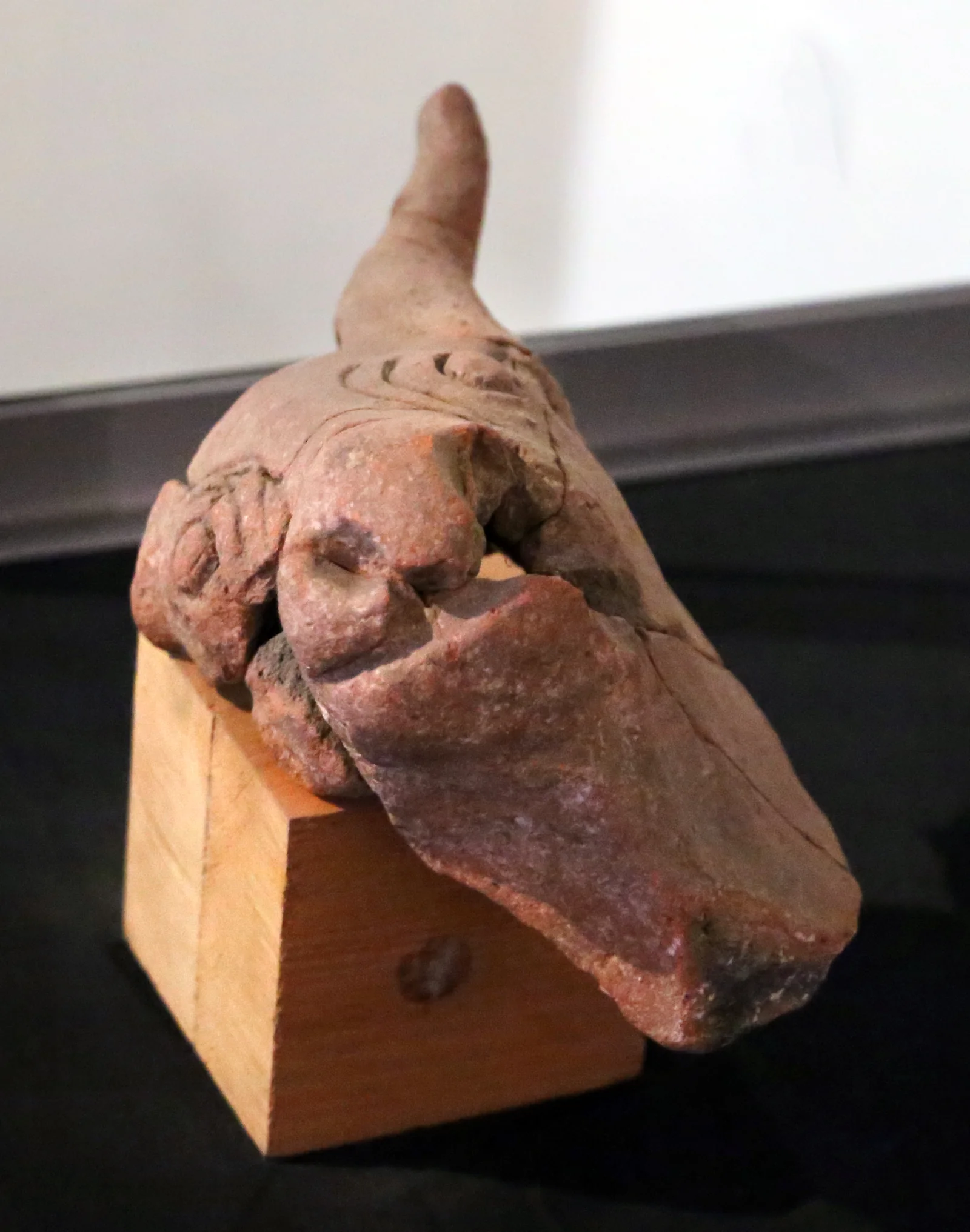 Ancientartifact
Archaeological collections of the National Museum of Ethiopia The file page records 2018-11-06 10:56:56 as the date of the photograph, not of the object.
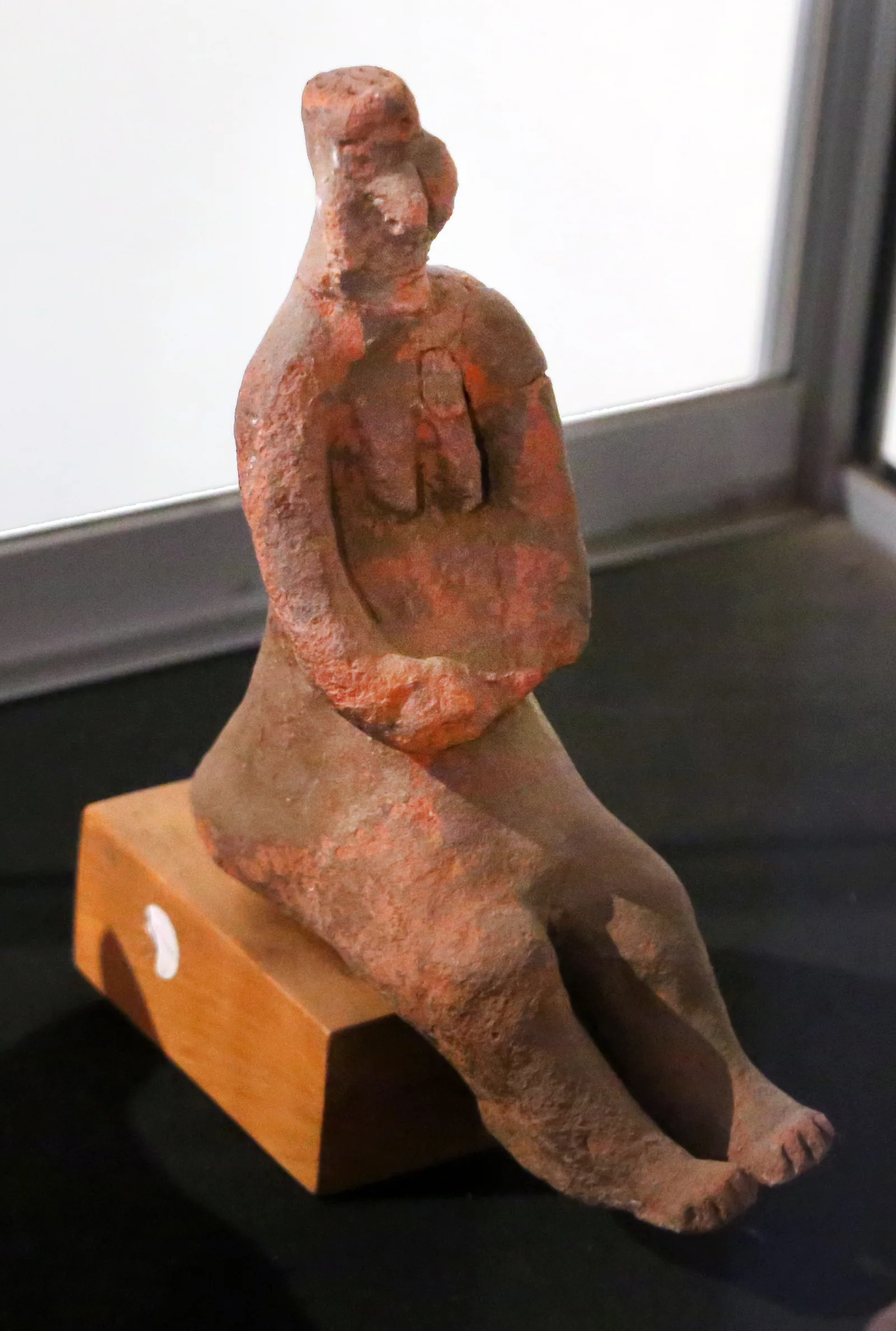 Ancientartifact
Archaeological collections of the National Museum of Ethiopia The file page records 2018-11-06 10:56:59 as the date of the photograph, not of the object.
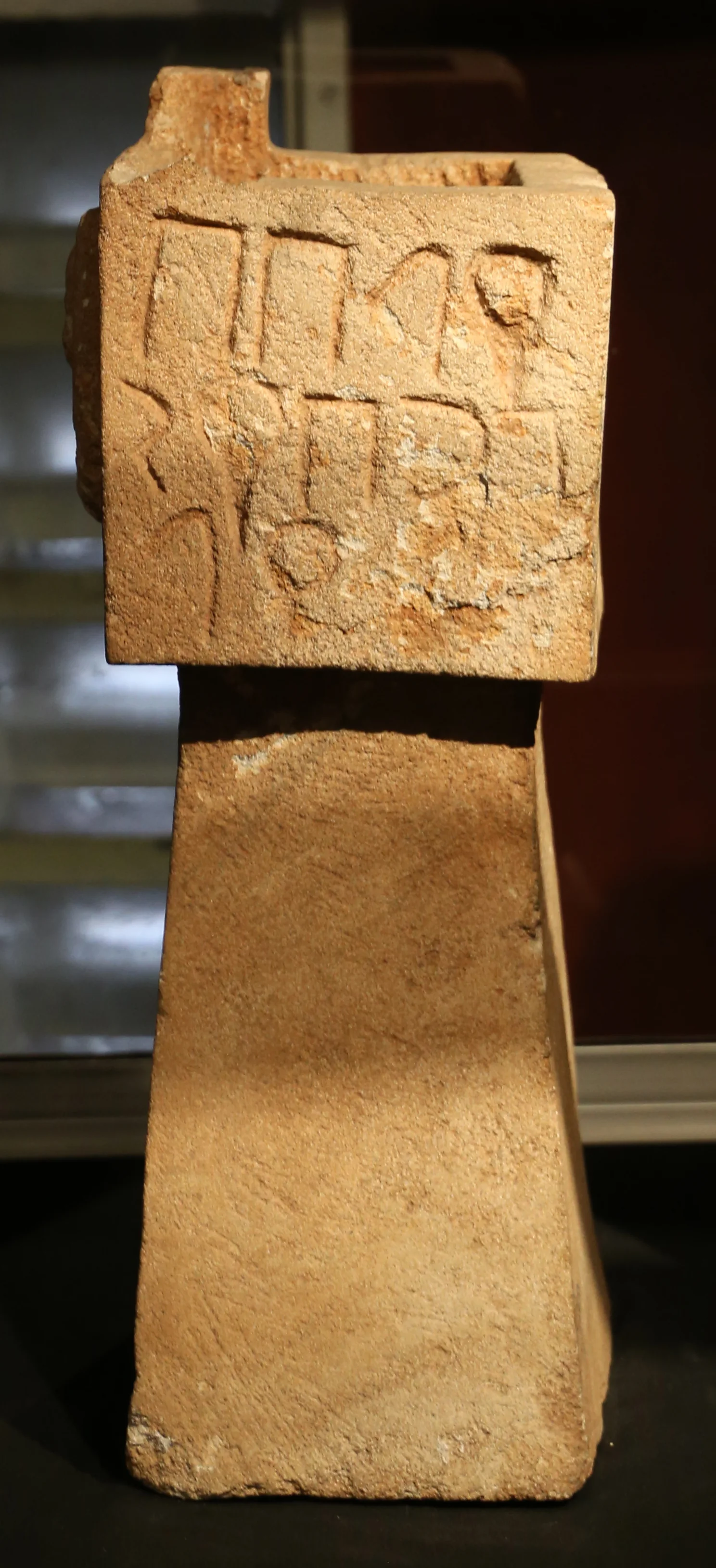 Ancientartifact
Archaeological collections of the National Museum of Ethiopia The file page records 2018-11-06 10:52:44 as the date of the photograph, not of the object.
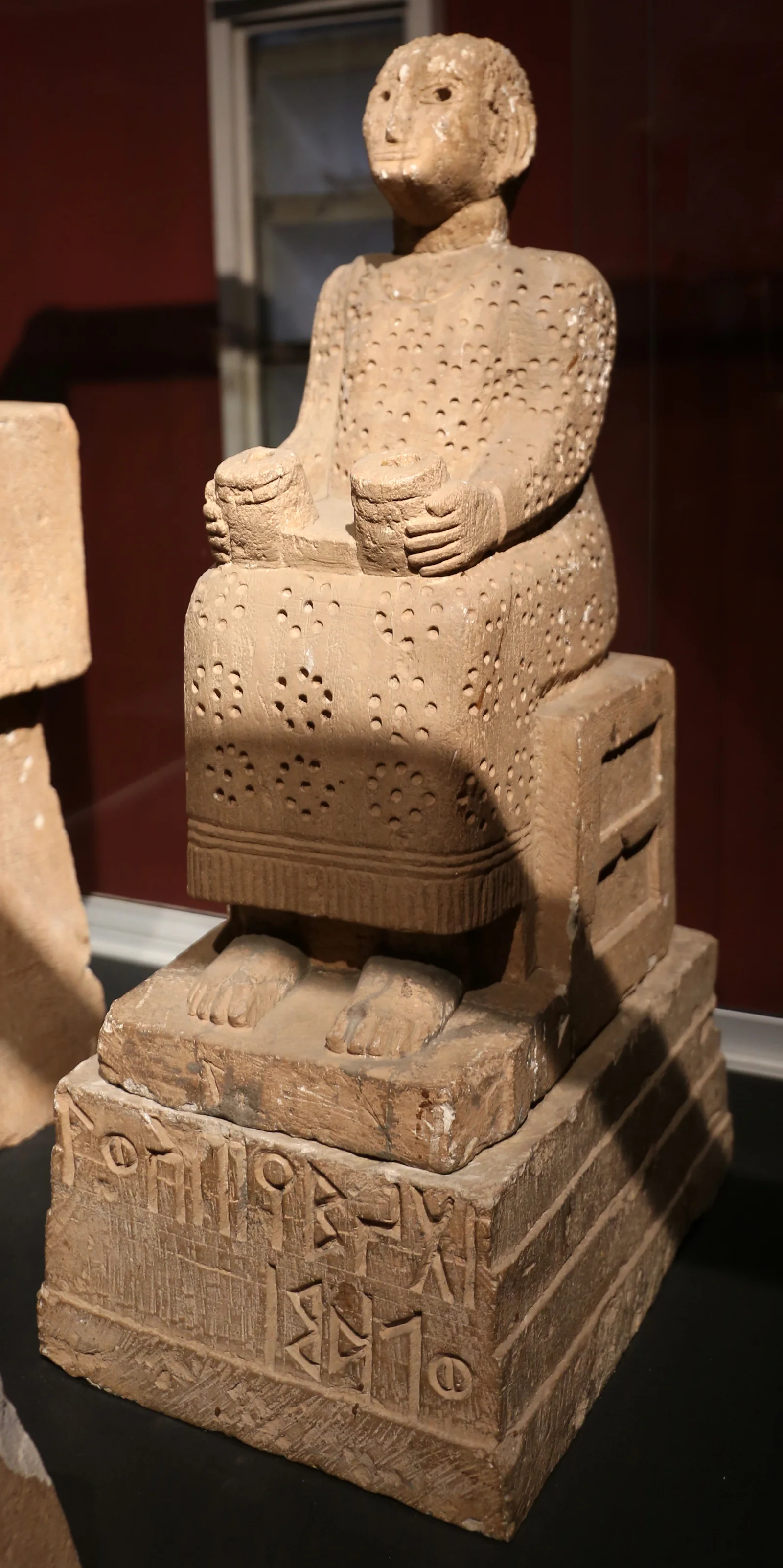 Ancientartifact
Archaeological collections of the National Museum of Ethiopia The file page records 2018-11-06 10:53:18 as the date of the photograph, not of the object.
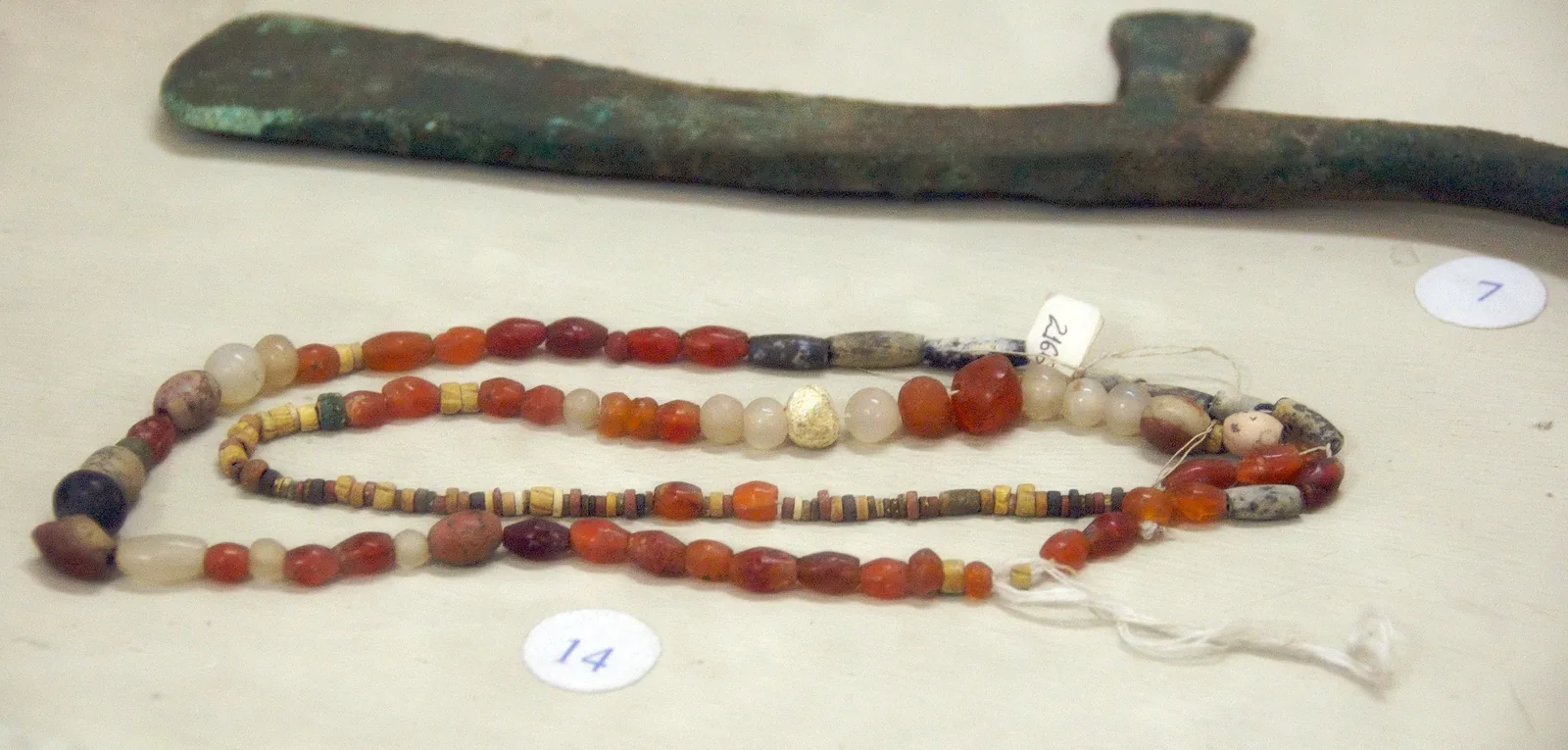 artifact
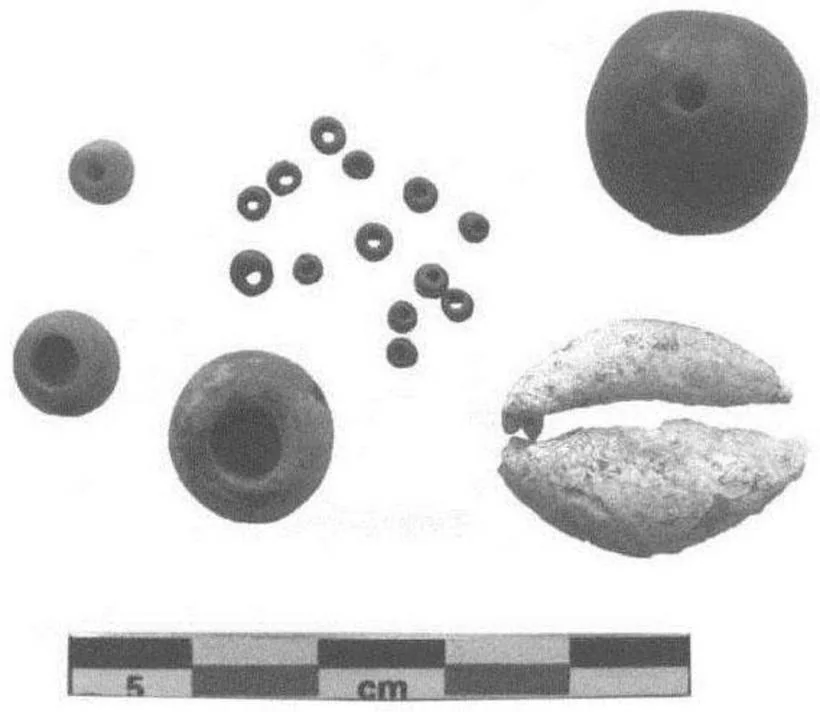
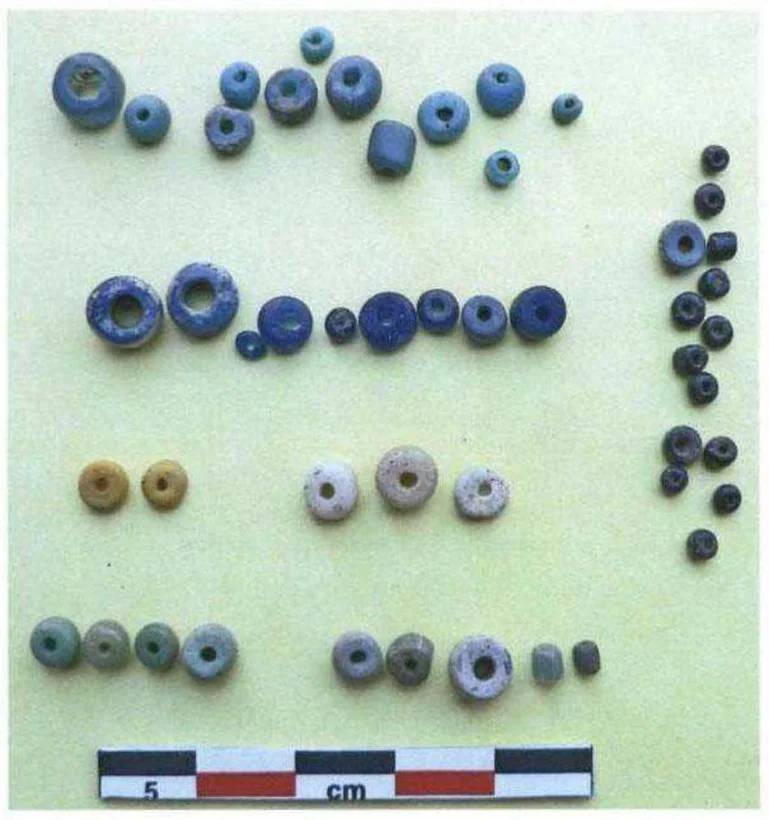
In the collection of the National Museum, Addis Ababa, Ethiopia. Taken without flash. I've complied with restrictions on the use of flash, and taken photos only when permitted by the museum. The Commons file page gives the source as: Ancient Beads, Ethiopia.
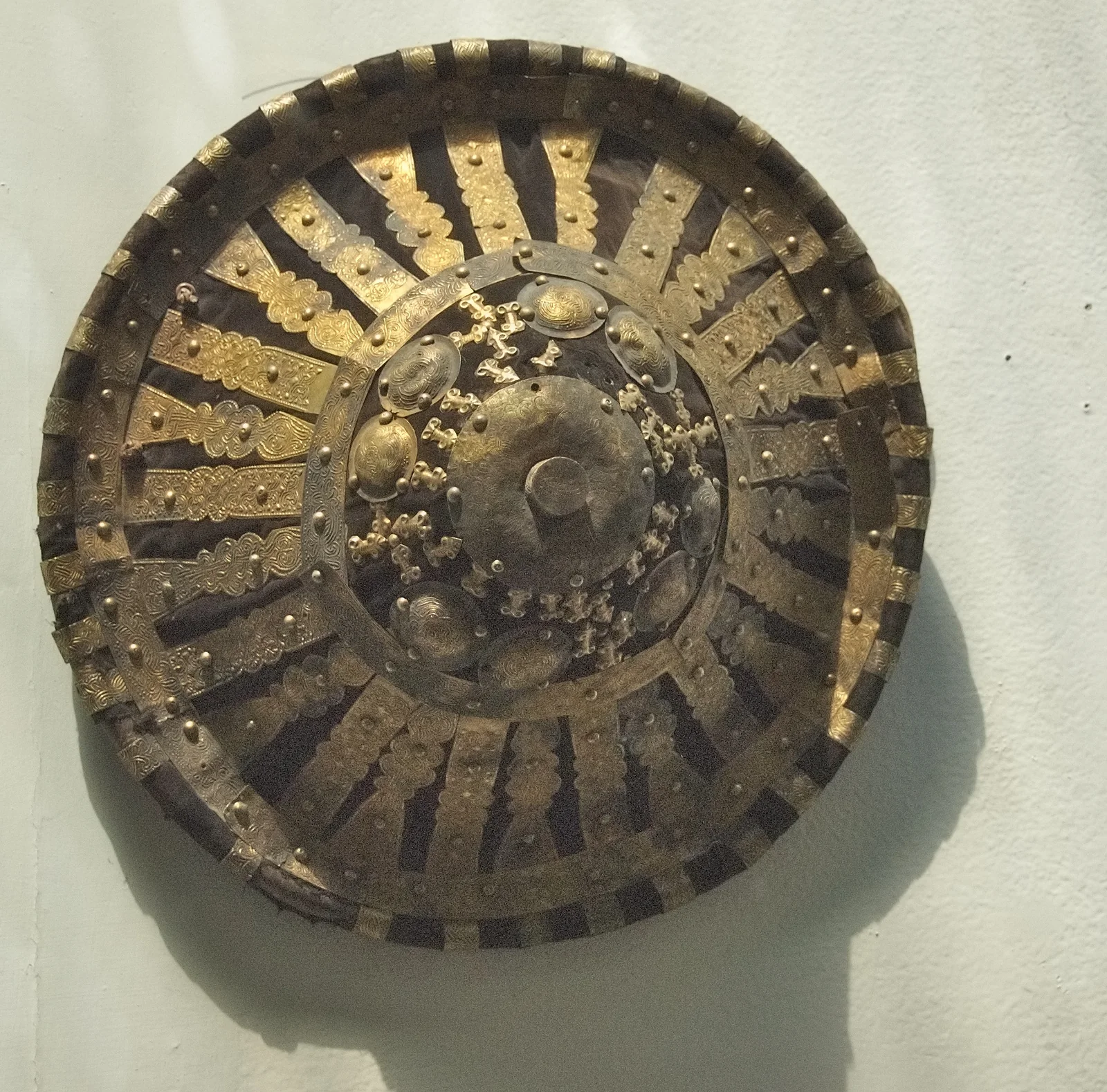 artifact
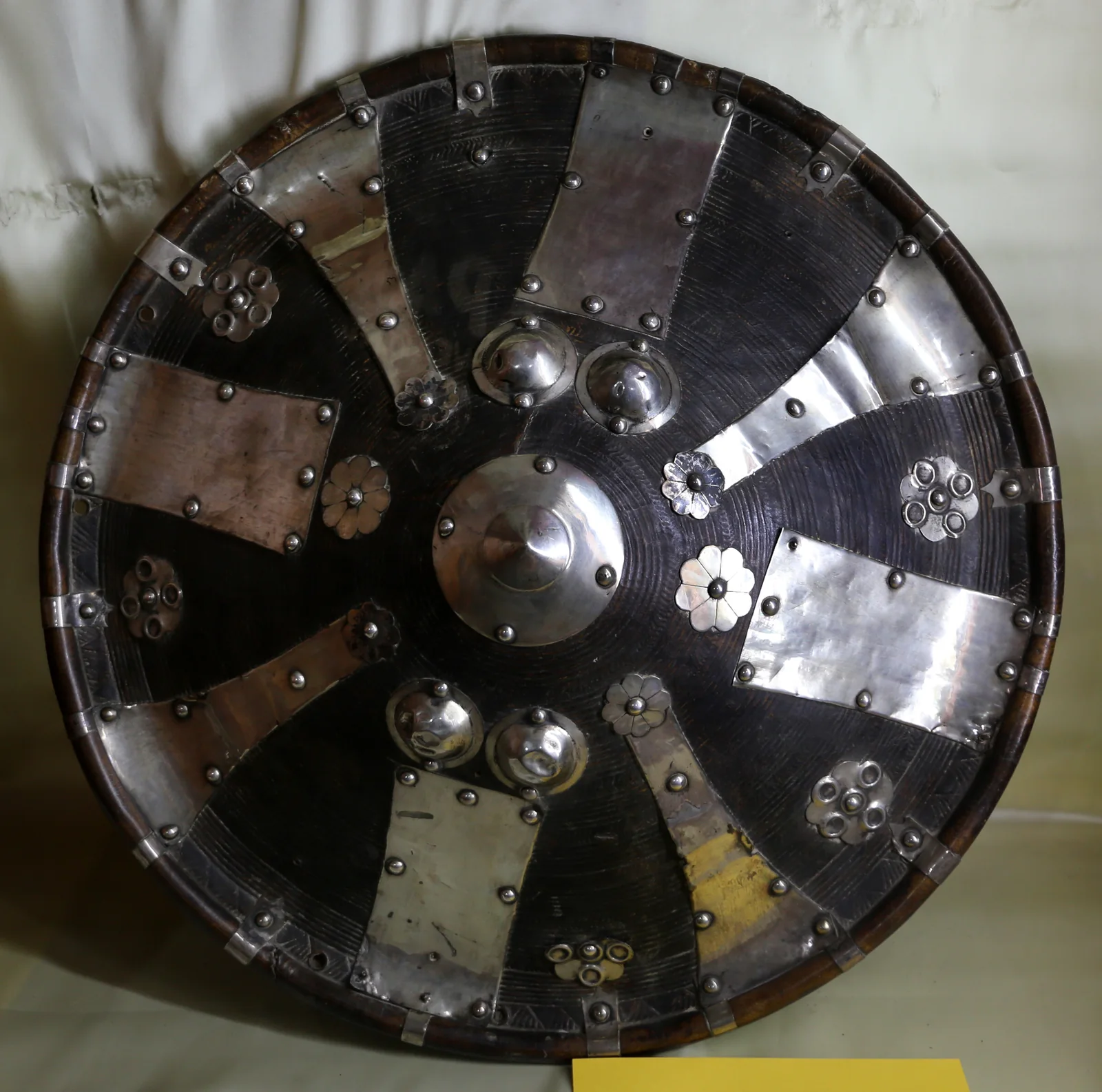
This highly ornamented leather shield is the type formerly used by elite warriors in Ethiopia. In the ethnographic collection of the National Museum, Addis Ababa, Ethiopia. The Commons file page gives the source as: Ethiopian Shield Uploaded by Elitre.
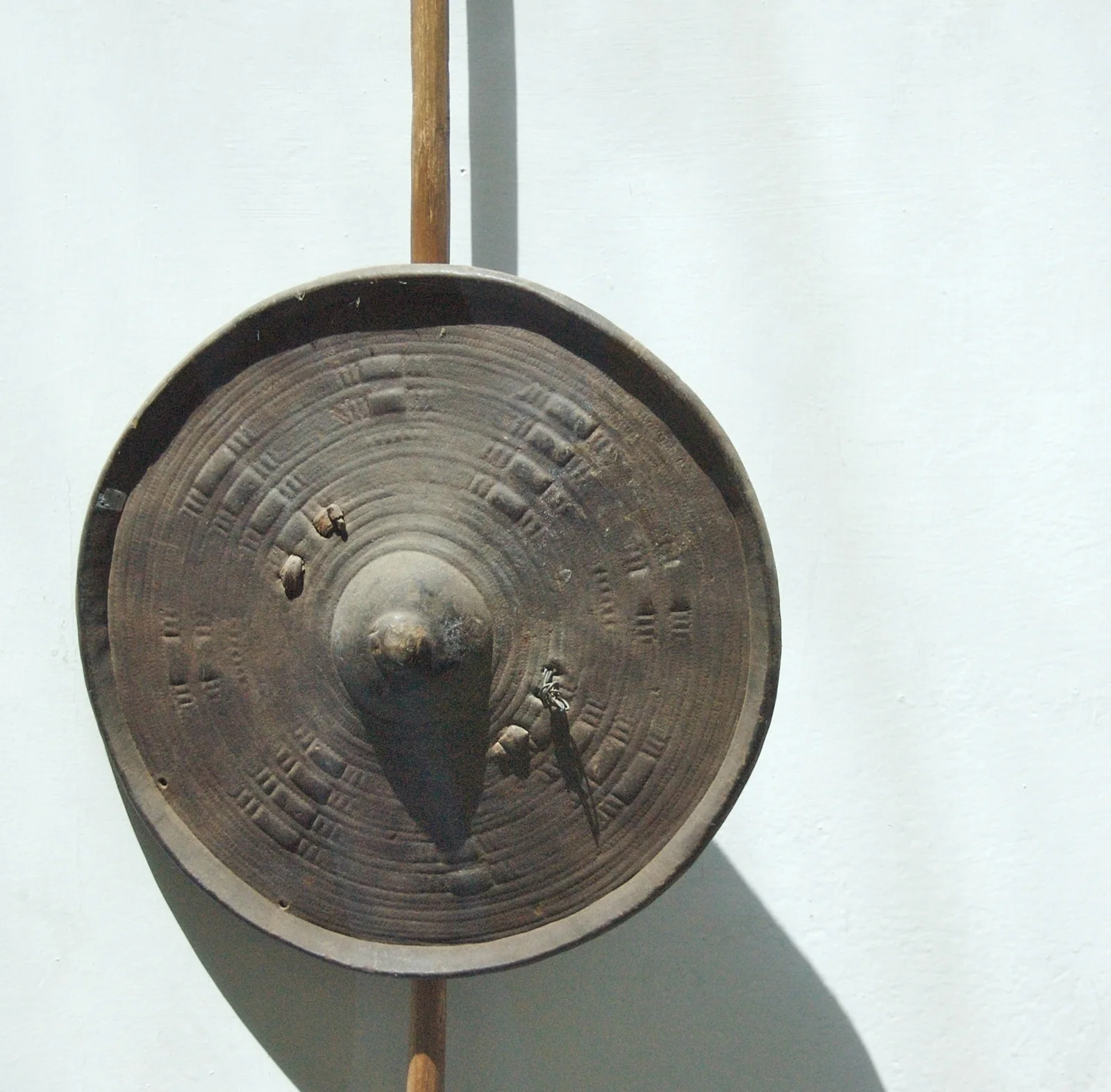 artifact
In the ethnographic collection of the National Museum, Addis Ababa, Ethiopia. I've complied with restrictions on the use of flash, and taken photos only when permitted by the museum.
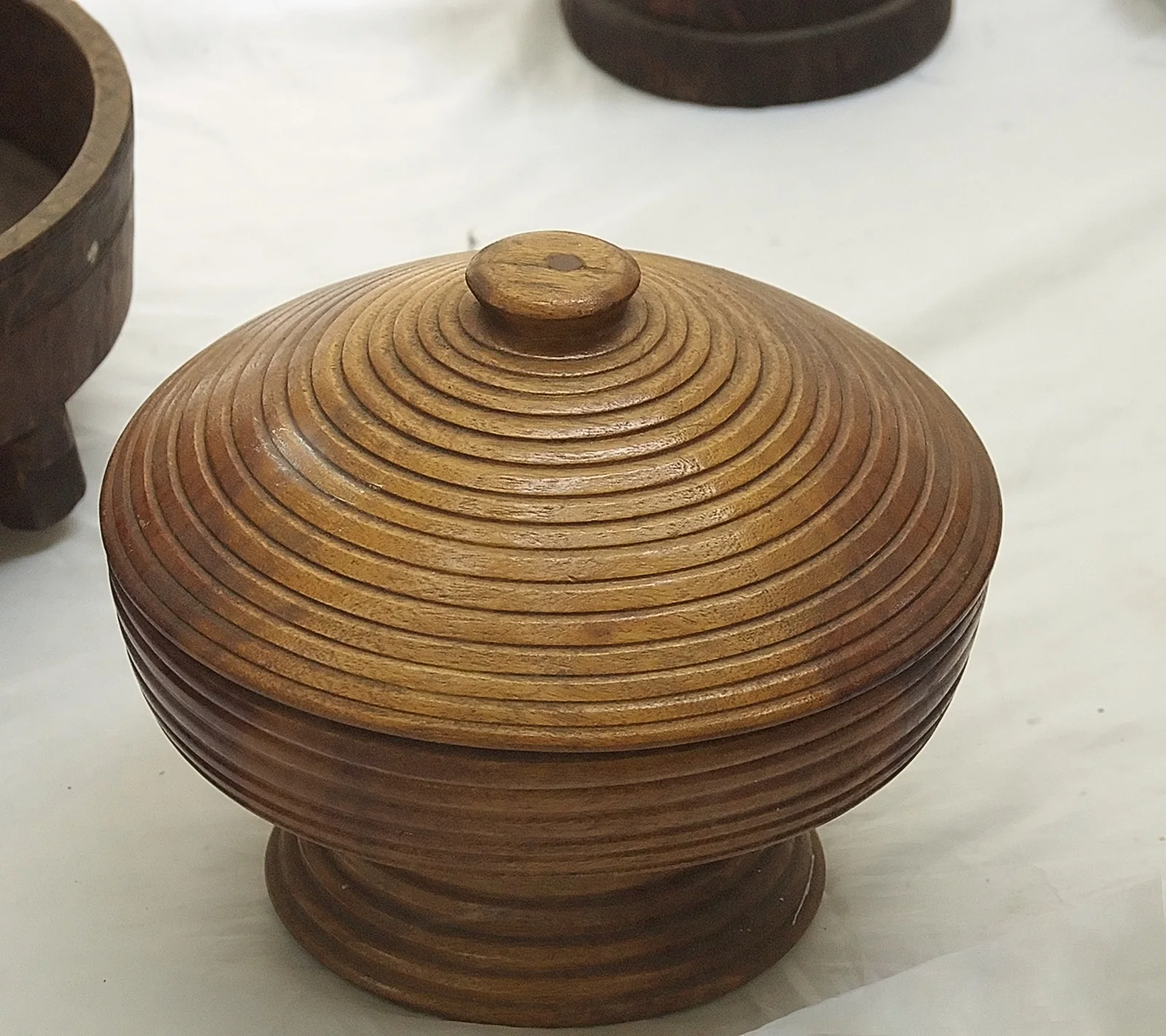 artifact
In the ethnographic collection of the National Museum, Addis Ababa, Ethiopia. I've complied with restrictions on the use of flash, and taken photos only when permitted by the museum.
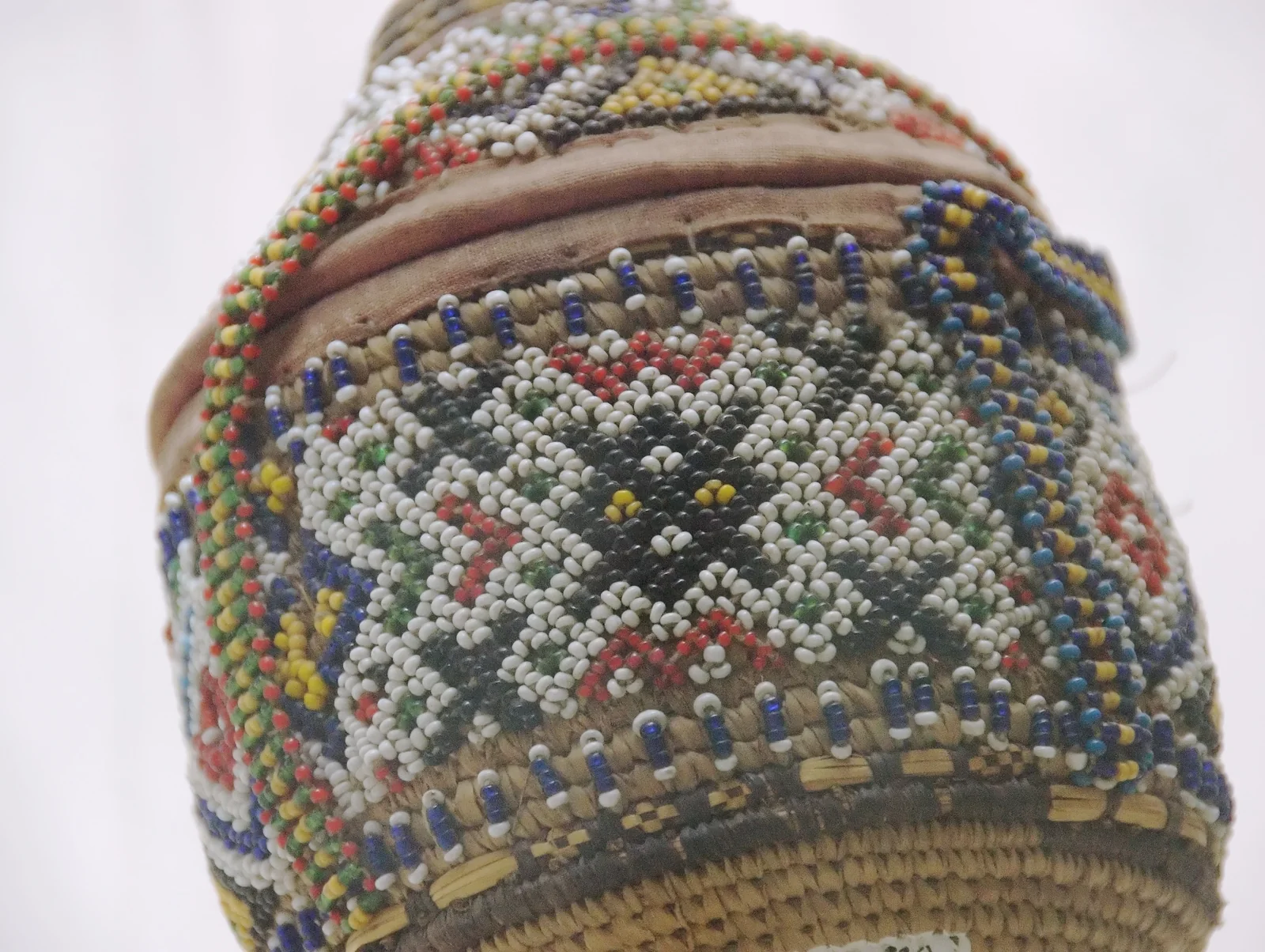 artifact
Eye candy! In the ethnographic collection of the National Museum, Addis Ababa, Ethiopia. I've complied with restrictions on the use of flash, and taken photos only when permitted by the museum.
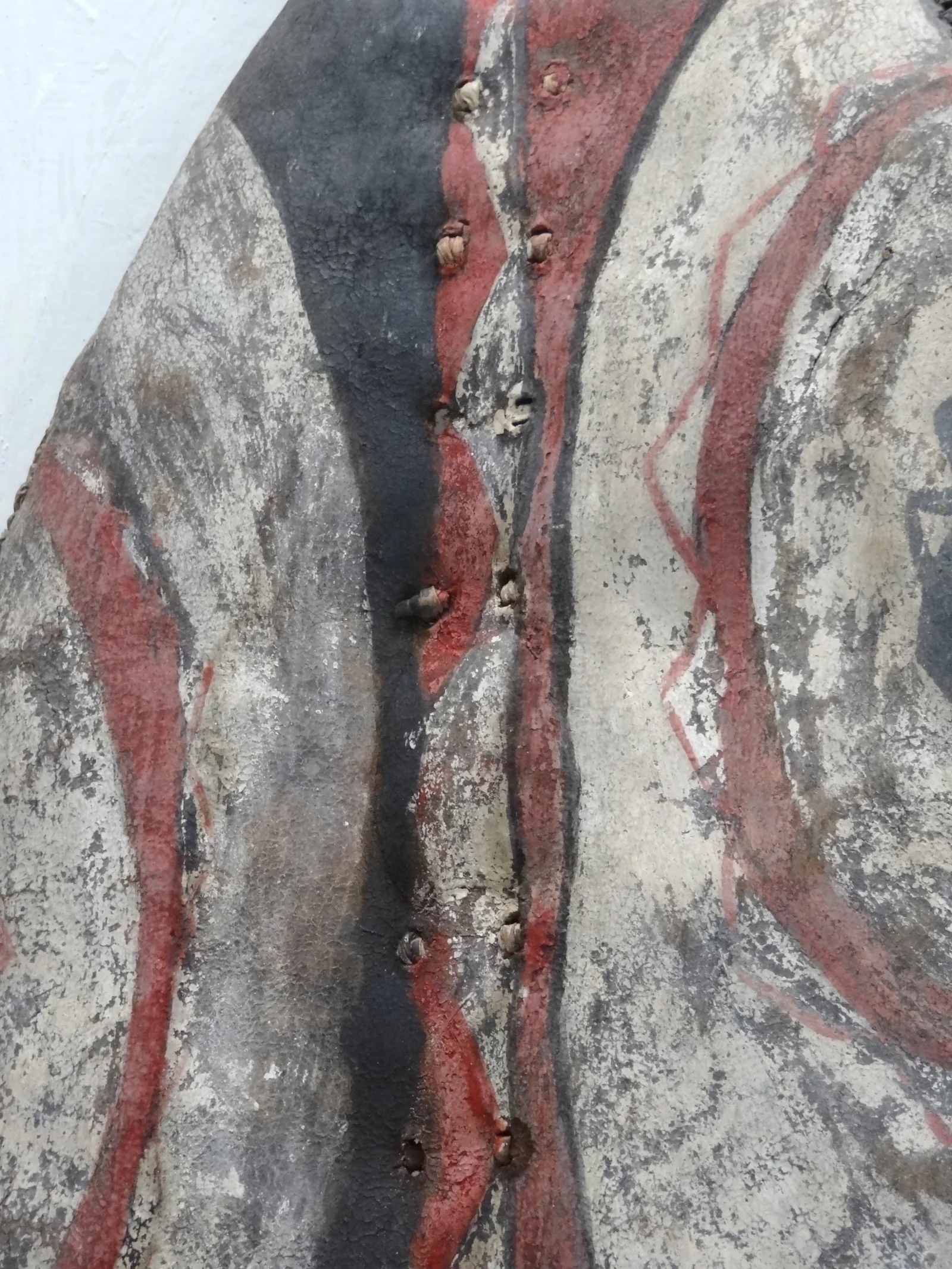 artifact
Detail of Leather Shield - National Museum of Ethiopia - Addis Ababa - Ethiopia The Commons file page gives the source as: Detail of Leather Shield - National Museum of Ethiopia - Addis Ababa - Ethiopia.
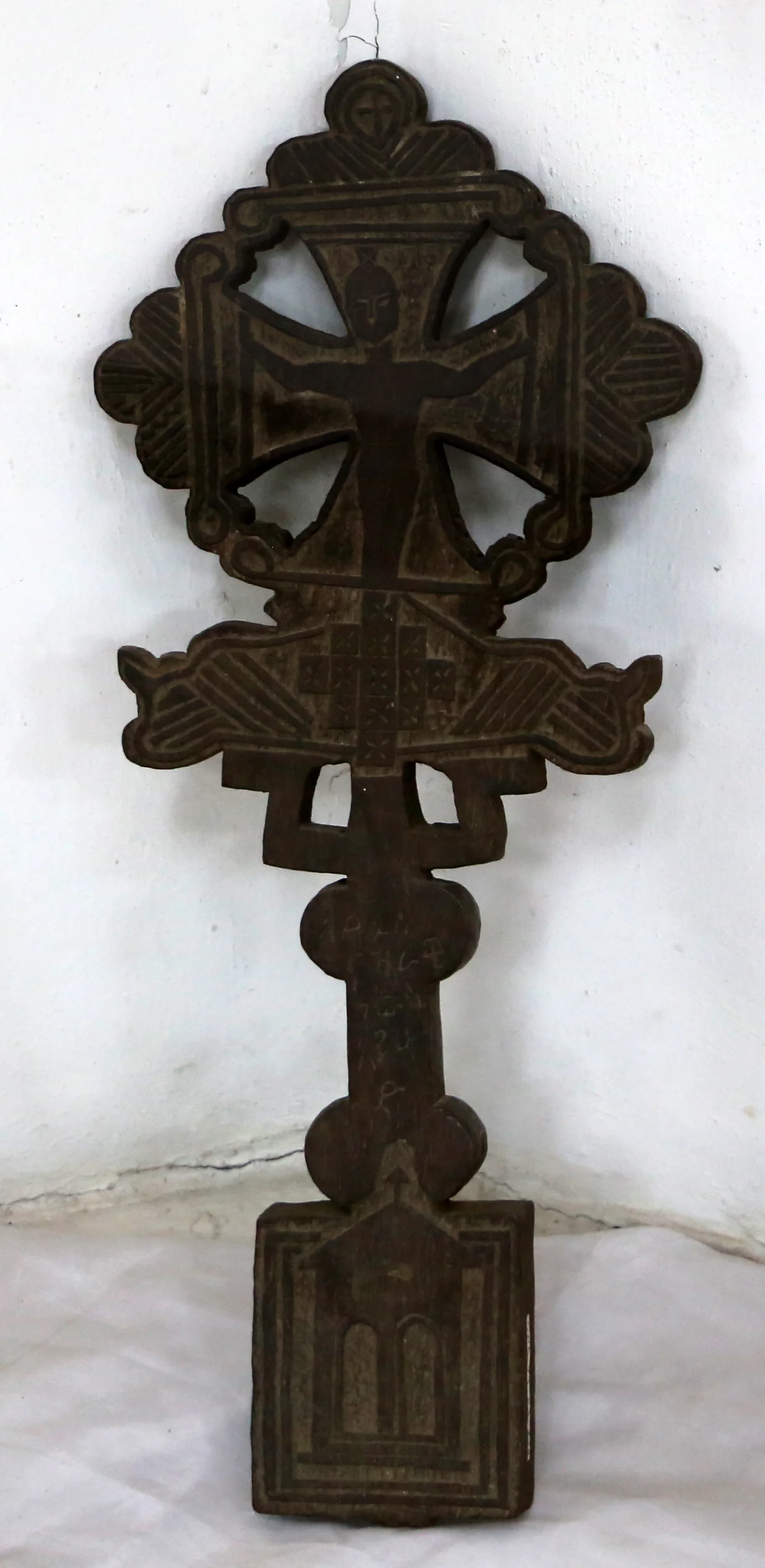 artifact
Ethnological collections of the National Museum of Ethiopia The file page records 2018-11-06 11:12:33 as the date of the photograph, not of the object.
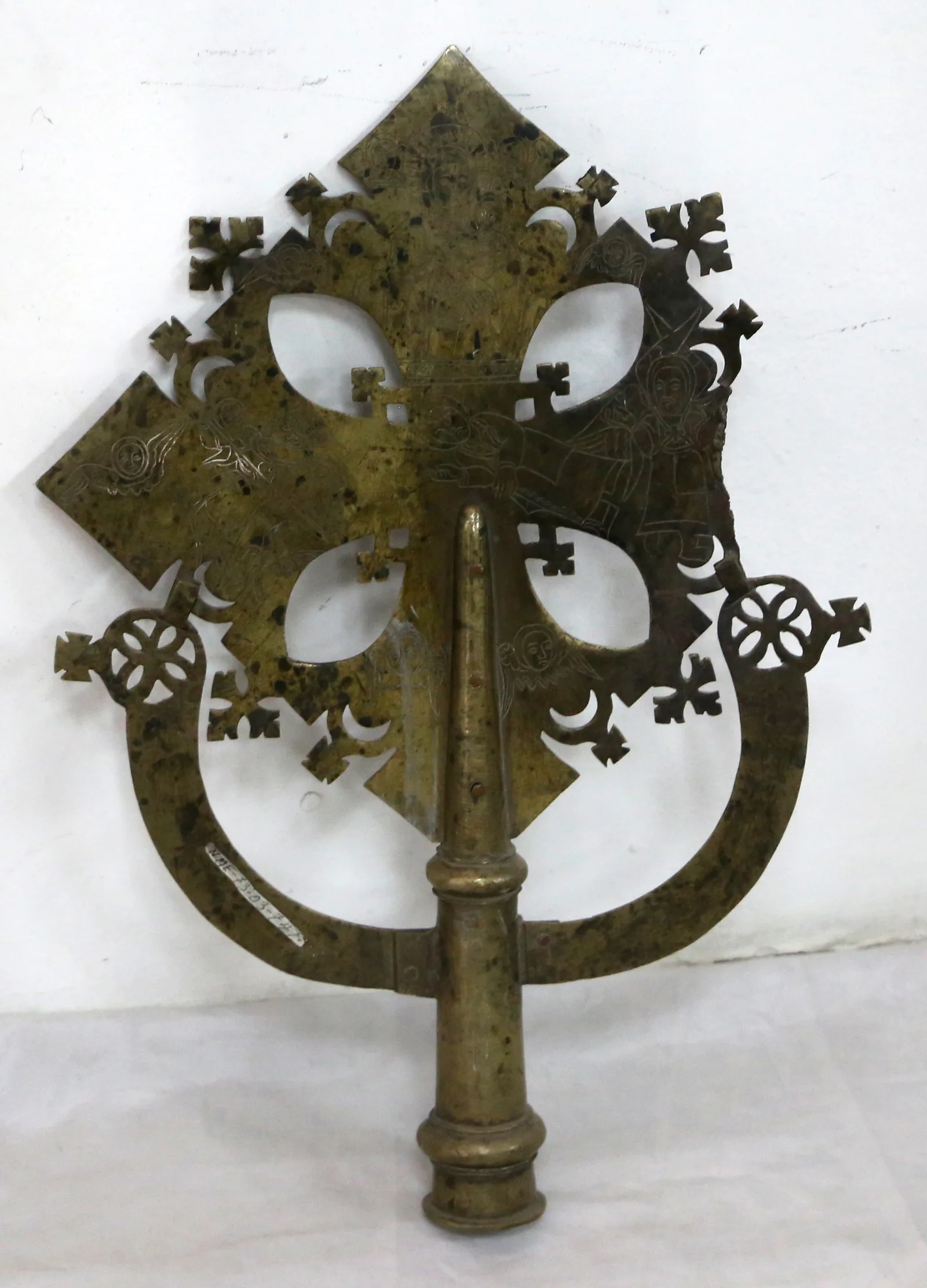 artifact
Ethnological collections of the National Museum of Ethiopia The file page records 2018-11-06 11:12:27 as the date of the photograph, not of the object.
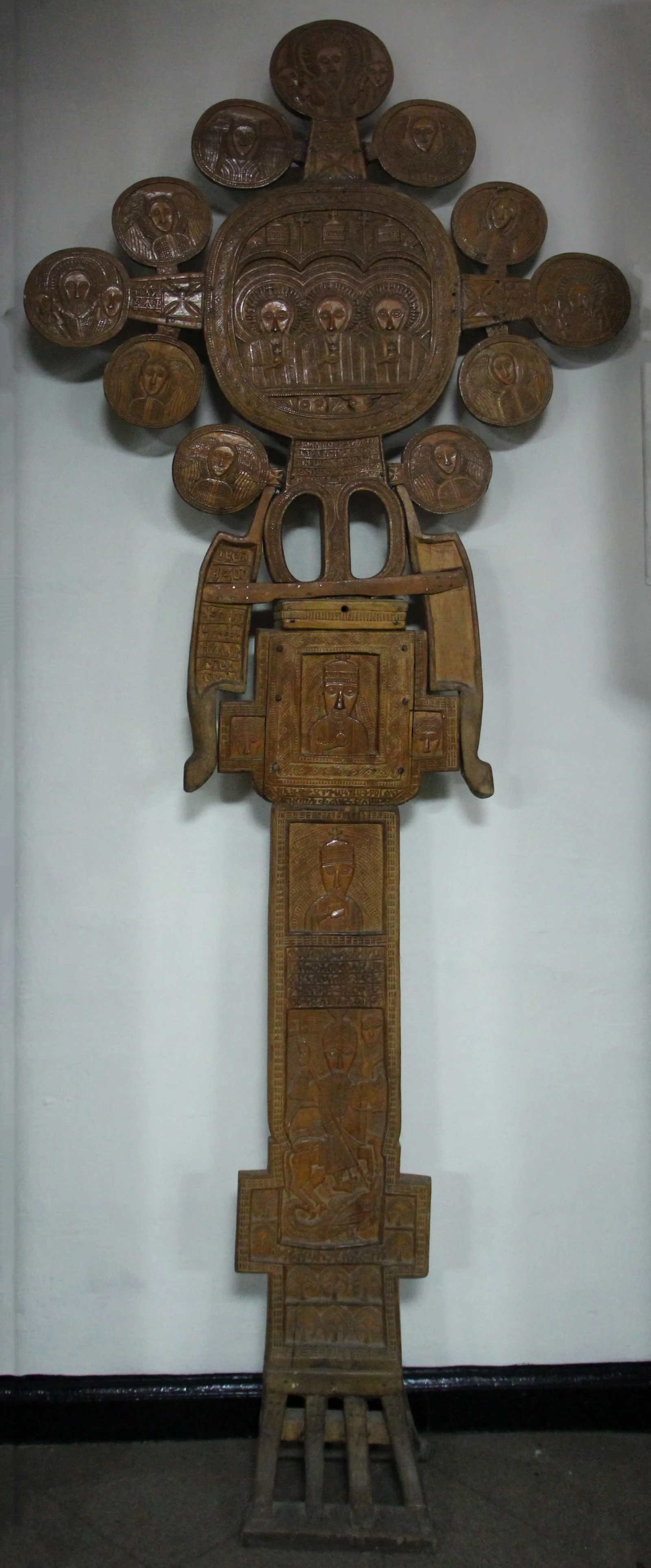 artifact
Ethnological collections of the National Museum of Ethiopia The file page records 2018-11-06 10:16:32 as the date of the photograph, not of the object.
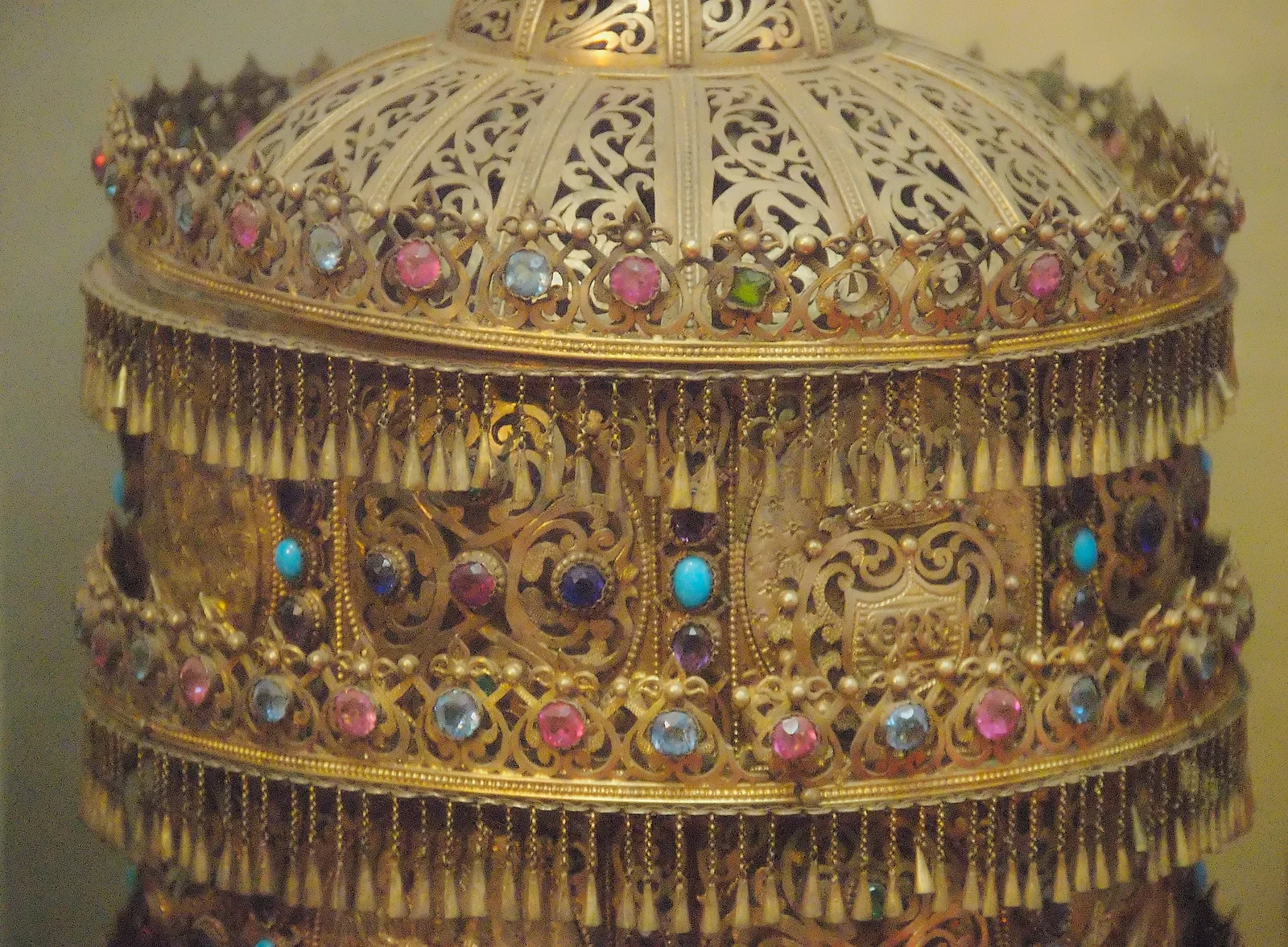 artifact
In the collection of the National Museum, Addis Ababa, Ethiopia. Taken without flash. I've complied with restrictions on the use of flash, and taken photos only when permitted by the museum.
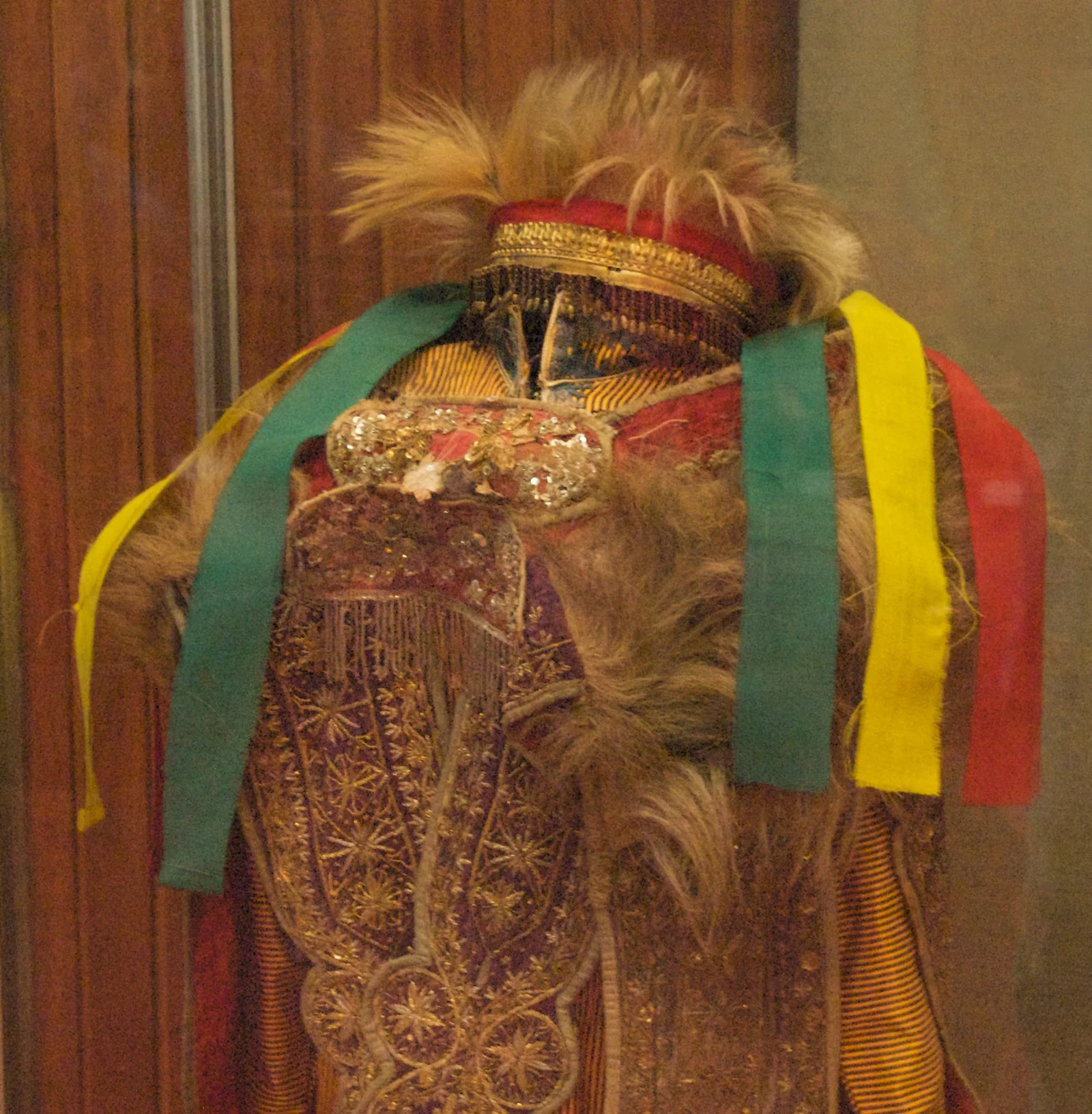 artifact
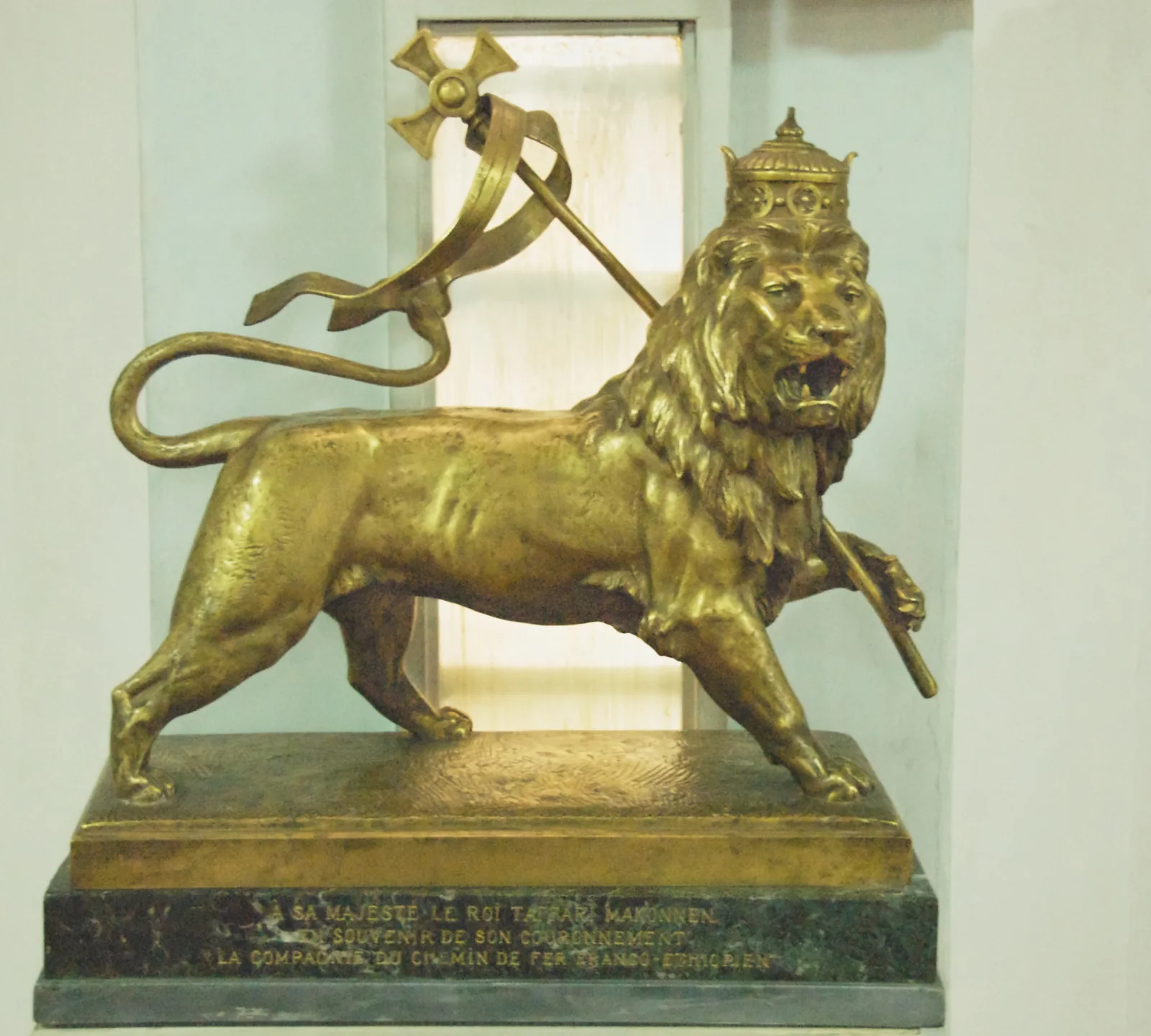
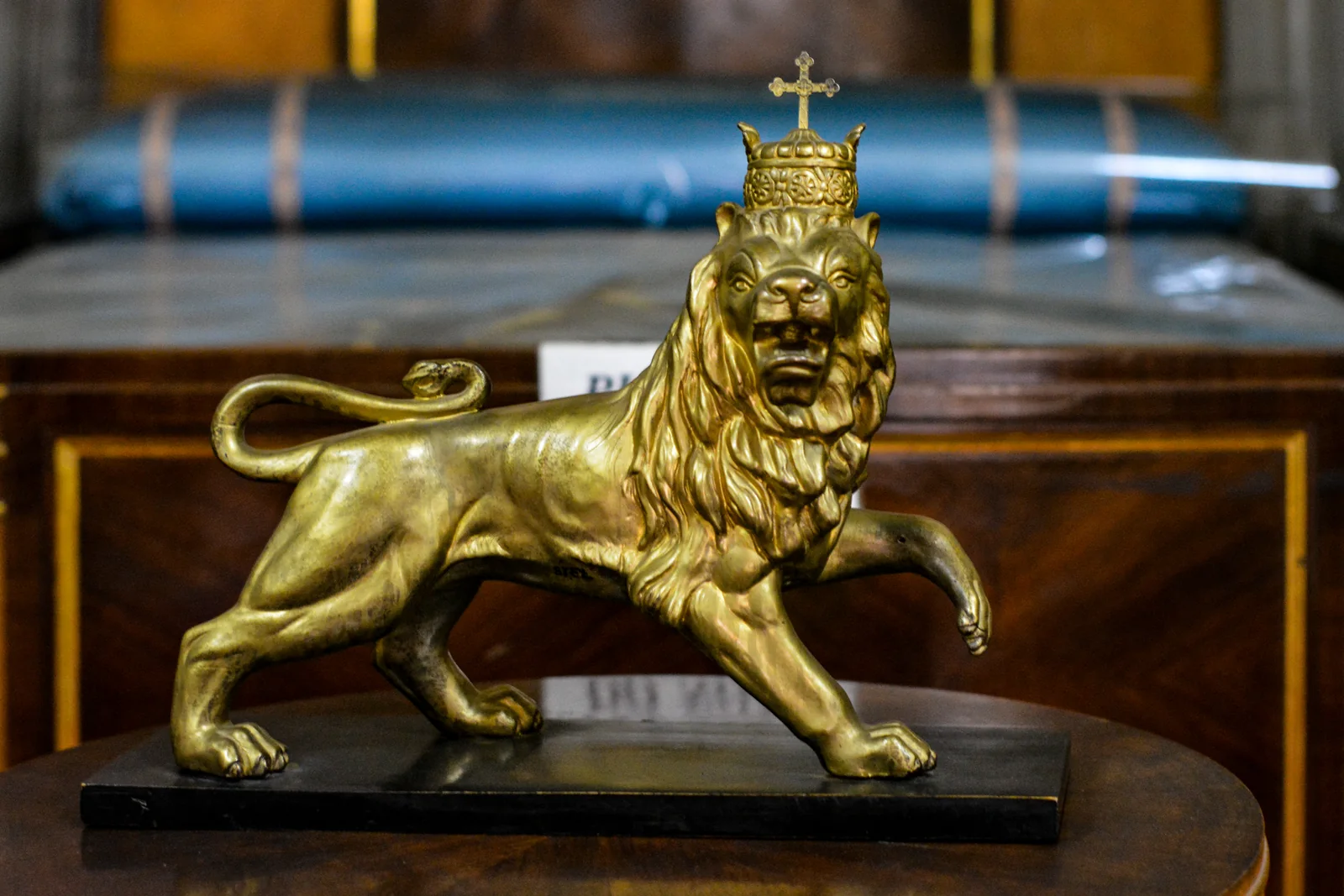
The fur, including the fur on the crown, most likely comes from the black-maned lion, an animal long associated with Ethiopian royalty.
 artifact
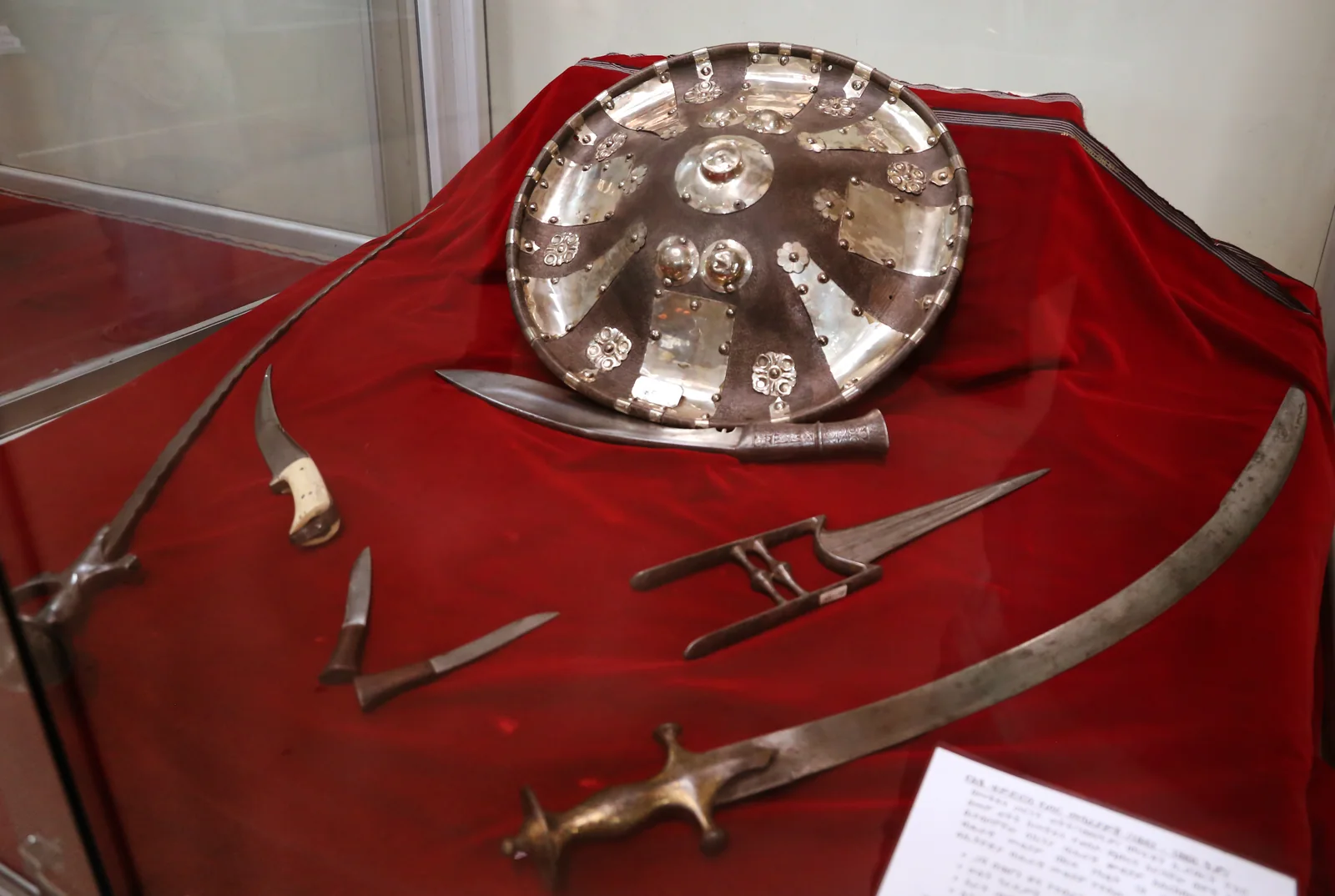
Collections of the National Museum of Ethiopia The file page records 2018-11-06 10:50:38 as the date of the photograph, not of the object.
 artifact
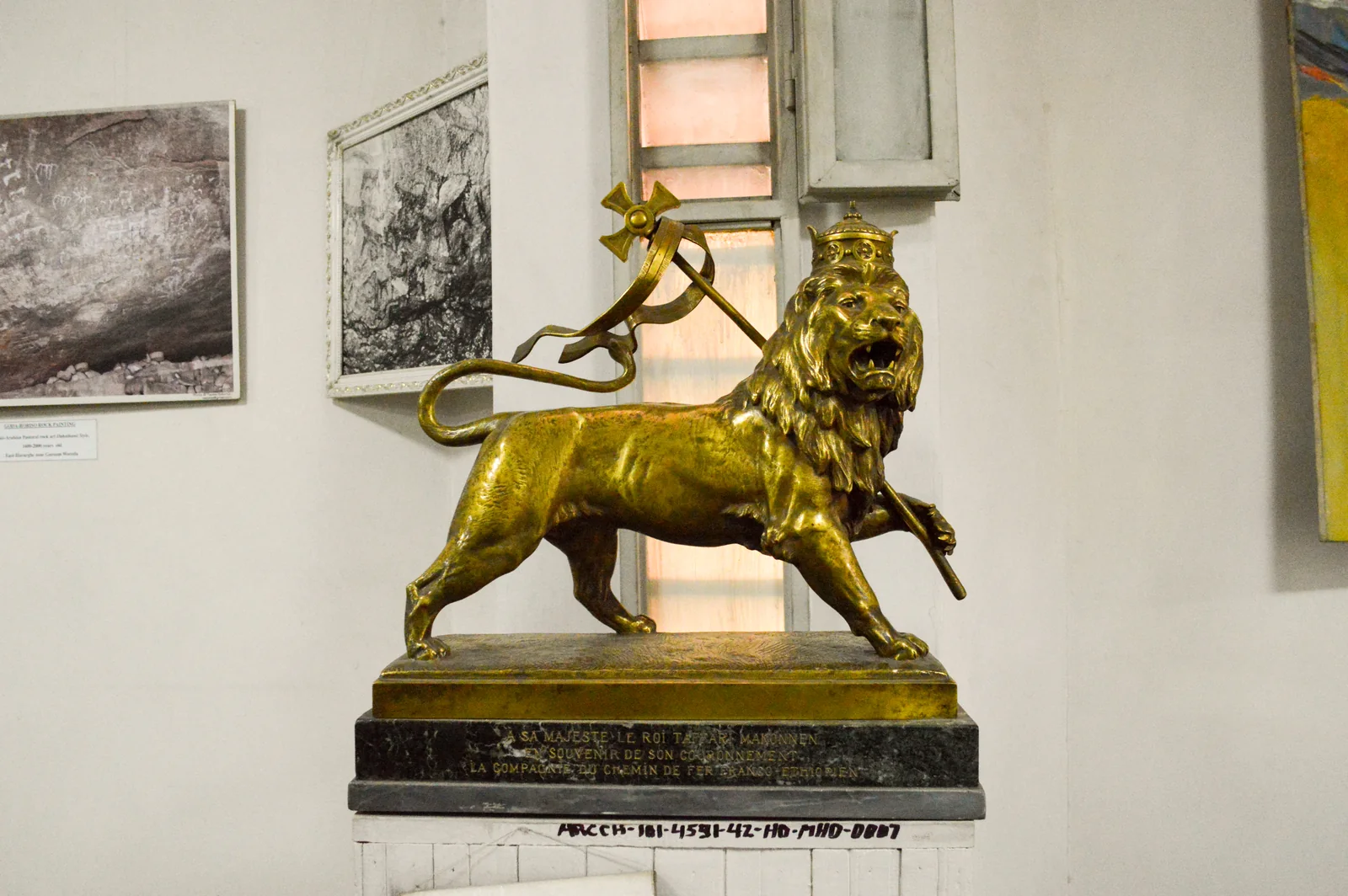
The inscription commemorates the coronation of Tafari Makonnen. The source places this statue in the National Museum, Addis Ababa.
 artifact
Sculpture of the Lion of Judah in Haile Selassie's room. Collection of the National Museum of Ethiopia, Addis Ababa, Ethiopia. The file page records 2022-11-30 13:36:57 as the date of the photograph, not of the object.
 artifact
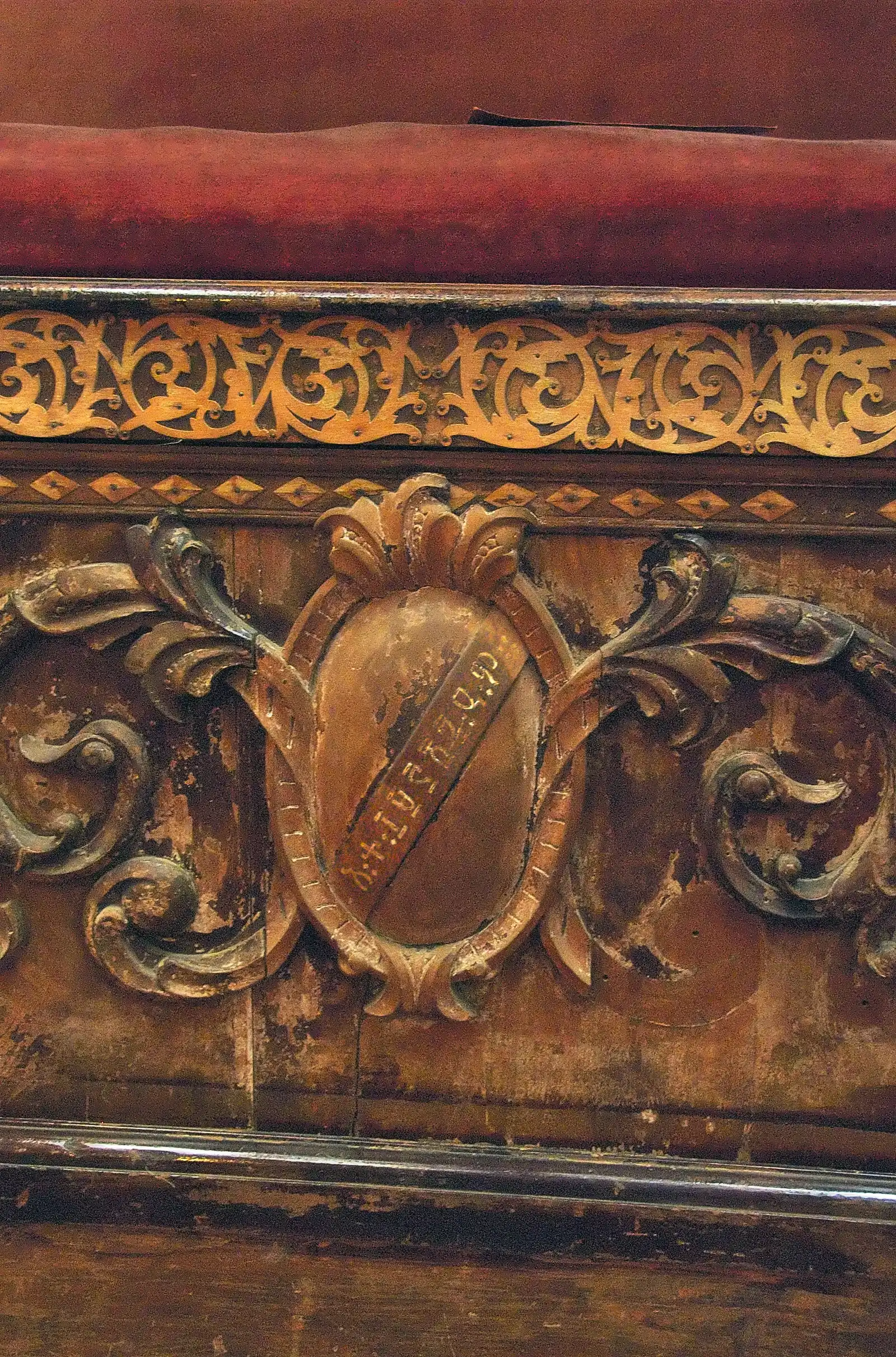
Throne of Ethiopian Emperor Haile Selassie I. In the collection of the National Museum, Addis Ababa, Ethiopia. Taken without flash. I've complied with restrictions on the use of flash, and taken photos only when permitted by the museum.
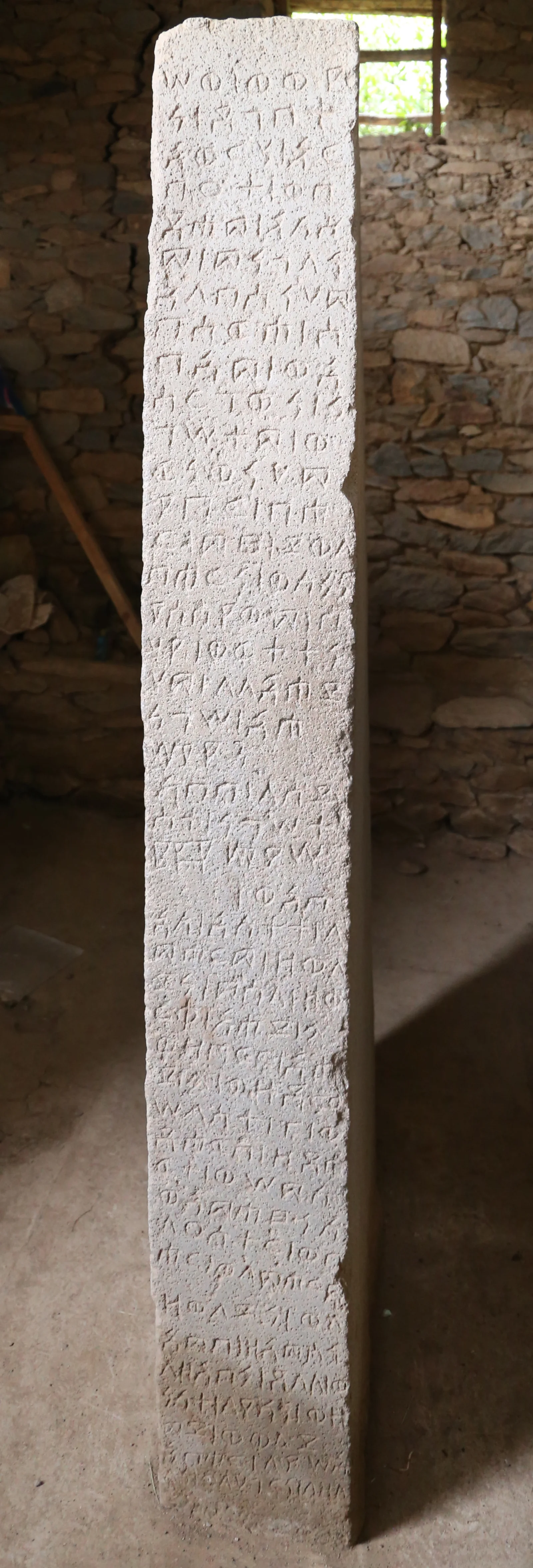 Ancientartifact
Ezana Stone The file page records 2018-11-16 13:40:43 as the date of the photograph, not of the object.
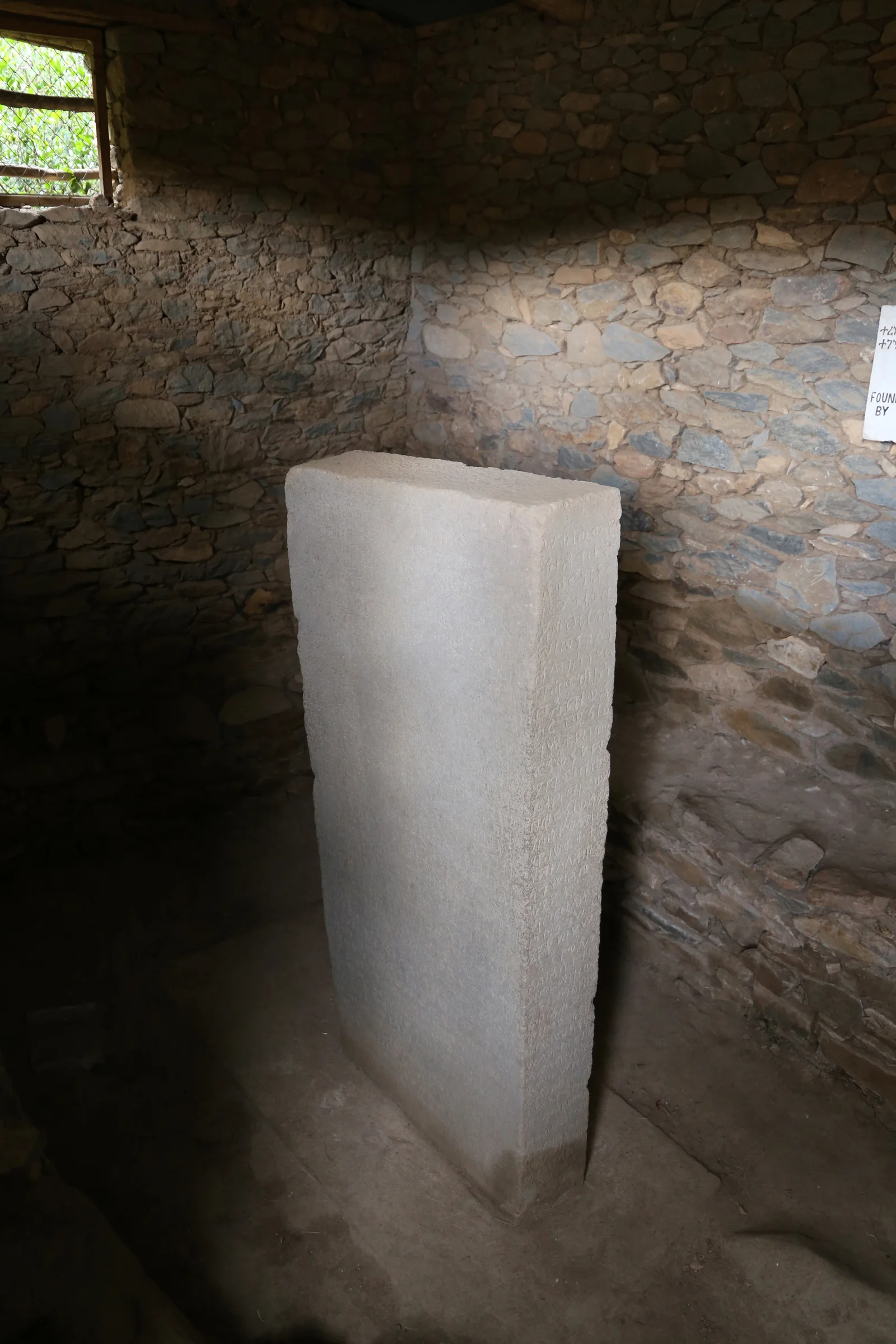 Ancientartifact
Ezana Stone The file page records 2018-11-16 13:40:26 as the date of the photograph, not of the object.
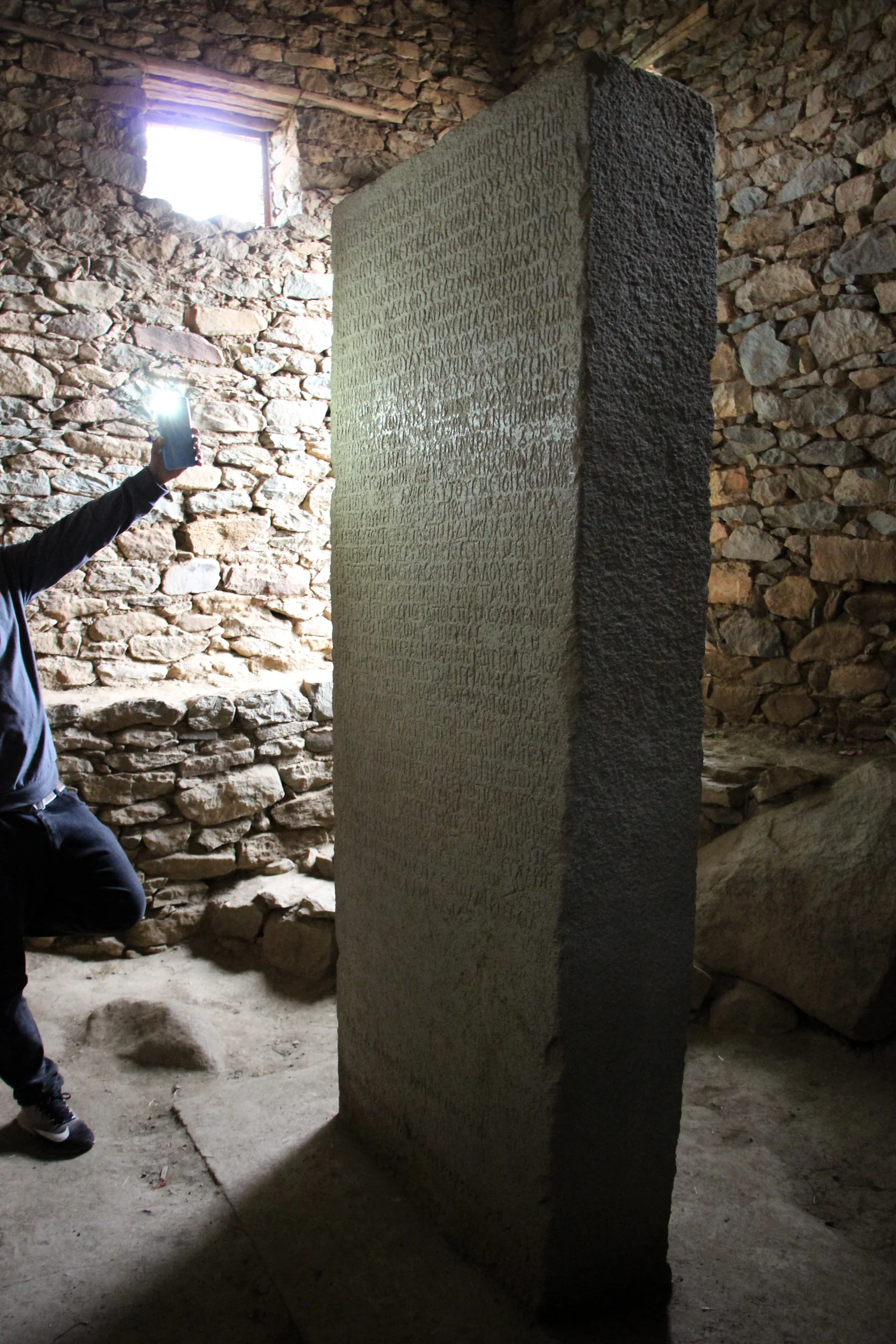 Ancientartifact
Ezana Stone The file page records 2018-11-16 12:50:08 as the date of the photograph, not of the object.
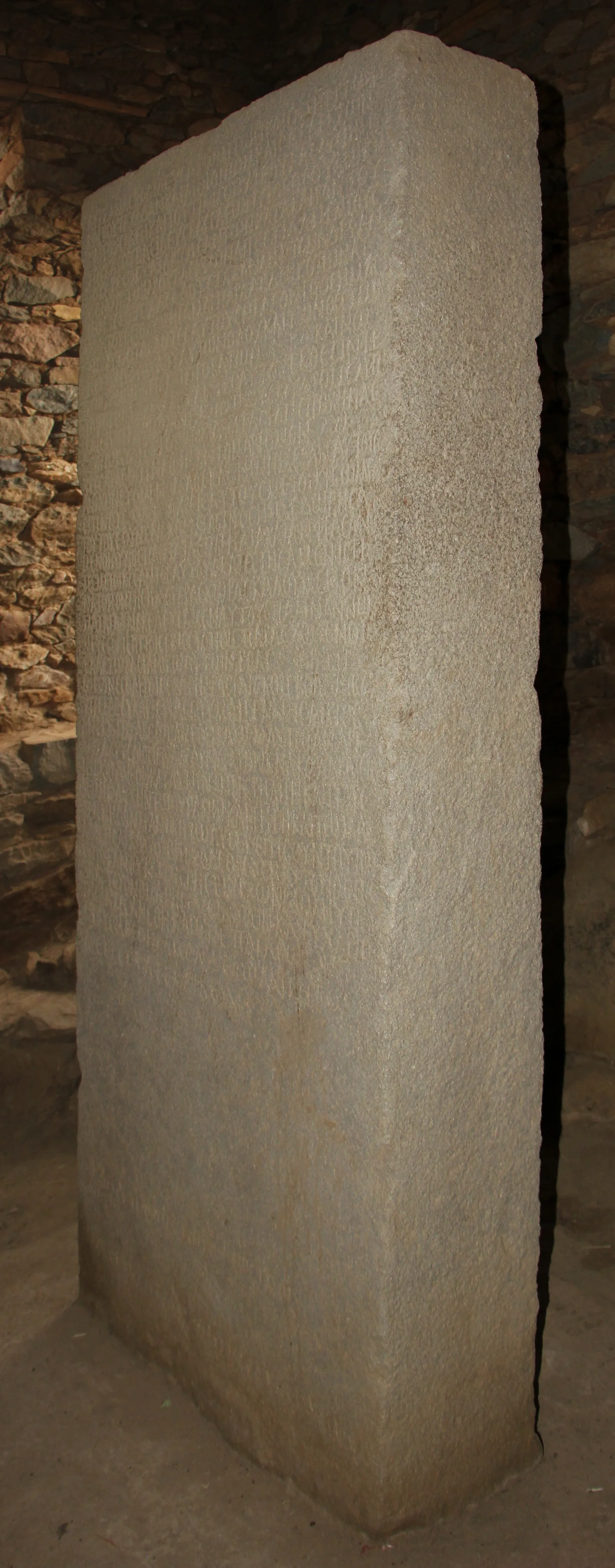 Ancientartifact
Ezana Stone The file page records 2018-11-16 12:49:53 as the date of the photograph, not of the object.
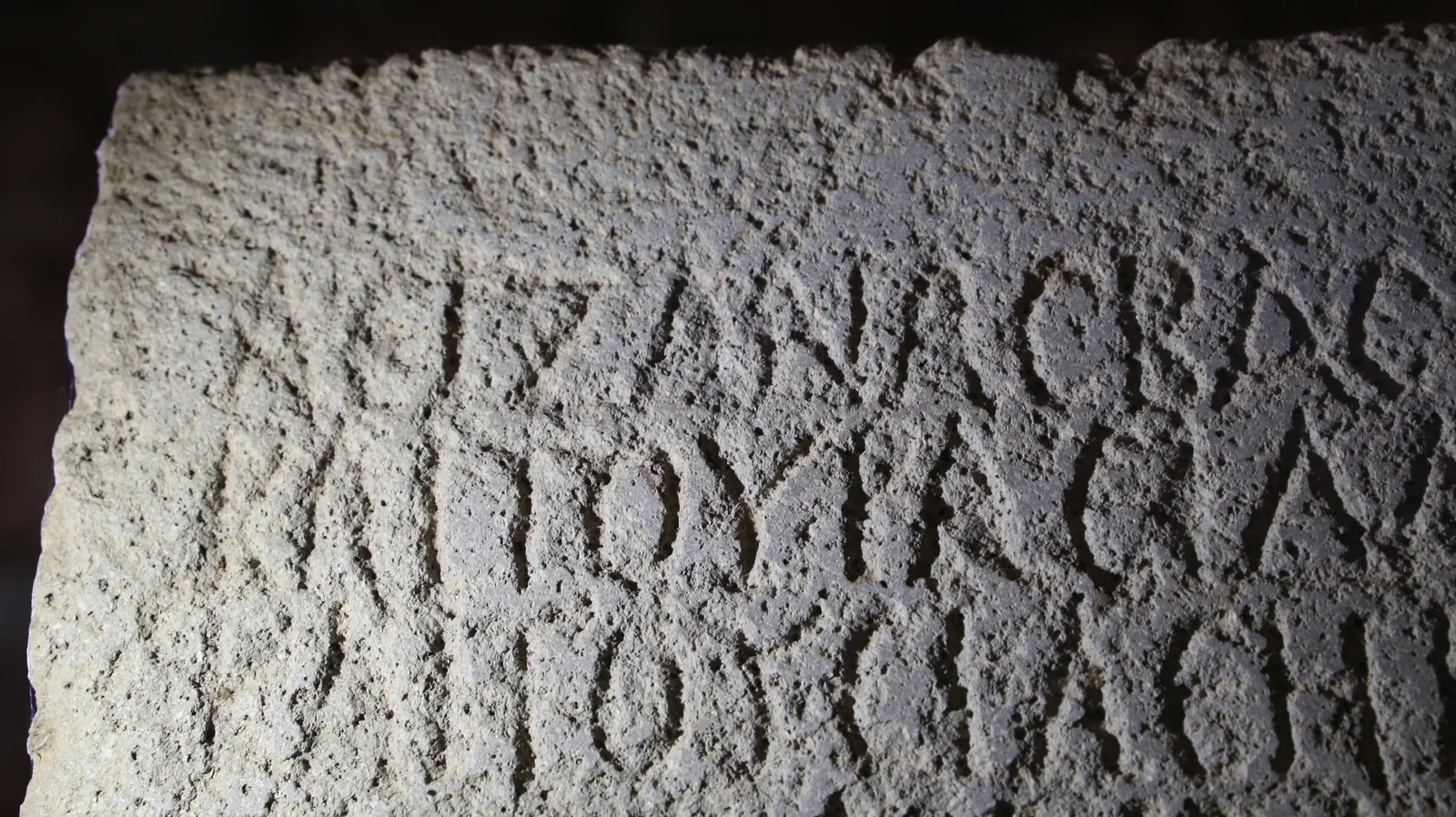 Ancientartifact
Ezana Stone The file page records 2018-11-16 13:44:03 as the date of the photograph, not of the object.
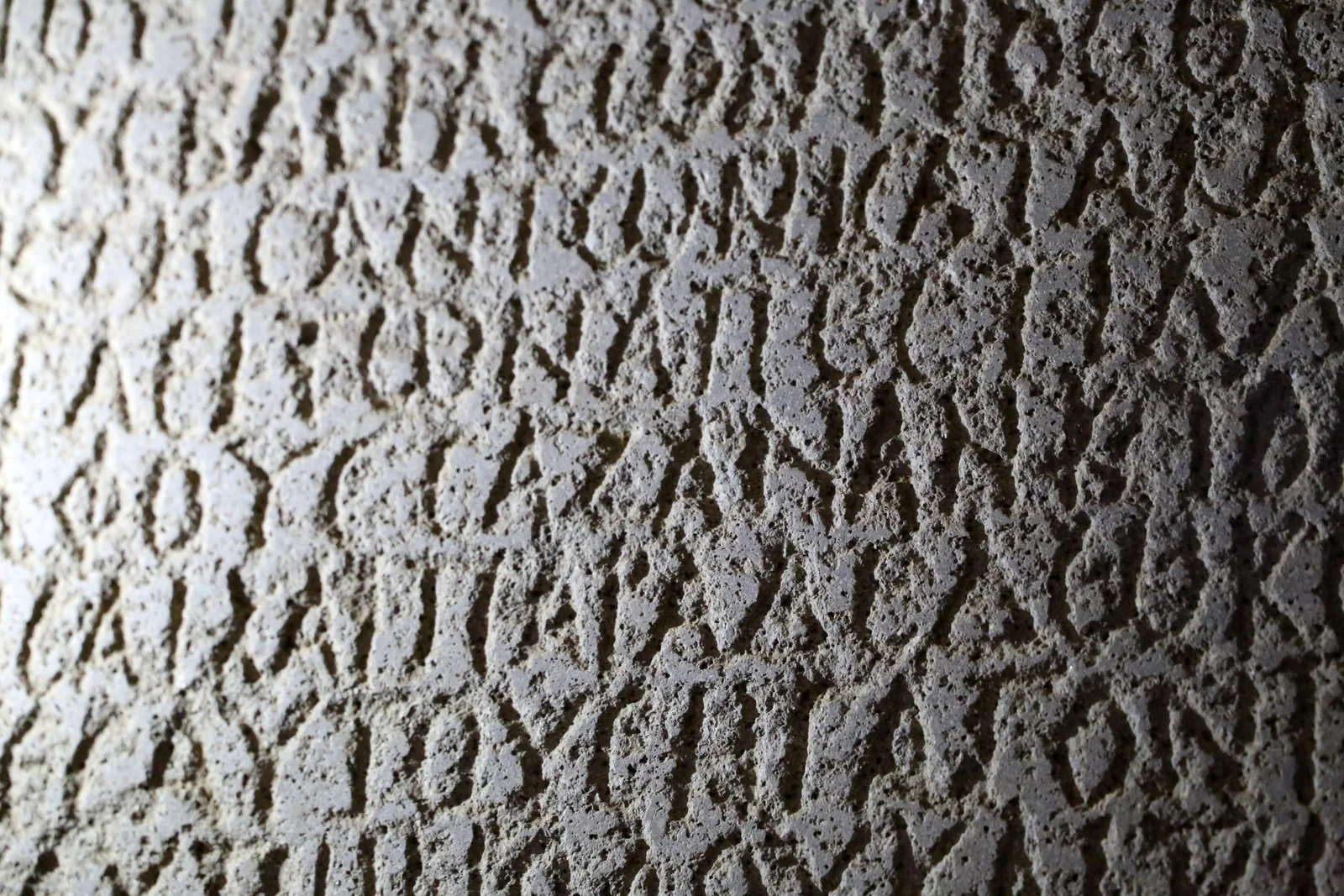 Ancientartifact
Ezana Stone The file page records 2018-11-16 13:43:57 as the date of the photograph, not of the object.
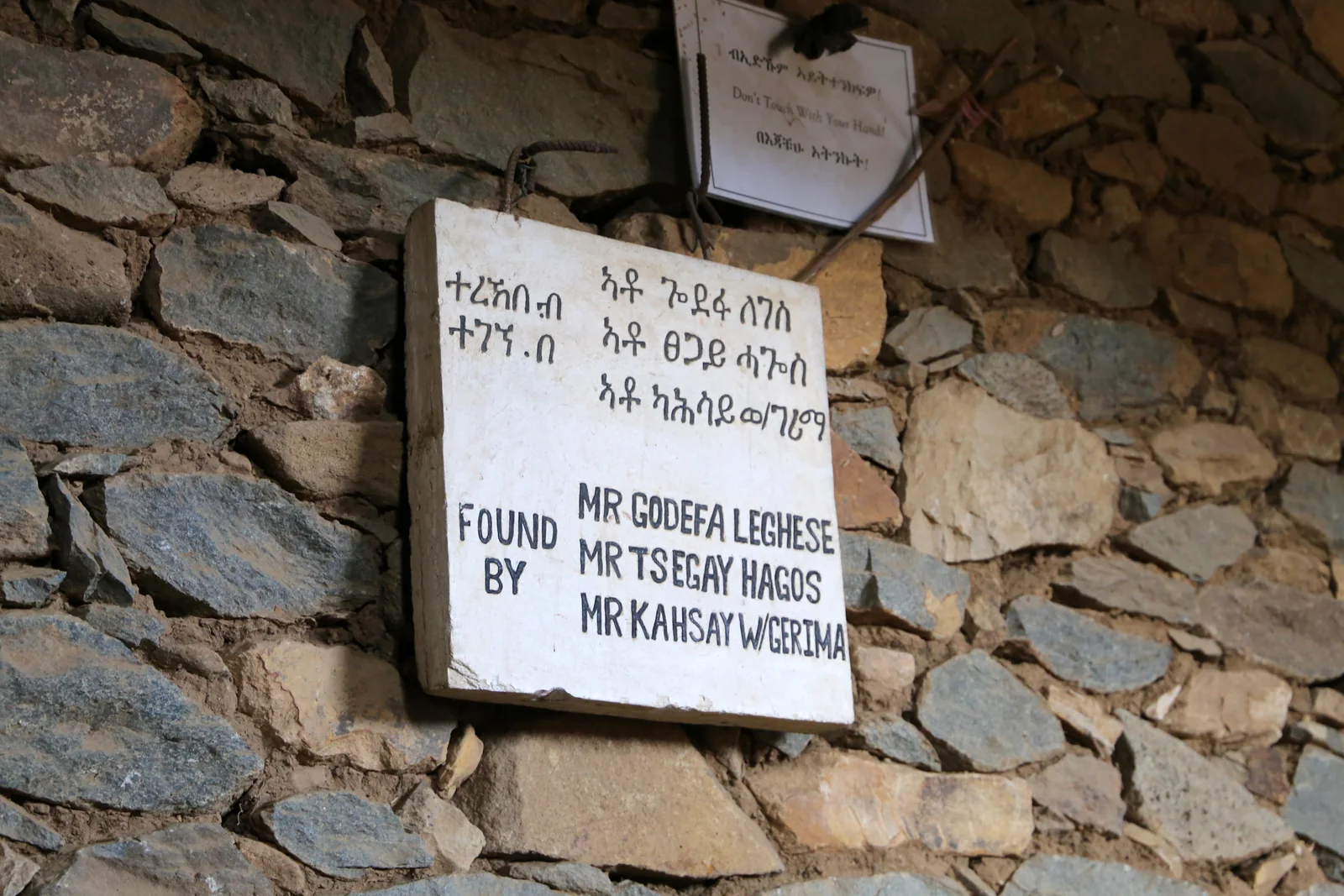 Ancientartifact
Ezana Stone The file page records 2018-11-16 13:45:48 as the date of the photograph, not of the object.
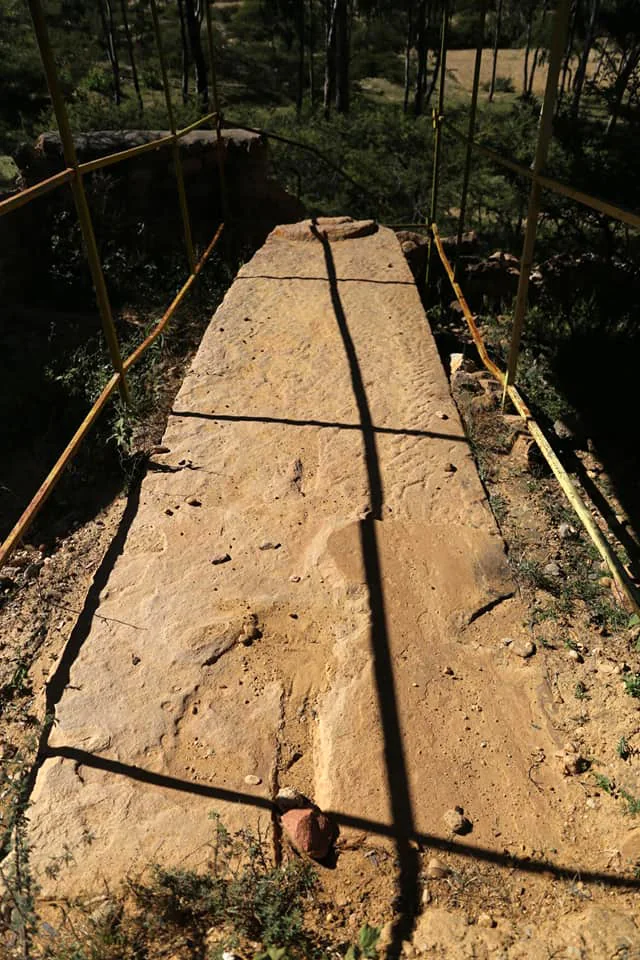 Ancientartifact
Hawnehaw Stele The file page records 2020-05-07 10:50:41 as the date of the photograph, not of the object.
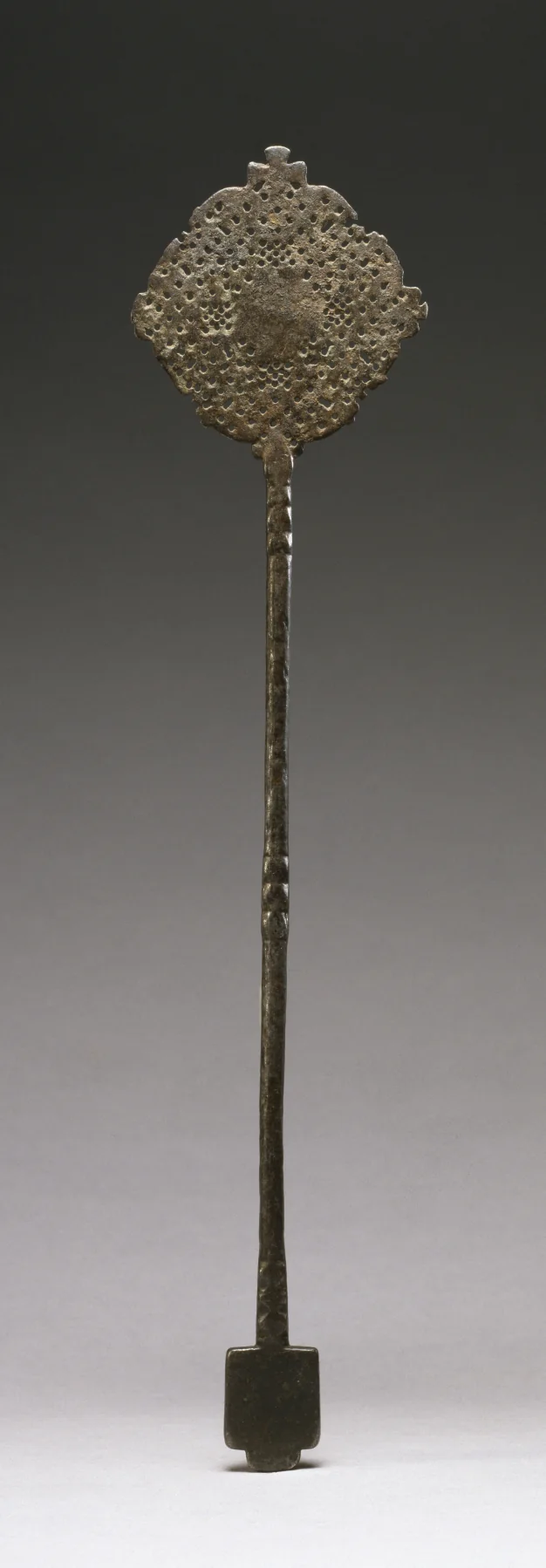 artifact
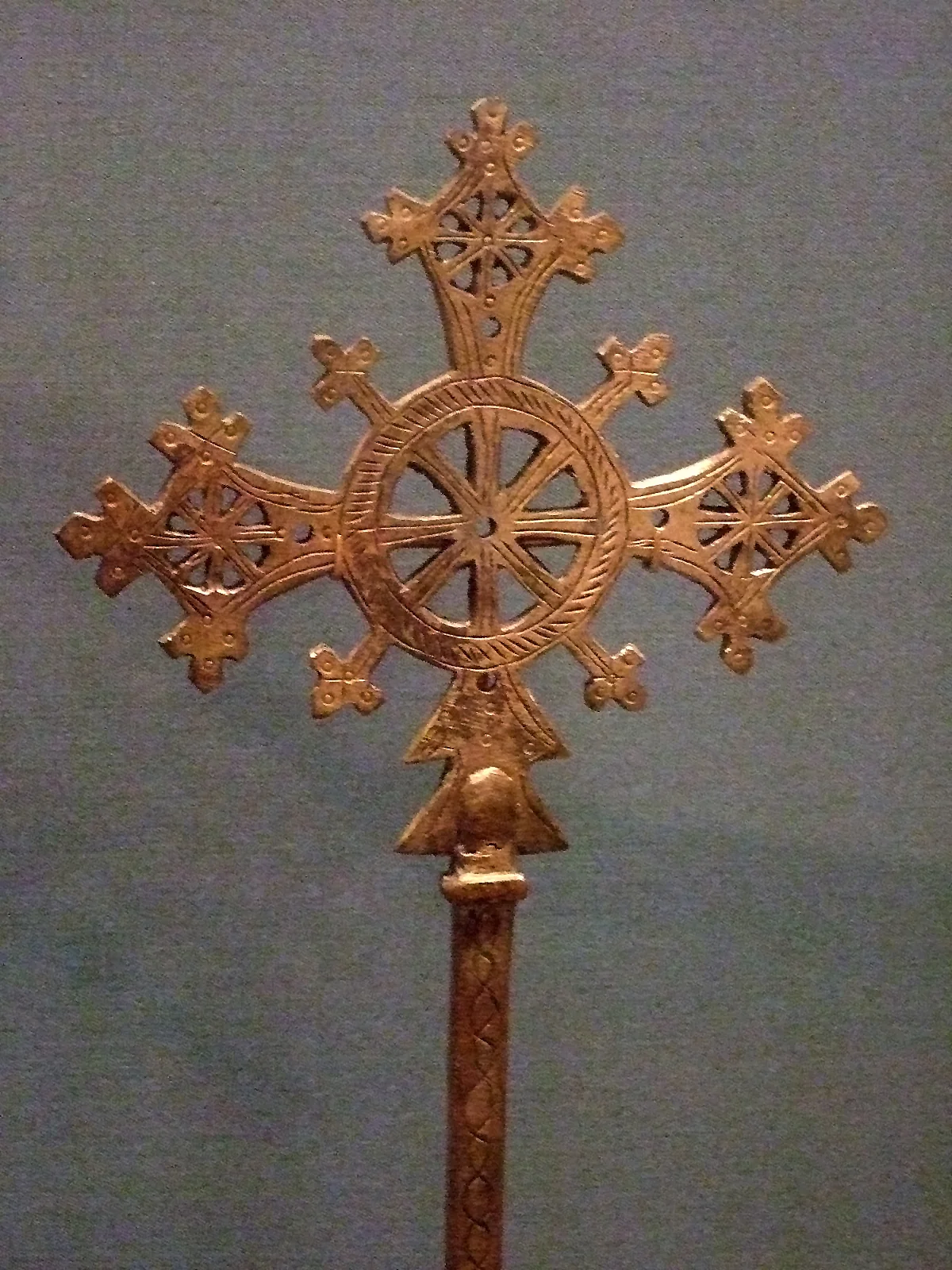
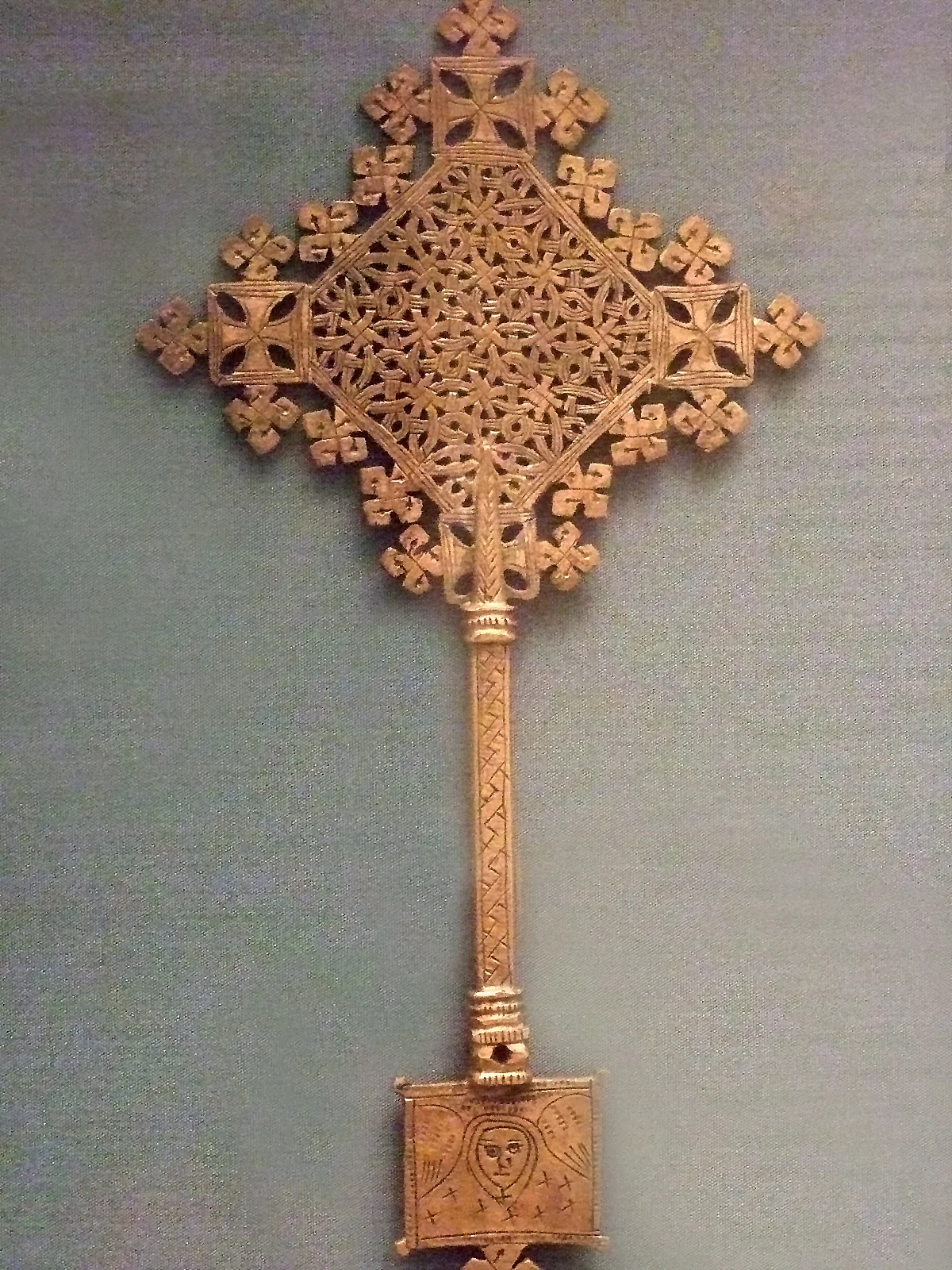
Ethiopian metal hand crosses are typically constructed from silver, brass, or iron that has been hammered into shape rather than cast using the lost-wax method.
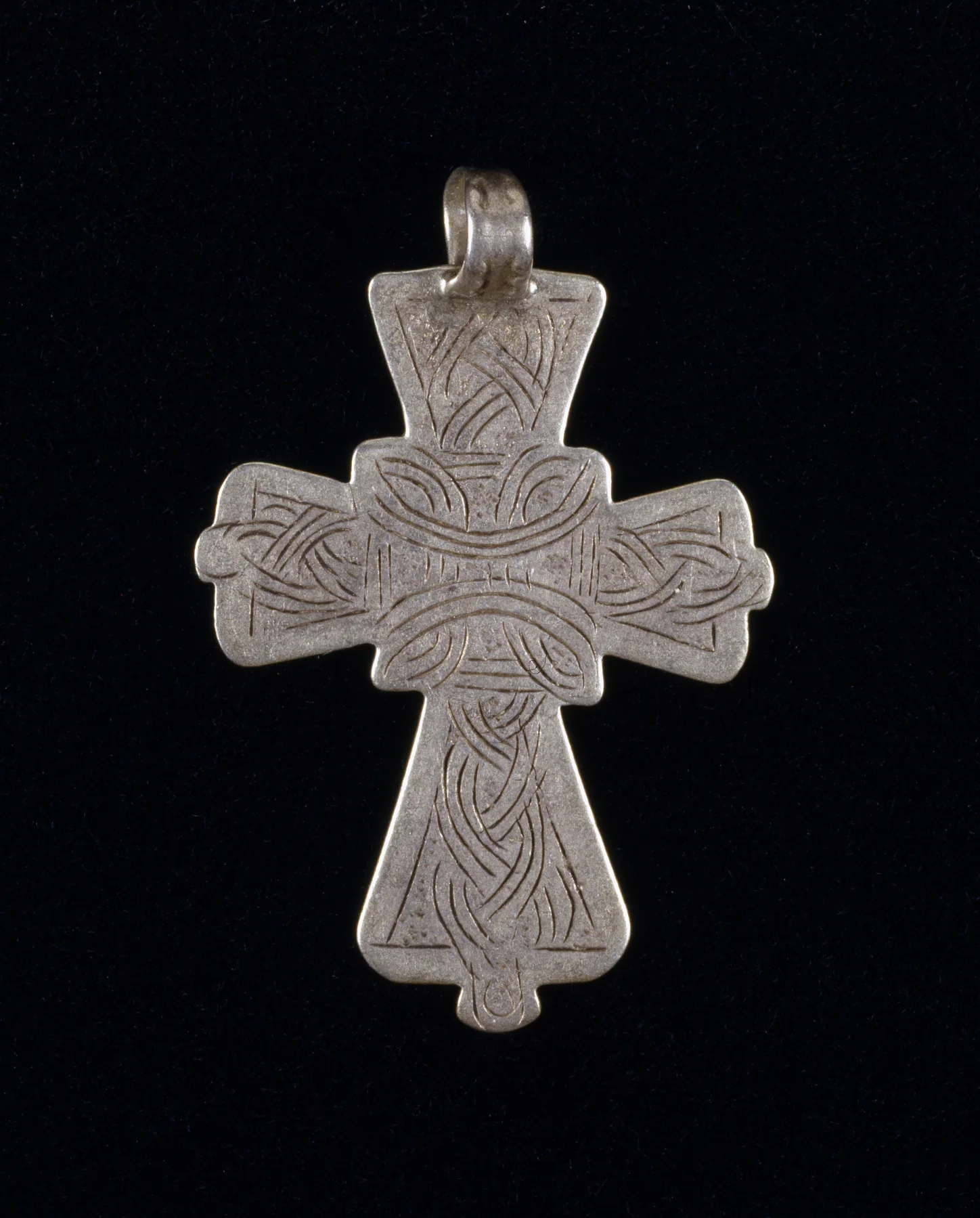 artifact
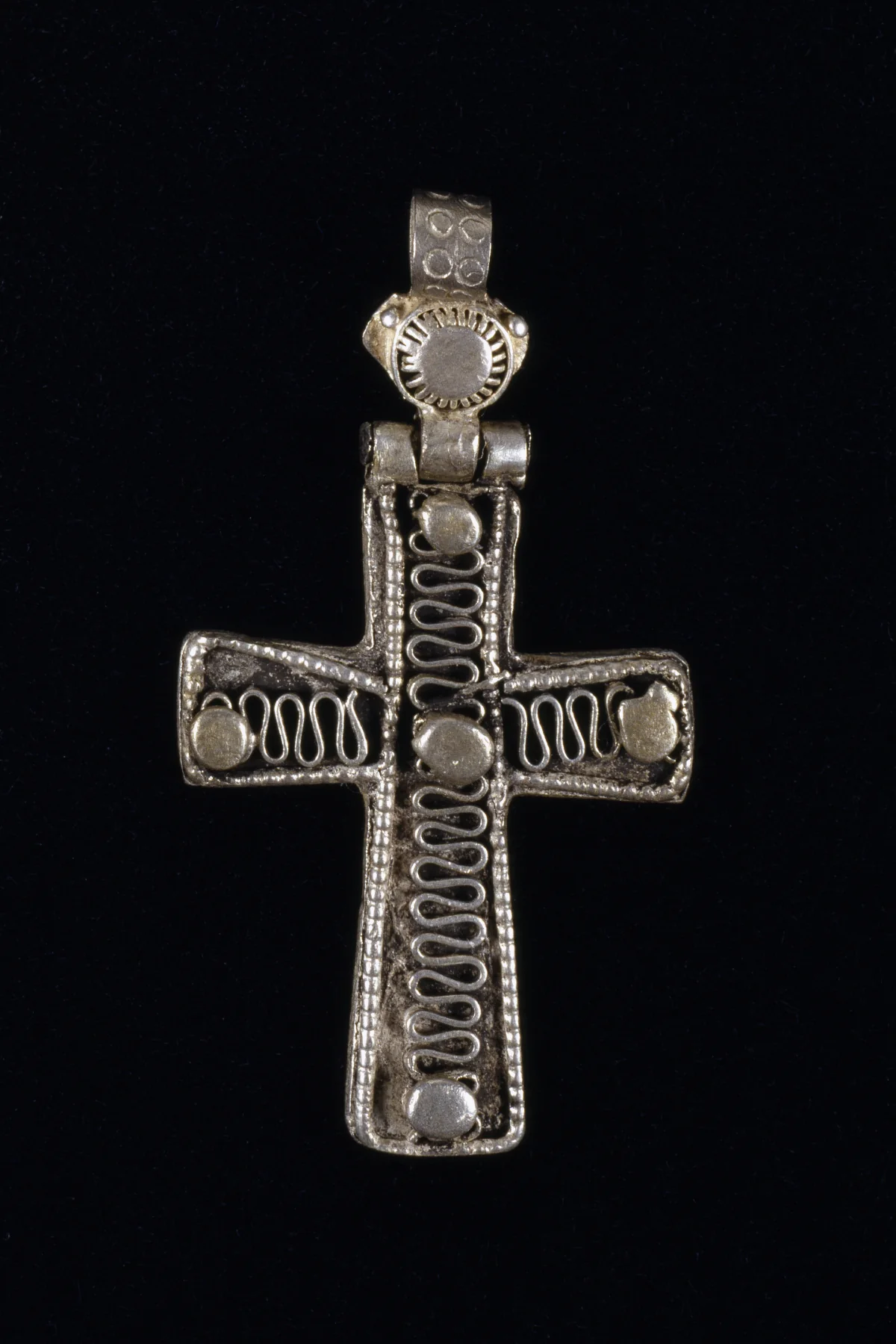
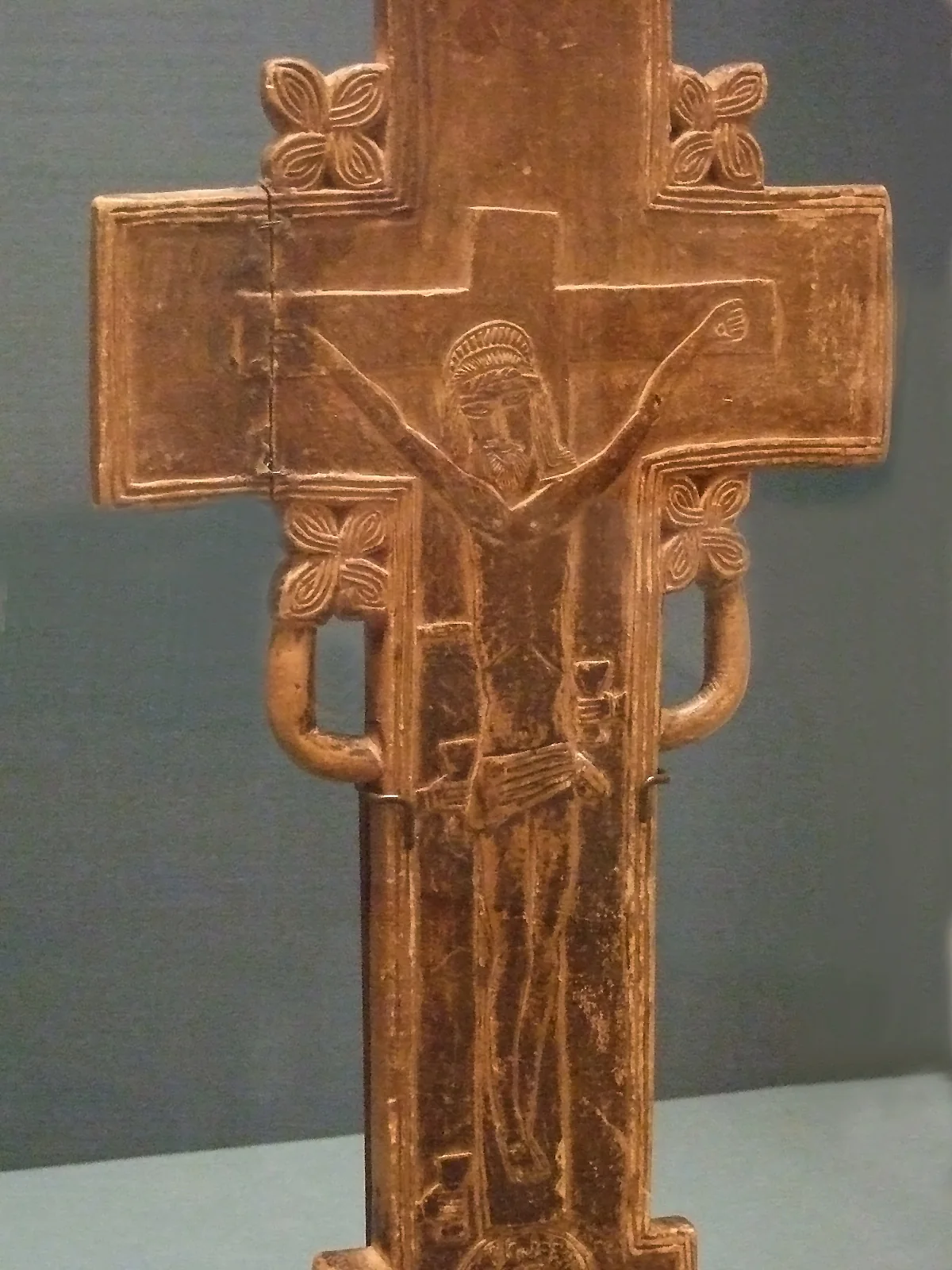
Pendant crosses show the inventiveness of Ethiopian metalworkers in embellishing the simple form of the cross with a rich variety of designs.
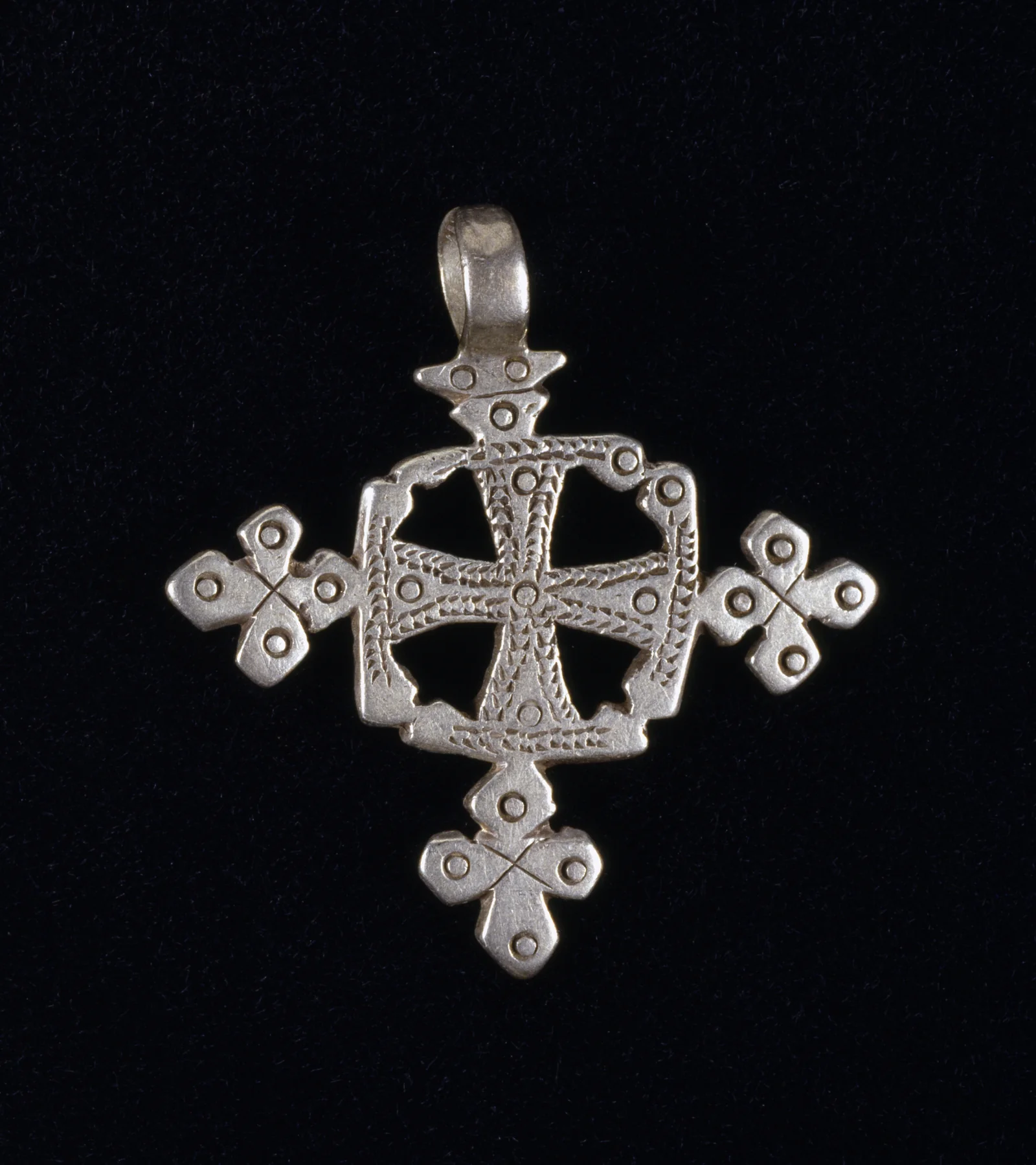 artifact
Pendant crosses show the inventiveness of Ethiopian metalworkers in embellishing the simple form of the cross with a rich variety of designs.
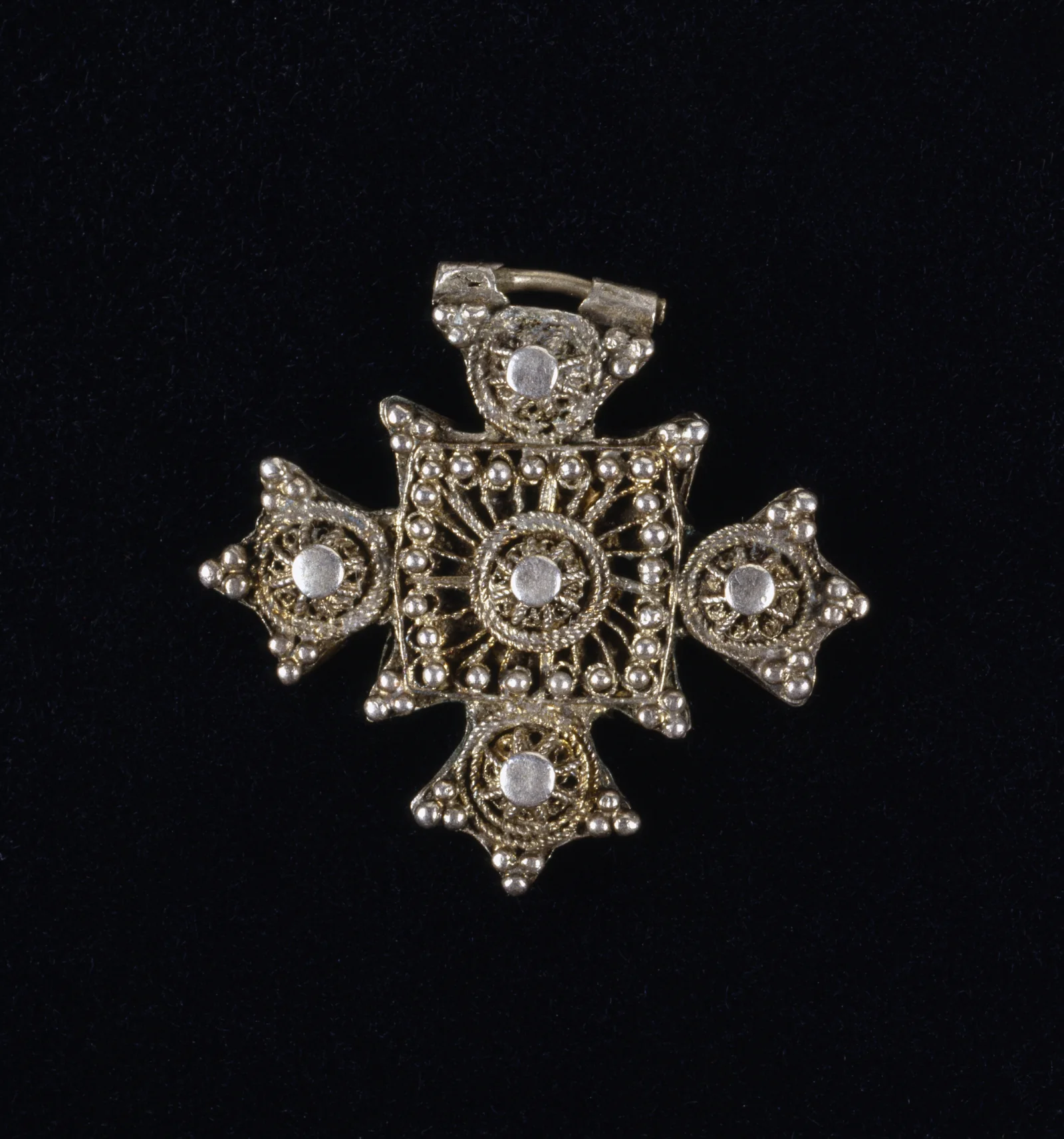 artifact
Pendant crosses show the inventiveness of Ethiopian metalworkers in embellishing the simple form of the cross with a rich variety of designs.
 artifact
Pendant crosses show the inventiveness of Ethiopian metalworkers in embellishing the simple form of the cross with a rich variety of designs.
 Modernartifact
 Modernartifact
 Modernartifact
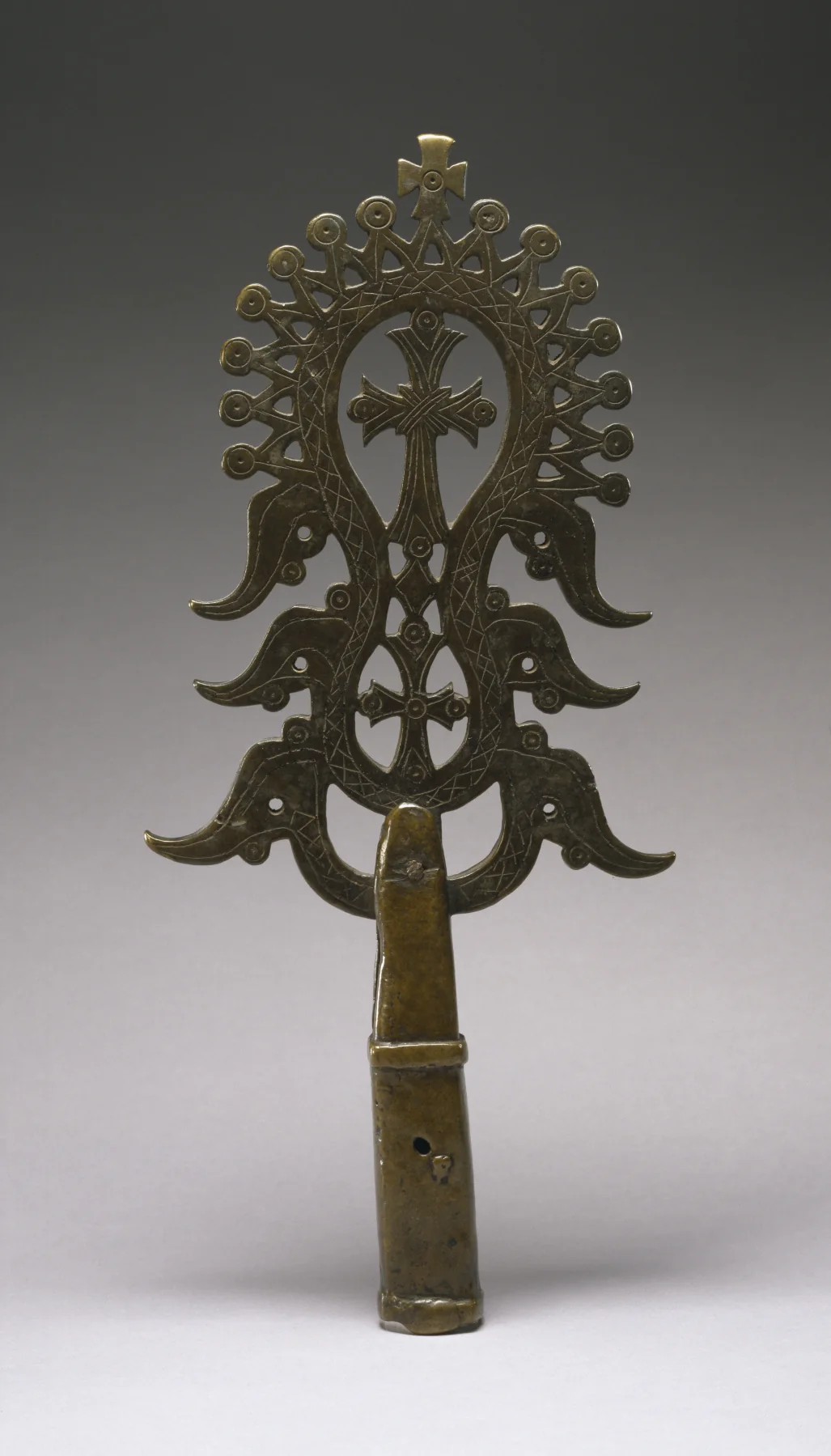 artifact
This rare, early cross is composed of two central crosses enclosed within a pear-shaped frame.
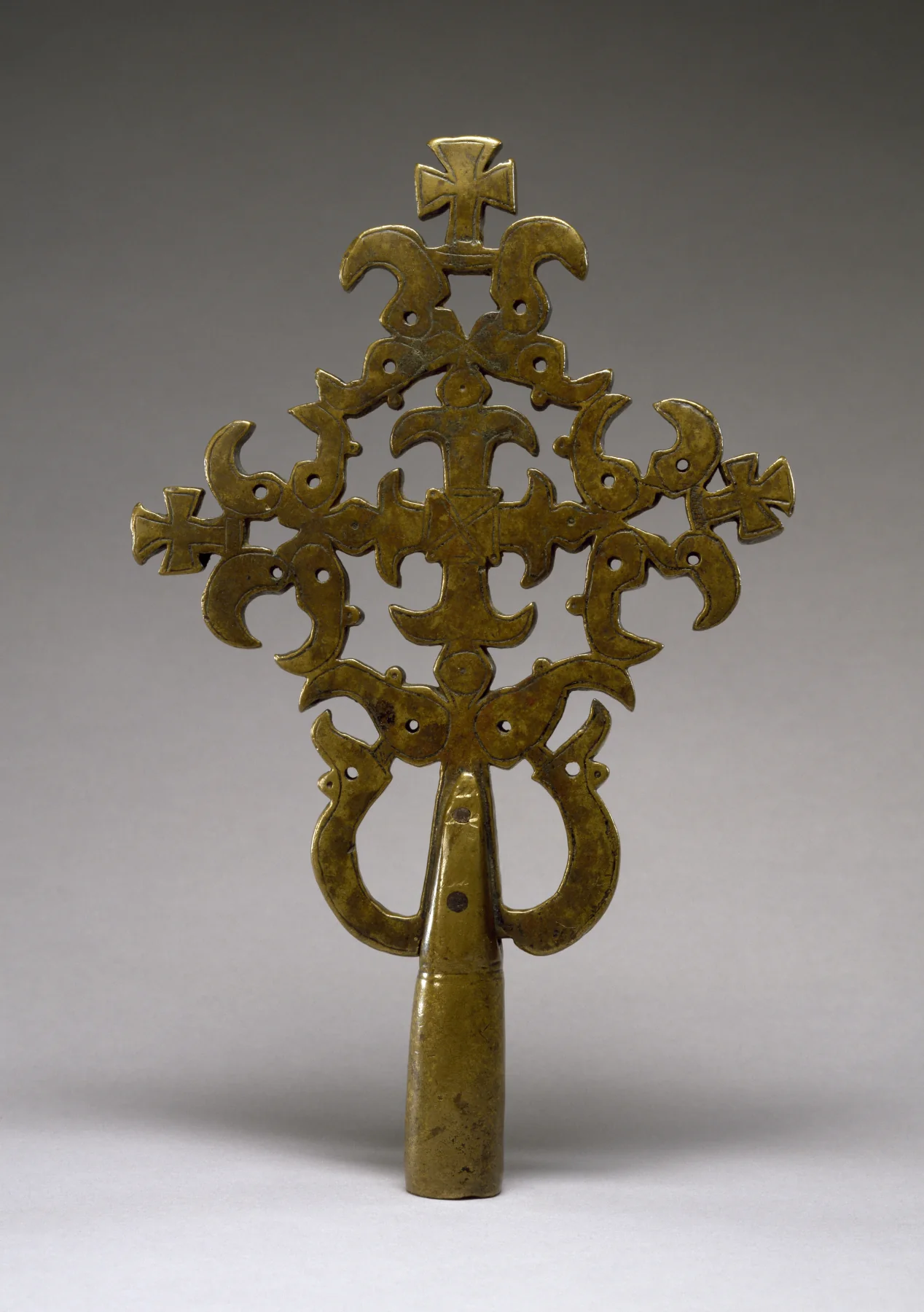 artifact
The complicated design of this cross must have presented a considerable challenge to its creator, who cast its body in one piece. Simple incised borders sharpen and distinguish the individual components of the object.
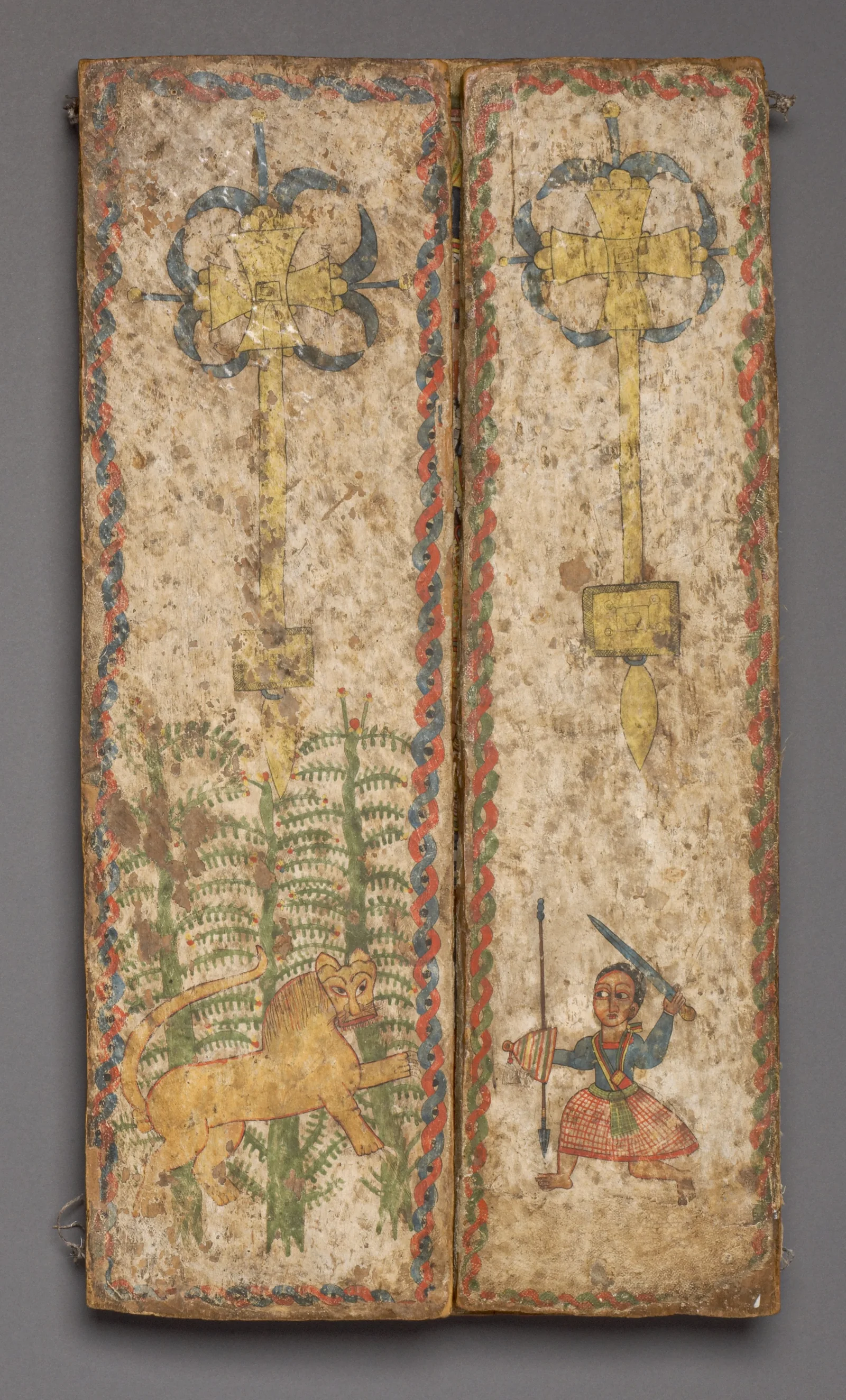 Modernartifact
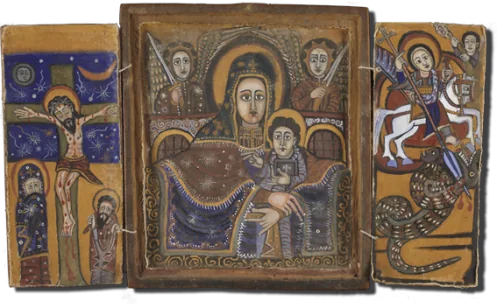
Title Triptych Icon Place Ethiopia (Object made in) Date Made 1682–1706 Medium Tempera on linen, mounted on wood and bound with cord Dimensions 67 × 74 cm (26 3/8 × 29 1/8 in.)
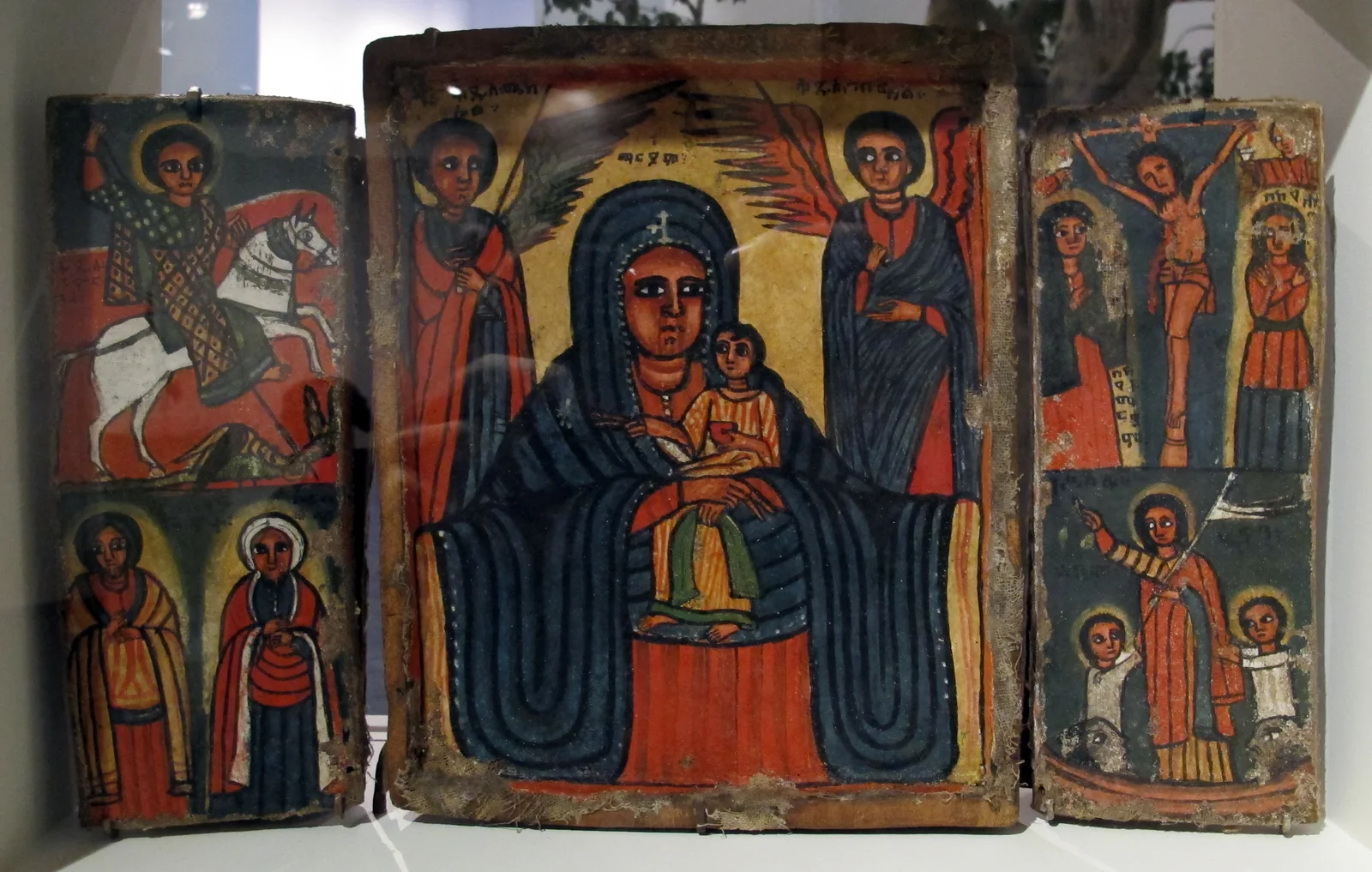 Modernartifact
Brooklyn Museum
 Modernartifact
Triptych. Gondar school. 18-19th century. From the Museum of the Russian icon. Moscow. The Commons file page gives the source as: http://www.russikona.ru/exhibit.php?coid=534.
 artifact
Collections of the Ethnological Museum, Addis Ababa The file page records 2018-11-05 13:25:22 as the date of the photograph, not of the object.
 artifact
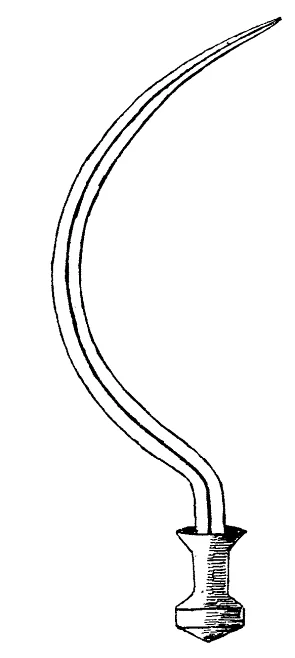
Shotel, the abyssinian sword The Commons file page gives the source as: Book The Art of Attack and the Development of Weapons: from the Earliest Times to the Age of Gunpowder , p. 140.
 artifact
 artifact
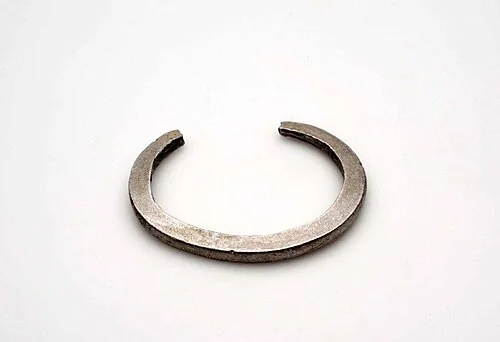
De band wordt om de onderarm gedragen. The Commons file page gives the source as: Collectie Stichting Nationaal Museum van Wereldculturen.
 artifact
 artifact
Begena , ethiopian string instrument The Commons file page gives the source as: Transferred from en.wikipedia to Commons..
 artifact
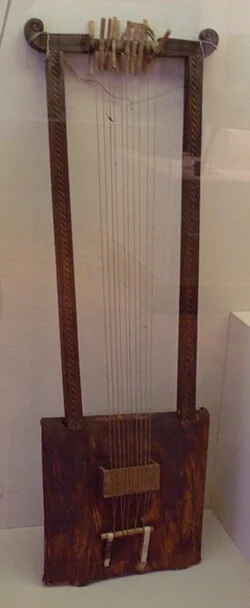
Begena , ethiopian string instrument The Commons file page gives the source as: Transferred from en.wikipedia to Commons..
 artifact
Begena , ethiopian string instrument The Commons file page gives the source as: Transferred from en.wikipedia to Commons..
 artifact
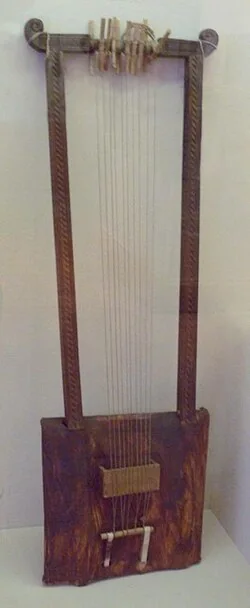
Stuttgart, Linden-Museum Begena (Holz, Leder, Rohhaut, Darmsaiten, Eisennägel), typisches Instrument zur Begleitung religiöser Gesänge; Äthiopien; Inv. Nr. F 55879
 artifact
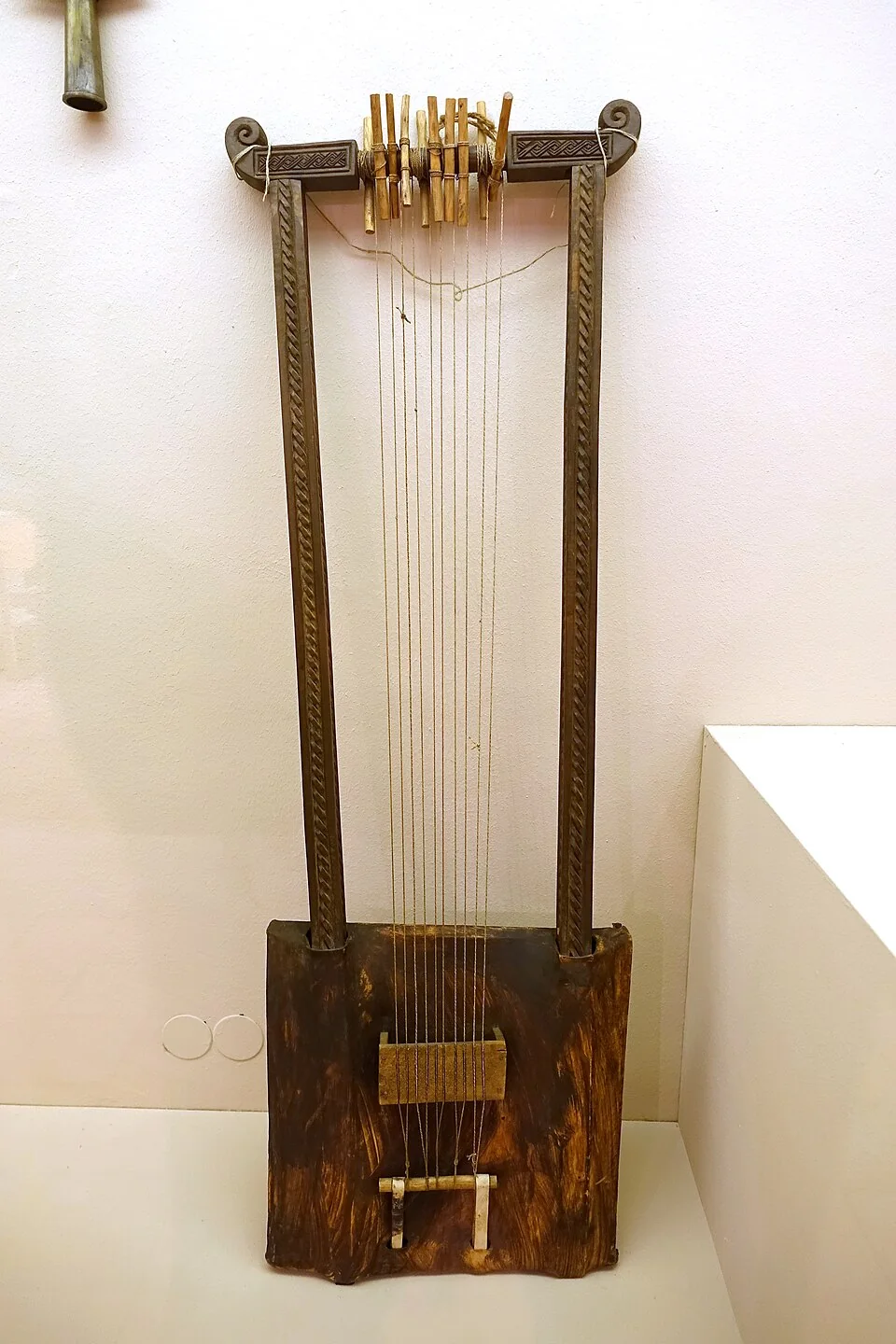
Ethiopian begena lyre The Commons file page gives the source as: File:Äthiopien Begena Linden-Museum F55879.jpg.
 artifact
Exhibit in the Linden-Museum - Stuttgart, Germany. The file page records 2015-12-06 12:48:35 as the date of the photograph, not of the object.
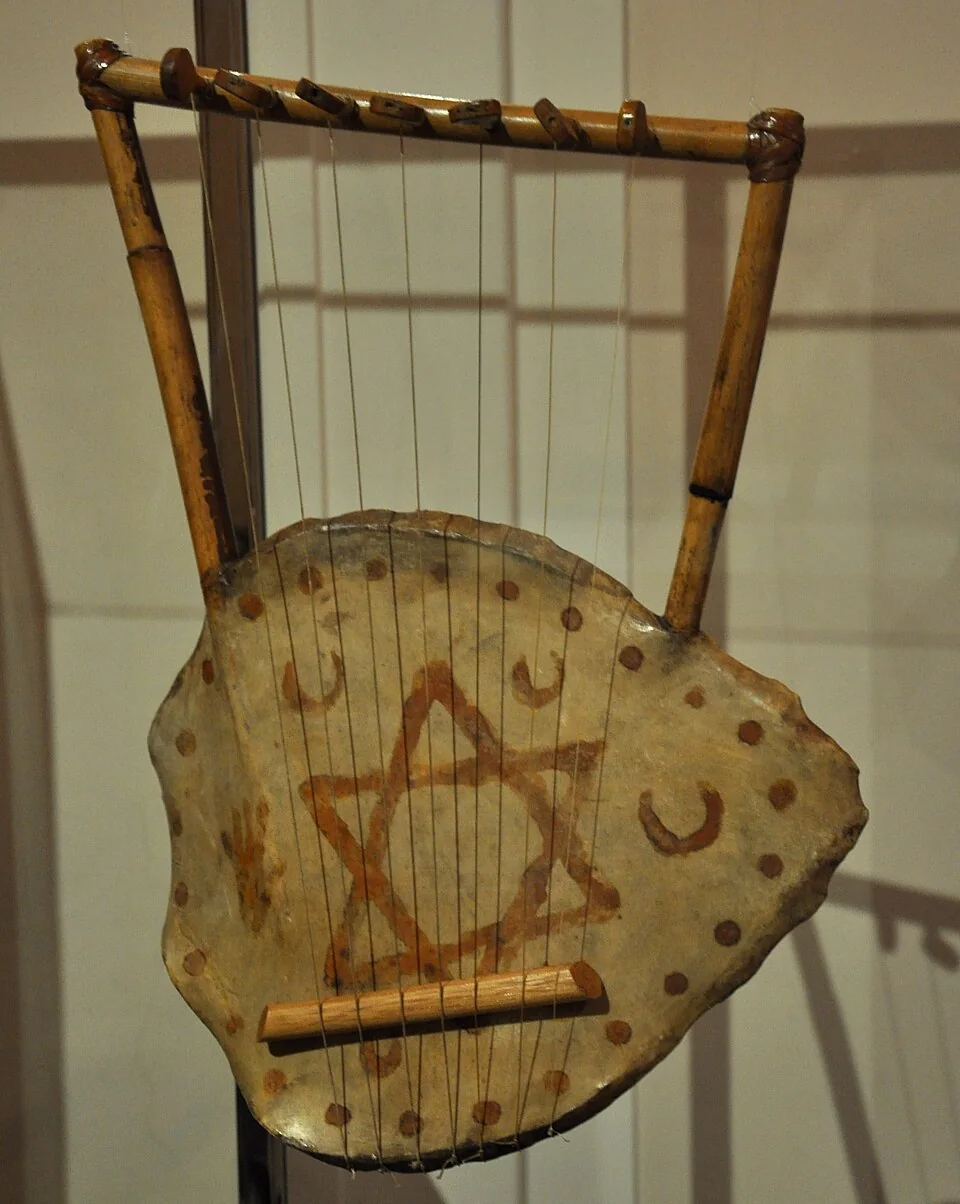 artifact
Wien, Kunsthistorisches Museum, Sammlung alter Musikinstrumente (Neue Burg) "Kissar" (bzw. "Krar"), Ähtiopien, 19. Jh. (Schildpatt, Pergament, Rohr), Inv. Nr. SAM 9 The Commons file page gives the source as: Self-photographed.
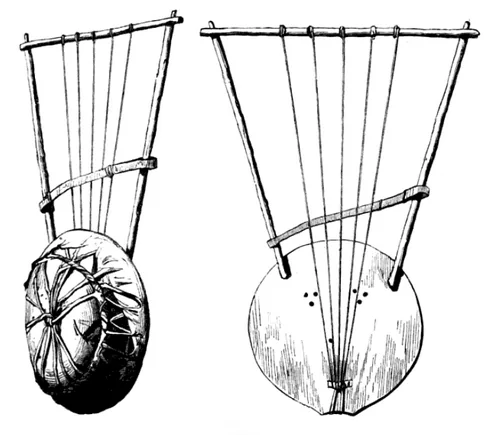 artifact
Kissar, nilotic lyre The Commons file page gives the source as: François Joseph Fétis: Histoire générale de la musique, 1869.
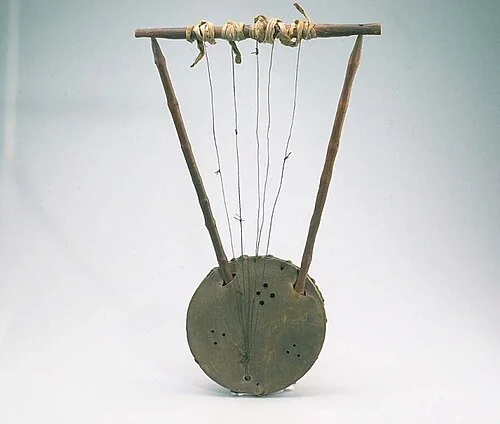 artifact
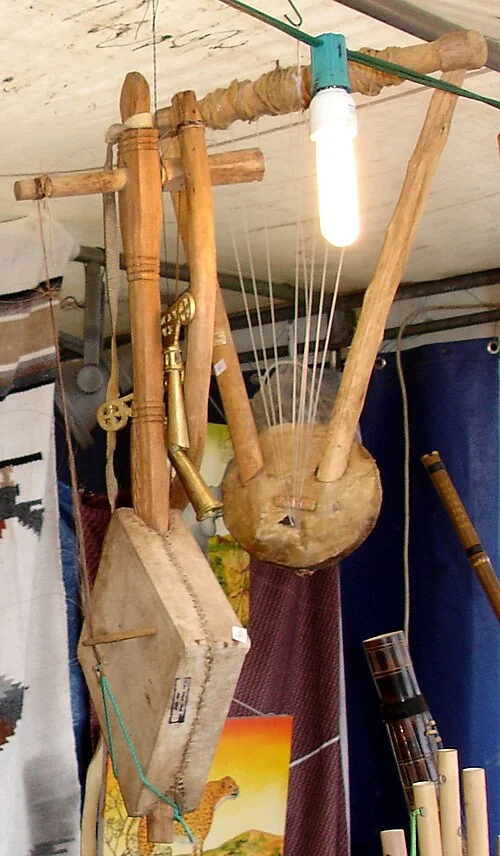
Deze lier heeft een schaalvormige klankkast van hout, bedekt met huid met daarin kleine klankgaten. Het driehoekige frame bestaat uit 2 armen in V-vorm en een dwarsstok (juk).
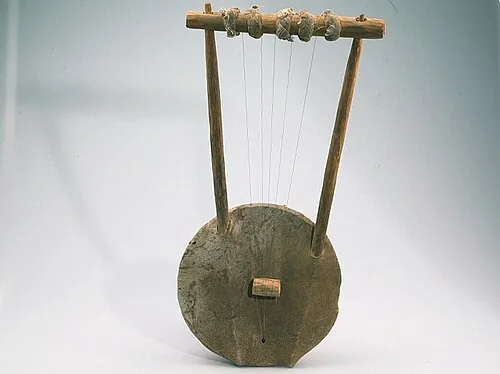 artifact
Deze lier heeft een schaalvormige klankkast van hout, bedekt met leer. Het driehoekige frame bestaat uit 2 armen in V-vorm en een dwarsstok (juk).
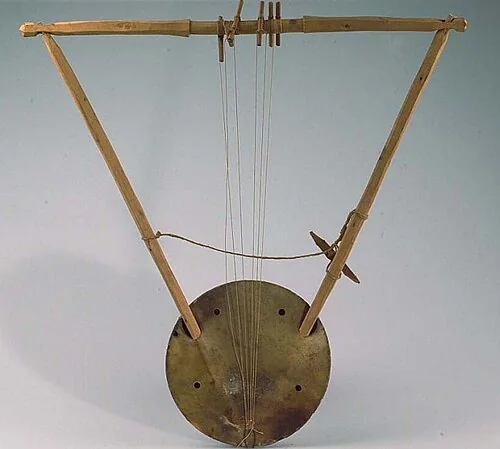 artifact
Deze lier heeft een schaalvormige klankkast, bedekt met leer waarin een aantal klankgaten zitten. De klankkast is gemaakt van een geëmailleerde ijzeren schotel (zg. 'tweede gebruik'). Het driehoekige frame bestaat uit 2 armen in V-vorm en een dwarsstok (juk).
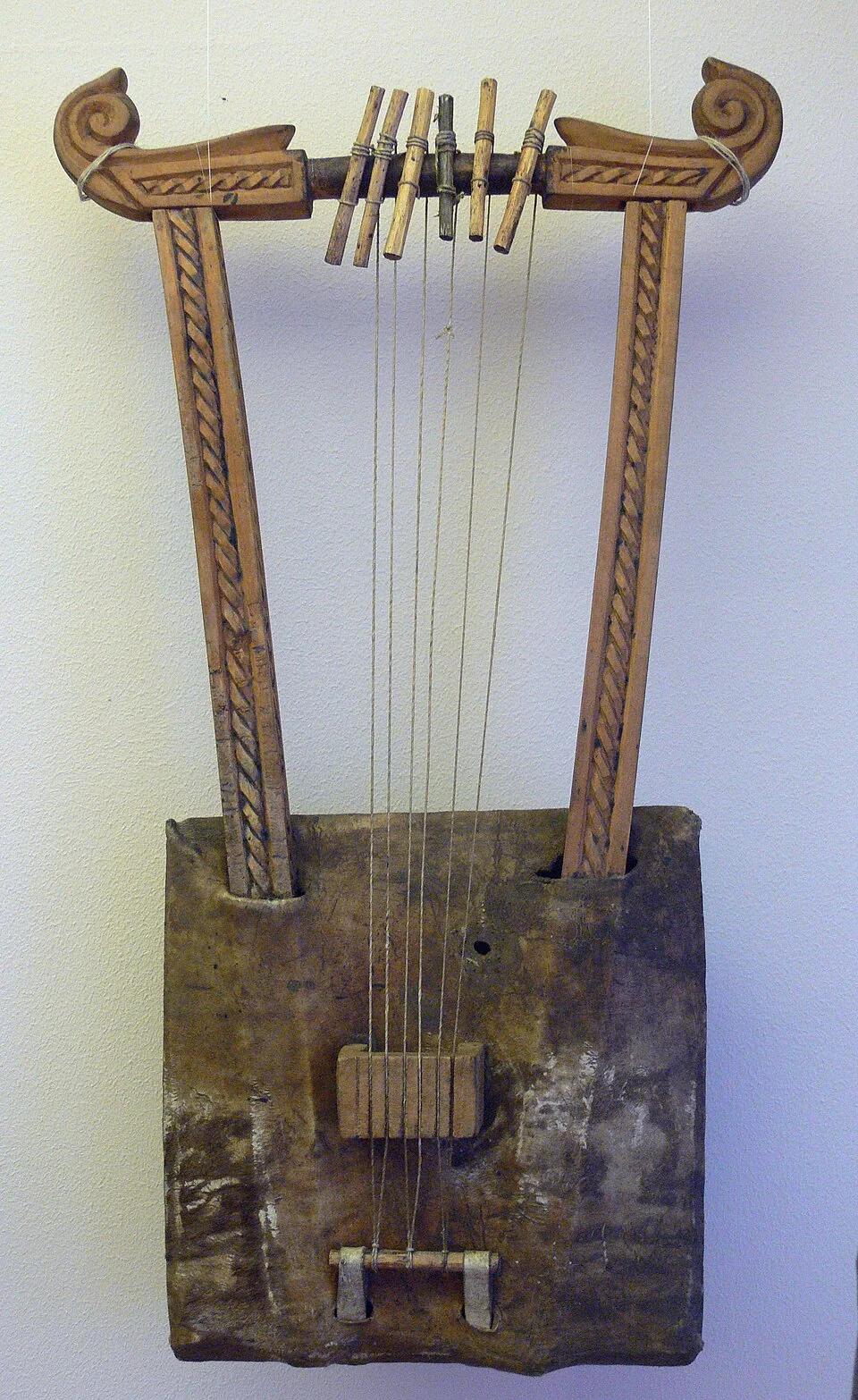 artifact
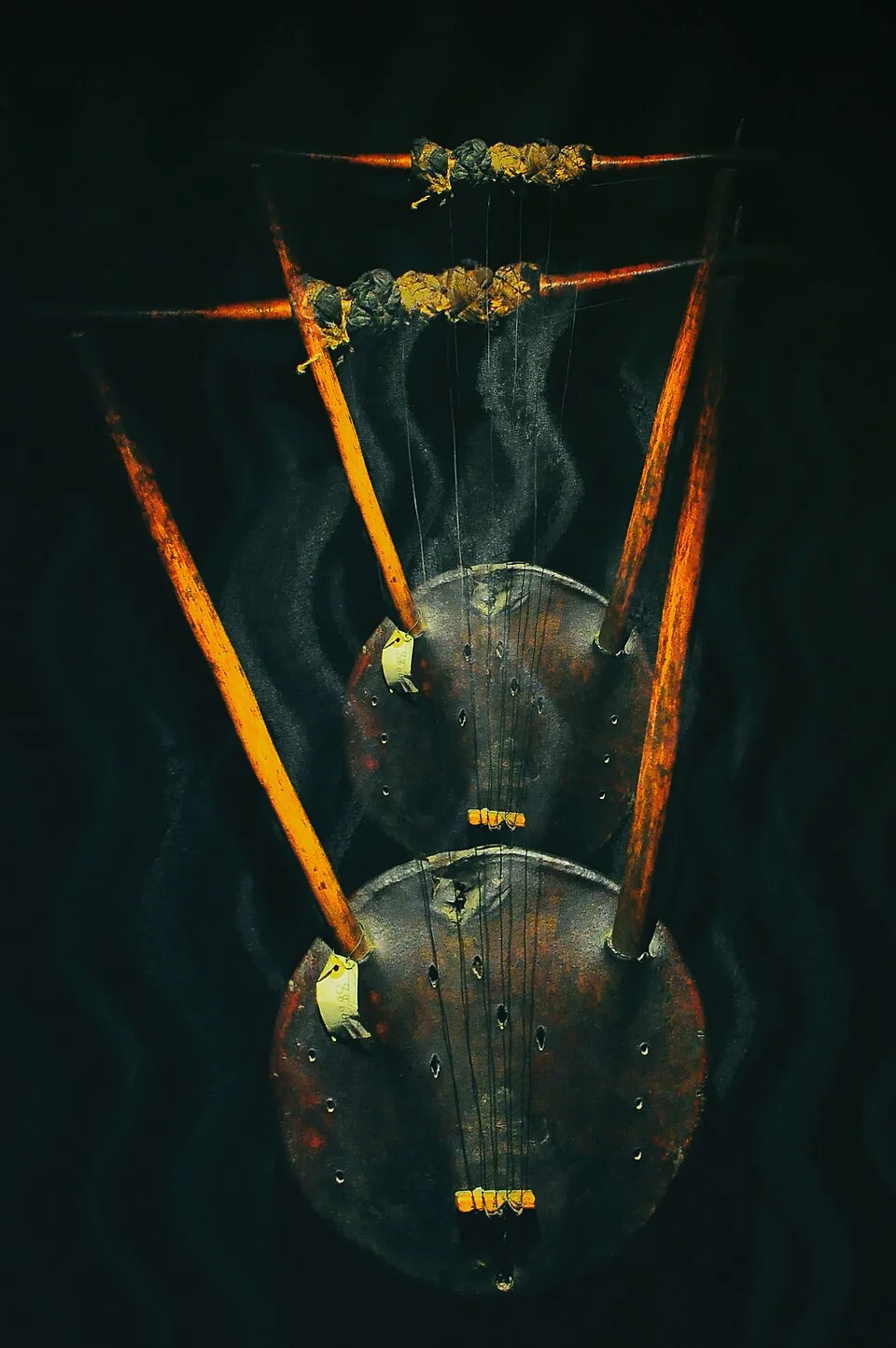 artifact
Traditional The Commons file page gives the source as: https://www.flickr.com/photos/rod_waddington/22696294168/. The file page records 2015-11-18 23:41:30 as the date of the photograph, not of the object.
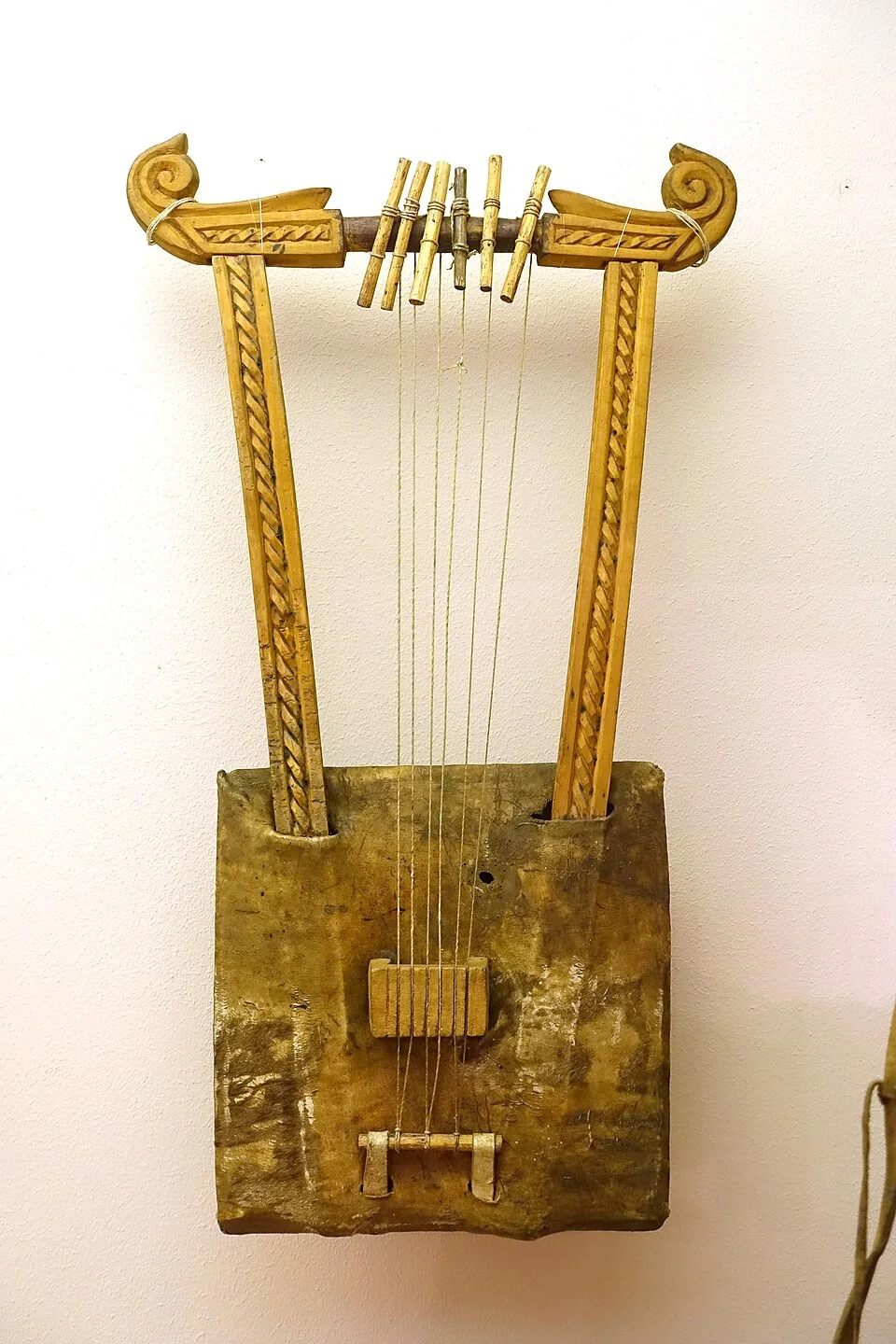 artifact
Exhibit in the Linden-Museum - Stuttgart, Germany. The file page records 2015-12-06 12:49:55 as the date of the photograph, not of the object.
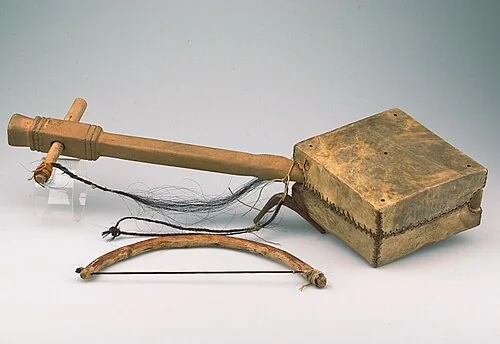 artifact
Deze gestreken langhalsluit (vedel) heeft 1 snaar van paardenhaar, die van de stempen via een kam naar het uiteinde van de klankkast loopt. Het is een zg. 'spiesluit', omdat de hals door het klanklichaam heengaat en er aan de andere kant weer uitkomt.
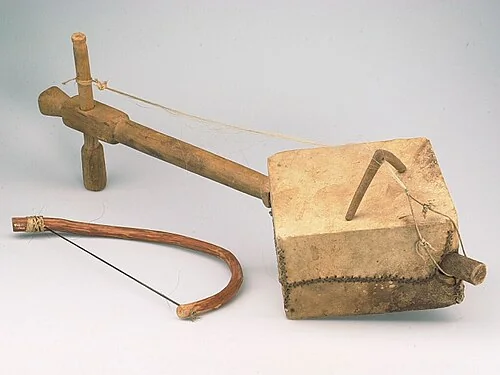 artifact
Deze gestreken langhalsluit (vedel) heeft 1 snaar van plantaardig vezel, die van de stempen via een kam naar het uiteinde van de klankkast loopt. Het is een zg. 'spiesluit', omdat de hals door het klanklichaam heengaat en er aan de andere kant weer uitkomt.
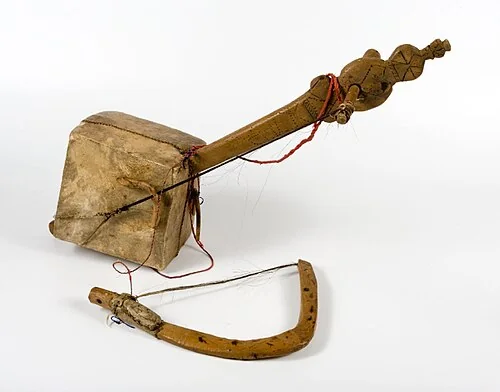 artifact
De masenqo is een niet eenvoudig te bespelen Ethiopisch eensnarig strijkinstrument. De vroegste afbeeldingen van het instrument stammen uit de 18de eeuw.
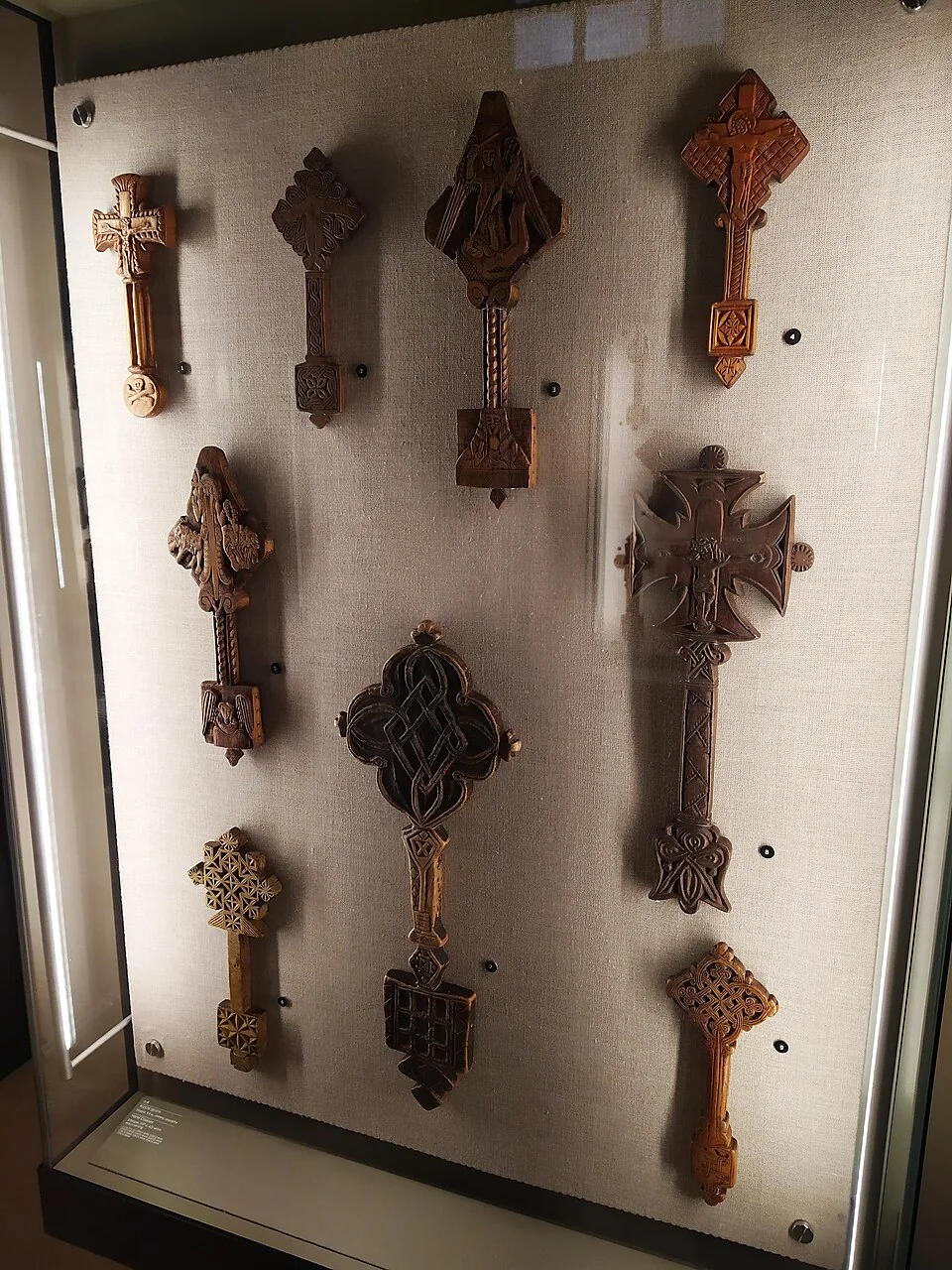 artifact
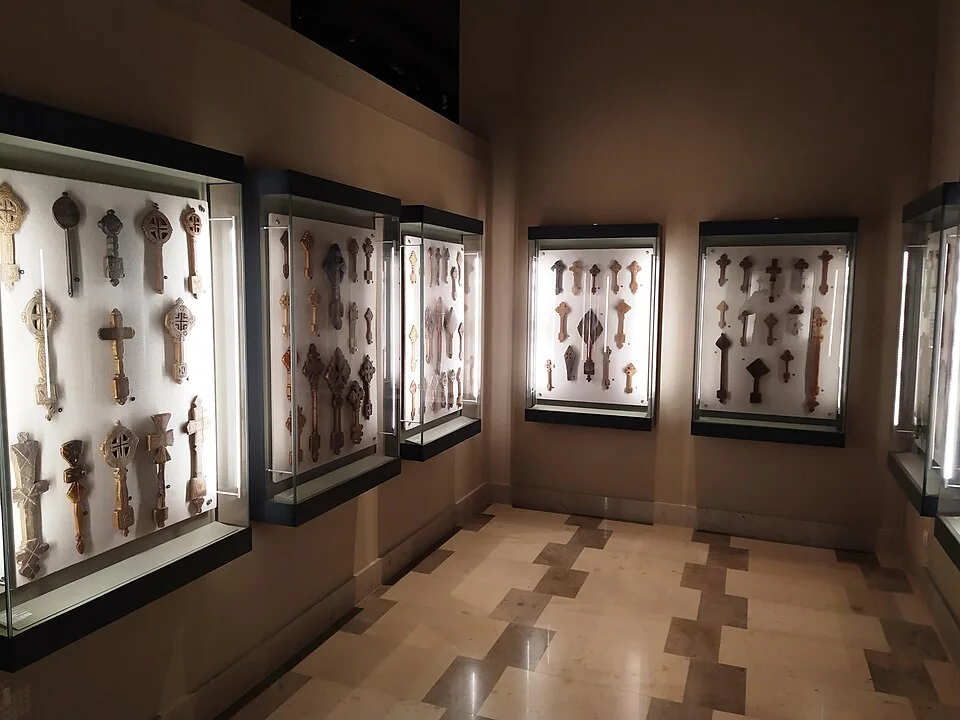
Krzyże z Etiopii w Muzeum Narodowym w Warszawie The file page records 2023-03-05 16:16:52 as the date of the photograph, not of the object.
 artifact
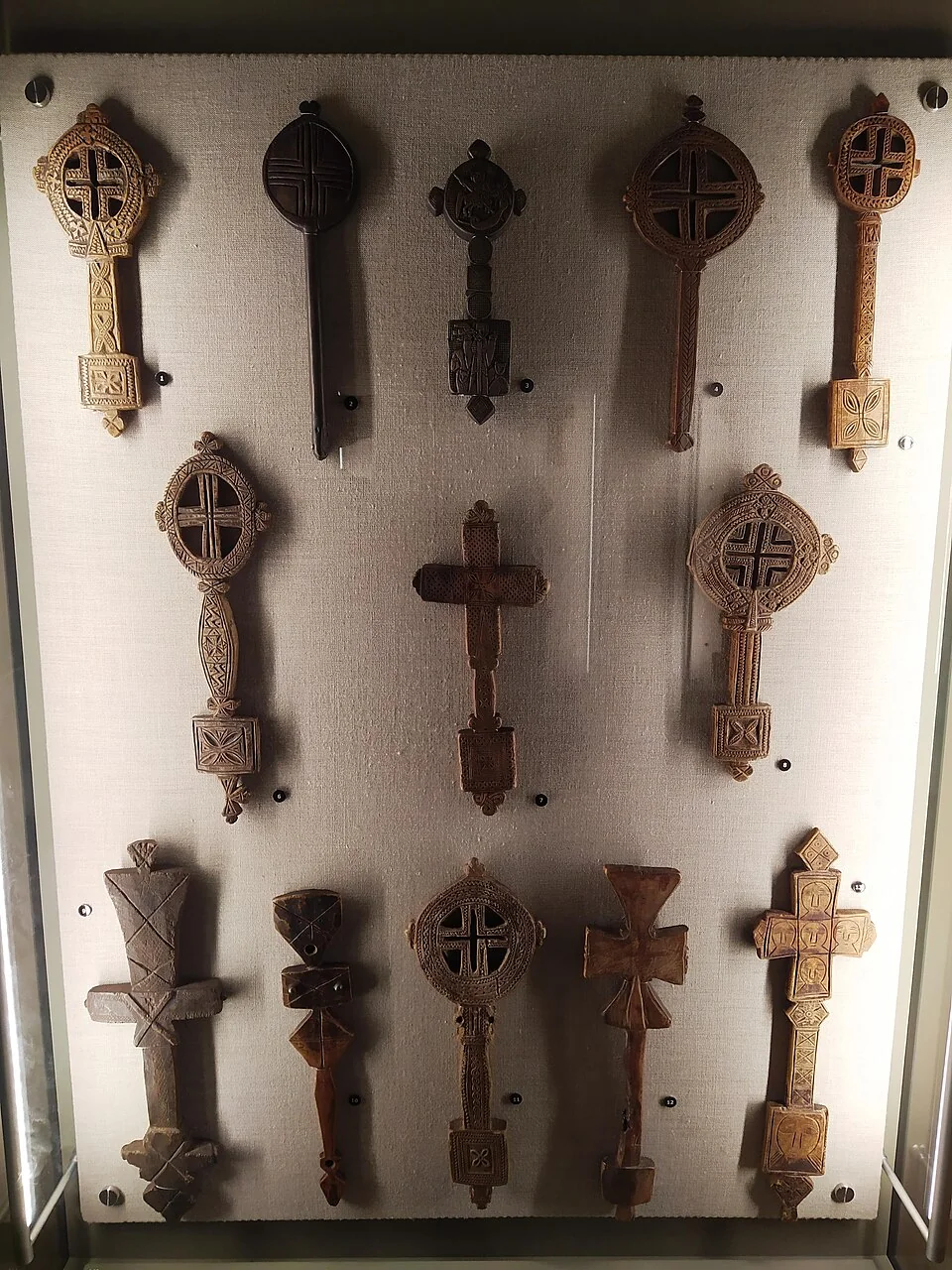
Krzyże z Etiopii w Muzeum Narodowym w Warszawie The file page records 2023-03-05 16:17:25 as the date of the photograph, not of the object.
 artifact
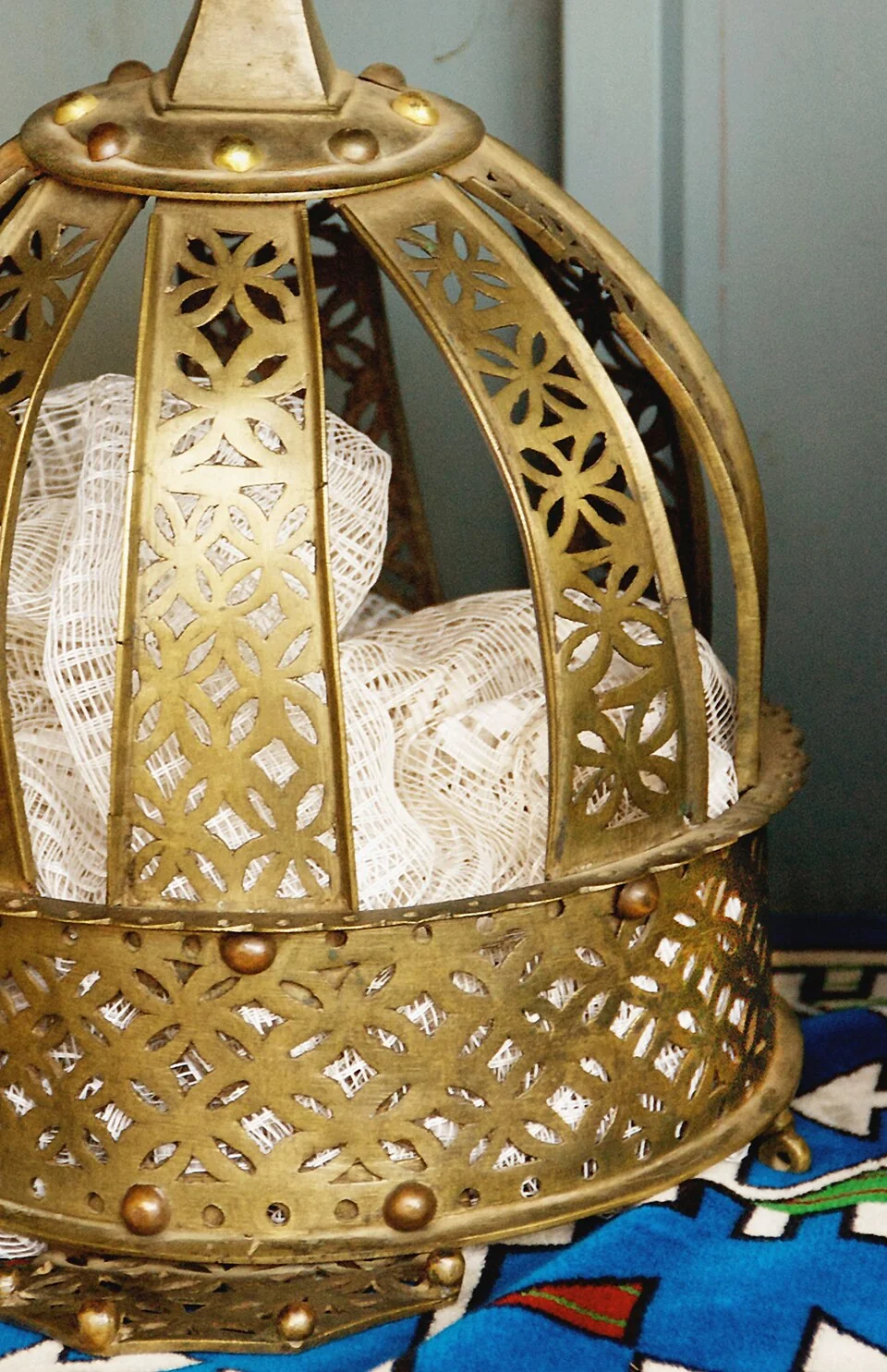
Krzyże z Etiopii w Muzeum Narodowym w Warszawie The file page records 2023-03-05 16:16:30 as the date of the photograph, not of the object.
 artifact
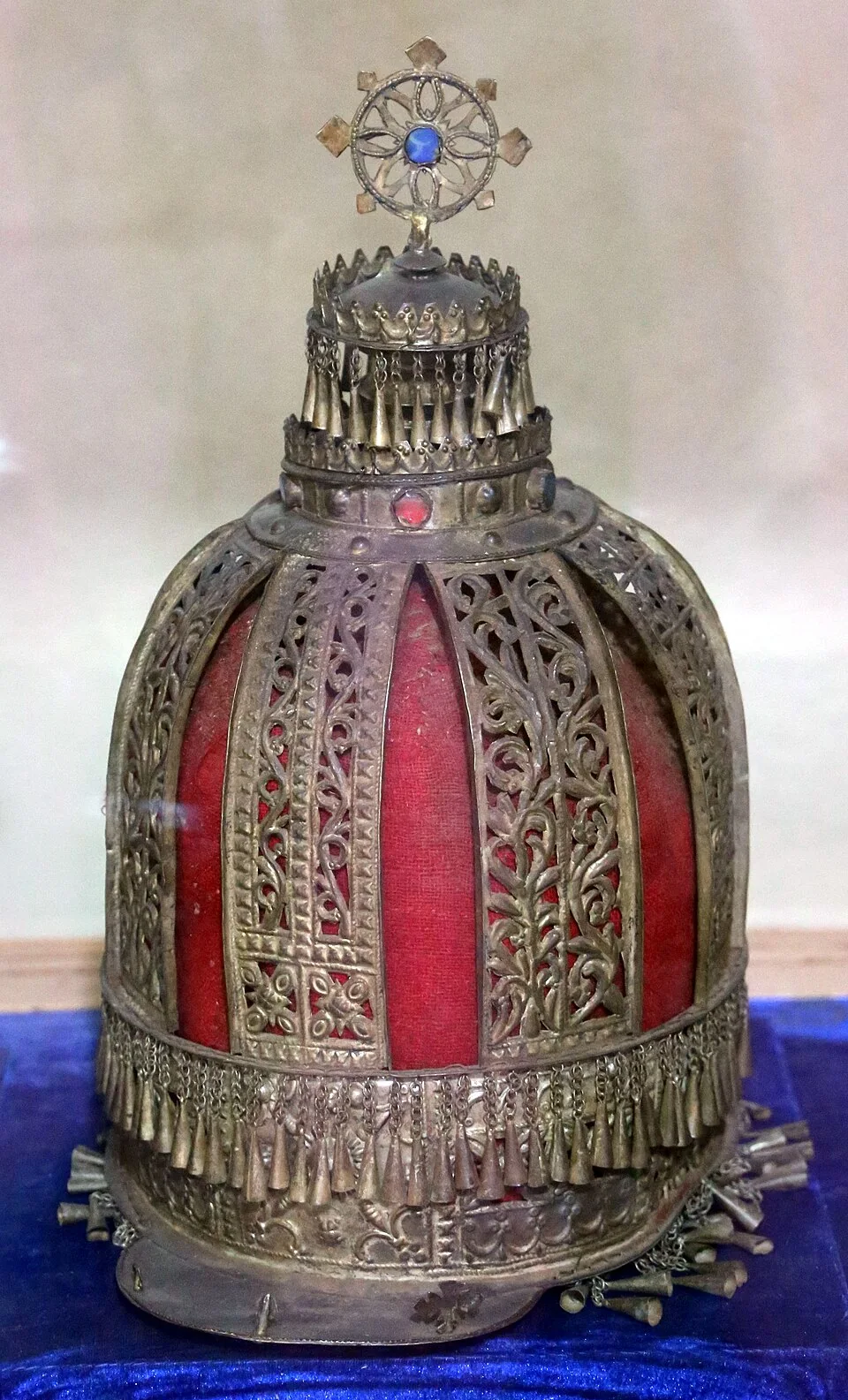
This crown's elegant simplicity makes it appealing. The crown may be simple in comparison with others in the treasury of the Chapel of the Tablet, but the simplicity contains its own complexity.
 artifact
Ura Kidane Mehret - Museum The file page records 2018-11-11 08:13:08 as the date of the photograph, not of the object.
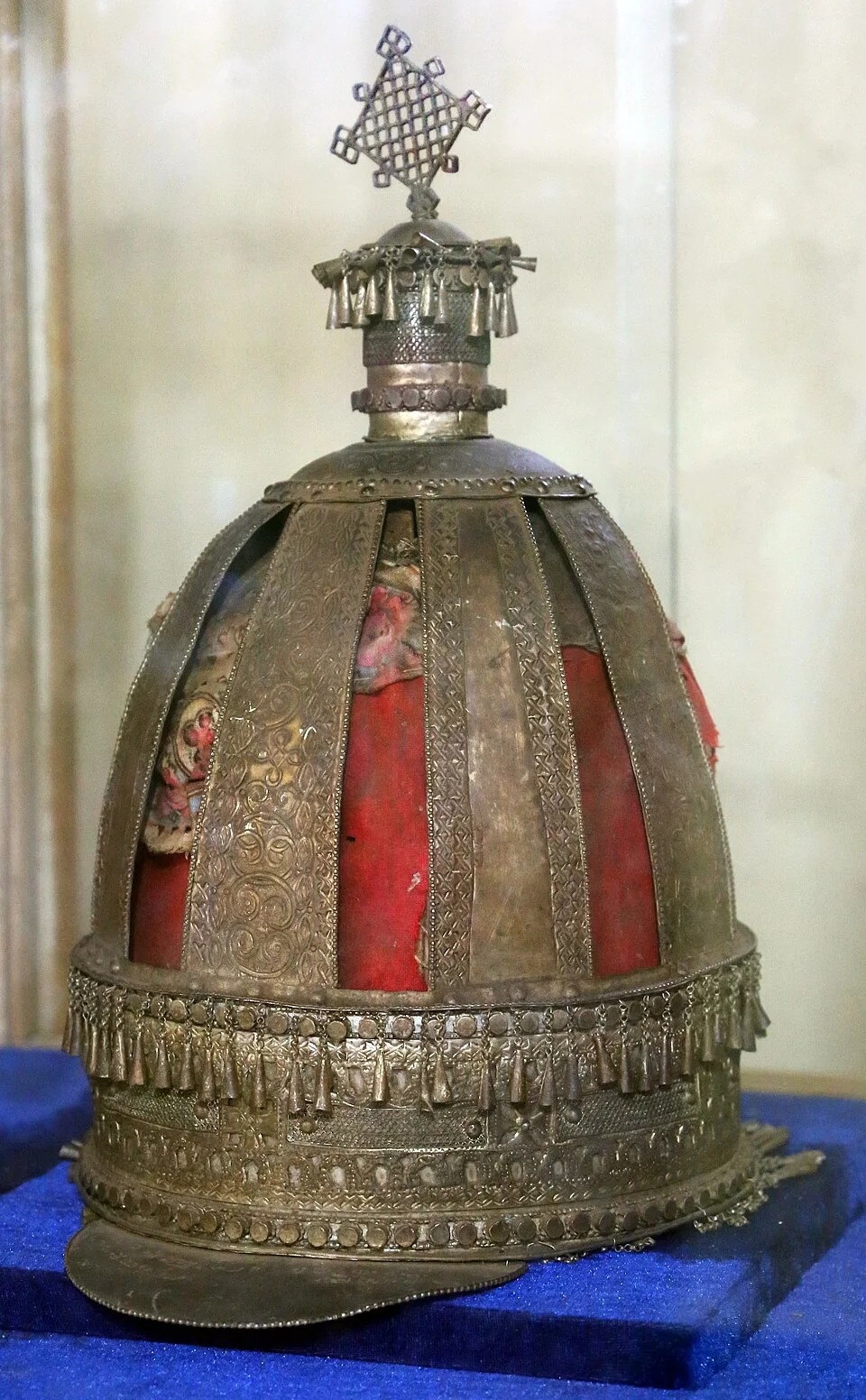 artifact
Ura Kidane Mehret - Museum The file page records 2018-11-11 08:13:21 as the date of the photograph, not of the object.
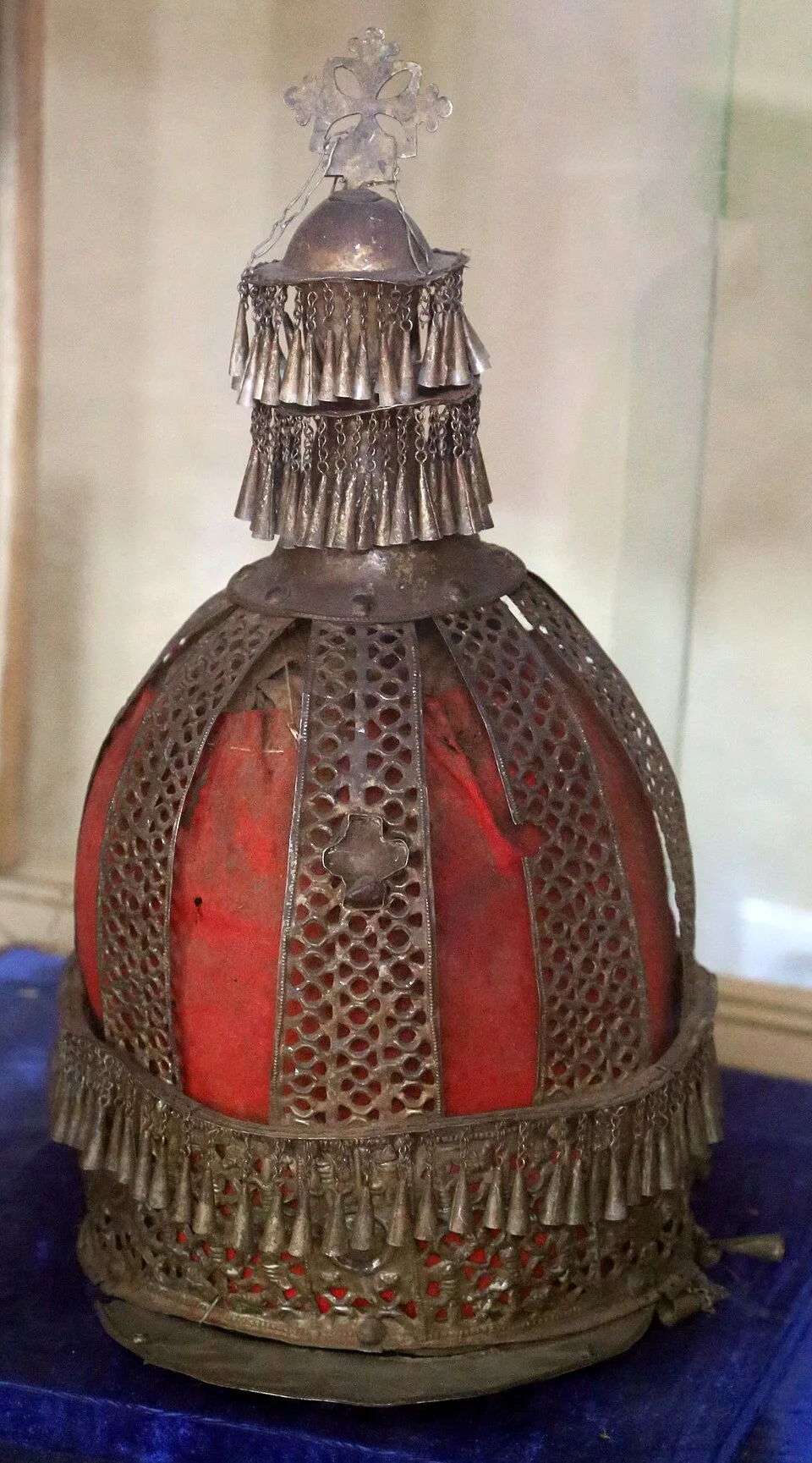 artifact
Ura Kidane Mehret - Museum The file page records 2018-11-11 08:13:26 as the date of the photograph, not of the object.
 artifact
Photo of Haile Selassie Crown The Commons file page gives the source as: Unknown.
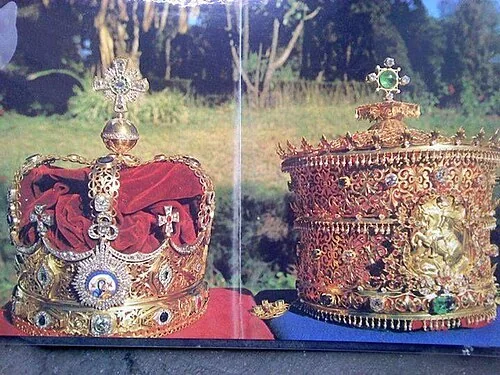 artifact
Photo of Haile Selassie Crown The Commons file page gives the source as: Unknown.
52 shown
 Medievalartifact
 Medievalartifact
 Medievalartifact
 Medievalartifact
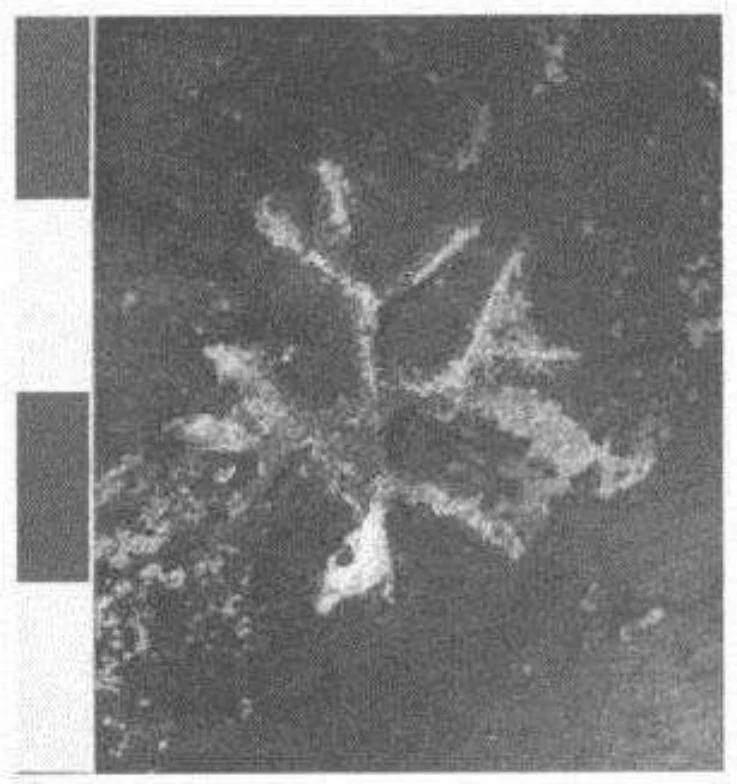 Medievalartifact
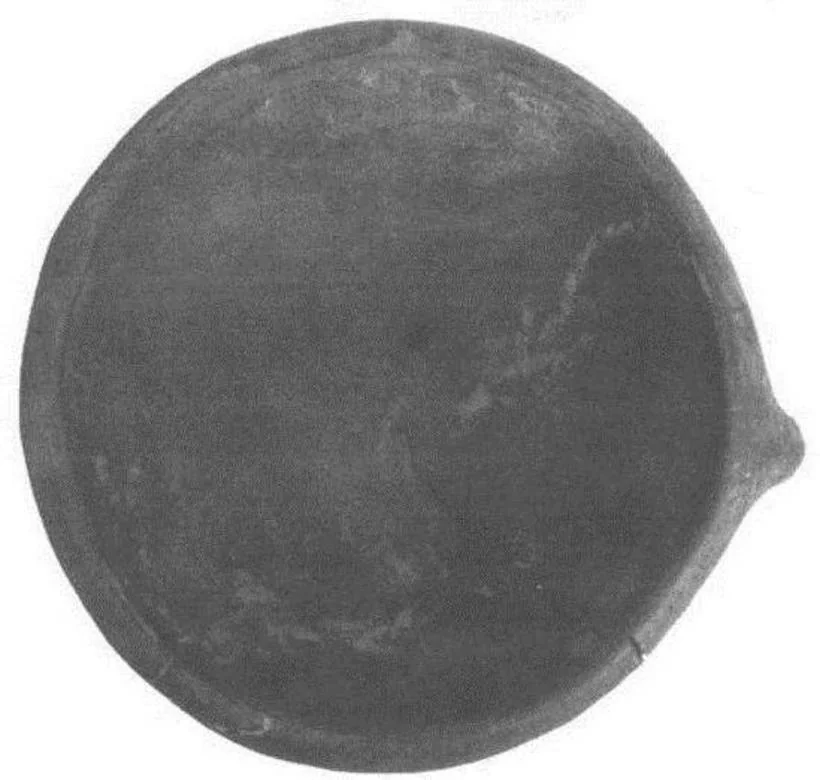 Medievalartifact
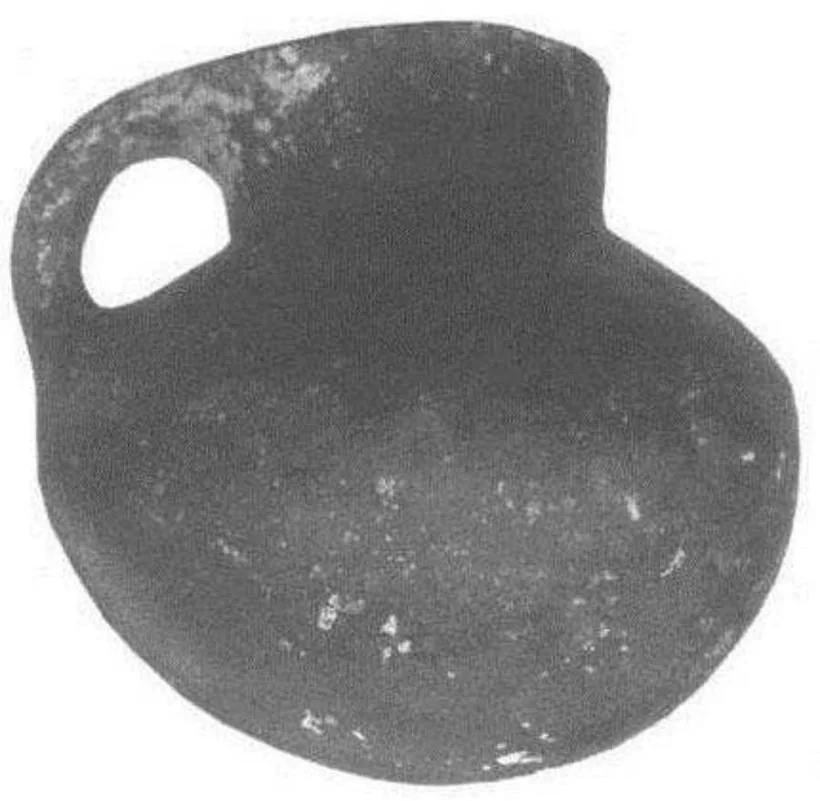 Medievalartifact
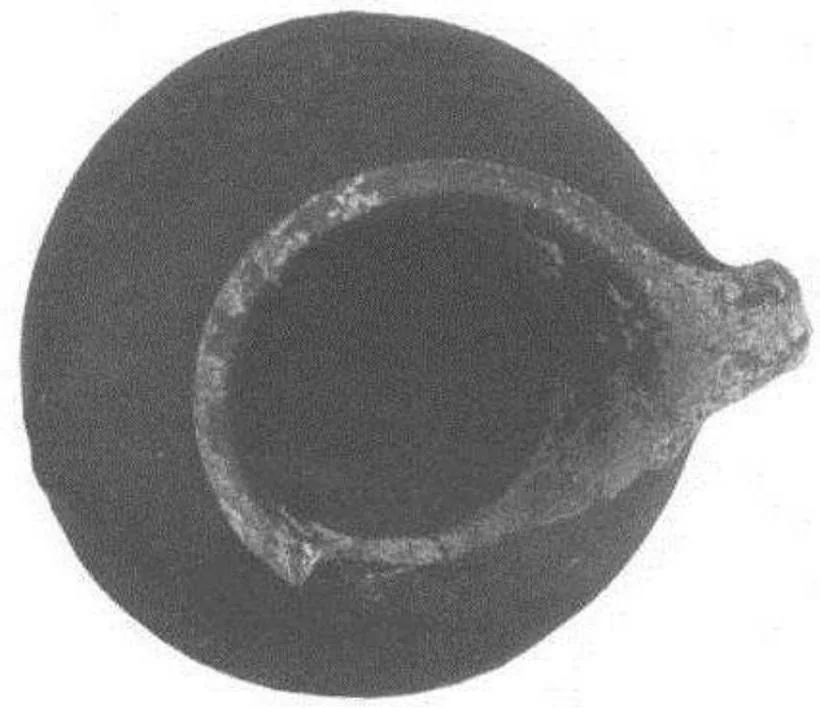 Medievalartifact
 Medievalartifact
 Medievalartifact
 Medievalartifact
 Medievalartifact
 Medievalartifact
 Medievalartifact
 Medievalartifact
 Medievalartifact
 Medievalartifact
 Medievalartifact
 Medievalartifact
 Medievalartifact
 Medievalartifact
 Medievalartifact
 Medievalartifact
 Medievalartifact
 Medievalartifact
 Medievalartifact
 Medievalartifact
 Medievalartifact
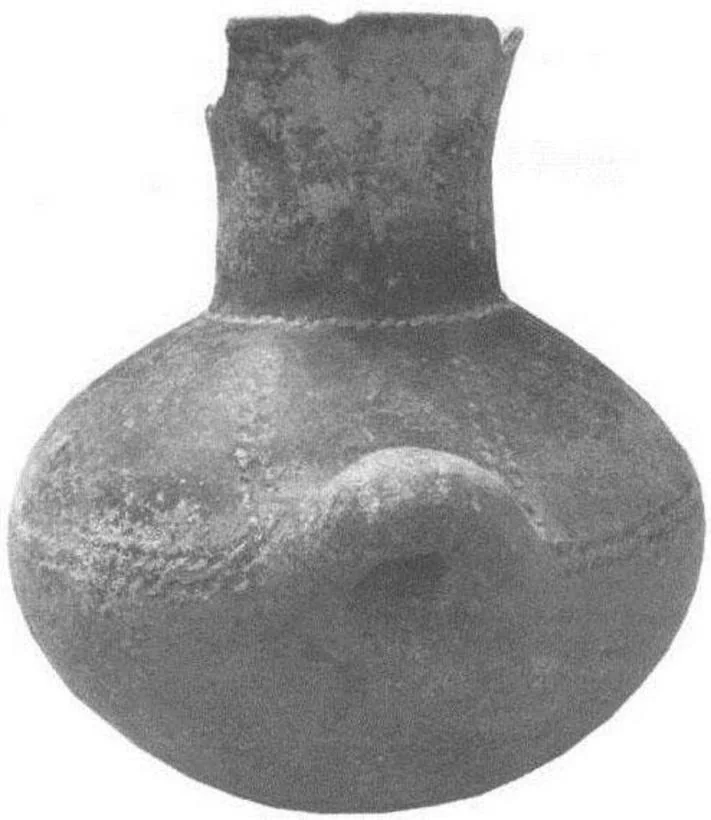 Medievalartifact
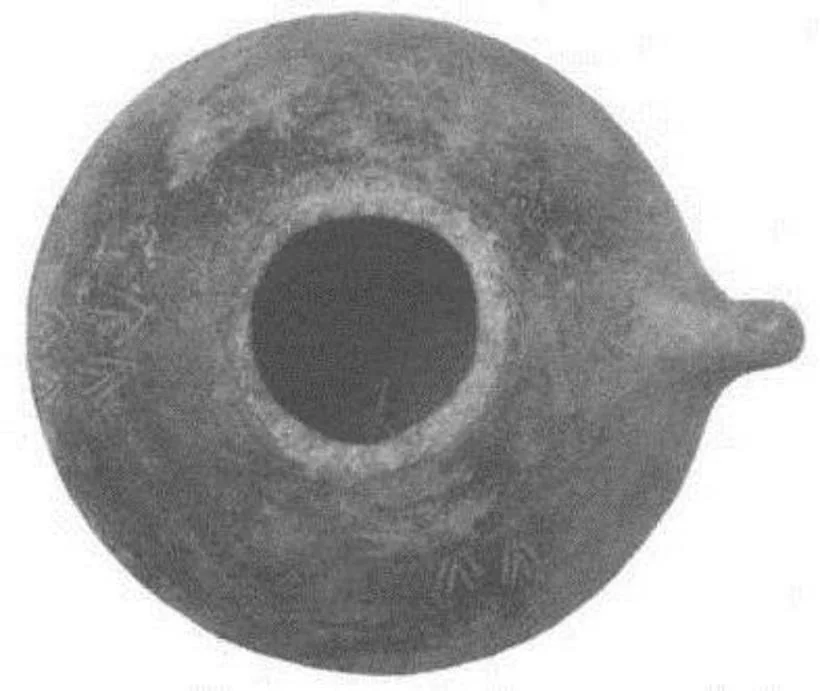 Medievalartifact
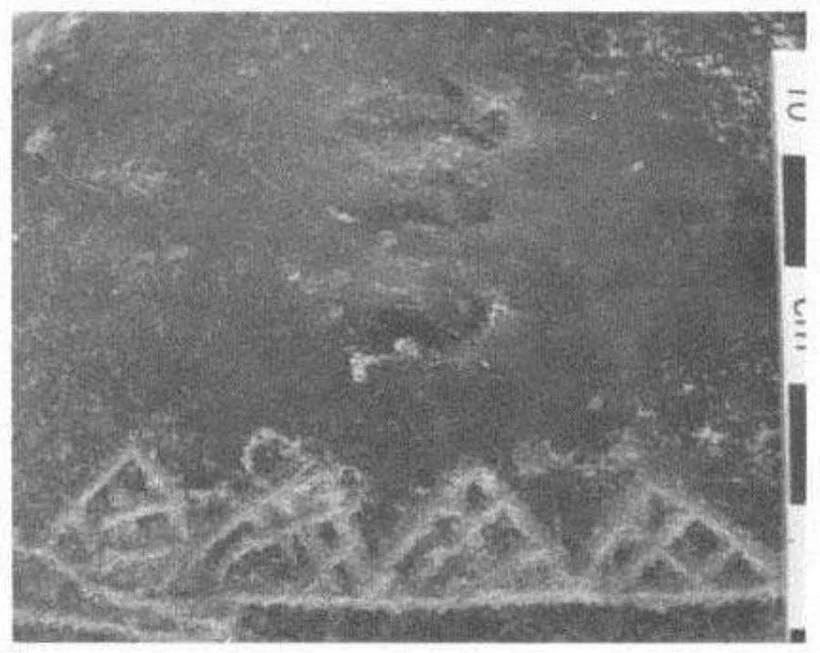 Medievalartifact
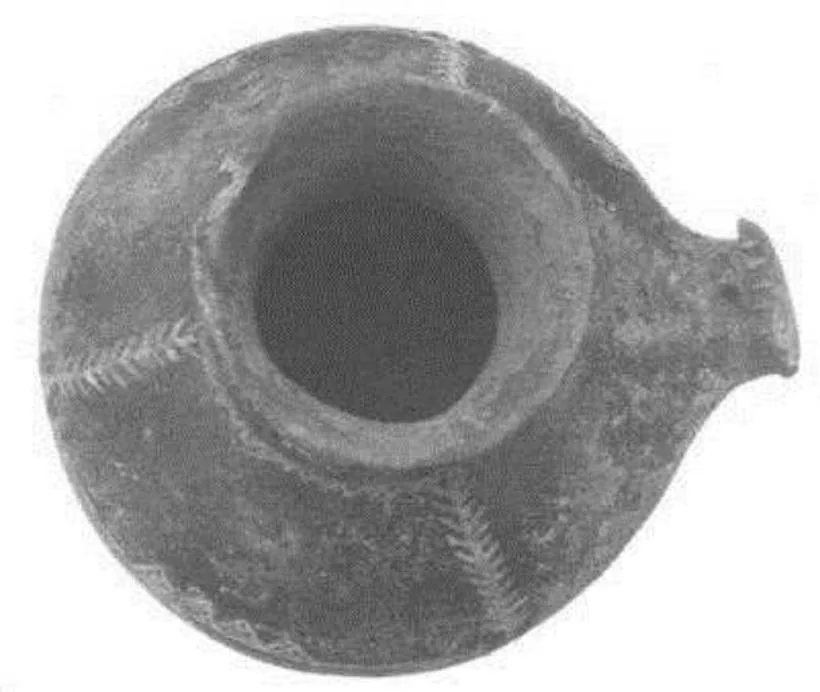 Medievalartifact
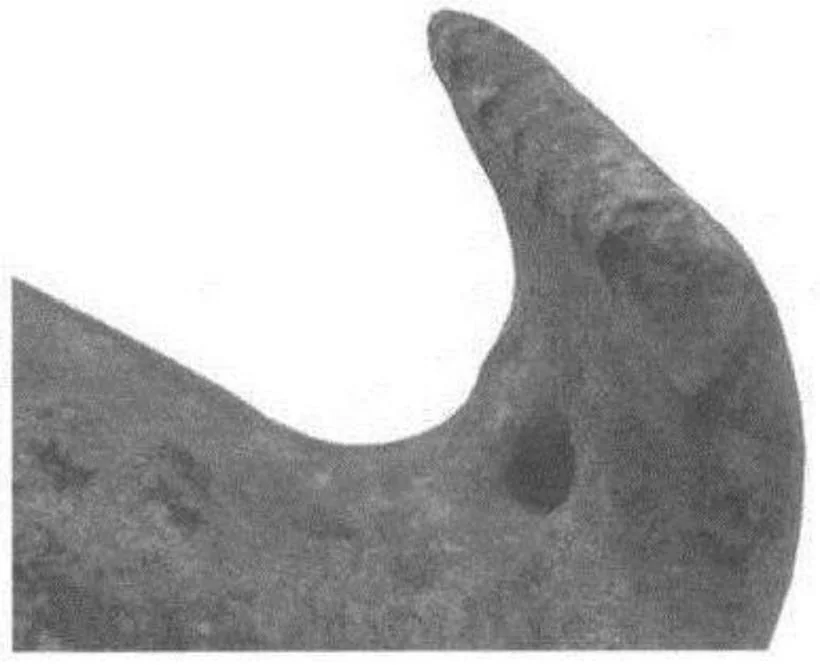 Medievalartifact
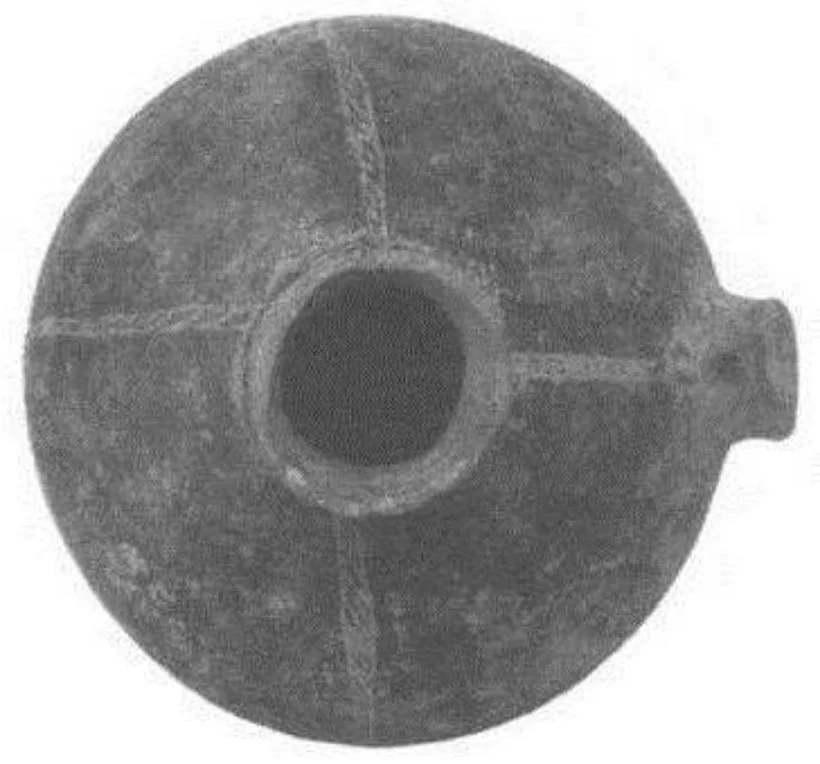 Medievalartifact
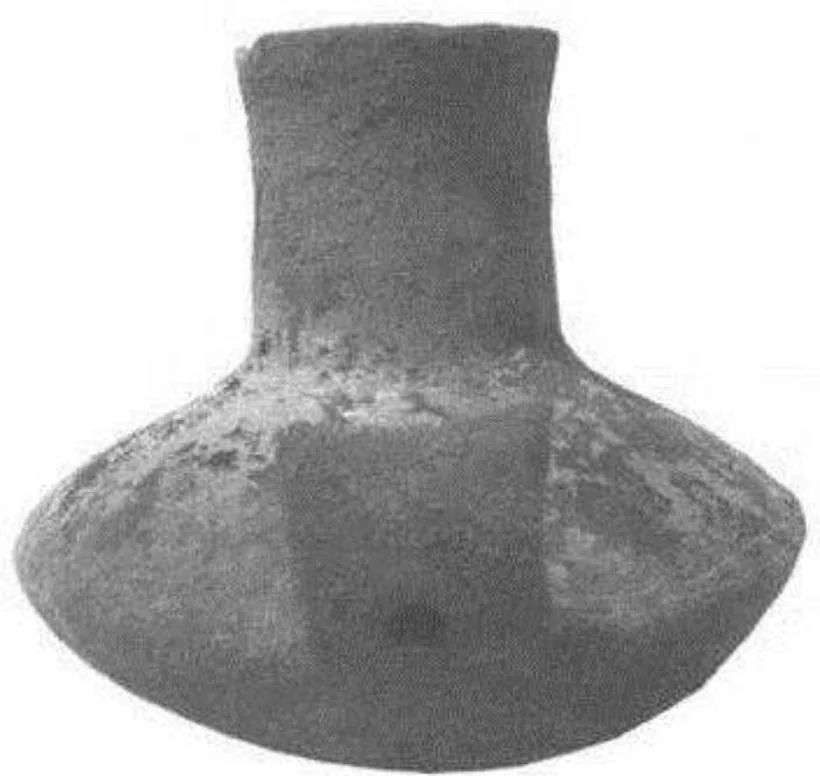 Medievalartifact
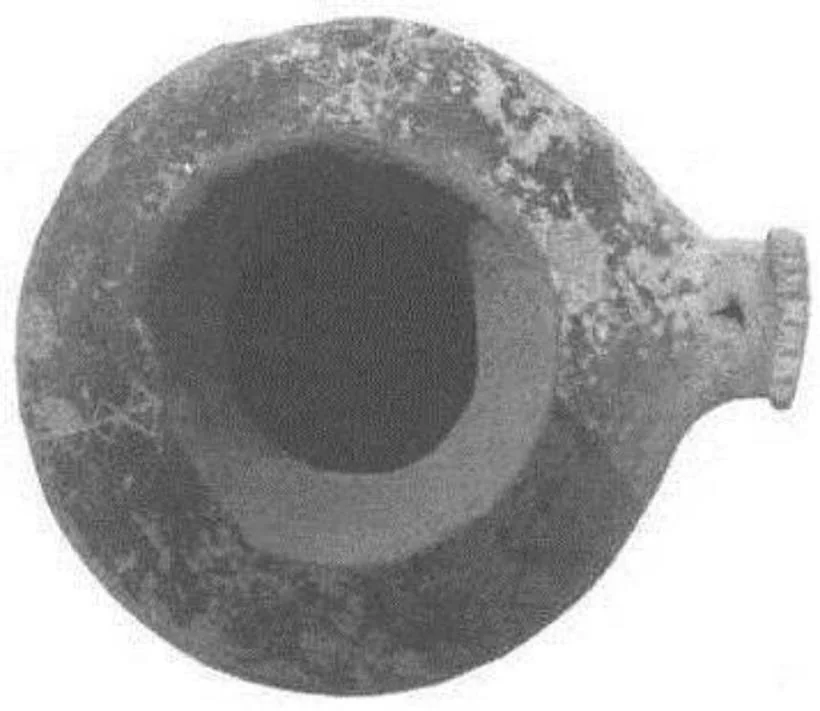 Medievalartifact
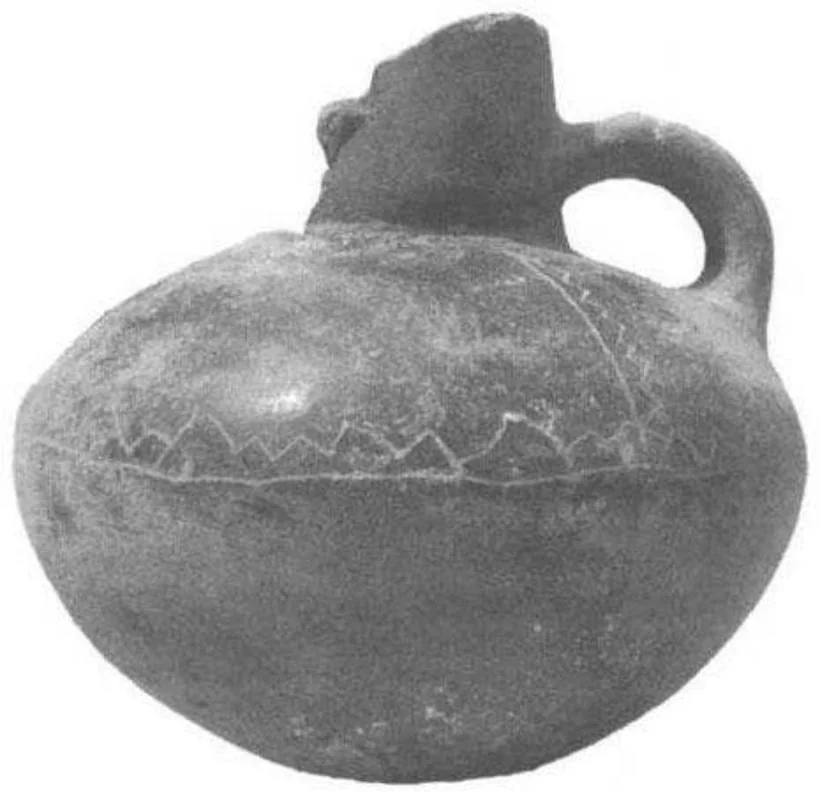 Medievalartifact
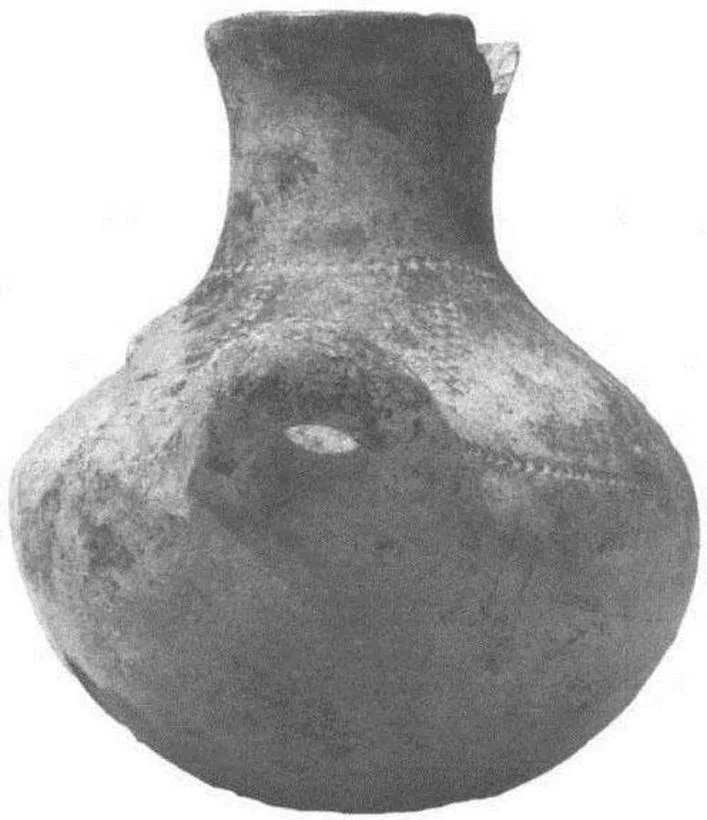 Medievalartifact
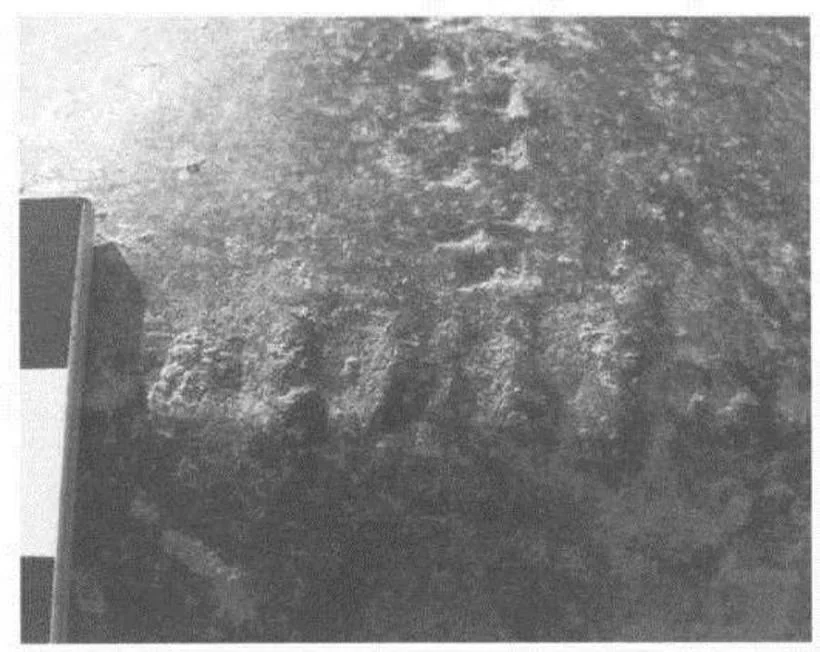 Medievalartifact
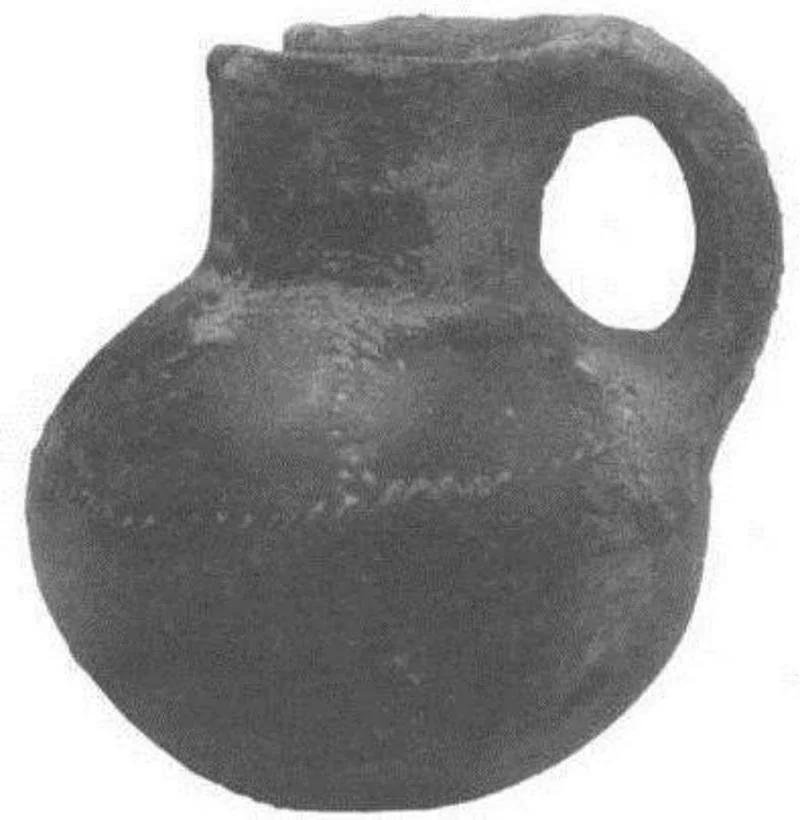 Medievalartifact
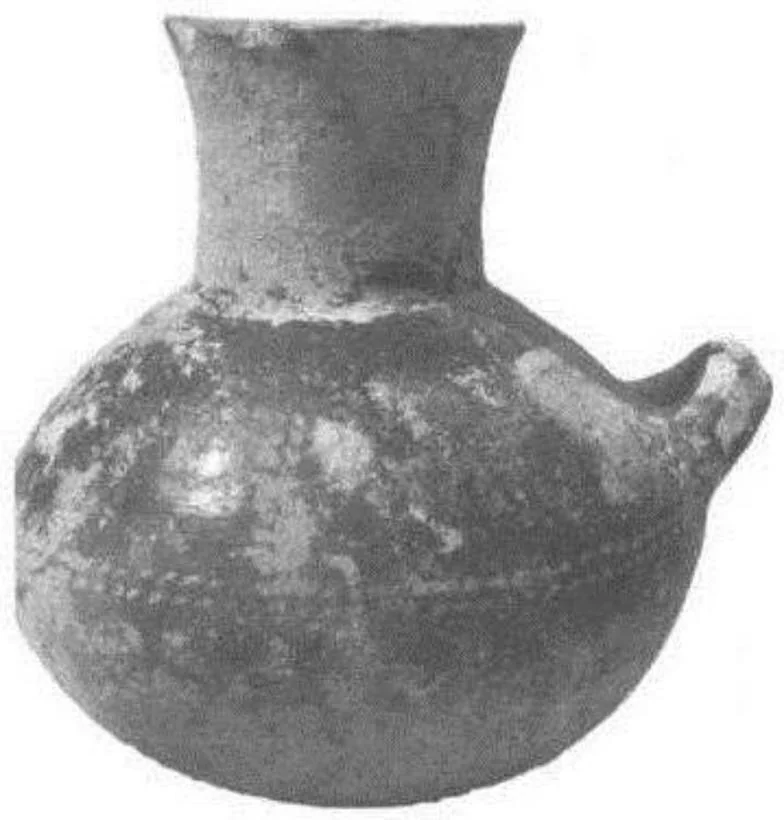 Medievalartifact
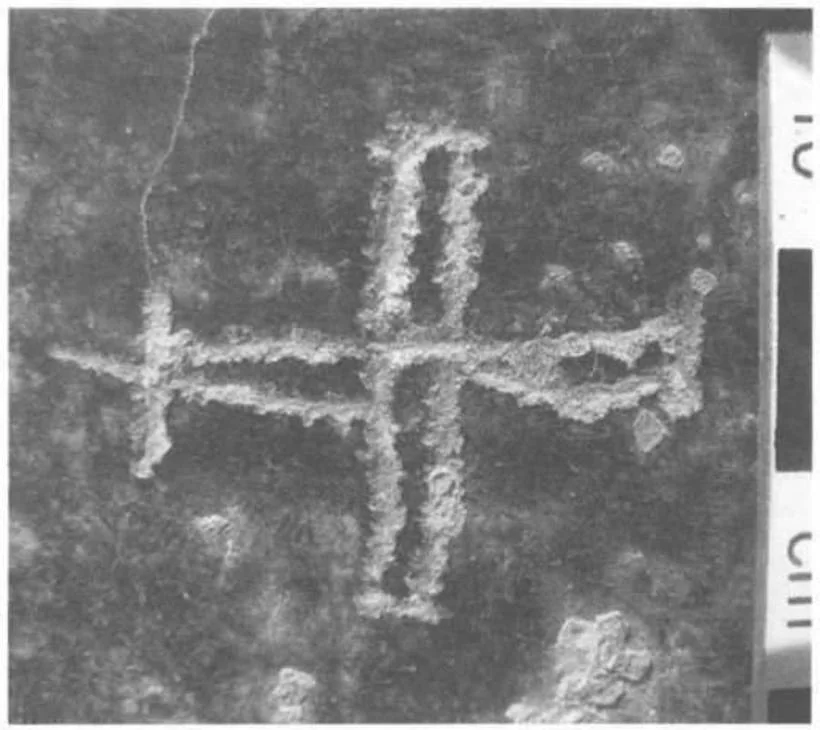 Medievalartifact
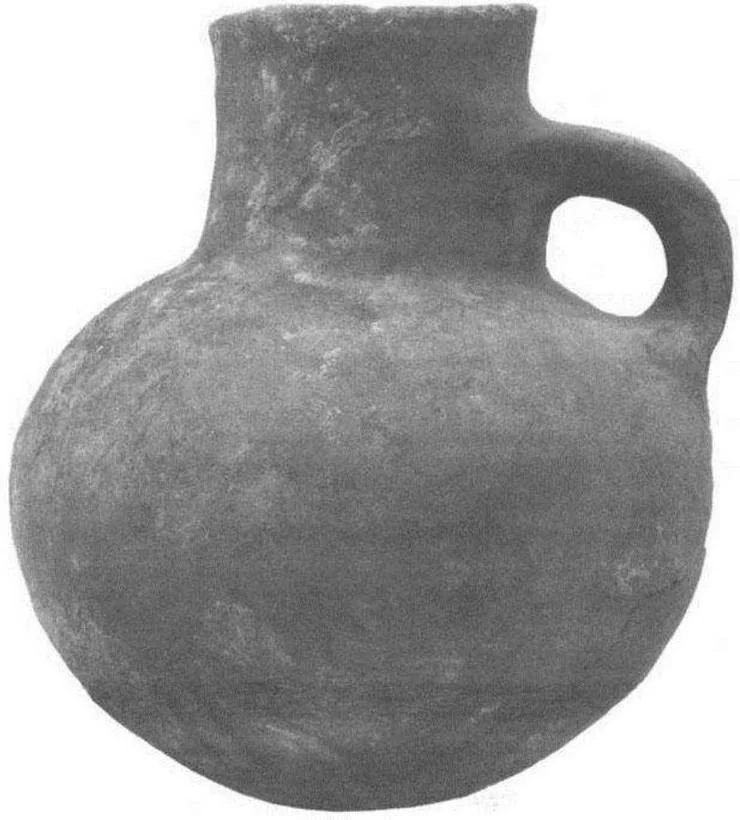 Medievalartifact
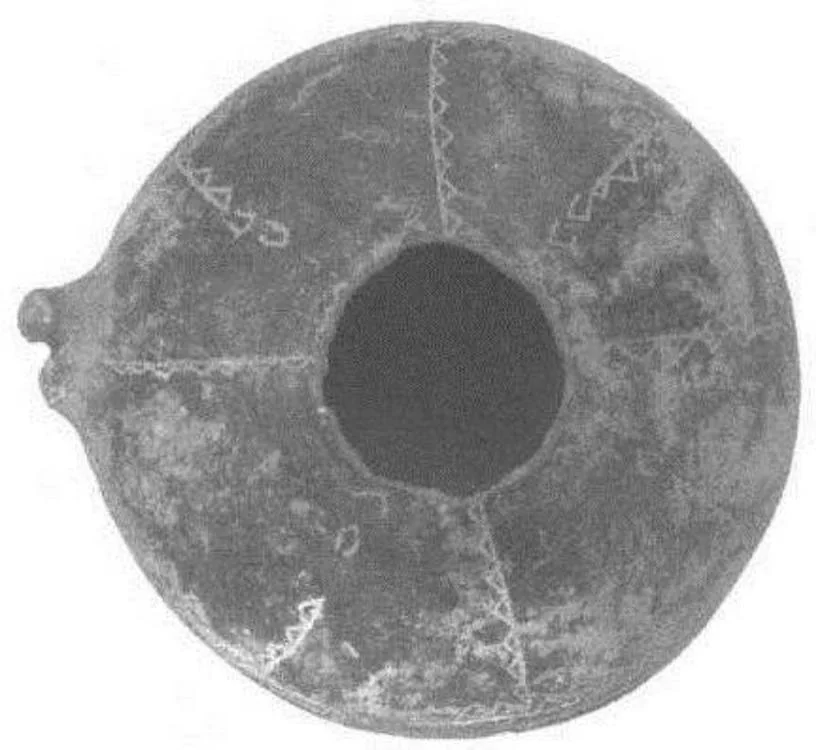 Medievalartifact
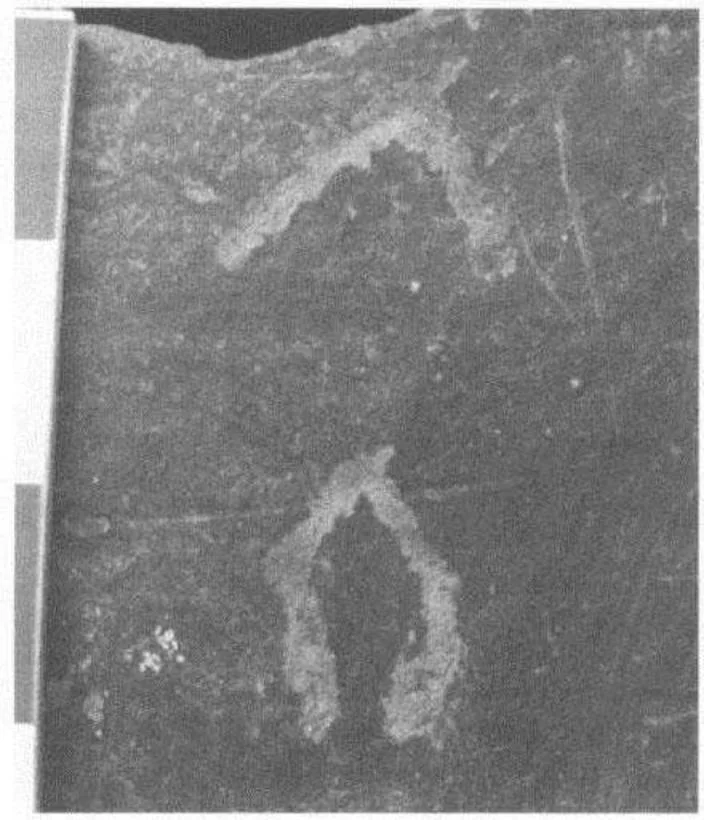 Medievalartifact
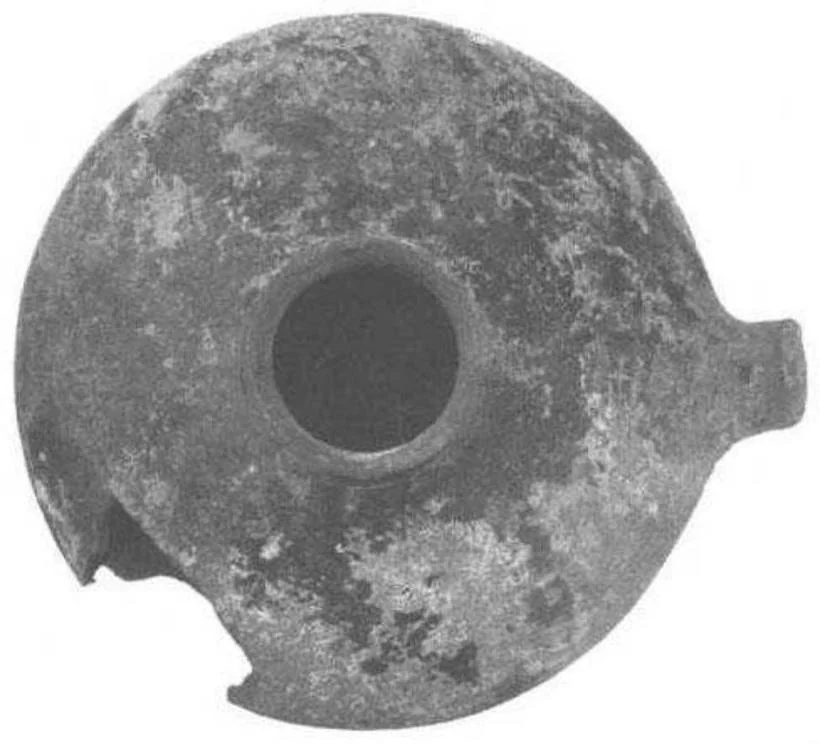 Medievalartifact
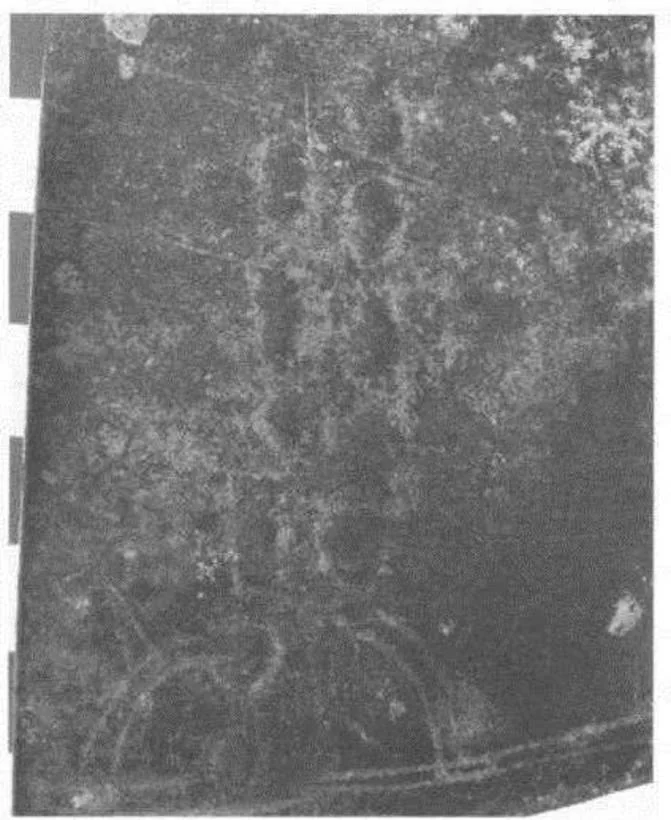 Medievalartifact
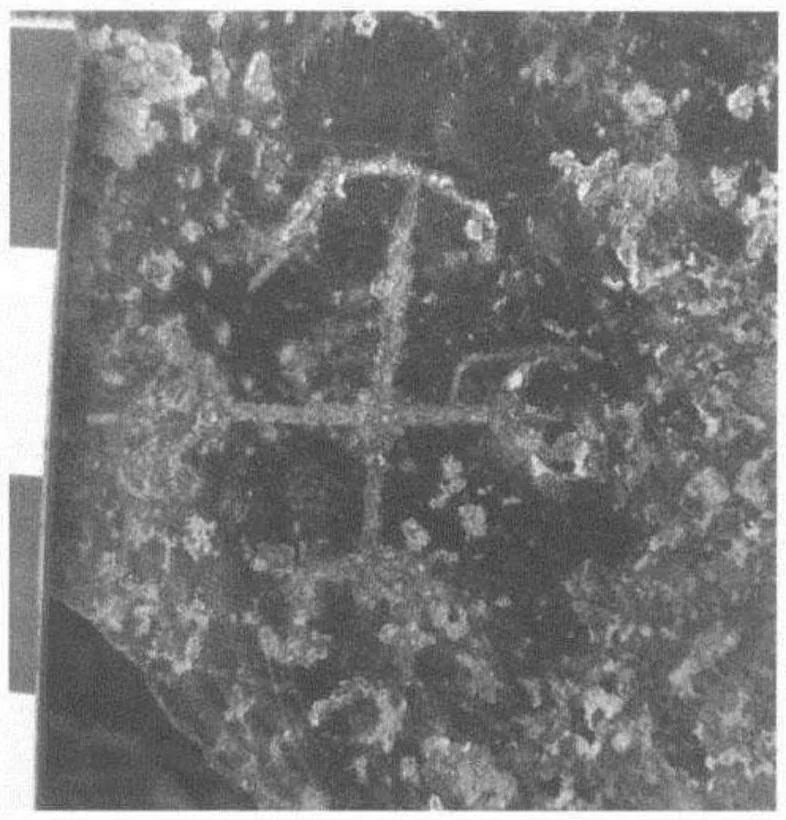 Medievalartifact
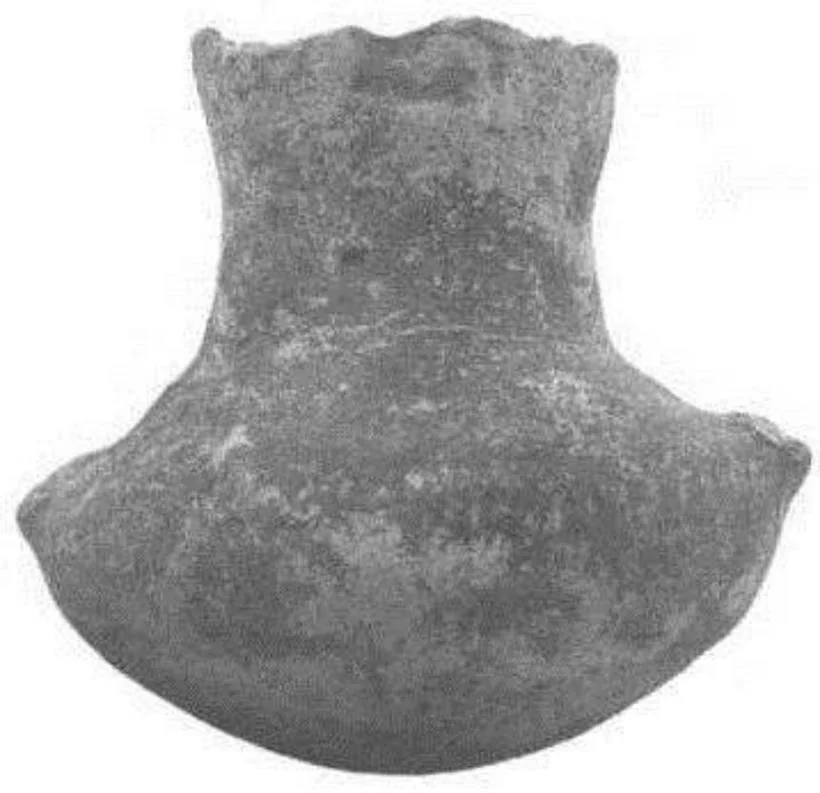 Medievalartifact
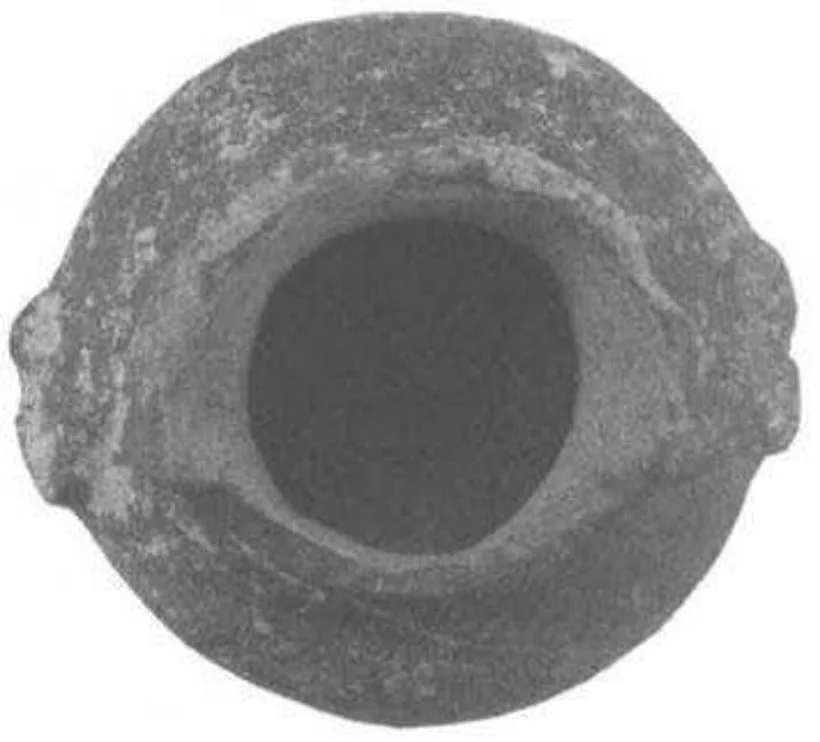 Medievalartifact
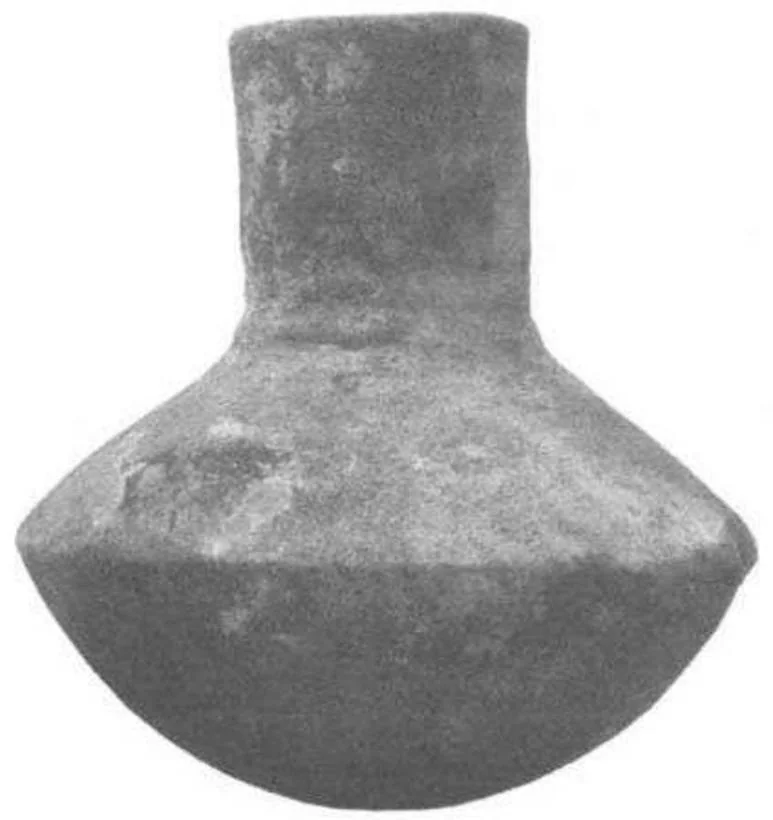 Medievalartifact
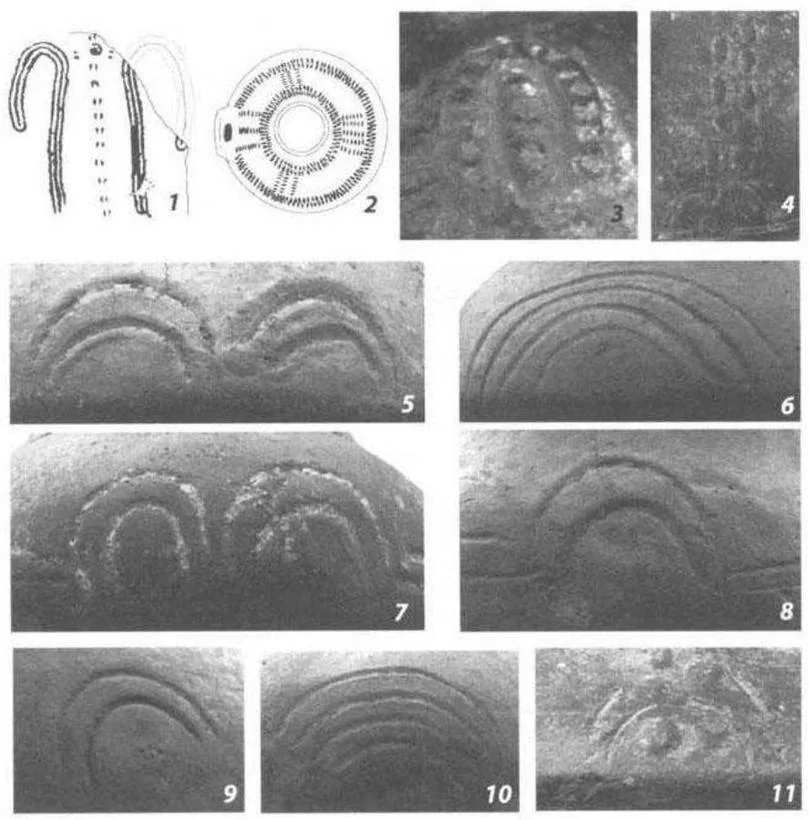 Medievalartifact
5 shown
 Medievalartifact
 Medievalartifact
 Medievalartifact
 Medievalartifact
 Medievalartifact
7 shown
 Medievalartifact
 Medievalartifact
 Medievalartifact
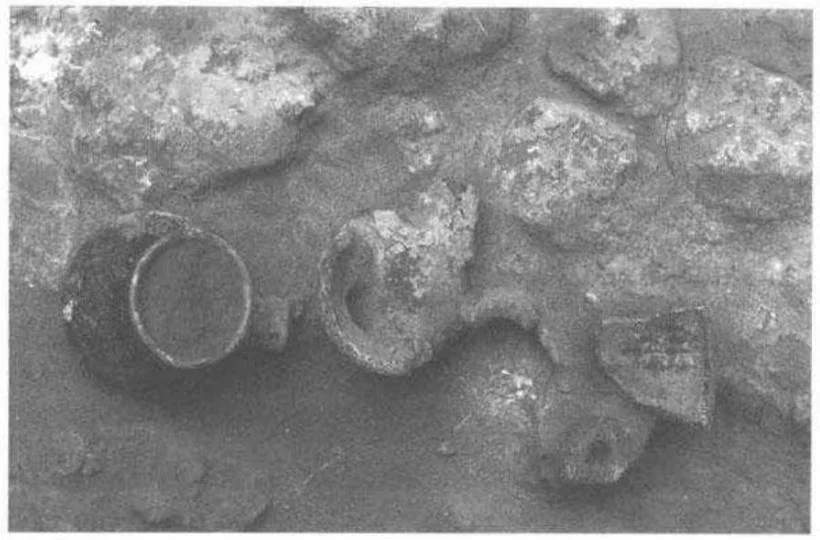 Medievalartifact
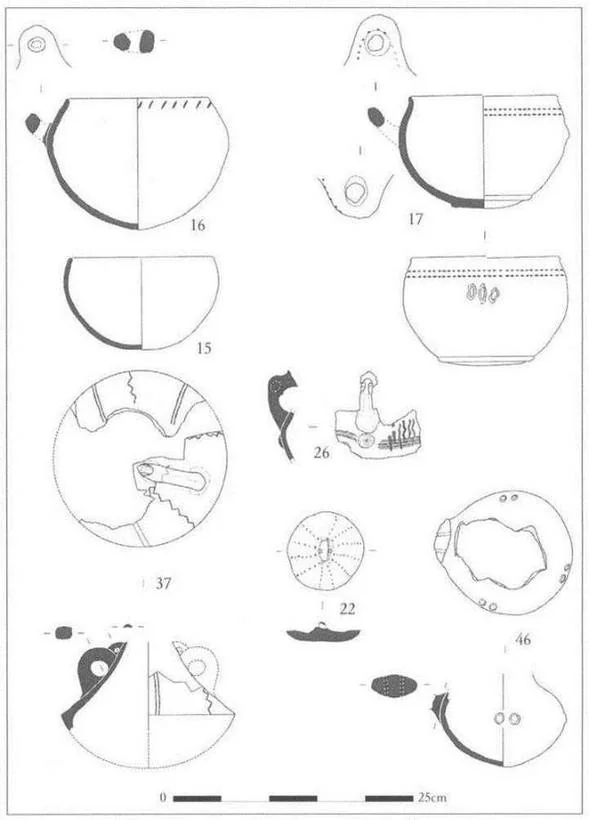 Medievalartifact
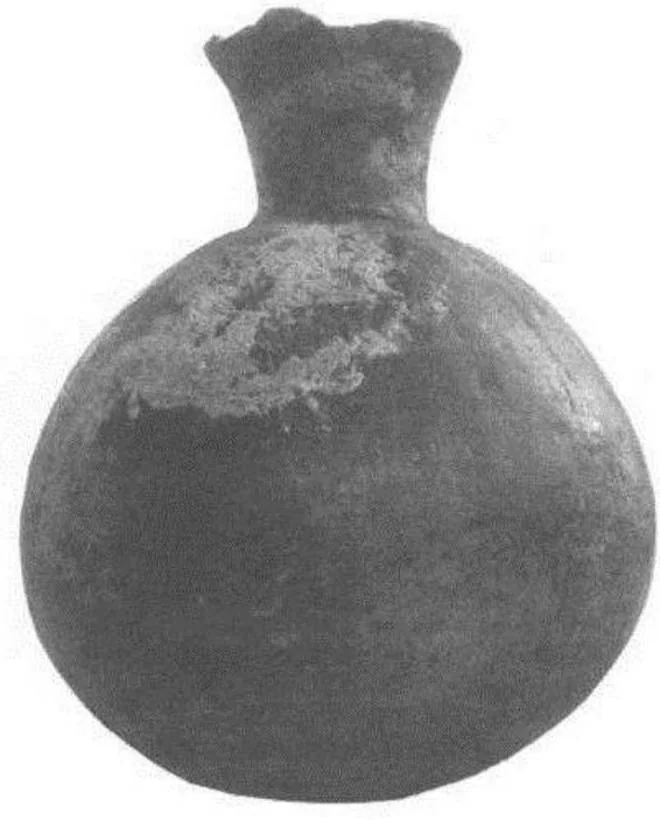
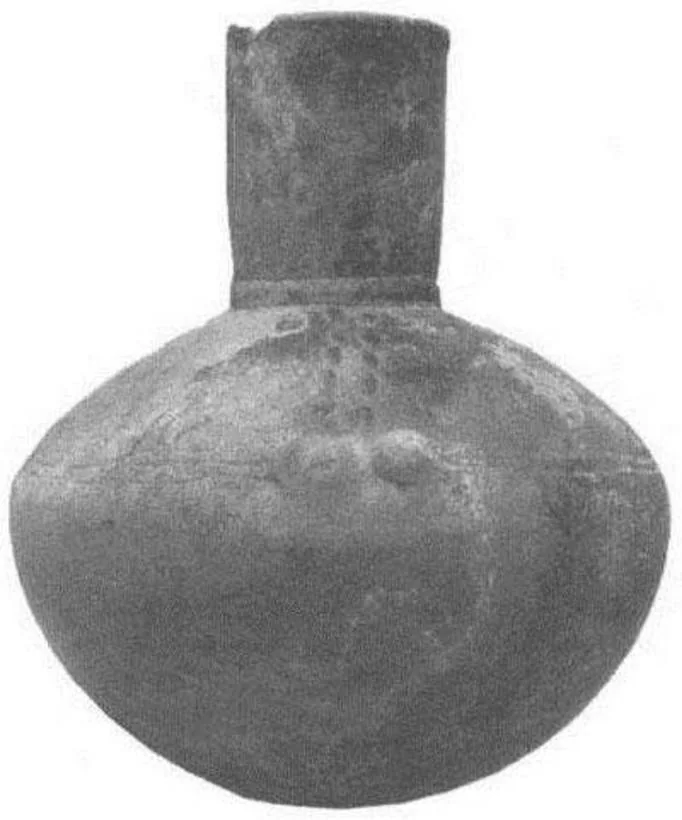
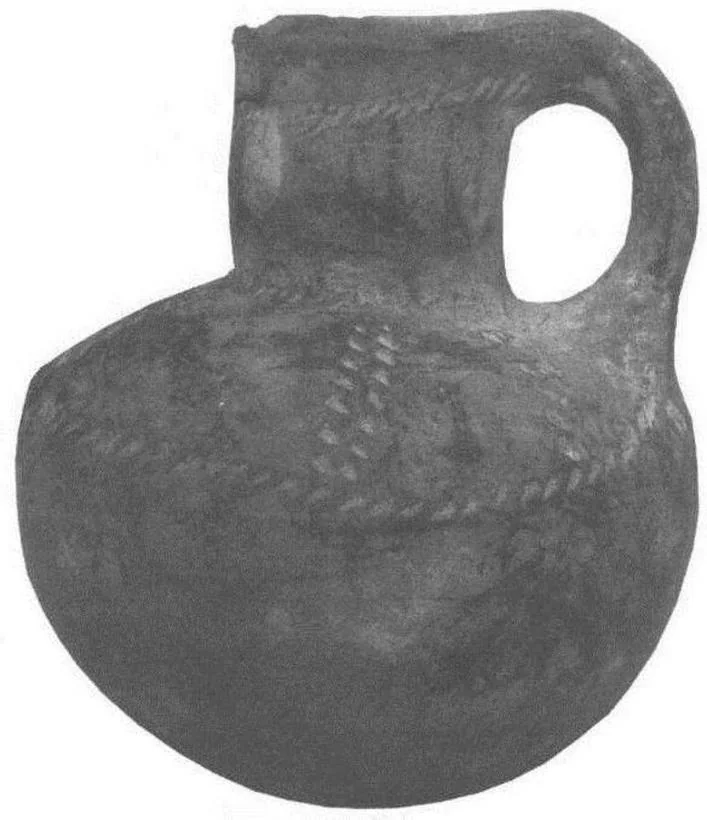
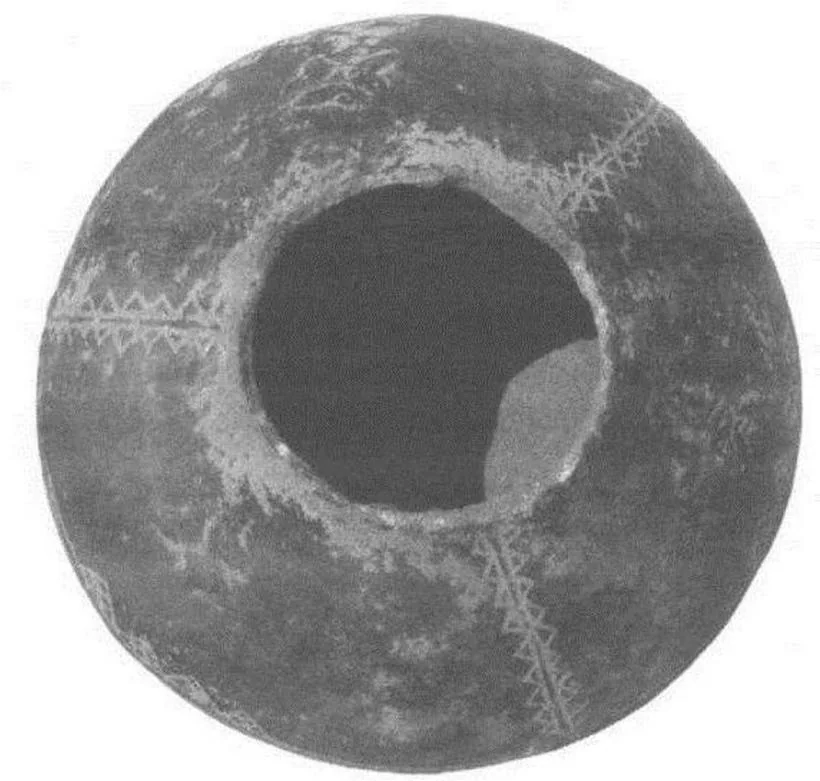
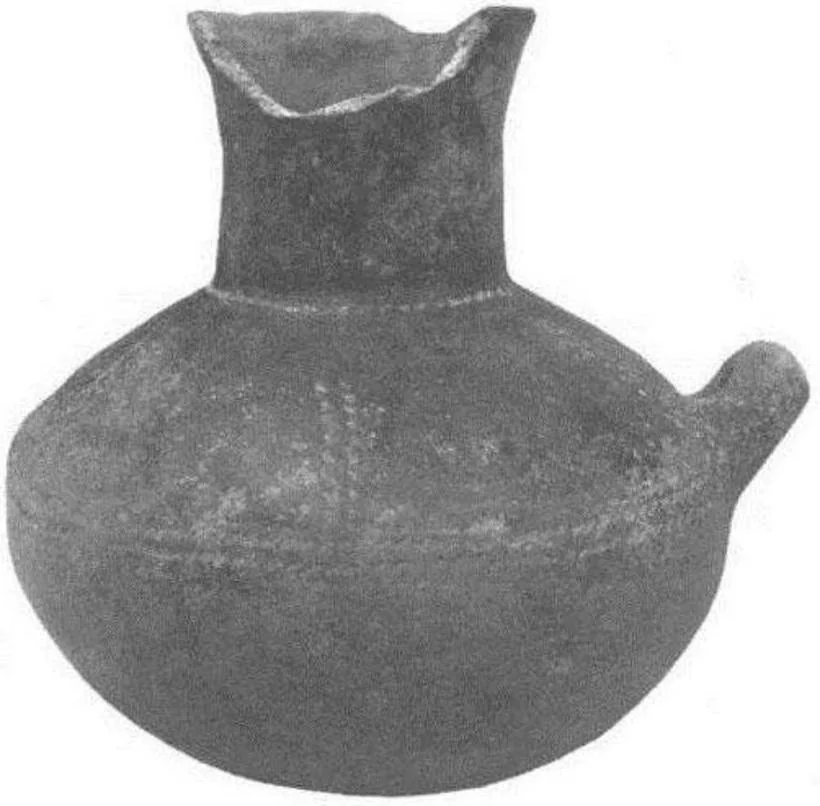
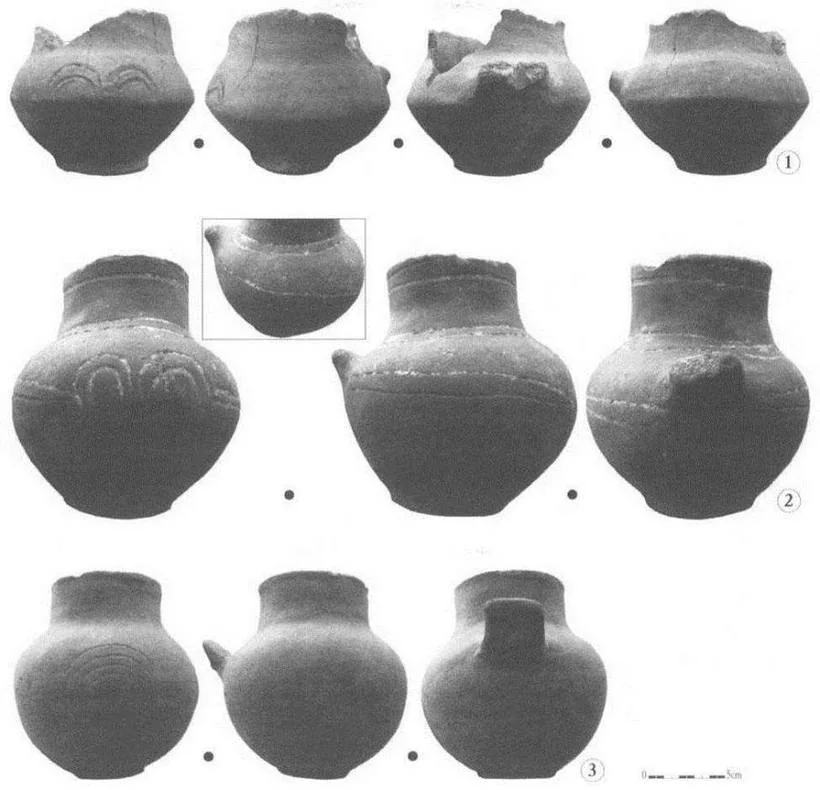
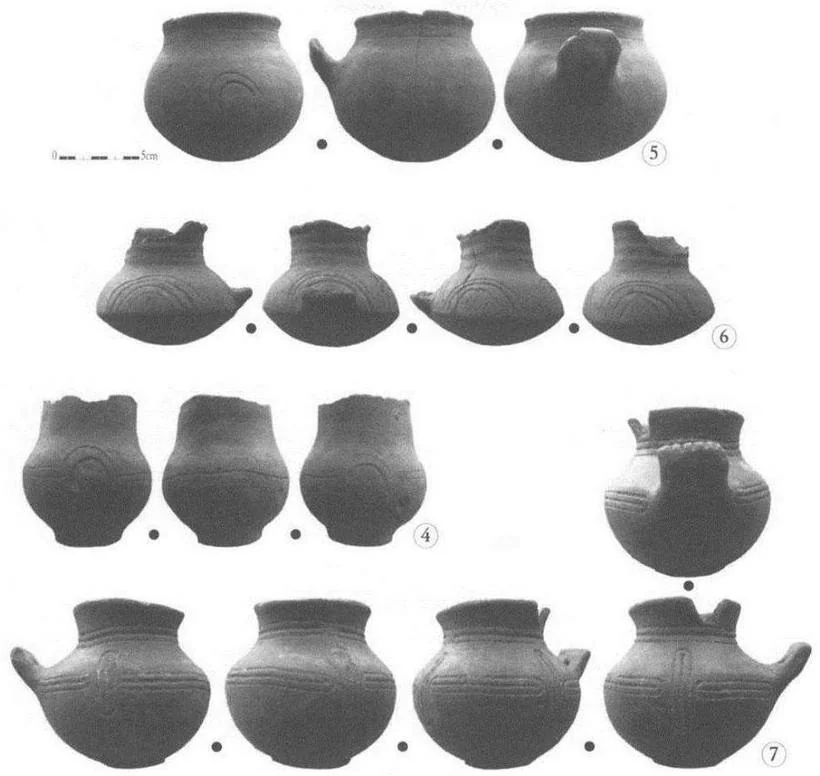
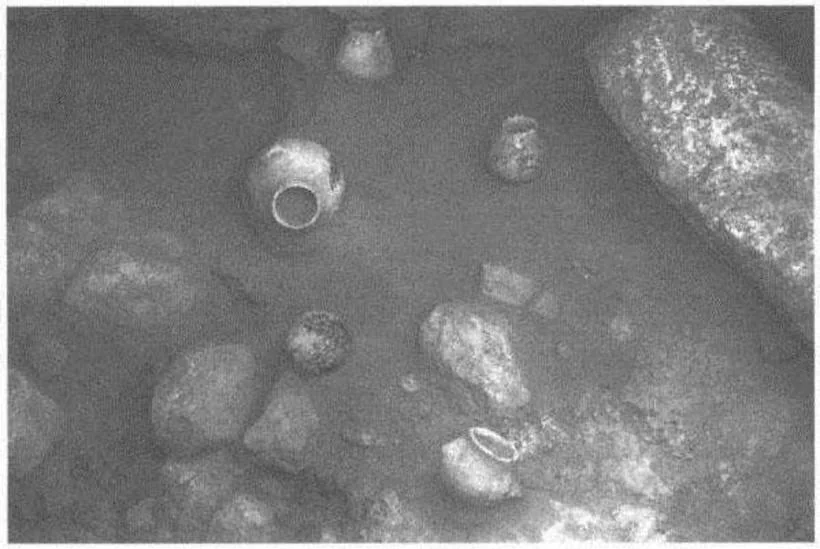
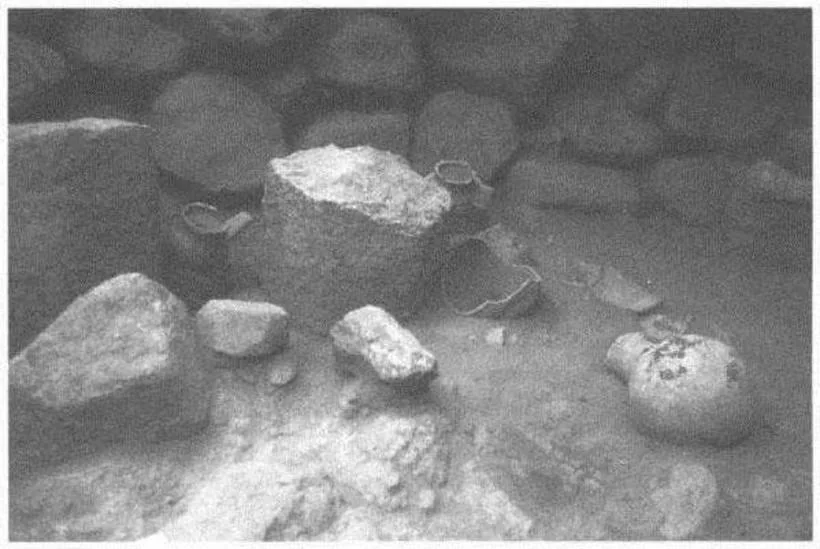
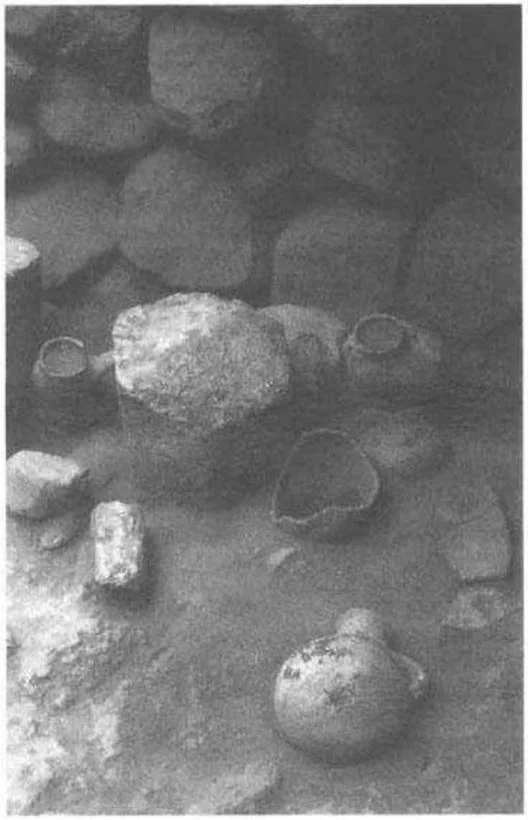
Céramiques diverses du tumulus 2 de Meshalä Maryam; éch.: 1/
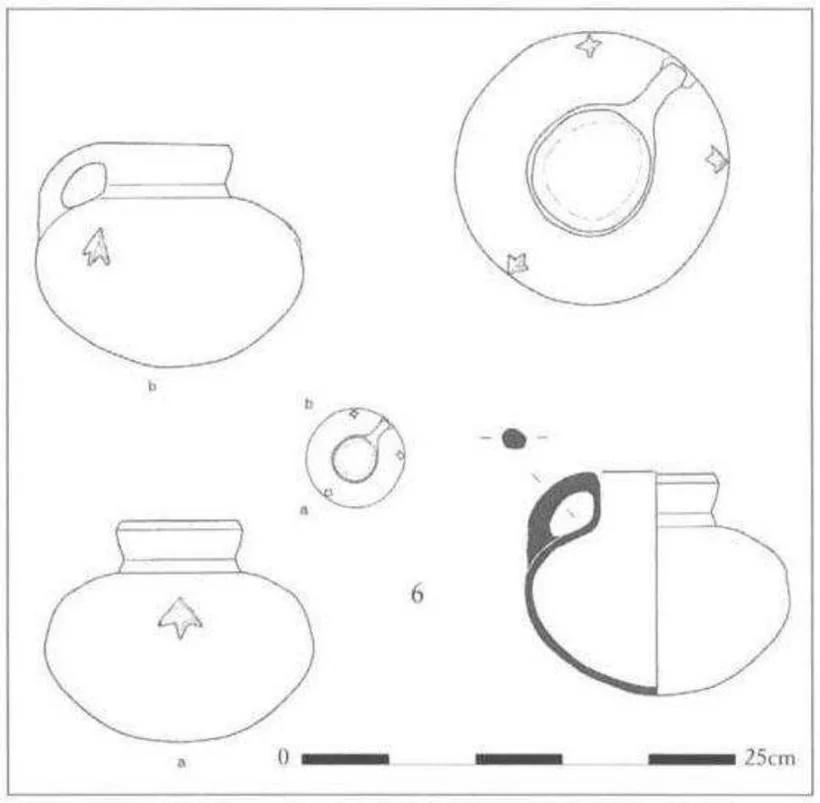 Medievalartifact
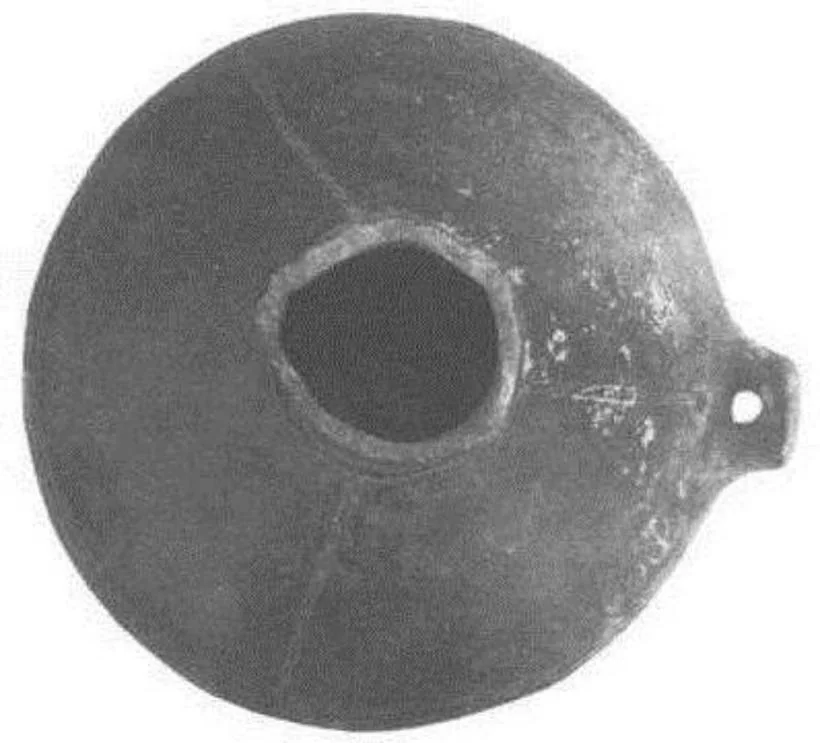
Cruche du tumulus 2 de Meshalä Maryam; éch.: 1/
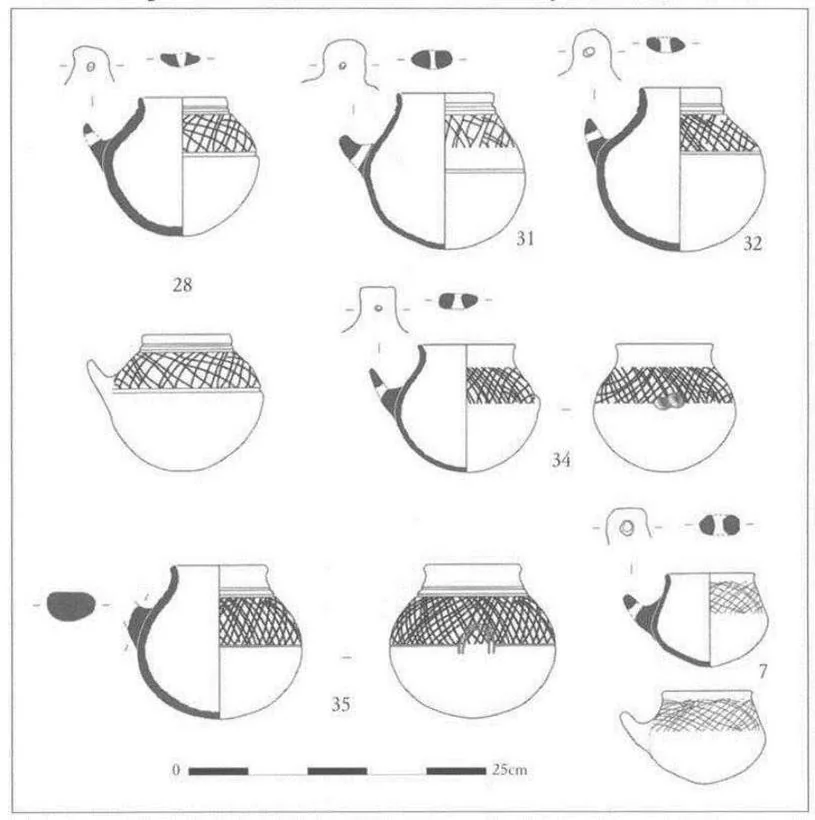 Medievalartifact
Cruchons à croisillons du tumulus 2 de Meshalä Maryam; éch.: 1/
7 shown
 Medievalartifact
 Ancientartifact
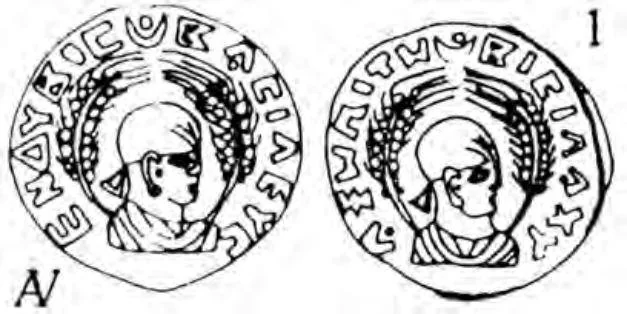
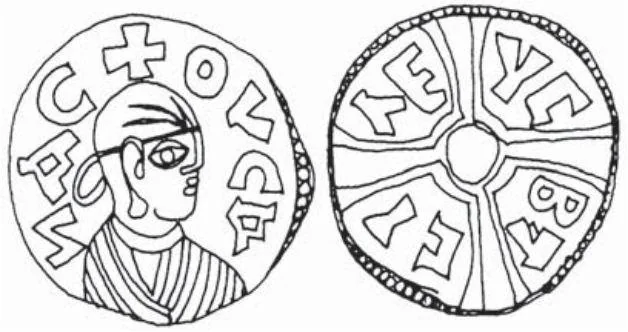
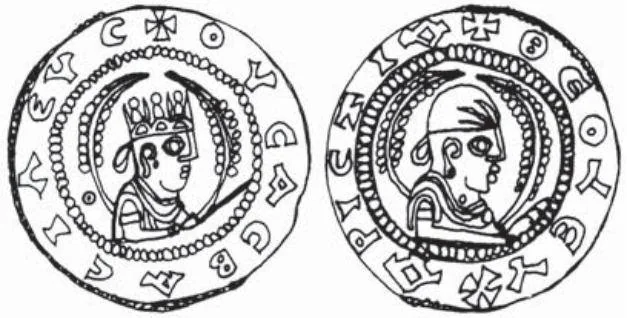
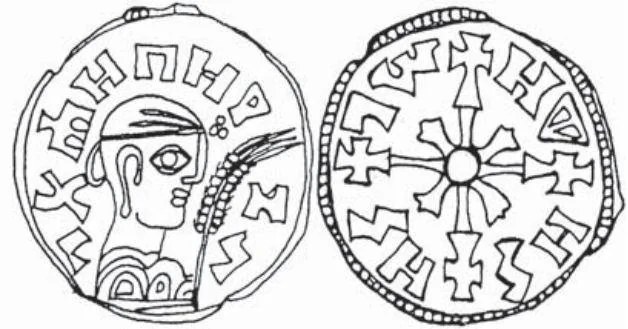
Coin of Endybis; drawing; courtesy of Wolfgang Hahn
 Ancientartifact
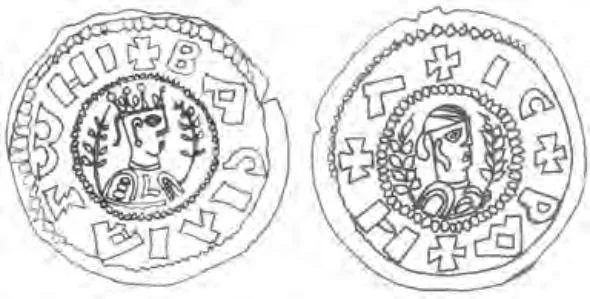
Gold coin of Ésraýel; drawing; courtesy of Wolfgang Hahn
 Ancientartifact
 Ancientartifact
 Ancientartifact
 Ancientartifact
29 shown
 artifact
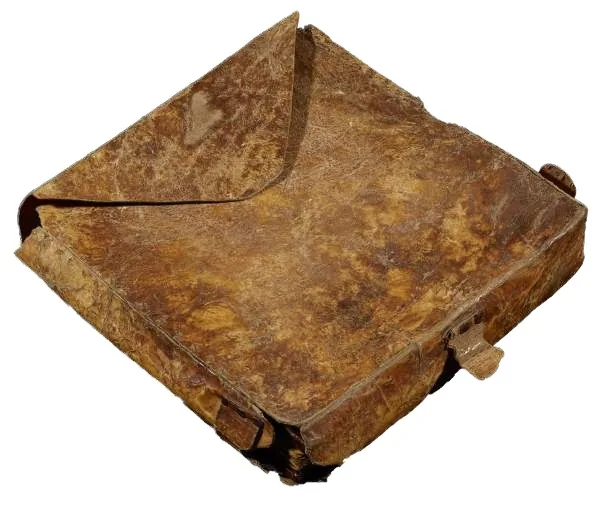
A leather satchel made to carry and protect a manuscript. The source dates the associated manuscript to the first half of the eighteenth century; the satchel is not independently dated here.
 Modernartifact
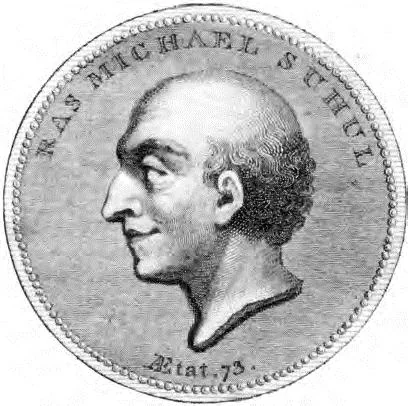
Ras Mikael Sehul purported burst coin c. 1770 The Commons file page gives the source as: Travels to Discover the Source of the Nile.
 artifact
 artifact
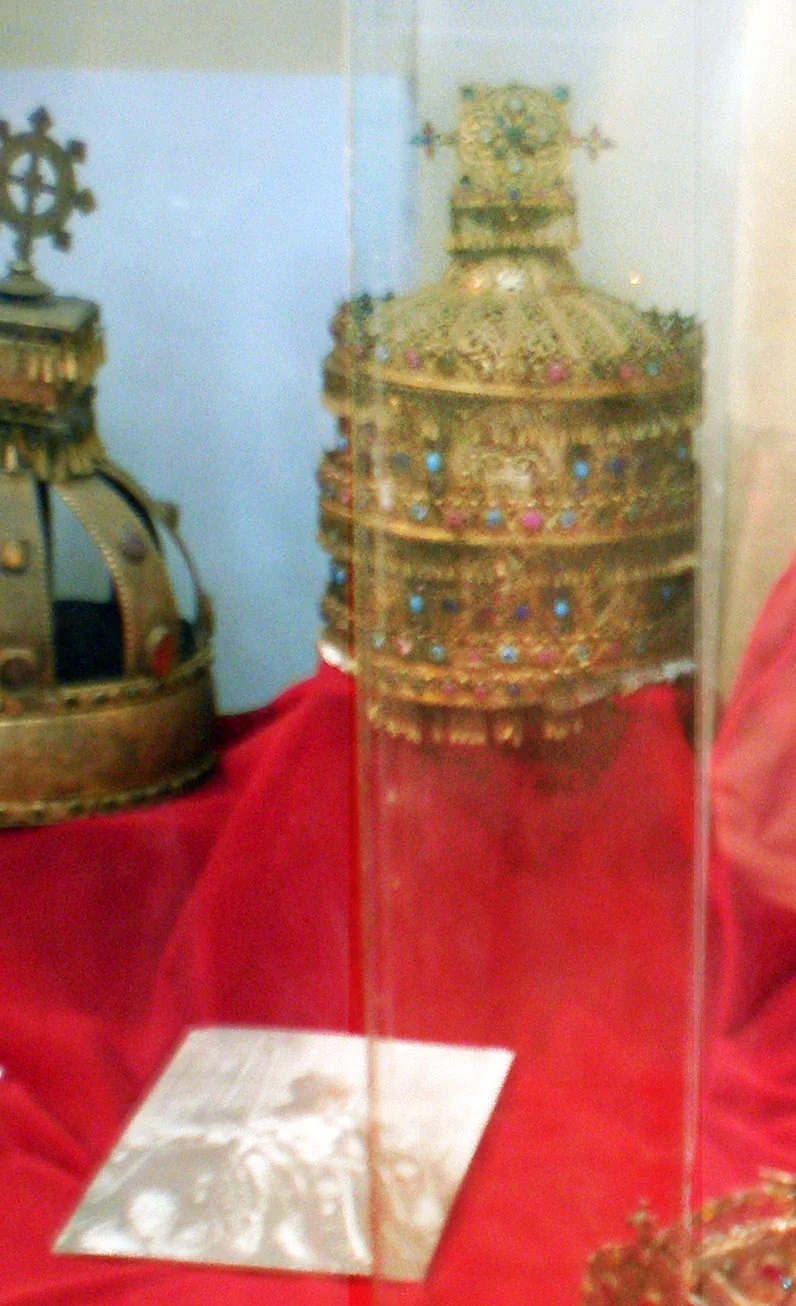
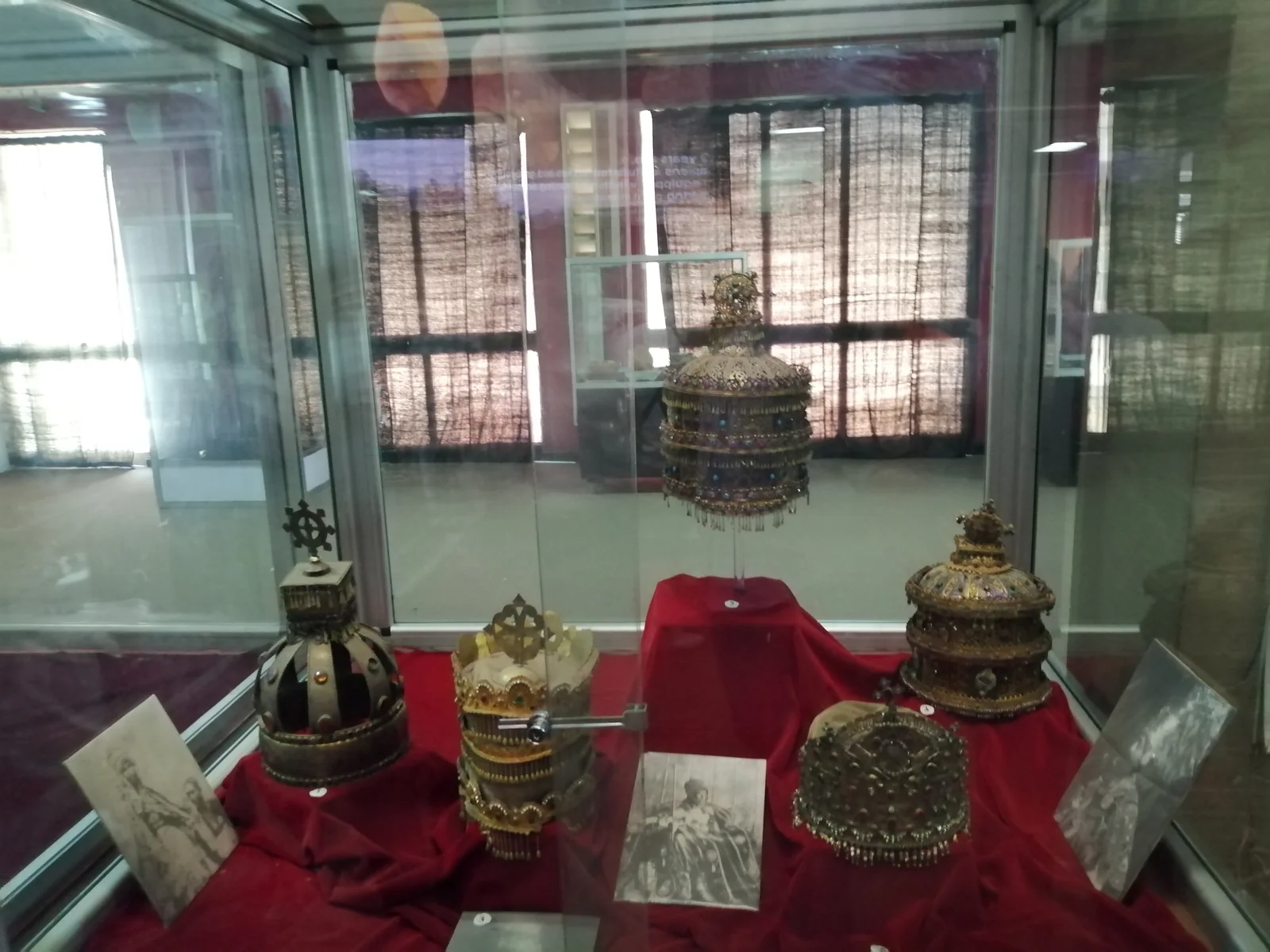
The Ancient Kings crown The file page records 2019-02-02 14:54:47 as the date of the photograph, not of the object.
 artifact
Lion of Judah sculpture The Commons file page gives the source as: Lion of Judah sculpture. The file page records 2016-02-28 07:44 as the date of the photograph, not of the object.
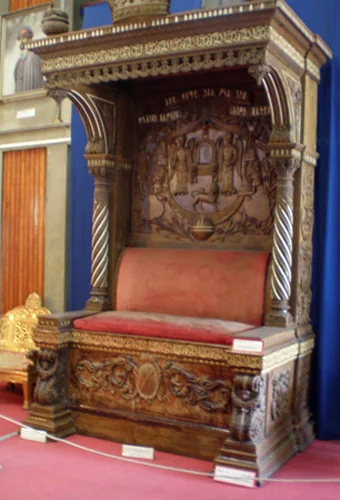 artifact
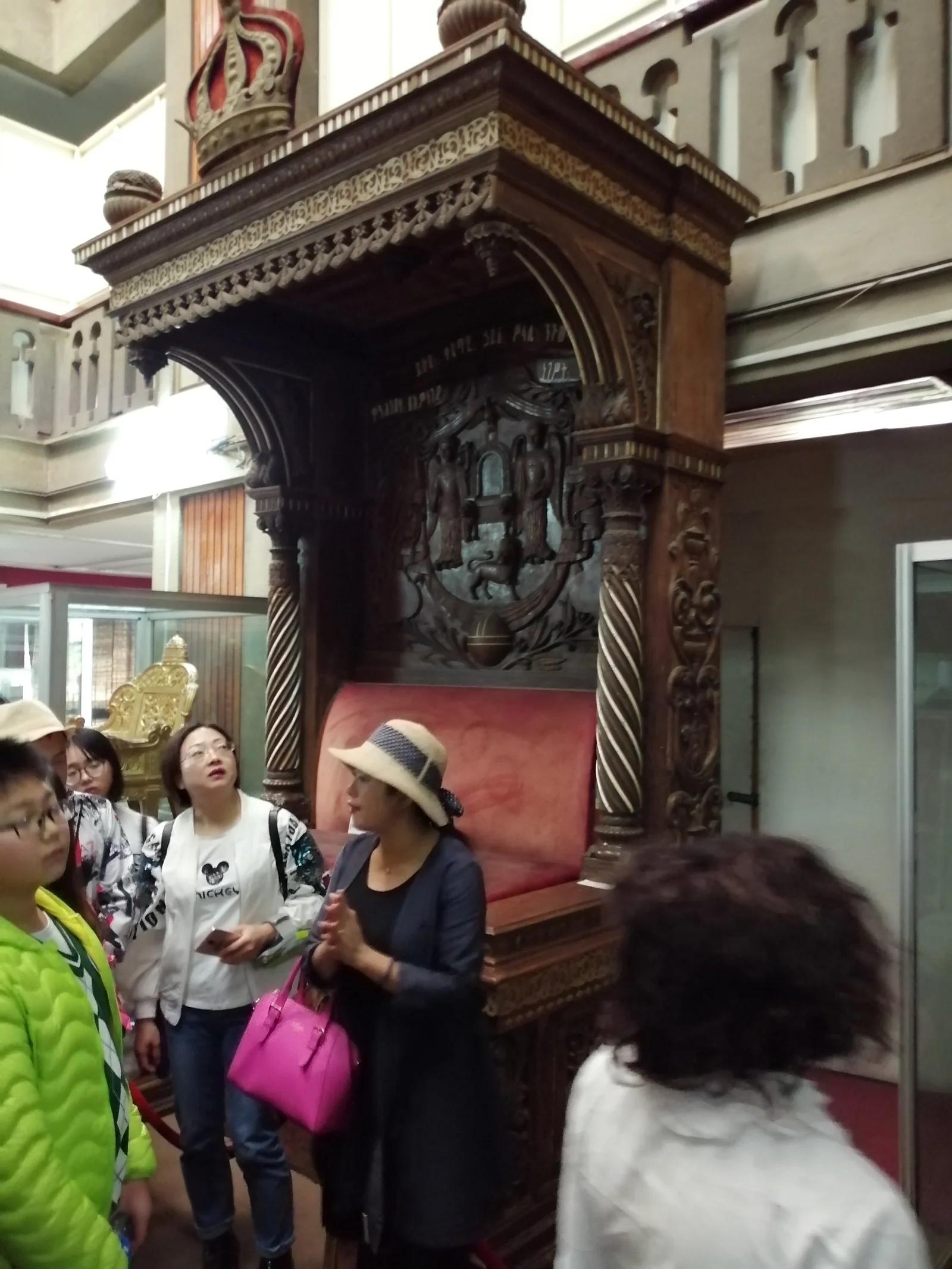 artifact
The Ancient Kings crown The file page records 2019-02-02 14:54:04 as the date of the photograph, not of the object.
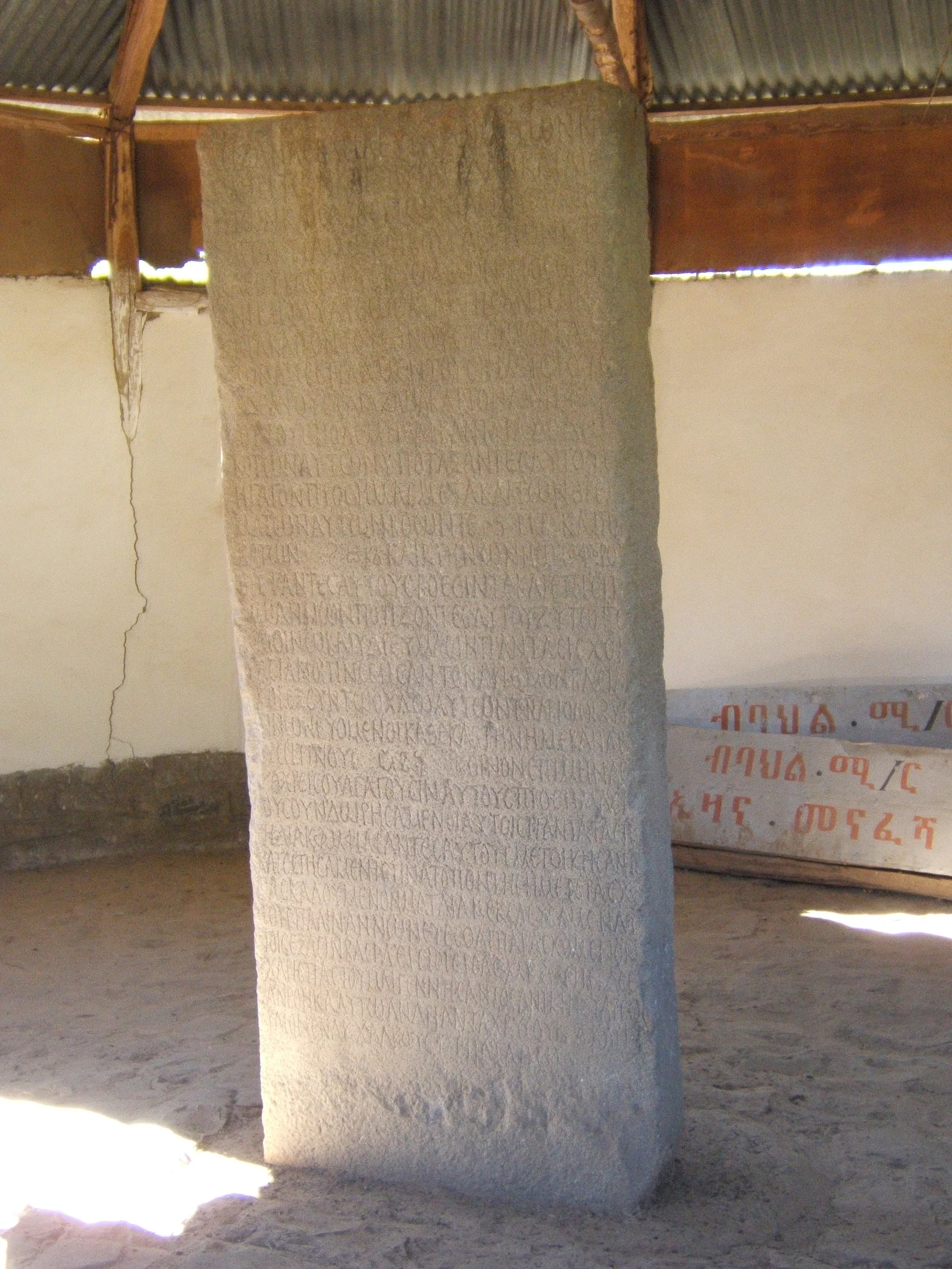 Ancientartifact
" Ezana Stone " - trilingual inscription of Emperor Ezana in Greek, Ge'ez, and (pseudo-)Sabaic (Ge'ez language in Sabaean alphabet), with Greek side showing. Lawrence Dallaglio The Commons file page gives the source as: Flickr.
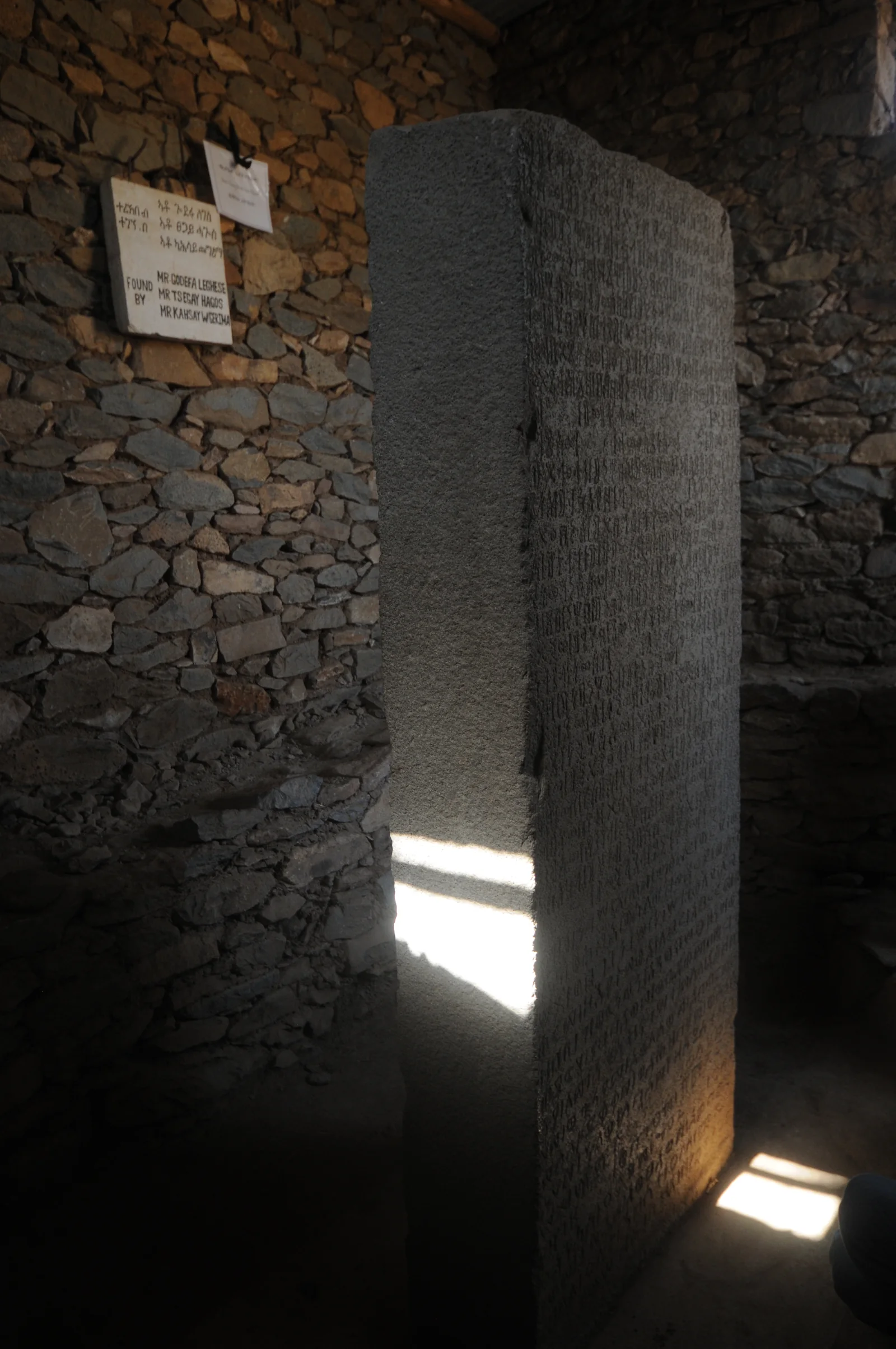 artifact
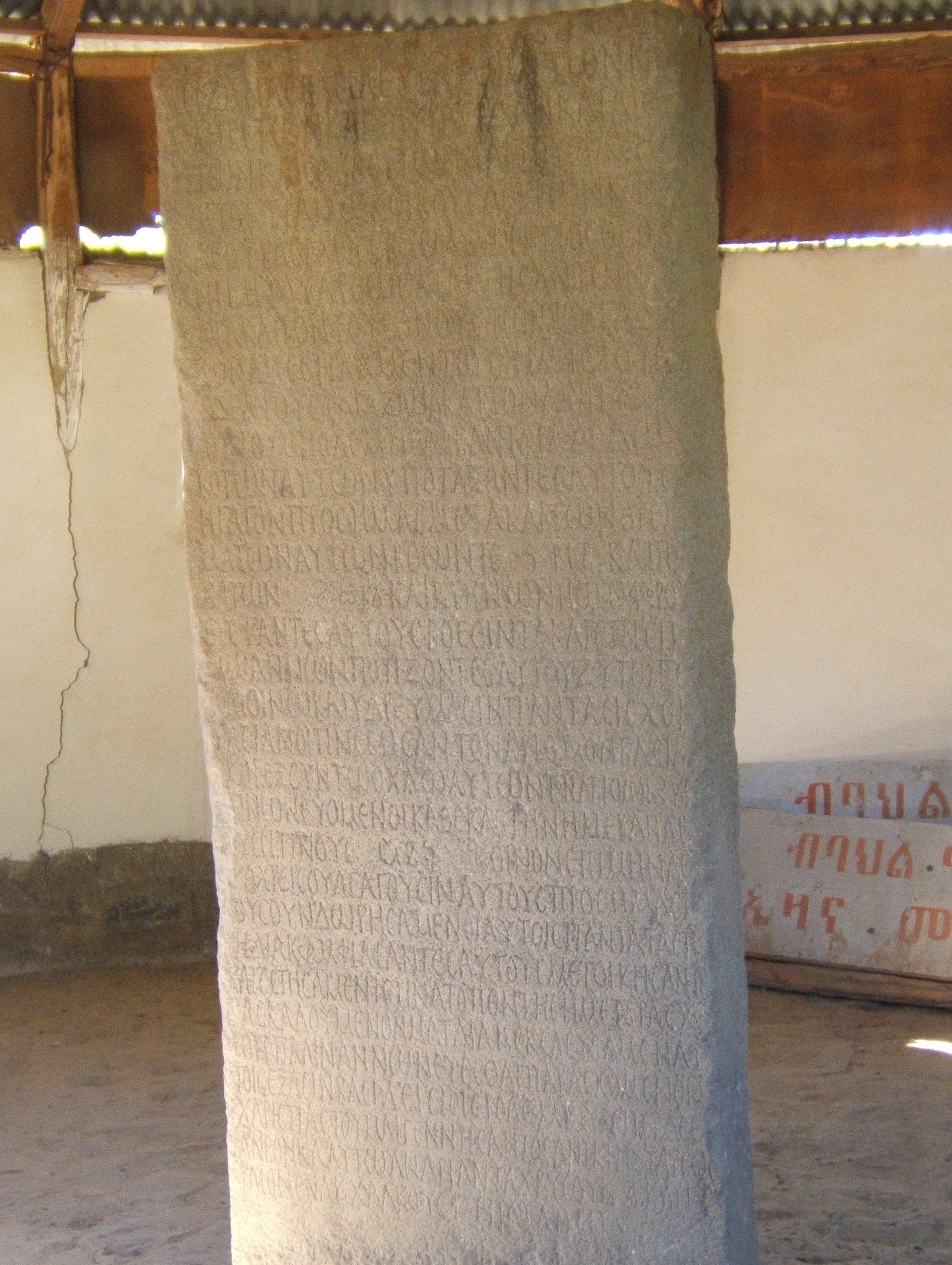 Ancientartifact
" Ezana Stone " - trilingual inscription of Emperor Ezana in Greek, Ge'ez, and (pseudo-)Sabaic (Ge'ez language in Sabaean alphabet), with Greek side showing. Lawrence Dallaglio The Commons file page gives the source as: Flickr.
 artifact
Croix éthiopienne The Commons file page gives the source as: Schéma Inkscape SVG.
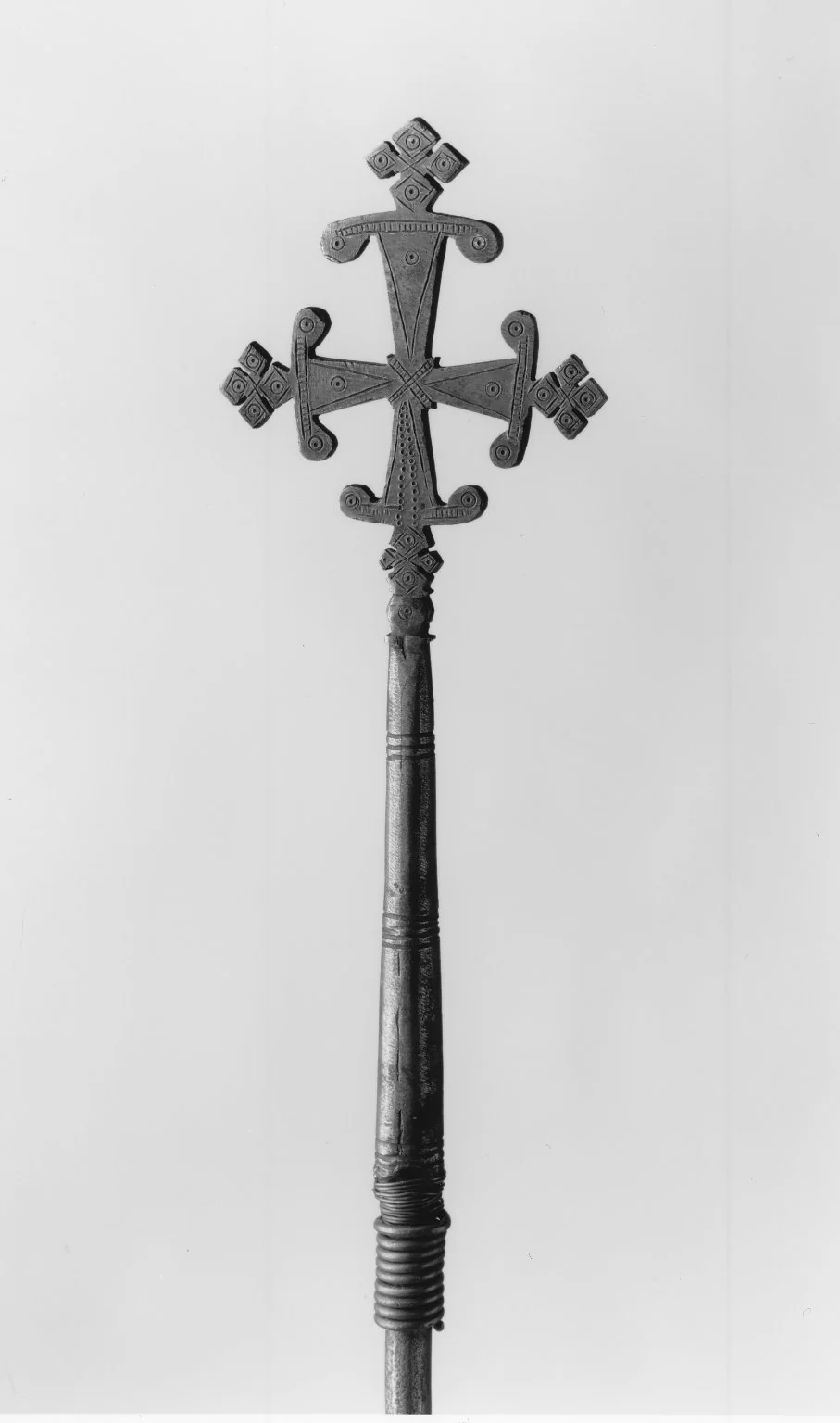 artifact
Cross and Staff The Commons file page gives the source as: Online Collection of Brooklyn Museum ; Photo: Brooklyn Museum, CUR.1997.168.3_print_detail_bw.jpg.
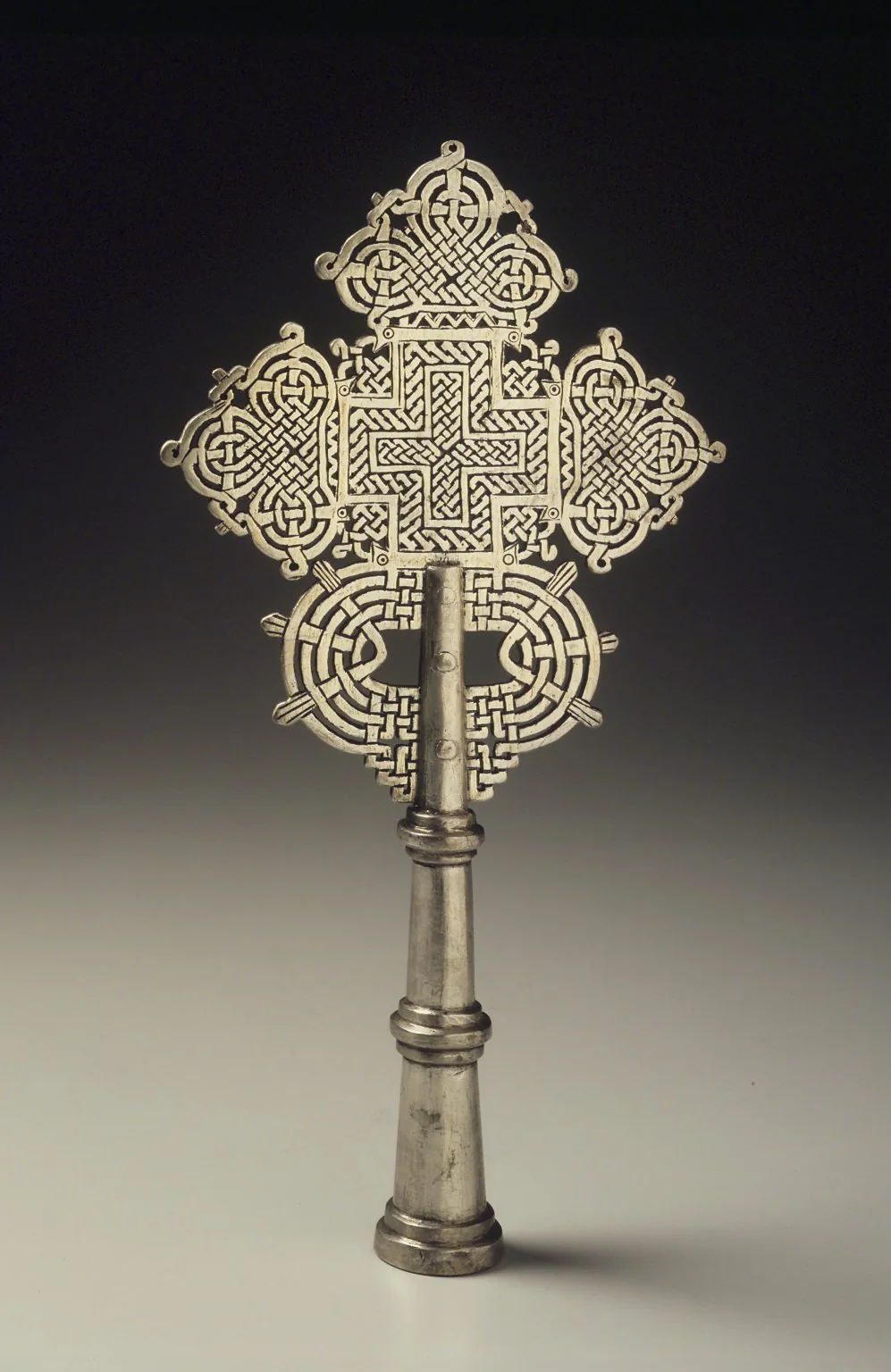 artifact
Processional Cross The Commons file page gives the source as: Online Collection of Brooklyn Museum ; Photo: Brooklyn Museum, 2000.123.2_transp4139.jpg.
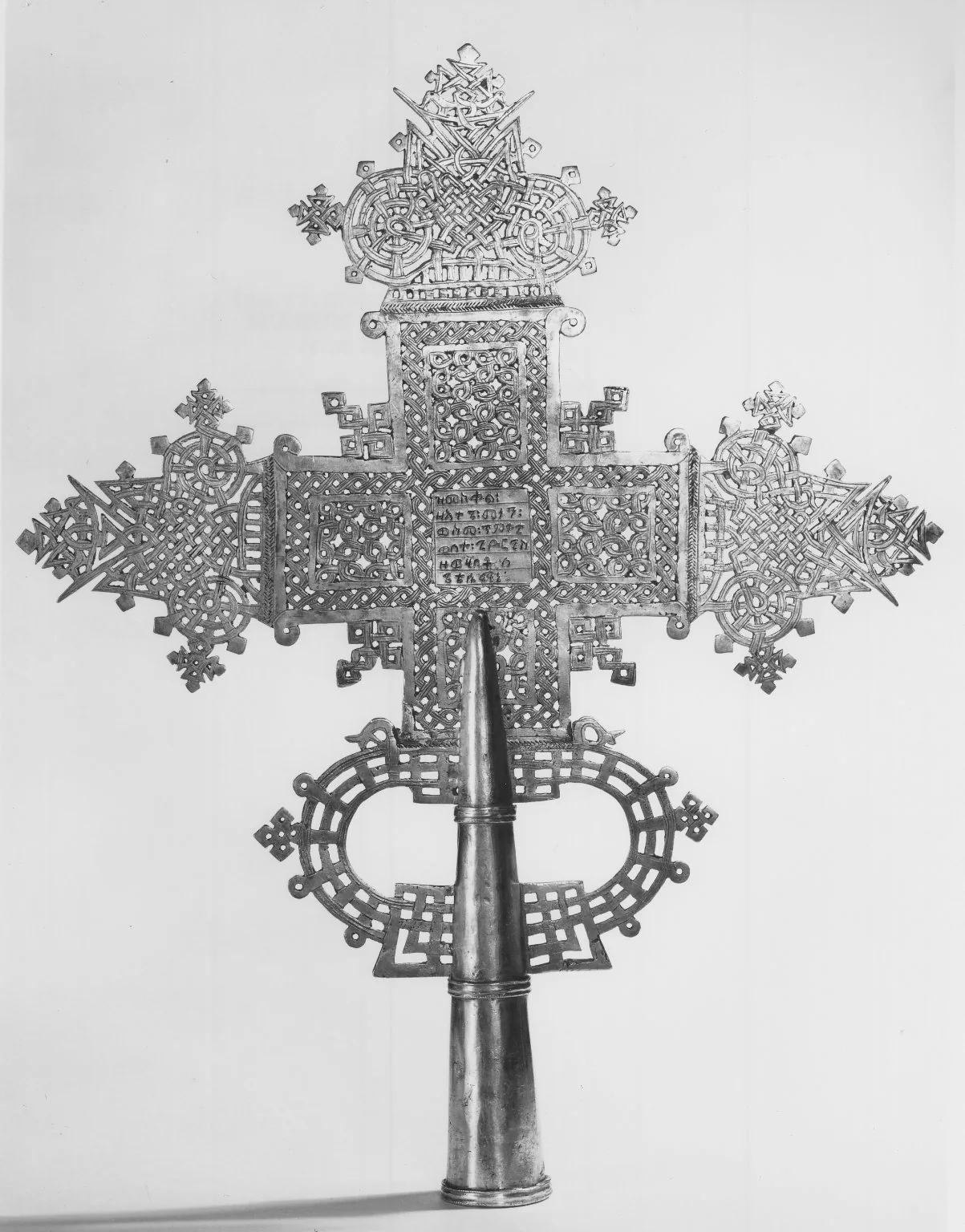 artifact
Processional Cross The Commons file page gives the source as: Online Collection of Brooklyn Museum ; Photo: Brooklyn Museum, CUR.83.144_print_bw.jpg.
 artifact
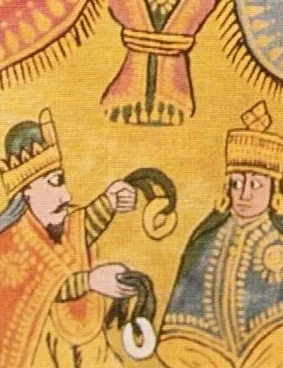
Solomon gives the ring to Makeda The Commons file page gives the source as: Saba ephiop 02.jpg.
 Modernartifact
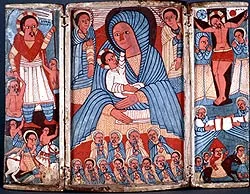
Triptyque de Marie, début du XVII siècle, région Tigré, Éthiopie. The Commons file page gives the source as: Association culturelle de Tigray, Maqalié, Tigré, Éthiopie.
 artifact
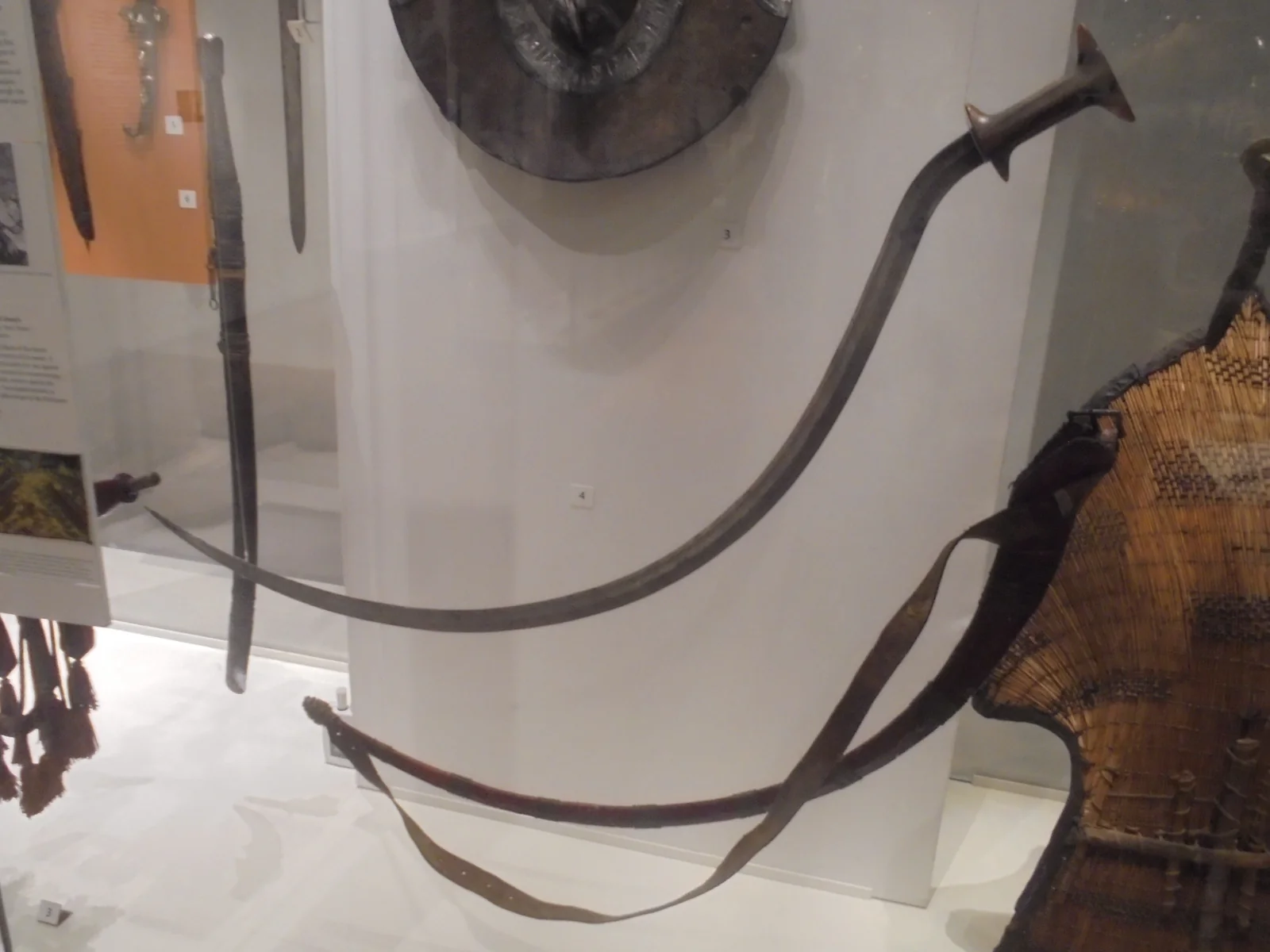
Shotel, BM The file page records 2017-08-01 16:05:20 as the date of the photograph, not of the object.
 artifact
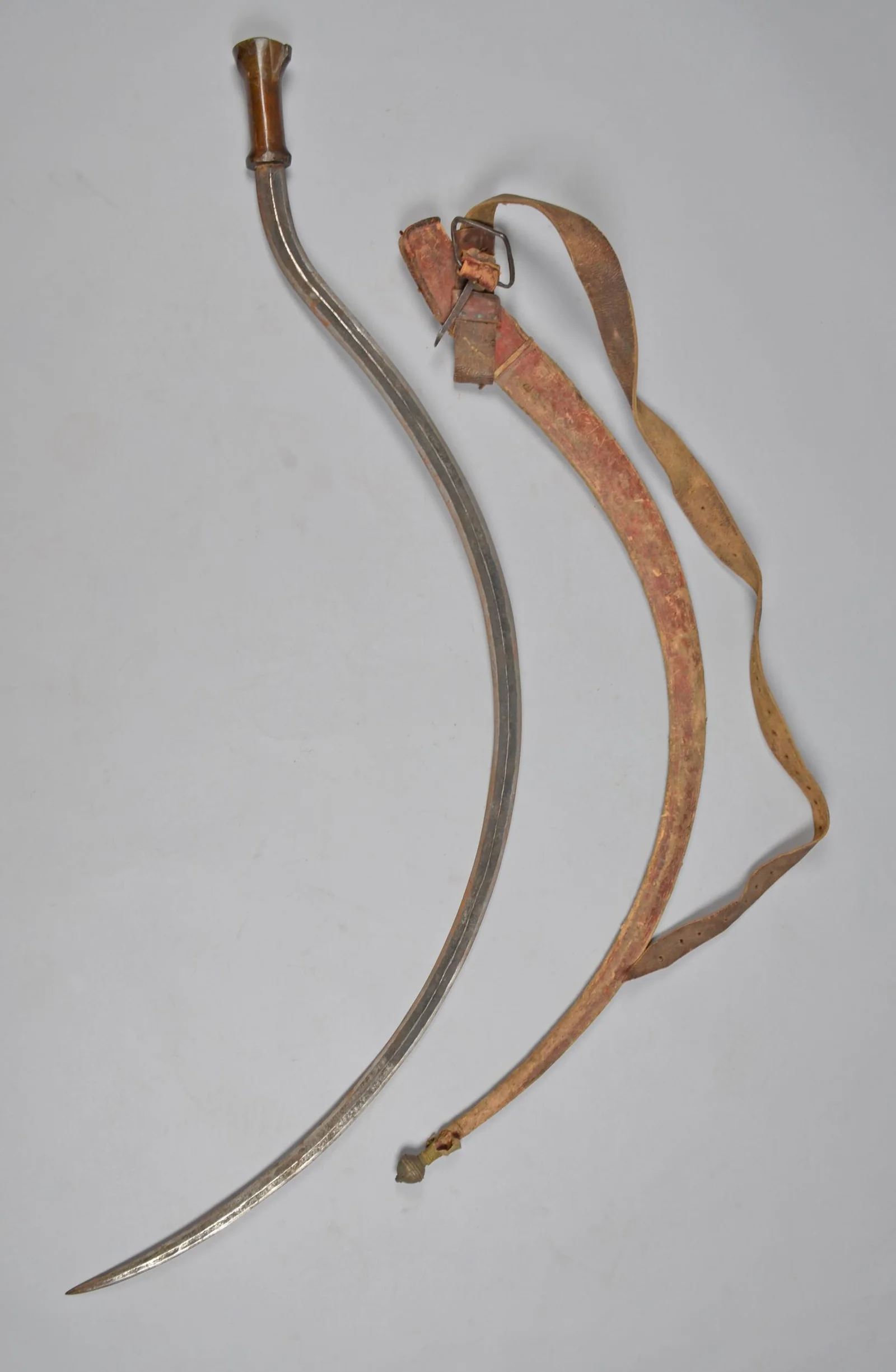
Sword (shotel) forged from iron with carved wooden hilt. Sickle shaped, double edged, with central riser; bevelled on either side.
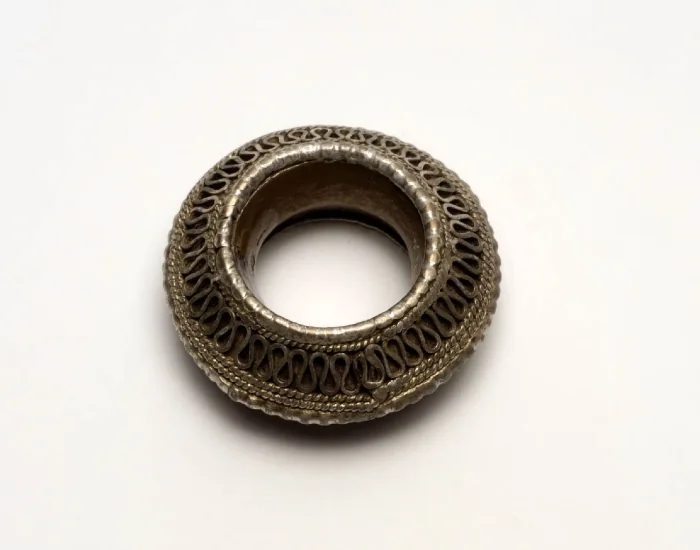 artifact
Zilveren ring The Commons file page gives the source as: Collectie Stichting Nationaal Museum van Wereldculturen.
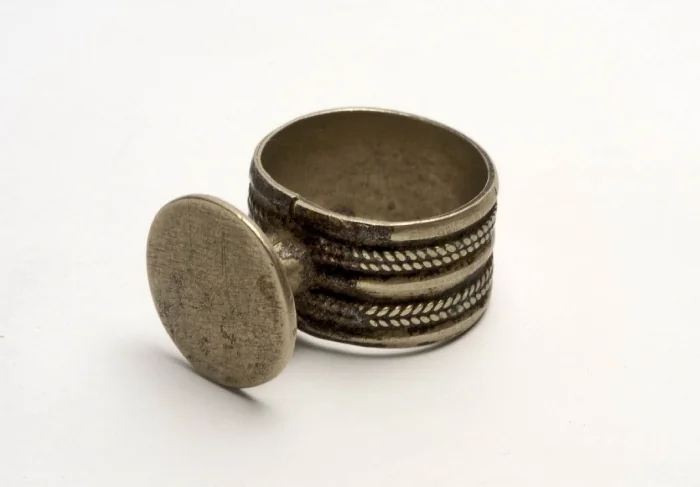 artifact
Zilveren ring The Commons file page gives the source as: Collectie Stichting Nationaal Museum van Wereldculturen.
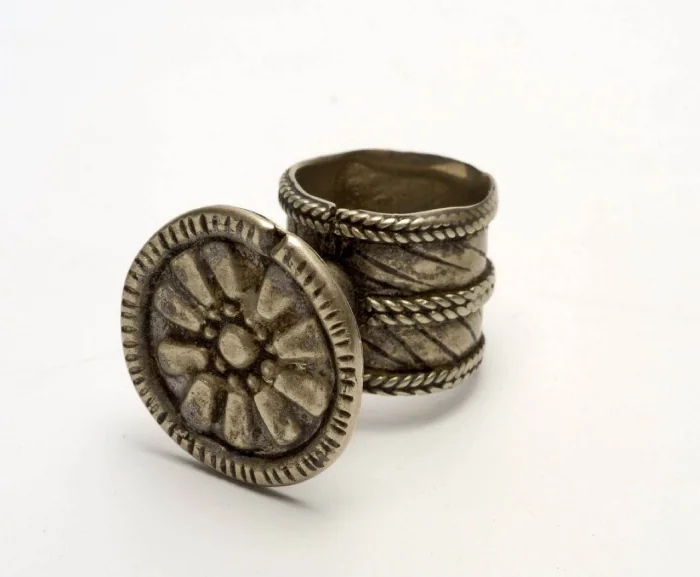 artifact
Zilveren ring The Commons file page gives the source as: Collectie Stichting Nationaal Museum van Wereldculturen.
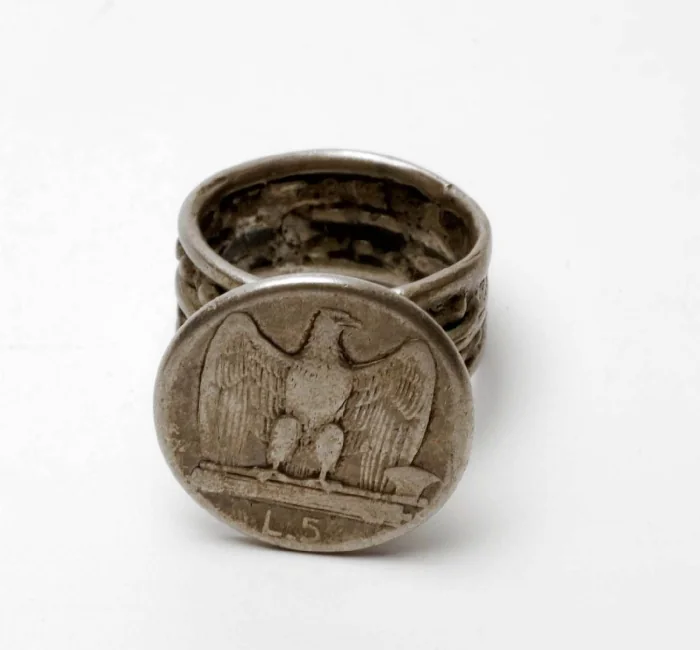 artifact
Zilveren ring The Commons file page gives the source as: Collectie Stichting Nationaal Museum van Wereldculturen.
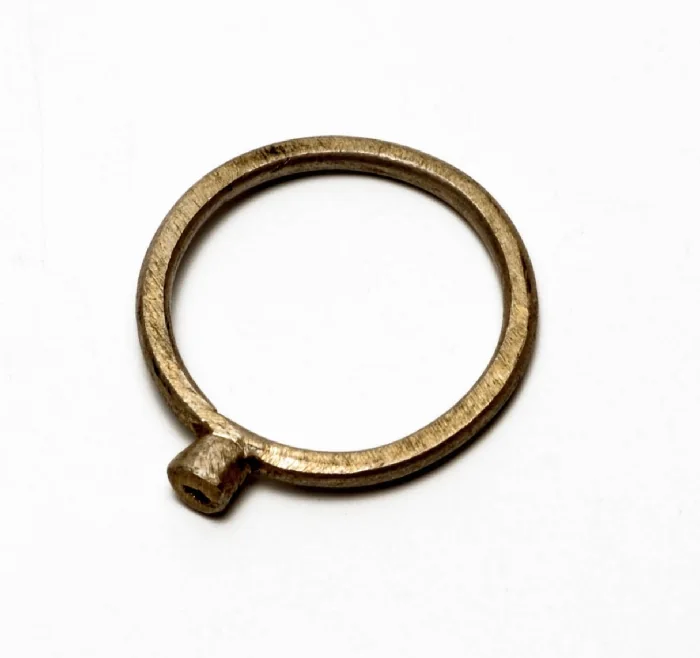 artifact
Zilveren ring voor kinderen The Commons file page gives the source as: Collectie Stichting Nationaal Museum van Wereldculturen.
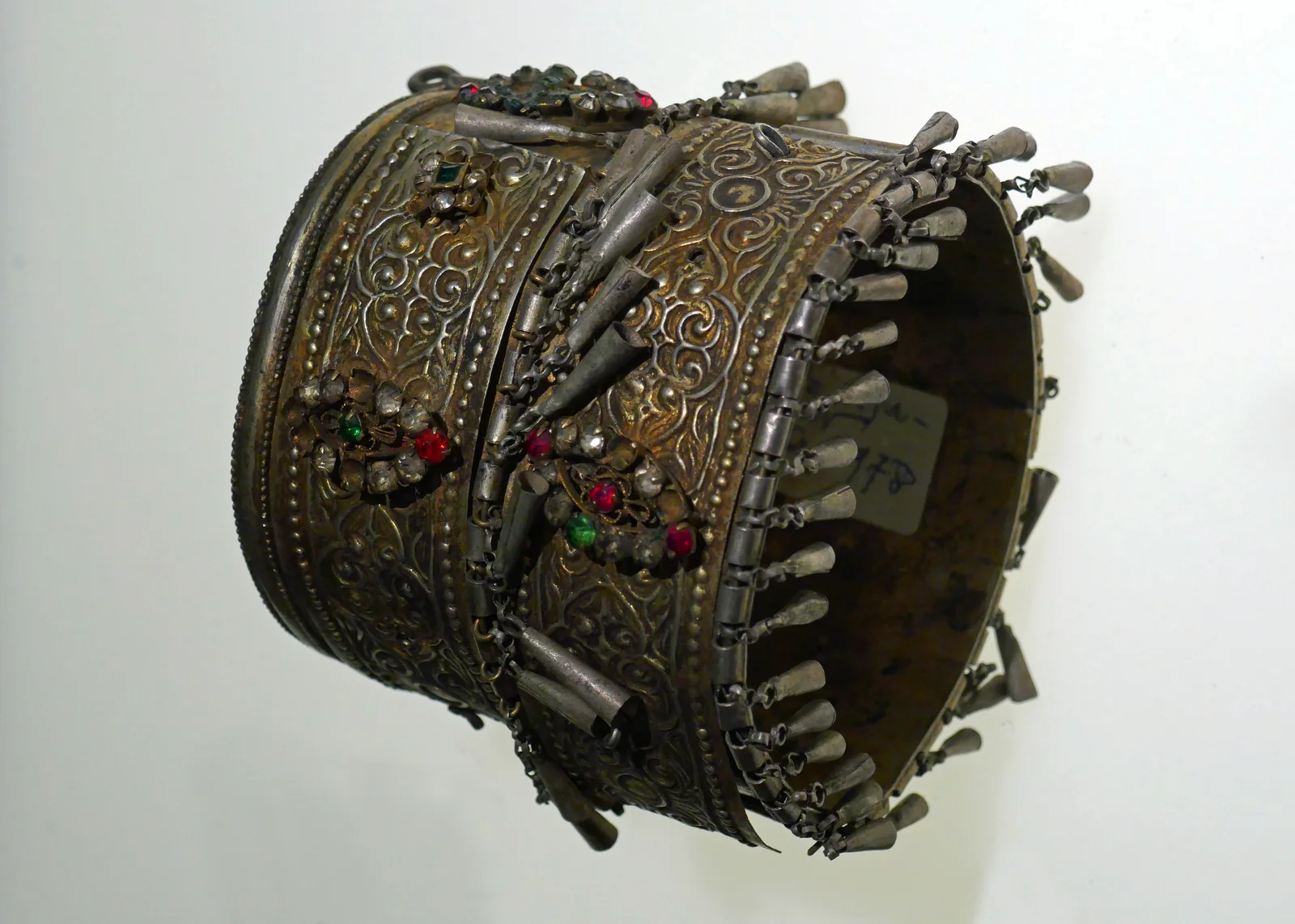 artifact
Bracelet en métal et perles en verre. Ethiopie. Musée d'histoire naturelle et d'ethnographie de Colmar. Don Jean Doresse, 1999. N° d'inventaire : 999-207 The file page records 2016-10-12 15:42:32 as the date of the photograph, not of the object.
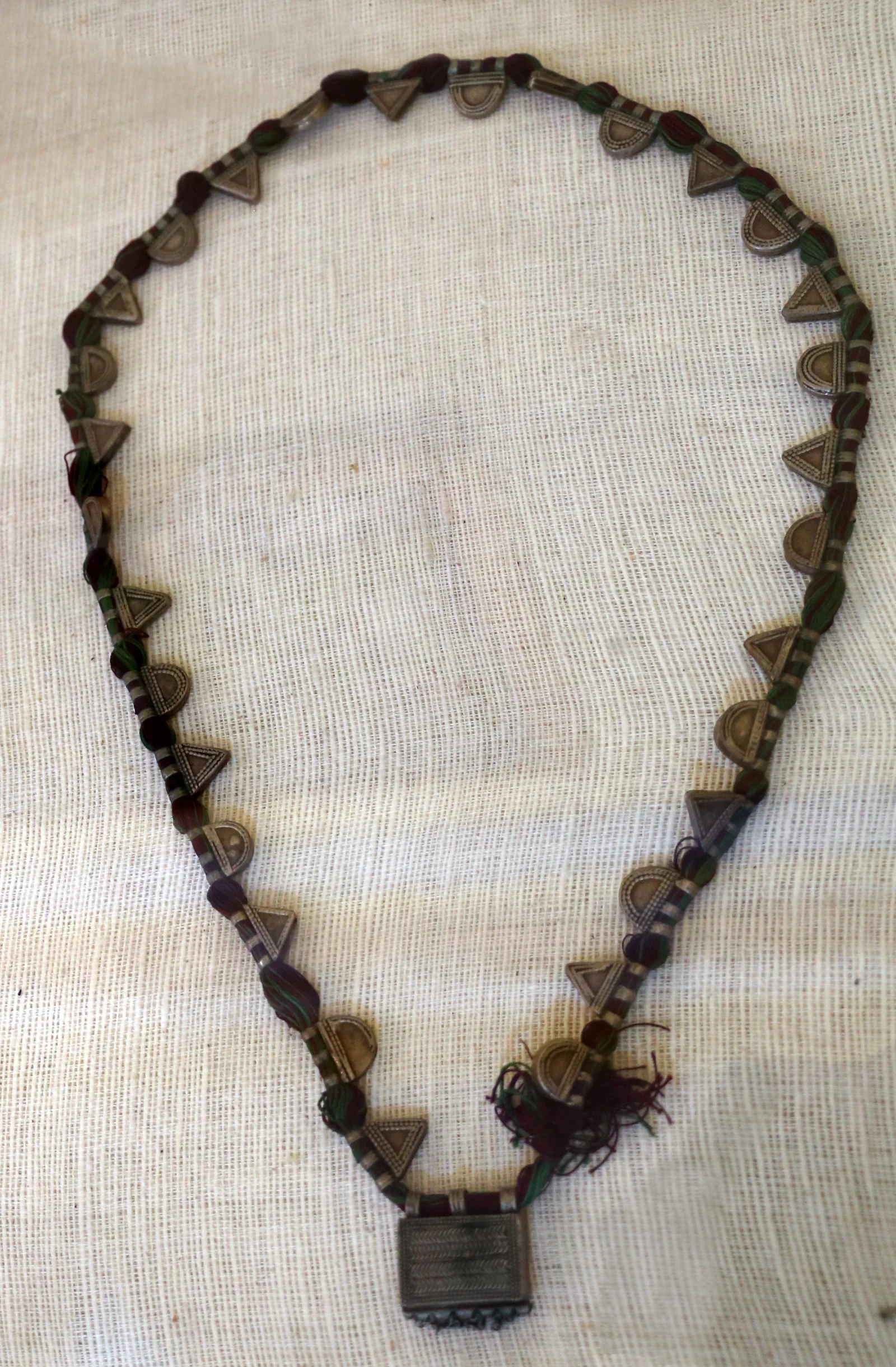 artifact
Collections of the Ethnological Museum, Addis Ababa The file page records 2018-11-05 15:24:41 as the date of the photograph, not of the object.
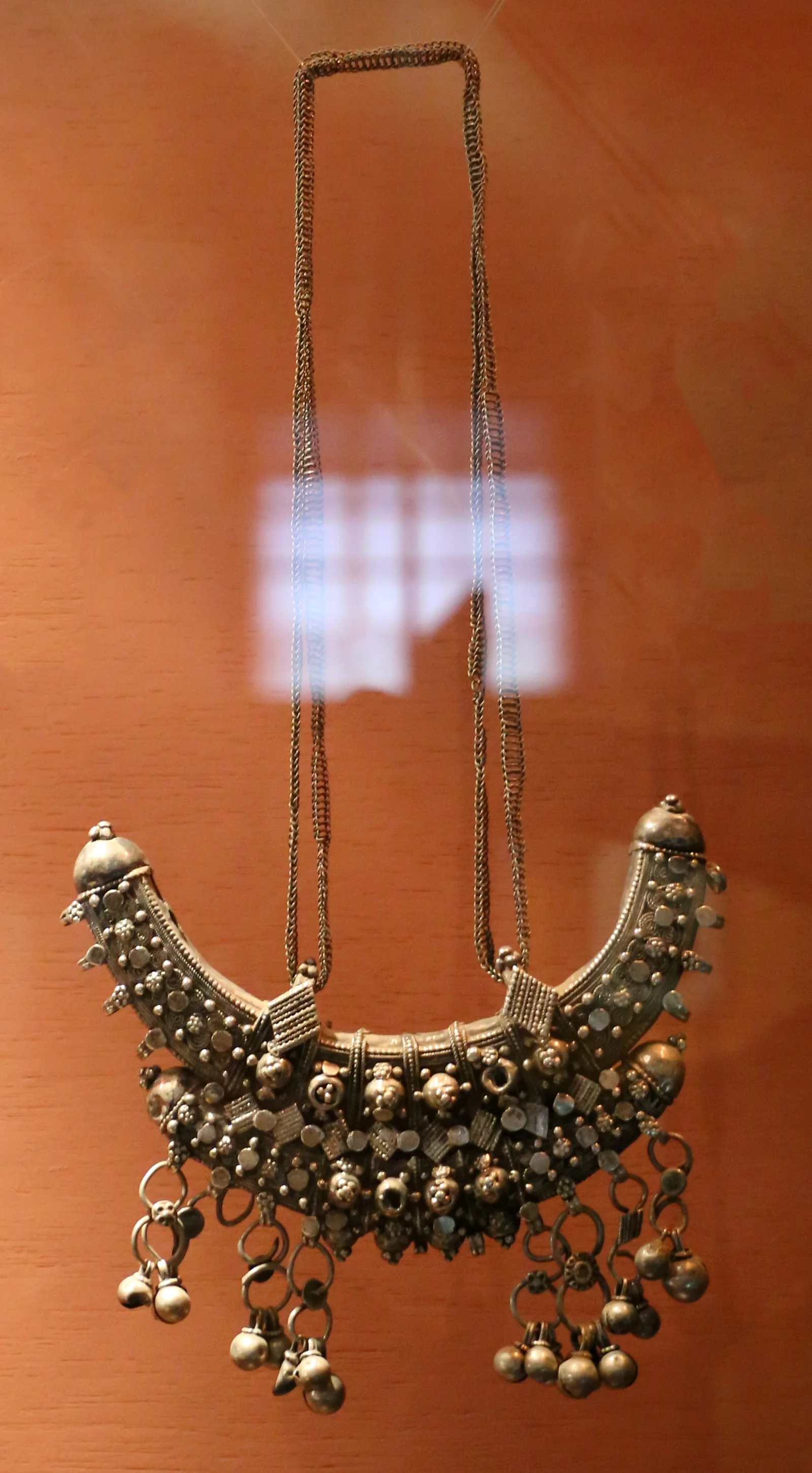 artifact
Collections of the Ethnological Museum, Addis Ababa The file page records 2018-11-05 13:42:35 as the date of the photograph, not of the object.
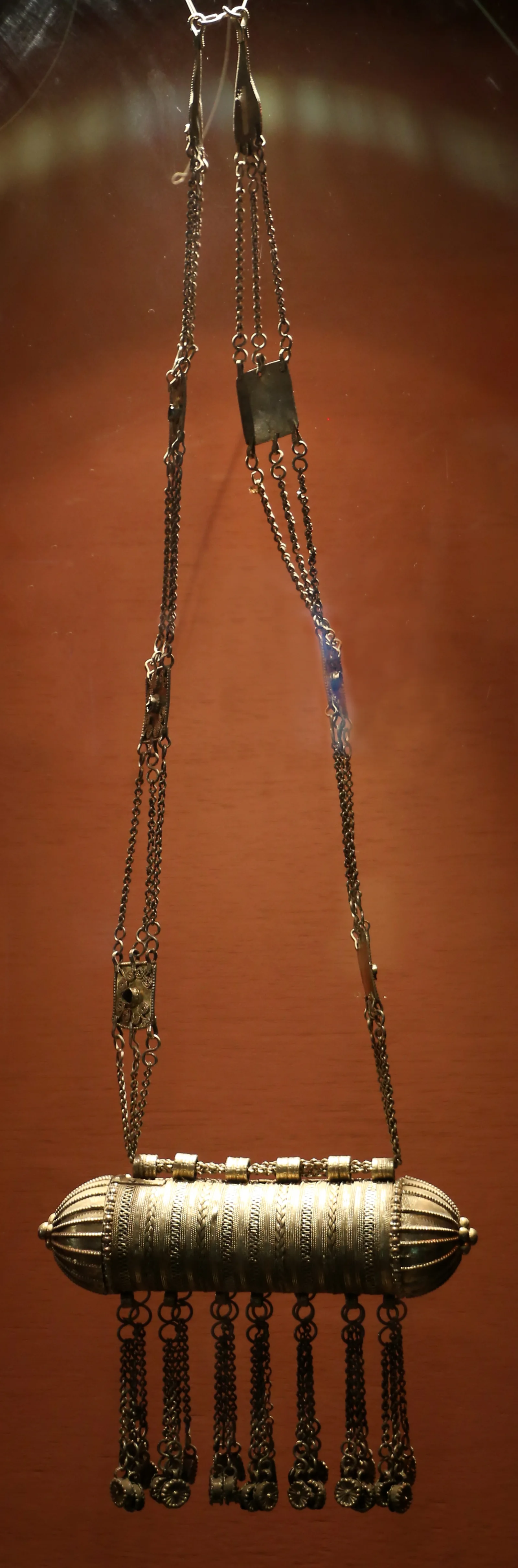 artifact
Collections of the Ethnological Museum, Addis Ababa The file page records 2018-11-05 13:42:30 as the date of the photograph, not of the object.
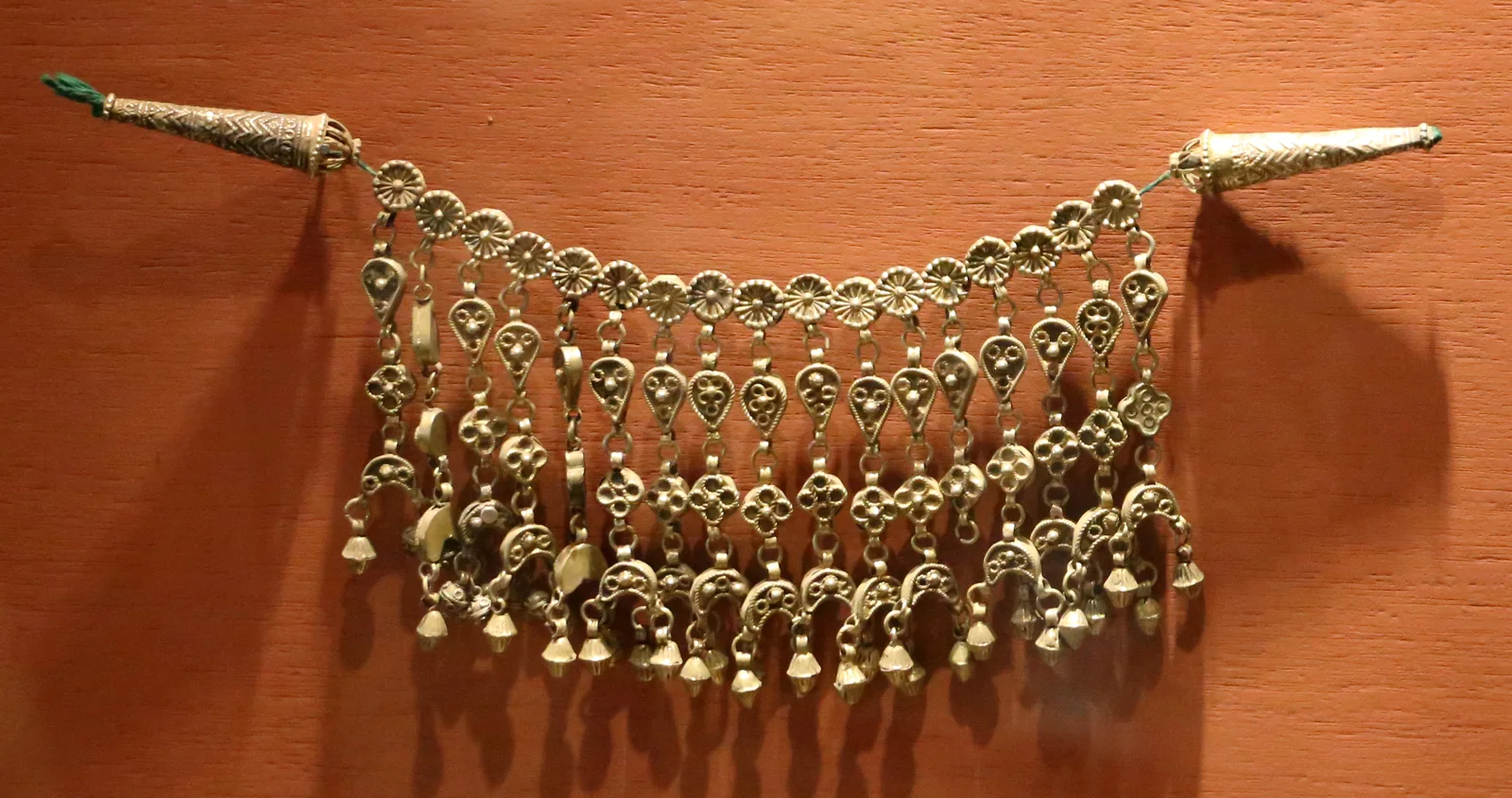 artifact
Collections of the Ethnological Museum, Addis Ababa The file page records 2018-11-05 13:42:39 as the date of the photograph, not of the object.
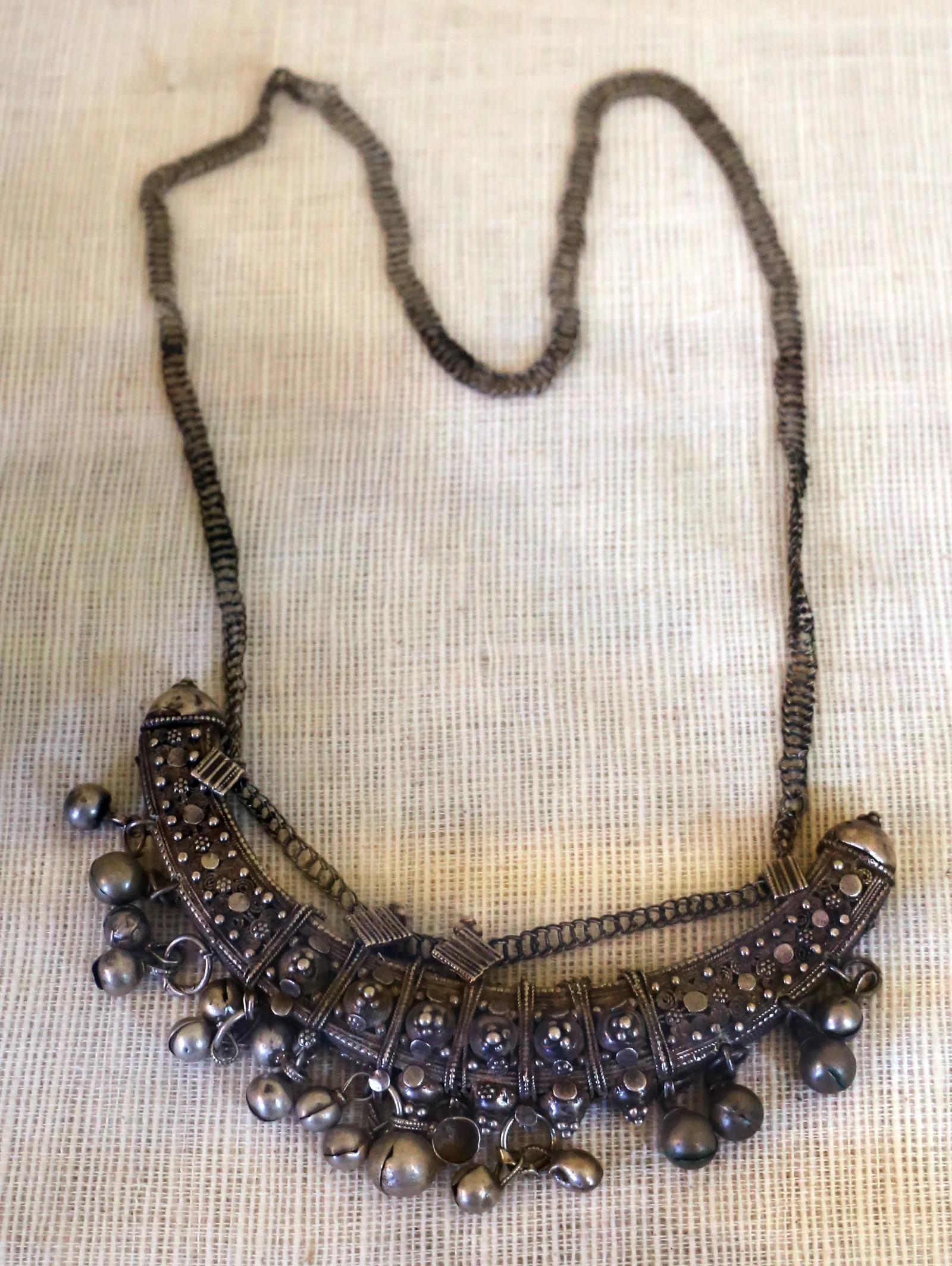 artifact
Collections of the Ethnological Museum, Addis Ababa The file page records 2018-11-05 15:24:14 as the date of the photograph, not of the object.
5 shown
 Ancientartifact
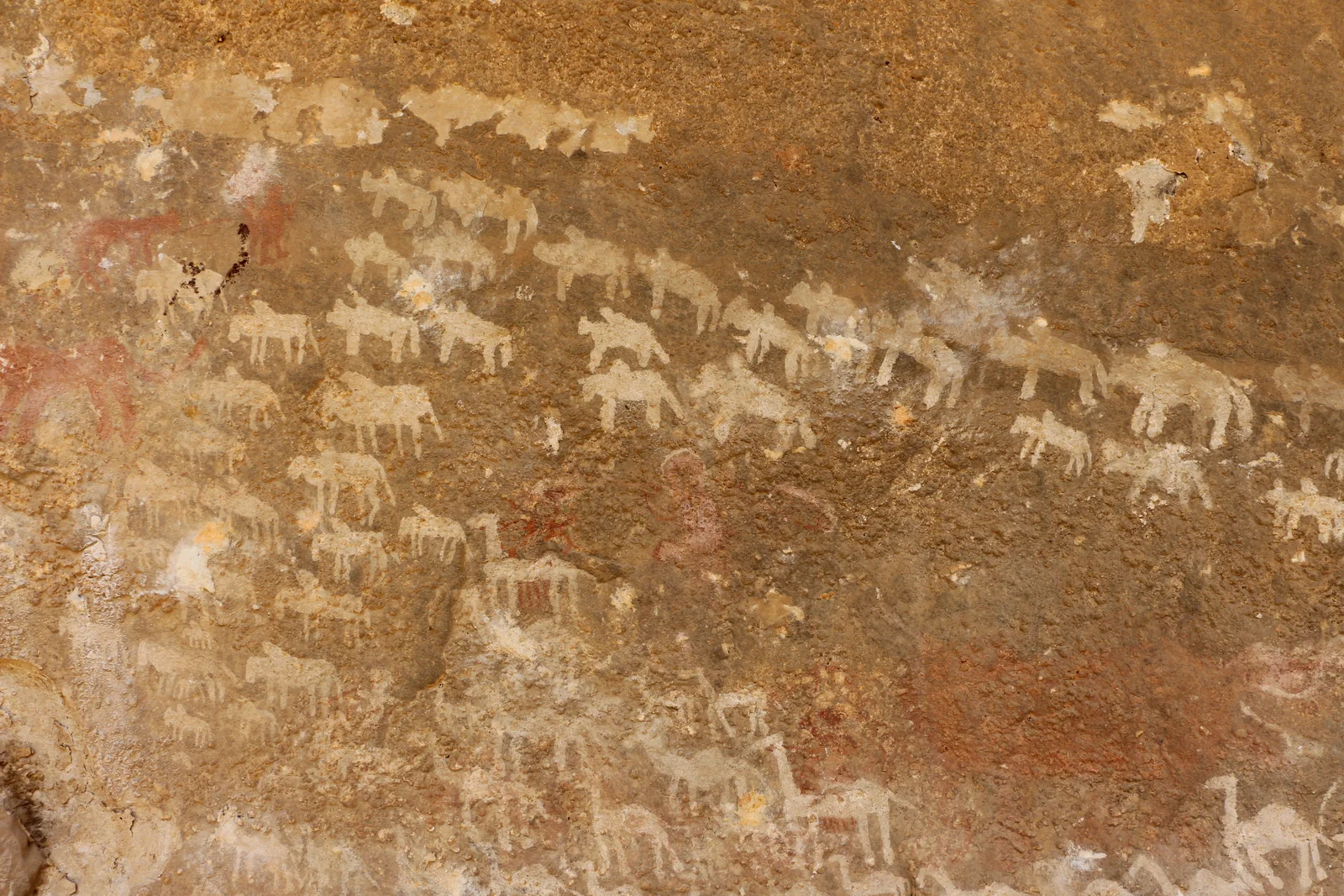
Cattle in the rock paintings of the Adi Alauti cave, Qohaito. Recorded in situ at Adi Alauti cave, Qohaito. The source states the date as c. 2500 BC (25th century BC). Photographed by Sailko.
 Ancientartifact
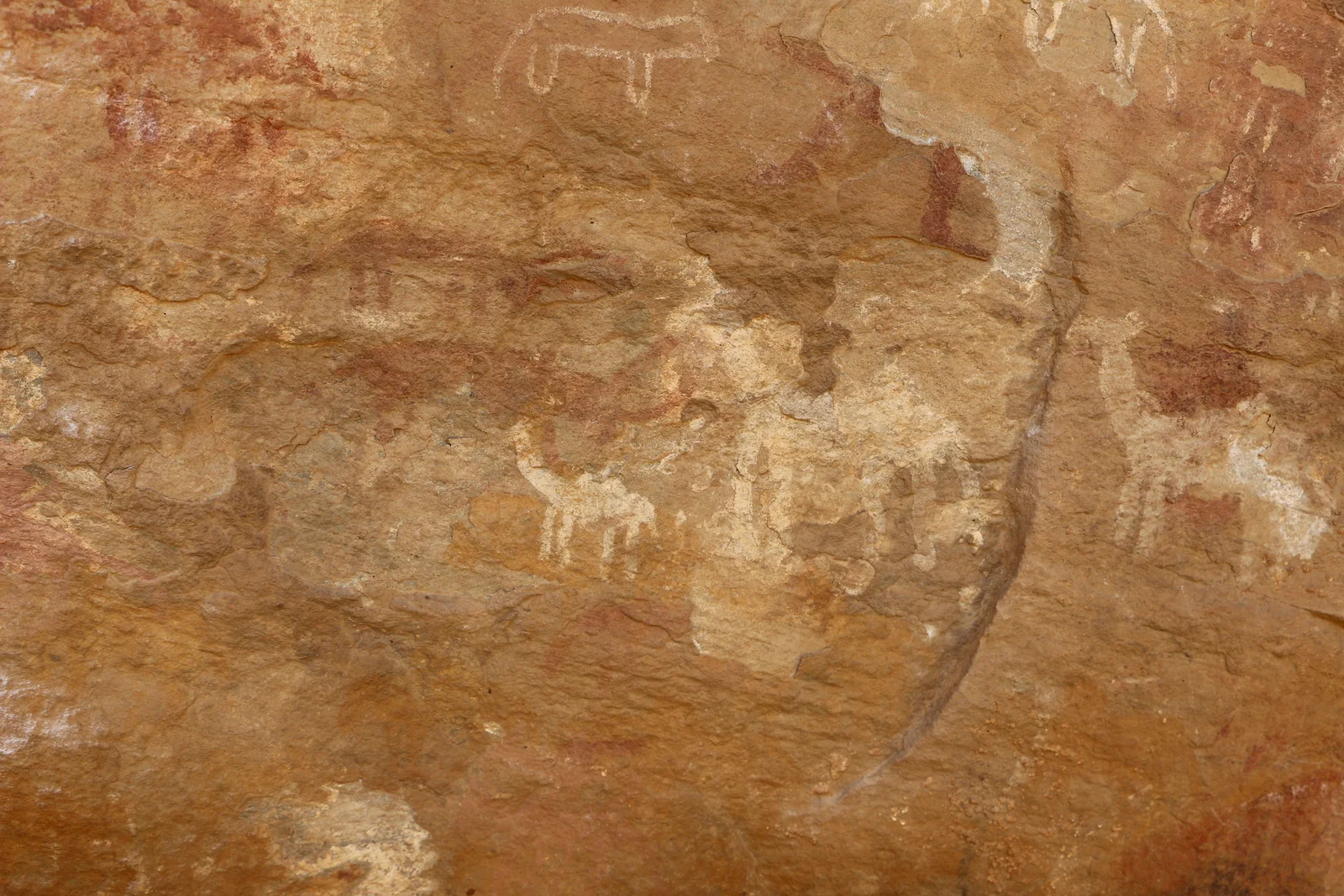
Dromedaries in the rock paintings of the Adi Alauti cave, Qohaito. Recorded in situ at Adi Alauti cave, Qohaito. The source states the date as c. 2500 BC (25th century BC). Photographed by Sailko.
 Ancientartifact
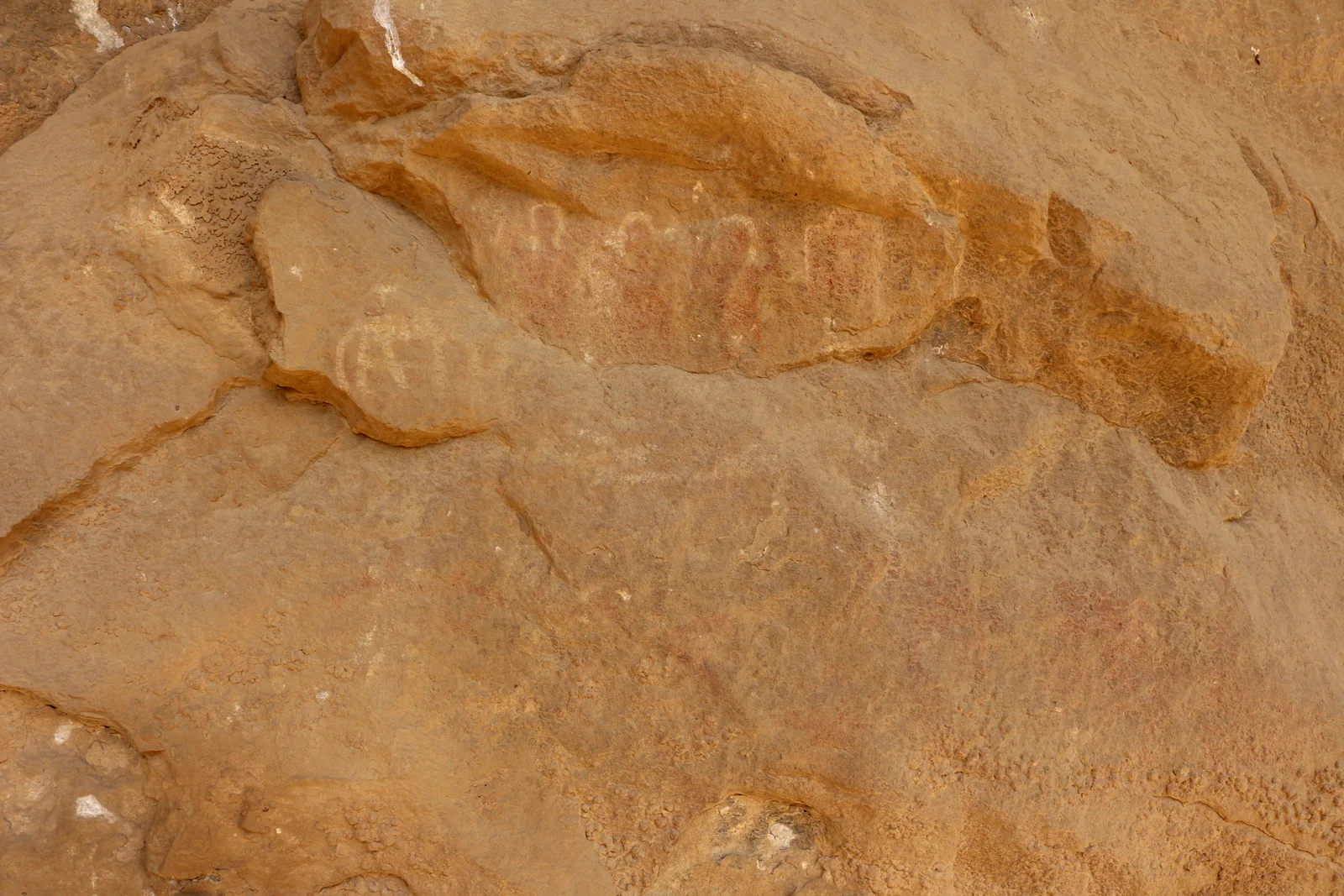
Human figures and a rider in the rock paintings of the Adi Alauti cave, Qohaito. Recorded in situ at Adi Alauti cave, Qohaito. The source states the date as c. 2500 BC (25th century BC). Photographed by Sailko.
 Ancientartifact
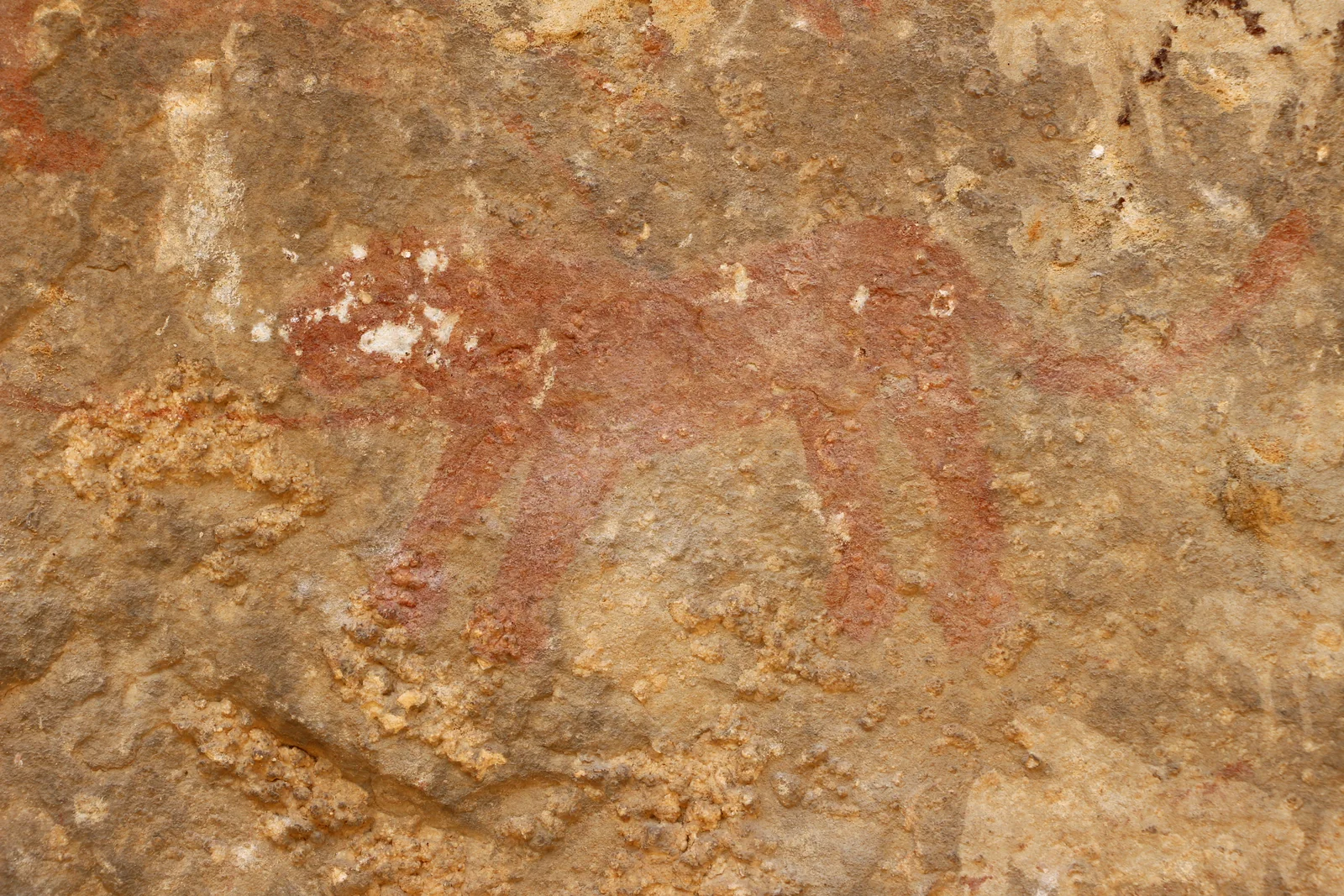
A lioness and antelopes in the rock paintings of the Adi Alauti cave, Qohaito. Recorded in situ at Adi Alauti cave, Qohaito. The source states the date as c. 2500 BC (25th century BC). Photographed by Sailko.
 Ancientartifact
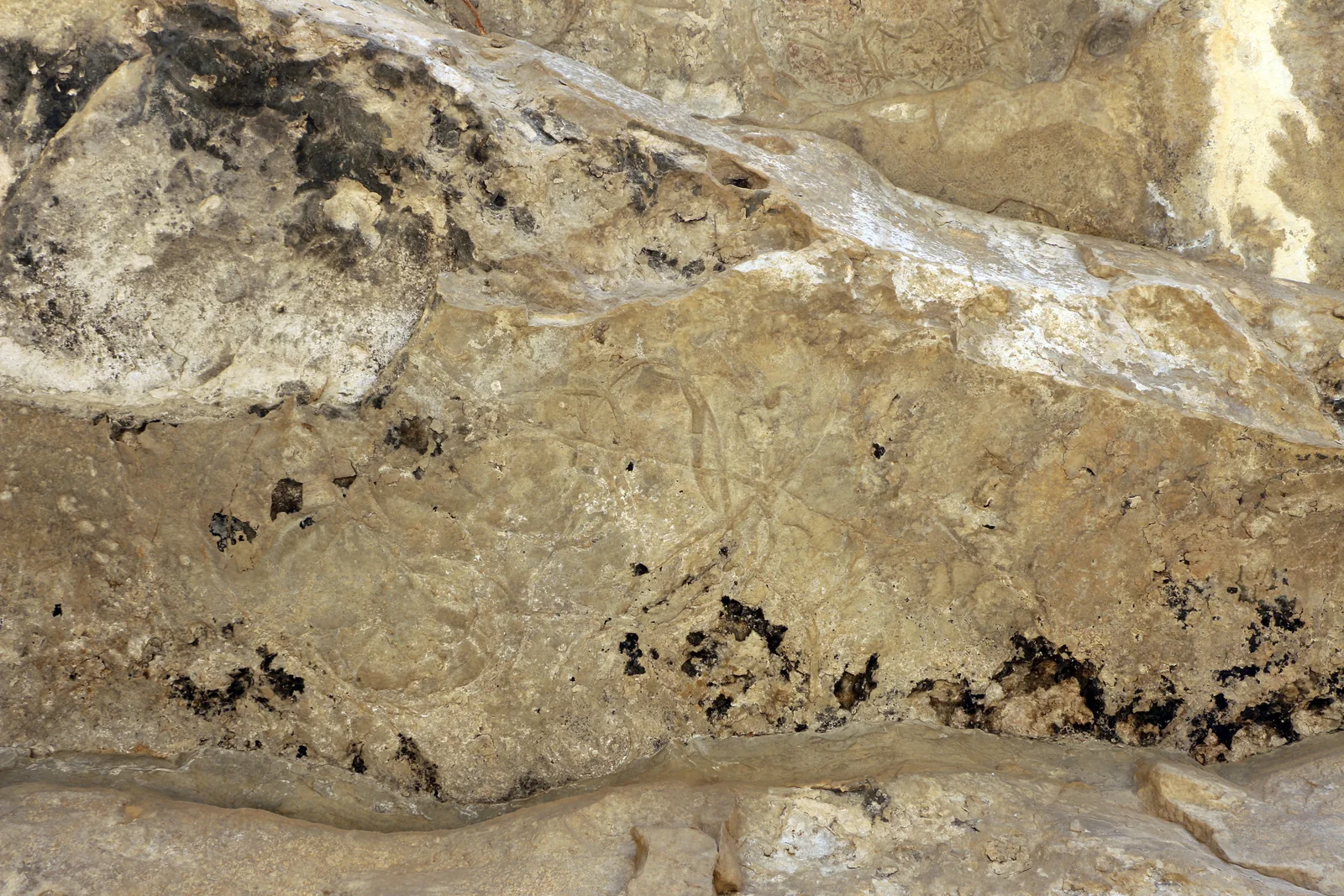
The relief-marked ceiling of the Adi Alauti cave, Qohaito. Recorded in situ at Adi Alauti cave, Qohaito. The source states the date as c. 2500 BC (25th century BC). Photographed by Sailko.
7 shown
 Medievalartifact
 Medievalartifact
 Medievalartifact
 Medievalartifact
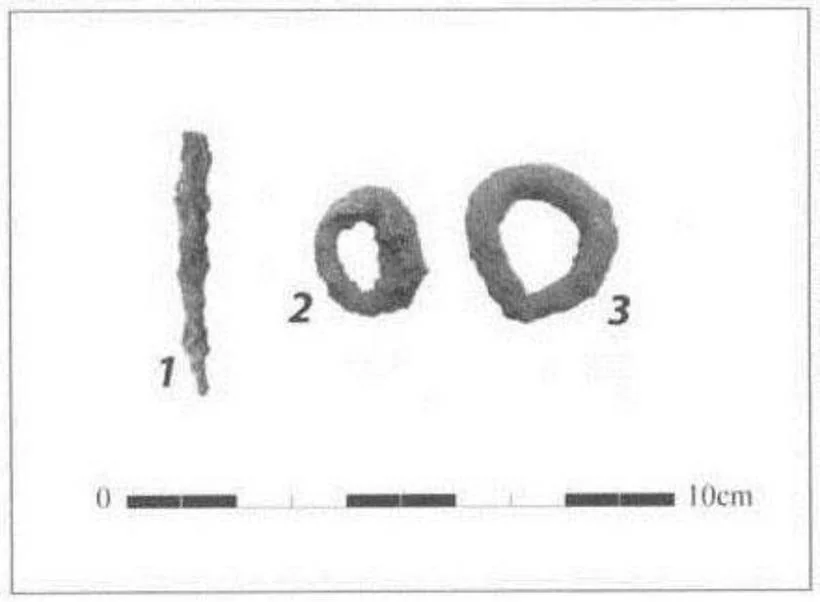 Medievalartifact
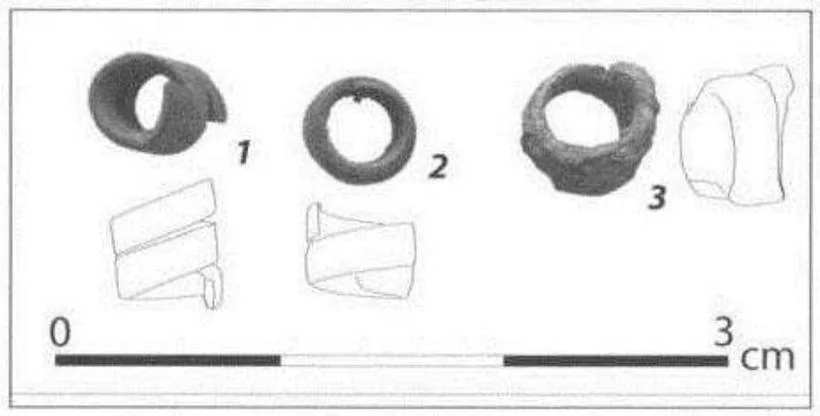 Medievalartifact
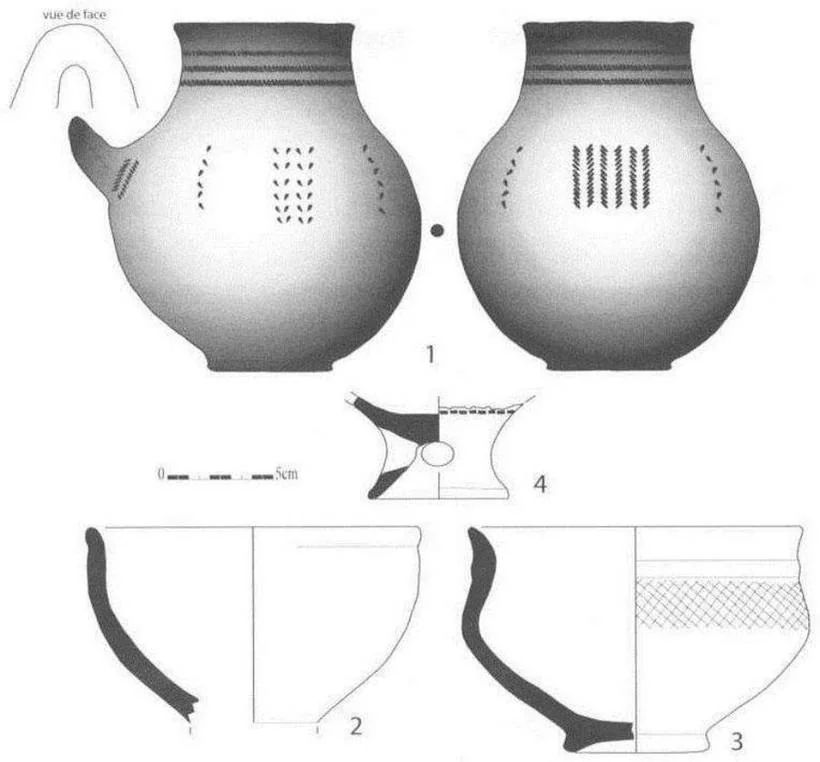 Medievalartifact
3 shown
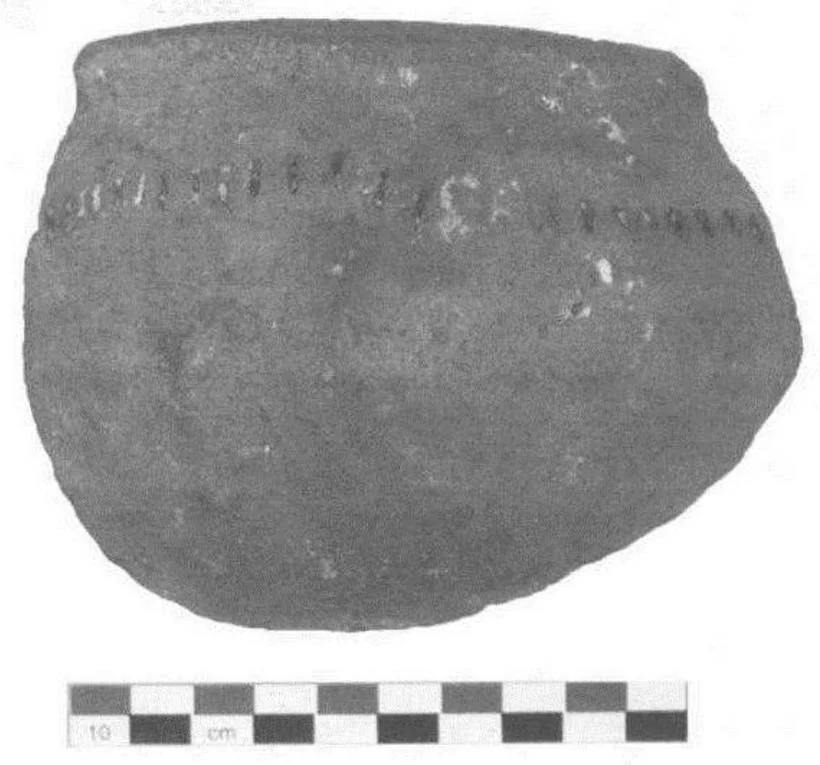 Medievalartifact
Tätär Gur: grand tesson de poterie découvert tout au fond de la chambre, sur le substrat, et signant l'un des premiers dépôts; la rangée d'impressions cunéiformes s'interrompt au niveau de deux boutons. Il pourrait s'agir d'un brûle-parfum
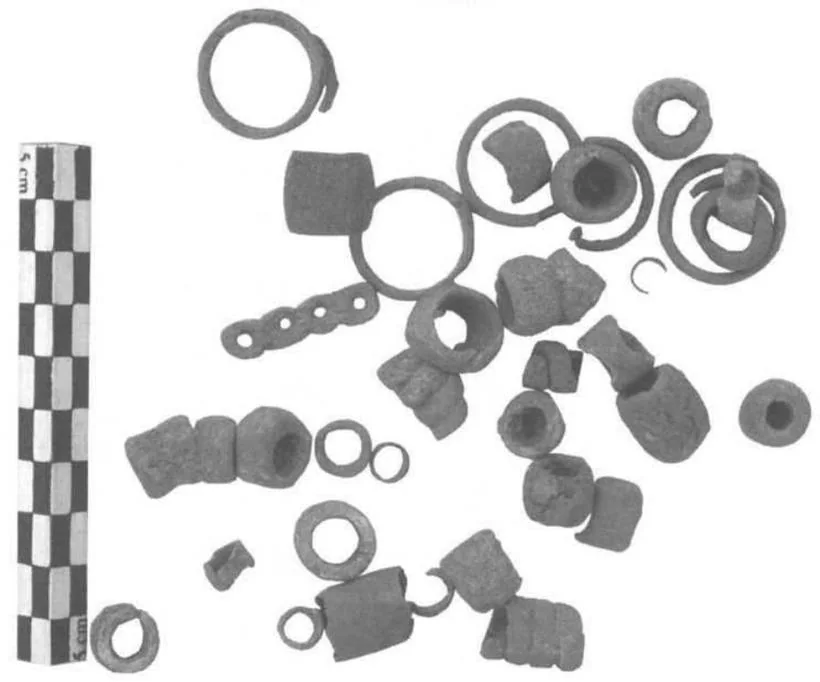 Medievalartifact
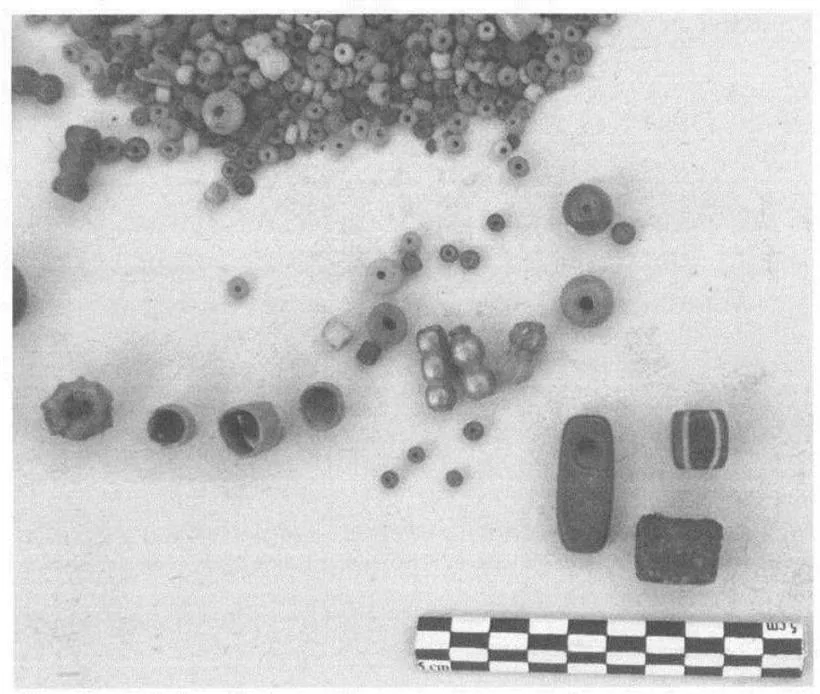 Medievalartifact
4 shown
 artifact
Yeha, Ethiopia The file page records 2018-11-17 08:49:10 as the date of the photograph, not of the object.
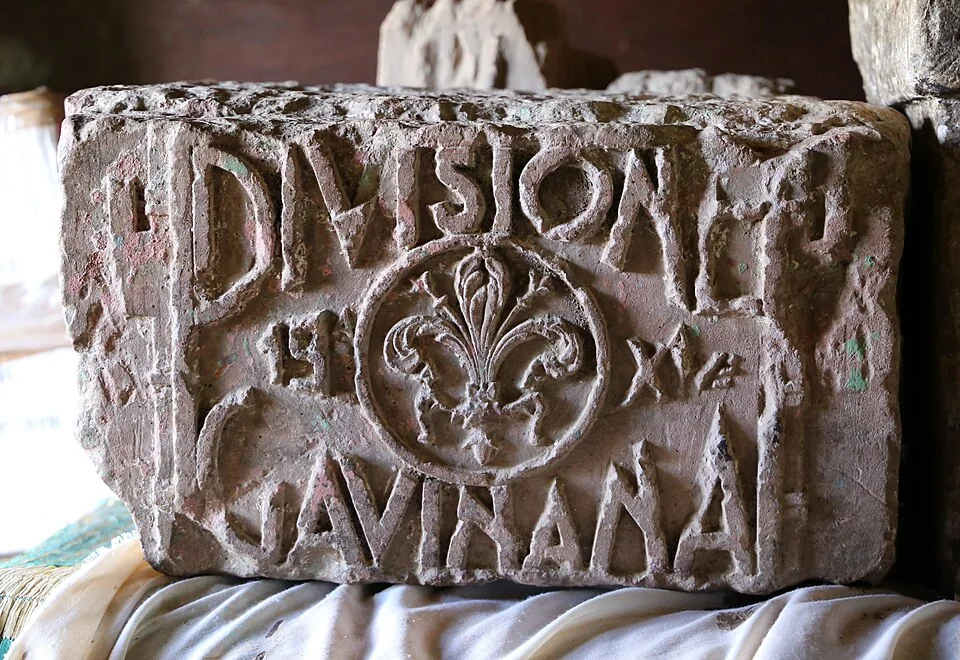 artifact
Yeha, Ethiopia The file page records 2018-11-17 08:42:34 as the date of the photograph, not of the object.
 Ancientartifact
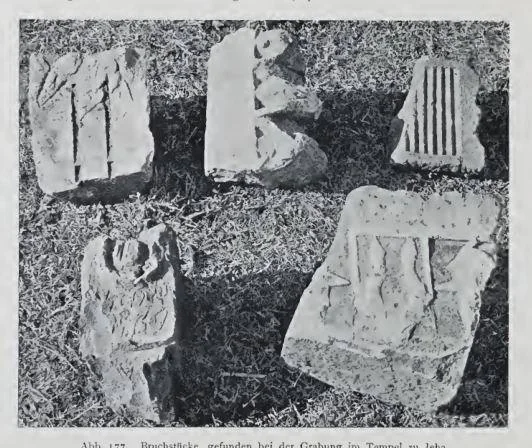
Abb. 177. Bruchstücke, gefunden bei der Grabung im Tempel zu Jeha
 Ancientartifact
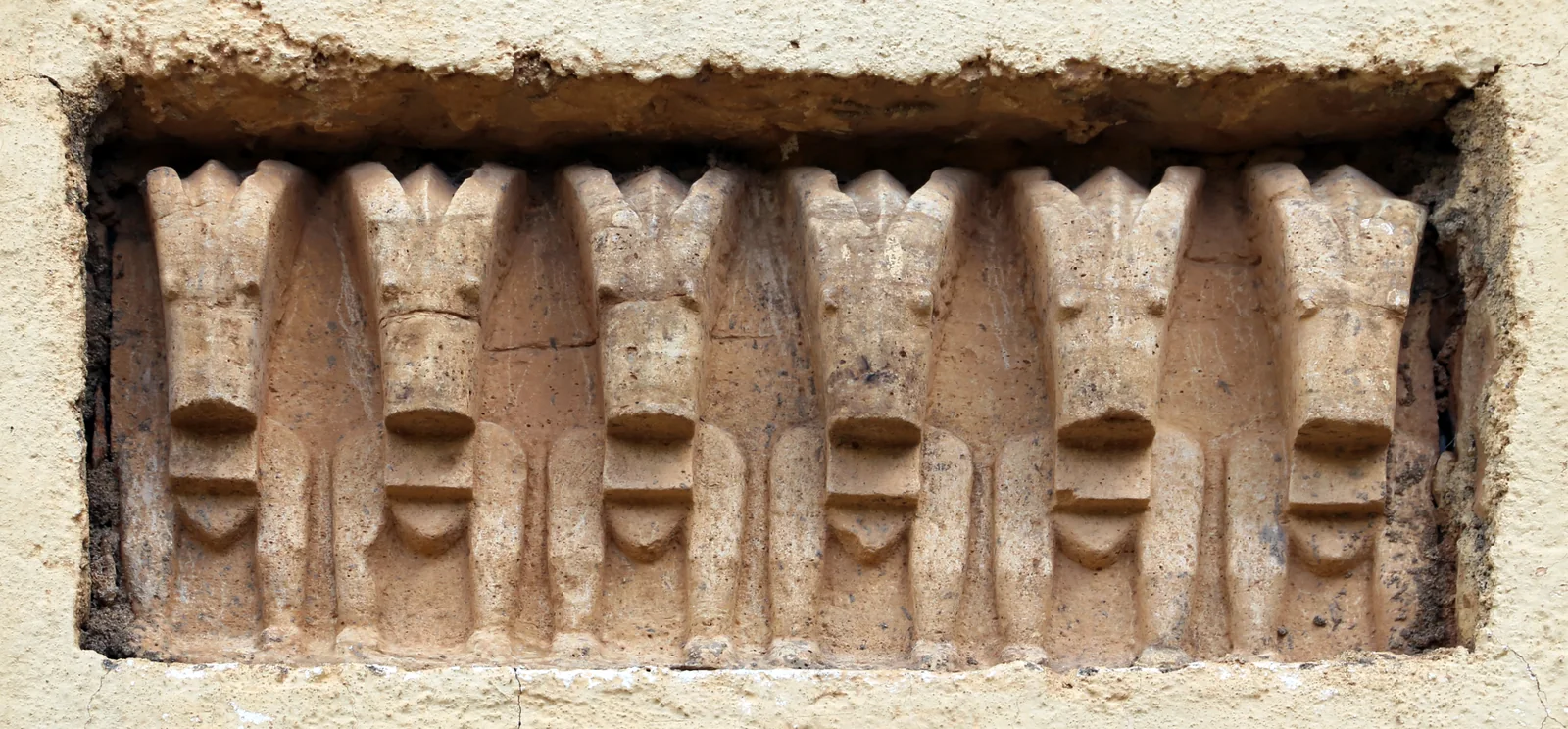
Reliefs of sacred ibexes from the portico of the pre-Aksumite temple at Yeha. Held by the church of Abuna Aftse, Yeha. The source states the date as 8th–5th centuries BC. Photographed by Sailko.
21 shown
 Ancientartifact
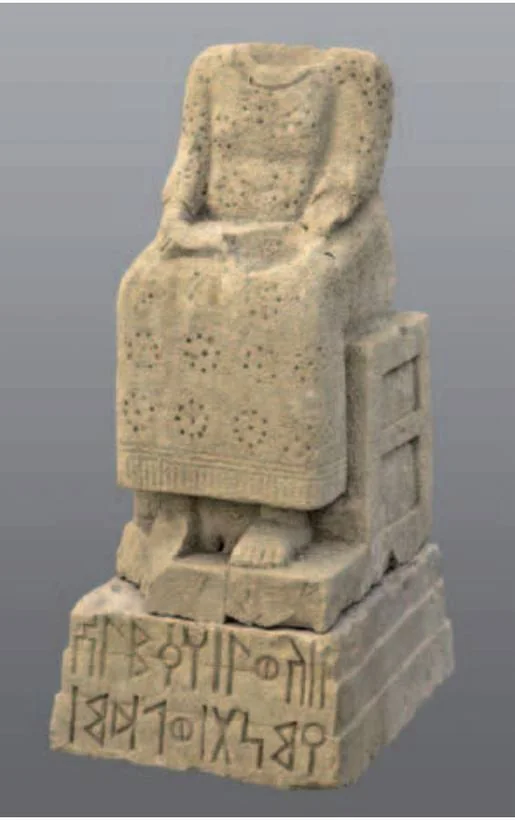
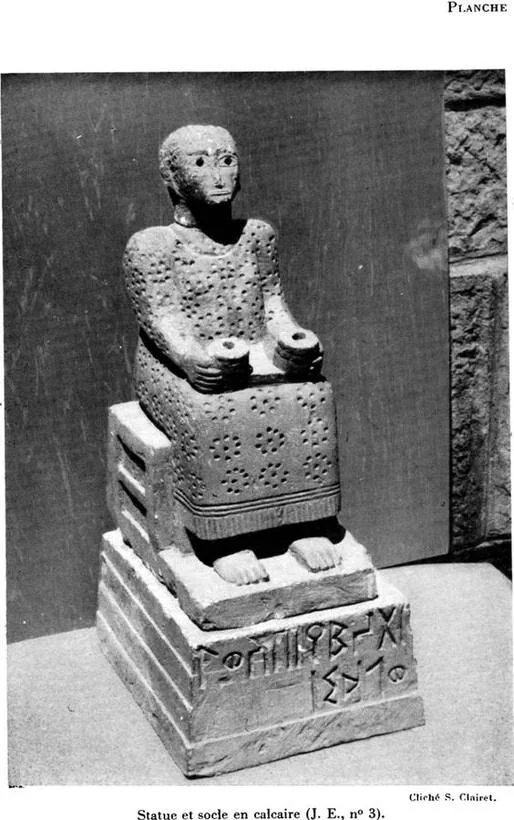
Abb. 6 DAI ʿAddi ʾAkawəḥ 2008-3, Sitzende Frau, Statue mit Sockel (DAI Orient-Abteilung/P. Wolf)
 artifact
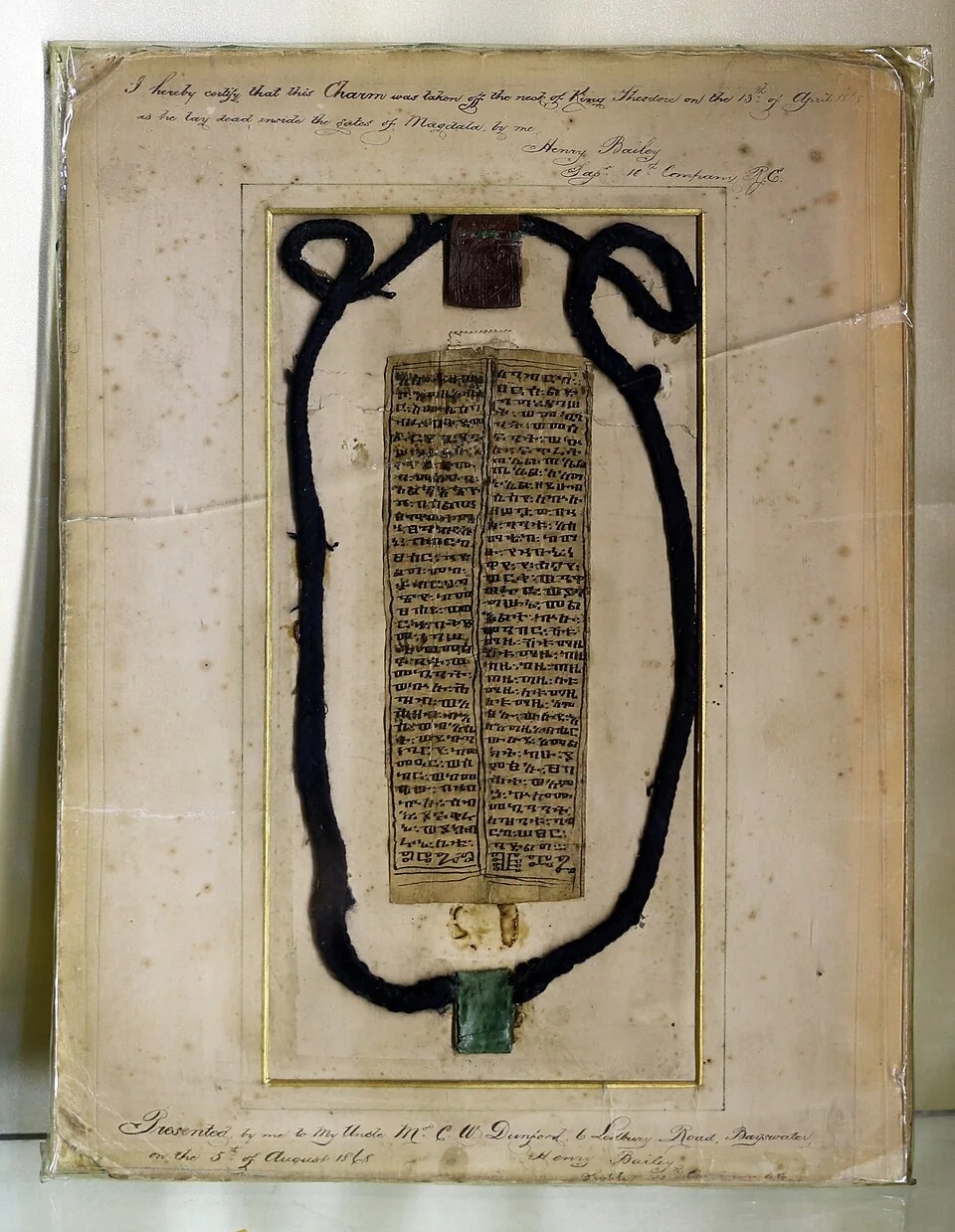
Collections of the Ethnological Museum, Addis Ababa The file page records 2018-11-05 13:24:00 as the date of the photograph, not of the object.
 artifact
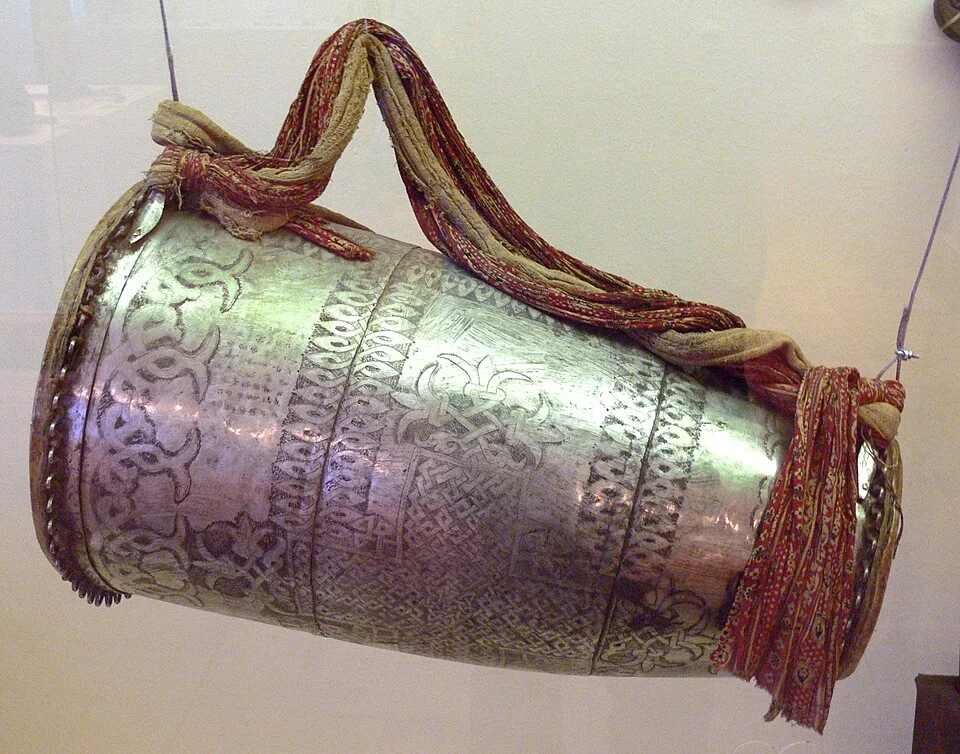
Stuttgart, Linden-Museum Kirchentrommel (Kebero), aus Silber, Tierhaut, Baumwolle; Amhara, Äthiopien, 1886; Inv. Nr. 21084
 artifact
Balaw Kalaw The file page records 2015-11-26 14:08:04 as the date of the photograph, not of the object.
 artifact
 Modernartifact
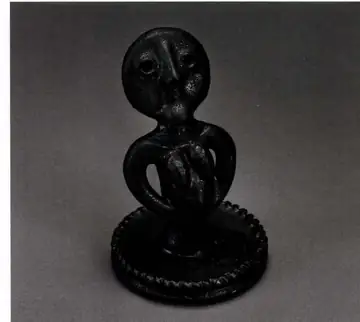
Female Figure. 20th century; glazed terra-cotta; Ethiopia (Beta Esra'el).
 Ancientartifact
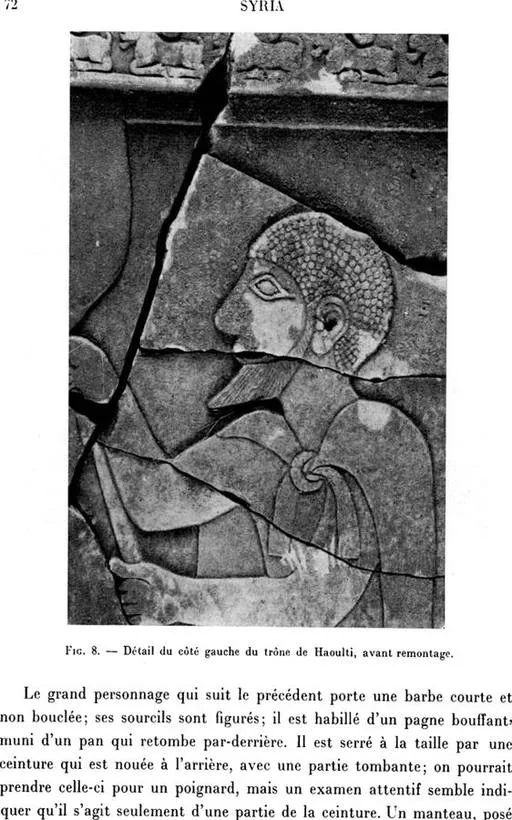
Détail du côté gauche du trône de Haoulti, avant remontage. Le grand personnage qui suit le précédent porte une barbe courte et non bouclée; ses sourcils sont figurés; il est habillé d'un pagne bouffant* muni d'un pan qui retombe par-derrière
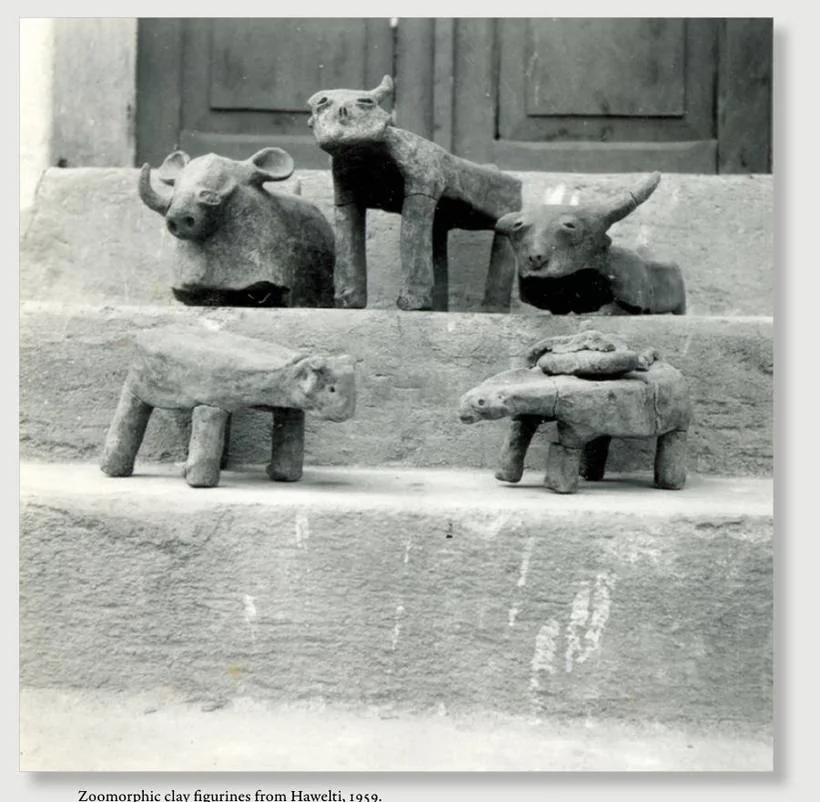 Ancientartifact
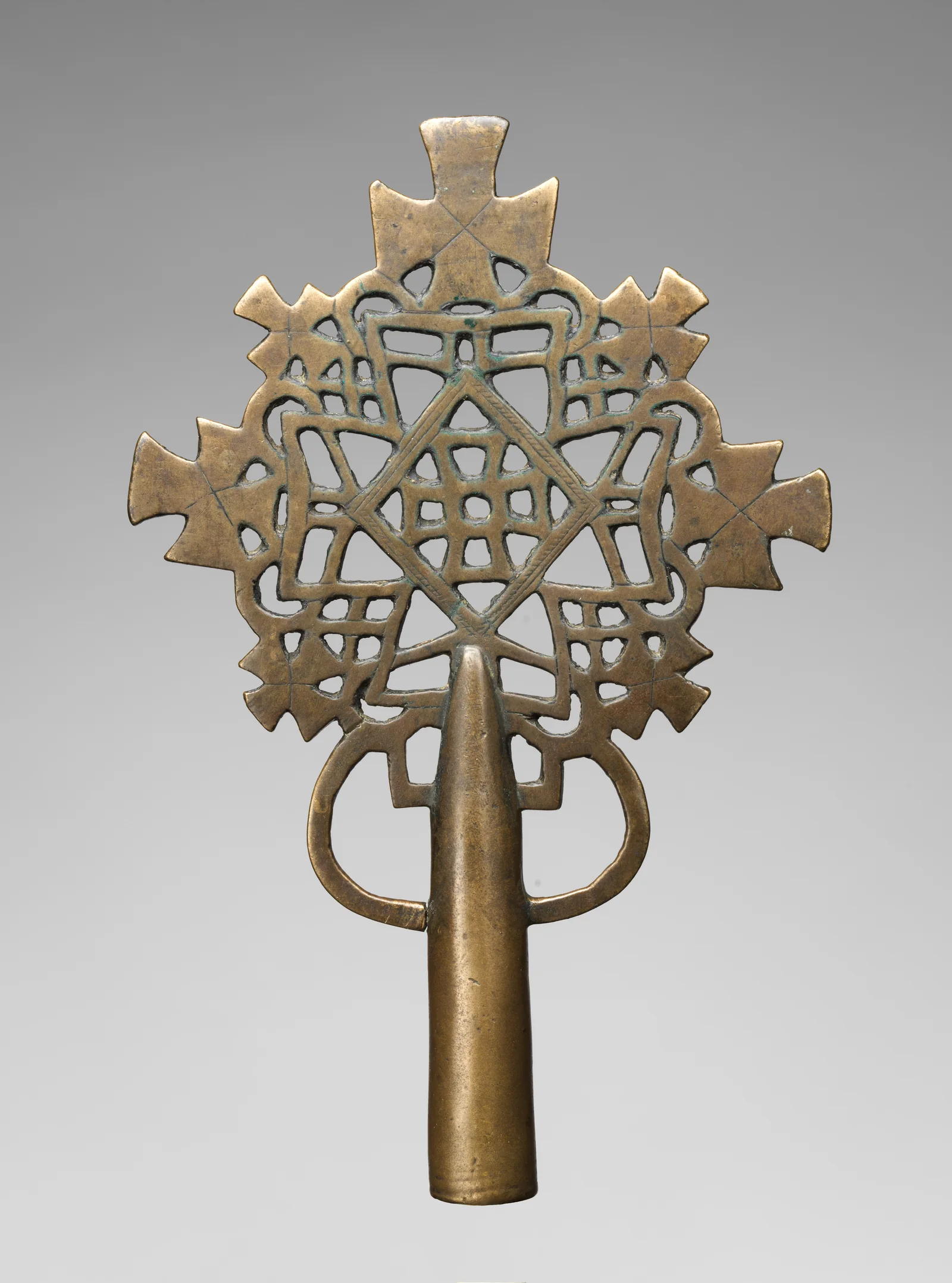 Medievalartifact
The Metropolitan Museum of Art catalogues this object as “Processional Cross (qäqwami mäsqäl)”. The museum dates it to 15th–16th century. Its recorded cultural attribution is Amhara or Tigrinya peoples. The catalogue geography is Ethiopia; Highlands region.
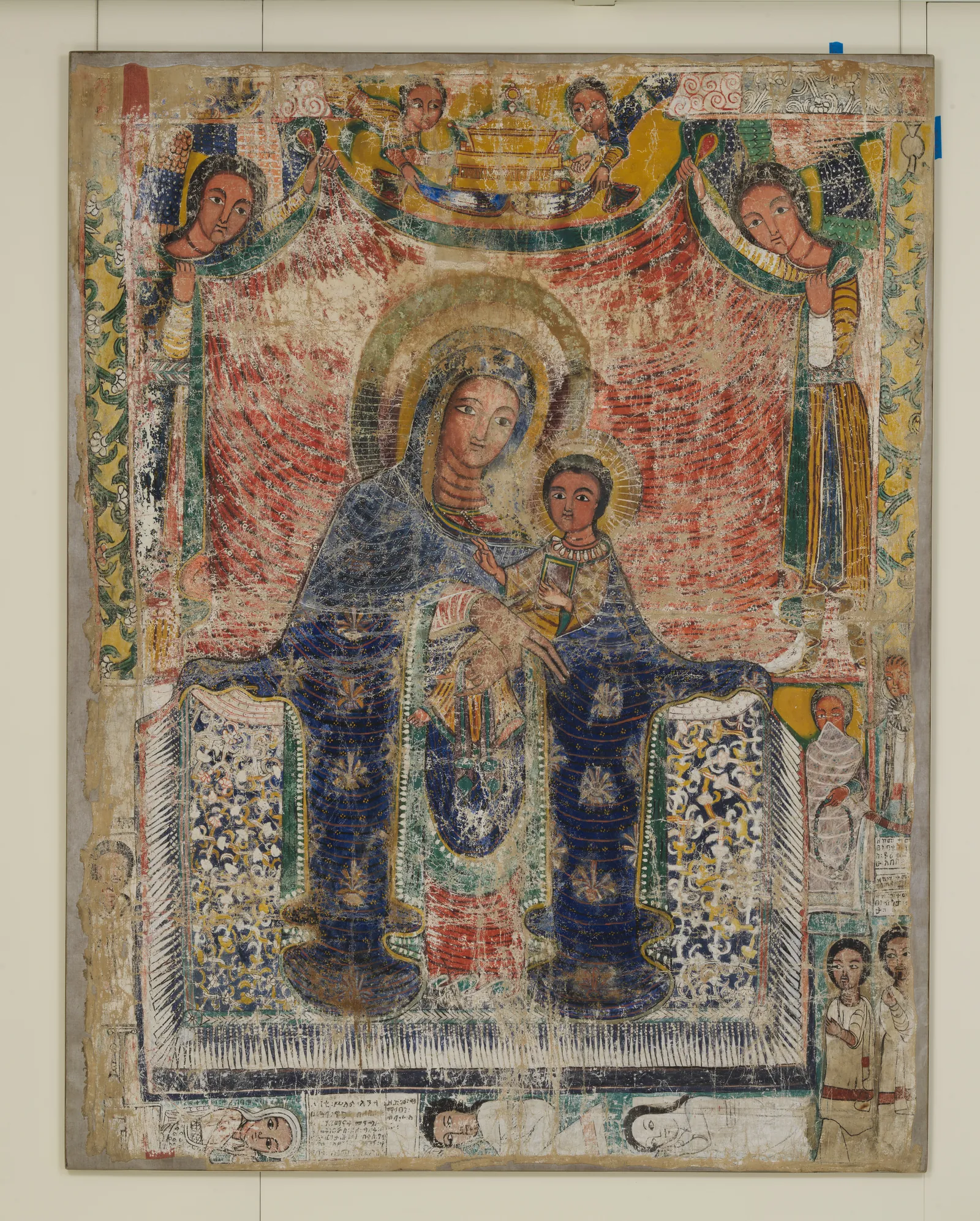 Modernartifact
Wall painting of the Virgin and Child with donors, which the Met dates ca. 1800. The museum records the medium as Pigment over gesso on canvas. Recorded dimensions: H. 81 7/8 × W. 63 in. (208 × 160 cm). Credit line: Anonymous Gift, 2021.
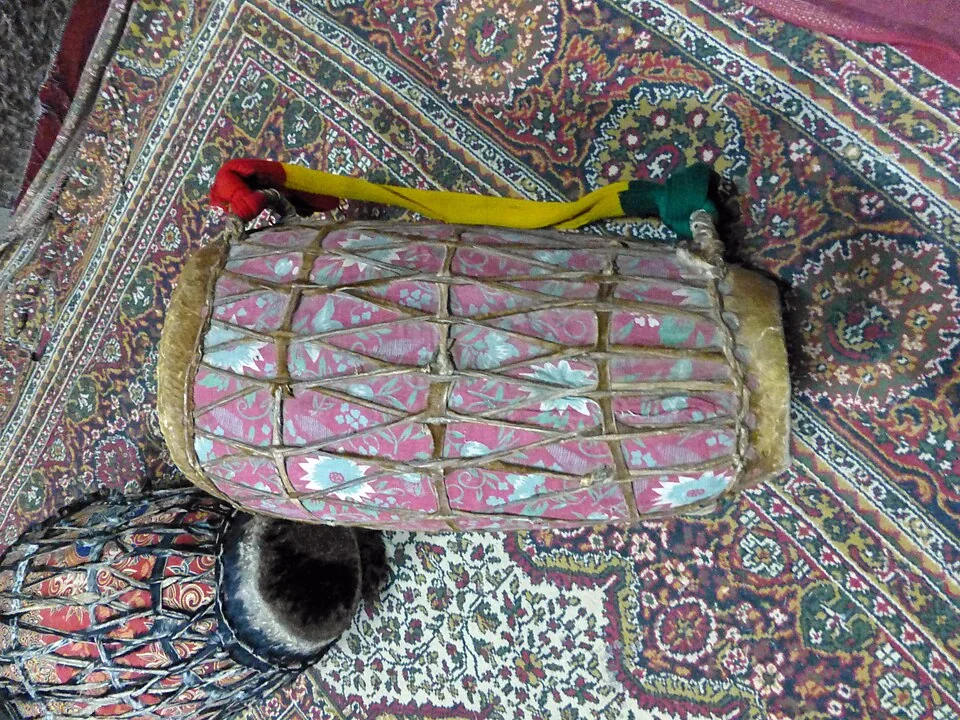 artifact
Tambour de cérémonie dans une église de Lalibela (Ethiopie) The file page records 2014-01-16 08:00:18 as the date of the photograph, not of the object.
 artifact
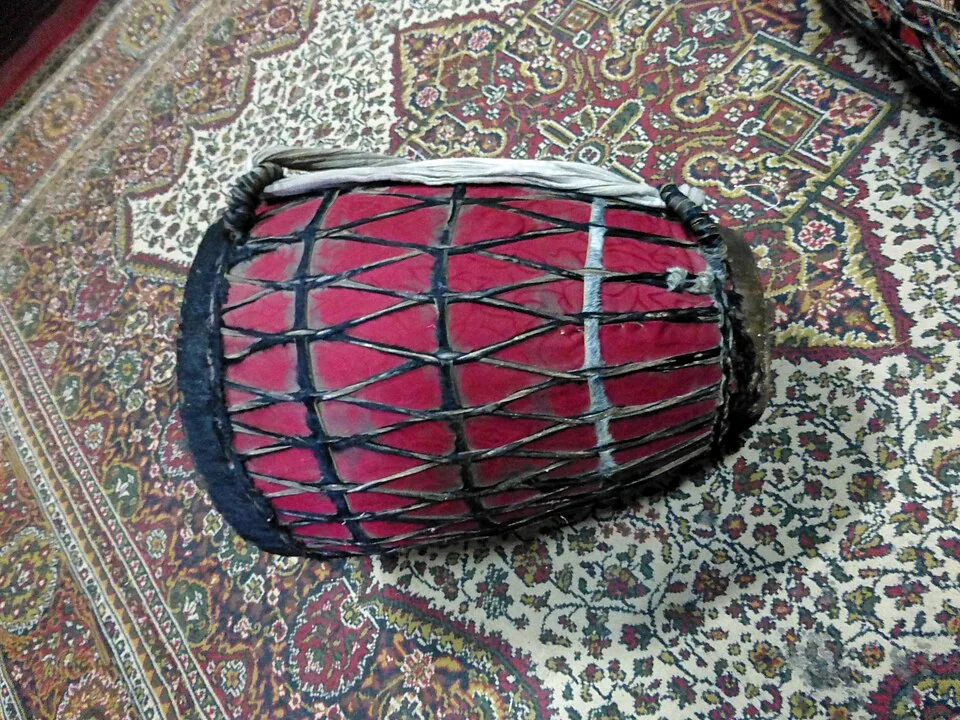
Tambour de cérémonie dans une église de Lalibela (Ethiopie) The file page records 2014-01-16 08:00:09 as the date of the photograph, not of the object.
 Medievalartifact
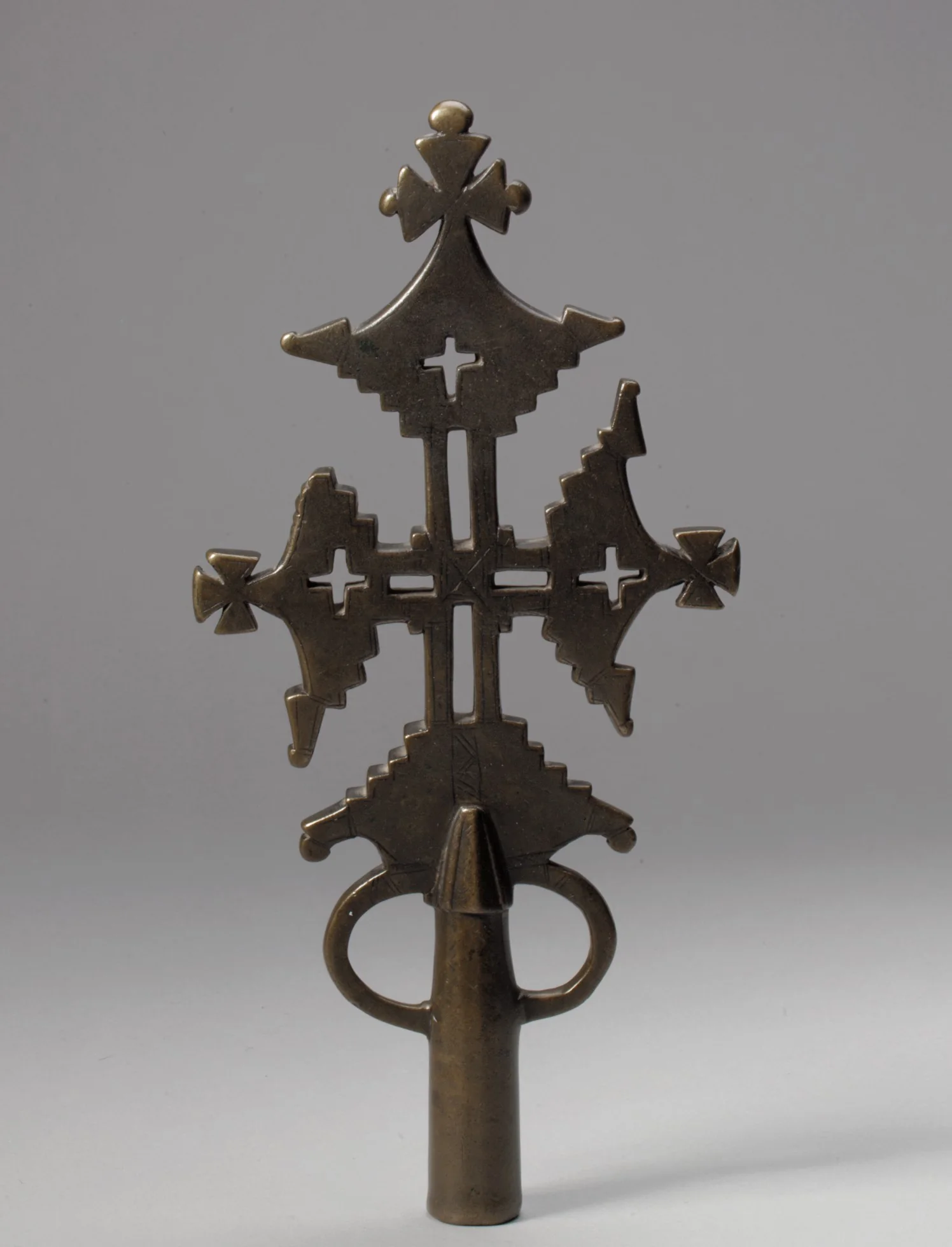
The Metropolitan Museum of Art catalogues this object as “Processional Cross”. The museum dates it to 14th–15th century. Its recorded cultural attribution is Northern Highlands region. The catalogue geography is Ethiopia; Lasta region.
 artifact
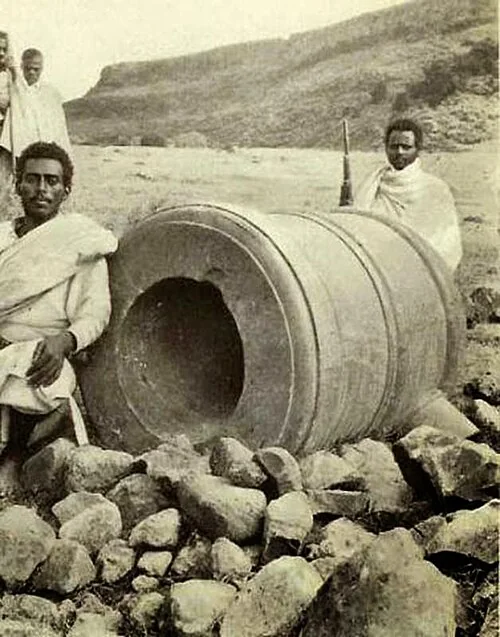
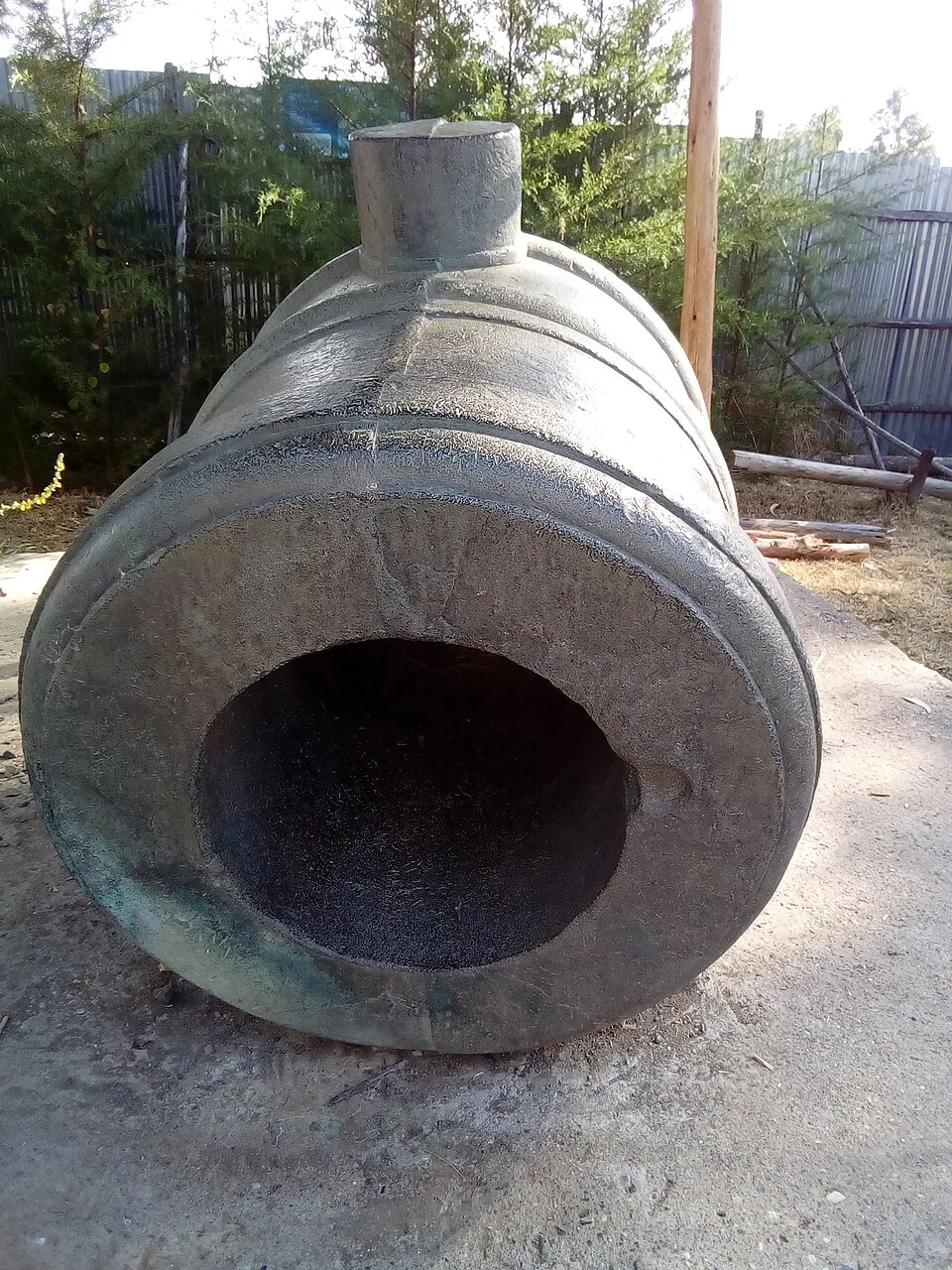
Sebastopol, the original artillery mortar of Emperor Tewodros II. Sebastopol is located in the actual place in Magdala The file page records 2021-01-20 15:54:20 as the date of the photograph, not of the object.
 Ancientartifact
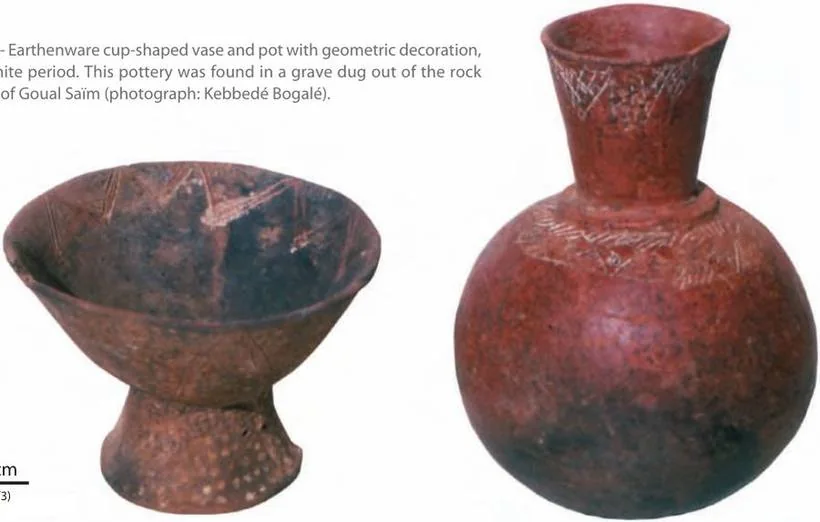
Two earthenware tulip vases, Pre-Aksumite period. They were discovered in a grave at Goual Saïm (photograph: Kebbedé Bogalé)
 Ancientartifact
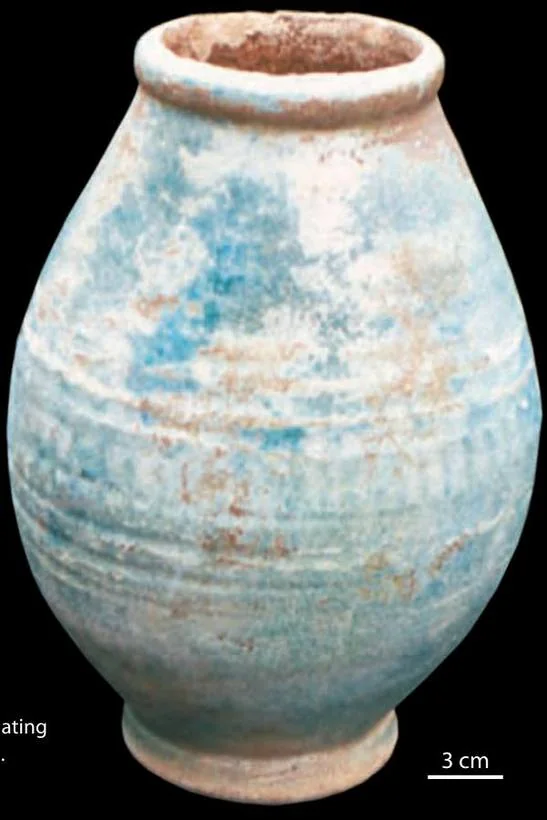
Dish in terra sigillata africana, probably imported from Egypt (photograph: Kebbedé Bogalé). Figure 54 - Blue glazed vase (height: 30 cm) undoubtedly originating in Sassanid Persia, 7th century AD (photograph: Kebbedé Bogalé). 3 cm 3 c
 Ancientartifact
 Ancientartifact
 Medievalartifact
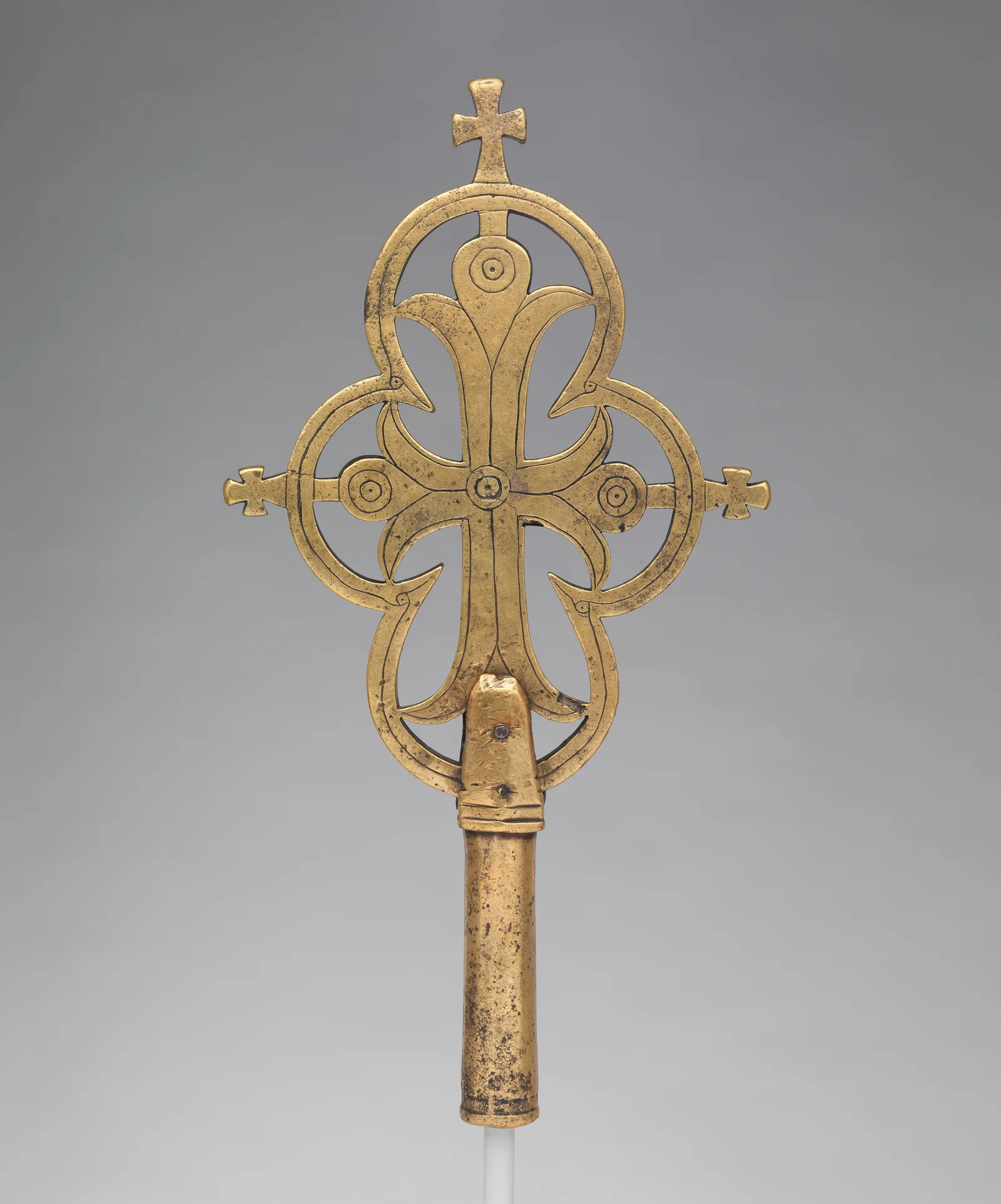
The Metropolitan Museum of Art catalogues this object as “Mäsqälä qǝddase (liturgical cross)”. The museum dates it to 13th–14th century. Its recorded cultural attribution is Northern Highlands region. The catalogue geography is Ethiopia; Northern Highlands.
 Medievalartifact
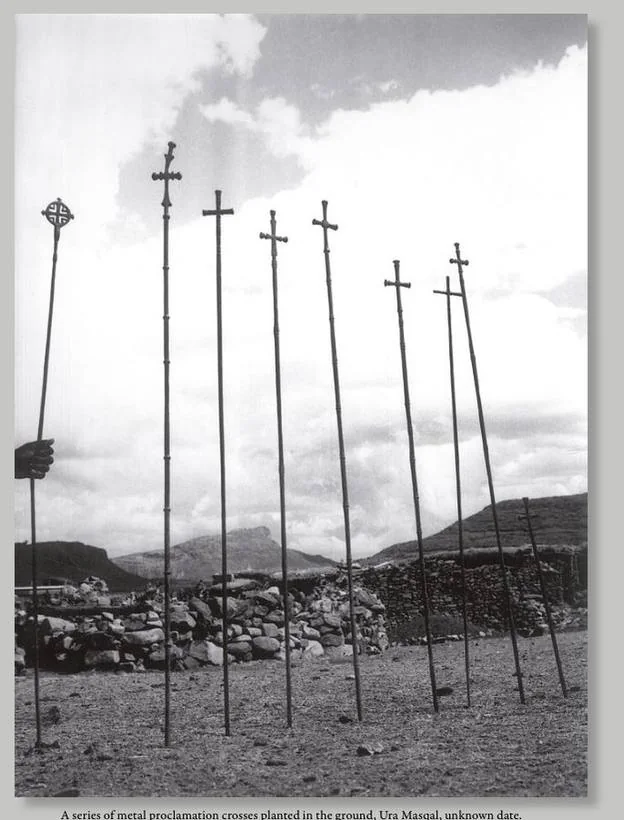 Medievalartifact
Showing 288 of 935