This article is still in draft phase and won’t be finalised for some time. If you spot any errors or have additional information, feel free to contact me here, or on TikTok or Reddit, along with your sources, so we can discuss
ደግያት/däggiyat is a shortened form of the military title ደጃዝማች/Däǧǧazmač and was one of the highest military ranks in present-day Eritrea & Ethiopia during the medieval era1.
ሰንጋል ሓወይ ኣይትዓሹ ጻዕዳ ተመን አንተነኺሱ ደላሊኻ ነይርከብ ፈውሱ
“Sängäl, my brother, don’t be so stupid, Gäbrämädhén, my brother, don’t be so stupid. If a white snake once bites you, you will find no cure”. - Source
Receive an email when a new Habesha History article is published.
SubscribeChildhood
ባህታ → Bahta in Tigrinya means joyful or enjoyment, while ሓጎስ → Hagos ሓጎስ also means enjoyment or happiness, making Bahta Ḥagos a truly joyful name indeed.
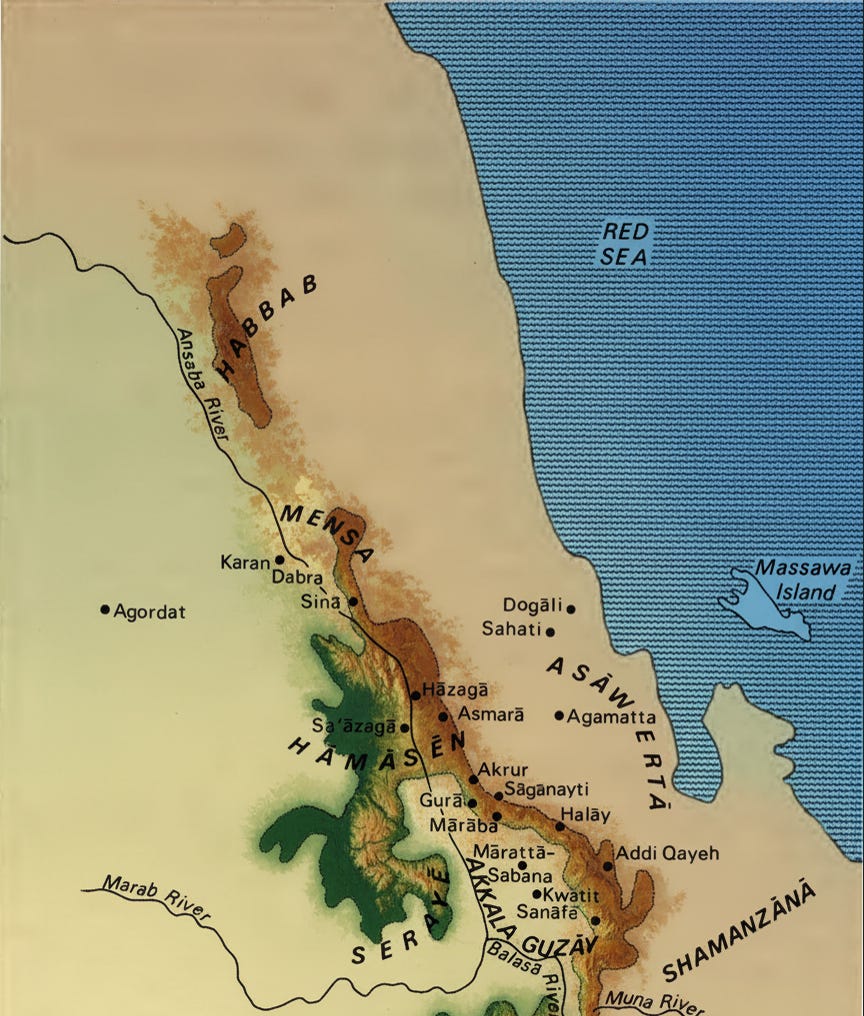
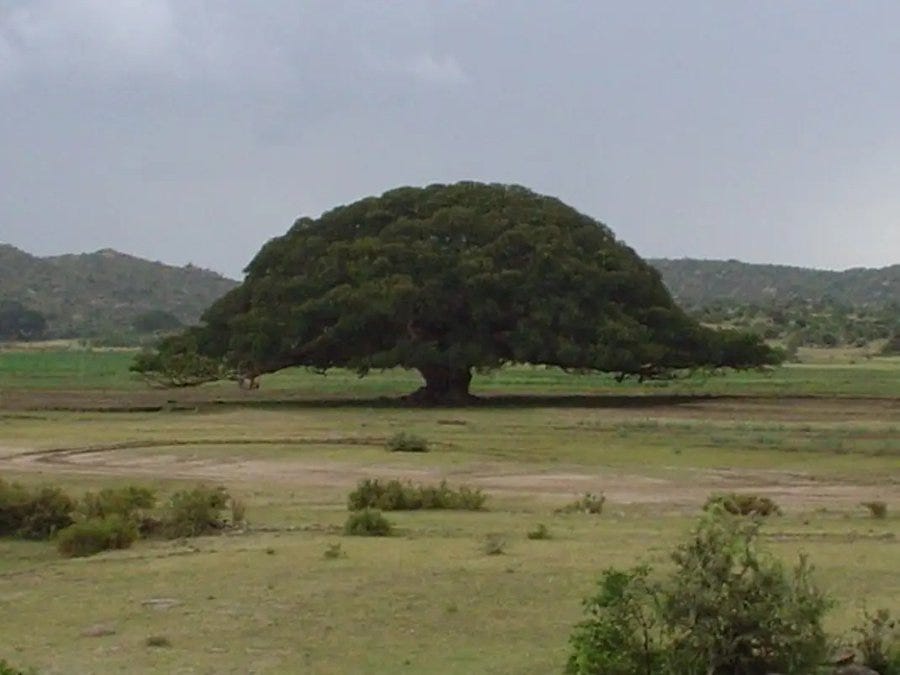
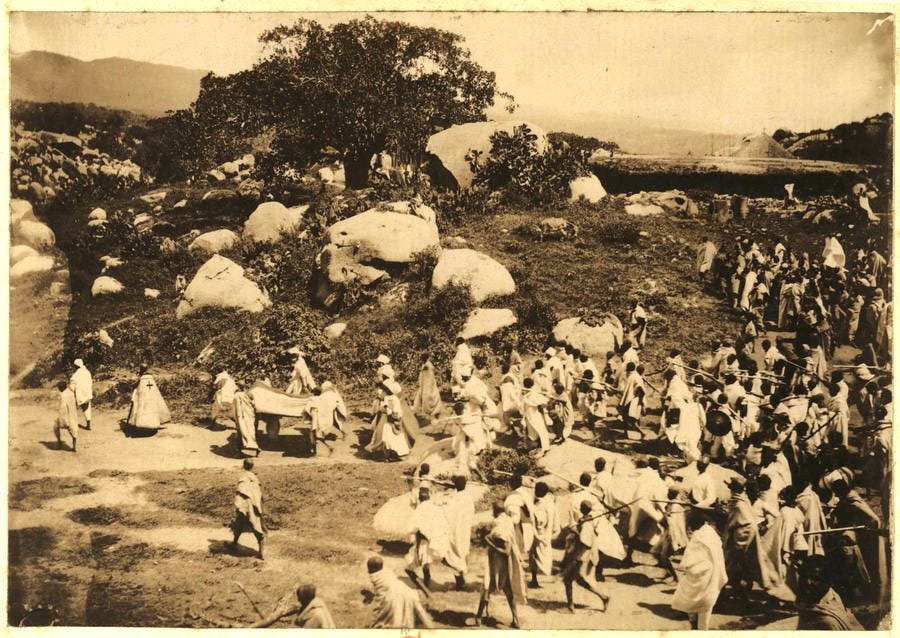
Bahta Ḥagos was born between 1839 and 1850 in Säğänäyti, a town in the historical province of Akkälä Guzay (present-day Debub/Southern region of Eritrea). He was the son of Shum Ḥagos Andu (ሓጐስ ሹም ዓንዱ) and Wäyzäro Wnahu (ወይዘሮ ውናኡ), the daughter of Shum Mosahzgi (ሓጐስ ሞሳዝጊ)2. It’s said that Bahta’s grandfather, Andu Habal, had become wealthy from bringing salt from the lowlands around Massawa3; neither of them was part of the nobility4, however. Bahta’s lineage traced back to the humble house of ʿEgälto, a branch of the Ṣanʿadäglä descent group.
Video showcasing Säğänäyti in 2024. Source: MicaelGoitom on Twitter
Mohammed Nur Abdu, in Political History of Akkälä Guzay: 1885–1895, records his birth as 18515. Yet an earlier date in the 1840s seems more plausible, photographs from the 1890s depict him as a man in his early fifties. This remains my own speculation, though the Italian author Rosalia Pianavia-Vivaldi likewise suggests a birth in the 1840s.
Bahta’s Siblings6:
ተኪኤ - Tekelyeh
ካሕሱ - Kahsu
ሰንጋል - Sengal
ግምጃ - Gmjah
ደስታ - Desta
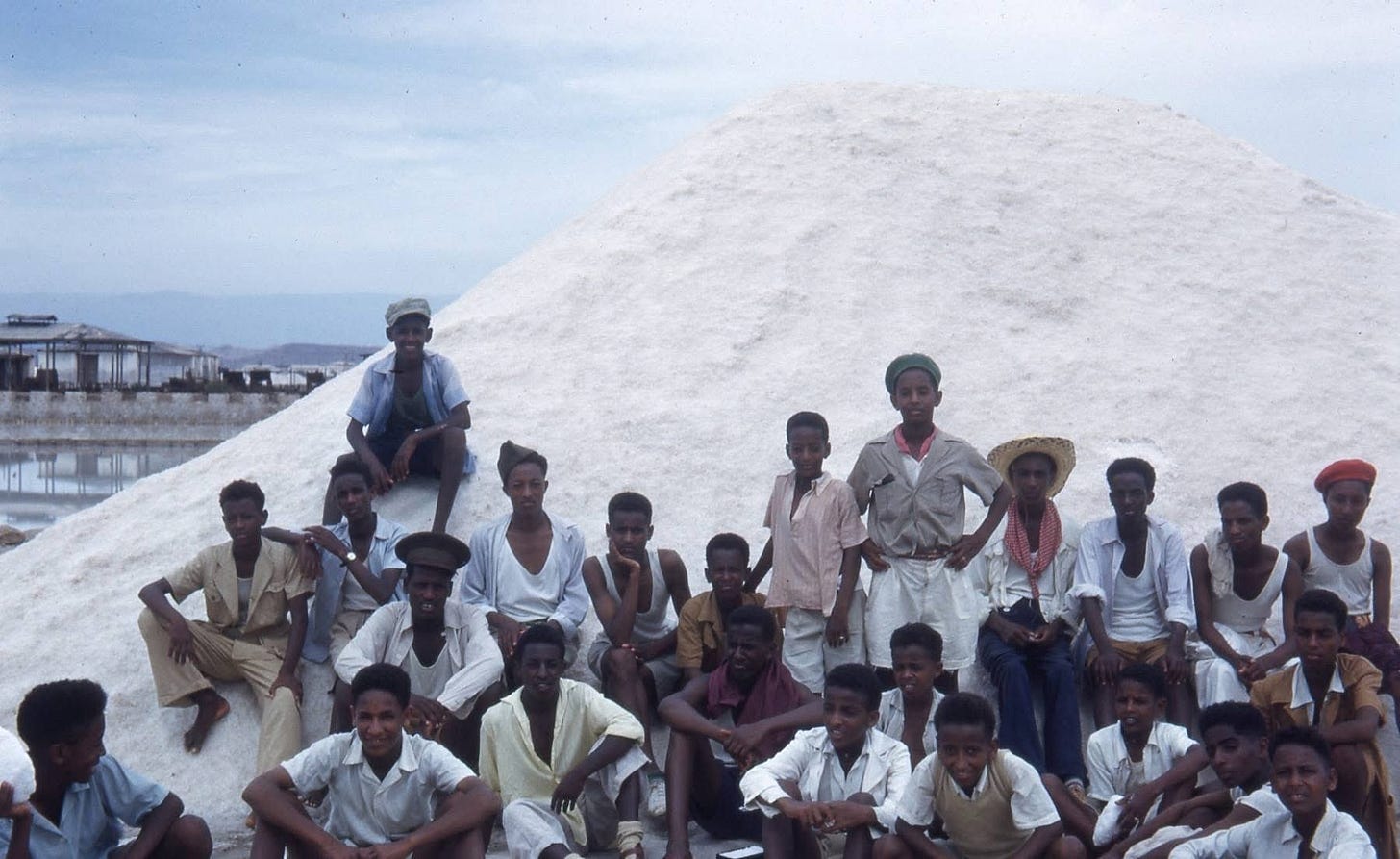
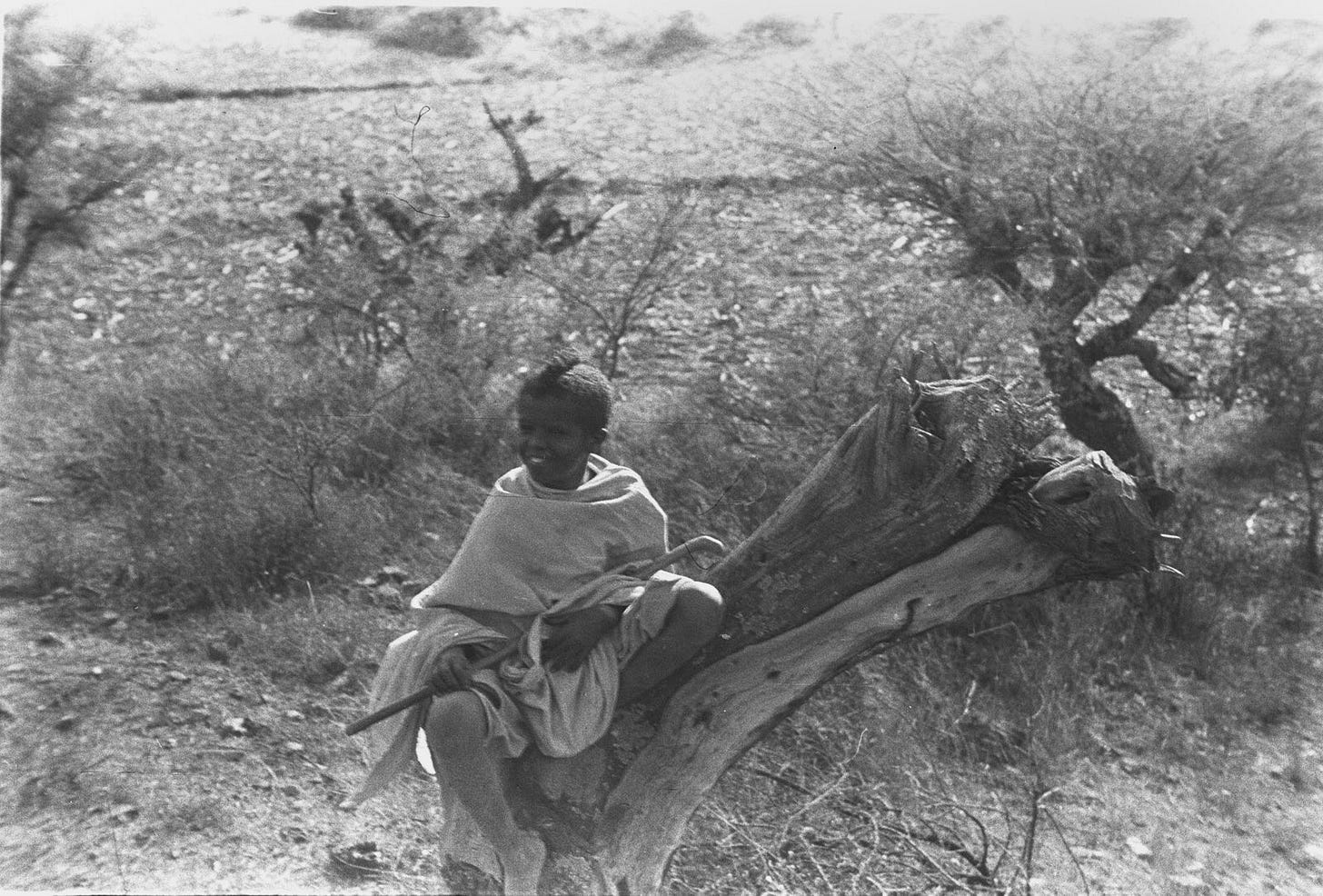
Although he lived his childhood as a peasant, working his father’s land and herding goats and cattle like many highlanders of the time, local tradition recalls that he was renowned from an early age for his courage and strength. One story tells of a traveller passing through Säğänäyti who challenged anyone to a fight; while the other children stayed silent, he alone stepped forward7.
During his late teenage years, Bahta Ḥagos encountered a major challenge when his father, Ḥagos Andu, aligned himself with the Hamasien ruling family of Märäb Mǝllaš, the House of Šäʿazzäga. This alliance was driven by his friendship with the Kantiba of Karnishem (a town in the historical province of Hamasien - present-day Central region of Eritrea), who had been appointed by Ras Ḥaylu of Šäʿazzäga8, and by his hope that supporting Ras Ḥaylu would secure him a similar title in Säğänäyti. However, the šmagles (elders) of Säğänäyti chose instead to back the traditional House of Ḥazzäga, which upheld their democratic system and the independent authority of Akkälä Guzay.
In 1861, Däǧǧazmač Ḥaylu of Šäʿazzäga was the ruler of Märäb Mǝllaš. However, Ras Wäldä Mikaʾel Sälomon of Ḥazzäga, who governed a portion of Hamasien under Ras Ḥaylu’s authority, later rebelled during the late 1860s9. Following his revolt, Wäldä Mikaʾel fled south of the Mereb River, where he lent support to Däǧǧazmač Kaḥśay (the future Emperor Yohannes IV) in his campaign to overthrow Emperor Tewodros II10.
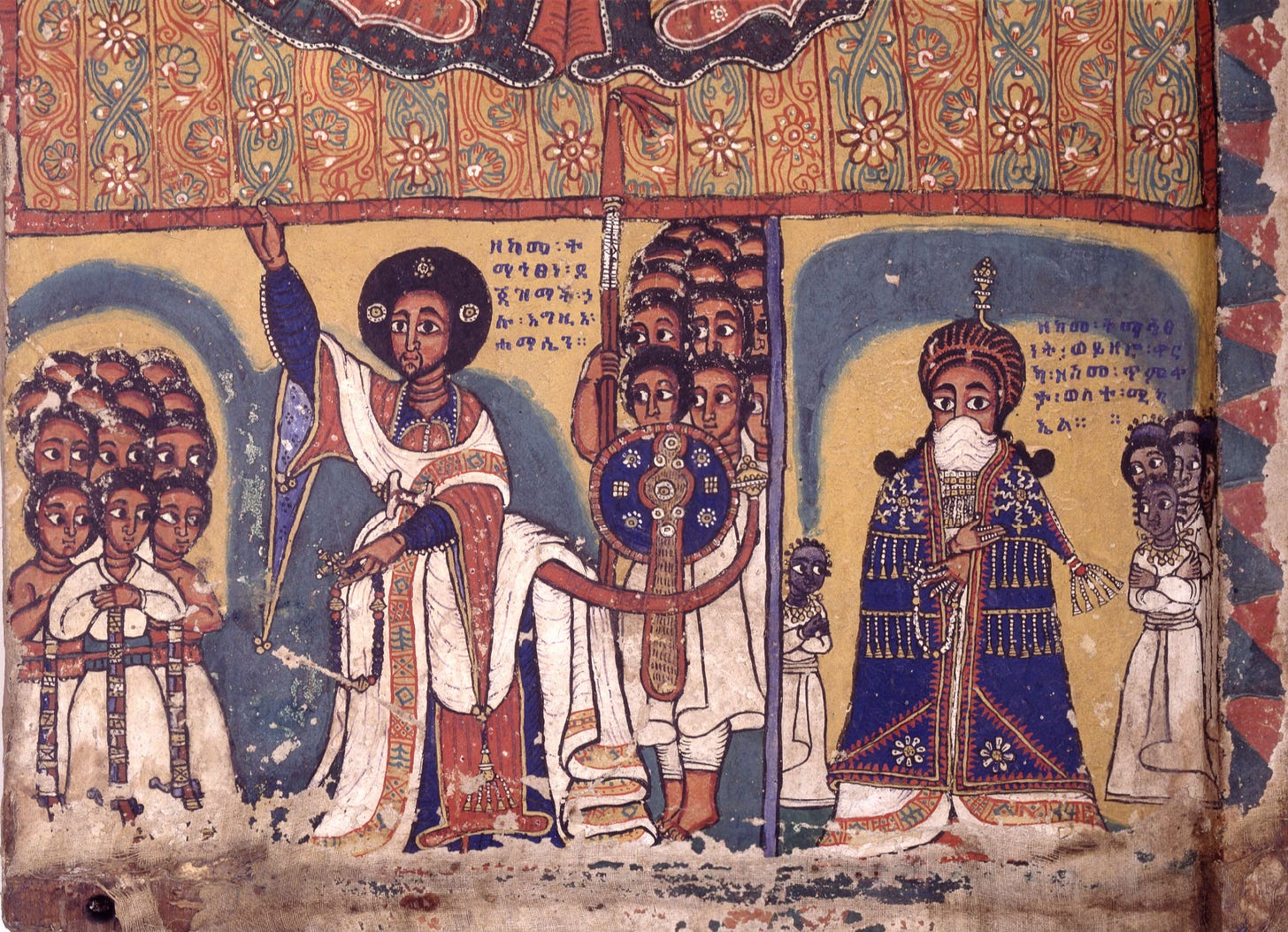
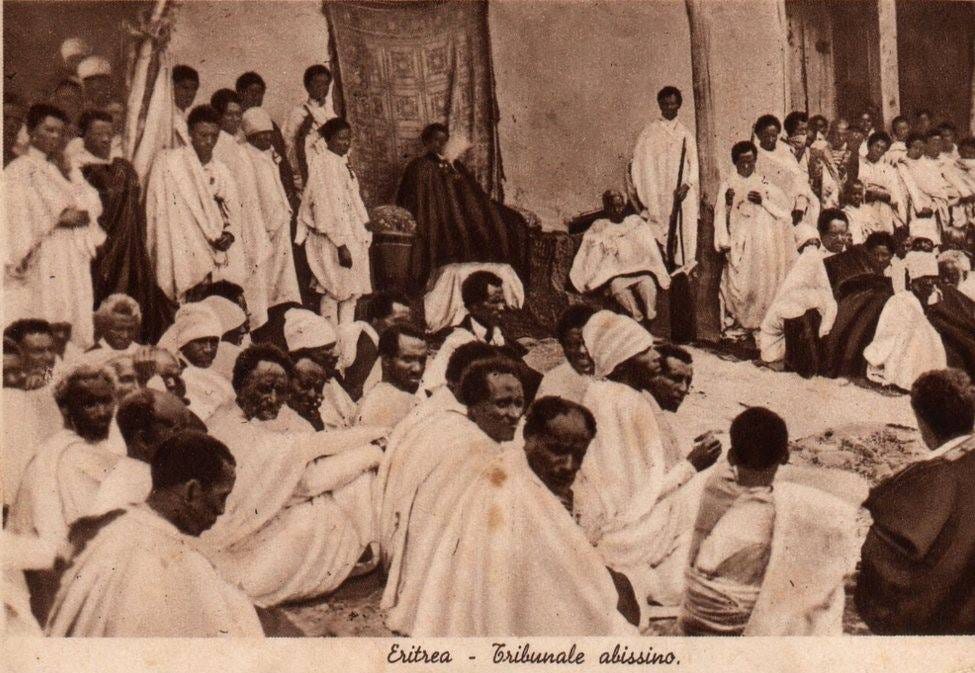
As a result, Ḥagos Andu was condemned to death in a Säğänäyti Bayto session11. The loss of his father at this critical stage undoubtedly left a deep mark on Bahta Ḥagos and may in part explain his later ambitions for power.
The Killing Of Fitawrari Émbayye
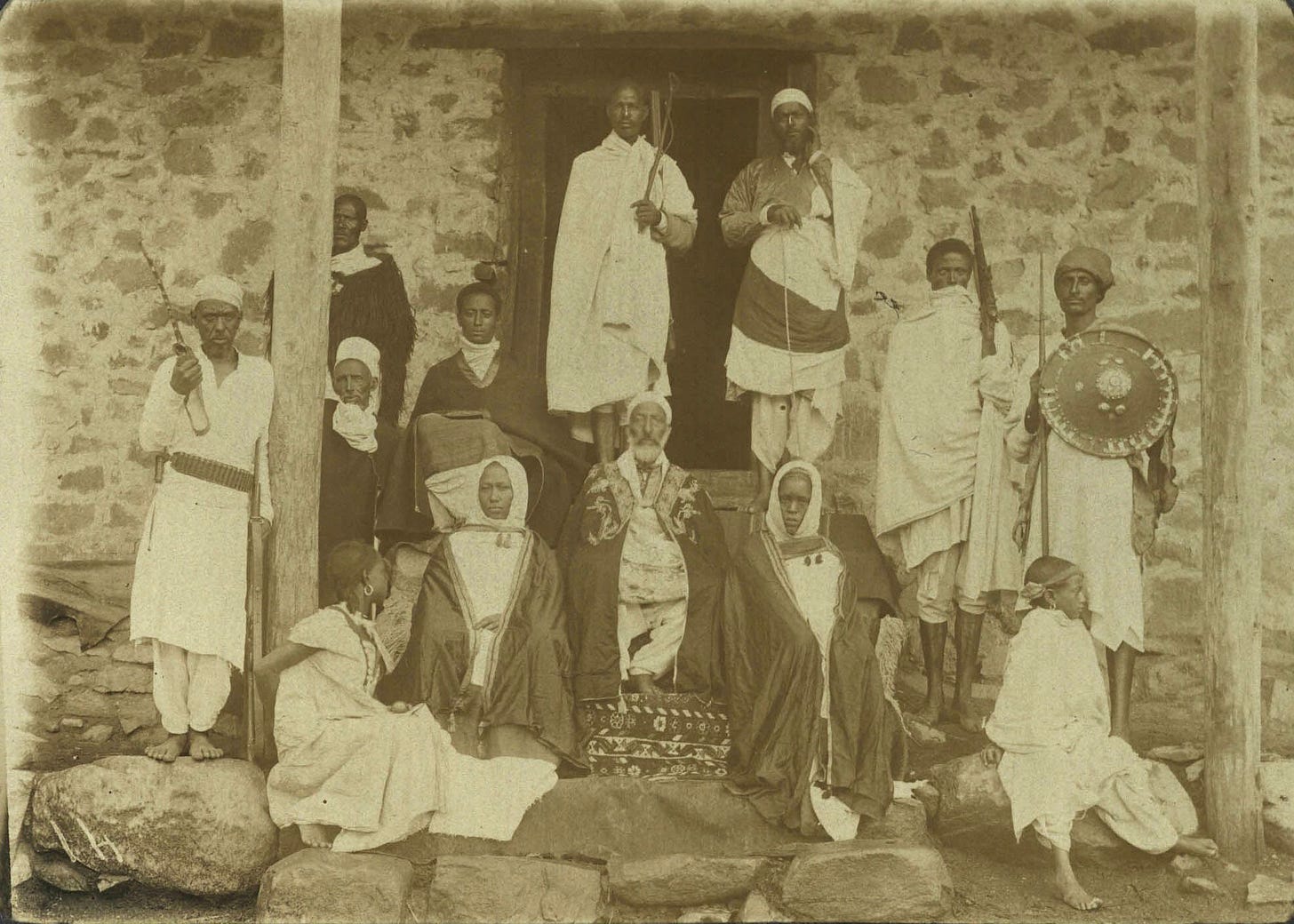
Fitawrari was a military rank in medieval Eritrea and Ethiopia. A Fitawrari was responsible with overseeing the army’s supply, maintaining order and discipline while on the march, and ensuring the overall safety of the troops. The Fitawrari commanded the forward position of the army (the advanced guard)12.
The first major event for which Bahta Ḥagos is remembered was his involvement in a dispute with Fitawrari Émbayye, the son of the then-governor of Akkälä Guzay, Arʾaya Śəllase Dəmsu13. This conflict arose as a direct consequence of the excessively harsh taxes imposed by Arʾaya Śəllase Dəmsu after his release from imprisonment in Mäqdäla, where he had been held until Emperor Yohannes IV’s successful rebellion against Tewodros II14.
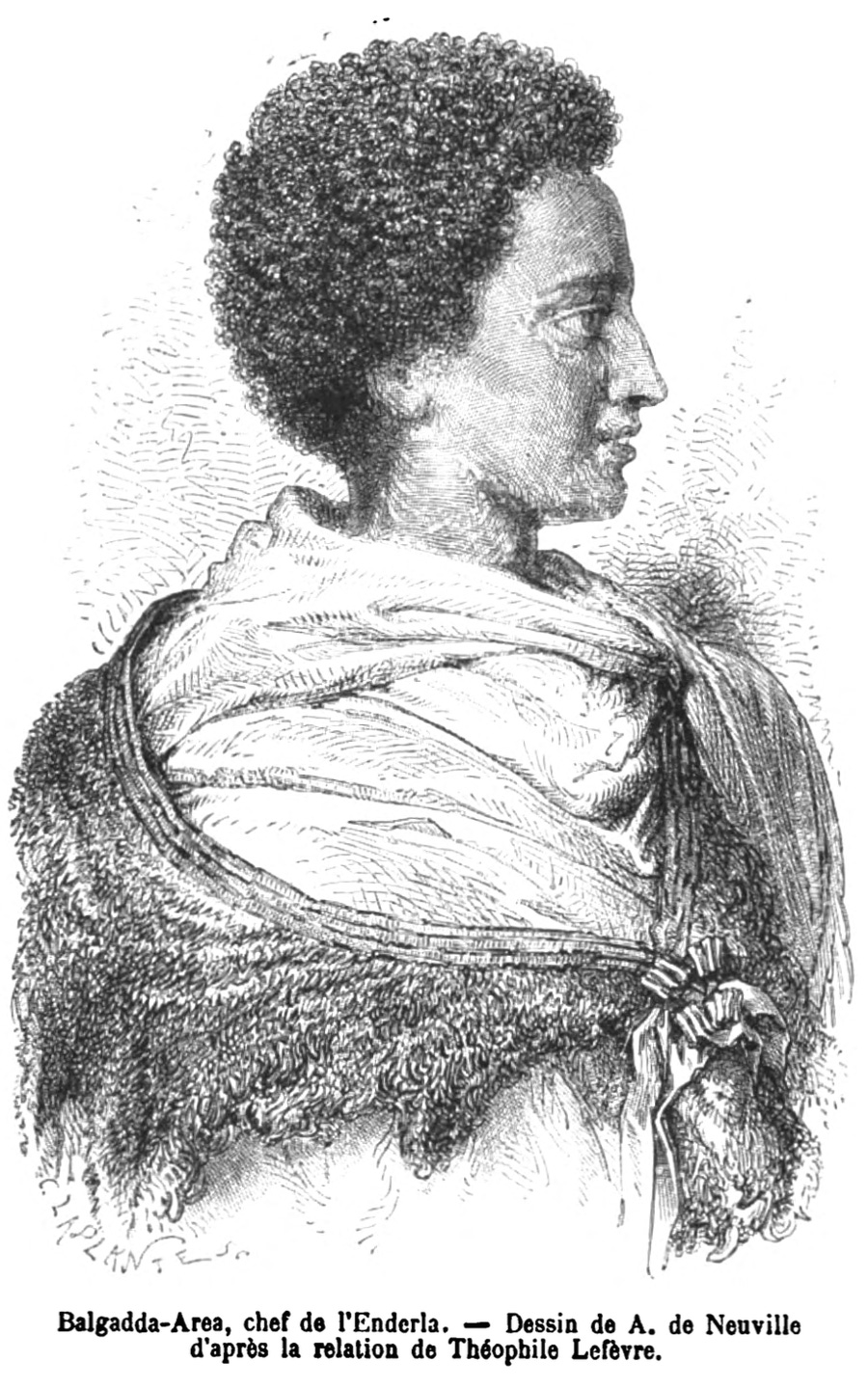
In October 1875, at Säğänäyti, soldiers of Ras Arʾaya Śəllase Dəmsu attempted to levy taxes on the townspeople. This provoked a clash in which several individuals on both sides were wounded or killed, among them ጓንጉል/Gwangul, the uncle of Bahta Ḥagos. Enraged by his uncle’s death, Bahta intervened and, in the heat of the conflict, killed Fitawrari Émbayye15. Over 20 of Émbayye’s soldiers were killed, while eight men of Säğänäyti were dead16.
This occurred during the period of the Egyptian invasion of Märäb Mǝllaš, marked by the Battle of Gundet (14–16 November 1875)17. It may have been these turbulent conditions that drove Bahta, his brothers, and other notable figures of Säğänäyti to take such a drastic step of rebelling and seizing the moment to kill Fitawrari Émbayye…
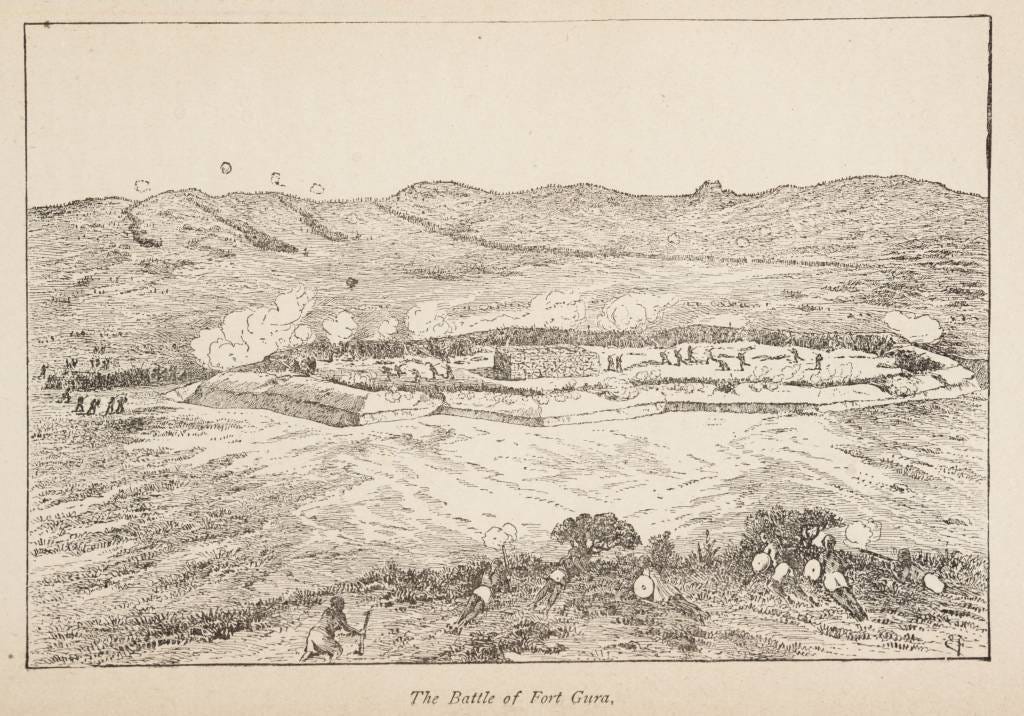
Although the death of Fitawrari Émbayye undoubtedly grieved his father, Ras Arʾaya Śəllase Dəmsu, he nevertheless pronounced a verdict of mercy18 towards Bahta Ḥagos and the others involved in his son’s killing. This was likely because of the rather harsh measures Émbayye had inflicted on the Säğänäyti people and the number of lives he had taken or harmed.
Receive an email when a new Habesha History article is published.
SubscribeLife as a Šafta (Rebel)
Šafta19 are outlaws who typically lived on the periphery and harassed local rulers by raiding or attacking merchants, what differintiates them from banditary is the more political aims of the Šafta, Šafta’s were alot of times political exiles.
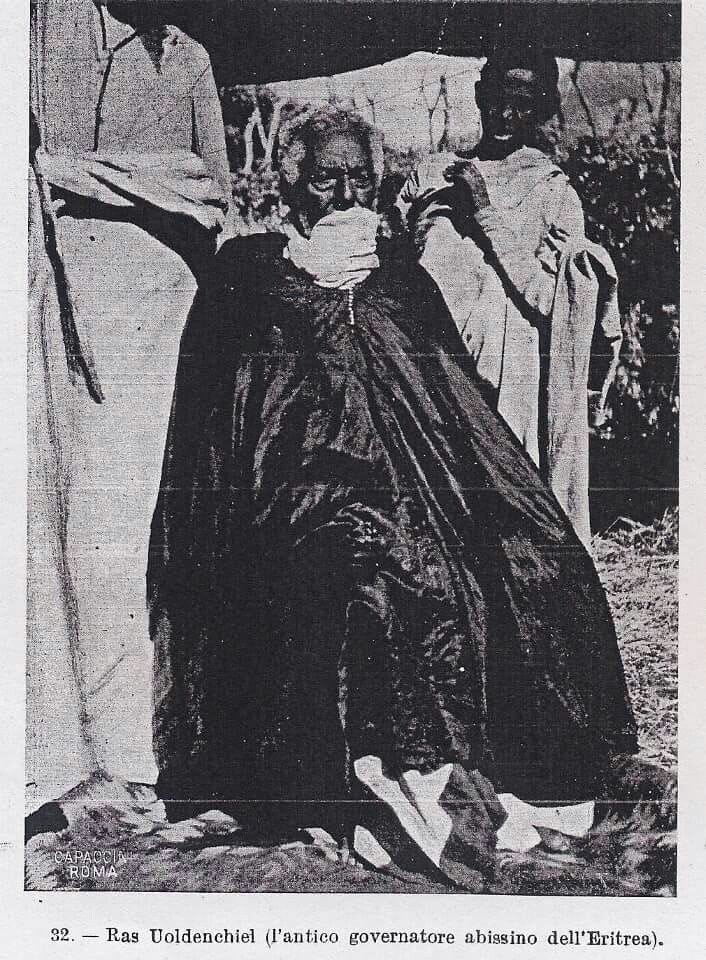
In September 187620, Emperor Yohannes IV directed Ras Alula to confront Ras Wäldä Mikaʾel Sälomon of Ḥazzäga and depose him from authority in Märäb Mǝllaš. To carry out this mission, Ras Alula passed through Akkälä Guzay, where he plundered the property of Bahta Ḥagos and his family in Säğänäyti21, famously taking Bahta Ḥagos’s favourite cow. Säğänäyti itself suffered the wrath of Alula22.
At this point of time, Märäb Mǝllaš was in state of chaos, Ras Ḥaylu of Šäʿazzäga was killed by Ras Wäldä Mikaʾel Sälomon of Ḥazzäga, when the later confronted Haylu’s army at the battle of Wäkkädäbba on 17th July 187623, pre-empting the actions of Emperor Yohannes IV stated above…
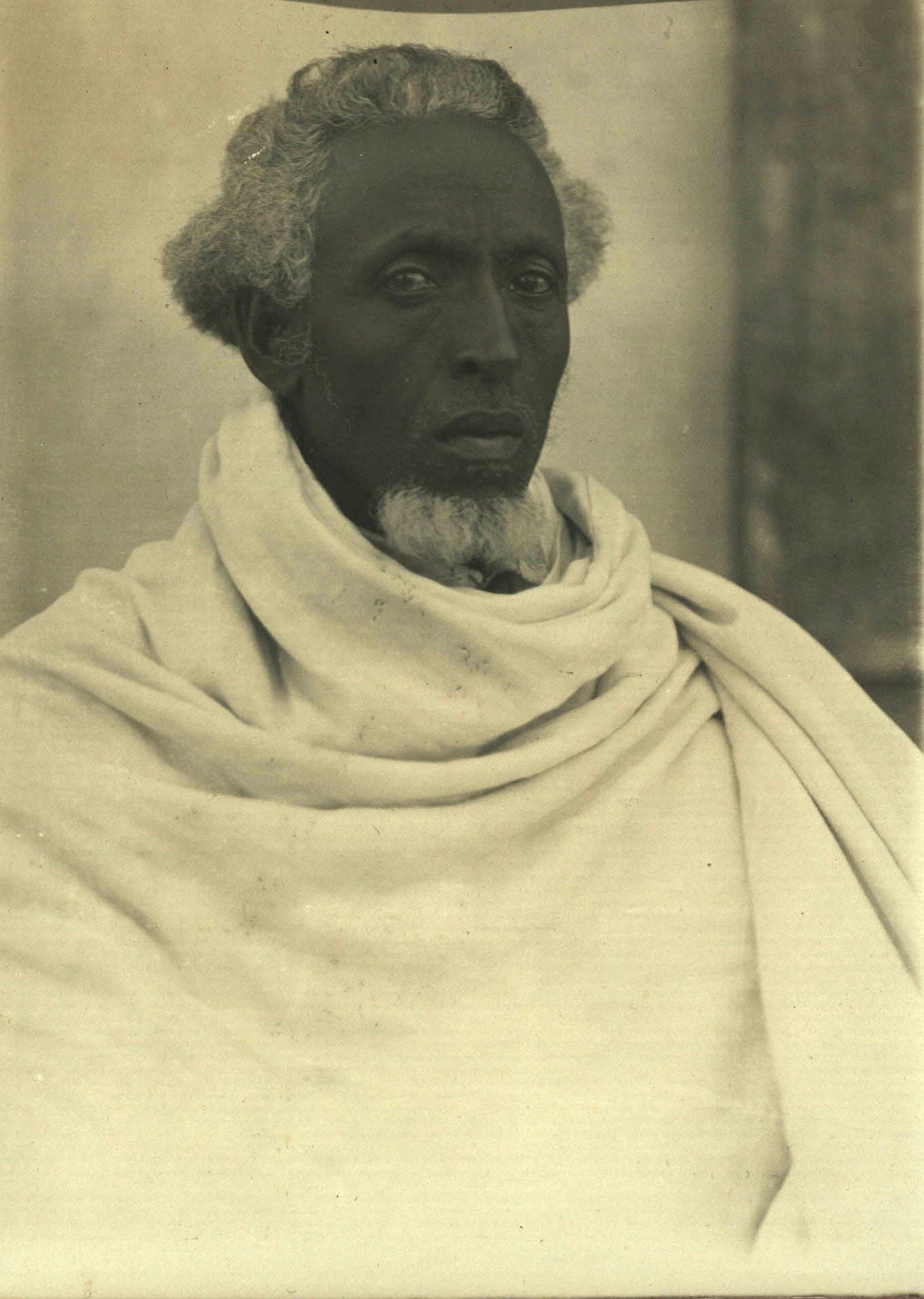
Therefore, to avoid further persecution of themselves and the people of Säğänäyti, Bahta Ḥagos and his brothers fled to the Asaorta Saho lands, north-east of Säğänäyti, and eventually settled in the town of Agämäda24. There, they became Šafta from 1876 to 1880. They began amassing loot, including firearms, through the forceful coercion of passing caravans.
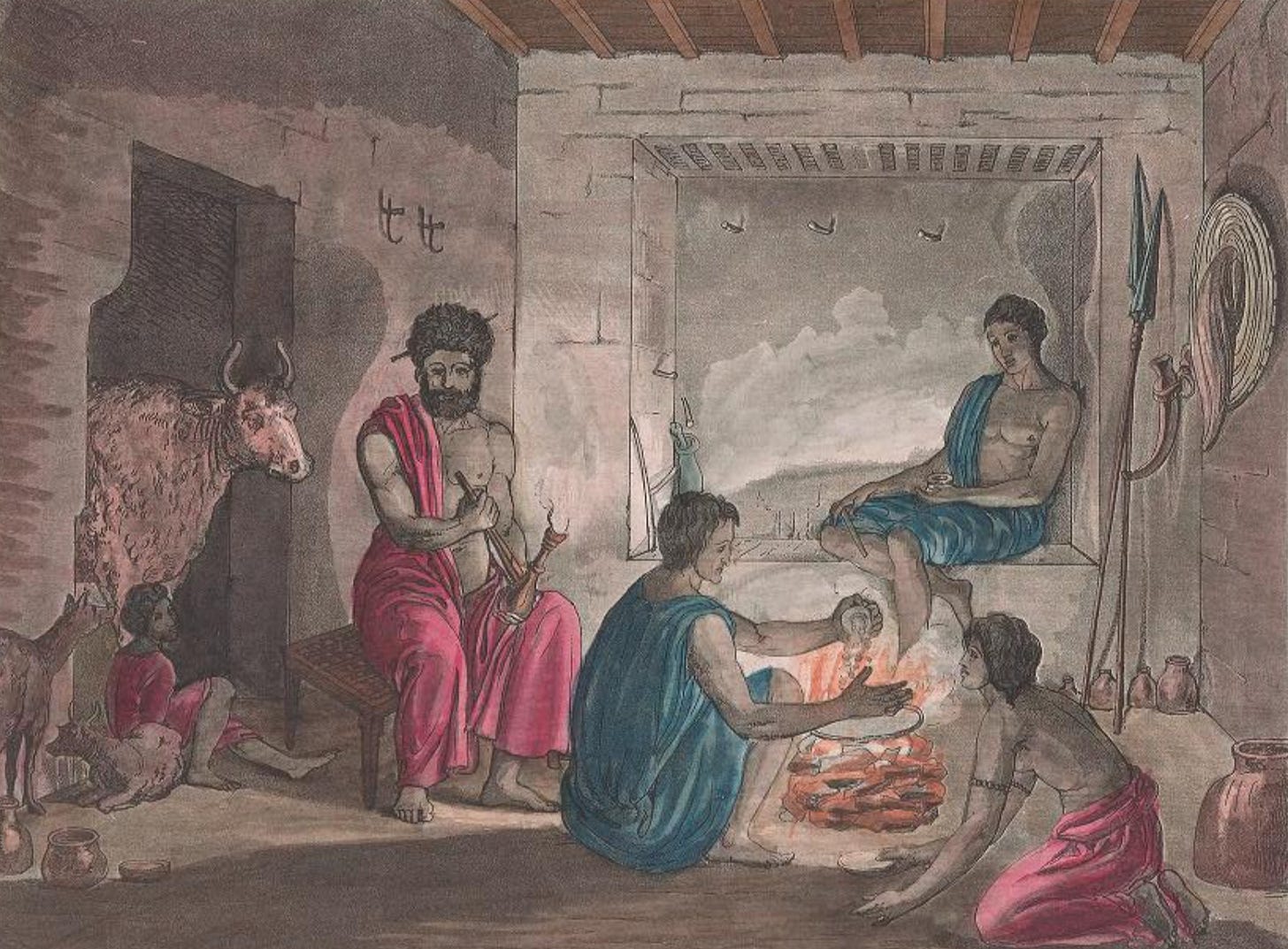
However, the Šafta activities seem to have taken a toll on Bahta Ḥagos. Seeking another way to regain control of his homeland Säğänäyti, he clashed with his brother Kahsu, who wanted to keep raiding caravans to stockpile arms for a later, forceful conquest. The dispute escalated, and Bahta told his brother he would either kill him or surrender him to Alula to have him killed. Kahsu replied, “Go and surrender to Alula”. Bahta prayed through the night and, at dawn, killed his brother. The act haunted him for the rest of his life25.
Some sources mention that Kahsu wanted to surrender to Alula, which angered Bahta greatly26.
Bahta Ḥagos & The Habab
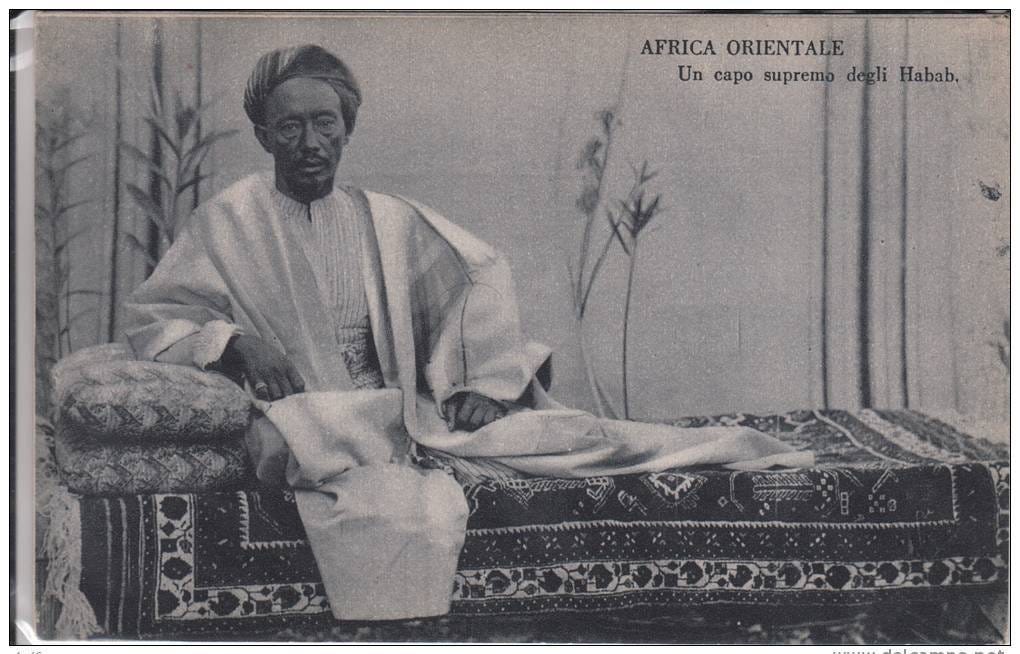
ከንቲባ/Käntiba was a term used to denote a governor of a large town/city, usually highly autonomous and self designating but not always27.
By 1880, Ras Alula’s lieutenant, Bälatta Gabru, was tasked with expelling Bahta Ḥagos from Akkälä Guzay, a mission he successfully carried out28. Bahta Ḥagos then moved north into the land of the Habab29 (in the Sahel region of Eritrea, northeast of Keren, in today’s Northern Red Sea Region, specifically the Nakfa Sub-zone30). The Habab Käntiba Hamid Hassen granted him refuge from Ras Alula’s pursuit, but even there, he was not safe. Ras Alula repeatedly attacked the Habab, regarding the region as the rightful territory of the Ethiopian Empire. In October 1880, for instance, Alula launched a raid with an army of more than 12,000 men31. Alula eventually withdrew to Šäʿazzäga in Hamasien after Rashid Pasha and Bahta Ḥagos assembled some 7,000 riflemen and prepared to strike from the rear, with the support of their garrison at the fort of Sanhit (at Keren)32.
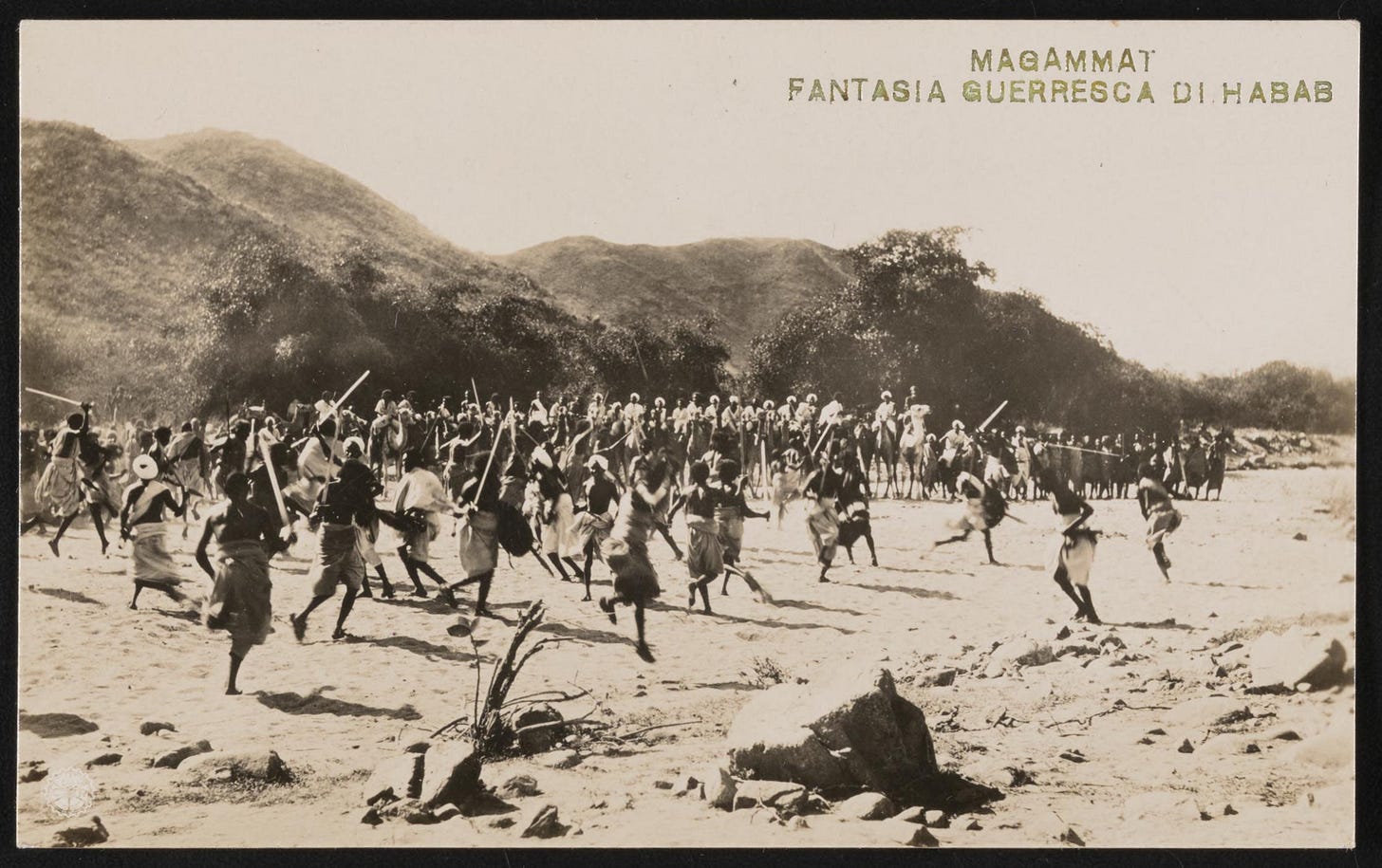
A lesser-known reason for Bahta Ḥagos’s alliance with the Ḥabab likely stems from genealogical ties. As previously mentioned, Bahta Ḥagos was from Säğänäyti, and the Ḥabab (together with the Ad Täklə and Ad Təmaryam) form part of the Bet Asgäde. All three groups trace their lineage to a 16th-century ancestor named Asgäde, who is said to have originated from Säğänäyti, a tradition that remains well remembered in the town to this day33.
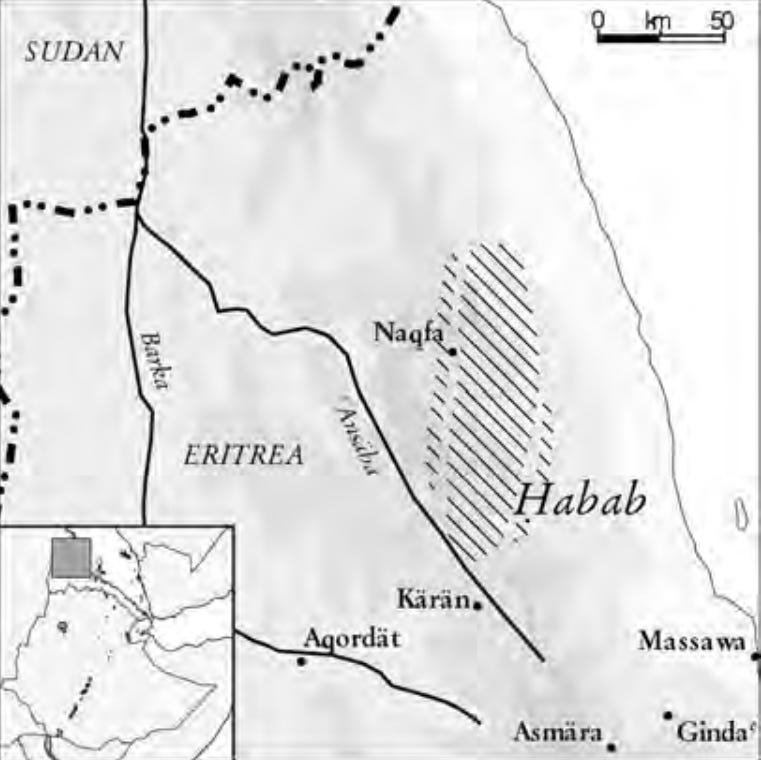
The relationship between Käntiba Hamid Hassen & Bahta Ḥagos was said to be extremely close, with Käntiba Hamid Hassen giving him the title of Käntiba34.
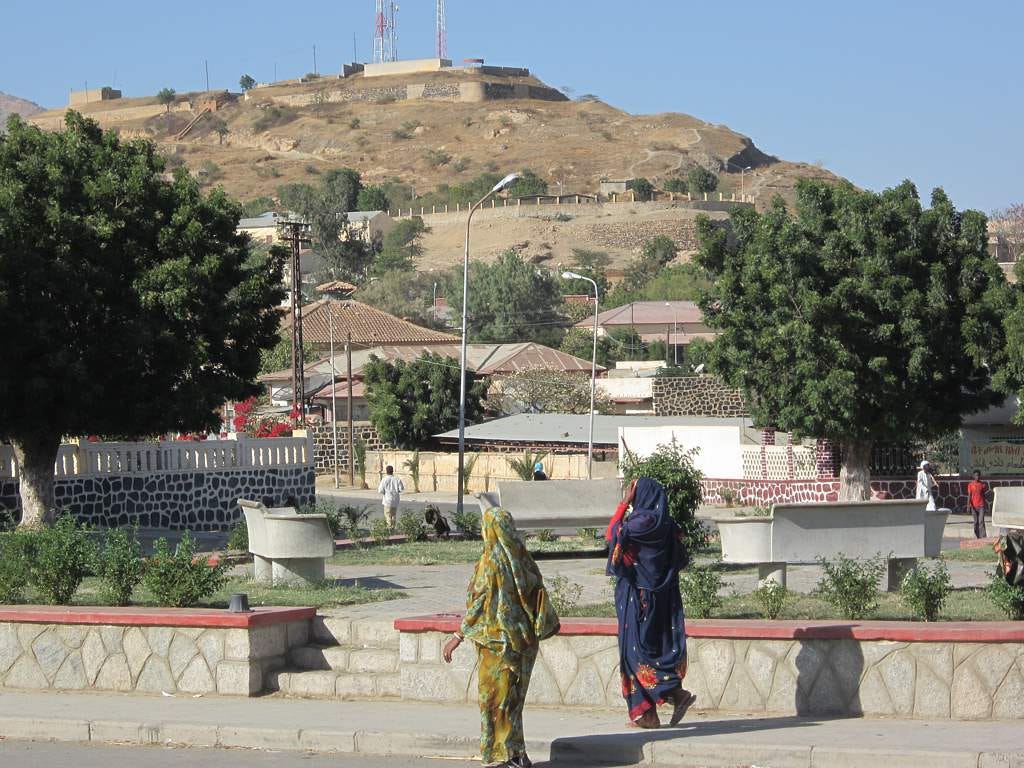
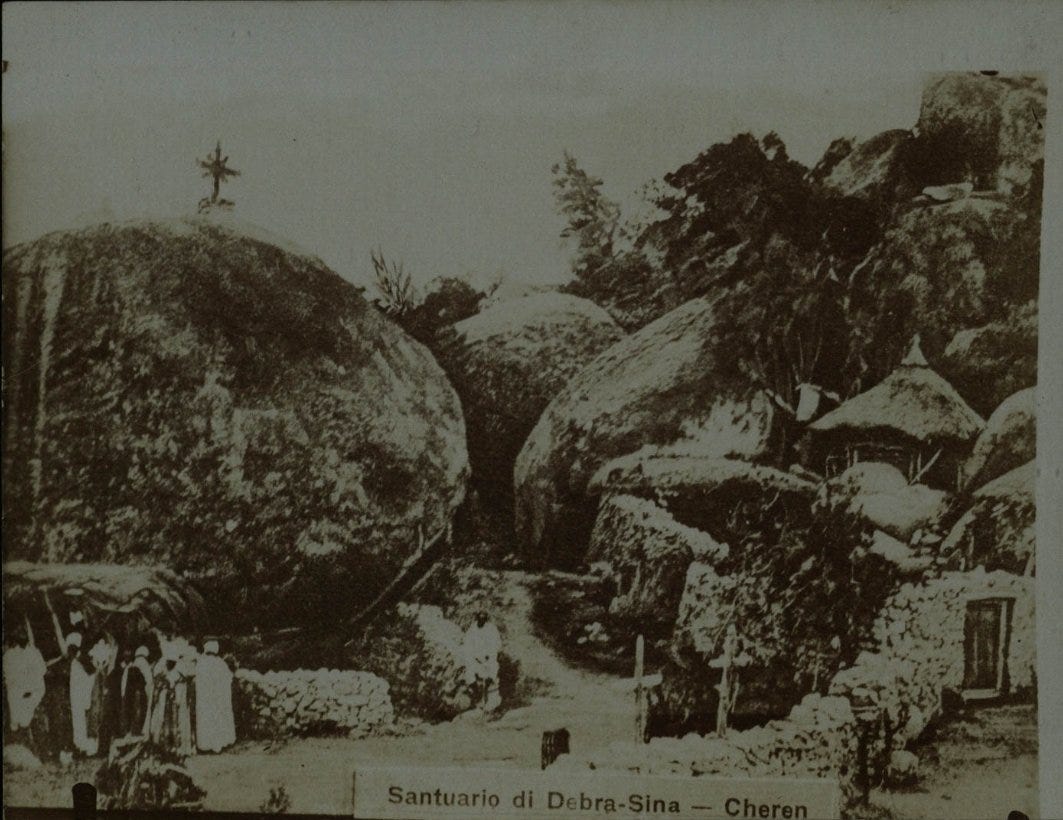
On 16 January 188235, Ras Alula raided the region around Debre Sina and imposed tribute, which was then delivered to the monastery at Debre Sina (just east of Keren). As his troops withdrew, Bahta Ḥagos and Sängäl, in defiance of the tribute, attacked and looted the monastery, leading to the deaths of several monks36. At the same time, Rashid Pasha ( Egyptian Commander at Massawa) retaliated by burning villages that had paid Alula’s tribute. This cycle of reprisal continued, and in April 1882, Ras Alula returned to Debre Sina to pursue the Habab and suppress their resistance in the area37.
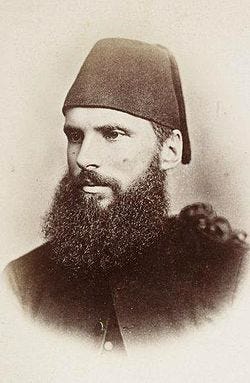
Ras Alula is said to have requested Rashid Pasha to capture Bahta Ḥagos, but the request was refused. Instead, Alula repeatedly conspired to seize him through espionage38, however this wasn’t always the case as Muzinger (Governor of Massawa & its environs for a period of time) had looked the other way while Ras Alula conducted raids into Habab territory trying to capture Bahta39.
Bahta Ḥagos & The Italians
Receive an email when a new Habesha History article is published.
SubscribeHistorical Background
It’s crucial to understand the circumstances that led Bahta Ḥagos to initially side with the Italians before passing posthumous judgement. Historical figures of that era faced complex circumstances, and a nuanced perspective is necessary, for no one is without flaw…
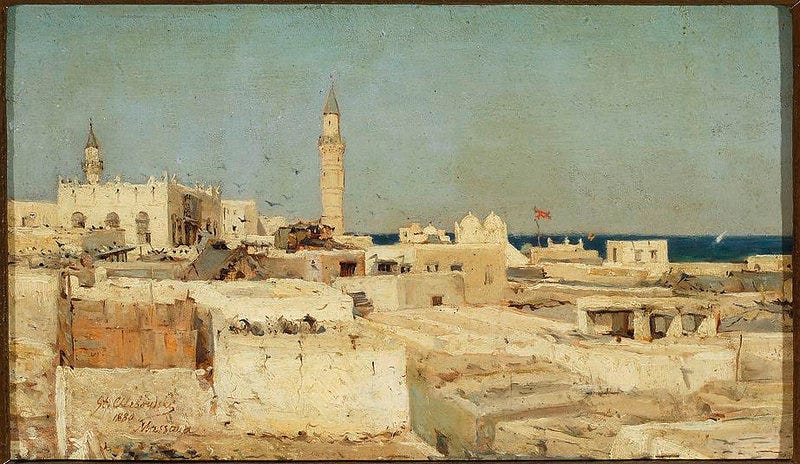
With the collapse of Egyptian control and influence in Massawa, Senhit, Habab, and the surrounding regions between 1882 and 1885, a power vacuum gradually emerged, soon to be filled by the Italians. Advancing northwards from their colonial foothold at Assab in southern Eritrea, and aided by the Afar Sultan Mohamed Hanfare, the Italians gained momentum. On 25 January 1885, Egypt signed a secret agreement with Italy to withdraw from the historic port of Beilul in southern Eritrea40. The following month, in February 1885, Italian forces under Admiral Caimi occupied the port of Massawa41.
During this period, Akkälä Guzay remained in turmoil, positioned beside the Egyptian and later Italian-controlled coastline. The region became a battleground between these powers and the forces of Emperor Yohannes, particularly those led by Ras Alula. In 188542, for instance, Ras Alula launched a campaign against Catholic missionaries, which undoubtedly affected sections of Akkälä Guzay’s Catholic population.
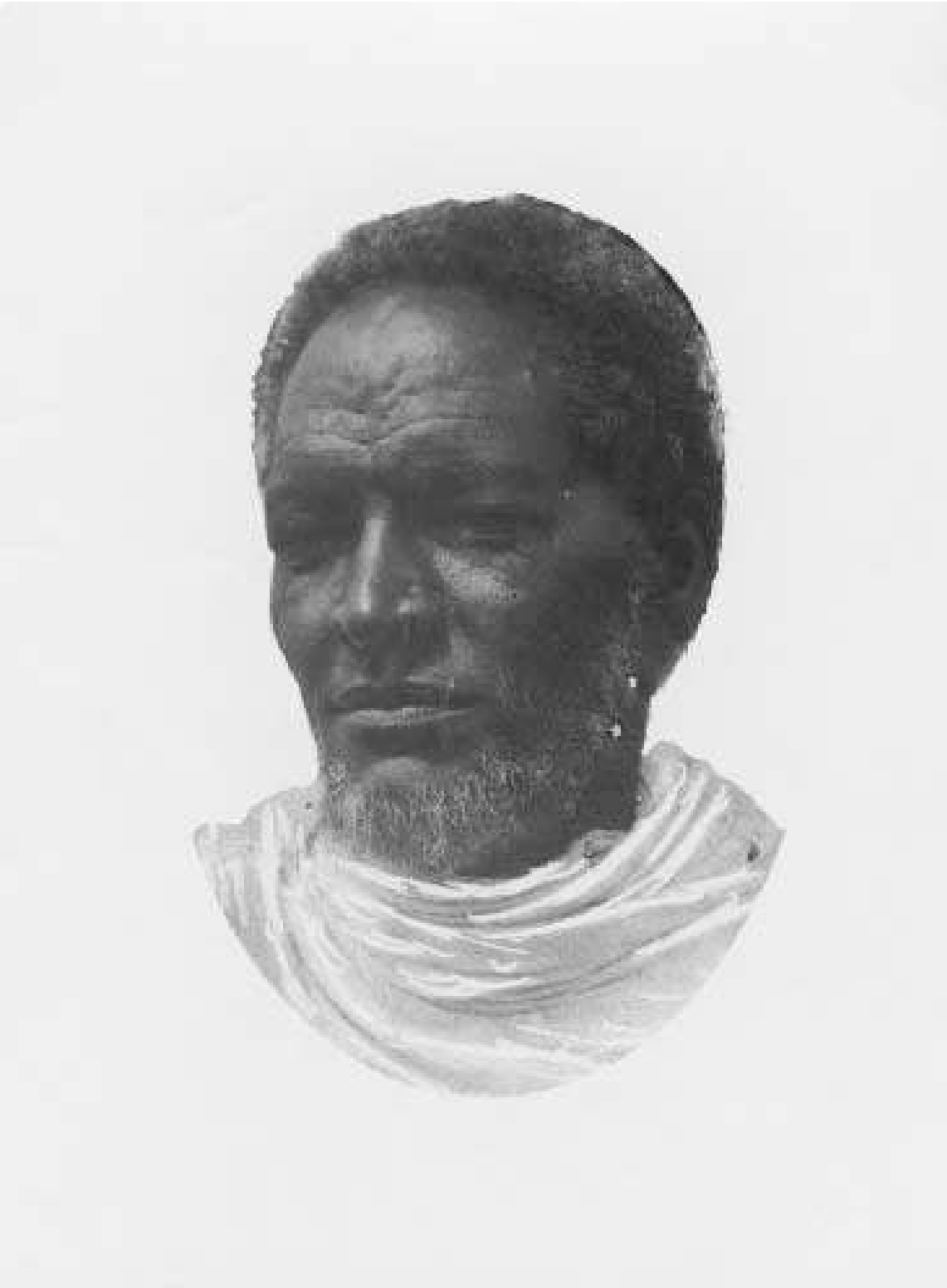
From Alula’s perspective, this move sought to consolidate authority over Akkälä Guzay, a strategically important frontier province that bordered both Egyptian and later Italian influence. Jesuit correspondence shows that Alula could act cordially toward Catholic residents, provided they agreed to pay tribute and refrained from separatist activities43.
Interactions with Jesuits predate the 19th century. During the early 17th century AD, Bahr Negasi Yohannes Hakay44 permitted Jesuits to enter Bur to seek refuge after they were expelled by Emperor Fasilides. Still, the majority of Säğänäyti’s population remained Orthodox until the 19th century AD.
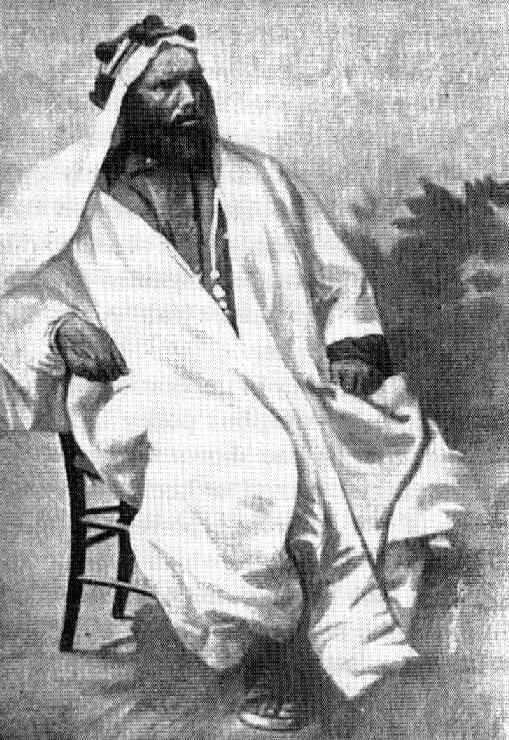
Ras Alula would be stripped from his governorship of Akkälä Guzay in 187645.
Around May 1888,46 Däbbäb Ar’aya (2nd son of Ar’aya Ṣəllase Dəmṣu) was appointed governor of Akkälä Guzay by Emperor Yohannes after spending years as a šafta in the region and acting as an ally of the Italians (though he eventually defected47). On 9 March 1889, during the Battle of Metemma, Emperor Yohannes IV and several important nobles, including Ras Ar’aya Ṣəllase Dəmṣu & Däǧǧazmač Gabr Farus (Governor of Akkälä Guzay)48, were killed in the ensuing chaos.
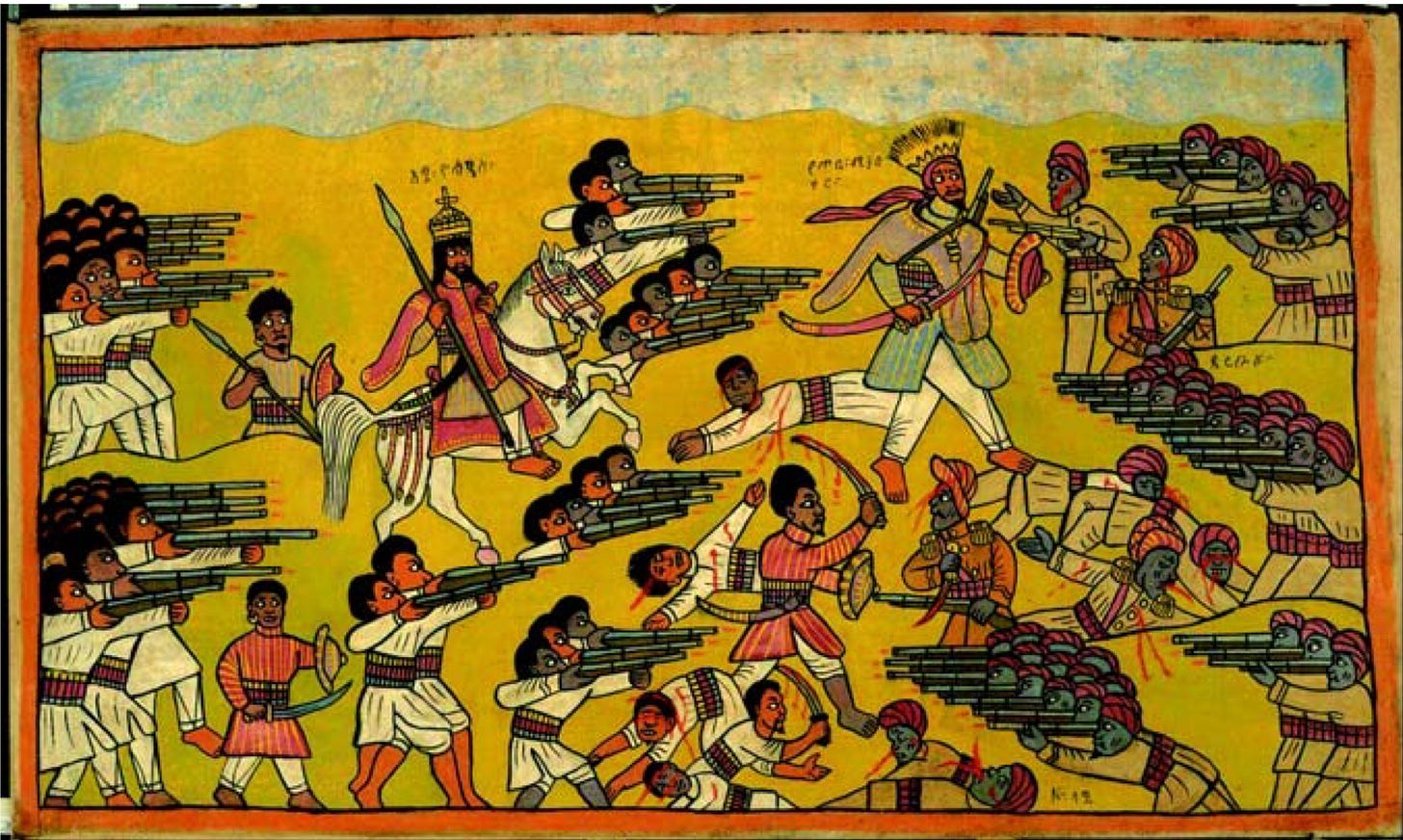
With Italian arms and backing49, Däbbäb Ar’aya rebelled against Ras Mengesha (son of Emperor Yohannes IV and heir). By 3 July 1889, he had encamped at Adwa, and between 17 and 19 July, he reached Mekelle, where soldiers of Ras Alula arrested him50. This set of events left Akkälä Guzay in a state of turbulence, and it was in these circumstances, Bahta Ḥagos entered negotiations with the Italians at Massawa in 1889.
The Italians were actively seeking to recruit Eritrean nobles to support their drive to extend colonial control into the highlands. With the region already in deep turmoil militarily, economically and socially because of the famines of the late 1880s and 1890s, it is little wonder that many nobles of Märäb Mǝllaš turned to Italy.
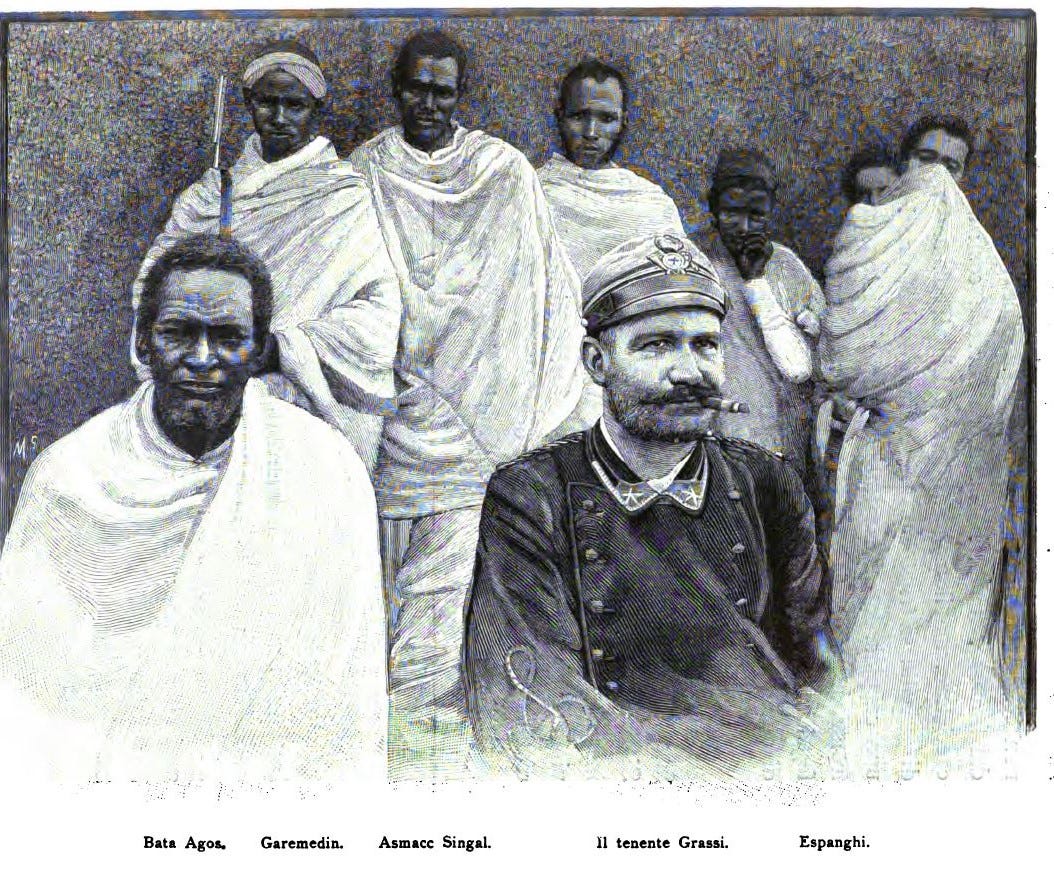
Bahta Ḥagos and his entourage were warmly received by the Italians. Bahta himself was granted the rank of ደጃዝማች (Däǧǧazmač), his brother Sängäl was appointed ኣዝማች (Azmač – commander), and his son Gäbrämädhén received the title ግራዝማች (Grazmač – commander of the left flank)51.
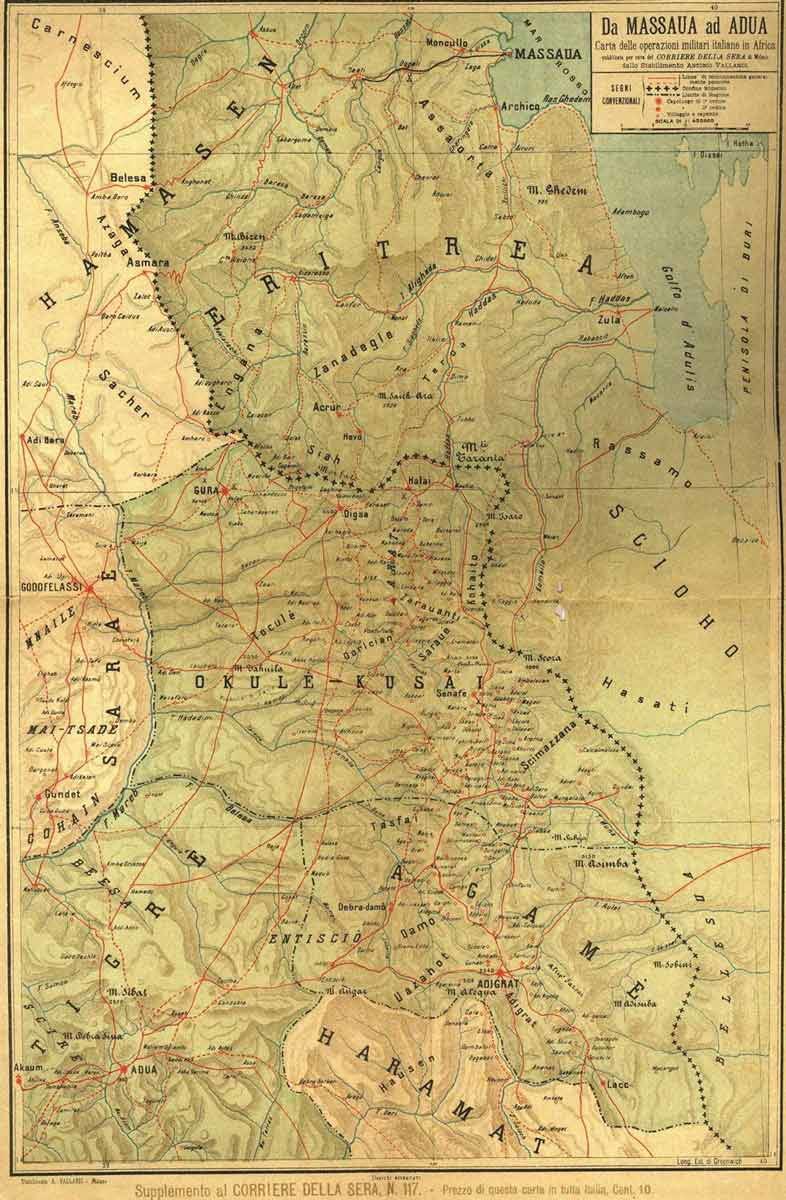
On 2 May 188952, Emperor Menelik II concluded the Treaty of Wuchale with Italy, formally setting the boundary between the Ethiopian Empire and the new colony of Eritrea. The agreement placed Asmara & Halai as the colony’s edge53. Between 2 and 4 August 188954, Italian forces occupied Asmara with the support of Bahta Ḥagos, who protected their flank with three hundred men.
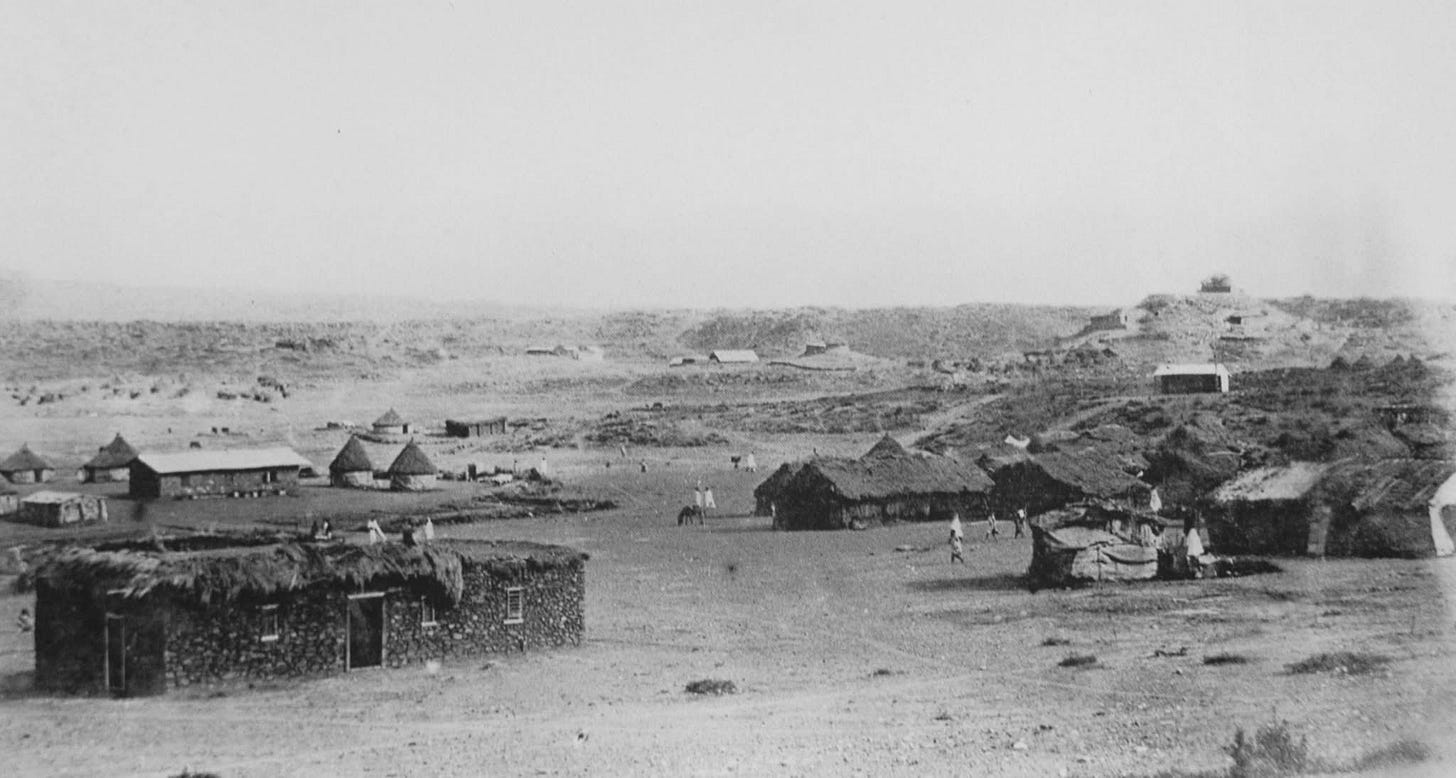
Still unsatisfied with their territorial gains, the Italians pushed further into Seraye and Akkälä Guzay, advancing as far as the Mareb River, regarded as the “natural frontier” of Eritrea. By February 1890, the whole of Akkälä Guzay, including the Shimezana district (bordering Agame), had fallen under Italian control, and Bahta Ḥagos was promoted to Däǧǧazmač of the province55.
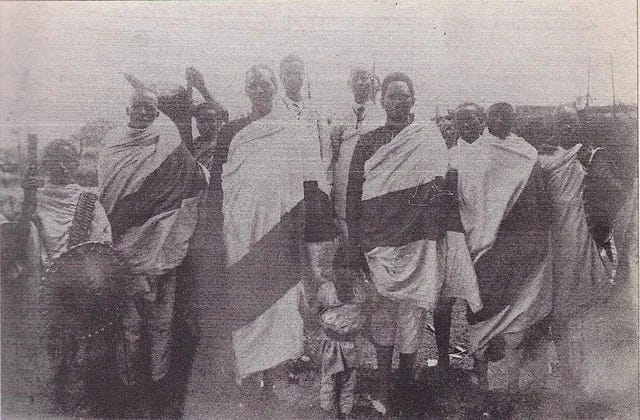
Däǧǧazmač Bahta Ḥagos eventually clashed with Däǧǧazmač Sebhat Arigawi56, the provincial ruler of Agame. Their feud was soon halted when Arigawi sought a truce, as the great famine of the 1890s was at its peak. Unlike the Eritrean colony, which could draw some relief from the Italian mainland, the Tigrayans and the rest of Ethiopia had no such support and were severely affected.
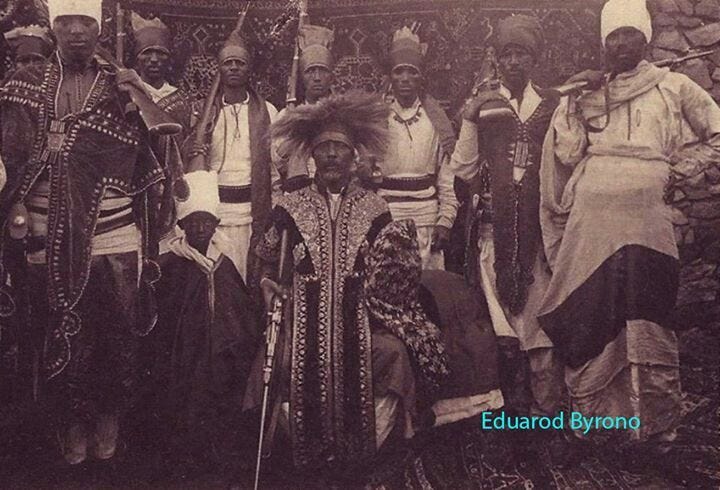
By the early 1890s, Däǧǧazmač Bahta Ḥagos had gathered well over 500 troops, with some accounts noting that he possessed more than 2,000 rifles, and had become the most powerful indigenous leader, particularly after the Italians killed Kefla Yasus, the son-in-law of Ras Wäldä Mikaʾel Sälomon57. He also accumulated considerable wealth, with one-tenth of the tax from Akkälä Guzay going into his pockets58, with one source stating he had around 600,000 lira59 (Italian currency pre 2002).
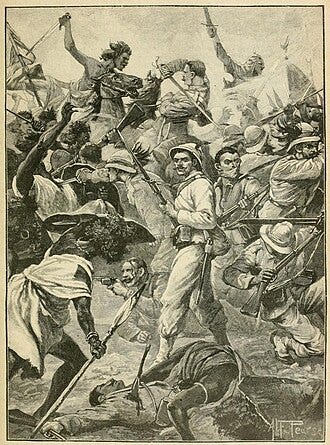
The strength of Bahta’s army was evident when they served as part of the Askari contingent alongside the Italians60 at the Battle of Agordat on 21 December 1893 against the Mahdists, a battle they won despite being heavily outnumbered.
Rosalia Pianavia, the wife and biographer of Colonel Domenico dei Marchesi (the senior Italian officer in Asmara61), recalls an encounter with Bahta Ḥagos. One day, Bahta arrived at her home accompanied by his brother Däǧǧazmač Sängäl, his son Gäbrämädhén, several chiefs and sub-chiefs, and a hundred armed men. He rode a white mule draped in a red, silver-embroidered cloth62.
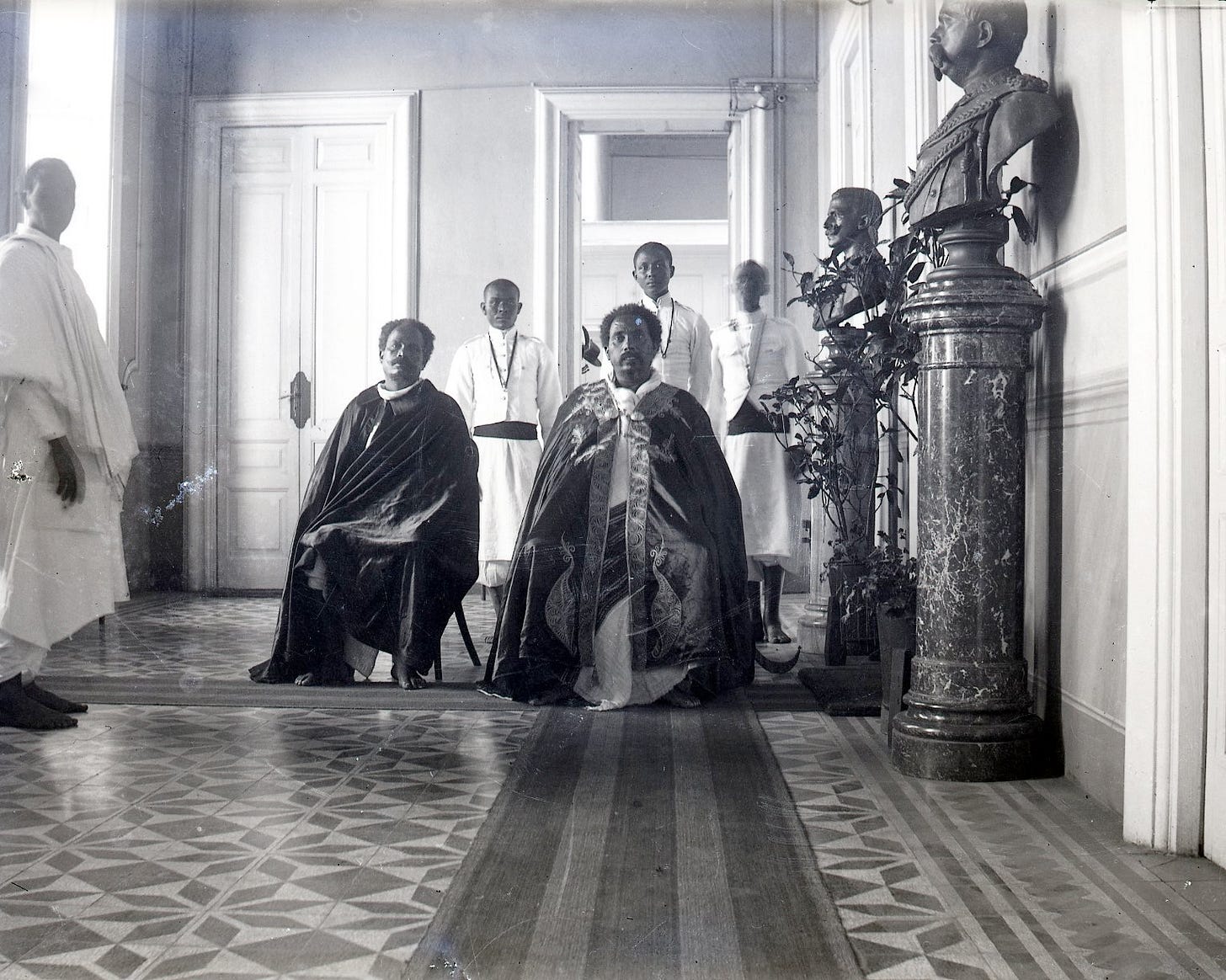
Yet Bahta did not command universal support. Kantiba Metalka of Maratta-Sabana, south of Säğänäyti, famously declared, “I do not know any Bahta here; I do not recognise anyone above me”. This confrontation was eventually defused when the Kantiba’s daughter married Bahta’s eldest son. Bahta’s eldest daughter, Tamnit, later married the son of Kantiba Asmrmon of Maraba, west of Säğänäyti, while his second daughter, Lamlam, married Menelik Sebhatu of Karnishem in Hamasien63. All of these sons-in-law were required to convert to Catholicism.
When Däǧǧazmač Bahta Ḥagos first entered Säğänäyti, resistance was minimal. In fact, most of the Akkälä Guzay nobility rallied to his side64. However by መስቀል (Mäsqäl - Feast of the cross celeberation) 1889, resentment by some Säğänäyti nobility was already brewing, leading to some arrests by Bahta Ḥagos65 & even a battle against some Asaorta Saho who refused to recognize his authority66.
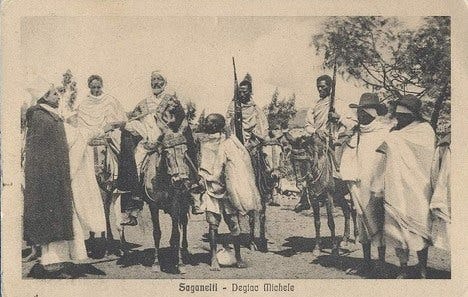
Bahta Ḥagos was far from perfect. During his rule, there was evident favouritism towards the people of Säğänäyti, while several other villages suffered under high taxes imposed by his subordinates. For instance, his son and close associates were said to have been particularly harsh in collecting taxes in the village of ዳርጋ → Daber67.
The Rebellion
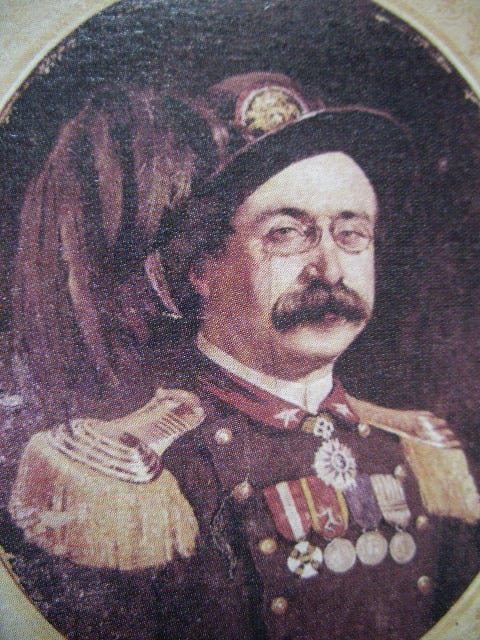
In June 1893, the Italians under General Oreste Baratieri disbanded Däǧǧazmač Sebhatu of Karnishem and his army. This incident, combined with the gradual erosion of the indigenous nobility, the loss of native land rights in the colony, and the widespread sexual abuse of women (such as the use of local women in Italian military brothels68), strongly influenced Däǧǧazmač Bahta Ḥagos to rise in rebellion against the Italians69.
Even prior to this, tensions were rising between the Italians and Bahta Ḥagos. They repeatedly summoned him and his retinue, warning that any act of rebellion would be crushed. Yet they hesitated to arrest Bahta, wary of the uproar such an action would provoke70.
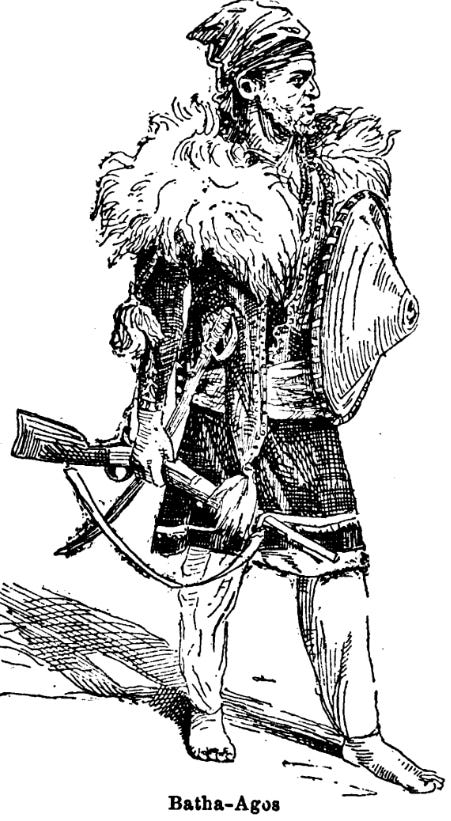
Some Italian spies reported that Bahta Ḥagos was collaborating with Ras Mengesha, the son of Emperor Yohannes and then ruler of Tigray, in planning a joint attack against the Italians. However, there is no substantial evidence to confirm that such coordination ever took place71.
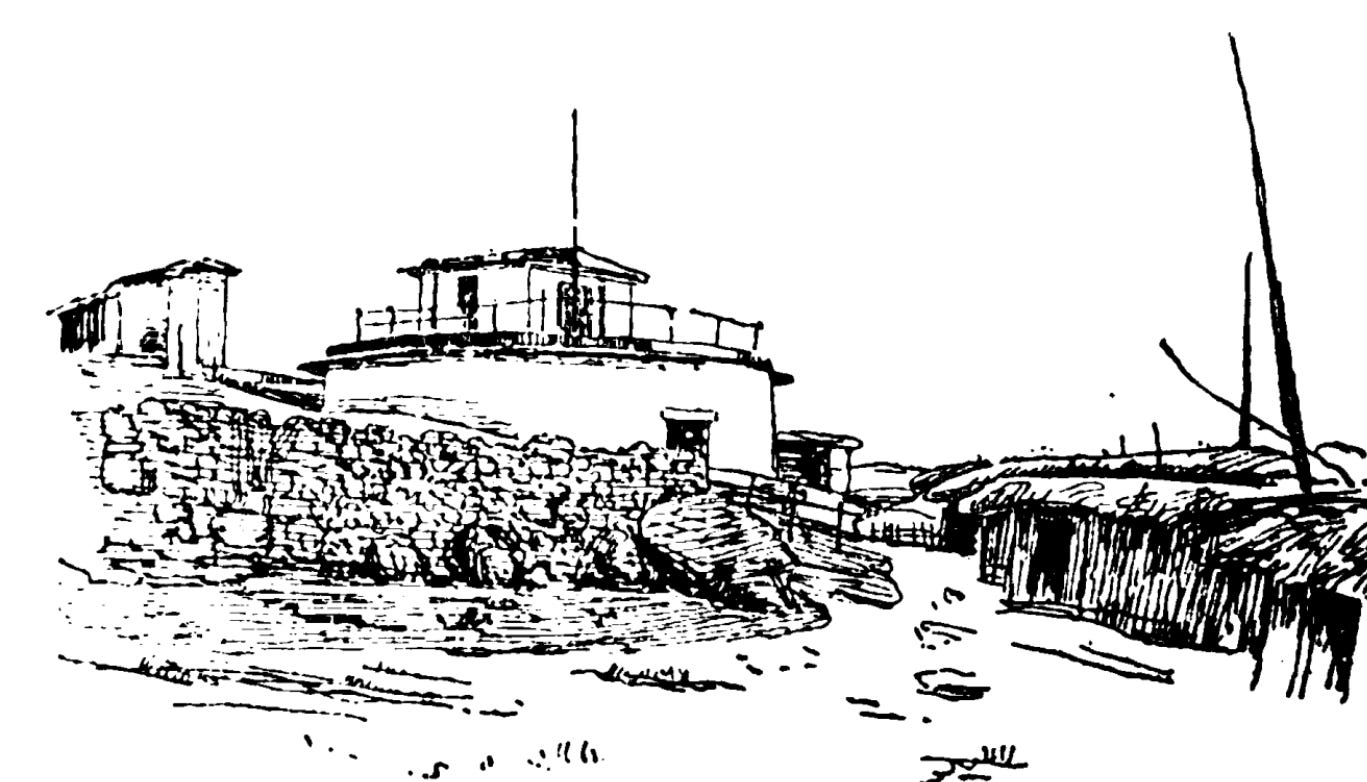
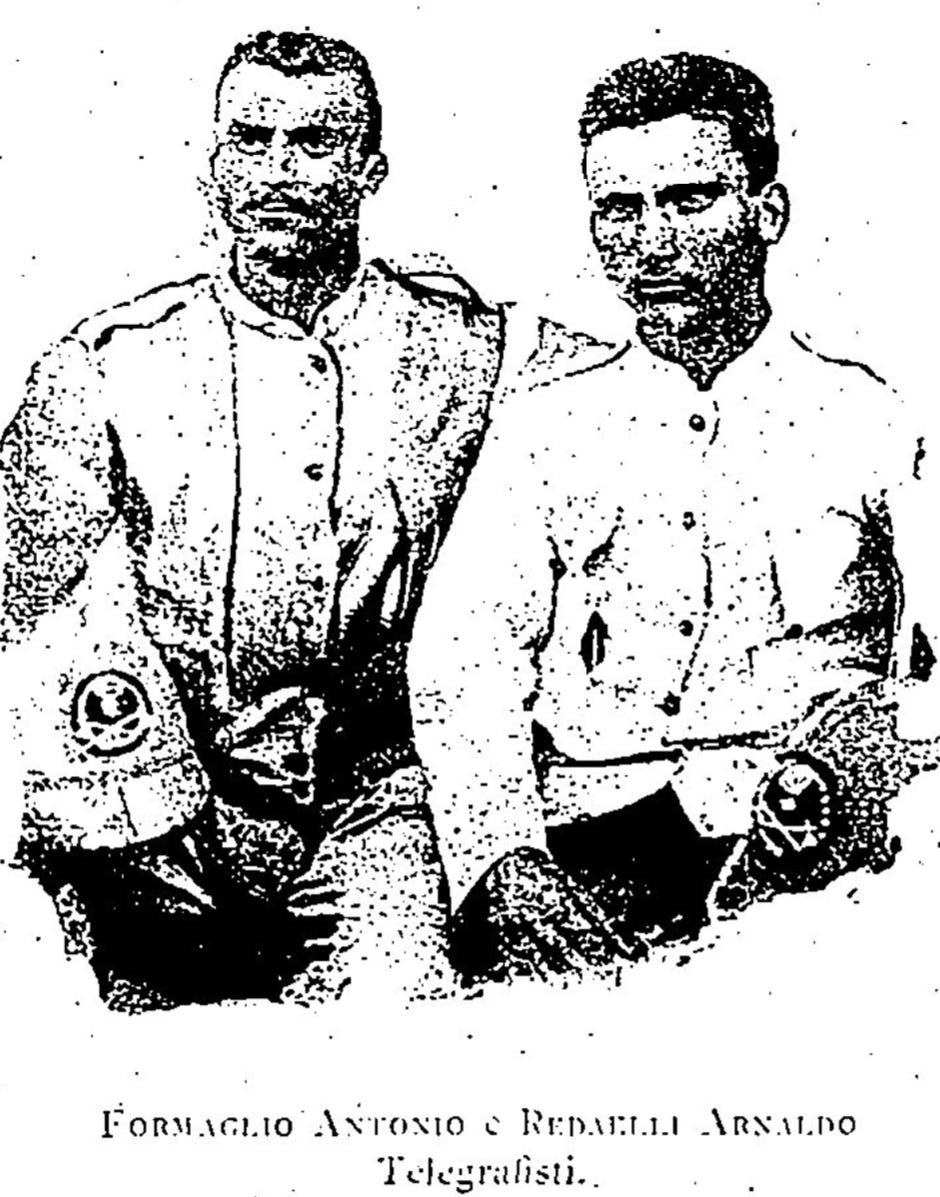
On December 14, 189472, a dramatic event unfolded at the residence of Giovanni Sanguinetti, the governor of Säğänäyti. Bahta Ḥagos, accompanied by his brother Sängäl and his son Gabra Madhen, arrived for their usual coffee. However, the visit was a ruse. After finishing their coffee and liquor, Bahta Ḥagos and his associates suddenly grabbed the governor. They threw Sanguinetti to the ground and bound him, with Bahta Ḥagos pinning the governor’s head with his knee73.
Then an interesting dialogue occurred between Batha Hagos & Sanguinetti:
“The lieutenant then said to him:
God will punish you; Italy is great.
And Batha Hagos replied:
Ethiopia is even greater.” - LA GUERRA IN AFRICA by Vico Mantegazza, pg 268 & Tre anni in Eritrea, pg 256.
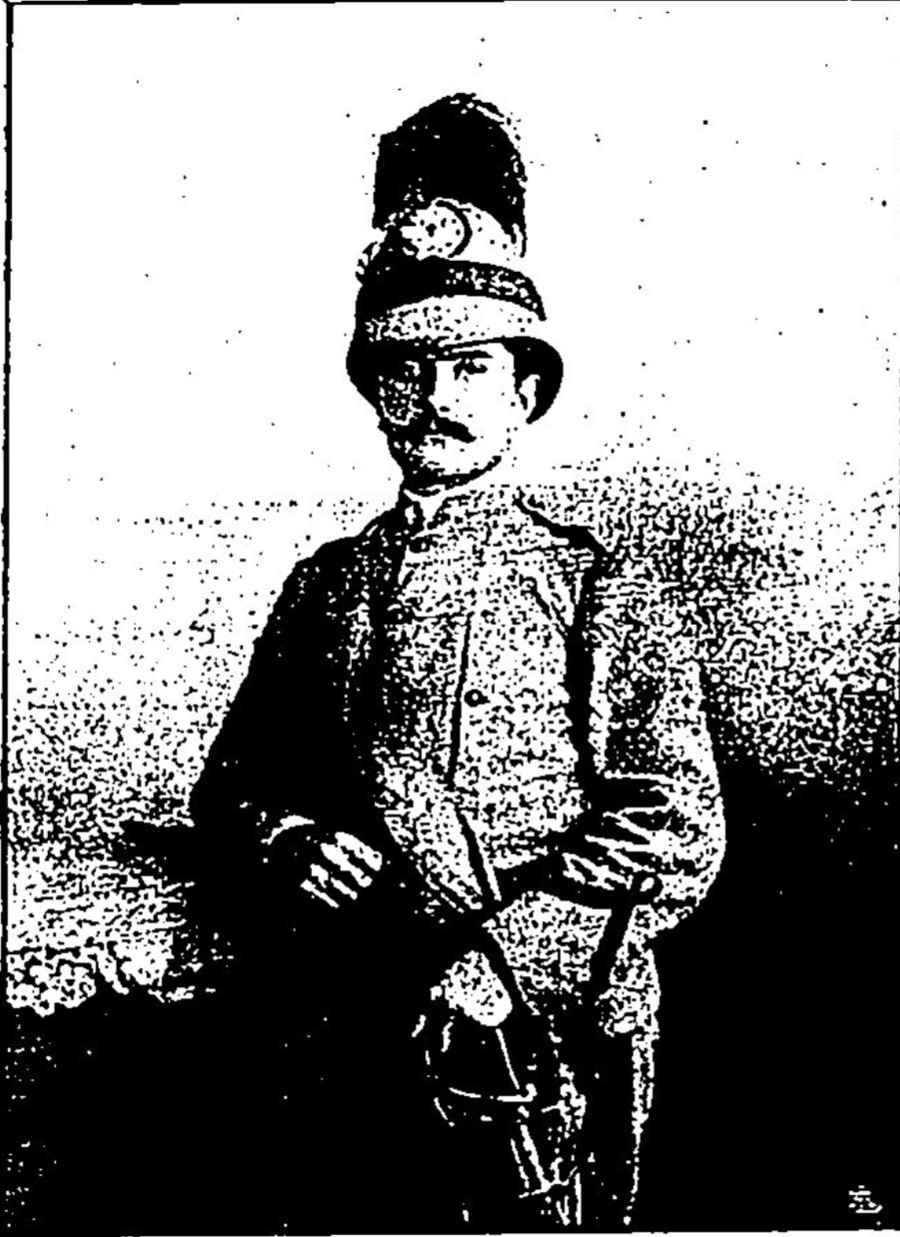
Gabra Mika’el Germu, an intellectual and interpreter serving the Italians, provided additional dialogue attributed to Bahta Ḥagos74…
“‘You with eyes of a cat, hair of a monkey and with white lips; you donkey of the sea who have come having crossed seven rivers, do you not know yet that the Ethiopian empire is superior to Italy, that the Ethiopian people are twice as numerous and twice as brave as the Italians, . . . You donkey!” - Gabra Mika’el Germu, ‘Ityoppyanna Italya’, fols. 187 and 187 verso
42 more words
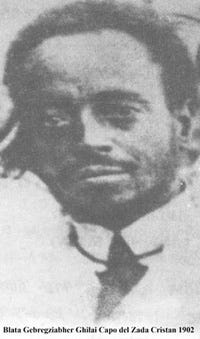
Bahta Ḥagos and his associates then severed the telegraph lines to Asmara, effectively cutting off all communication between Säğänäyti and the Italian headquarters. Gabra Egzi’abeher, the interpreter for the Italians, was offered assistance to care for his blind mother in Asmara and promised a prestigious title if he would cease aiding the Italians and instead join Bahta’s side75. However, Gabra refused. Enraged by this, Bahta Ḥagos exclaimed the following:
“Come with me, don’t be afraid; I will make you my lieutenant. I will give you horses, mules, weapons—everything you want. The Italians blaspheme and seize our lands; I want to free you from them. With us are Mangascià, Menelik, the Assaortini, the Dervishes; all the askaris will follow us. Let’s drive the Italians out at once and remain the masters.”
In response, Gabra Egzi’abeher said the following…
“No, on the contrary, it pains me greatly that you have betrayed your good masters. If you have done so, I will not do it, and for no reward will I abandon my lieutenant as long as he lives.” - Tre anni in Eritrea, pg 258.
86 more words
If the above quote is indeed authentic, it suggests that Bahta believed he would receive support from Ras Mengesha and Emperor Menelik, as well as from the local Asaorta Saho and possibly the Muslim communities. However, it is also likely that Bahta made this claim merely to persuade Gabra Egzi’abeher to join his cause and offer assistance.
On the night of December 14th 1894, he issued the following proclamation encouraging all those in Akkälä Guzay and in colonial Eritrea in general to rise against the Italians:
“I have freed you from that government which has come from overseas to despoil you, to take your lands, to prevent you from farming your rest without paying taxes, which prohibits you from cutting firewood in the forests” - Banditry, Rebellion, and Social Protest in Africa, pg 302.
However, some remained hesitant and not fully committed, including his brother Sängäl and his son Gäbrämädhén. Which prompted Bahta Ḥagos to lament the following memorable quote76:
ሰንጋል ሓወይ ኣይትዓሹ ጻዕዳ ተመን አንተነኺሱ ደላሊኻ ነይርከብ ፈውሱ
“Sängäl, my brother, don’t be so stupid, Gäbrämädhén, my brother, don’t be so stupid. If a white snake once bites you, you will find no cure”. - Source
There is also a slightly longer version, referencing the arrival of Italians at Assab & Massawa…
“ ዝጠዓመ እንተጠዓመ ጓና ነይምሹ፣
ኣንታ ሰንጋል ሓወይ እምብዛ ኣይትዓሹ፣
ወደይ ገብረመድህን እምብዛ ኣይትዓሹ፣
ገመድ ኣሎ ቅሩብ ተፋሒሱ፣
ባጽዕ እግሩ ዓሰም መተርኣሱ፣
ሓወይ ንኡስ ሰንጋል እምብዛ ኣይትዓሹ፣
ጻዕዳ ተመን ድሕሪ ነኺሱ፣
ደላሊኻ ዘይርከብ ፈውሱ።”
“However nice the alien it is no comfort
Sängäl my brother do not be fooled
Gäbrämädhén my son never be fooled
There is the rope ready for your hanging
Its front in Massawa its rear in Asseb
Little brother Sängäl never be fooled
For once the white snake bites
Its antidote you will never find.” - Source
55 more words
The Battle of Halai
On 15 December 1894, General Oreste Baratieri ordered Major Pietro Toselli to march with his askari forces into Akkälä Guzay to suppress Bahta Ḥagos’s rebellion. Toselli reached Säğänäyti on 16 December, where he entered into negotiations with Bahta Ḥagos, who had gathered an army of roughly 2,000 men.
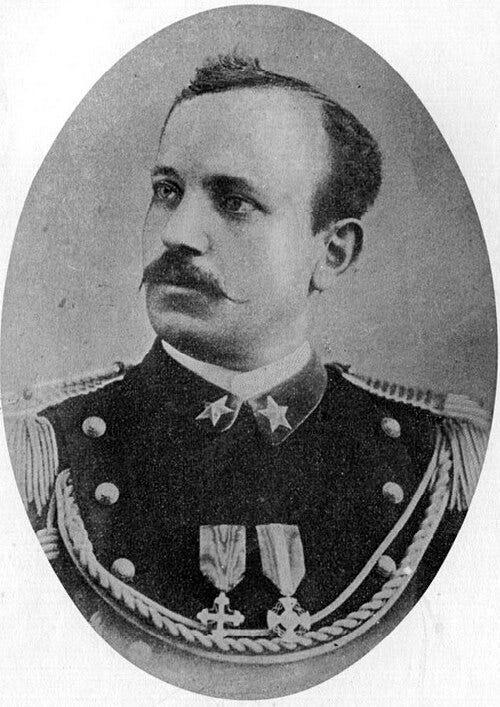
The discussions soon deteriorated, and by 18 December, Toselli commanded his troops to advance into Säğänäyti late in the afternoon. By then, however, Bahta Ḥagos and his forces had already withdrawn north-eastwards to the village of Halay, aiming to secure the stockpile of armaments stored there and take control of the strategically positioned fort.
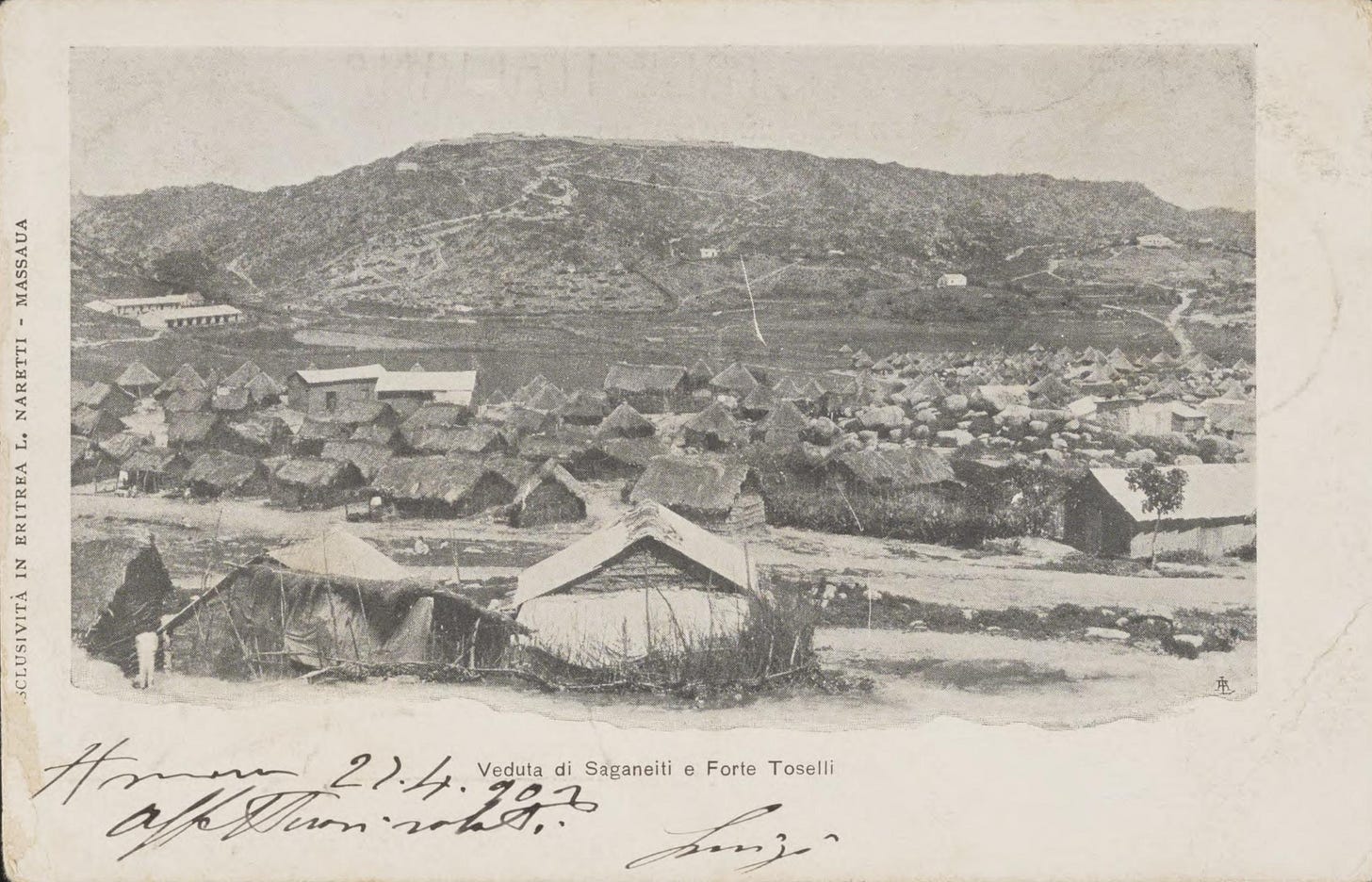
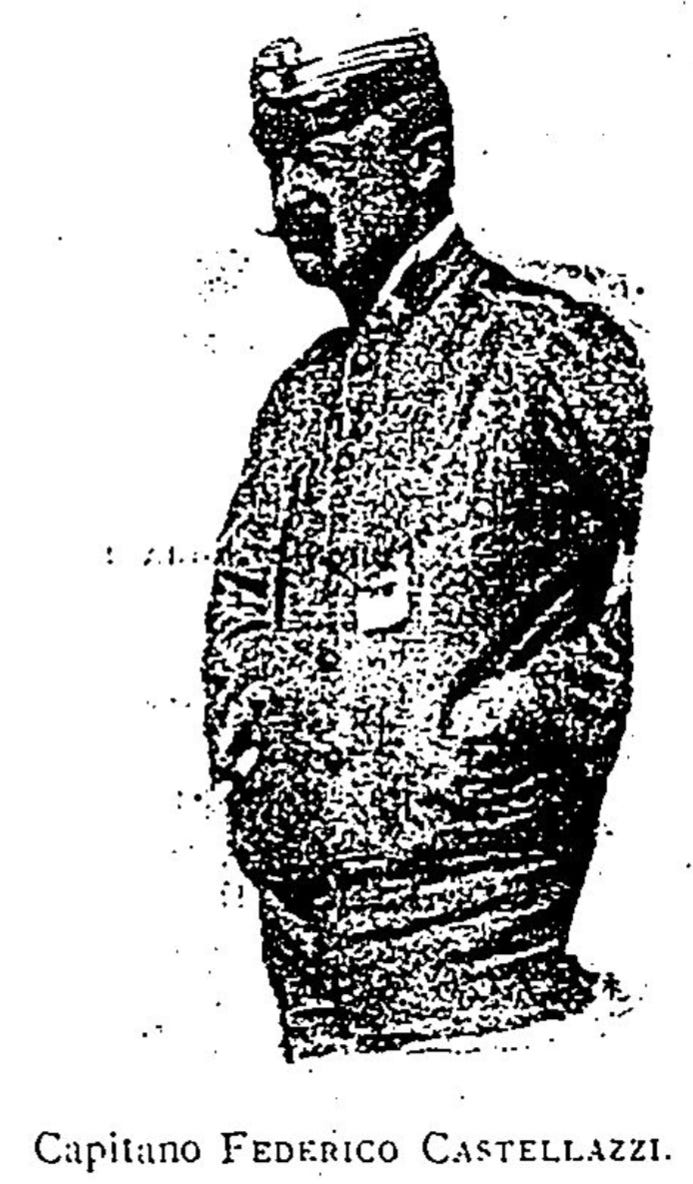
At the Fort of Halai, around 250 askaris were stationed under the authority of Captain Castellazzi77 & Lieutenants Soliani and Basile78, in a well-defendable position. Bahta Ḥagos sought to negotiate with the Italian commander through two Catholic priests, Abba Kefla Maryam and Abba Takla Haymanot79, but little progress was made. The Italian officer was merely stalling for time, awaiting the arrival of Toselli’s reinforcements from the flank.
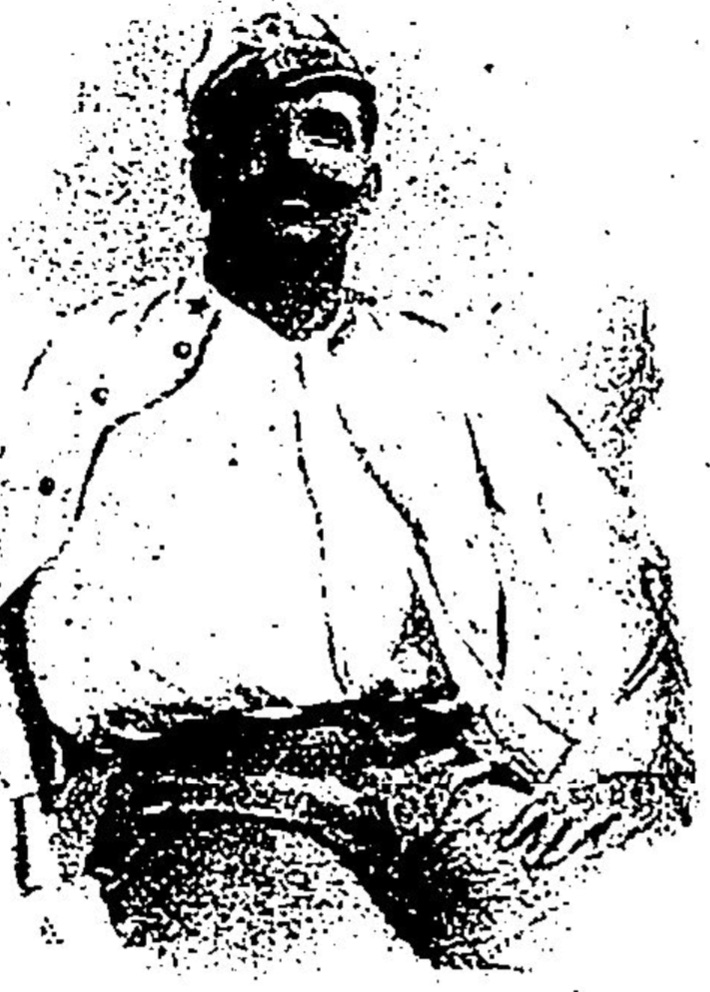
Possibly realising this deception on the afternoon of 18 December, at around 1:30 PM80, Bahta Ḥagos gave the order to assault the fort. Despite the defenders’ advantage of firearms and fortifications, Bahta’s men gradually gained ground and appeared on the verge of capturing the fort, as they had surrounded it.
However, before they could prevail, at around 4:45 PM81, Captain Toselli and over 1,200 askaris arrived from the flank and deployed a barrage of artillery.
Bahta had ordered prior to this battle to have all the prisoners, including Sanguineti & Gäbrä Egzi’abeher to be lead away from Säğänäyti, Tesfu Mariam, Bahta’s brother in law would be in charge of this operation82. Eventually however they would agree to release them, if they were promised clemancy from the Italian authorities83.
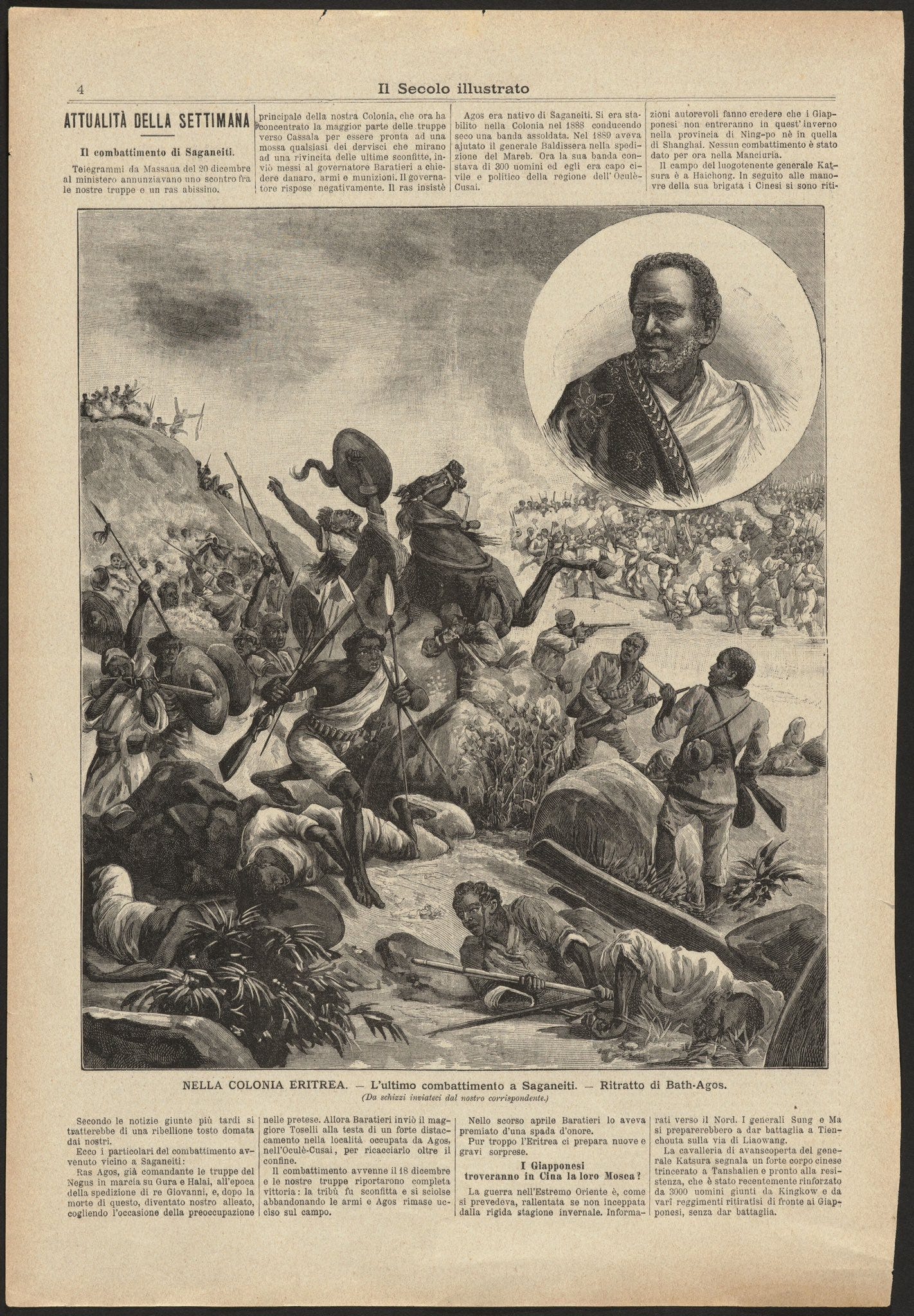
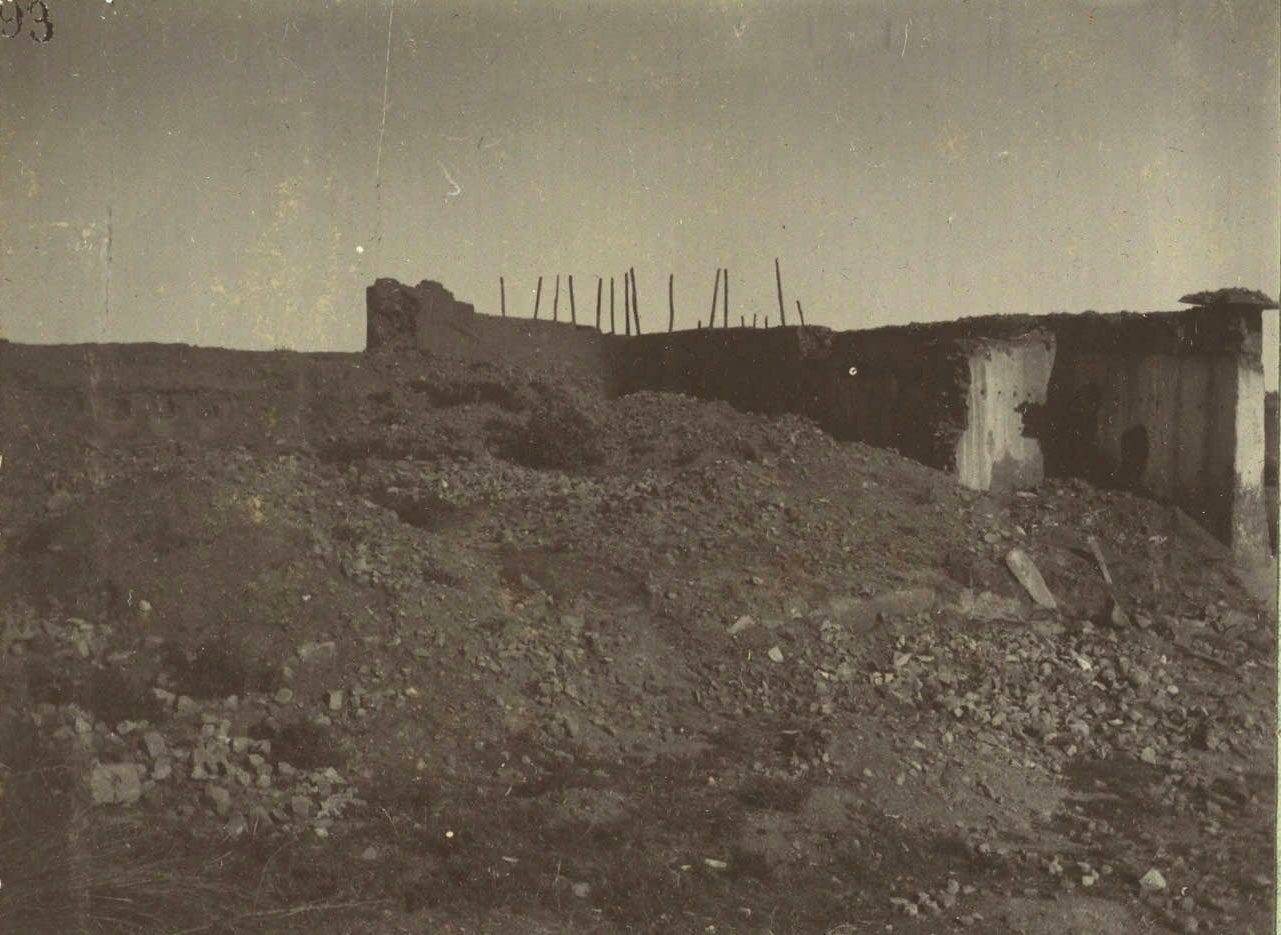
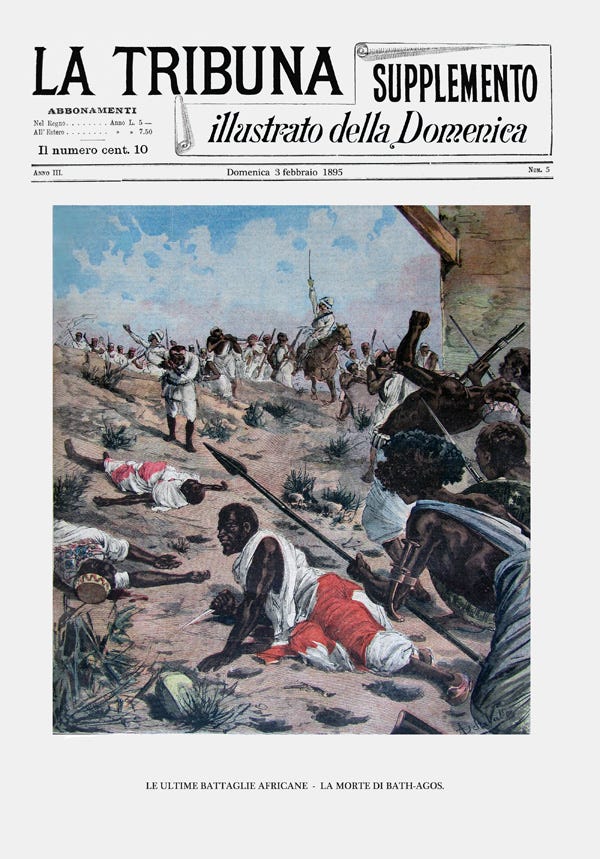
By 6 PM84, Bahta’s forces were surrounded and were routed, leading to their defeat and the death of Bahta Ḥagos himself, at a place called ዑና ቀራንኤኡ/Una Qarnyehu85, west of Halai near a church86. With 11 askari killed and 22 wounded on the Italian side, and many more on Bahta’s side. Bahta’s brother Sängäl and a smaller contingent escaped southwards to Tigray, where they were given refuge by Ras Mengesha87.
Footnotes
Encyclopaedia Aethiopica D-Ha, pg 62.
Banditry, Rebellion, and Social Protest in Africa, pg 306.
Di qua dal Marèb (Marèb-mellàse'), pg 247.
Banditry, Rebellion, and Social Protest in Africa, pg 295.
Encyclopaedia Aethiopica O-X, pg 1106,
Banditry, Rebellion, and Social Protest in Africa, pg 293 & 294.
Encyclopaedia Aethiopica D-Ha, pg 552,
Banditry, Rebellion, and Social Protest in Africa, pg 295.
Ras Alua and the Scramble for Africa by Haggai Erlich, pg 12.
ደግያት ባህታ ሓጐስ ሰገነይቲ/Däǧǧazmač Bahta Ḥagos Säğänäyti by Azmatch Ghebremichael Girmu, Scanned & Compiled & Edited by Emnetu Tesfay, pg 12 & 13. & Banditry, Rebellion, and Social Protest in Africa, pg 295 & 296
Dictionary of African Biography, Volumes 1-6, pg 350.
Ras Alua and the Scramble for Africa by Haggai Erlich, pg 16.
Encyclopaedia Aethiopica O-X, pg 594,
Ras Alua and the Scramble for Africa by Haggai Erlich, pg 21.
ደግያት ባህታ ሓጐስ ሰገነይቲ/Däǧǧazmač Bahta Ḥagos Säğänäyti by Azmatch Ghebremichael Girmu, Scanned & Compiled & Edited by Emnetu Tesfay, pg 23. & Banditry, Rebellion, and Social Protest in Africa, pg 296
Banditry, Rebellion, and Social Protest in Africa, pg 296
Ras Alua and the Scramble for Africa by Haggai Erlich, pg 21.
Encyclopaedia Aethiopica He-N, pg 338,
Banditry, Rebellion, and Social Protest in Africa (Donald Crummey, Larry W. Yarak, William Freund etc.), pg 296
https://shabait.com/2018/11/11/a-spotlight-on-nakfa-sub-zone/?utm_source=chatgpt.com
Ras Alua and the Scramble for Africa by Haggai Erlich, pg 53.
Dictionary of African Biography, Volumes 1-6, pg 26 & Encyclopaedia Aethiopica A-C , pg 448.
Races and Tribes of Eritrea, pg 19 & Encyclopaedia Aethiopica A-C pg 550.
Ras Alua and the Scramble for Africa by Haggai Erlich, pg 54.
Ras Alua and the Scramble for Africa by Haggai Erlich, pg 55.
Banditry, Rebellion, and Social Protest in Africa (Donald Crummey, Larry W. Yarak, William Freund etc.), pg 296
Ras Alua and the Scramble for Africa by Haggai Erlich, pg 57.
The Dynamics of an Unfinished African Dream: Eritrea: Ancient History to 1968, pg 69.
Encyclopaedia Aethiopica He-N, pg 851.
Ras Alua and the Scramble for Africa by Haggai Erlich, pg 157.
Ras Alua and the Scramble for Africa by Haggai Erlich, pg 175.
Ras Alua and the Scramble for Africa by Haggai Erlich, pg 217.
Ras Alua and the Scramble for Africa by Haggai Erlich, pg 208.
Yohannes IV of Ethiopia (A Political Biography) by Zewde Gabre-Sellassie, pg 300
Encyclopaedia Aethiopica D-Ha, pg 4.
Ras Alua and the Scramble for Africa by Haggai Erlich, pg 254 & 255 .
Banditry, Rebellion, and Social Protest in Africa, pg 297.
Banditry, Rebellion, and Social Protest in Africa, pg 298.
Banditry, Rebellion, and Social Protest in Africa, pg 298.
Banditry, Rebellion, and Social Protest in Africa, pg 298.
Di qua dal Marèb (Marèb-mellàse'), pg 250.
Banditry, Rebellion, and Social Protest in Africa, pg 299.
Dictionary of African Biography, Volumes 1-6, pg 350.
Banditry, Rebellion, and Social Protest in Africa, pg 301.
Banditry, Rebellion, and Social Protest in Africa, pg 301, & ደግያት ባህታ ሓጐስ ሰገነይቲ/Däǧǧazmač Bahta Ḥagos Säğänäyti by Azmatch Ghebremichael Girmu, Scanned & Compiled & Edited by Emnetu Tesfay, pg 75
Banditry, Rebellion, and Social Protest in Africa, pg 301
Banditry, Rebellion, and Social Protest in Africa, pg 301
Banditry, Rebellion, and Social Protest in Africa, pg 301
Encyclopaedia Aethiopica A-C, pg 449,
Banditry, Rebellion, and Social Protest in Africa, pg 303
_-_TIMEA.jpg)


.jpg)
Published comments
Loading discussion…