Introduction
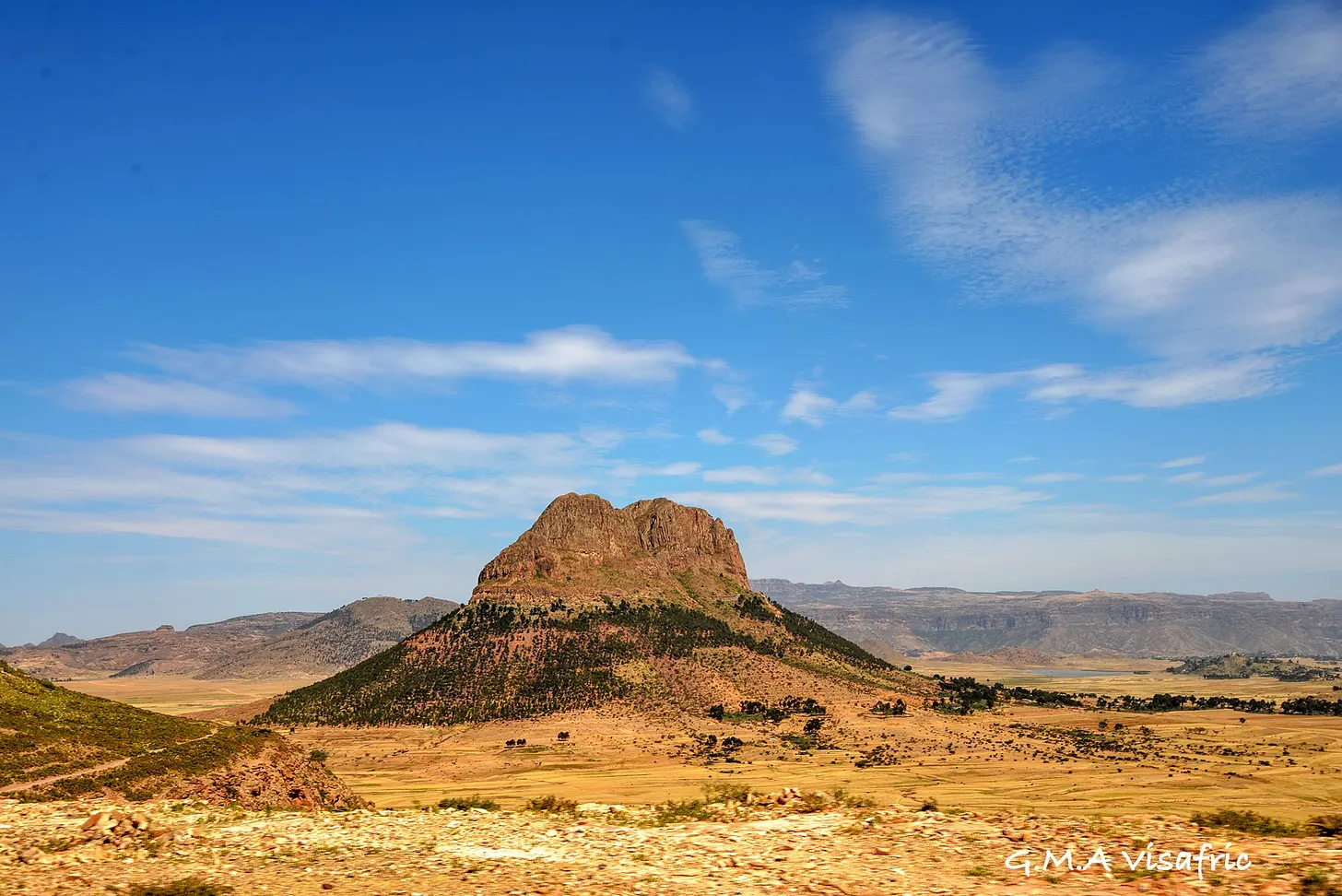
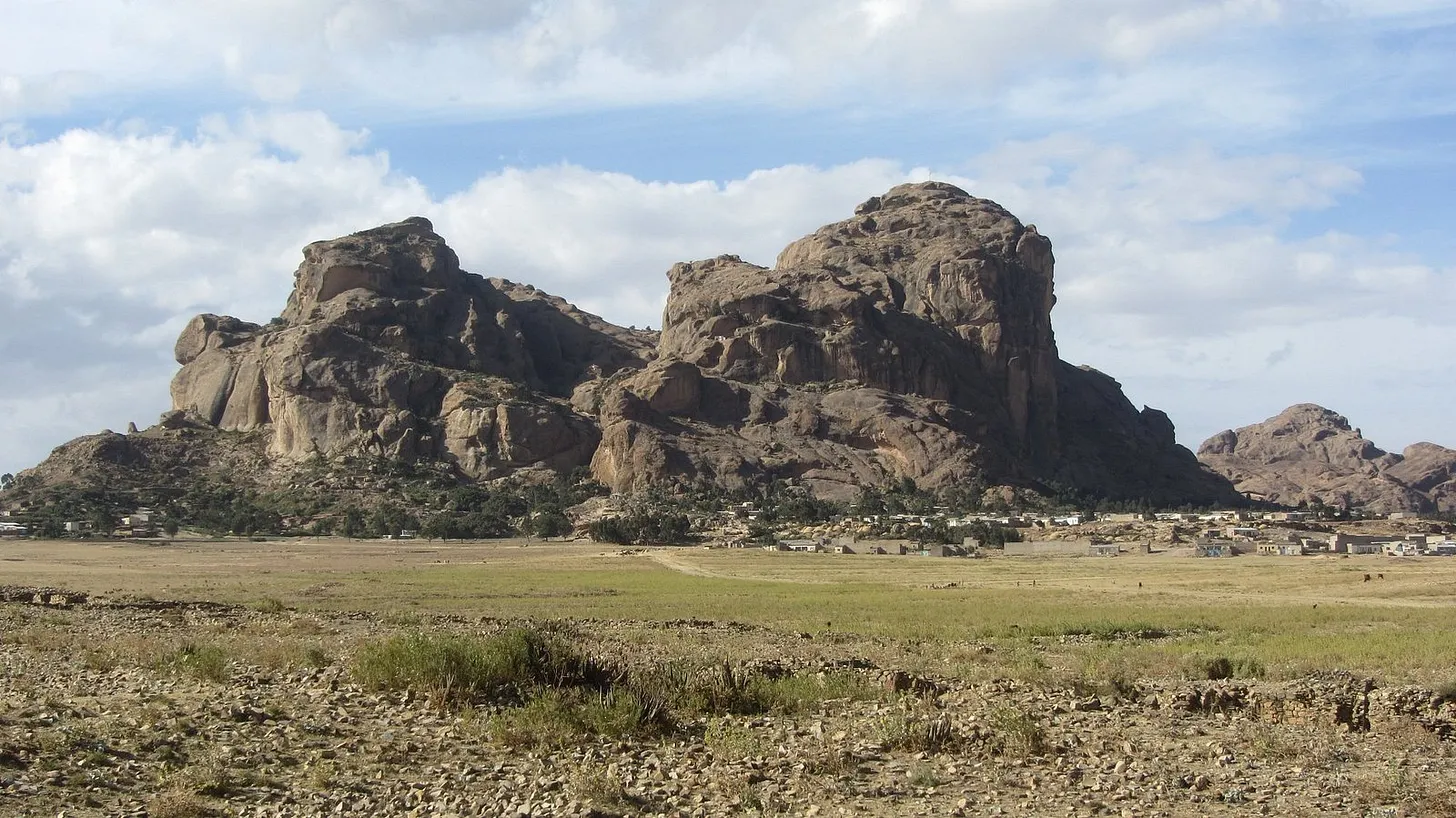
Just a few kilometres south of present-day Senafe in Eritrea lies the archaeological site of Matara, nestled between two mountains—Amba Matara and Amba Saim, the latter towering at an impressive 3,000 metres. As one of the region's most ancient urban centres, Matara shows evidence of human habitation dating back to the 8th century BC. Over the centuries, it steadily expanded in size and sophistication, benefiting from its strategic position between the two regional superpowers of its time: Adulis and Aksum. Matara evolved into a large city-state, featuring a unique network of interconnected homes and grand palaces for the local elite. At times, it functioned with a degree of autonomy and, in the later stages of antiquity, when their way of life was threatened by foreign forces & ideologies, it would war with the Aksumite Empire.
History
Early Antiquity (~800BC-0AD)
Pottery
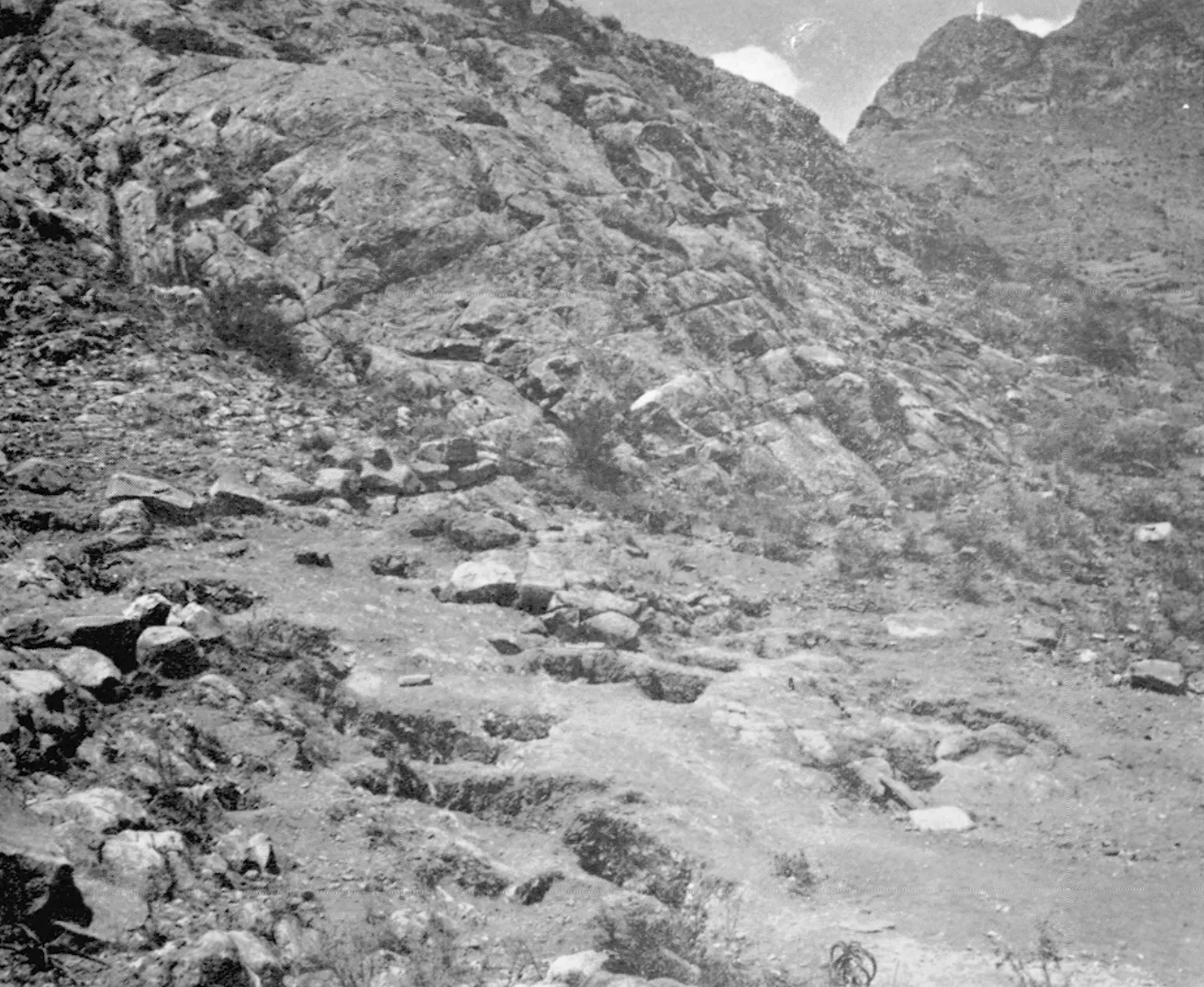
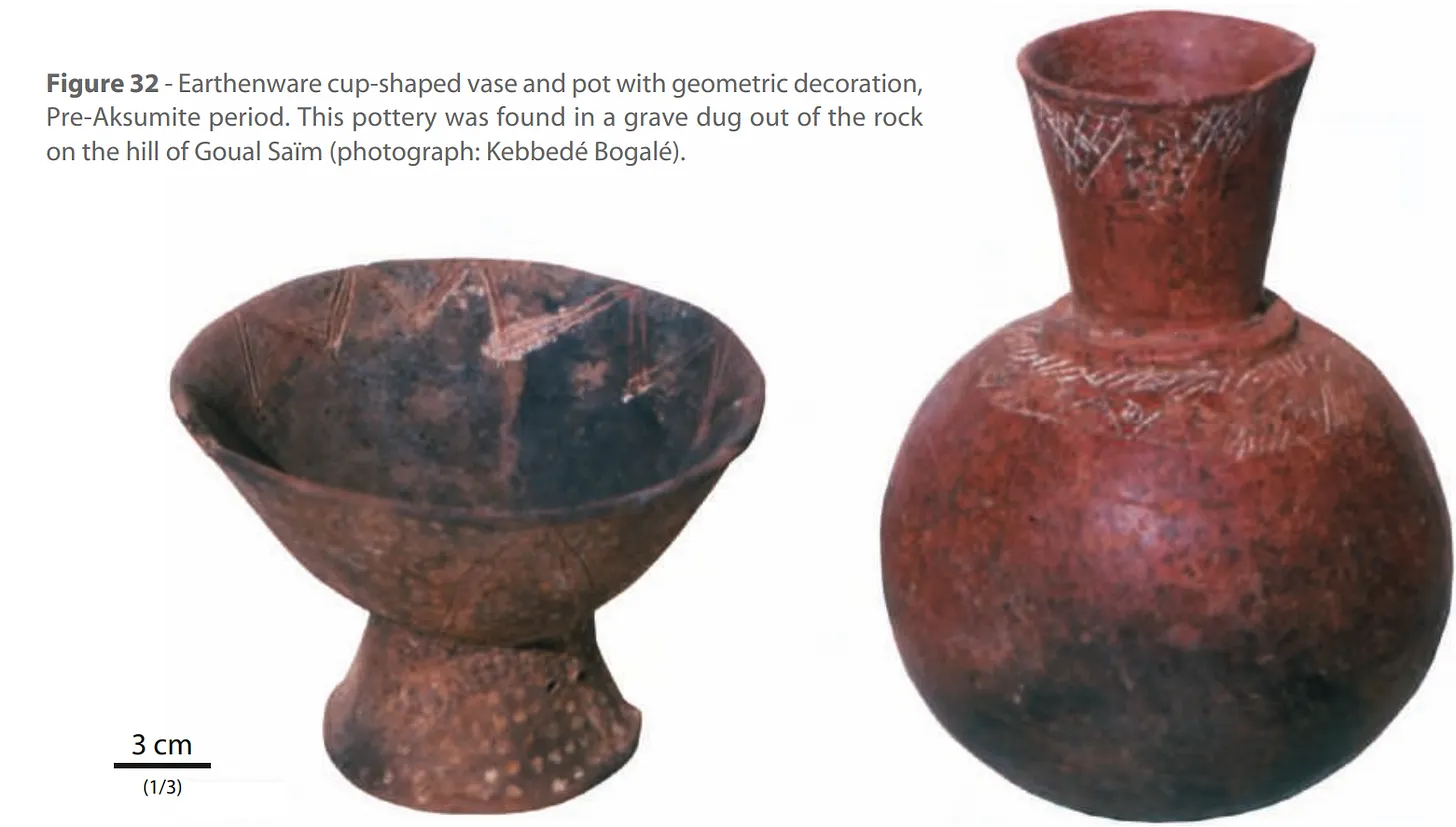
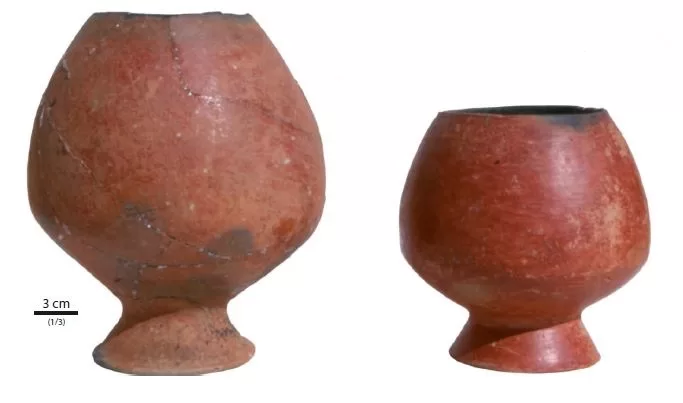
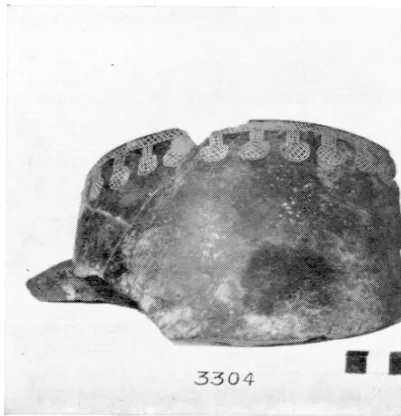
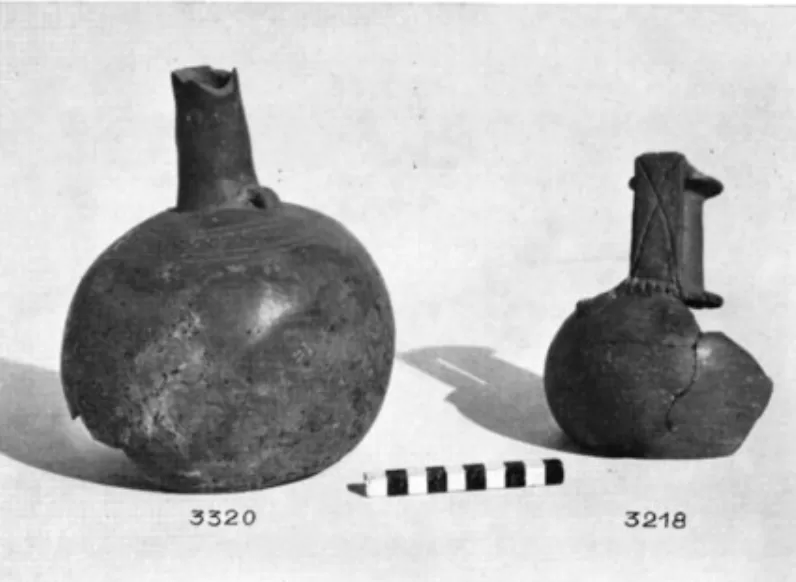
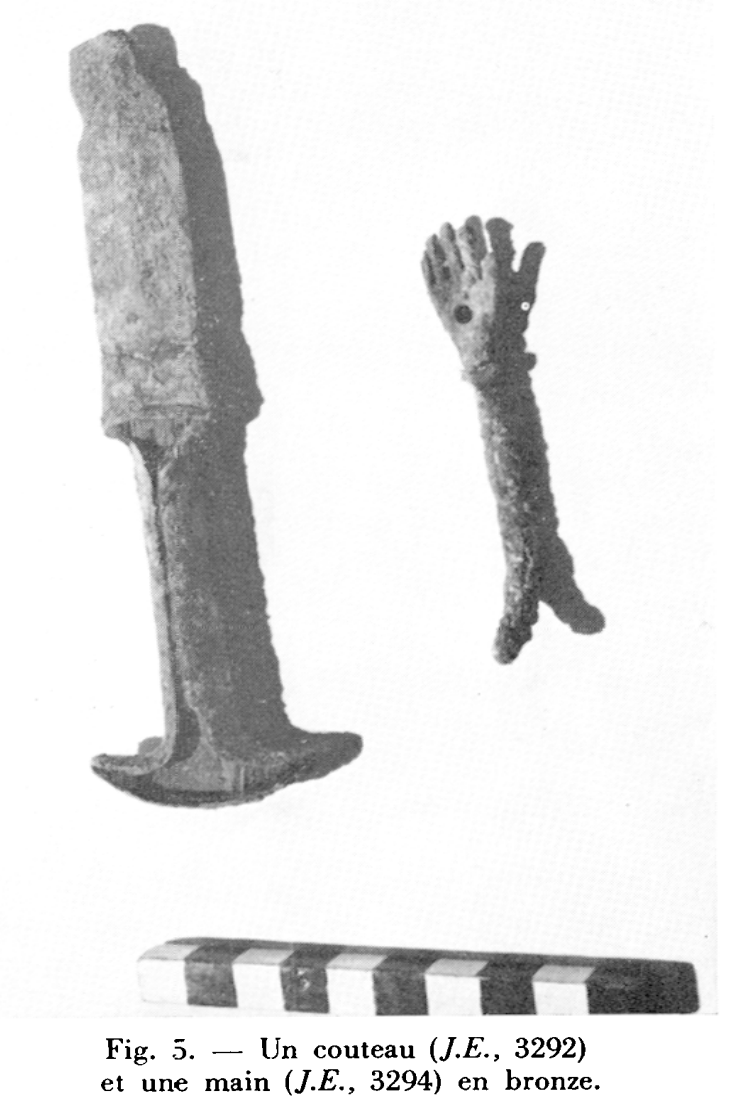
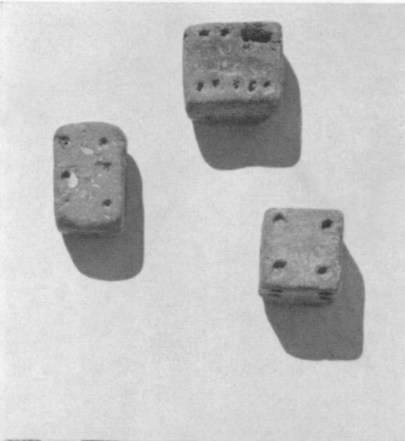
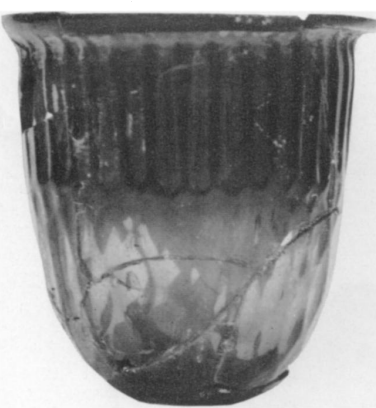
To the south, near Goual Saim (a hill in front of Amba Saim) lie ten burial tombs, ranging from 2 to 4.5 metres in depth. Initially created during early antiquity for funerary purposes, these tombs also served as storage spaces for goods, possibly intended to aid the deceased in the afterlife. They are of particular significance due to the artifacts they contain, including pottery such as vases for cooking & storing food, metal objects such as knives, and incense burners & possibly early forms of a Jebena? Notably, these artifacts date back to early antiquity, spanning from the 5th century BC to the 1st century AD.
Inscriptions
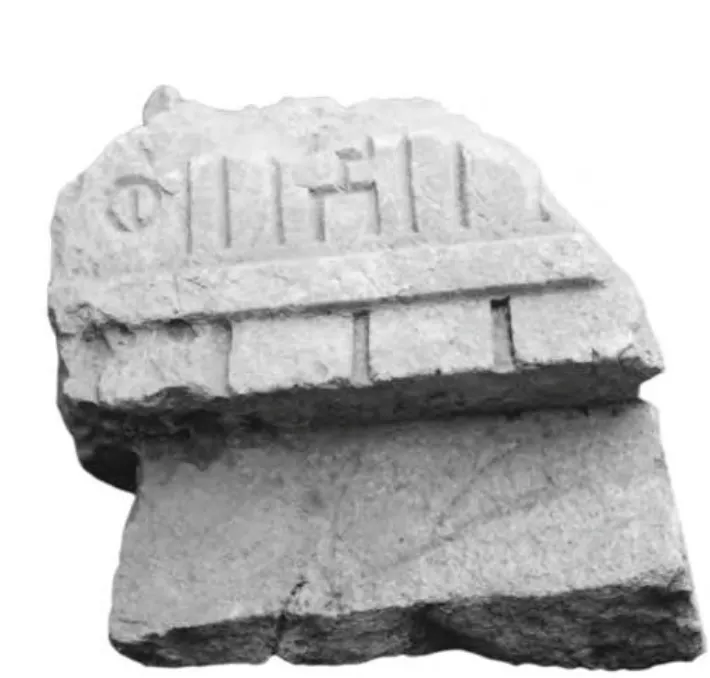
Evidence of early antiquity settlement at Matara is also supported by inscriptions found on both stone and pottery fragments, some dating as far back as the 8th century BCE. These inscriptions contain ‘proto-Sabaic’ and ‘proto-Ethiopic/Ge’ez’ characters. In fact, Matara stands out for having 71 such inscribed pottery fragments.
Some of these fragments with inscriptions were translated by the archaeologist & linguist Bernard, Etienne1. Most of these inscriptions, particularly from the earlier periods, consist of only a few letters, the meaning of what these words represent remains unknown. This early script evolved from a South Arabian form, which is not fully understood, into a proto-Ethiopic form that closely resembles Ge’ez.
Most of these words, afaik do not have any meaning in modern-day Ge’ez/Tigrinya, however, my opinion is they were names of the owners of the pottery works. For example, an inscription on a pottery bowl contained the word “Saba,” which could refer to either the personal name of the owner of the bowl or the location of Saba.
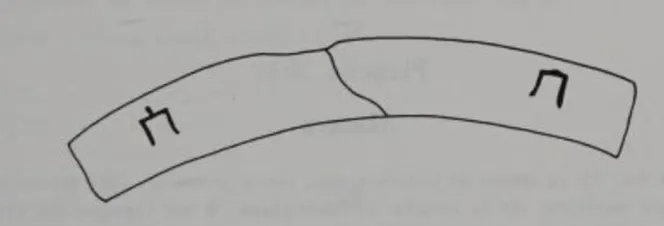
However, alternative interpretations may exist. For example, an inscription found on a red pottery bowl includes the words zasarha/zasarw (as concluded by Anfray2), or it might be zasarta (modern Tigrinya would identify the last letter as “t,” though the lines would be straight for this reading).
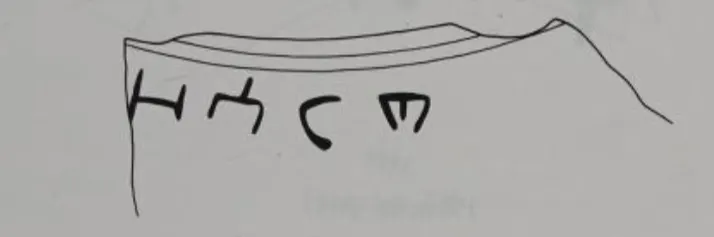
During this early period, about which little is known, Matara's inhabitants began laying the foundations of what would later become a powerful city-state. Its central position between the region’s major powers—the port city of Adulis to the south and the city-state of Yeha—played a crucial role in its continued societal and cultural development.
Mid Antiquity (0AD-~400AD)
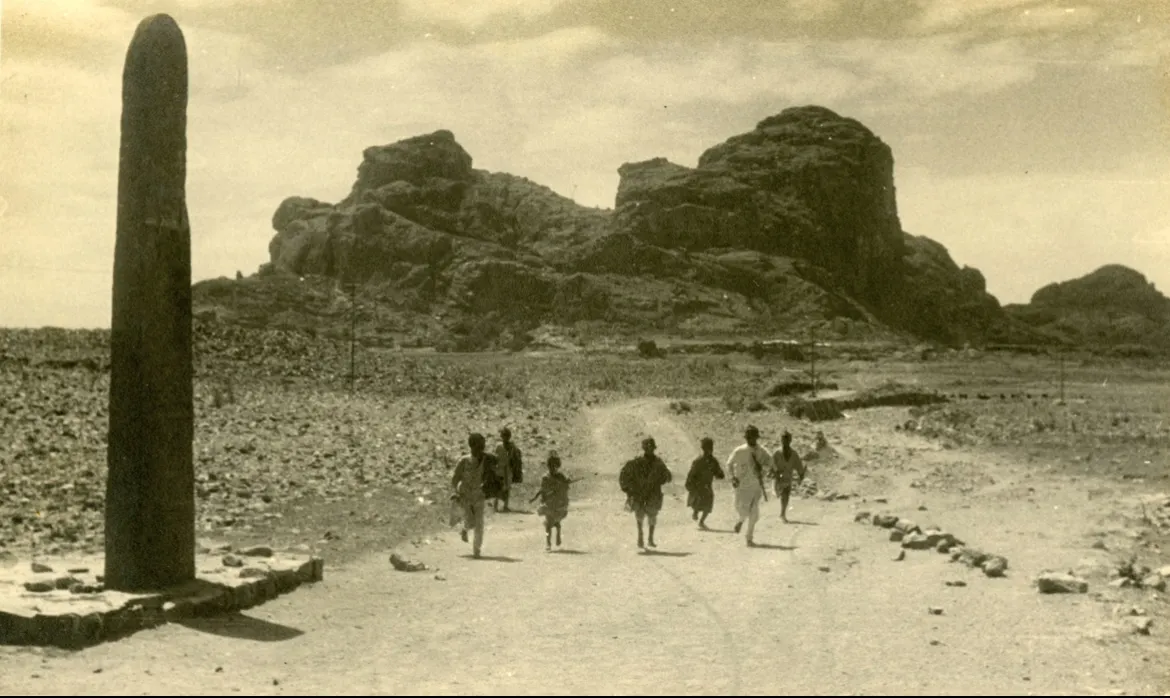
Following this early period, Matara reached its peak during the first half of the first millennium AD, as evidenced by a wealth of archaeological findings dating to this era.
During this time, remnants of several dozen adjoining stone houses and large palaces for the local elites have been identified. Matara undoubtedly held a strategic position, benefiting from trade conducted at Adulis, which connected it to global commerce, while also being closely linked to the rising power of Aksum further south. By the early 3rd century AD, The Aksumite Empire had formed and had emerged as the dominant force in the region and one of the strongest empires of its time.
The Adulis Throne, dated to the 2nd century, mentioned the conquest of dozens of tribes in the region, one of them being the “Gaze”, which the Hawulti Monument mentions, could this mean Matara had been subjugated or made to pay tribute? In the same light, the Aksumite Empire would later wield enough power to subjugate Meroe & Southern Arabia, this could also indicate a tributary status of Matara.
The Hawulti Monument
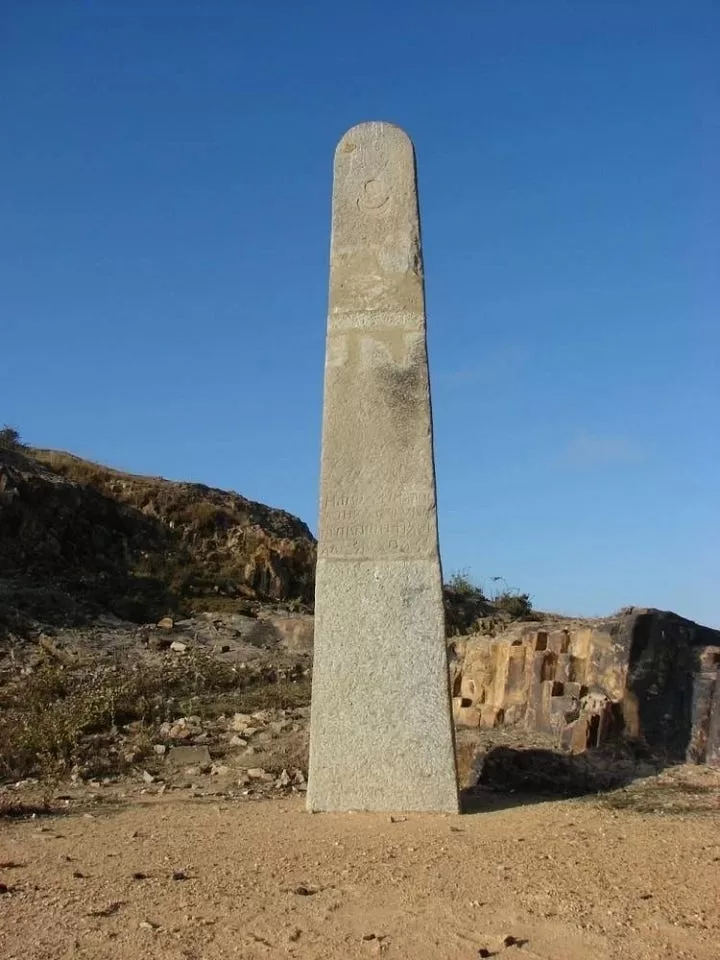
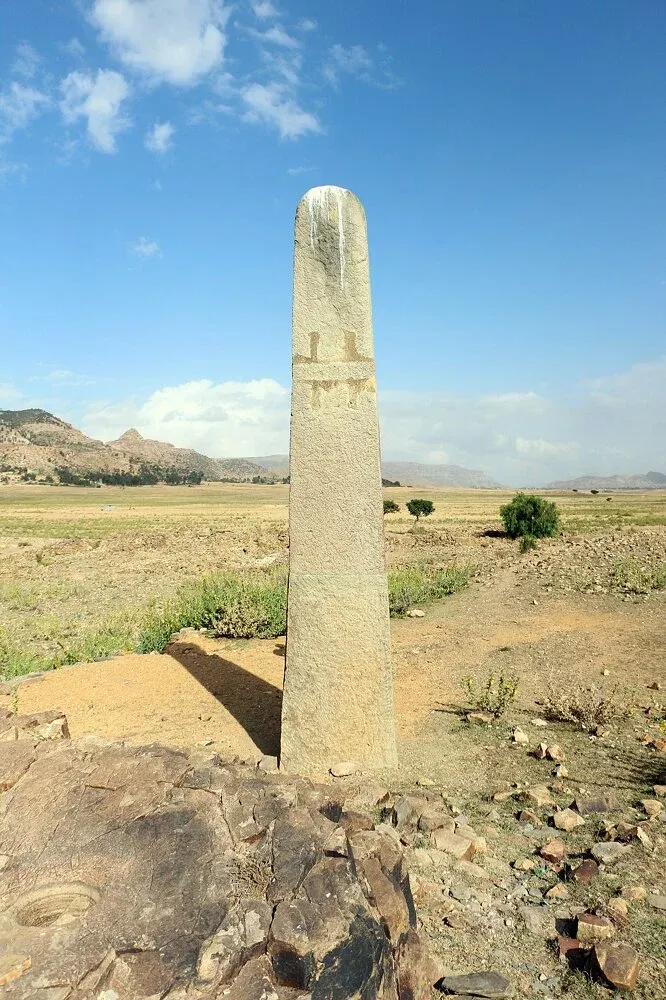
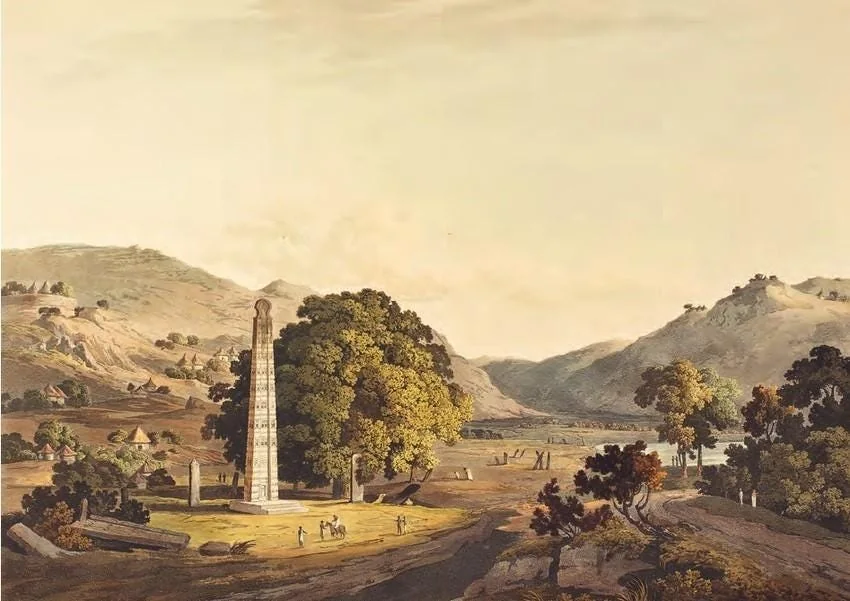
The Hawulti Monument, standing at an impressive 5 metres tall, is one of the earliest monumental Ge’ez inscriptions in history, dating to approximately the 3rd century AD4. At the very top, a circle represents the sun god Shams, while the crescent below symbolises Sin, the moon god and the chief god (locally known as Almaqah)5. These two symbols are found throughout Eritrea, Northern Ethiopia & Southern Arabian regions at this time.
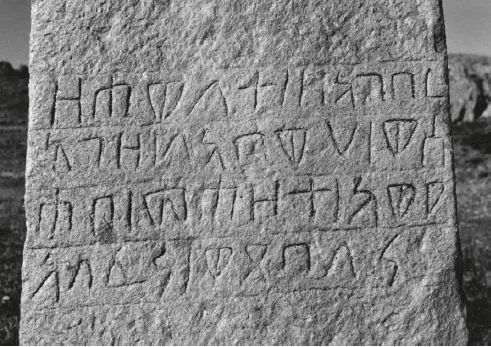
Most importantly, at the centre of the stela, there is one of the earliest—if not the earliest— multi-sentence Ge’ez inscriptions. The inscription reads as follows:
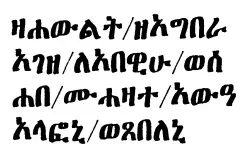
“ This is the stele that made
A’ GZ for his ancestors.
transported his friends, W
'LF as well as SBL. "
- Recueil des inscriptions de 1'Ethiopie of the period pre-axoumite et axoumite, pg 320
Though its exact meaning remains uncertain, some historians and archaeologists, such as Francis Anfray, propose that it was erected by AGZ in honour of his ancestors and that “W’LF” and “SBL” are references to his friends7. However, Edward Ullendorff, suggests that “W’LF” may refer to a church at Guna-Guna, historically known as Aw’a ‘Ilfi, while “SBL” might reference a medieval church at Baraknaha called Subli8 (he was told this by a local decon).
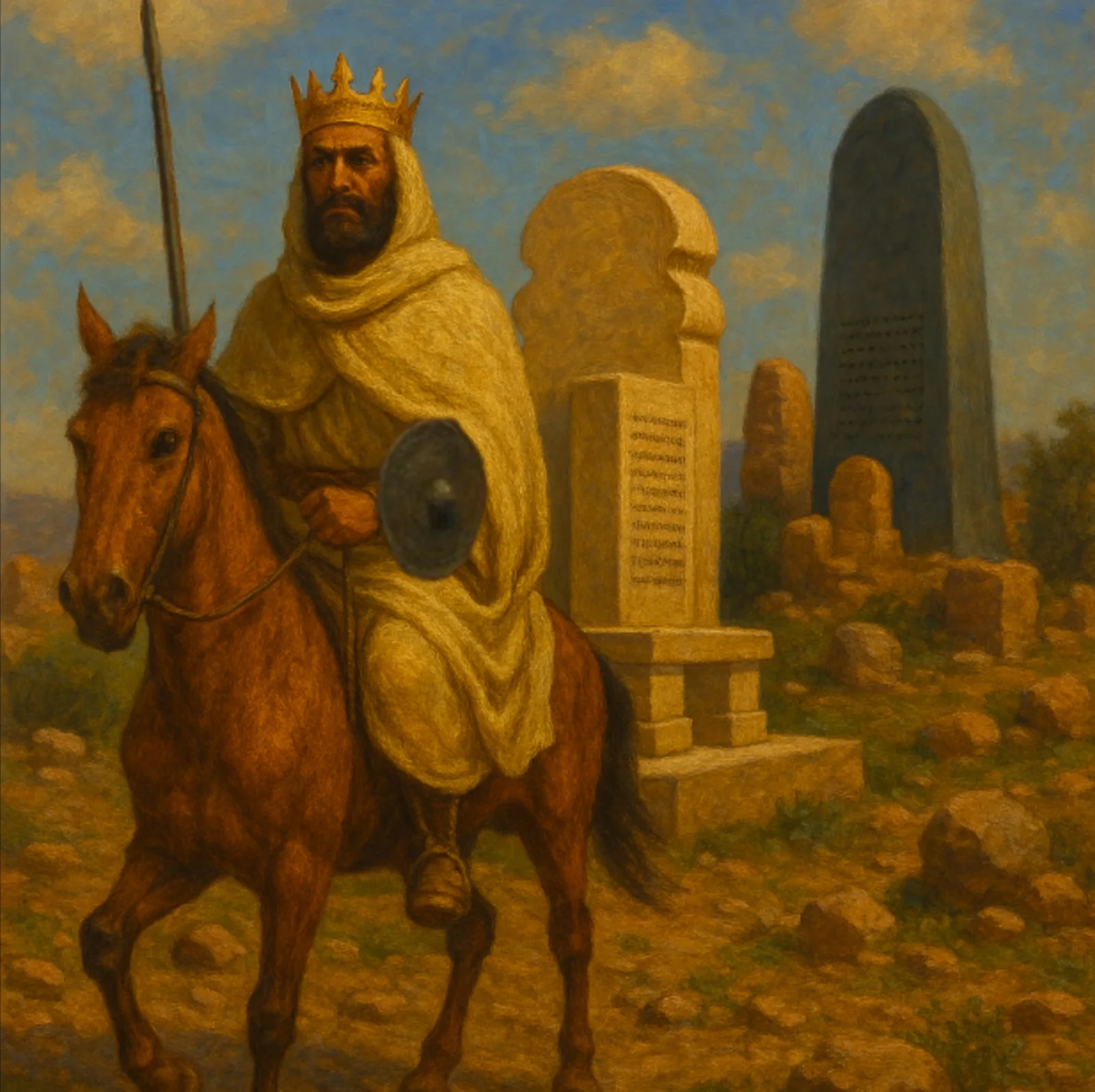
I personally believe the Hawulti Monument was consecrated by a king named AGZ, while “W’LF” and “SBL” likely refer to his close allies or friends (other nobility). Names like these often served multiple purposes—they were not only names of Important Figures/Royalty but also might have progressed over time to being associated with specific clans that inhabited towns & villages. As Christianity spread, churches built in these areas were later named after the local clans, preserving ancestral connections.
The consecration of the Hawulti Monument marked a new era for the city-state of Matara. Around this time, large stone palaces were also constructed for the local elite, possibly including King AGZ.
Architecture
Royal Palaces
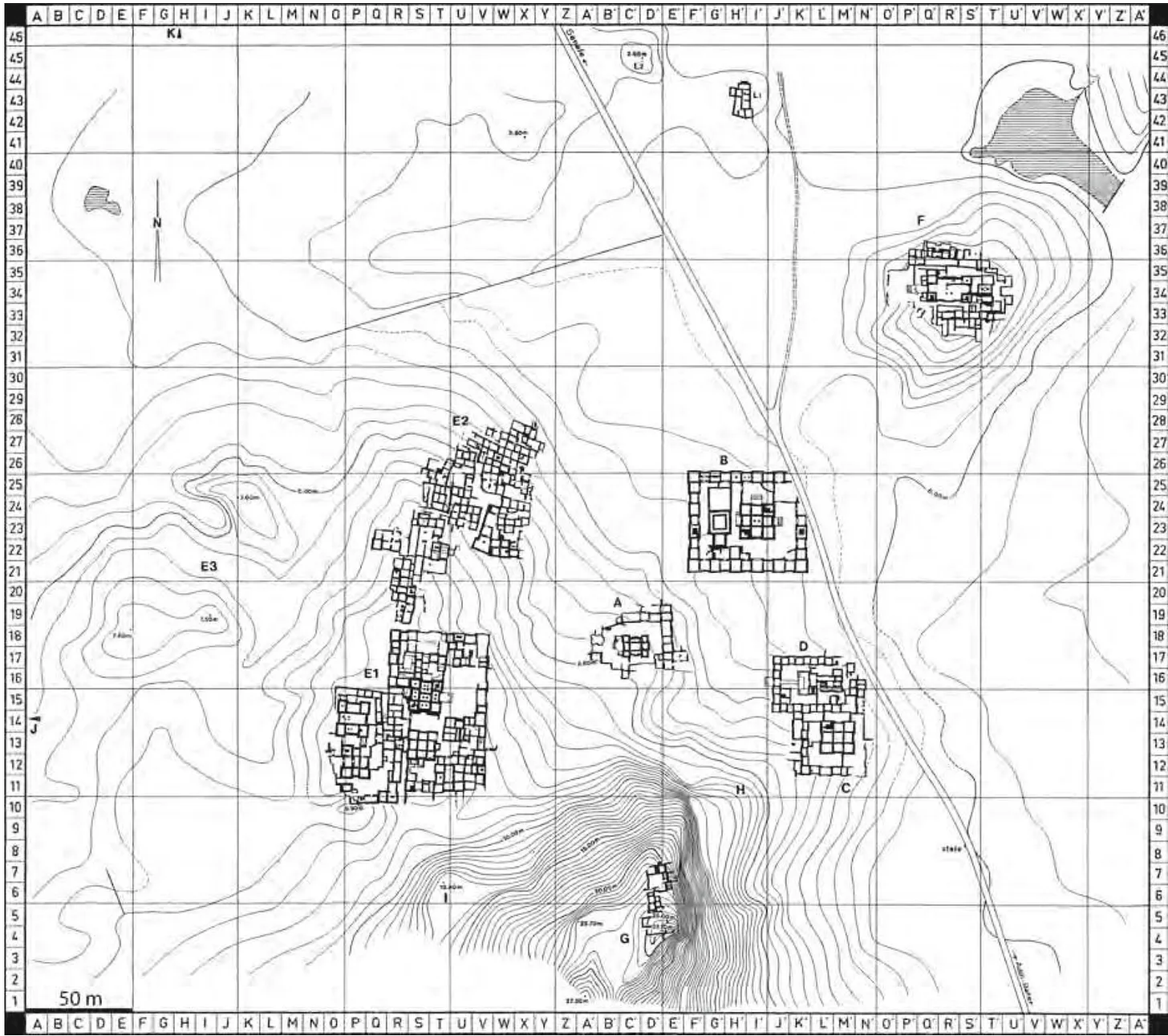
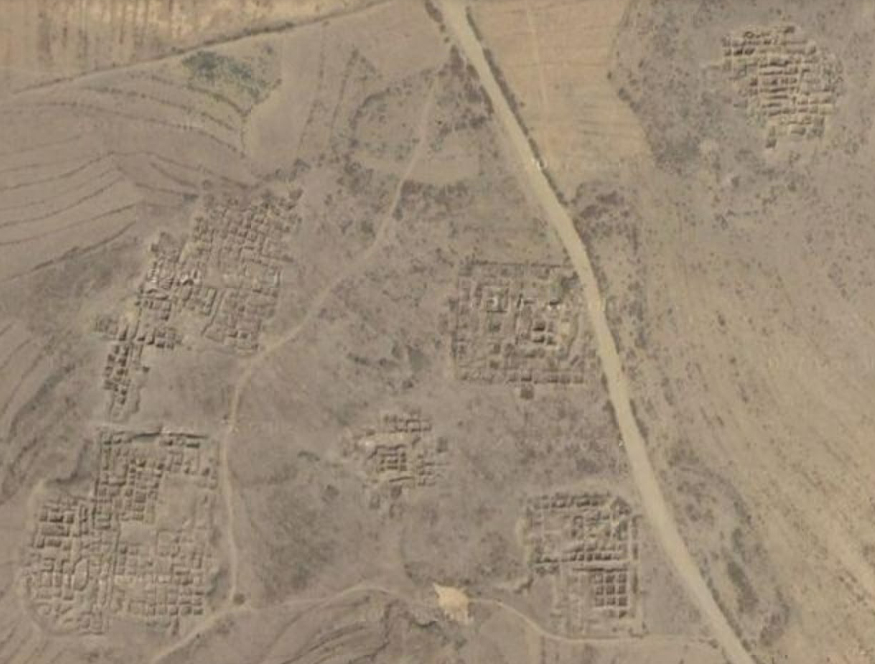
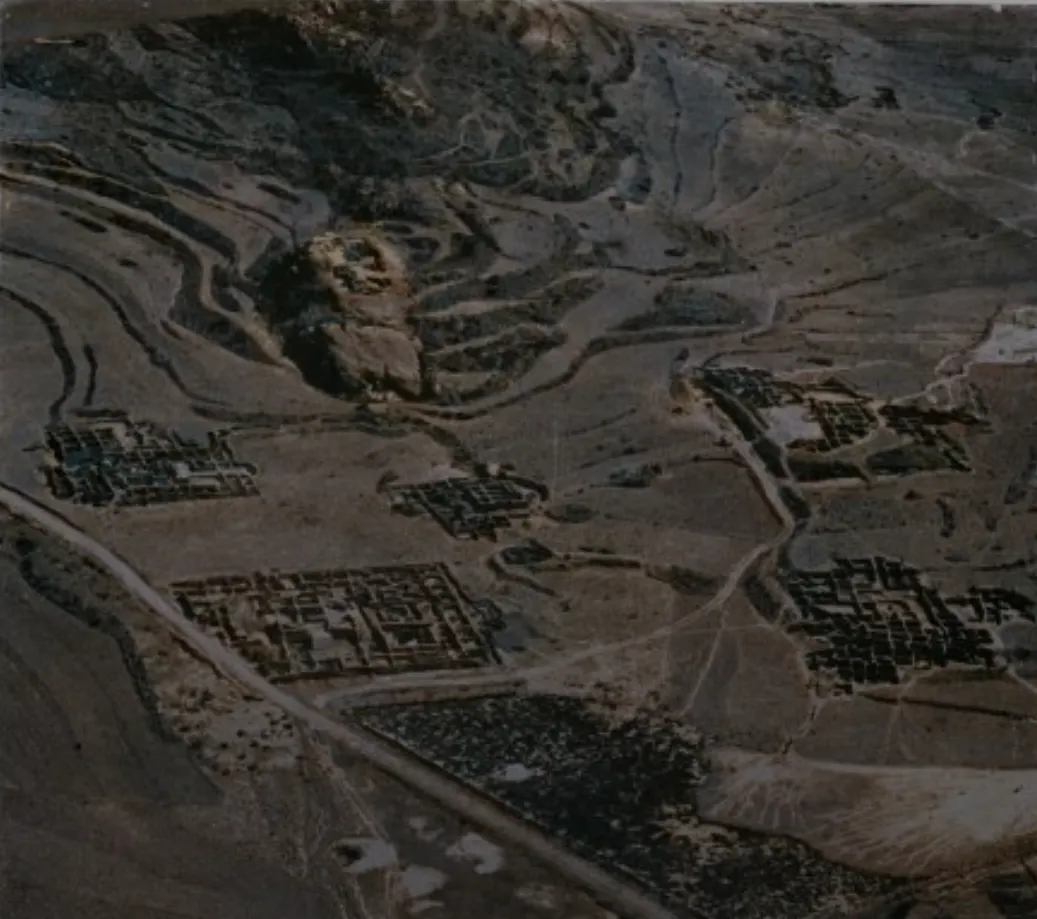
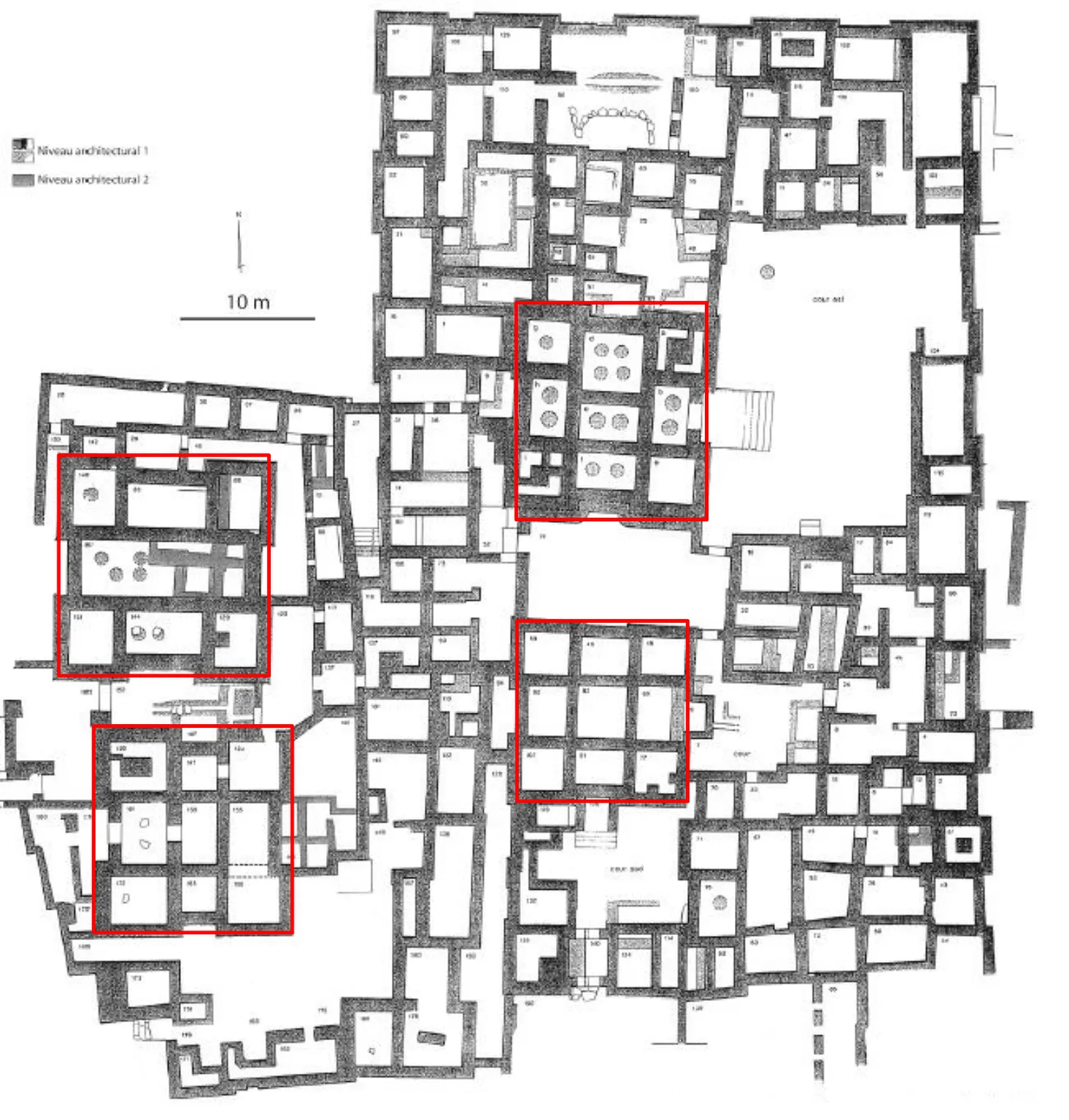
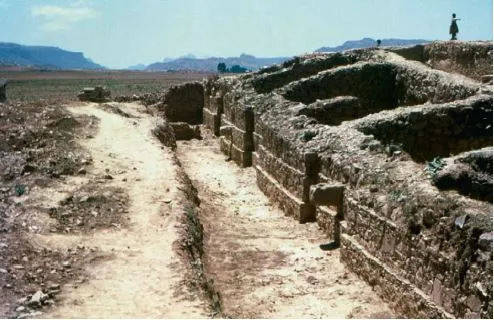
Several large stone palaces have been discovered at Matara, mainly in the western section, distinctly separated from the commoners' area. These palaces were enclosed by walls and featured multiple rooms, a central structure for housing the royalty, and a courtyard.
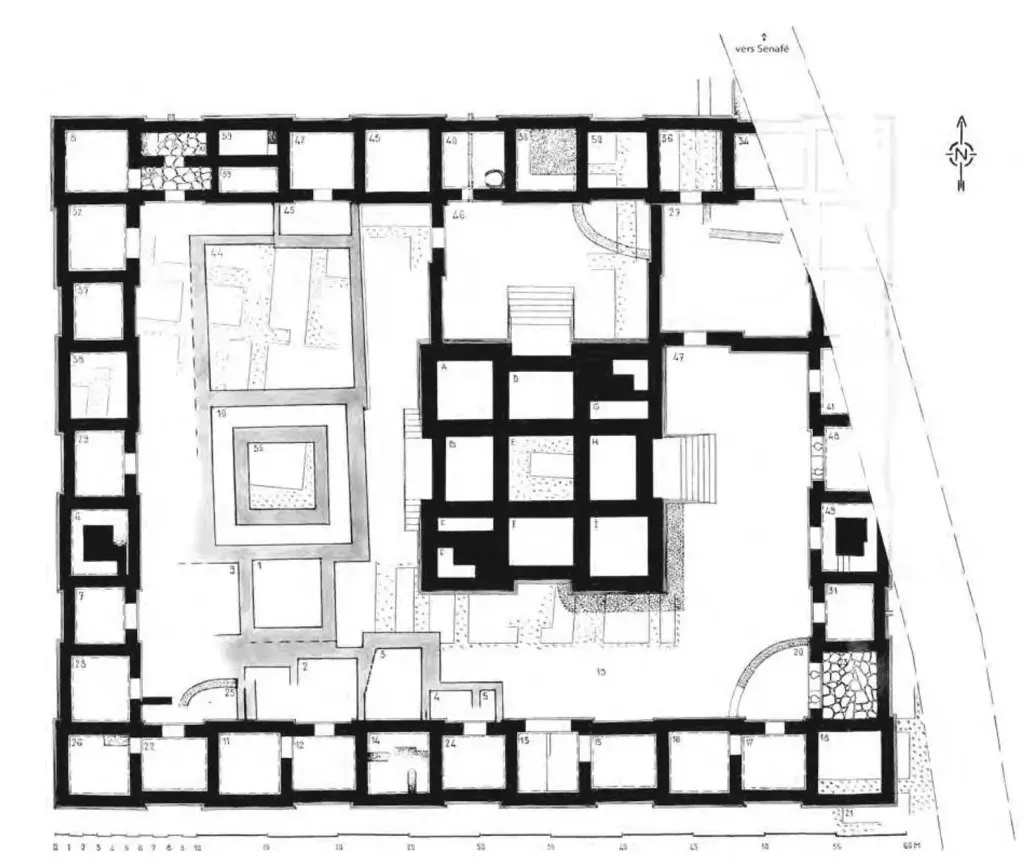
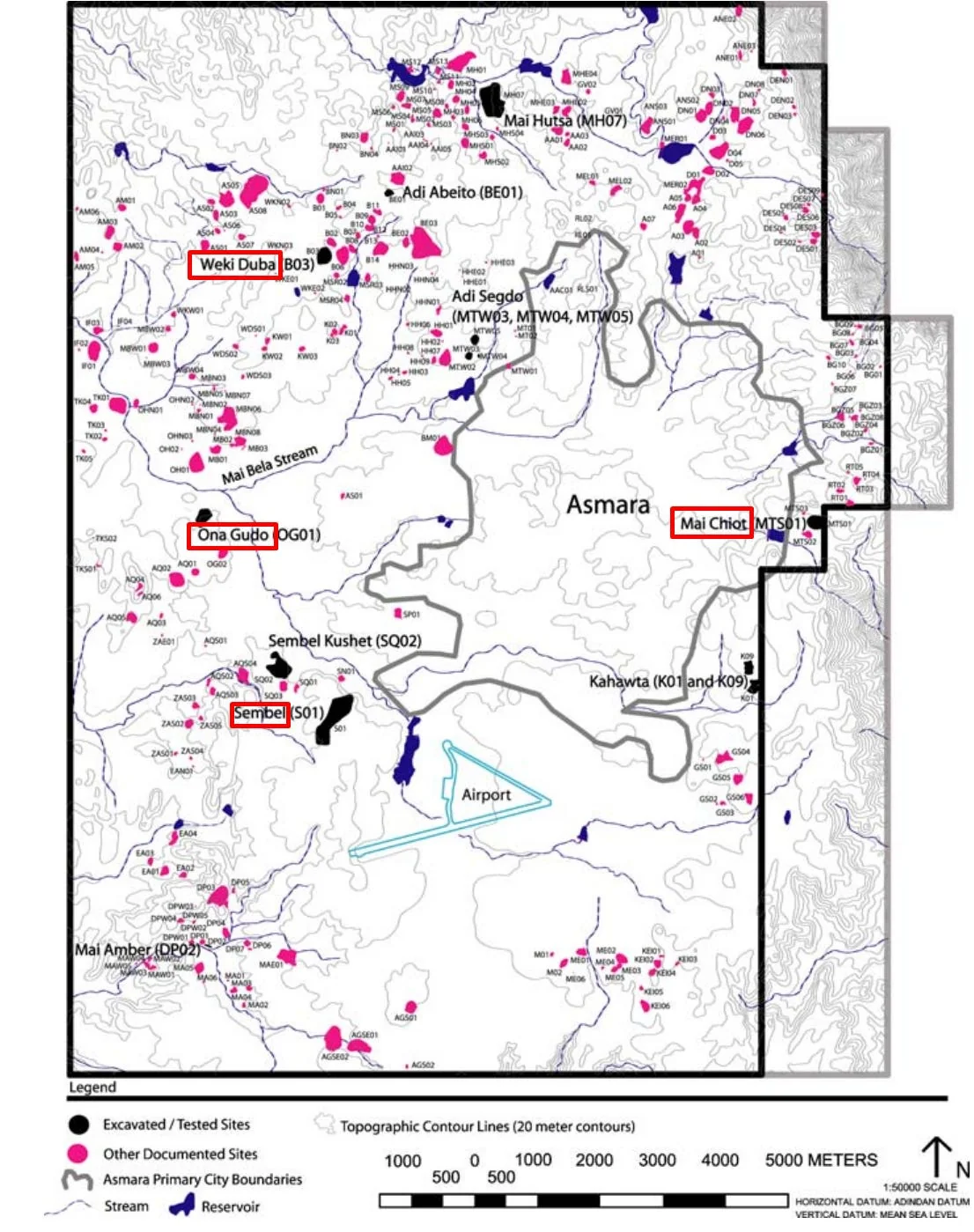
For example, a palace structure (structure B on the map) measuring approximately 2,500 square meters (50.50m × 49.00m) was discovered at Matara. At its core was a central square building measuring 17.50m on each side, accessible via two staircases located on the north and east. Surrounding this central structure was a courtyard
The remains of two other palaces were also found, but only of the central structure, the courtyard and outer walls/rooms weren’t uncovered.
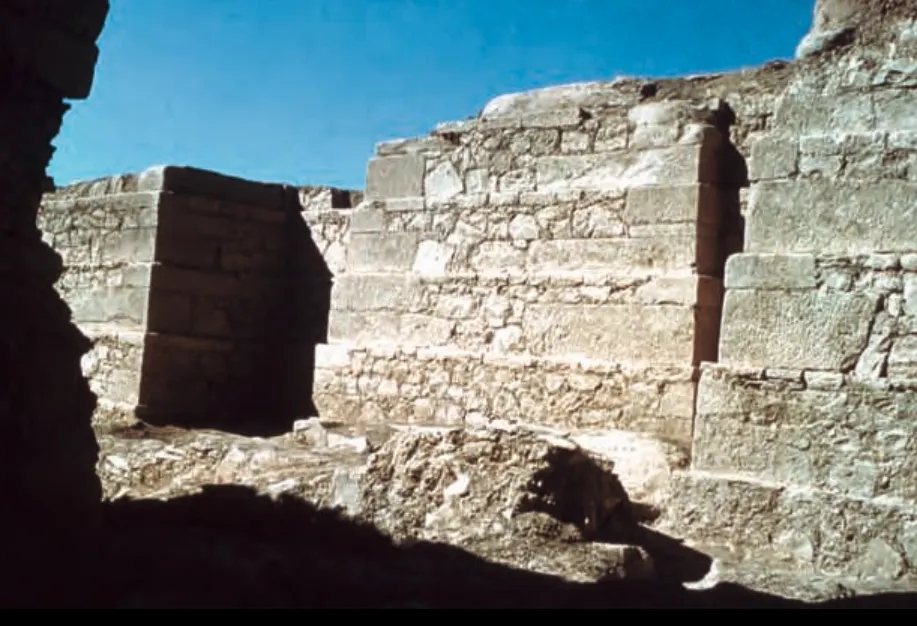
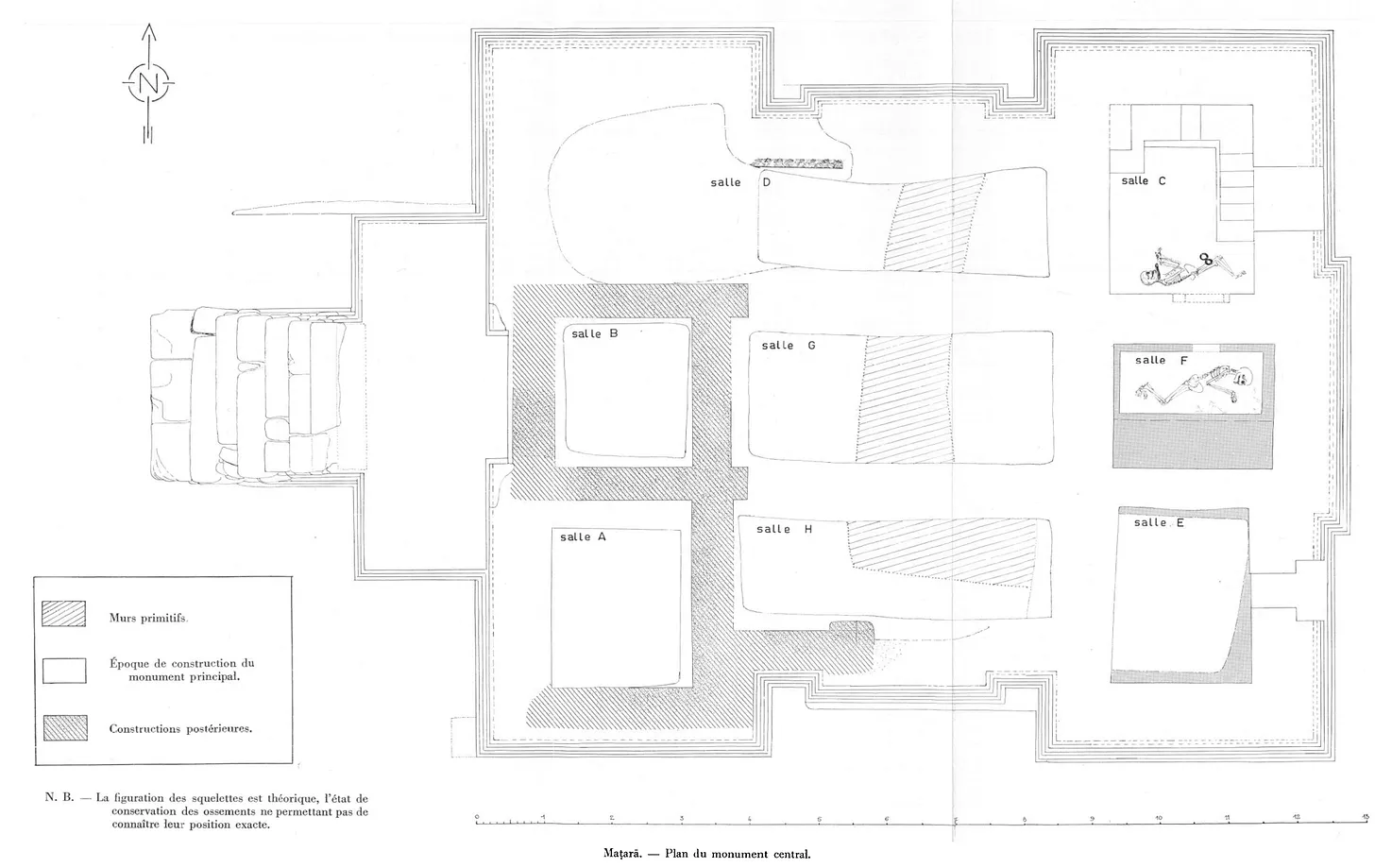
Structure A – Central Building measuring 12.60x11m was uncovered with a large staircase entry. In one of the rooms at this building, skeletal remains were found, with iron rings, likely a dungeon used for punishment11. This building might have served for military purposes.
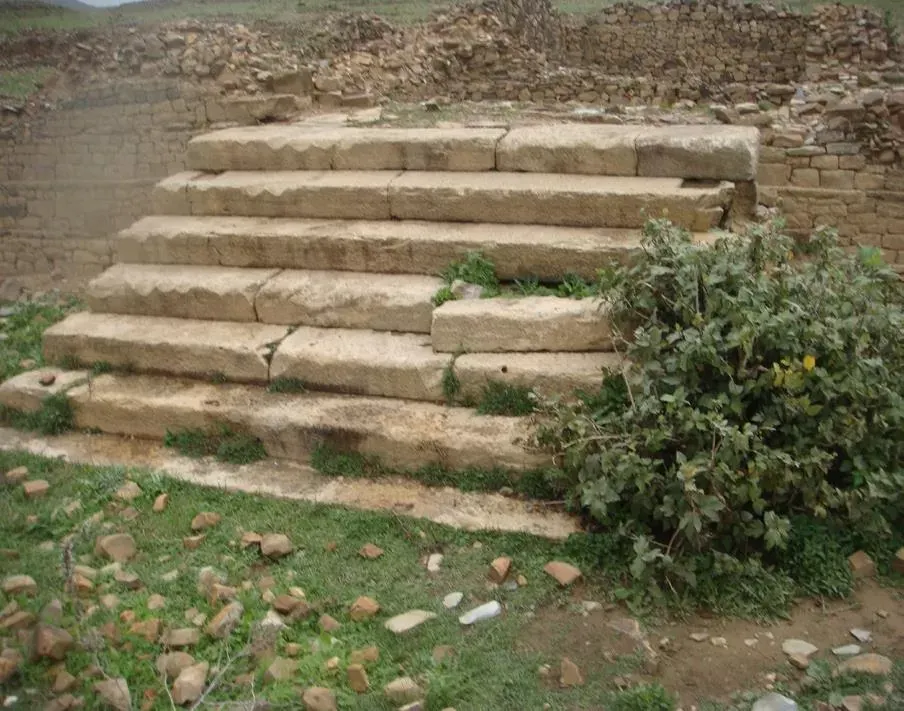
Structure C – A Central Building measuring 15.20m on all sides was also discovered.
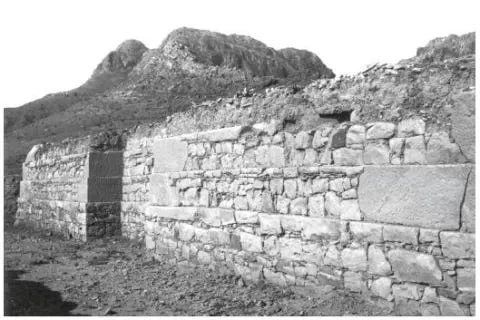
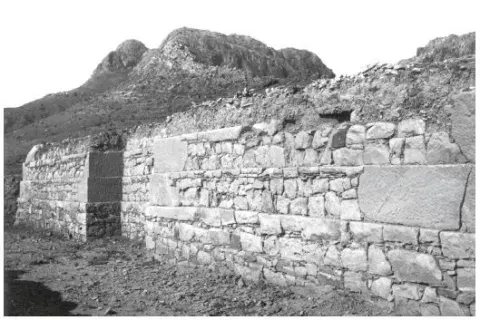
Wall Of Structure C. Source: Matara: the Archaeological Investigation of a City of Ancient Eritrea, Figure 11
Houses - Commoners
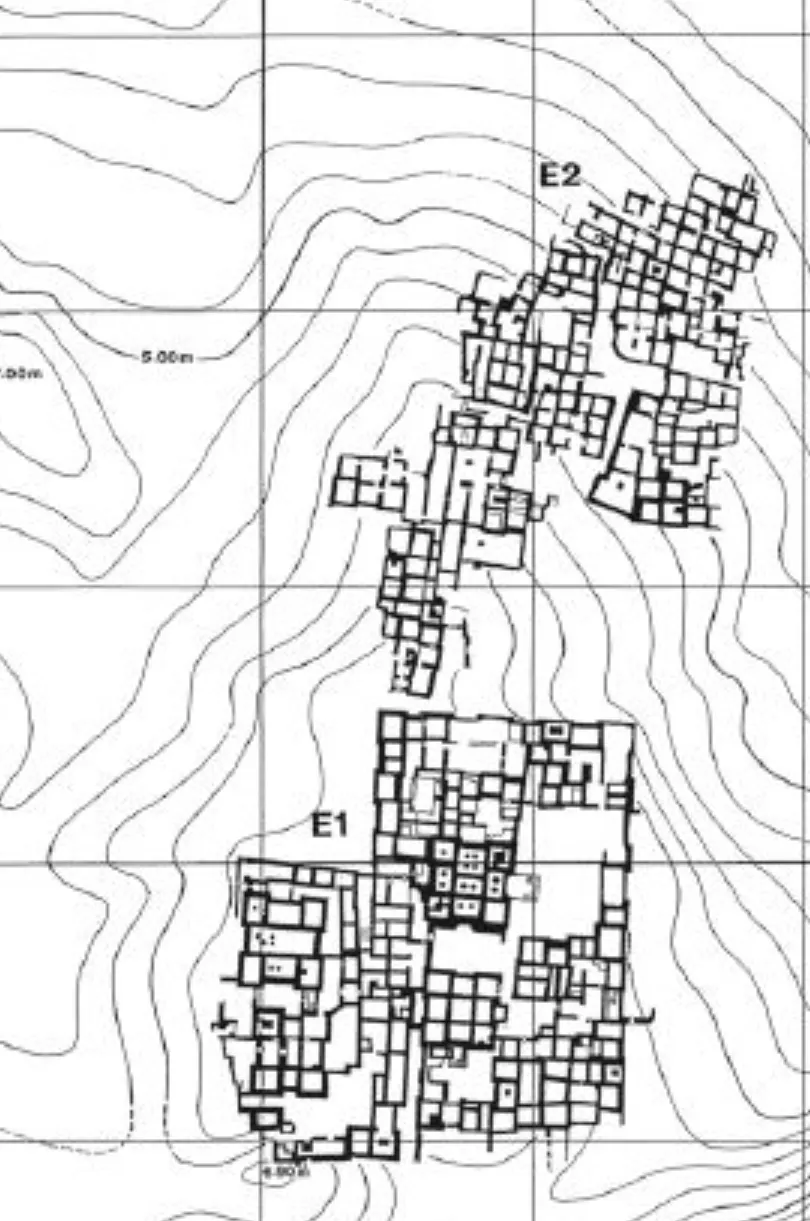
One of the most distinctive aspects of Matara is its evidence of domestic habitation. At Matara a unique layout of commoner houses is seen (E1 & E2 on the map), several dozens of stone houses adjoined side by side, in the north (E2) these houses have a central pathway leading to the outside and are all similar in structure, that is made from locally quarried stone.
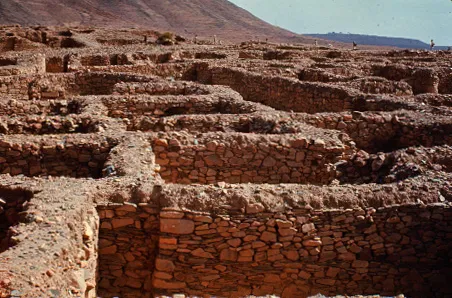
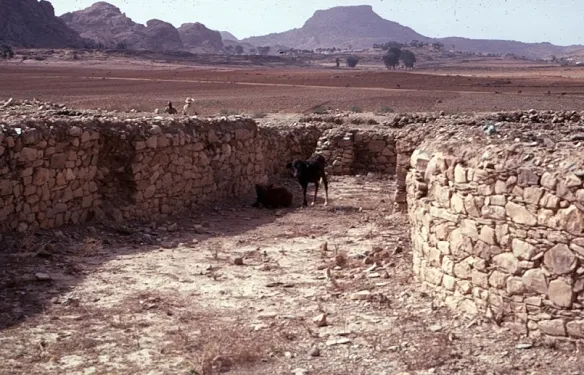
To the south (E1), there are four stone structures. The largest, located to the north, features an adjoining courtyard, whereas the other three do not. While these structures offer more spacious interiors compared to the commoners’s houses up north, they are still smaller than the previously mentioned palaces. They were likely owned by wealthier commoners, such as merchants.
Late Antiquity (400AD-700AD)
War With The Aksumite Empire
The Gedle Sadaqan - Acts Of The Righteous
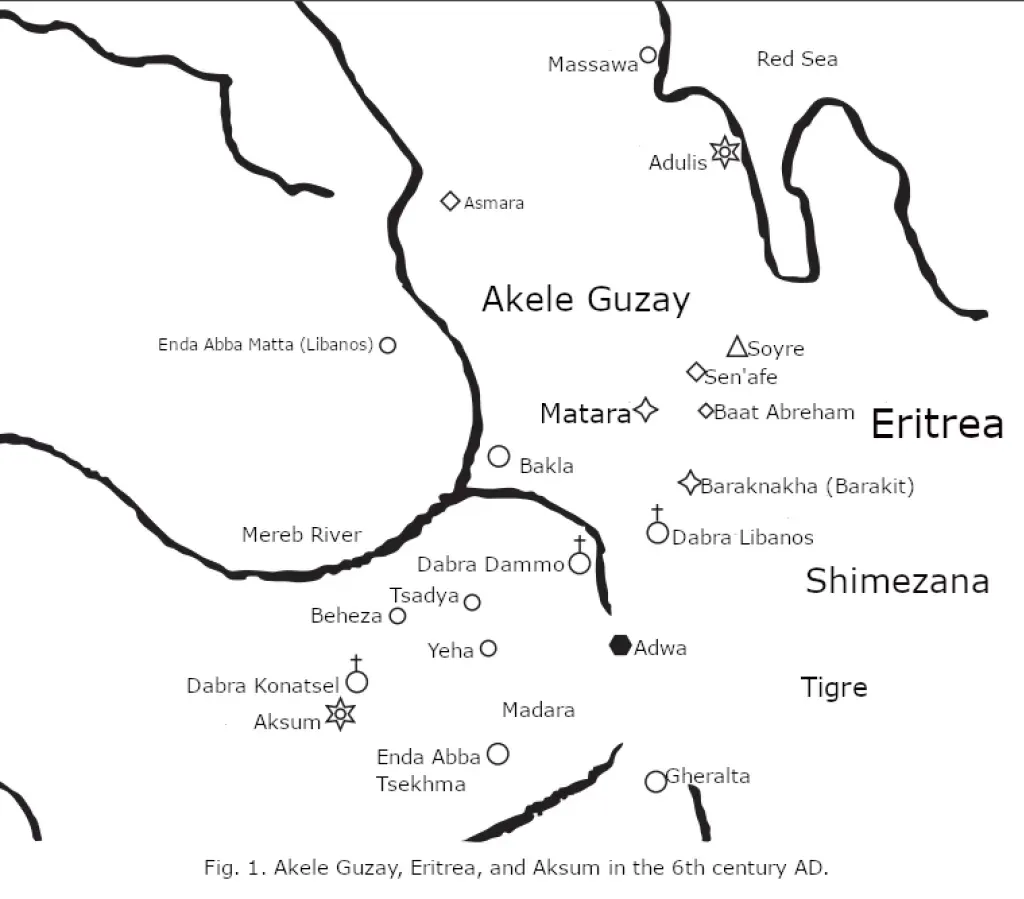
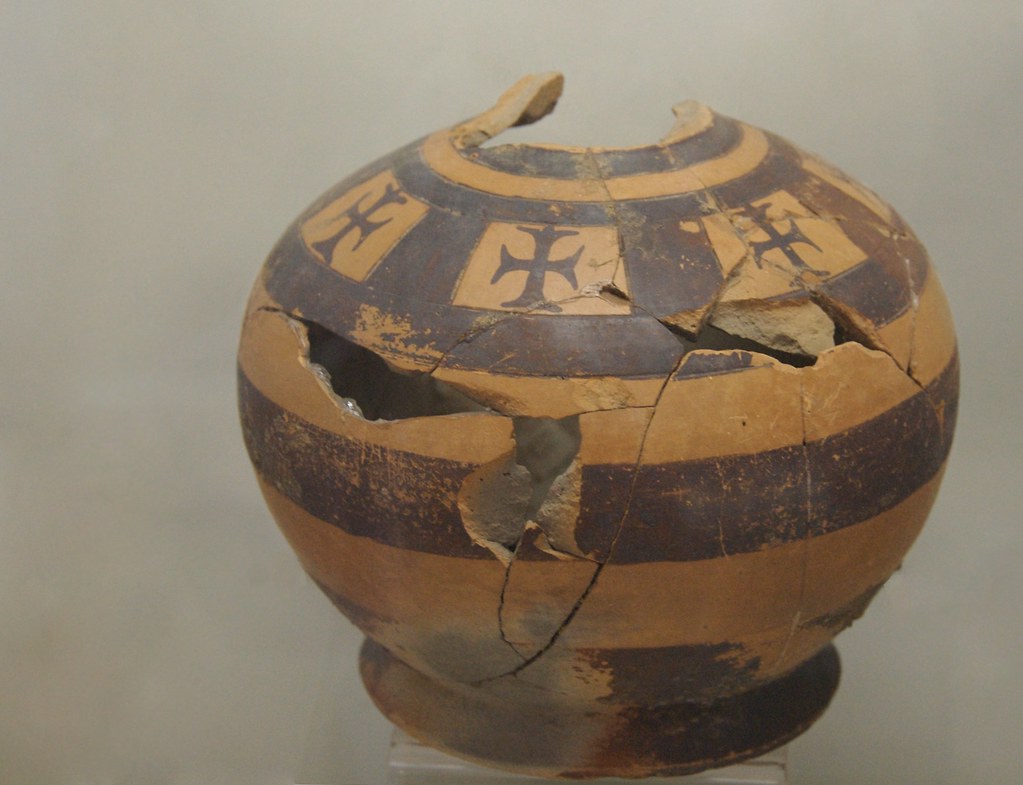
Archaeological remains, however, are not the only source of insight into Matara. Interestingly, the Gedle Sadqan—a traditional manuscript recounting the story of Christian missionaries in the 6th century AD who preached across mainly Akele Guzay —mentions that the native inhabitants of Matara, who were likely pagans, attacked the monks who had migrated to the region. This led to an invasion by the Aksumite Empire, led by Emperor Kaleb, who subsequently destroyed the city & killed the locals. Notably, crosses have been found at Matara, including those inscribed on pottery, in addition to a church, all dating to the late antiquity period, providing further credibility to this conflict occurring (This will be discussed later).
The following is an excerpt from the Gedle Sadaqan:
“When once again the inhabitants of Bur rebelled,
And forgot the Lord,
By the prayer of the saints,
God raised up Kaleb, King of Aksum,
And He opened the depths of the earth,
And from its depths, He brought forth His army
The king sent his armies to Aksum,
And led them into the land called Matara,
Spreading throughout its entire expanse,
With cavalry and provisions.
The king set up his throne in the midst of that land,
But the inhabitants, hardened in heart, murmured, saying:
"Why is this happening?"
They grumbled,
And so the royal armies departed,
Pillaged the region,
And killed all the inhabitants,
Sparing no one.
To this day,
That place remains desolate” - Source: Gädlä ṣadkān: an Ethiopic text of the first Syriac boskoi-missionaries in Late Antique Axum. Pg 530&531
50 more words
So, why did the native inhabitants of Matara attack these monks? While the Sadaqan largely kept to themselves, praying in caves, they still needed food for sustenance. The text mentions that they did not eat meat but survived on "grass," likely referring to local vegetation cultivated by the inhabitants of Matara and the towns & villages nearby. As monks devoted to God and scripture, they had little to offer in trade. Consequently, as the text states, they resorted to stealing vegetation from the locals, which likely led to conflict…
“But let us return to our story.
While that man was hiding,
The saints entered the field of the village called Tsiʕat-Manna,
They came in, and began to eat the grass.
And then, that man drew his quiver,
Took out an arrow,
Pulled back his bow,
And struck one of them.
They spread their wings and soared like birds,
Returning to their solitude,
Enduring oppression, great hunger, and thirst,” - Source: Gädlä ṣadkān: an Ethiopic text of the first Syriac boskoi-missionaries in Late Antique Axum. Pg531
38 more words
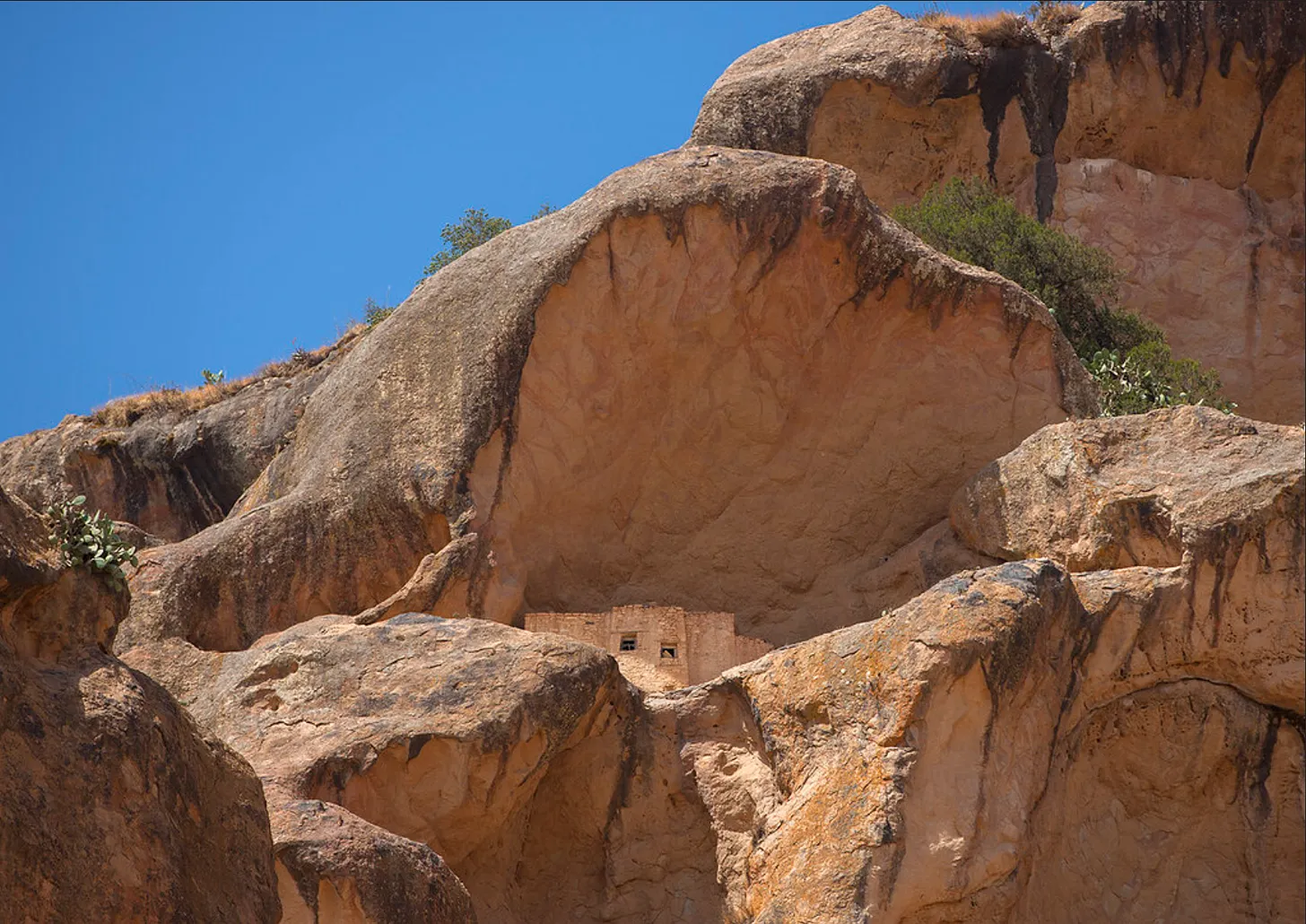
The inhabitants of Matara and its surrounding areas harboured deep resentment, particularly after Emperor Kaleb’s campaign, which left the city in ruins. As the Sadaqan continued to take resources from the locals, tensions escalated, eventually leading to one of the monks being murdered while attempting to steal vegetation. This was not an isolated incident—another mention of monks being killed at a town named Baraknaha (southeast of Matara) appears later in the text13. Eventually, due to relentless persecution by the locals and increasing difficulty in obtaining food, all the Sadaqan perished.
Beyond highlighting the resistance of Matara’s inhabitants to foreign religious influences, this also highlights the will of the inhabitants for religious independence. Even after Emperor Kaleb’s forces sacked their city, they refused to submit to his request (stopping the prosecution of the Sadaqan). Nevertheless, over time, at least some of the population gradually converted to Christianity. This is supported by the Gedle, which states that Emperor Kaleb built a church there, and by archaeological evidence confirming the existence of a church at the site.
The Churches
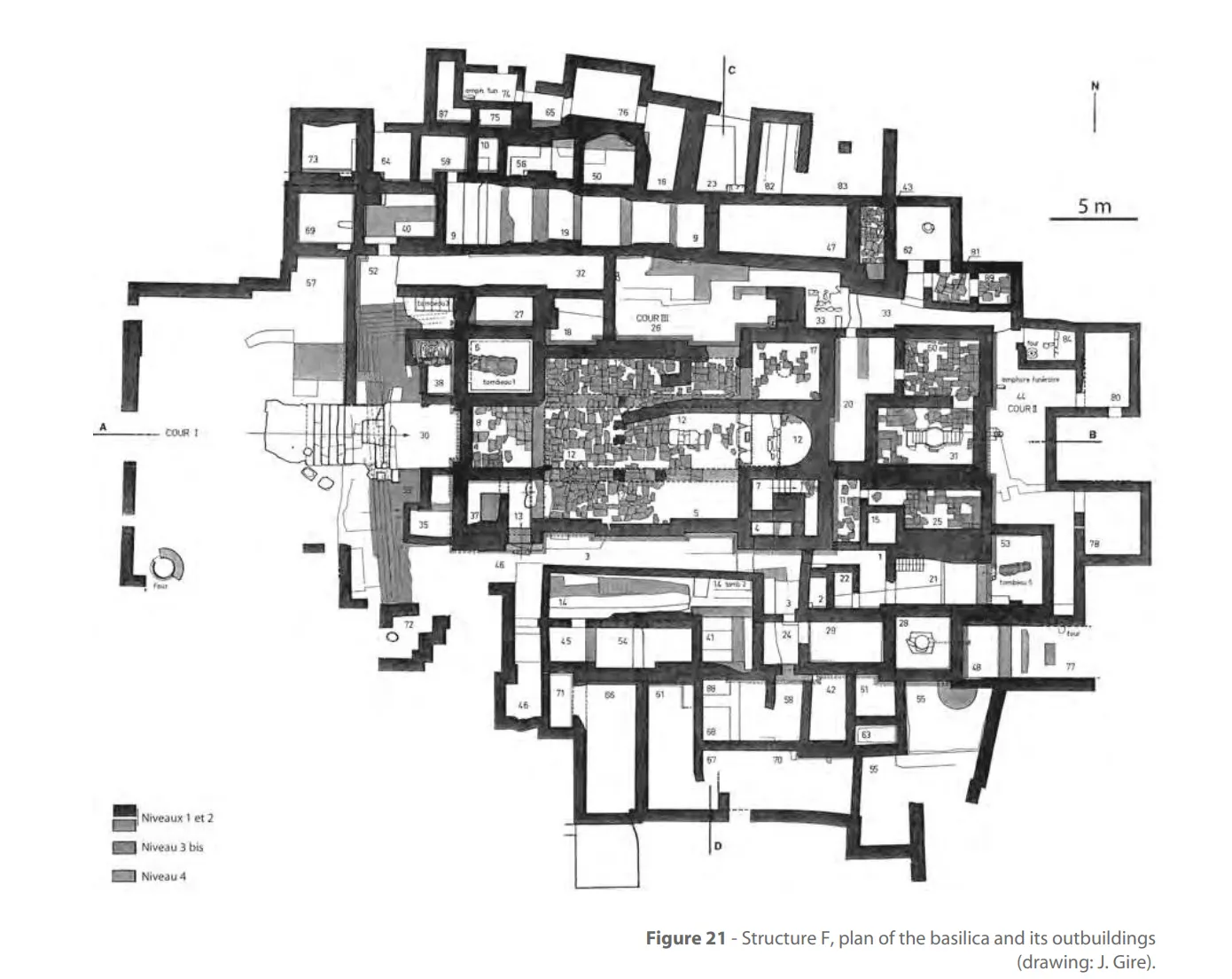
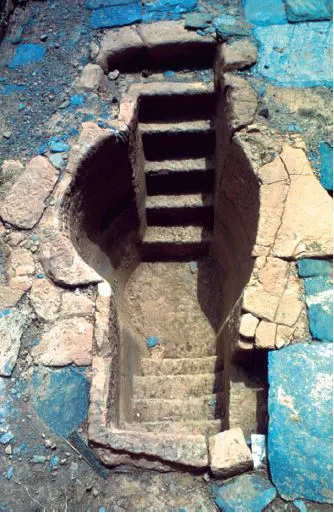
In the far northeast of Matara, a church spanning over 300 square meters (22.4m in length by 13.5m in width) was discovered14. This church featured a central nave flanked by two side naves. Notably, the baptismal basin was found largely intact.
Another church (Structure D) was discovered next to Palace C, covering over 1,000 square meters (39m in length × 26m in width)15. This church was likely used for the burial of an important religious figure(s), as an underground vault was found at the centre of the building, accessible via 14 descending steps.
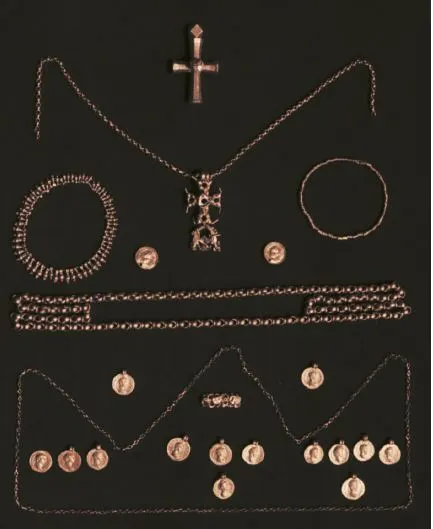
Interestingly, within one of the rooms of this church, various Christian artifacts were uncovered, including several Roman coins from the reign of Emperor Antoninus Pius (138–161 AD), golden crosses, gold necklaces featuring the cross symbol, and bracelets.
Artifacts
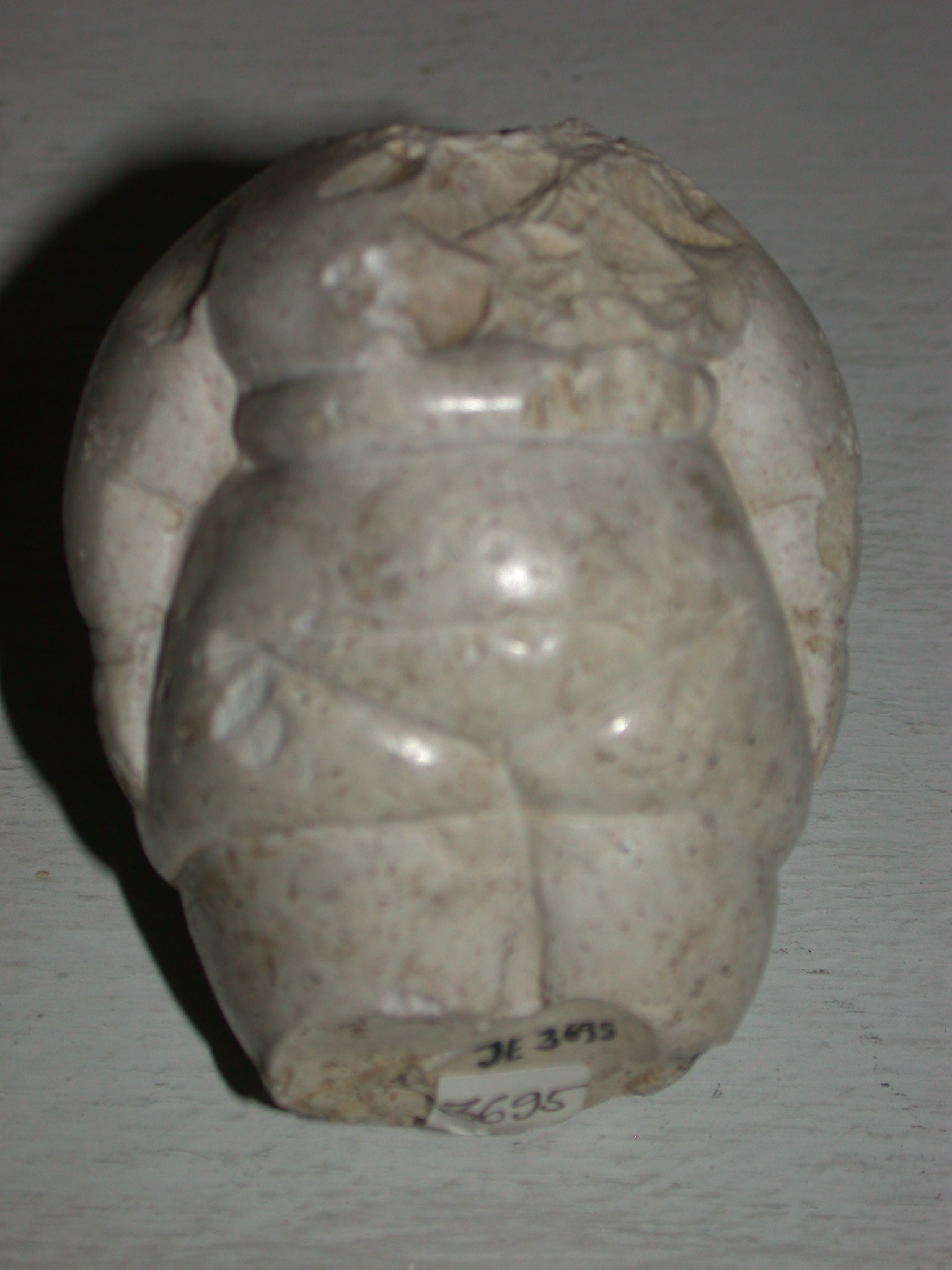
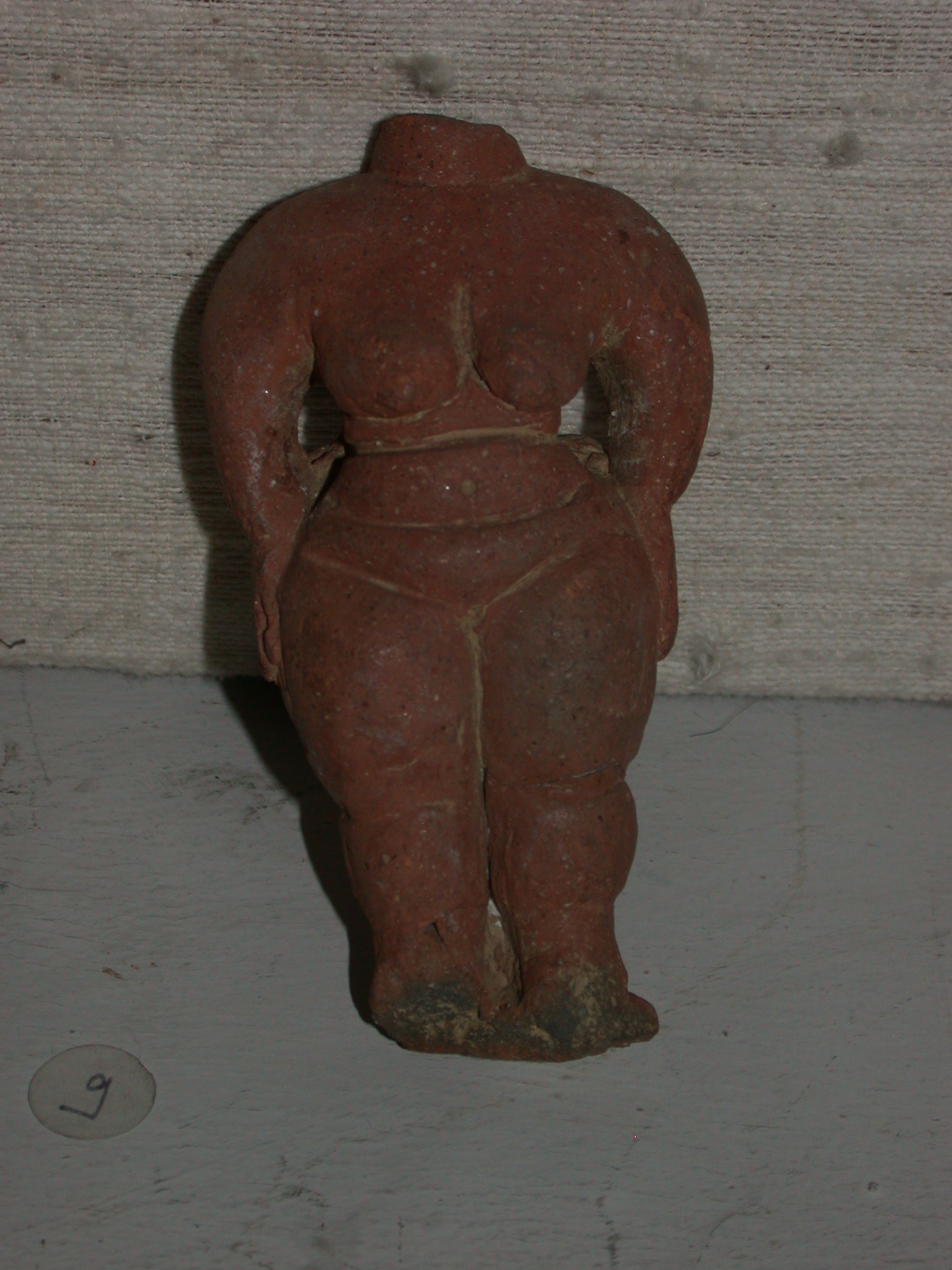
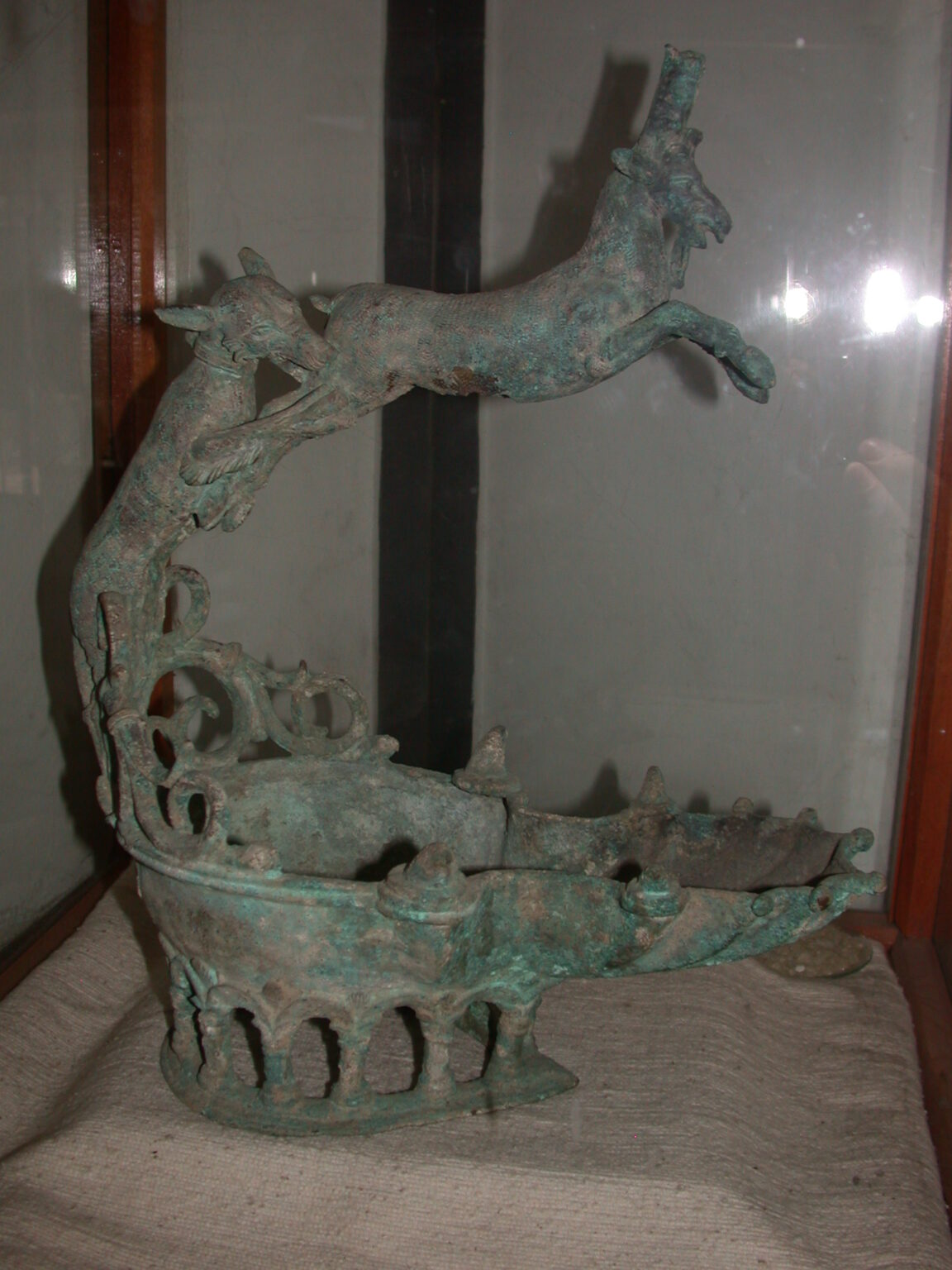
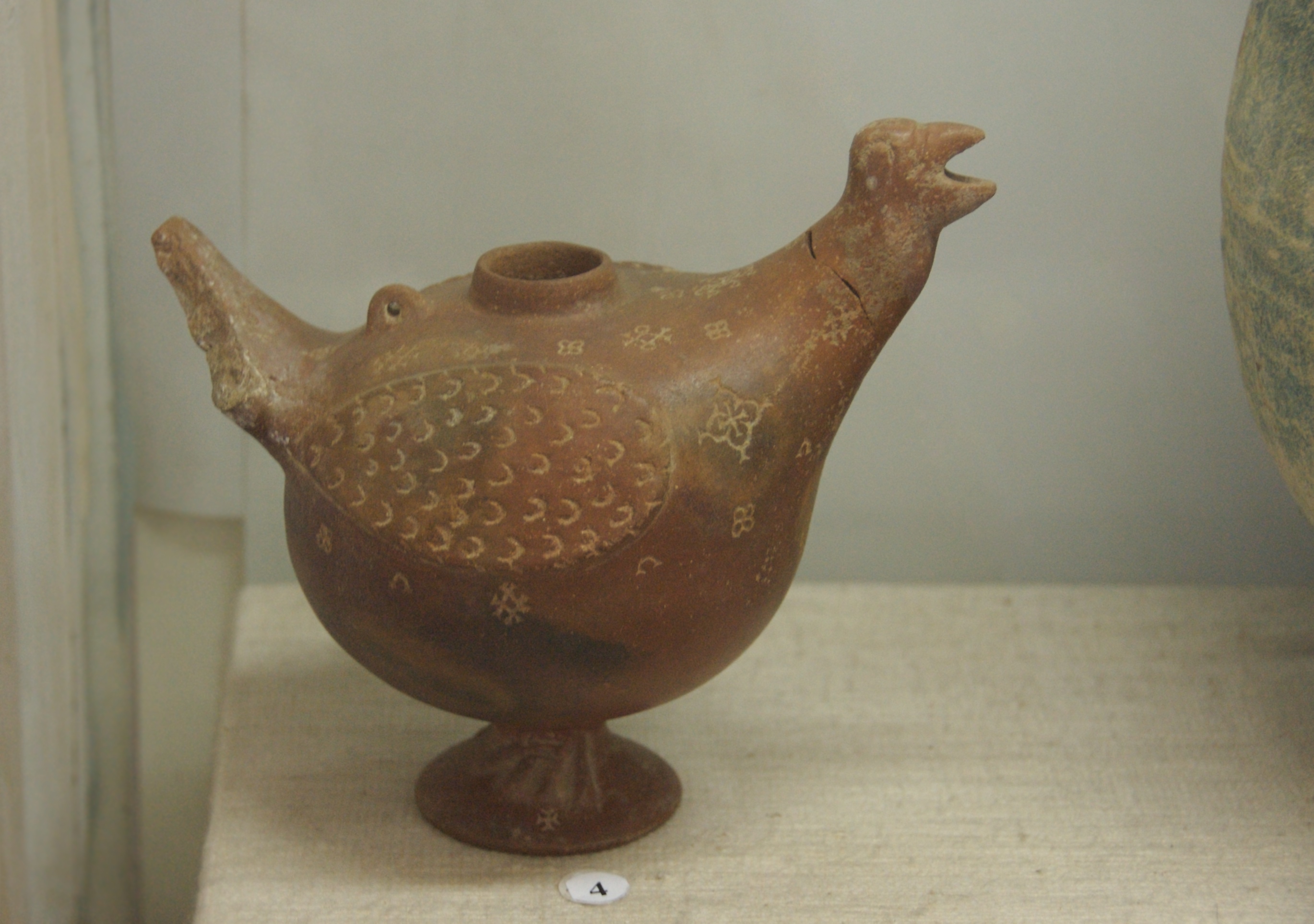
Numerous artifacts have been discovered at Matara, one of the most significant of any archaeological site in the region for its time period. Among these finds is a remarkable bronze lamp depicting an ibex being hunted by a dog—a motif commonly found in southern Arabia. The ibex was the most frequently represented animal in southern Arabia during early antiquity, and its hunting was considered a religious ritual. It remains the national animal of Oman, Qatar, and the UAE. Other notable discoveries include miniature statues depicting women, a uniquely bird-shaped vase, and several bowls dating to late antiquity adorned with Christian iconography.
Matara Today
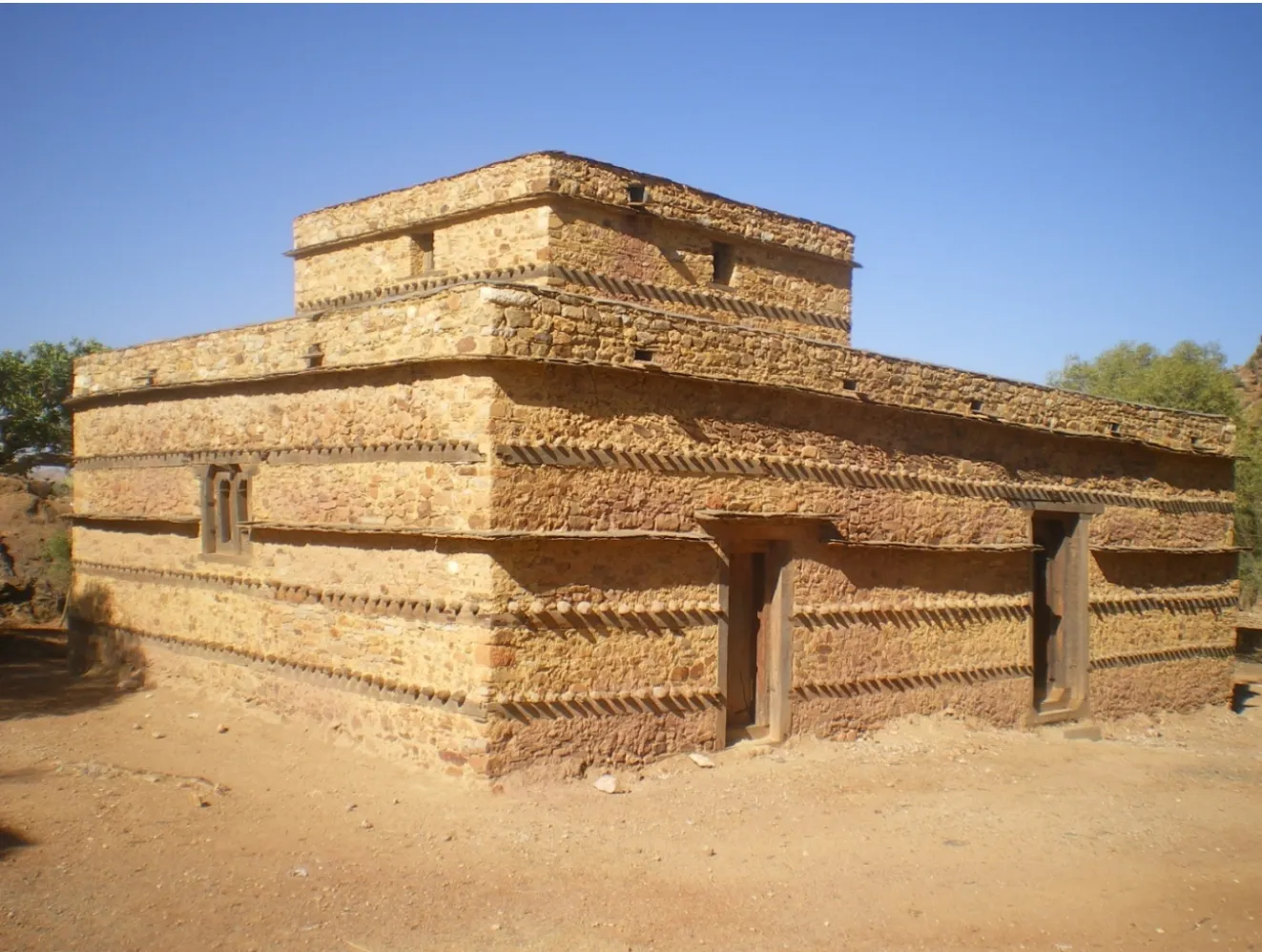
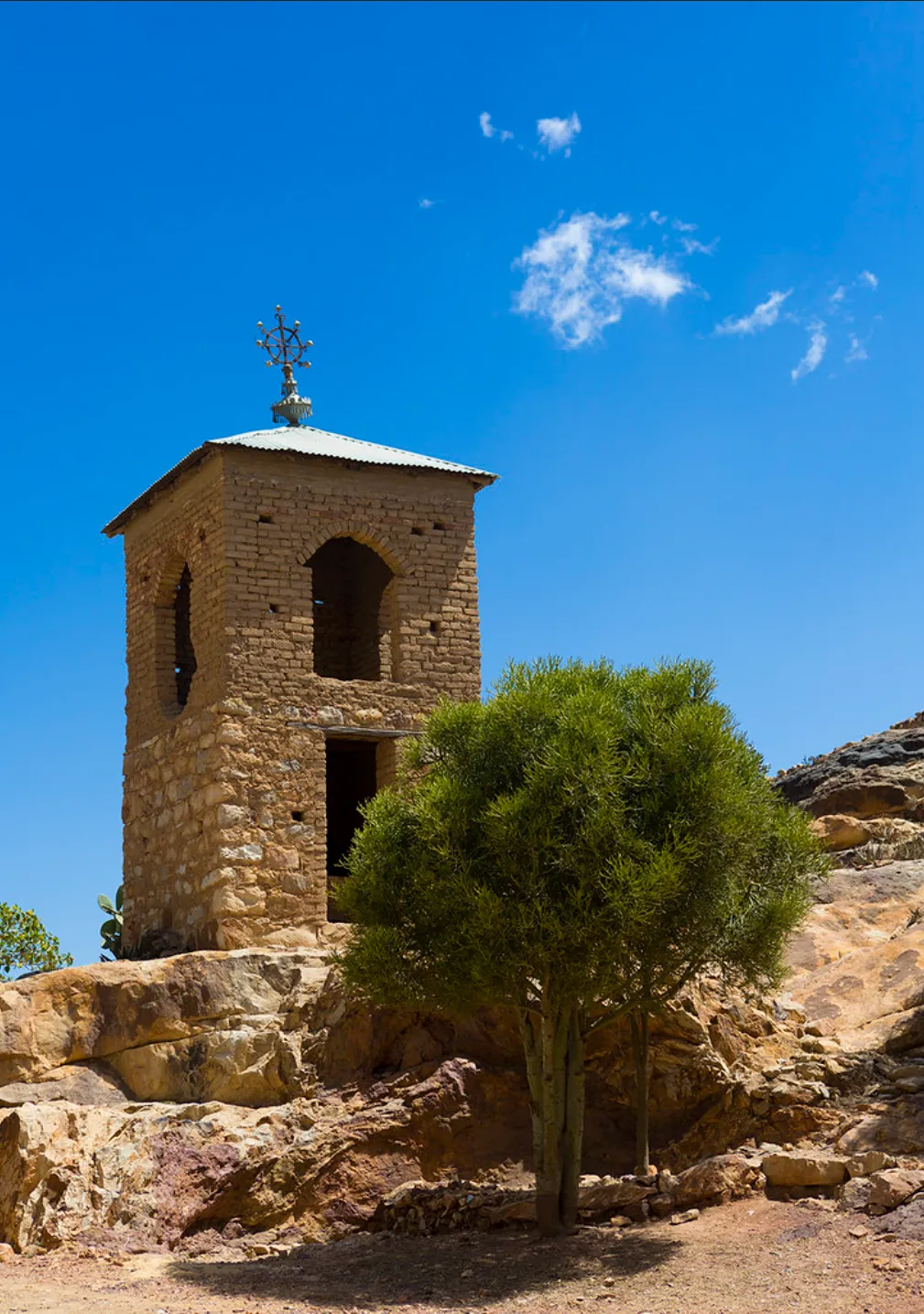
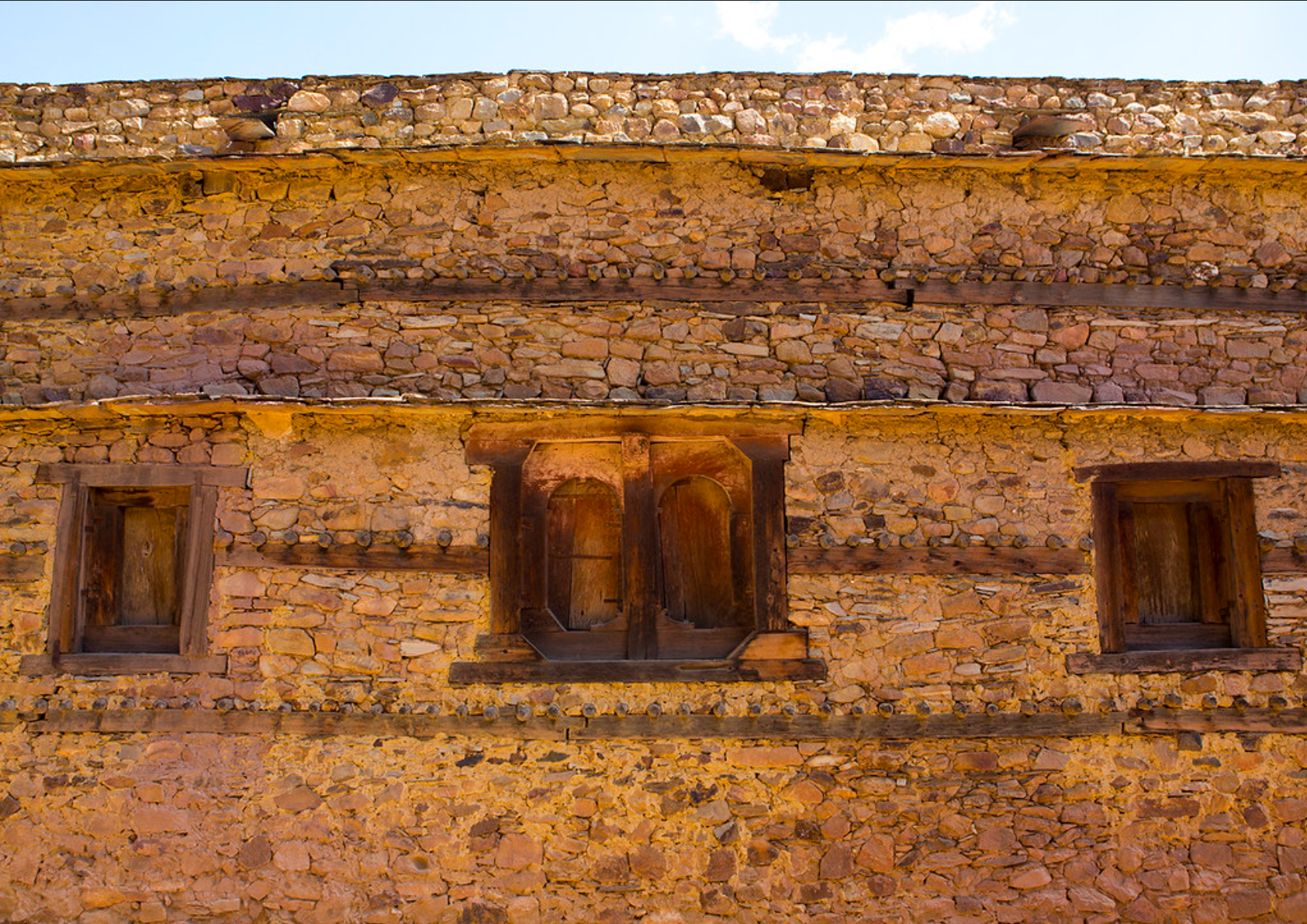
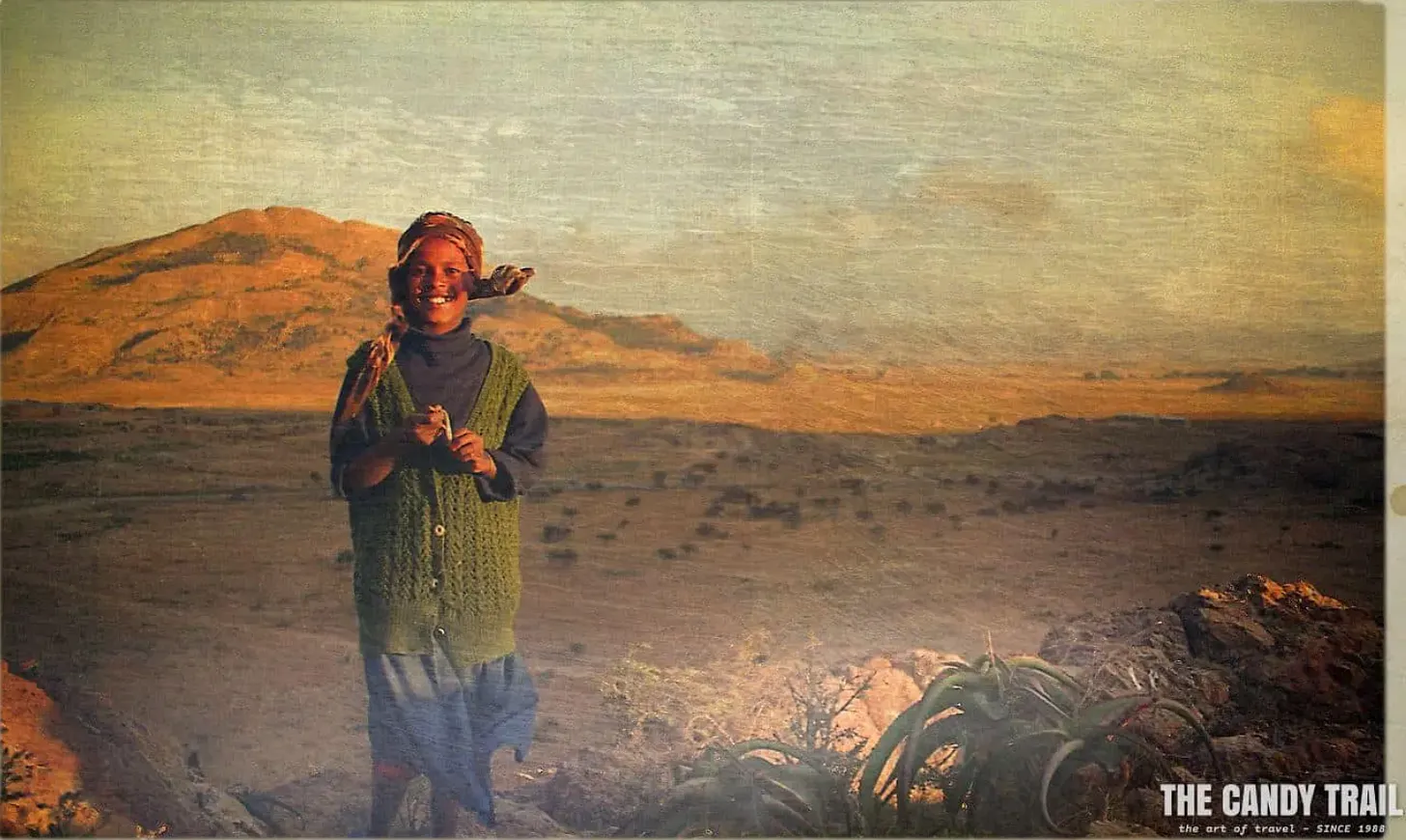
While all that remains of this ancient city are stone ruins, the nearby village of Matara endures, preserving echoes of its millennia-old heritage in both its architecture and people. One notable example is the Church of Kidane Mehret, constructed using the “monkey-head” technique, where timber is interlaced with stone, and wooden frames support doors and windows (an architectural style that was also used during Matara’s antiquity). Although this church dates to the early medieval period (16th century16), it likely reflects the construction methods of earlier structures in Matara. The nearby bell tower, built from tightly fitted stone, offers yet another glimpse into the region’s ancient past.
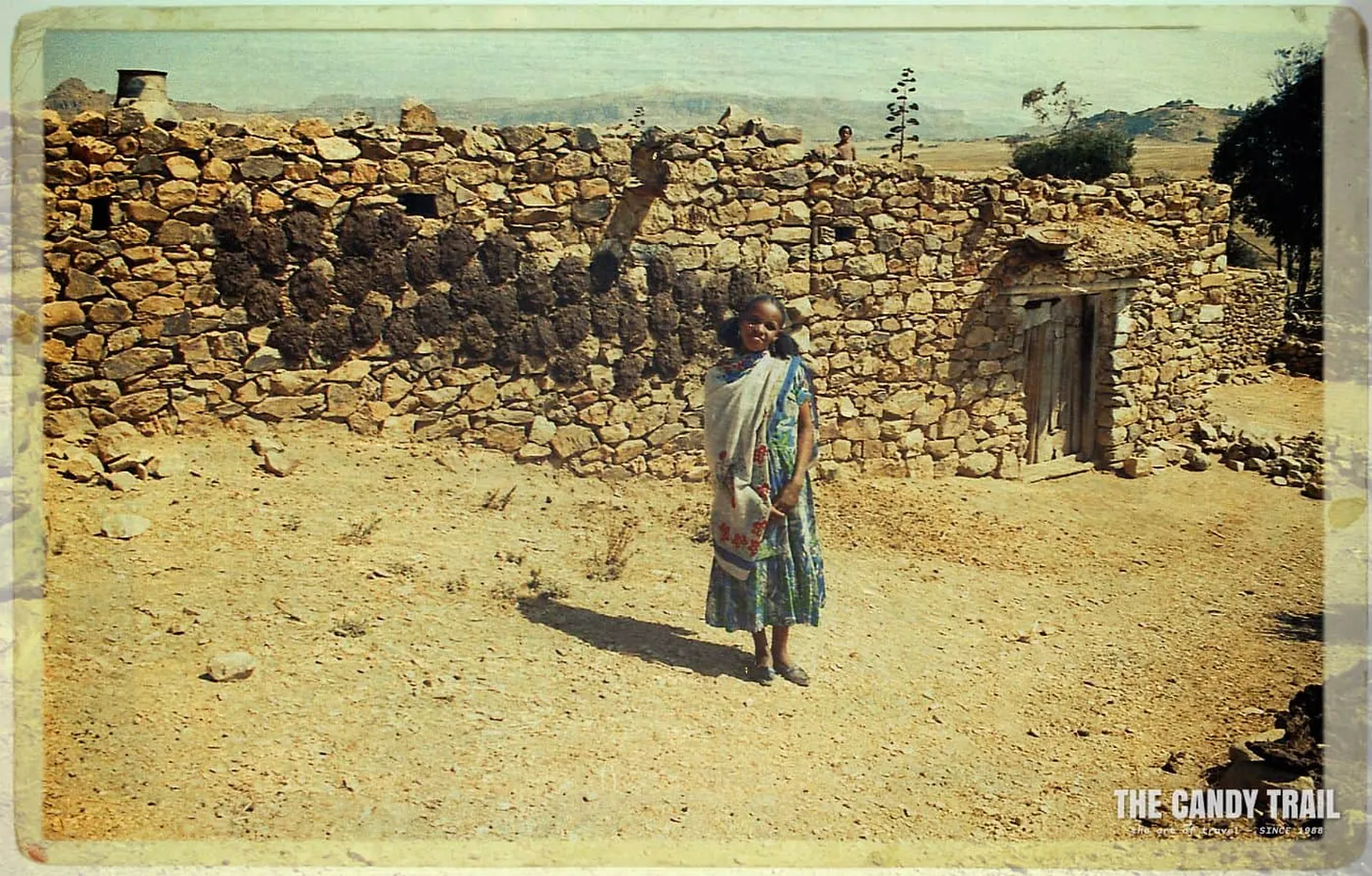
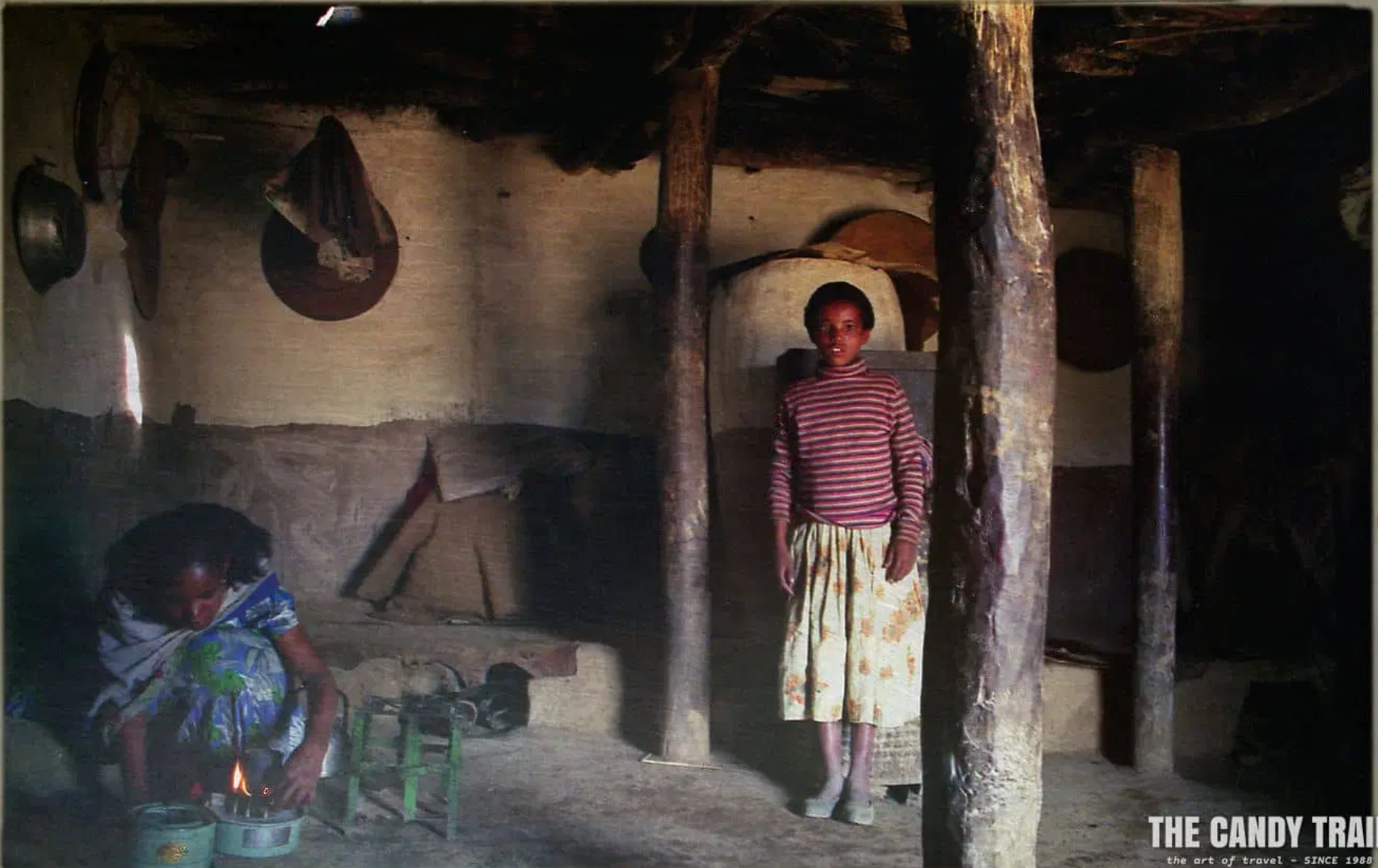
The houses at Matara are still constructed from stone, with interiors supported by timber beams, following the traditional Hidmo architectural style. Undoubtedly, the homes of Matara millennia ago bore a similar appearance, and its people were just as hospitable.
Related Videos On Matara:
Footnotes
Iscriptions de l'Ethiopie des périodes pré-axoumite et axoumite, pg 422-476
Recueil des inscriptions de l’Ethiopie des périodes pré-axoumite et axoumite, page 435
https://endabrukh.wordpress.com/2012/05/06/i-dig-it-pt-1/
Matara: the Archaeological Investigation of a City of Ancient Eritrea , pg 18
The Obelisk of Maṭara, pg 27
New data on ‘GZ, Son of a King, From a 3d c. AD Unvocalized Gәᶜәz Inscription (Ḥәnzat, Tәgray), pg 17
Matara: the Archaeological Investigation of a City of Ancient Eritrea, pg 18
The Obelisk of Maṭara, pg 31
New data on ‘GZ, Son of a King, From a 3d c. AD Unvocalized Gәᶜәz Inscription (Ḥәnzat, Tәgray), pg 13
https://endabrukh.wordpress.com/2012/05/06/i-dig-it-pt-1/
Première campagne de fouilles à Maṭarā (Nov. 1959- Janv. 1960), pg 100
VITA DEI GIUSTI » MISSIONARI DELL’ETIOPIA NEL SESTO SECOLO:
VARIANTI E INNO, pg 378
Gädlä ṣadkān: an Ethiopic text of the first Syriac boskoi-missionaries in Late Antique Axum, pg 532
Matara: the Archaeological Investigation of a City of Ancient Eritrea , pg 27
Matara: the Archaeological Investigation of a City of Ancient Eritrea , pg 25
The Restoration of Kidane Mehret Church in Sen’afe, 714

Published comments
Loading discussion…