What the record shows
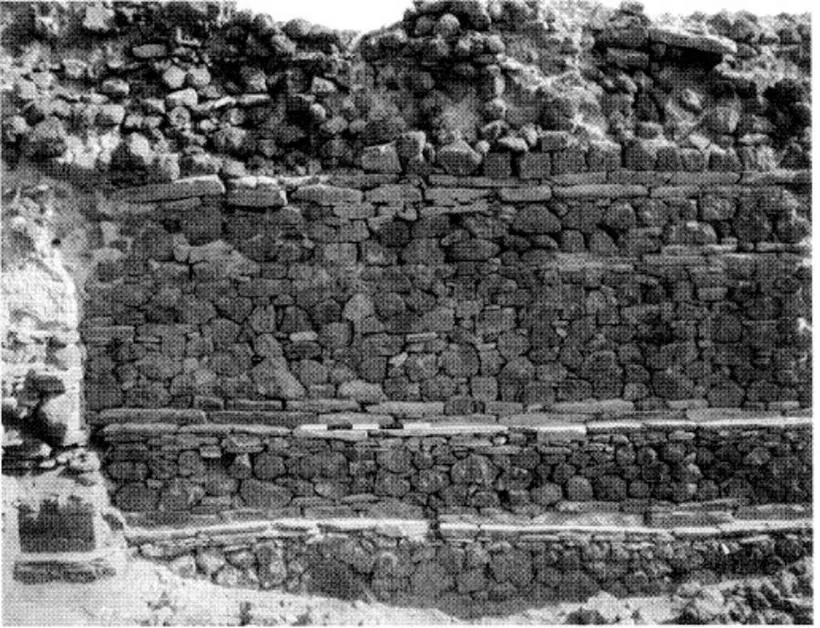
Figure 284 Temple A southern walls excavated by Paribeni. Note the six courses visible. Image reproduced form Paribeni (1907)
Source record notes
Original catalogue wording is retained below, including records brought together as one work.
- Temple A southern walls excavated by Paribeni. Note the six courses visible. Image reproduced form Paribeni — Figure 284
Figure 284 Temple A southern walls excavated by Paribeni. Note the six courses visible. Image reproduced form Paribeni (1907)
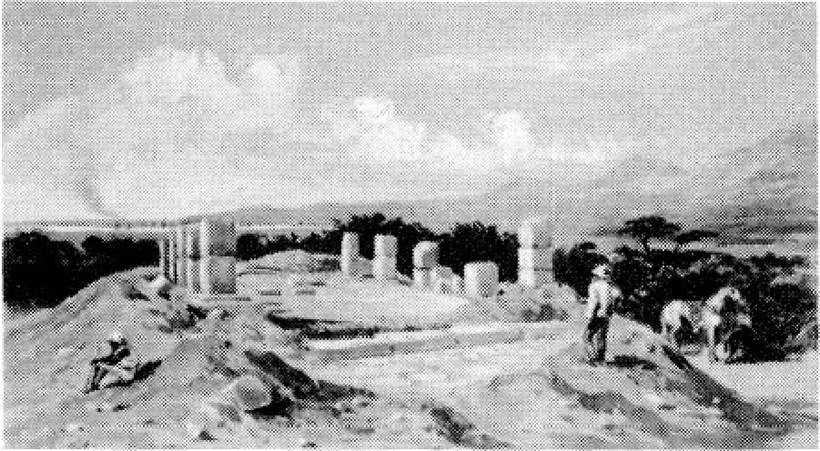
- Temple A excavation image. Note this image — Figure 288
Figure 288 Temple A excavation image. Note this image and Figure 281 have columns that came from Temple A, counting these contributes to the height of the columns used. Image reproduced from Romanelli (1930)
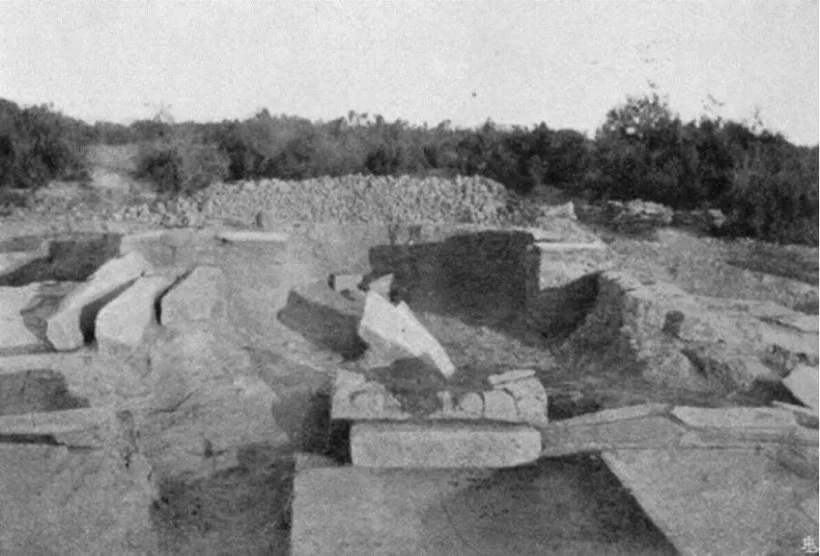
- Temple A excavation image, Facing built form C, D, and E. Image reproduced from Paribeni — Figure 289
Figure 289 Temple A excavation image, Facing built form C, D, and E. Image reproduced from Paribeni (1907)
- Re-excavation at Temple A in 2011. Note the stone stairs at bottom of the picture (not the dirt stairs used by archaeologist to climb up and down). Image Source Solomona Abraha — Figure 290
Figure 290 Re-excavation at Temple A in 2011. Note the stone stairs at bottom of the picture (not the dirt stairs used by archaeologist to climb up and down). Image Source Solomona Abraha
- Re-excavation at Temple A in 2011 This was done by Università Cattolica of Milan. Note the quality of masonry of Grade A in temple A. Image source Diego Salinas — Figure 291
Figure 291 A Re-excavation at Temple A in 2011 This was done by Università Cattolica of Milan. Note the quality of masonry of Grade A in temple A. Image source Diego Salinas
- Place
- Adulis · Northern Red Sea · Eritrea
- Date
- Not recorded in the catalogue
- Structure or site
- Architecture & ruins
- Cited from
- Daniel T. Habtemichael, Modeling the Local Political Economy of Adulis: 1000 BCE - 700 ACE, (2019), p. 397