The epigraphic record

Inscriptions

DʿMT and the Aksumite world, in their own words.

Stone · Bronze · Rock

Sabaic and Geʿez texts, English translations, and the objects that preserve them.

7 inscriptions · earliest first

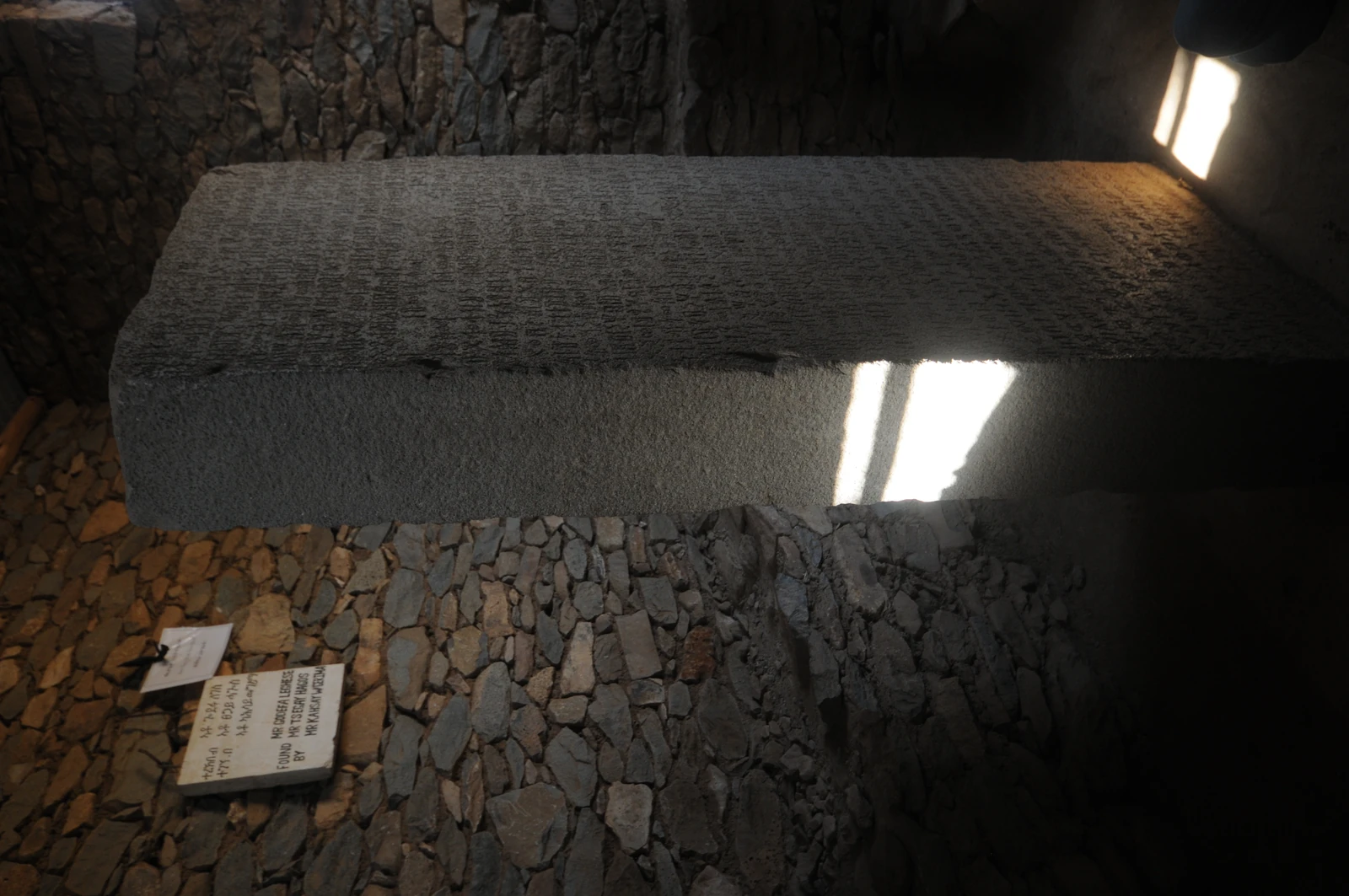
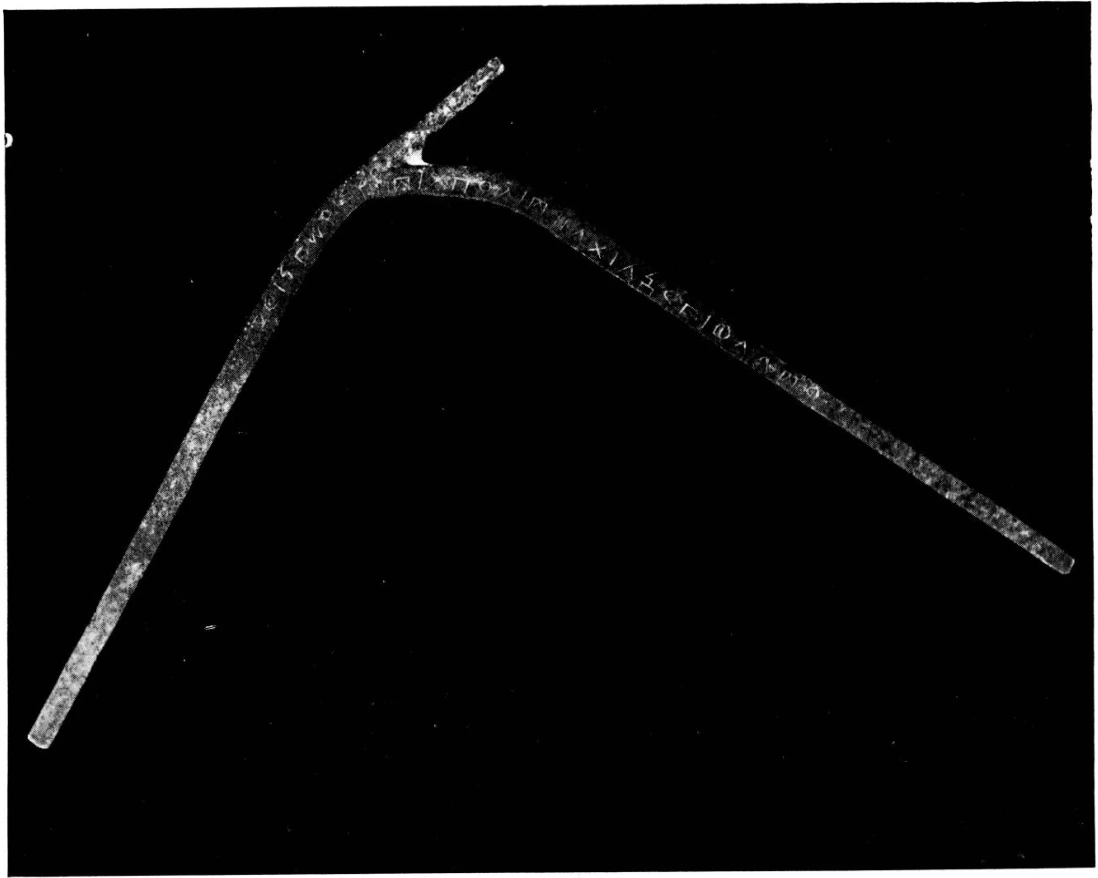
Curved bronze royal object JE 5 from Addi Gelemo, bearing the complete RIÉ 180 Geʿez inscription of GDR, king of Aksum.RIÉ 180

late 2nd–early 3rd century CEAddi Gelemo, Ethiopia

GDR’s inscribed bronze royal object

This complete seven-word Geʿez text on a curved bronze object gives GDR the short title ‘king of Aksum’ and is commonly treated as the earliest surviving indigenous royal inscription of the Aksumite period.
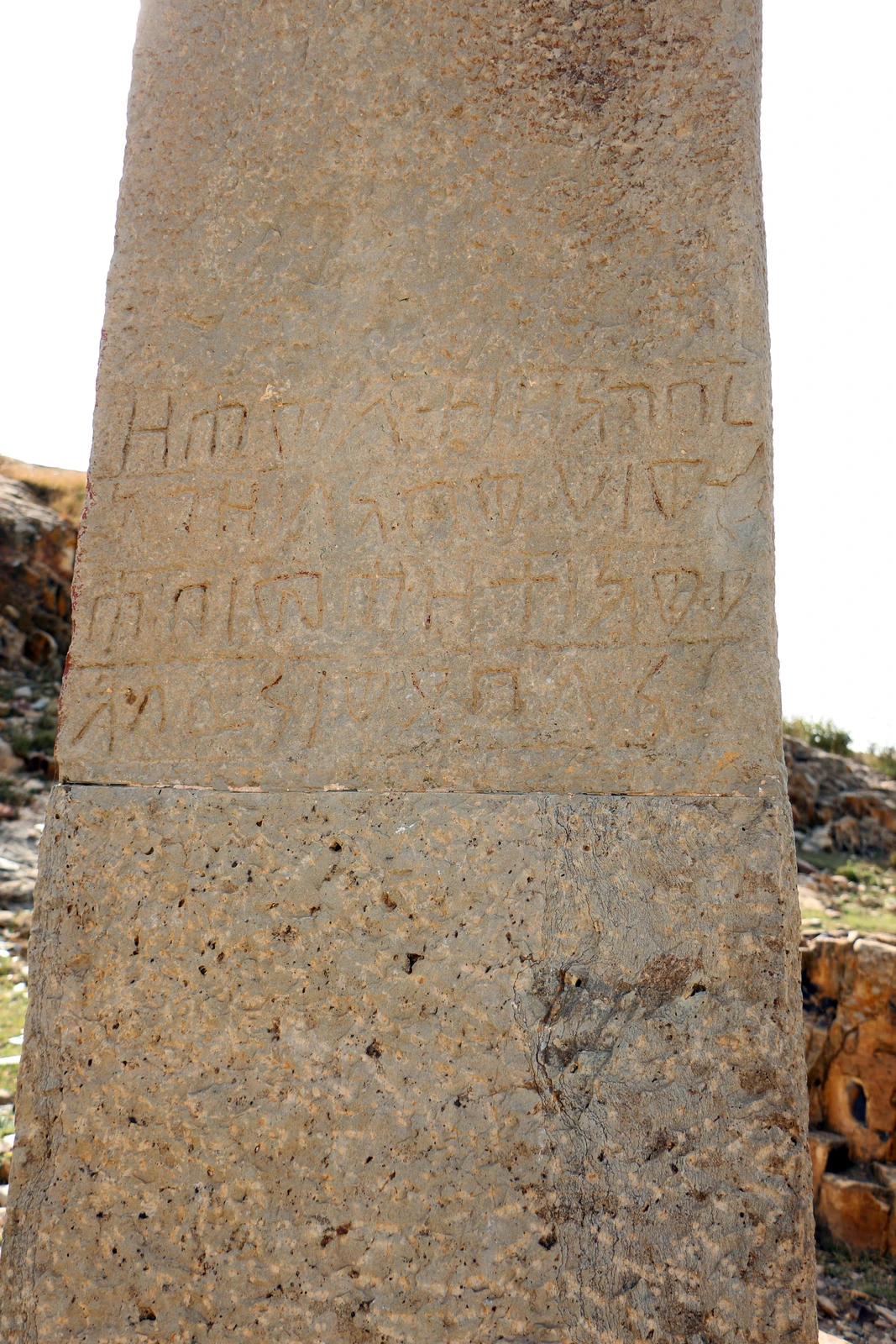
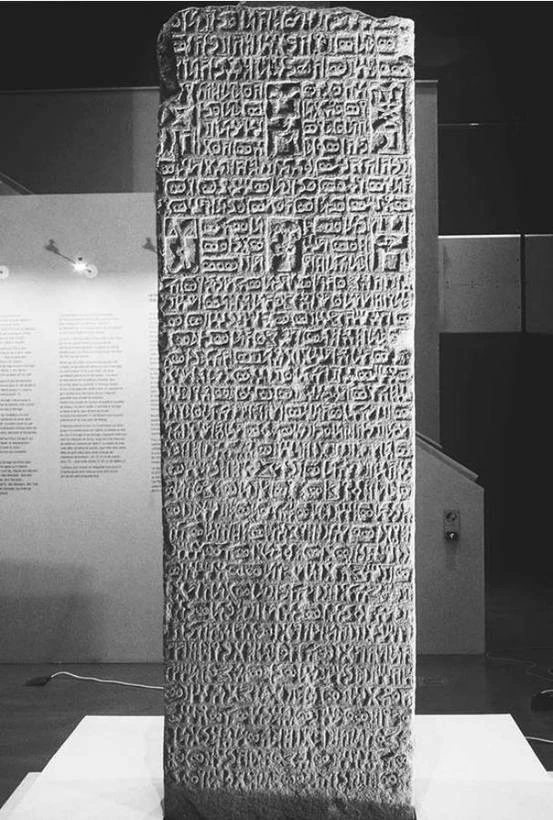
Detail of the Ancient South Arabian CIH 308 inscription from the temple of Taʾlab Riyam, naming GDRT and the Sabaean–Aksumite alliance.CIH 308

ca. 195–215 CEJabal Riyām, Yemen

GDRT and the Sabaean alliance

A Sabaean royal dedication records an embassy from GDRT, king of Ḥabašat, and the conclusion of a military and diplomatic alliance between Sabaʾ and the Aksumite ruler.

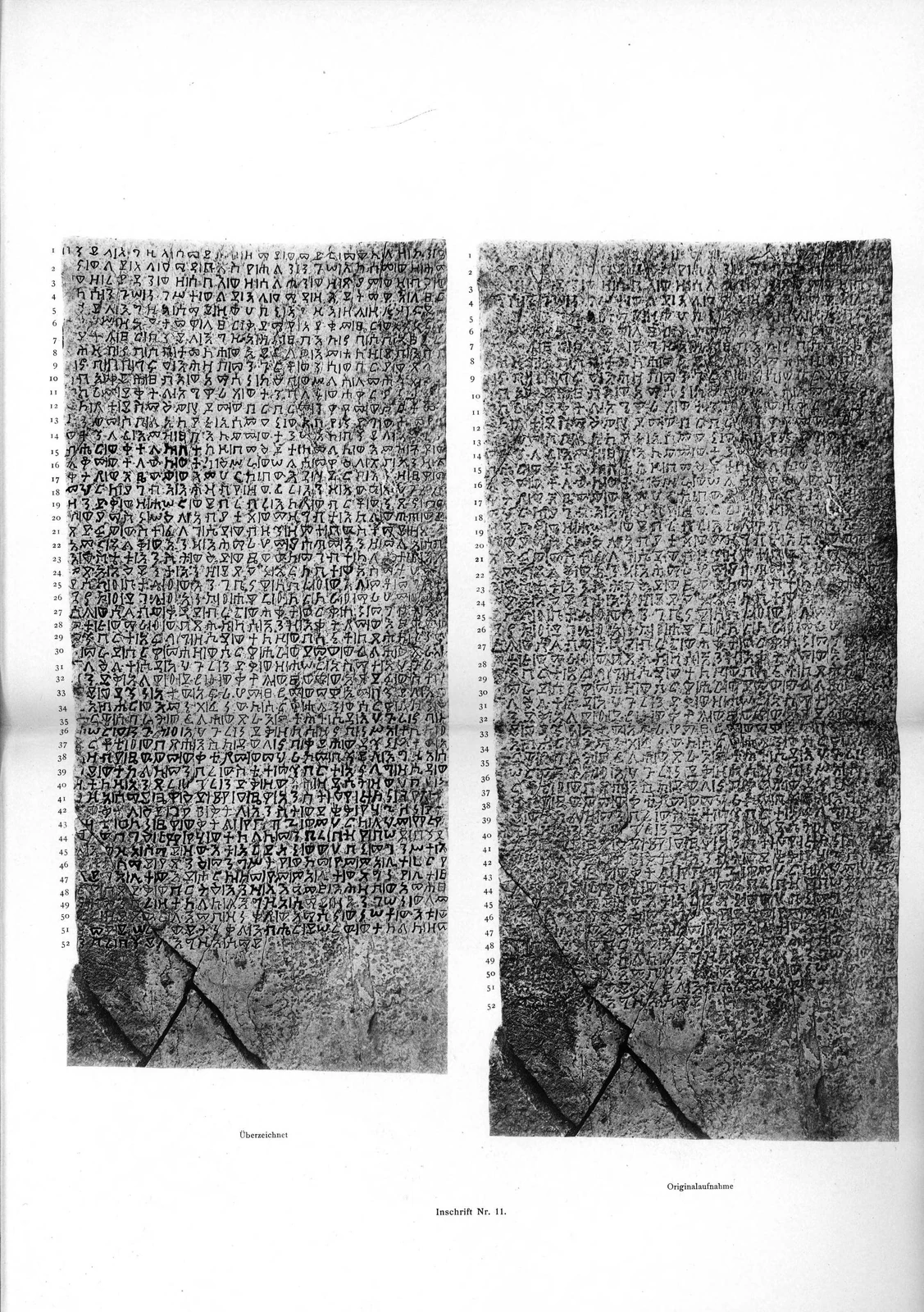
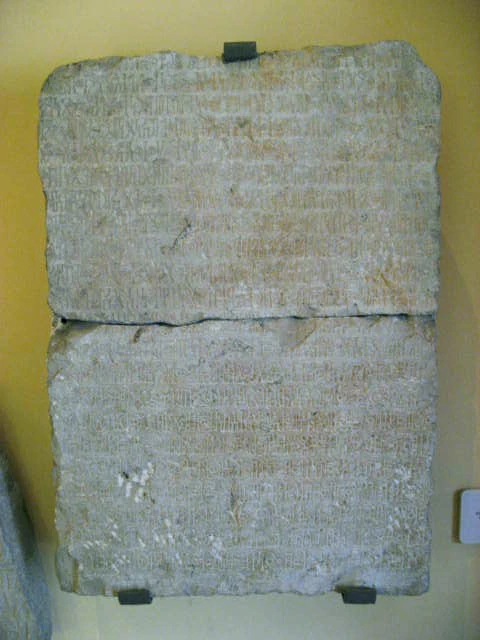
Deutsche Aksum-Expedition photograph of the 52-line RIÉ 189 Ethiopic inscription recording Ezana’s Noba campaign.RIÉ 189

mid-4th century CEAksum, Ethiopia

ʿEzana’s Noba campaign

The inscription presents ʿEzana’s titles and narrates his campaign against the Noba and into Kush, including troop movements, captives, casualties, and livestock totals.

A selection of published inscriptions. Dates and readings follow the cited editions; excerpts are identified on each record.

Sources: DASI · Ancient Arabia · Arabia and Islam · Habesha History corpus