 Addi Akaweh 1
Early 1st millennium–5th/4th c. BCEAddi Akaweh, Ethiopia
Rdʾm and the people of DʿMT
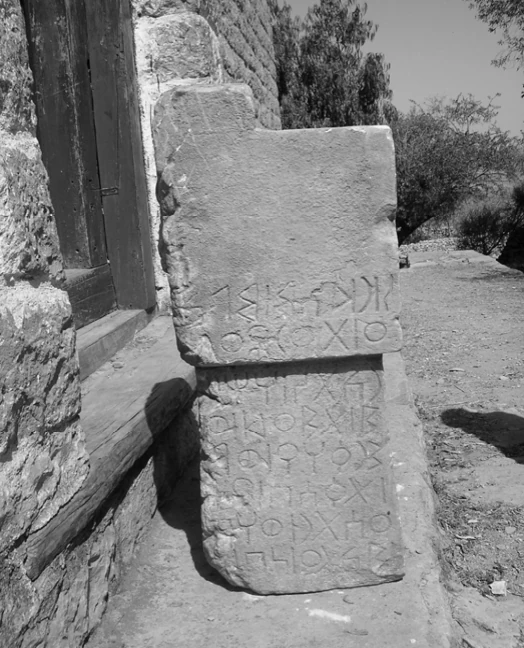
A better-preserved parallel to RIÉ 9 confirms and refines the reading of Rdʾm’s DʿMT formula.
The epigraphic record
DʿMT and the Aksumite world, in their own words.
Sabaic and Geʿez texts, English translations, and the objects that preserve them.
6 inscriptions · earliest first
Addi Akaweh 1Early 1st millennium–5th/4th c. BCEAddi Akaweh, Ethiopia
A better-preserved parallel to RIÉ 9 confirms and refines the reading of Rdʾm’s DʿMT formula.
 MG 3
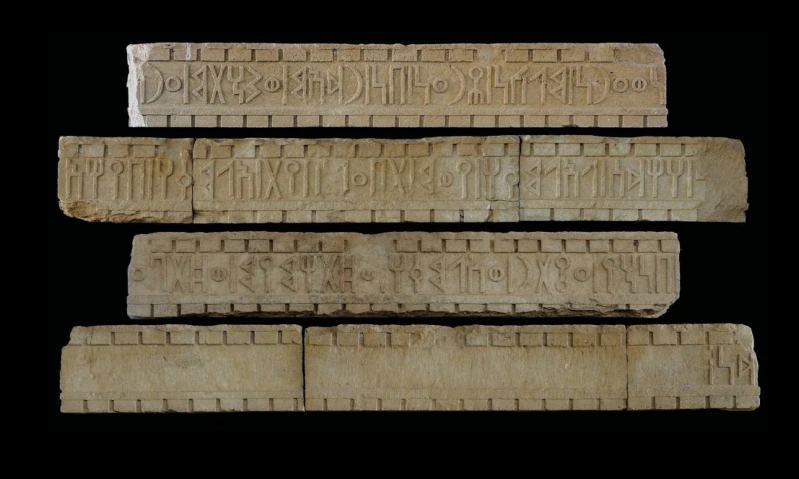
MG 3Early 1st millennium–5th/4th c. BCEMäqabər Gaʿəwa, Ethiopia
An in-situ altar calls Wʿrn the victorious king, son of Rdʾm, and records his leadership of the temple at Yeha, but never names DʿMT.
 RIÉ 1
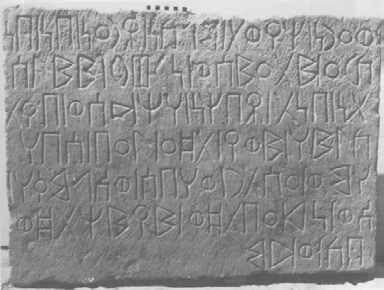
RIÉ 1Early 1st millennium–5th/4th c. BCEAmda Tsyon, Ethiopia
A royal temple-restoration slab naming Wʿrn Ḥywt and a female dynastic figure, but not DʿMT itself.
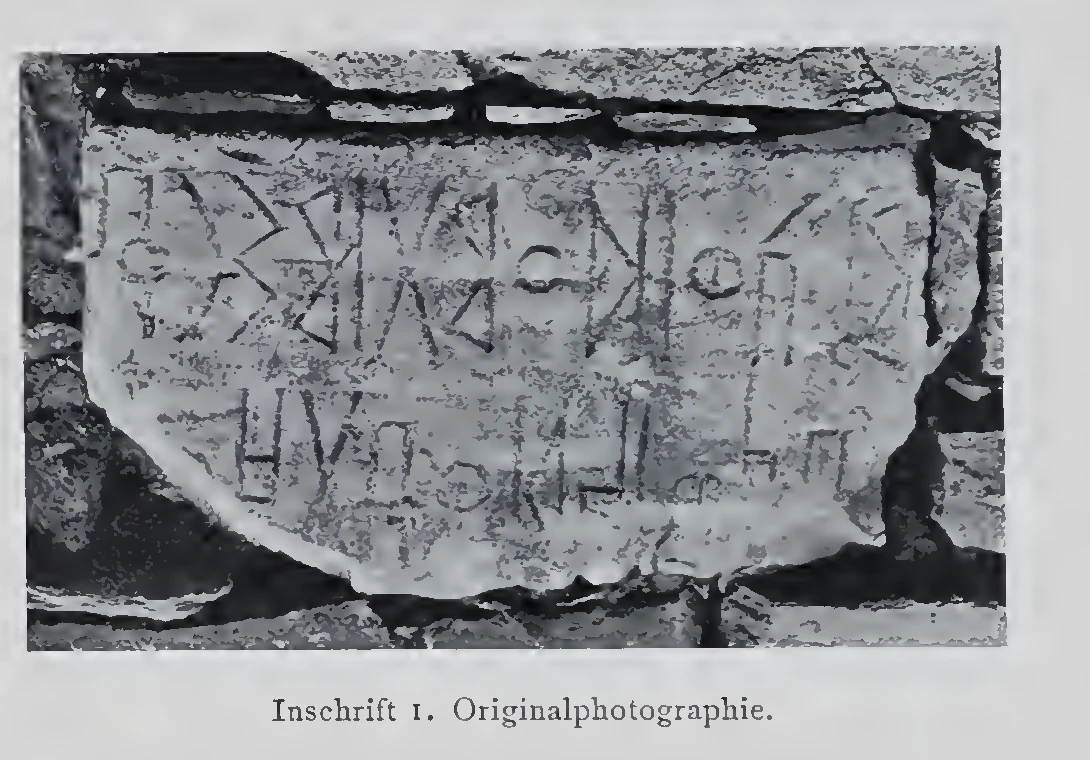 RIÉ 2
RIÉ 2Early 1st millennium–5th/4th c. BCEAbba Pantaleon, Aksum
A two-line royal fragment preserves the formula ‘became king of DʿMT, its east and west’ and the deity ḏt-Bʿdn.
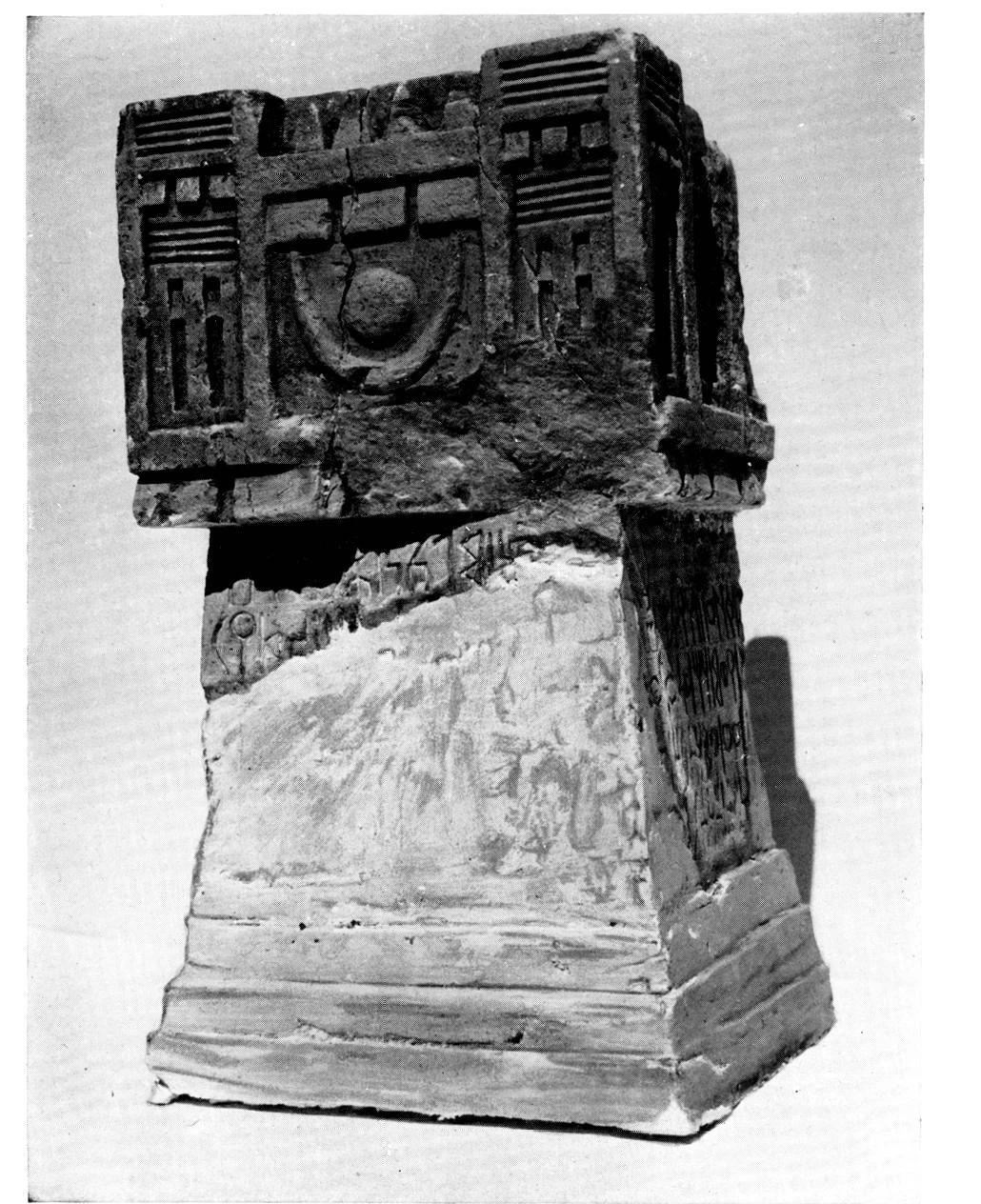 RIÉ 8
RIÉ 8Early 1st millennium–5th/4th c. BCEAddi Gelemo, Ethiopia
The damaged incense burner names Rbḥ as victorious king of Ygʿḏ and mukarrib of DʿMT and Sabaʾ, then invokes his household and fields.
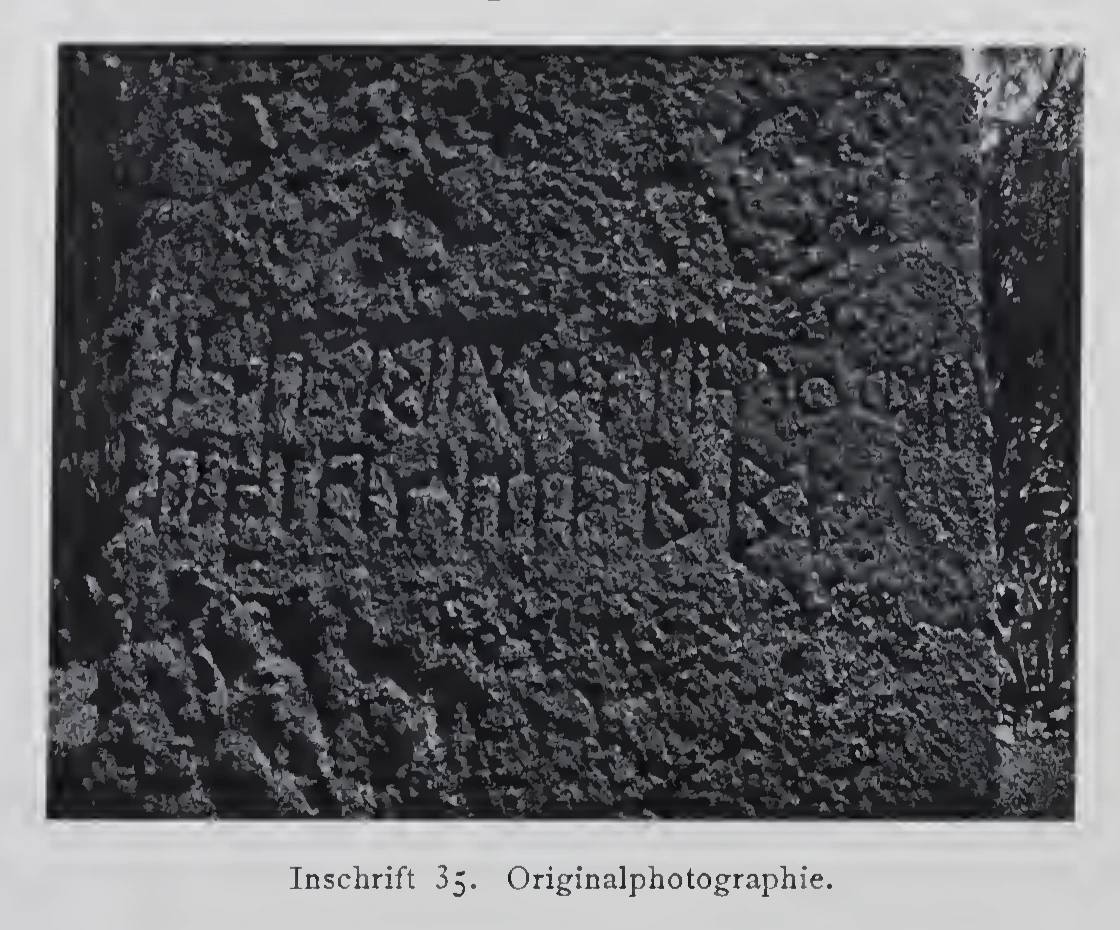 RIÉ 11
Early 1st millennium–5th/4th c. BCEKaskase, Eritrea
A terse two-line column inscription names Wʿrn Ḥywt and his descent from S¹lmm, without naming DʿMT.