 RIÉ 77
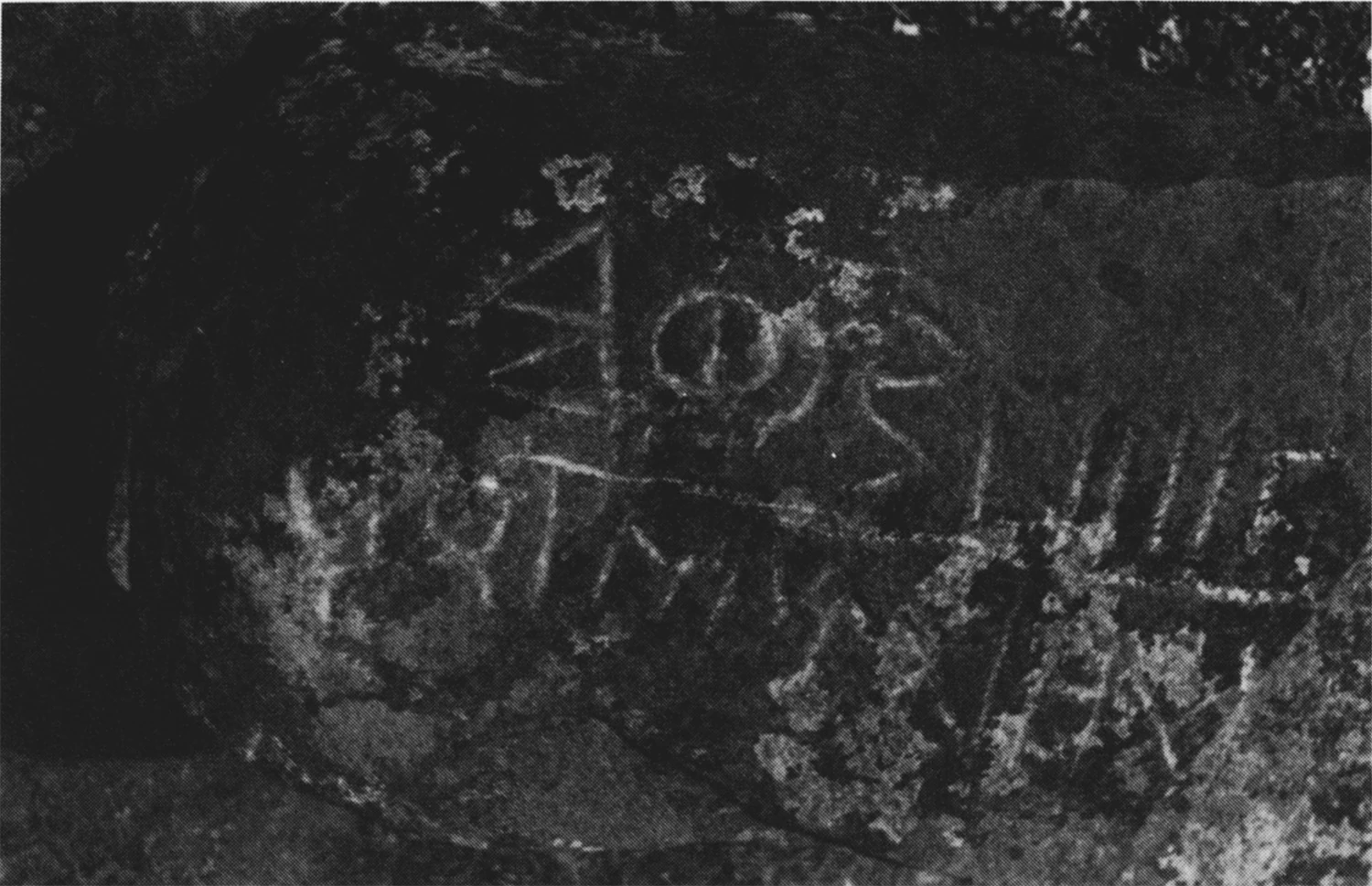
RIÉ 77Early 1st millennium–5th/4th c. BCE (DASI Period A)Feqya, Senafe, Eritrea
RIÉ 77: stone piece from Feqya
DASI catalogues this dedicatory text - fragmentary on a stone piece of stone from Feqya, Eritrea.
𐩪𐩦𐩧𐩥𐩣 [... ...]
418 inscriptions
DʿMT and Aksumite texts in their attested scripts, with published translations and exact sources.
163 inscriptions in chronological order
RIÉ 77RIÉ 77Early 1st millennium–5th/4th c. BCE (DASI Period A)Feqya, Senafe, Eritrea
DASI catalogues this dedicatory text - fragmentary on a stone piece of stone from Feqya, Eritrea.
𐩪𐩦𐩧𐩥𐩣 [... ...]
 RIÉ 78
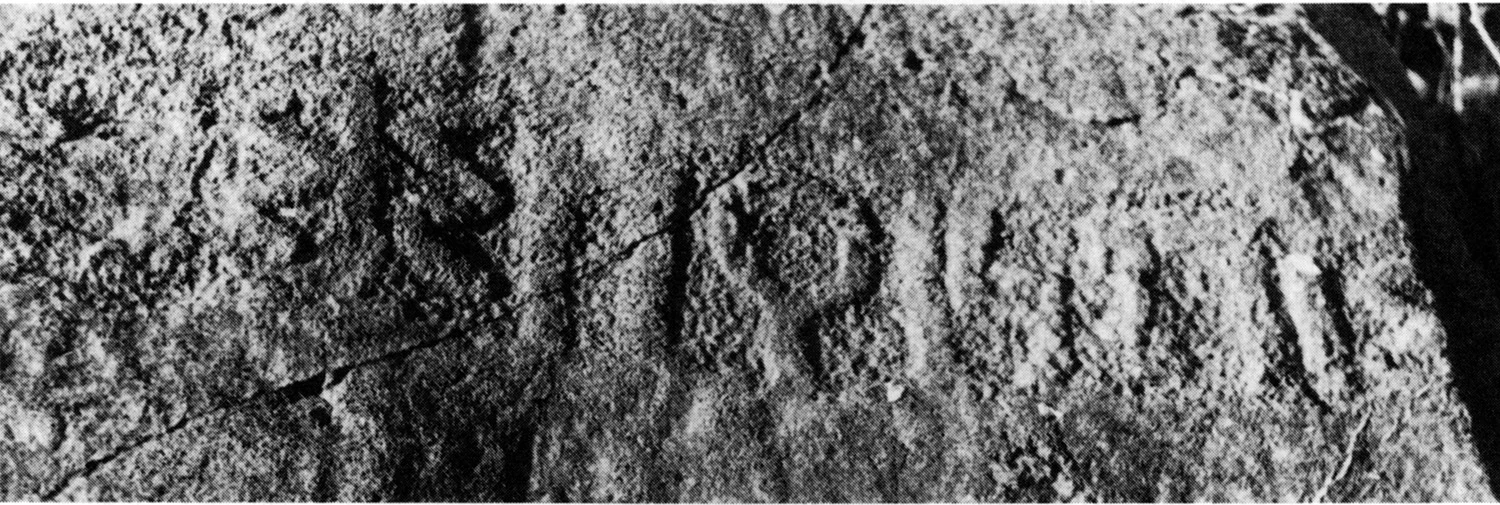
RIÉ 78Early 1st millennium–5th/4th c. BCE (DASI Period A)Feqya, Senafe, Eritrea
DASI catalogues this dedicatory text - fragmentary (conjectural) on a stone piece of stone from Feqya, Eritrea.
[... ...](𐩣)((𐩦)) 𐩨𐩬 𐩺𐩨𐩦𐩣
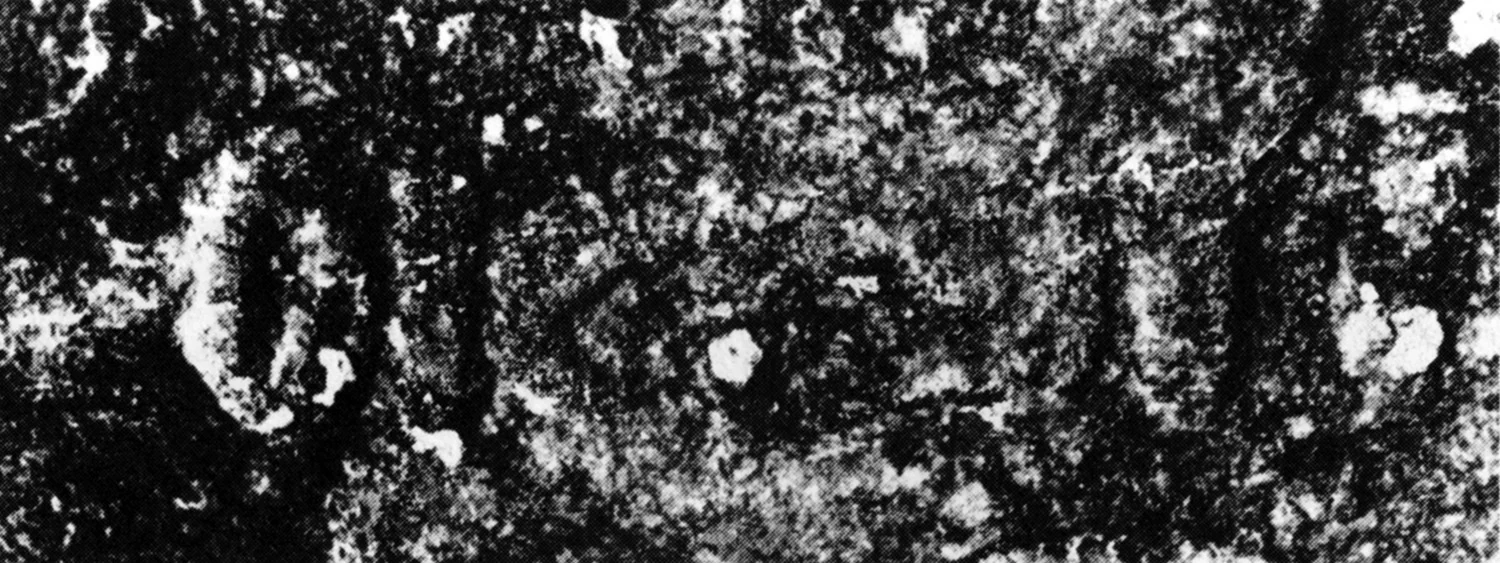 RIÉ 79
RIÉ 79Early 1st millennium–5th/4th c. BCE (DASI Period A)Feqya, Senafe, Eritrea
DASI catalogues this inscription on a stone piece of stone from Feqya, Eritrea.
𐩧𐩵𐩱((𐩧𐩵𐩱))
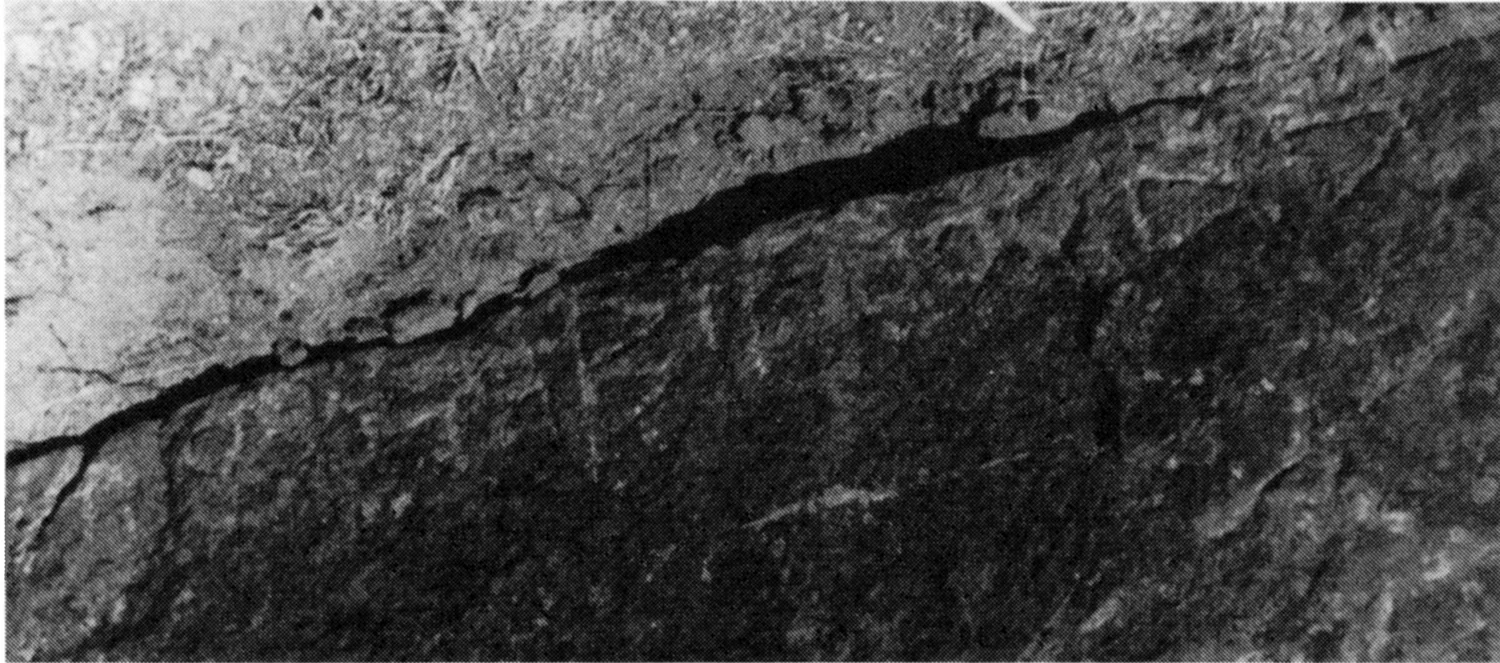 RIÉ 81
RIÉ 81Early 1st millennium–5th/4th c. BCE (DASI Period A)Feqya, Senafe, Eritrea
DASI catalogues this inscription on a stone piece of stone from Feqya, Eritrea.
𐩺𐩢𐩬𐩬𐩣 𐩨𐩬 𐩲𐩺𐩵𐩵
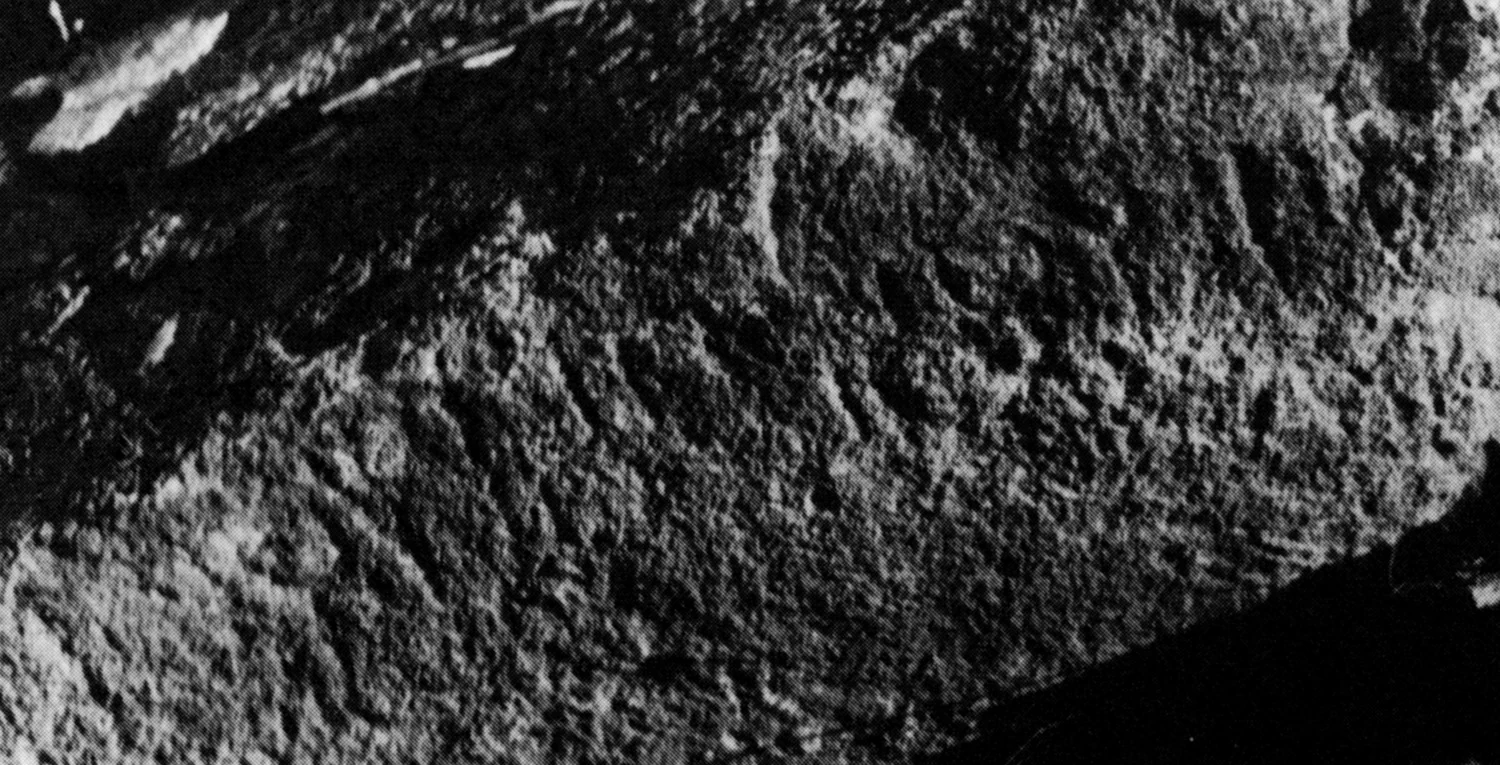 RIÉ 82
RIÉ 82Early 1st millennium–5th/4th c. BCE (DASI Period A)Feqya, Senafe, Eritrea
DASI catalogues this inscription on a stone piece of stone from Feqya, Eritrea.
𐩠𐩲𐩬 𐩨𐩬 𐩢𐩺𐩥
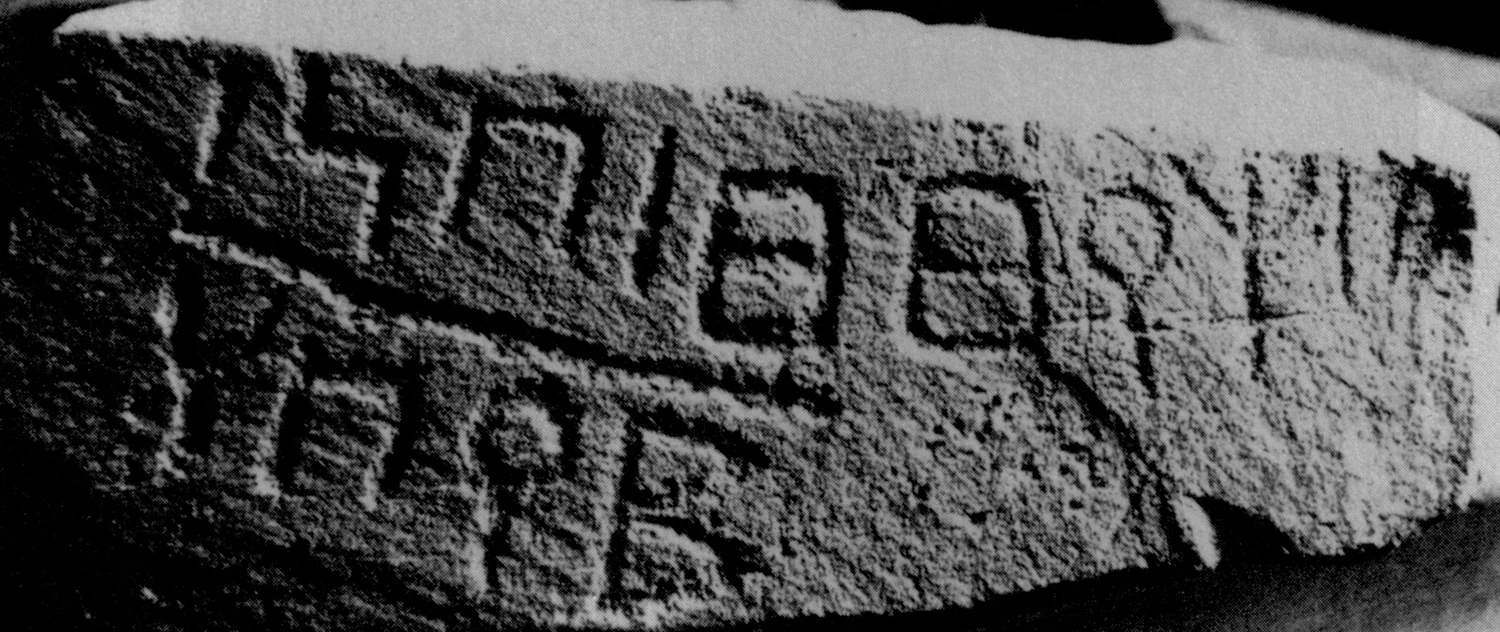 RIÉ 83
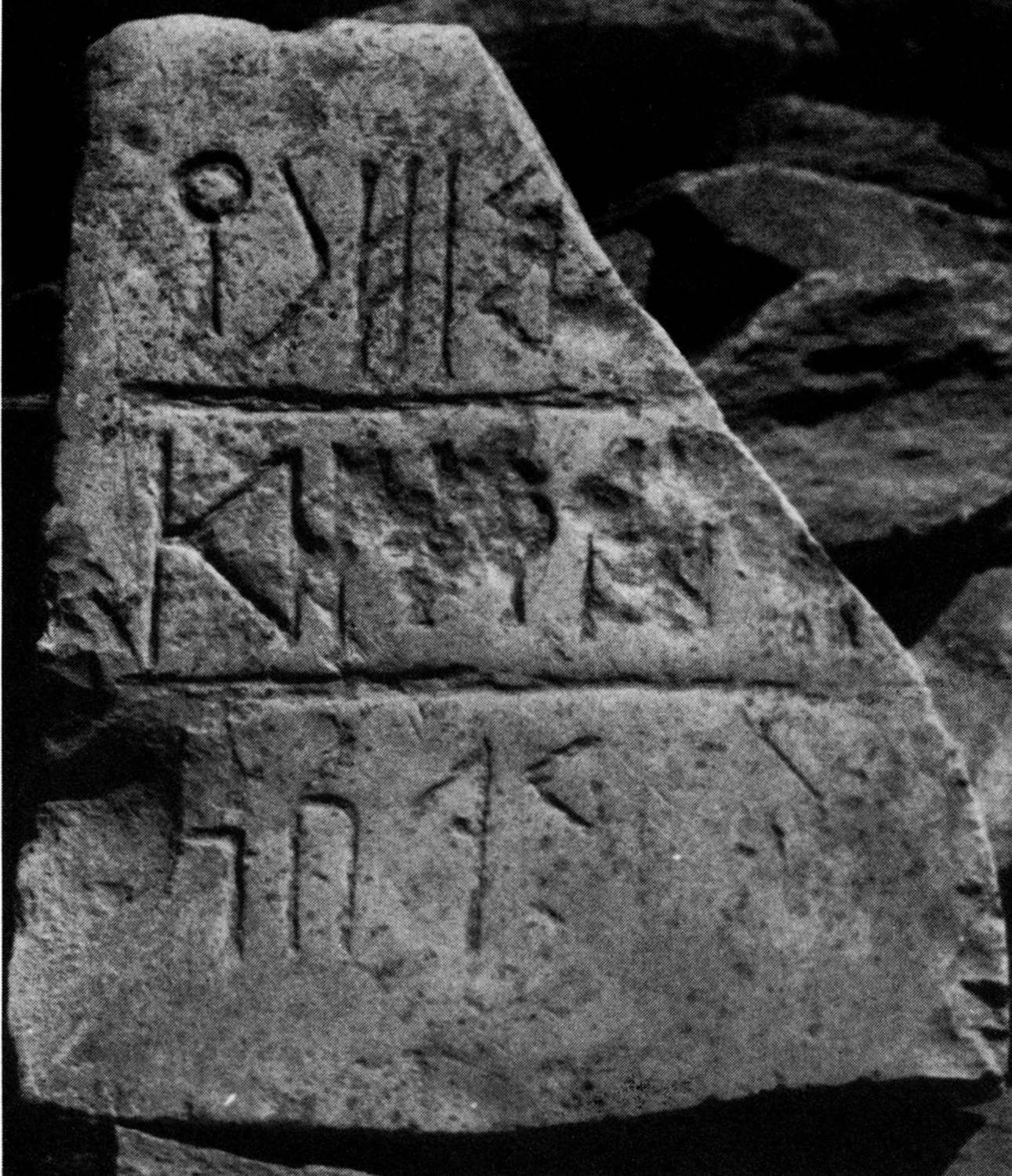
RIÉ 83Early 1st millennium–5th/4th c. BCE (DASI Period A)Barachit, Debub, Eritrea
DASI catalogues this inscription on a stone piece of stone from Barachit, Eritrea, now recorded at Asmara.
𐩢𐩺𐩳𐩳 𐩨𐩬|
 RIÉ 84
RIÉ 84Early 1st millennium–5th/4th c. BCE (DASI Period A)Dera, Eritrea
DASI catalogues this dedicatory text - fragmentary on a slab of stone from Dera, Eritrea.
[... ...]𐩣 𐩹-𐩧𐩺—
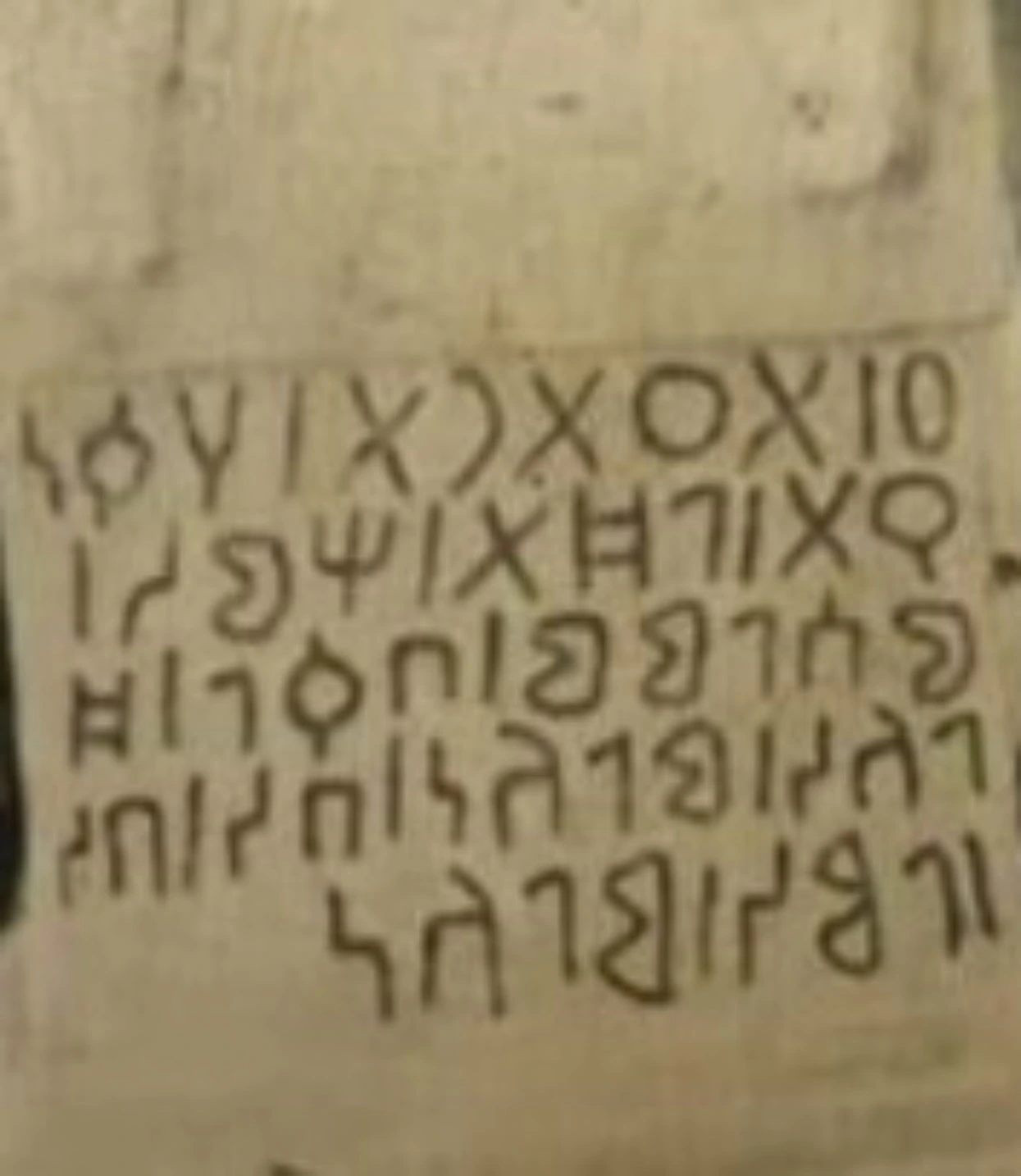 GE Ṣ́ǝrḥan 1 · Altar dedication · Photograph
GE Ṣ́ǝrḥan 1First half of the 1st millennium BCEṢ́ǝrḥan, Aḥfärom, Tǝgray, Ethiopia
A woman named Taʿattarat dedicated a Maslam altar to ḏāt Ḥamēn under the authority of the previously unattested king ḏū Lakkān, grandson of king Lāmān.
◊ / 𐩩𐩲𐩩𐩧𐩩 / 𐩠𐩤𐩬
No verified photograph or facsimile of this artifact has been retrieved.
RIÉ 38Pre-Aksumite period; precise date uncertainYeha
Surviving fragment, partly interpreted. The beginning is lost. The readings and meanings of the intervening words are uncertain; the final protective formula is translated by the edition.
Native-script transcription is not available here.
No verified photograph or facsimile of this artifact has been retrieved.
RIÉ 47Pre-Aksumite period; precise date uncertainYeha
Surviving text, partly interpreted. mṭry designates the altar but its precise meaning is uncertain. The final sequence ws nsb tyw remains uninterpreted; “projection” describes the stone surface.
Native-script transcription is not available here.
No verified photograph or facsimile of this artifact has been retrieved.
RIÉ 58Pre-Aksumite period; precise date uncertainMatara during the excavation of the mound B
Surviving dedicatory fragment. The beginning, ending, and part of the divine name are lost; brackets retain the edition’s restoration.
Native-script transcription is not available here.
No verified photograph or facsimile of this artifact has been retrieved.
RIÉ 64Pre-Aksumite period; precise date uncertainMatara during the excavation of the mound E2
Probable personal name. The same letter sequence names the tribe Bakīl elsewhere, but the edition considers a personal name more likely here.
BKLM
No verified photograph or facsimile of this artifact has been retrieved.
RIÉ 68Pre-Aksumite period; precise date uncertainMatara
Name; other marks uninterpreted. Two m signs on the right-hand stone remain uninterpreted.
ʿNYM
No verified photograph or facsimile of this artifact has been retrieved.
RIÉ 69Pre-Aksumite period; precise date uncertainDibdib
Published translation of the three-line dedication. DWL may designate a locality, region, people, or tribe; the edition does not resolve which.
Native-script transcription is not available here.
No verified photograph or facsimile of this artifact has been retrieved.
RIÉ 74Pre-Aksumite period; precise date uncertainFeqya, engraved on a stone
Surviving dedication with editorial restoration. The lost verb could have been singular or plural. <This stone> is supplied from the object, not a surviving word.
Native-script transcription is not available here.
No verified photograph or facsimile of this artifact has been retrieved.
RIÉ 75Pre-Aksumite period; precise date uncertainFeqya, engraved on a stone
Published translation of the surviving three-line dedication. <This stone> is supplied from the object. HYW is probably a co-dedicant.
Native-script transcription is not available here.
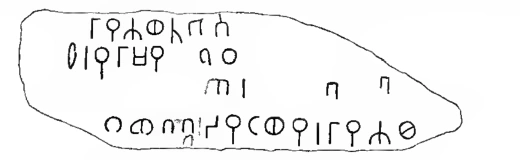 DAE IV no. 36, printed p. 63; facsimile corresponding to RIÉ 85.
RIÉ 85Pre-Aksumite period; precise date uncertainTokhonda, engraved on a stone
Published translation of two short texts. The divine names in Text II are probable readings; the etymology of YGDY is uncertain.
YGDY / ḤBS // [ʿW]B / NYRWY
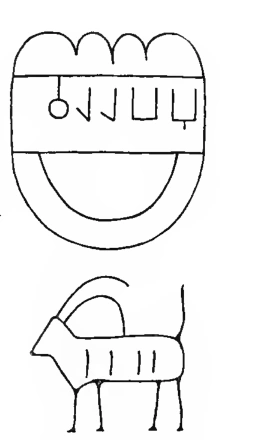 DAE IV no. 37, printed p. 63; facsimile corresponding to RIÉ 86.
RIÉ 86Pre-Aksumite period; precise date uncertainTokhonda, engraved on a stone
Probable personal name. The name is otherwise unknown; its proposed compound structure has no convincing etymology.
SBGLY
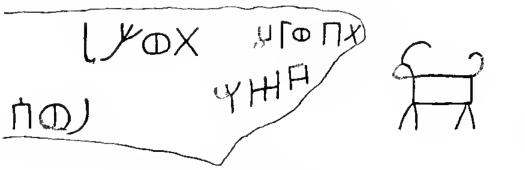 DAE IV no. 38, printed p. 64; facsimile corresponding to RIÉ 87.
RIÉ 87Pre-Aksumite period; precise date uncertainTokhonda, engraved on a stone
Preferred identification within an uncertain text. Drewes prefers a personal-name interpretation of ḤYWT over Littmann’s tentative ‘for the life of ʾAgʷabat’; the exact form and etymology of the other names remain doubtful.
ḤYWT (?)
No verified photograph or facsimile of this artifact has been retrieved.
RIÉ 88Pre-Aksumite period; precise date uncertainTokhonda, engraved on a stone
Alternative readings of a personal name. Both readings are offered; the root is secure but the final consonant is not.
SMʿN / SMʿS
No verified photograph or facsimile of this artifact has been retrieved.
RIÉ 89Pre-Aksumite period; precise date uncertainKelette Afa, engraved on a stone
Published translation. GʿSY may be a local name; its etymology is uncertain.
WKLʾL bn GʿSY
No verified photograph or facsimile of this artifact has been retrieved.
RIÉ 90Pre-Aksumite period; precise date uncertainLaʿlay ʿAddi, engraved on a stone
Preserved personal name. The same name occurs in RIÉ 91 and 124–126.
GBRN
No verified photograph or facsimile of this artifact has been retrieved.
RIÉ 91Pre-Aksumite period; precise date uncertainLaʿlay ʿAddi, engraved on a stone
Two preserved personal names. The etymology of ḤDBR remains uncertain.
GBRN // ḤDBR
No verified photograph or facsimile of this artifact has been retrieved.
RIÉ 92Pre-Aksumite period; precise date uncertainLaʿlay ʿAddi
Two partly legible names from four texts. Only the names in Texts II and III are more or less legible; the reading and derivation of both remain doubtful.
WNʾN / ʿNʾN (?) // DBRY
Source register
RIÉ 1–443, with separately numbered text versions, supplements, and Arabian witnesses from the checked corpus and DASI. Dates and uncertain identifications follow the cited editions; missing texts, translations, and images are recorded below.
121–180 of 199 entries. Copies and language versions retain their own references.
Pre-Aksumite period; precise date uncertain · Ruba Kodo · Early highland inscription; Old South Arabian alphabet
Two names with one alternative reading. The first reading is insecure; DMLY is clear but its etymology is unknown.
Pre-Aksumite period; precise date uncertain · Zeban Mororo · Early highland inscription; Old South Arabian alphabet
Preserved personal name. It may be local; its root and exact form are uncertain.
Pre-Aksumite period; precise date uncertain · Zeban Mororo · Early highland inscription; Old South Arabian alphabet
Preserved personal name and lexical relation. The final n may be South Arabian nunation; the name may nevertheless be local.
Pre-Aksumite period; precise date uncertain · Zeban Mororo · Early highland inscription; Old South Arabian alphabet
Preserved personal name. The same name occurs in RIÉ 117.
Pre-Aksumite period; precise date uncertain · Zeban Mororo · Early highland inscription; Old South Arabian alphabet
Published translation. Both names are probably local; their precise verbal derivations remain uncertain.
Pre-Aksumite period; precise date uncertain · Zeban Mororo · Early highland inscription; Old South Arabian alphabet
Uninterpreted text. The edition offers no interpretation.
Pre-Aksumite period; precise date uncertain · Zeban Mororo · Early highland inscription; Old South Arabian alphabet
Published translation with uncertain principal name. The reading BQLNYʾ is not entirely certain; the father’s name is well attested.
Pre-Aksumite period; precise date uncertain · Zeban Mororo · Early highland inscription; Old South Arabian alphabet
Uninterpreted text. The edition offers no interpretation.
Pre-Aksumite period; precise date uncertain · Zeban Mororo · Early highland inscription; Old South Arabian alphabet
Preserved personal name. The name is well attested in South Arabia.
Pre-Aksumite period; precise date uncertain · Zeban Mororo · Early highland inscription; Old South Arabian alphabet
Published translation. The father’s name is local and of uncertain etymology.
Pre-Aksumite period; precise date uncertain · Zeban Mororo · Early highland inscription; Old South Arabian alphabet
Preserved personal name. The name is discussed under RIÉ 90.
Pre-Aksumite period; precise date uncertain · Zeban Mororo · Early highland inscription; Old South Arabian alphabet
Preserved personal name. The name is discussed under RIÉ 90.
Pre-Aksumite period; precise date uncertain · Zeban Mororo · Early highland inscription; Old South Arabian alphabet
Preserved personal name. The etymology is uncertain; the same name occurs in RIÉ 95, 124, and 128.
Pre-Aksumite period; precise date uncertain · Zeban Mororo · Early highland inscription; Old South Arabian alphabet
Published translation with restored patronymic. The father’s name is restored from RIÉ 95.
Pre-Aksumite period; precise date uncertain · Zeban Mororo · Early highland inscription; Old South Arabian alphabet
Published translation of a fragmentary text. The first name’s completion is uncertain and the remaining names are too fragmentary for etymological interpretation.
Pre-Aksumite period; precise date uncertain · Zeban Mororo · Early highland inscription; Old South Arabian alphabet
Published translation. The same text occurs in RIÉ 89.
Pre-Aksumite period; precise date uncertain · Zeban Mororo · Early highland inscription; Old South Arabian alphabet
Uninterpreted fragment. The text is too fragmentary to interpret.
Pre-Aksumite period; precise date uncertain · Zeban Mororo · Early highland inscription; Old South Arabian alphabet
Problematic graffito with possible personal names. The proposed reading GFN is possible, but a following bn was not identified and the remaining readings are insecure.
Pre-Aksumite period; precise date uncertain · Zeban Mororo · Early highland inscription; Old South Arabian alphabet
Conditional interpretation of line 1. The reading depends on treating the initial aleph as a symbol; line 2 is uninterpreted.
Pre-Aksumite period; precise date uncertain · Zeban Mororo · Early highland inscription; Old South Arabian alphabet
Single recognizable word. Only the kinship term bn is recognized.
Pre-Aksumite period; precise date uncertain · Zeban Mororo · Early highland inscription; Old South Arabian alphabet
Published translation. ʿWB is identified as a local divinity.
Pre-Aksumite period; precise date uncertain · Gobo Fentseh · Early highland inscription; Old South Arabian alphabet
Preserved personal name. The cited Arabic derivations, ‘bind’ or ‘gift,’ are proposals rather than a settled gloss.
Pre-Aksumite period; precise date uncertain · Gobo Fentseh · Early highland inscription; Old South Arabian alphabet
Alternative readings of a personal name. Both the reading and etymology are uncertain.
Pre-Aksumite period; precise date uncertain · Gobo Fentseh · Early highland inscription; Old South Arabian alphabet
Possible personal-name fragment. The edition compares YLM elsewhere, but the surviving reading here is incomplete.
Pre-Aksumite period; precise date uncertain · Gobo Fentseh · Early highland inscription; Old South Arabian alphabet
Preserved but not fully certain personal name. The name is probably South Arabian in origin, but the reading and etymology are not fully certain.
Pre-Aksumite period; precise date uncertain · Gobo Fentseh · Early highland inscription; Old South Arabian alphabet
Preserved personal name. The same name appears in the preceding entry.
Pre-Aksumite period; precise date uncertain · Gobo Fentseh · Early highland inscription; Old South Arabian alphabet
Published translation. SFḤN is probably a local personal name despite its South Arabian ending.
Pre-Aksumite period; precise date uncertain · Gobo Fentseh · Early highland inscription; Old South Arabian alphabet
Unidentifiable personal-name fragment. A personal name probably followed the symbol, but too few letters remain to identify it.
Pre-Aksumite period; precise date uncertain · Gobo Fentseh · Early highland inscription; Old South Arabian alphabet
Published translation. Both names may be local. Several verbal glosses are discussed for MRḤK, including ‘he protected you’ and ‘he guided you,’ but none is certain.
Pre-Aksumite period; precise date uncertain · Gobo Fentseh · Early highland inscription; Old South Arabian alphabet
Published translation of Text I. GRWHTN is considered a local name of uncertain etymology; Text II is too fragmentary to identify its name.
Pre-Aksumite period; precise date uncertain · Gobo Fentseh · Early highland inscription; Old South Arabian alphabet
Preserved personal name. Several South Arabian and Ethiopian lexical comparisons are discussed without a definitive gloss.
Pre-Aksumite period; precise date uncertain · Gobo Fentseh · Early highland inscription; Old South Arabian alphabet
Published translation. ḤBS is considered South Arabian in origin; WHBM also occurs in RIÉ 135.
Pre-Aksumite period; precise date uncertain · Gobo Fentseh · Early highland inscription; Old South Arabian alphabet
Preserved personal name. The name is also attested in South Arabia.
Pre-Aksumite period; precise date uncertain · Gobo Fentseh · Early highland inscription; Old South Arabian alphabet
Unidentifiable personal name. The name is too damaged to identify.
Pre-Aksumite period; precise date uncertain · Gobo Fentseh · Early highland inscription; Old South Arabian alphabet
Recognizable remains of a formula. Only remnants of the formula are preserved.
Pre-Aksumite period; precise date uncertain · Gobo Fentseh · Early highland inscription; Old South Arabian alphabet
Preserved personal name. The name probably derives from the same root as ḤQN in RIÉ 107.
Pre-Aksumite period; precise date uncertain · Gobo Fentseh · Early highland inscription; Old South Arabian alphabet
Uncertain graffito. Both reading and interpretation are uncertain.
Pre-Aksumite period; precise date uncertain · Gobo Fentseh · Early highland inscription; Old South Arabian alphabet
Published translation. The reading of YWḎRʿ is explicitly conditional; both personal names have uncertain etymologies.
Pre-Aksumite period; precise date uncertain · Gobo Fentseh · Early highland inscription; Old South Arabian alphabet
Apparently complete divine-name phrase. The text appears to contain only these divine names, perhaps preceded by a symbol.
Pre-Aksumite period; precise date uncertain · Gobo Fentseh · Early highland inscription; Old South Arabian alphabet
Surviving phrase. YŠG is considered a local personal name of unknown etymology.
Pre-Aksumite period; precise date uncertain · Gobo Fentseh · Early highland inscription; Old South Arabian alphabet
Apparently complete divine-name phrase. A separator precedes ḤBS, perhaps with a symbol before it.
Pre-Aksumite period; precise date uncertain · Addi Qayyih area · Early highland inscription; Old South Arabian alphabet
Published translation. YNŠ is a local personal name; the understood subject of the second clause is the goddess DṮ ḤMN.
Pre-Aksumite period; precise date uncertain · Addi Qayyih area · Early highland inscription; Old South Arabian alphabet
Published translation. The connotation is unclear; the commentary compares a traditional oath formula.
Pre-Aksumite period; precise date uncertain · Addi Qayyih area · Early highland inscription; Old South Arabian alphabet
Published translation. GBLM is probably a local personal name.
Pre-Aksumite period; precise date uncertain · Addi Qayyih area · Early highland inscription; Old South Arabian alphabet
Published translation. LNʾ is a local personal name; the verbal subject is understood as DṮ ḤMN, and final -m adds emphasis.
Pre-Aksumite period; precise date uncertain · Addi Qayyih area · Early highland inscription; Old South Arabian alphabet
Preserved personal name and tentative gloss. The name may be South Arabian or local; identification with a passive participle meaning ‘desired’ is one proposal.
Pre-Aksumite period; precise date uncertain · Addi Qayyih area · Early highland inscription; Old South Arabian alphabet
Uninterpreted engravings. The edition offers no interpretation.
Pre-Aksumite period; precise date uncertain · Addi Qayyih area · Early highland inscription; Old South Arabian alphabet
Possible but unreadable personal names. Names probably follow the symbols on both lines, but neither their exact forms nor their etymologies are clear.
Pre-Aksumite period; precise date uncertain · Addi Qayyih area · Early highland inscription; Old South Arabian alphabet
Published translation of a preserved formula. The author’s name may be omitted or lost beyond the photographed edge.
Pre-Aksumite period; precise date uncertain · Addi Qayyih area · Early highland inscription; Old South Arabian alphabet
Probable names in the final two lines. The first two lines are incomprehensible and the etymologies of both proposed names remain uncertain.
Pre-Aksumite period; precise date uncertain · Addi Qayyih area · Early highland inscription; Old South Arabian alphabet
Fragmentary South Arabian alphabet. The edition gives a revised sequence of letters rather than a semantic text; several signs remain disputed, so no reader-facing transliteration or translation is supplied here.
Pre-Aksumite period; precise date uncertain · Addi Qayyih area · Early highland inscription; Old South Arabian alphabet
Uninterpreted text. The edition offers no interpretation.
Pre-Aksumite period; precise date uncertain · Addi Qayyih area · Early highland inscription; Old South Arabian alphabet
Probable name and recognizable formula. The etymology of GGT is uncertain; line 2 preserves only part of the formula.
Pre-Aksumite period; precise date uncertain · Addi Qayyih area · Early highland inscription; Old South Arabian alphabet
Beginning of a possible formula. A secure reading is impossible because the published retouching is faulty. DṮ ḤMN is only a possible restoration.
Pre-Aksumite period; precise date uncertain · Addi Qayyih area · Early highland inscription; Old South Arabian alphabet
Possible personal name in line 2. Line 1 is part of an alphabet; the smaller letters in line 2 may form a local name with a South Arabian ending.
Pre-Aksumite period; precise date uncertain · Addi Qayyih area · Early highland inscription; Old South Arabian alphabet
Problematic graffito. The reading and interpretation are problematic; Ricci’s tentative first-word reading tlhg is not adopted as secure text.
Pre-Aksumite period; precise date uncertain · Addi Qayyih area · Early highland inscription; Old South Arabian alphabet
Uninterpreted text. The edition offers no interpretation of either line.
Pre-Aksumite period; precise date uncertain · Addi Qayyih area · Early highland inscription; Old South Arabian alphabet
Preserved personal name and tentative verbal gloss. The name is related to the Ethiopian Semitic root meaning ‘help’; the exact verbal force is not certain.
Pre-Aksumite period; precise date uncertain · Addi Qayyih area · Early highland inscription; Old South Arabian alphabet
Uninterpreted letters. The edition offers no interpretation.
Pre-Aksumite period; precise date uncertain · Addi Qayyih area · Early highland inscription; Old South Arabian alphabet
Probable personal name. A South Arabian parallel BʿLM is cited.