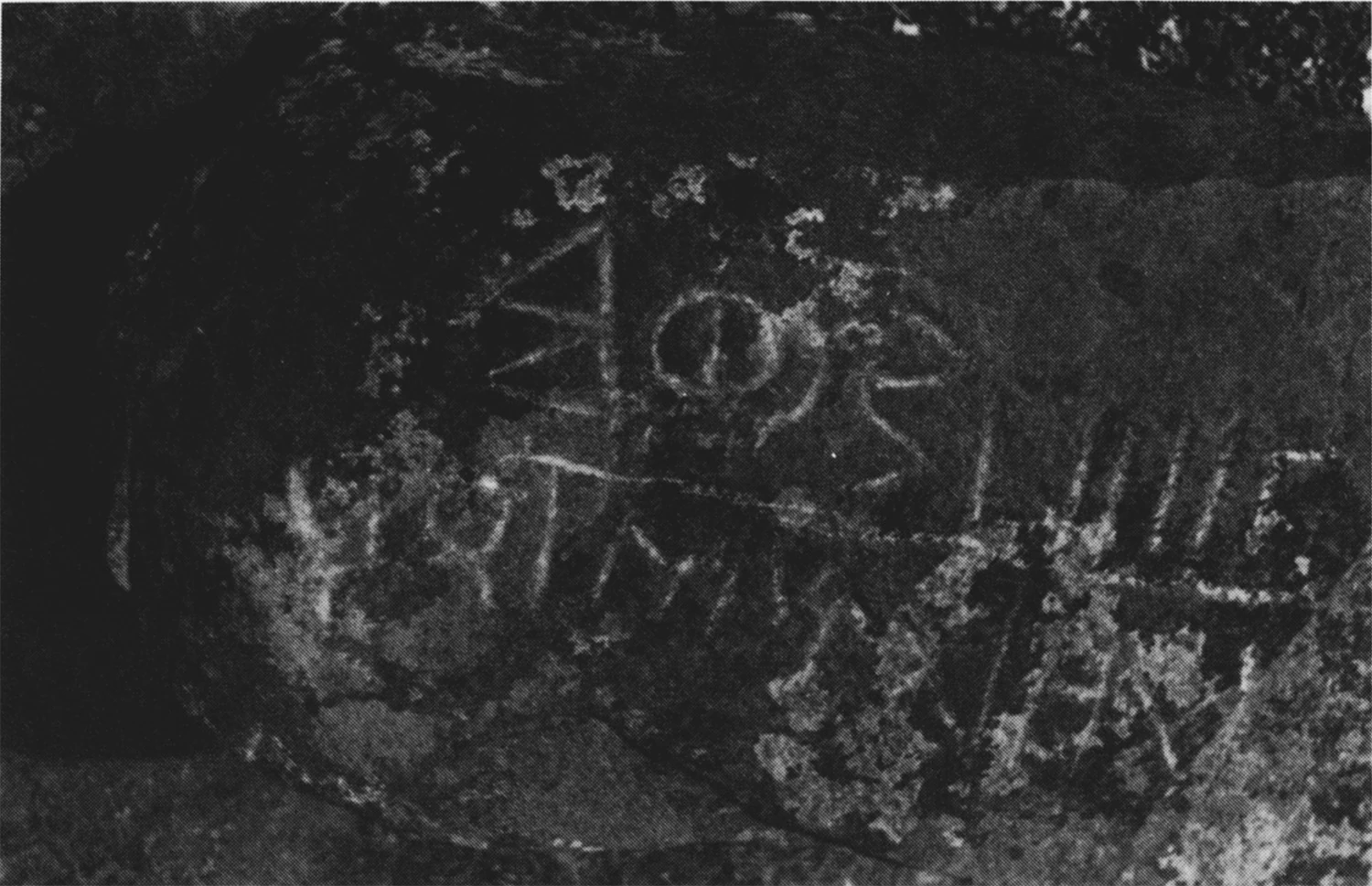
 RIÉ 77
RIÉ 77Early 1st millennium–5th/4th c. BCE (DASI Period A)Feqya, Senafe, Eritrea
RIÉ 77: stone piece from Feqya
DASI catalogues this dedicatory text - fragmentary on a stone piece of stone from Feqya, Eritrea.
𐩪𐩦𐩧𐩥𐩣 [... ...]
418 inscriptions
DʿMT and Aksumite texts in their attested scripts, with published translations and exact sources.
163 inscriptions in chronological order
RIÉ 77RIÉ 77Early 1st millennium–5th/4th c. BCE (DASI Period A)Feqya, Senafe, Eritrea
DASI catalogues this dedicatory text - fragmentary on a stone piece of stone from Feqya, Eritrea.
𐩪𐩦𐩧𐩥𐩣 [... ...]
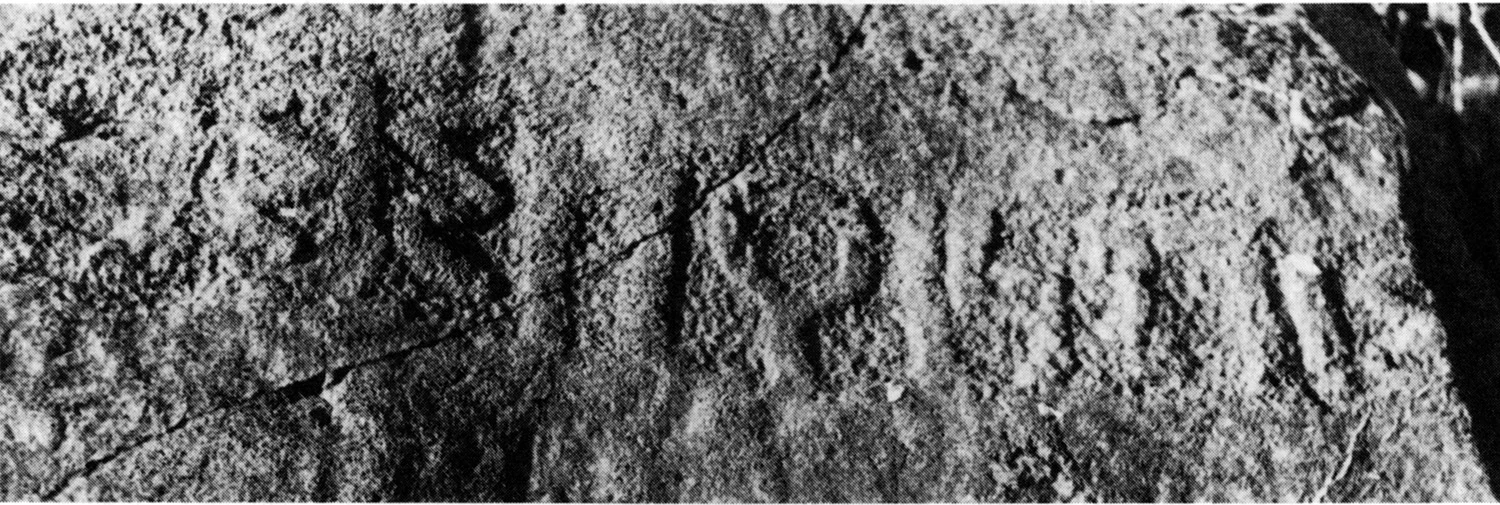 RIÉ 78
RIÉ 78Early 1st millennium–5th/4th c. BCE (DASI Period A)Feqya, Senafe, Eritrea
DASI catalogues this dedicatory text - fragmentary (conjectural) on a stone piece of stone from Feqya, Eritrea.
[... ...](𐩣)((𐩦)) 𐩨𐩬 𐩺𐩨𐩦𐩣
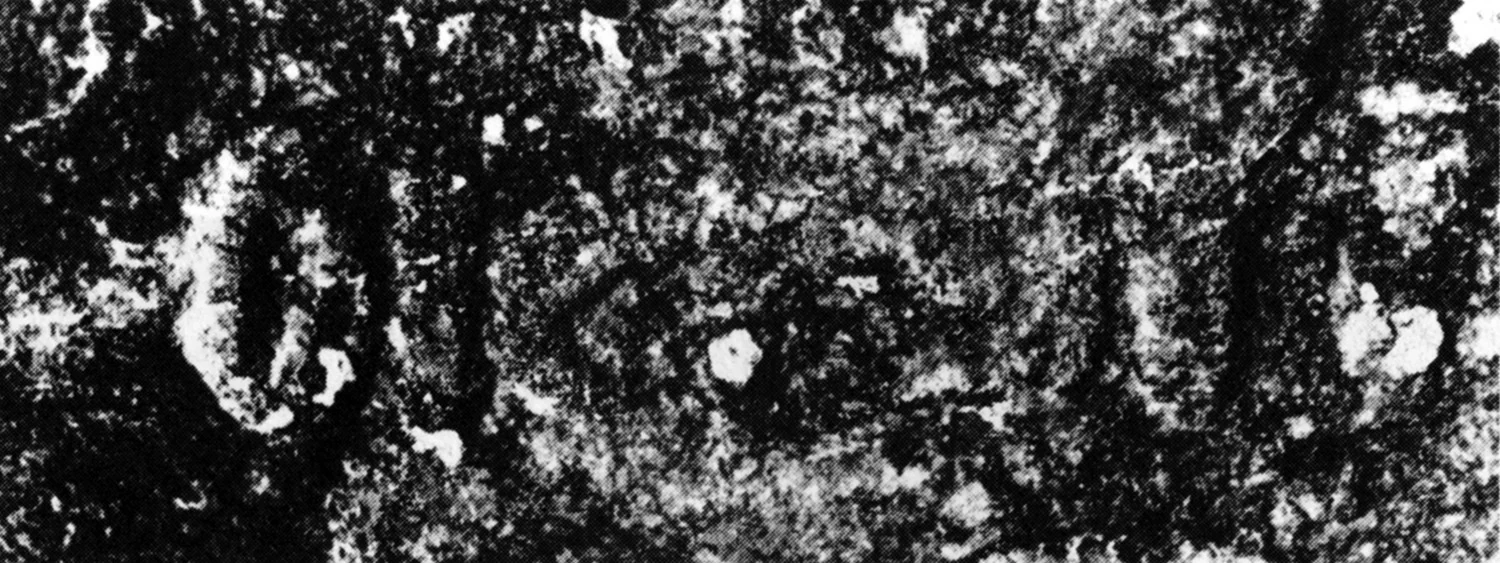 RIÉ 79
RIÉ 79Early 1st millennium–5th/4th c. BCE (DASI Period A)Feqya, Senafe, Eritrea
DASI catalogues this inscription on a stone piece of stone from Feqya, Eritrea.
𐩧𐩵𐩱((𐩧𐩵𐩱))
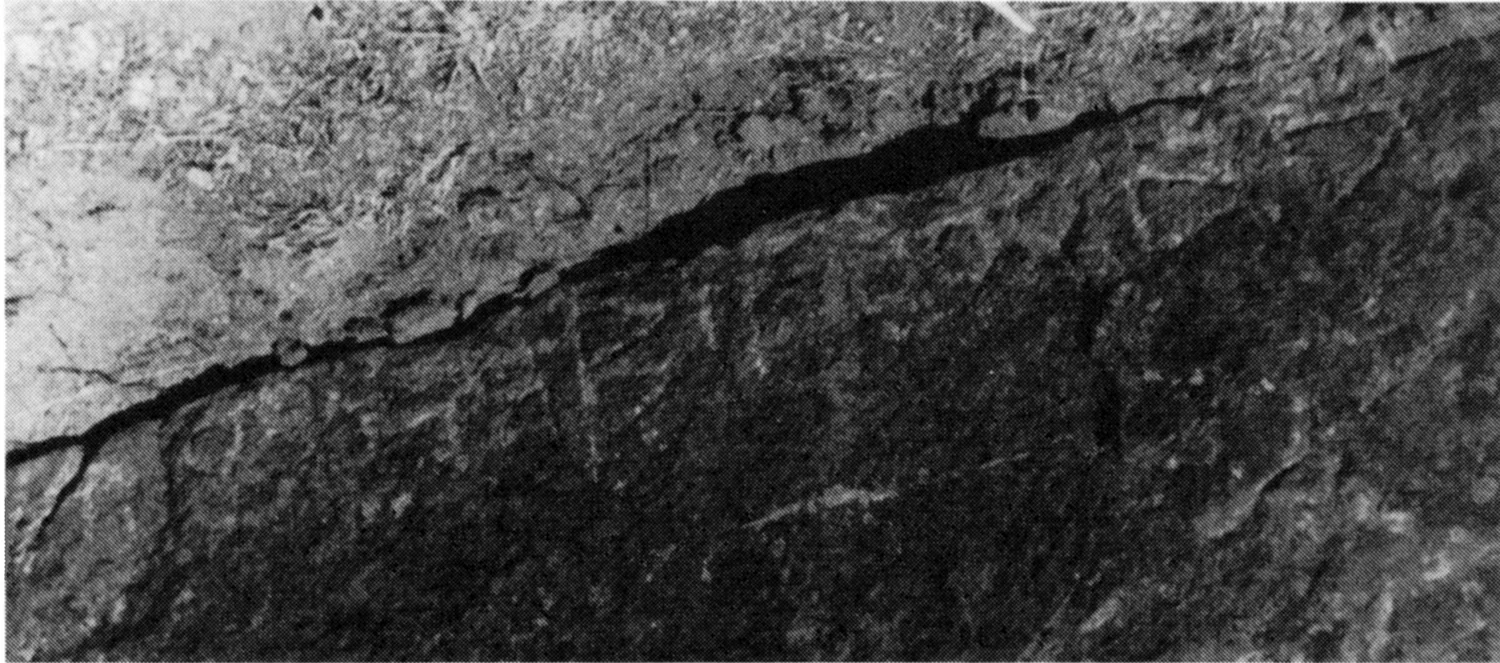 RIÉ 81
RIÉ 81Early 1st millennium–5th/4th c. BCE (DASI Period A)Feqya, Senafe, Eritrea
DASI catalogues this inscription on a stone piece of stone from Feqya, Eritrea.
𐩺𐩢𐩬𐩬𐩣 𐩨𐩬 𐩲𐩺𐩵𐩵
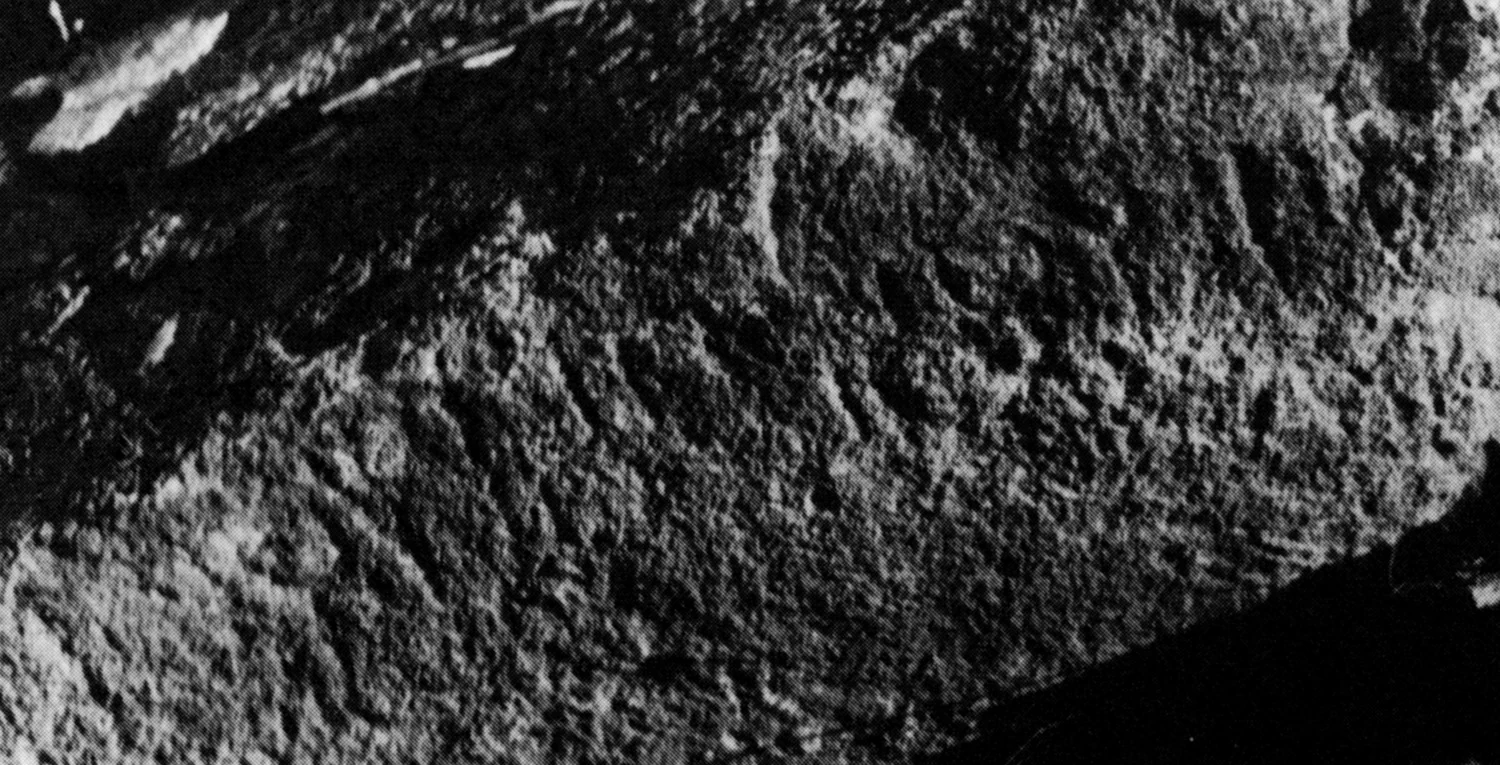 RIÉ 82
RIÉ 82Early 1st millennium–5th/4th c. BCE (DASI Period A)Feqya, Senafe, Eritrea
DASI catalogues this inscription on a stone piece of stone from Feqya, Eritrea.
𐩠𐩲𐩬 𐩨𐩬 𐩢𐩺𐩥
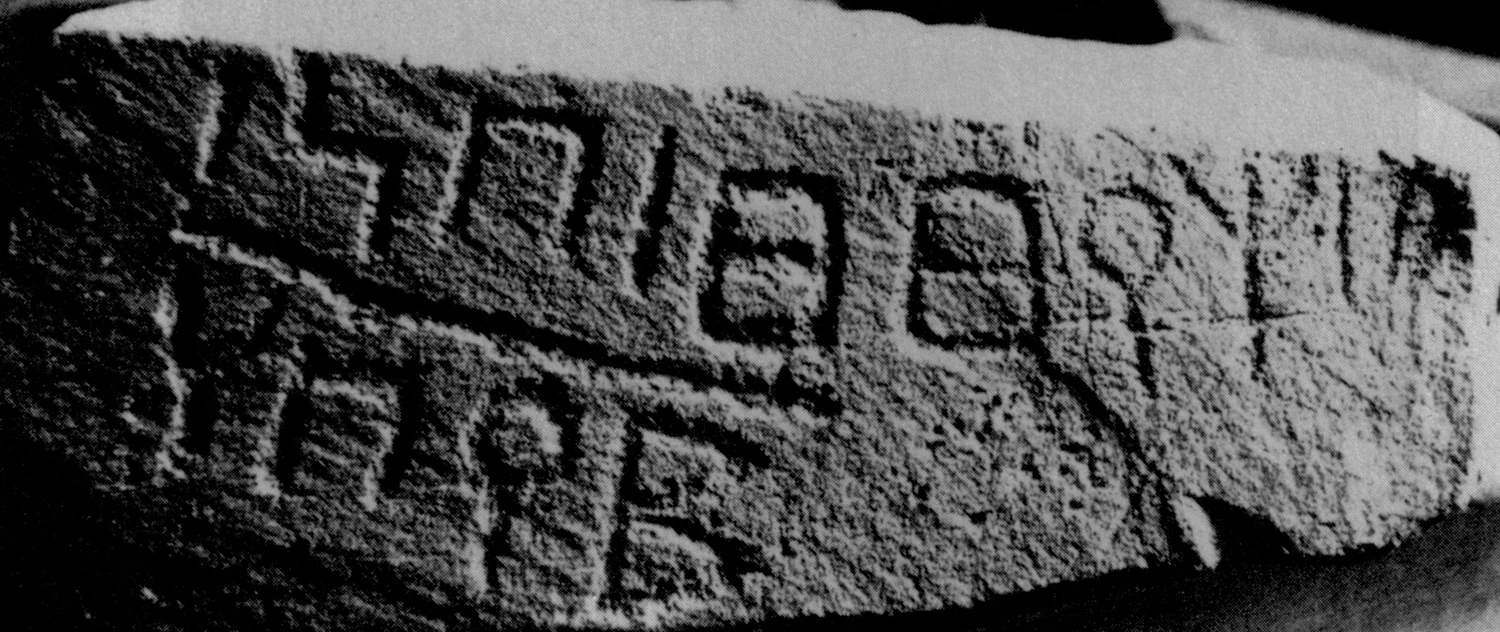 RIÉ 83
RIÉ 83Early 1st millennium–5th/4th c. BCE (DASI Period A)Barachit, Debub, Eritrea
DASI catalogues this inscription on a stone piece of stone from Barachit, Eritrea, now recorded at Asmara.
𐩢𐩺𐩳𐩳 𐩨𐩬|
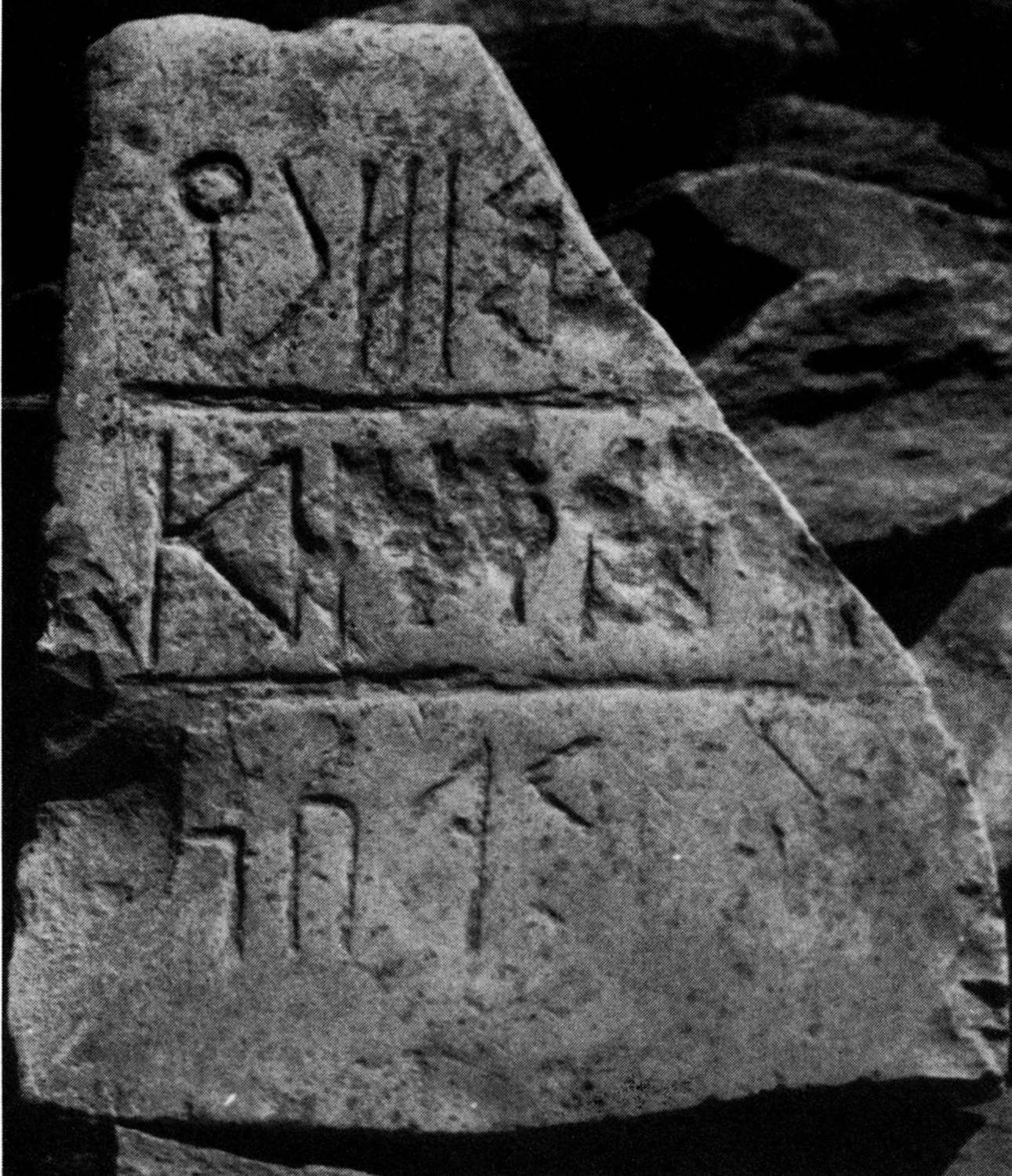 RIÉ 84
RIÉ 84Early 1st millennium–5th/4th c. BCE (DASI Period A)Dera, Eritrea
DASI catalogues this dedicatory text - fragmentary on a slab of stone from Dera, Eritrea.
[... ...]𐩣 𐩹-𐩧𐩺—
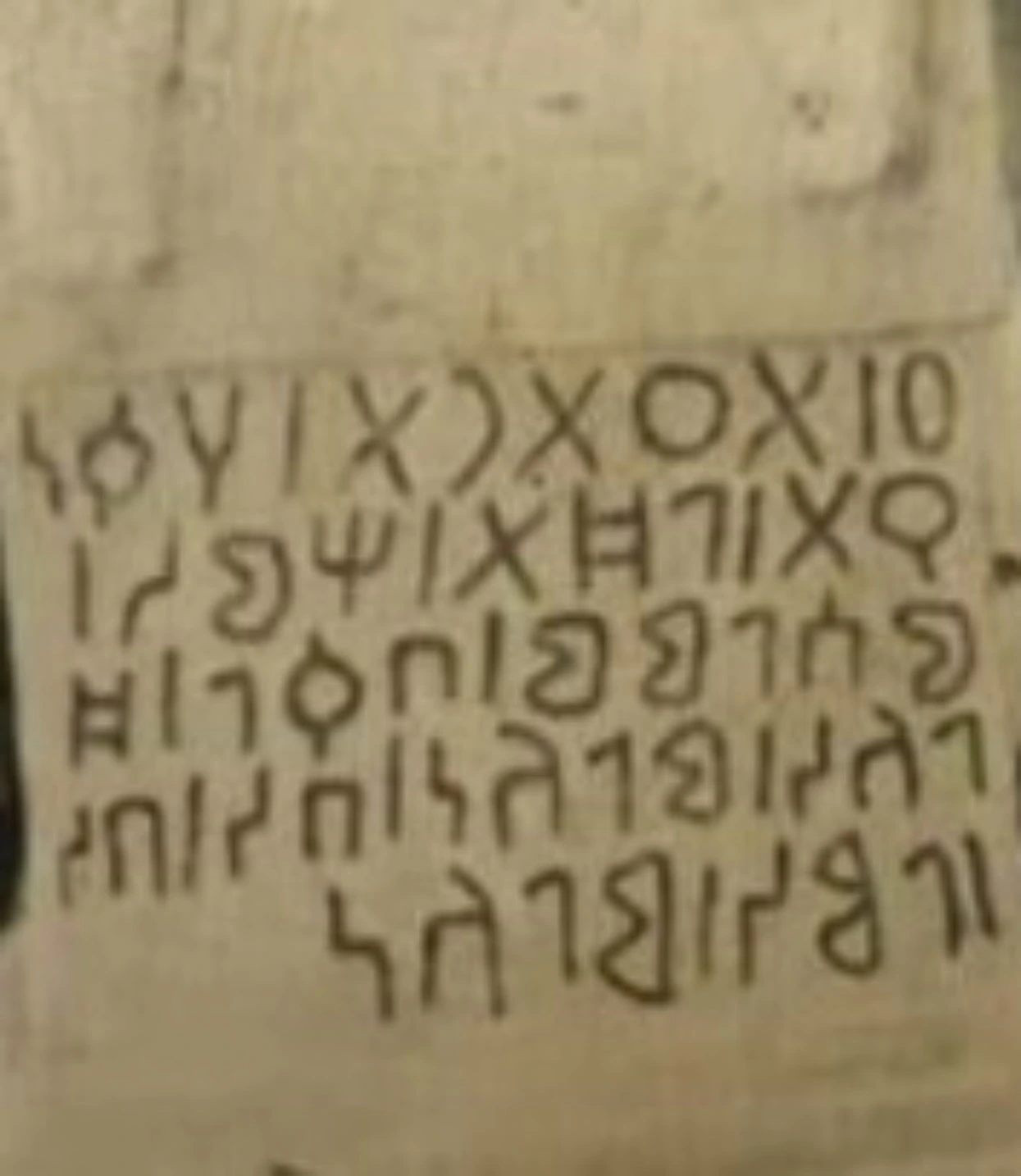 GE Ṣ́ǝrḥan 1 · Altar dedication · Photograph
GE Ṣ́ǝrḥan 1First half of the 1st millennium BCEṢ́ǝrḥan, Aḥfärom, Tǝgray, Ethiopia
A woman named Taʿattarat dedicated a Maslam altar to ḏāt Ḥamēn under the authority of the previously unattested king ḏū Lakkān, grandson of king Lāmān.
◊ / 𐩩𐩲𐩩𐩧𐩩 / 𐩠𐩤𐩬
No verified photograph or facsimile of this artifact has been retrieved.
RIÉ 38Pre-Aksumite period; precise date uncertainYeha
Surviving fragment, partly interpreted. The beginning is lost. The readings and meanings of the intervening words are uncertain; the final protective formula is translated by the edition.
Native-script transcription is not available here.
No verified photograph or facsimile of this artifact has been retrieved.
RIÉ 47Pre-Aksumite period; precise date uncertainYeha
Surviving text, partly interpreted. mṭry designates the altar but its precise meaning is uncertain. The final sequence ws nsb tyw remains uninterpreted; “projection” describes the stone surface.
Native-script transcription is not available here.
No verified photograph or facsimile of this artifact has been retrieved.
RIÉ 58Pre-Aksumite period; precise date uncertainMatara during the excavation of the mound B
Surviving dedicatory fragment. The beginning, ending, and part of the divine name are lost; brackets retain the edition’s restoration.
Native-script transcription is not available here.
No verified photograph or facsimile of this artifact has been retrieved.
RIÉ 64Pre-Aksumite period; precise date uncertainMatara during the excavation of the mound E2
Probable personal name. The same letter sequence names the tribe Bakīl elsewhere, but the edition considers a personal name more likely here.
BKLM
No verified photograph or facsimile of this artifact has been retrieved.
RIÉ 68Pre-Aksumite period; precise date uncertainMatara
Name; other marks uninterpreted. Two m signs on the right-hand stone remain uninterpreted.
ʿNYM
No verified photograph or facsimile of this artifact has been retrieved.
RIÉ 69Pre-Aksumite period; precise date uncertainDibdib
Published translation of the three-line dedication. DWL may designate a locality, region, people, or tribe; the edition does not resolve which.
Native-script transcription is not available here.
No verified photograph or facsimile of this artifact has been retrieved.
RIÉ 74Pre-Aksumite period; precise date uncertainFeqya, engraved on a stone
Surviving dedication with editorial restoration. The lost verb could have been singular or plural. <This stone> is supplied from the object, not a surviving word.
Native-script transcription is not available here.
No verified photograph or facsimile of this artifact has been retrieved.
RIÉ 75Pre-Aksumite period; precise date uncertainFeqya, engraved on a stone
Published translation of the surviving three-line dedication. <This stone> is supplied from the object. HYW is probably a co-dedicant.
Native-script transcription is not available here.
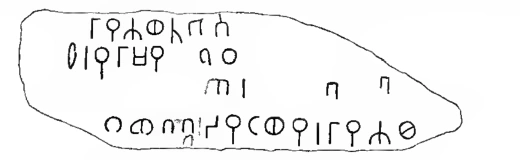 DAE IV no. 36, printed p. 63; facsimile corresponding to RIÉ 85.
RIÉ 85Pre-Aksumite period; precise date uncertainTokhonda, engraved on a stone
Published translation of two short texts. The divine names in Text II are probable readings; the etymology of YGDY is uncertain.
YGDY / ḤBS // [ʿW]B / NYRWY
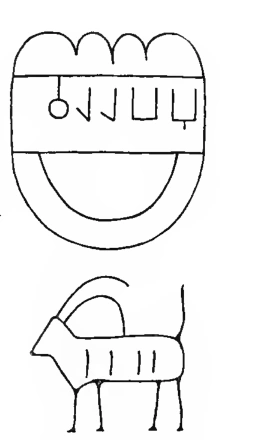 DAE IV no. 37, printed p. 63; facsimile corresponding to RIÉ 86.
RIÉ 86Pre-Aksumite period; precise date uncertainTokhonda, engraved on a stone
Probable personal name. The name is otherwise unknown; its proposed compound structure has no convincing etymology.
SBGLY
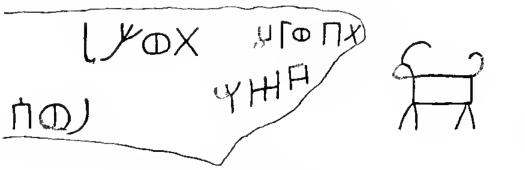 DAE IV no. 38, printed p. 64; facsimile corresponding to RIÉ 87.
RIÉ 87Pre-Aksumite period; precise date uncertainTokhonda, engraved on a stone
Preferred identification within an uncertain text. Drewes prefers a personal-name interpretation of ḤYWT over Littmann’s tentative ‘for the life of ʾAgʷabat’; the exact form and etymology of the other names remain doubtful.
ḤYWT (?)
No verified photograph or facsimile of this artifact has been retrieved.
RIÉ 88Pre-Aksumite period; precise date uncertainTokhonda, engraved on a stone
Alternative readings of a personal name. Both readings are offered; the root is secure but the final consonant is not.
SMʿN / SMʿS
No verified photograph or facsimile of this artifact has been retrieved.
RIÉ 89Pre-Aksumite period; precise date uncertainKelette Afa, engraved on a stone
Published translation. GʿSY may be a local name; its etymology is uncertain.
WKLʾL bn GʿSY
No verified photograph or facsimile of this artifact has been retrieved.
RIÉ 90Pre-Aksumite period; precise date uncertainLaʿlay ʿAddi, engraved on a stone
Preserved personal name. The same name occurs in RIÉ 91 and 124–126.
GBRN
No verified photograph or facsimile of this artifact has been retrieved.
RIÉ 91Pre-Aksumite period; precise date uncertainLaʿlay ʿAddi, engraved on a stone
Two preserved personal names. The etymology of ḤDBR remains uncertain.
GBRN // ḤDBR
No verified photograph or facsimile of this artifact has been retrieved.
RIÉ 92Pre-Aksumite period; precise date uncertainLaʿlay ʿAddi
Two partly legible names from four texts. Only the names in Texts II and III are more or less legible; the reading and derivation of both remain doubtful.
WNʾN / ʿNʾN (?) // DBRY
Source register
RIÉ 1–443, with separately numbered text versions, supplements, and Arabian witnesses from the checked corpus and DASI. Dates and uncertain identifications follow the cited editions; missing texts, translations, and images are recorded below.
181–199 of 199 entries. Copies and language versions retain their own references.
Pre-Aksumite period; precise date uncertain · Saro · Early highland inscription; Old South Arabian alphabet
Preserved personal name and preferred vocalization. The internal ʿ may represent a vowel; the causative interpretation is preferred but remains an etymological proposal.
Pre-Aksumite period; precise date uncertain · Awalo · Early highland inscription; Old South Arabian alphabet
Published translation. Both names may be local; the proposed South Arabian connection of DʿMN remains conditional.
Pre-Aksumite period; precise date uncertain · provenance unknown · Early highland inscription; Old South Arabian alphabet
Published translation. The object appears much later than the other monumental Sabaic inscriptions from Ethiopia and may have originated in South Arabia.
Pre-Aksumite period; precise date uncertain · provenance unknown · Early highland inscription; Old South Arabian alphabet
Uninterpretable fragment. The text is too fragmentary to interpret.
Pre-Aksumite period; precise date uncertain · provenance unknown · Early highland inscription; Old South Arabian alphabet
Reported word in an unpublished inscription. The inscription remained unpublished; Littmann’s information says it contained dedications to ʿAstar and the word ʿrkn, but no text or translation is available for verification.
Early 1st millennium–5th/4th c. BCE (DASI Period A) · ʿAddi ʾAkawǝḥ / Addi Amiq, Wuqro area, Ethiopia; farmer-found in 1995, preserved at Abba Garima church · Early Sabaic (Ethiopia/Eritrea)
The surviving royal title explicitly names DʿMT.
Early 1st millennium–5th/4th c. BCE (DASI Period A) · Mäqabər Ga‘əwa, Wuqro, Ethiopia · Early Sabaic (Ethiopia/Eritrea)
Early highland dedication, private inscription, or fragment.
Early 1st millennium–5th/4th c. BCE (DASI Period A) · Mäqabər Ga‘əwa, Wuqro, Ethiopia · Early Sabaic (Ethiopia/Eritrea)
Early highland dedication, private inscription, or fragment.
Early 1st millennium–5th/4th c. BCE (DASI Period A) · Mäqabər Gaʿəwa, Wuqro area, Ethiopia; in situ in the temple of ʾlmqh, now Wuqro Museum · Early Sabaic (Ethiopia/Eritrea)
Royal name; DʿMT is not named in the surviving text.
Early 1st millennium–5th/4th c. BCE (DASI Period A) · Mäqabər Ga‘əwa, Wuqro, Ethiopia · Early Sabaic (Ethiopia/Eritrea)
Early highland dedication, private inscription, or fragment.
Early 1st millennium–5th/4th c. BCE (DASI Period A) · Mäqabər Ga‘əwa, Wuqro, Ethiopia · Early Sabaic (Ethiopia/Eritrea)
Early highland dedication, private inscription, or fragment.
First half of the 1st millennium BCE · Ṣ́ǝrḥan, Aḥfärom, Tǝgray, Ethiopia · Ethio-Sabaean
Altar dedication by Taʿattarat naming kings ḏū Lakkān and Lāmān.
Early 1st millennium BCE (no exact date verified from the unavailable primary chapter) · Grat Beʿal Gibri, Yeha, Tǝgray, Ethiopia · Old Sabaic
Dedication; the primary edition has not been retrieved.
Early 1st millennium BCE (DʿMT-period context; no narrower date stated by Weninger) · Parakleitos monastery, near the old Adigrat–Däbrä Damo road, Tǝgray, Ethiopia · Ethio-Sabaean (Old Sabaic ductus)
Fragmentary dedication.
Early 1st millennium BCE (DʿMT-period context; no narrower date stated by Weninger) · Abba Afṣe monastery exhibition room, Yeha, Tǝgray, Ethiopia · Ethio-Sabaean (Old Sabaic ductus)
Fragmentary dedication.
Early 1st millennium BCE (archaic ductus; no narrower date stated by Weninger) · Abba Afṣe monastery exhibition room, Yeha, Tǝgray, Ethiopia · Ethio-Sabaean (Old Sabaic ductus)
Short name inscription; interpretation uncertain.
About the 7th century BCE or earlier (palaeographic) · Found at Guldam near Yeha; kept at Färäs May, Tǝgray, Ethiopia when published · Ancient Sabaic
Ownership inscription on a bronze vessel.
Possibly 8th–7th century BCE; a later date cannot be excluded · ʿAddi Baʿekel, Daʾero area north of Feresmay, Tǝgray, Ethiopia · Local Semitic language close to Sabaic
Fragmentary text in a local Semitic language.
Early 1st millennium BCE context (joined date not independently verified) · Gobo Čela / Melazo area, Ethiopia (reported association with RIÉ 28) · Ethio-Sabaean
Reported join to RIÉ 28; the joined reading has not been verified.